

About
Located in northern Ghana, Mole National Park is the country’s largest and most celebrated protected area. The park covers approximately 1,876 square miles (4,857 sq km) across rolling savannah landscapes and forested river valleys. Mole National Park lies within Ghana’s Savannah Region near the town of Damongo.
It is one of the most important wildlife destinations in West Africa. The park also forms part of a broader conservation landscape that connects with other protected ecosystems across northern Ghana and neighboring countries. Visitors often combine Mole National Park with cultural visits to communities and historic sites throughout northern Ghana.
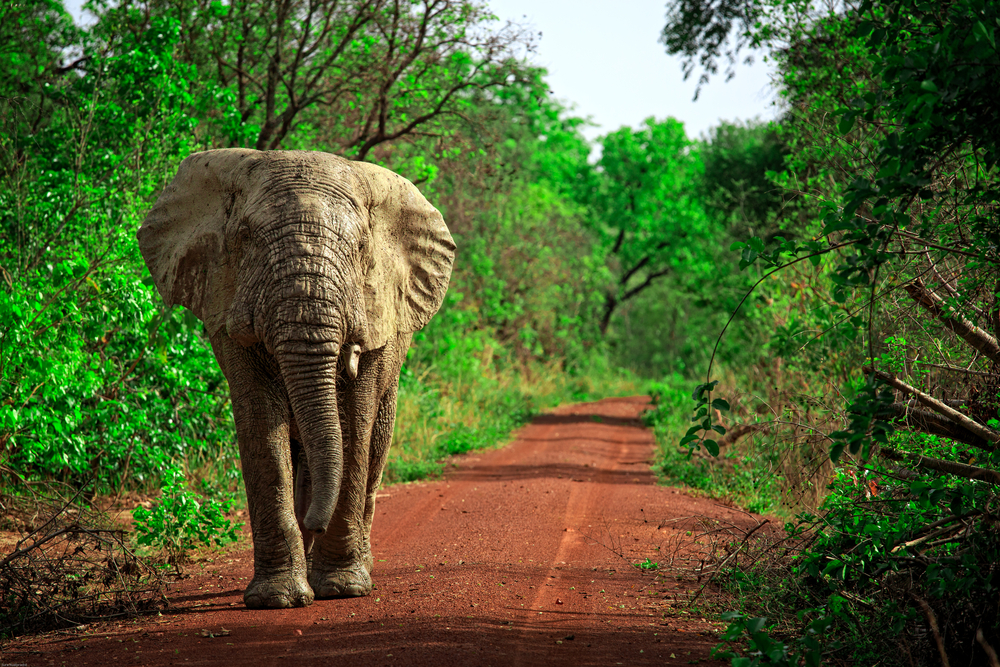
Mole National Park is best known for its free-ranging African elephants and its remarkable safari experiences that often take place on foot. Unlike many parks across Africa where wildlife viewing happens mainly by vehicle, Mole offers guided walking safaris led by armed rangers. This creates a far more intimate experience with nature. Watching elephants feeding near watering holes while standing quietly at ground level is one of the park’s defining experiences.
The park is also known for its peaceful atmosphere and lower visitor numbers compared to larger East African safari destinations. Travelers seeking a quieter and more personal safari often find Mole especially rewarding. The elevated Mole Motel viewpoint overlooking a busy waterhole is another iconic attraction where visitors frequently observe wildlife gathering throughout the day.
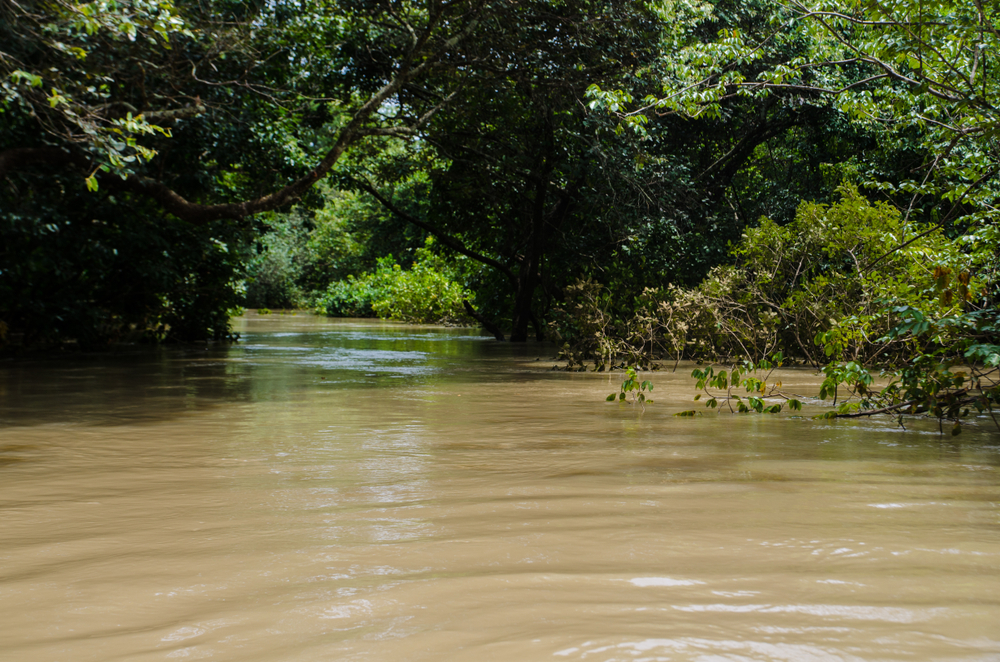
The geography of Mole National Park is shaped by broad savannah plains, escarpments, woodland forests, and seasonal rivers. Much of the park consists of Guinea savannah vegetation with tall grasses, scattered acacia trees, shea trees, and dense riparian forests lining streams and watercourses.
During the dry season, wildlife concentrates near permanent water sources, creating excellent viewing opportunities. The terrain includes gentle hills and dramatic viewpoints that overlook green valleys below. Seasonal changes strongly influence the landscape. The rainy season transforms the park into a lush green environment filled with migratory birds and flowering vegetation, while the dry season reveals golden grasslands and more concentrated wildlife activity.
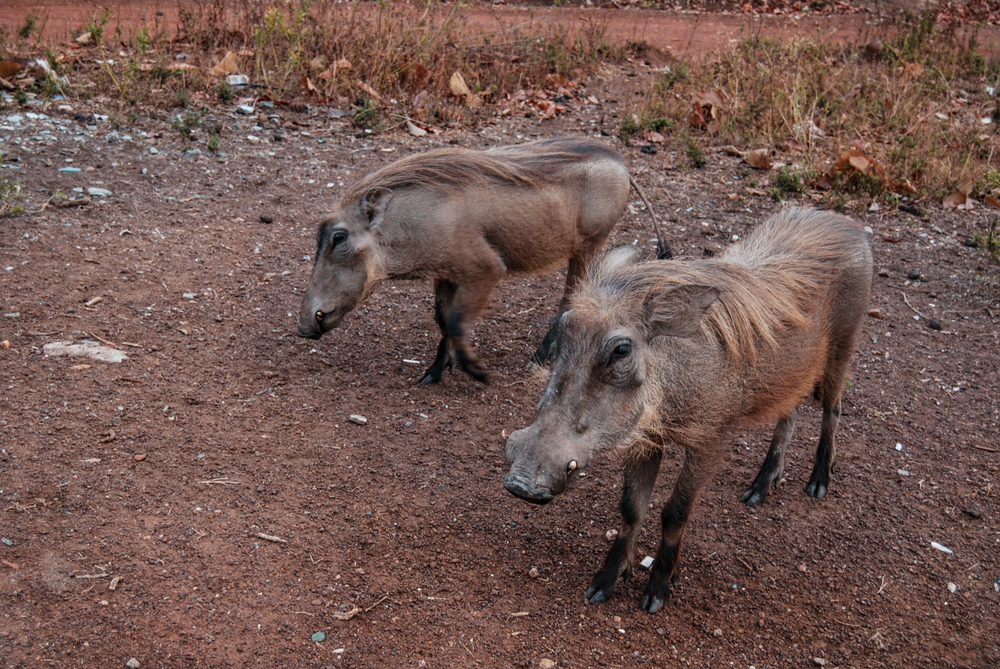
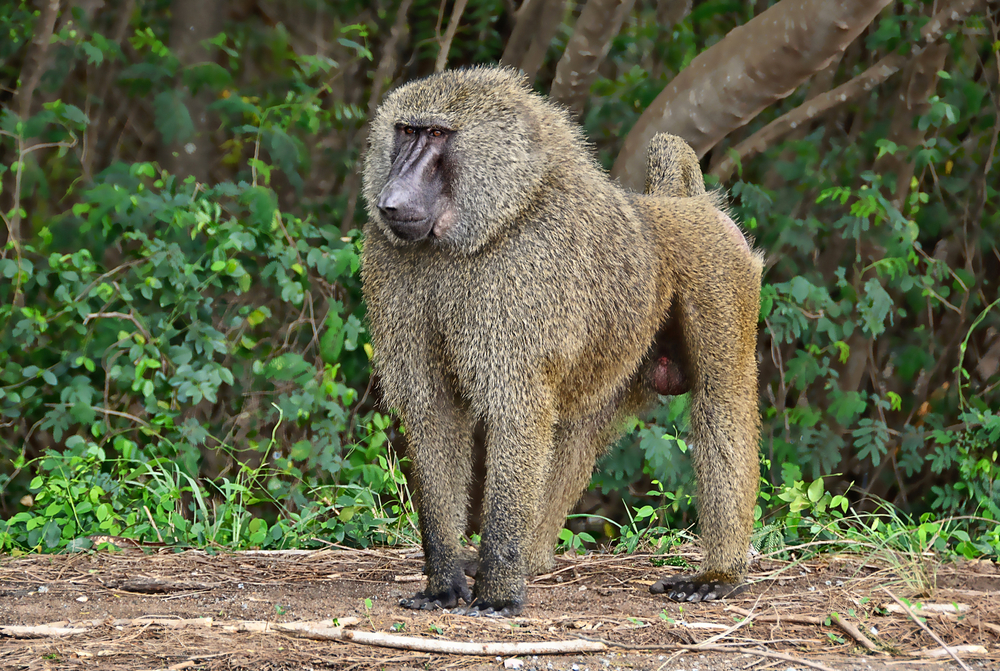
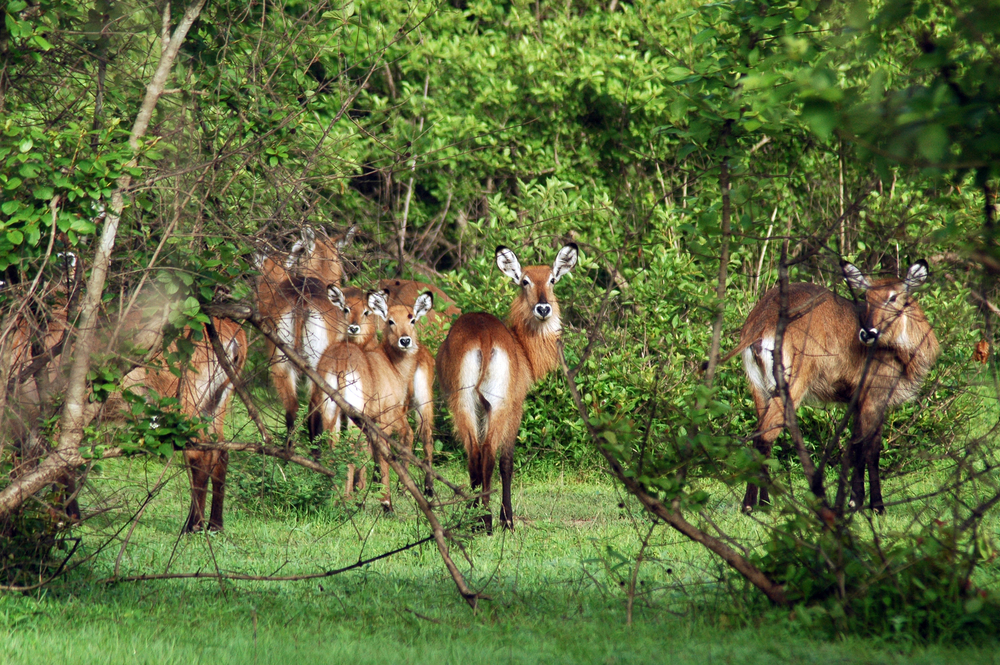
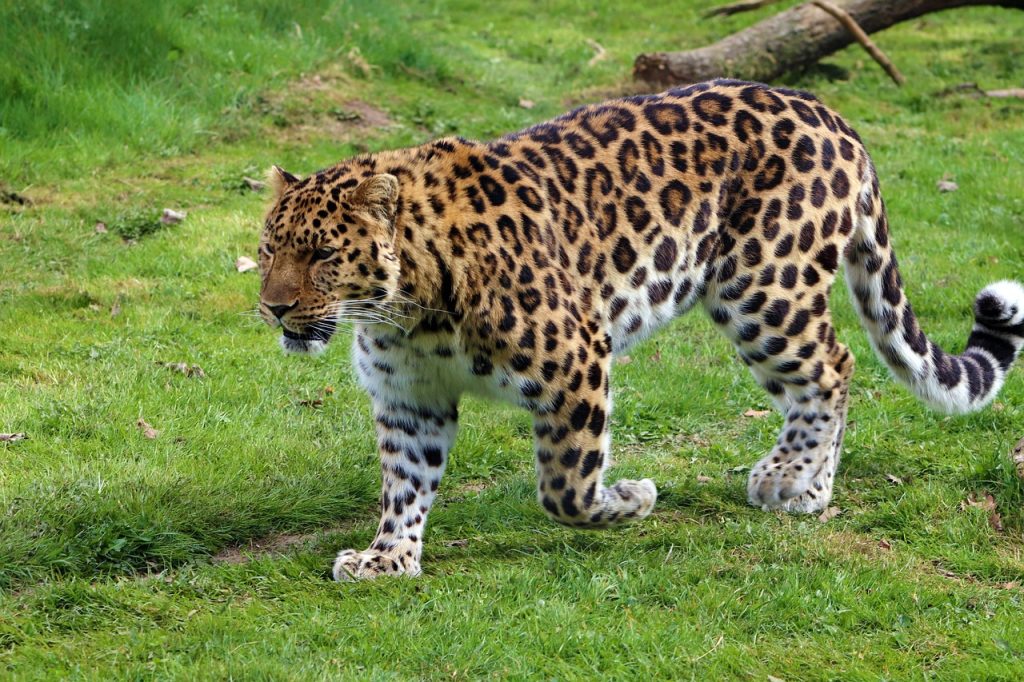
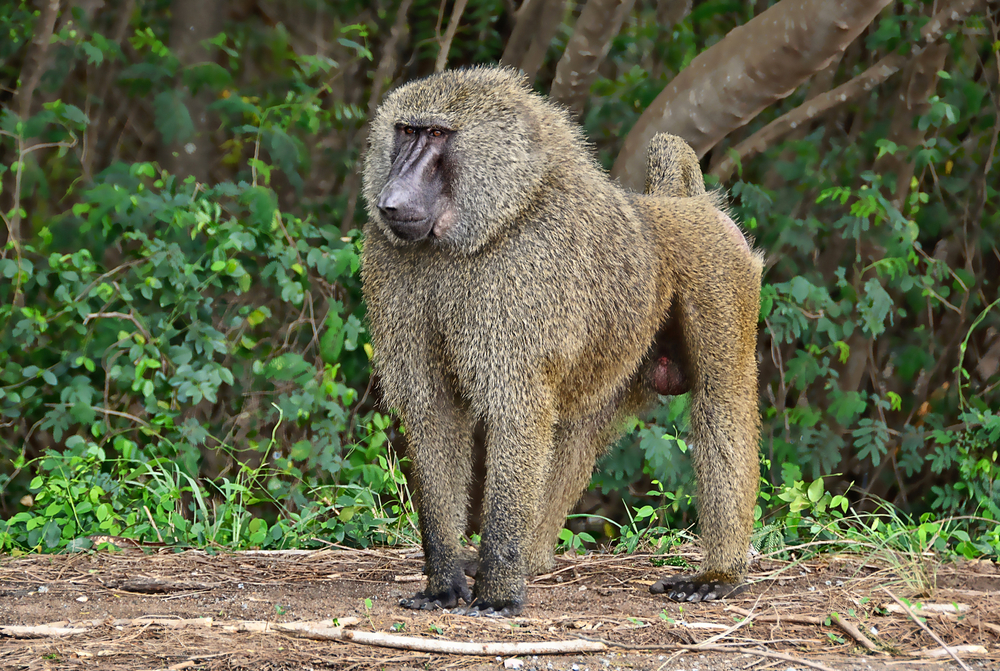
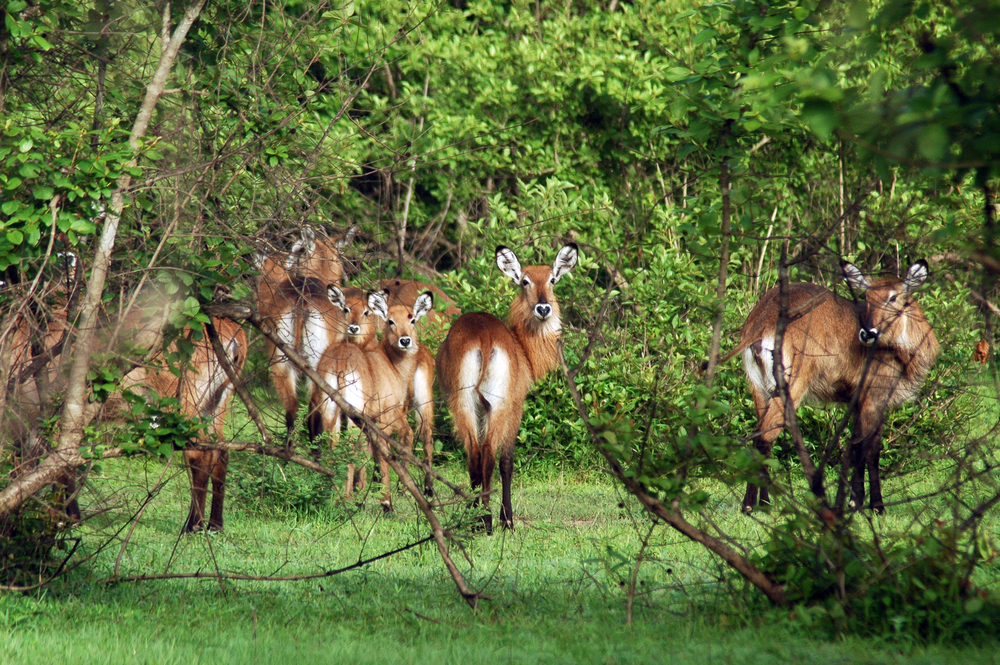
The park supports an impressive diversity of wildlife despite its location outside the more famous safari circuits of East and Southern Africa. African elephants are the park’s signature species and are commonly seen near lodges and waterholes. Other large mammals include buffalo, kob, waterbuck, hartebeest, bushbuck, warthog, and several monkey species such as baboons and patas monkeys. Leopards inhabit the park but are rarely seen due to their elusive nature.
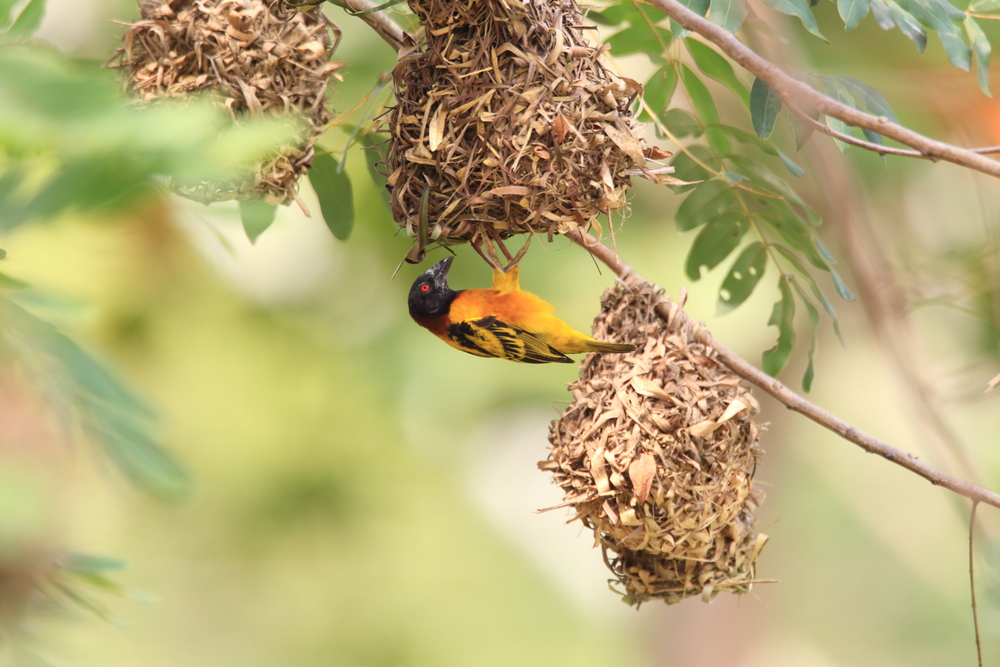
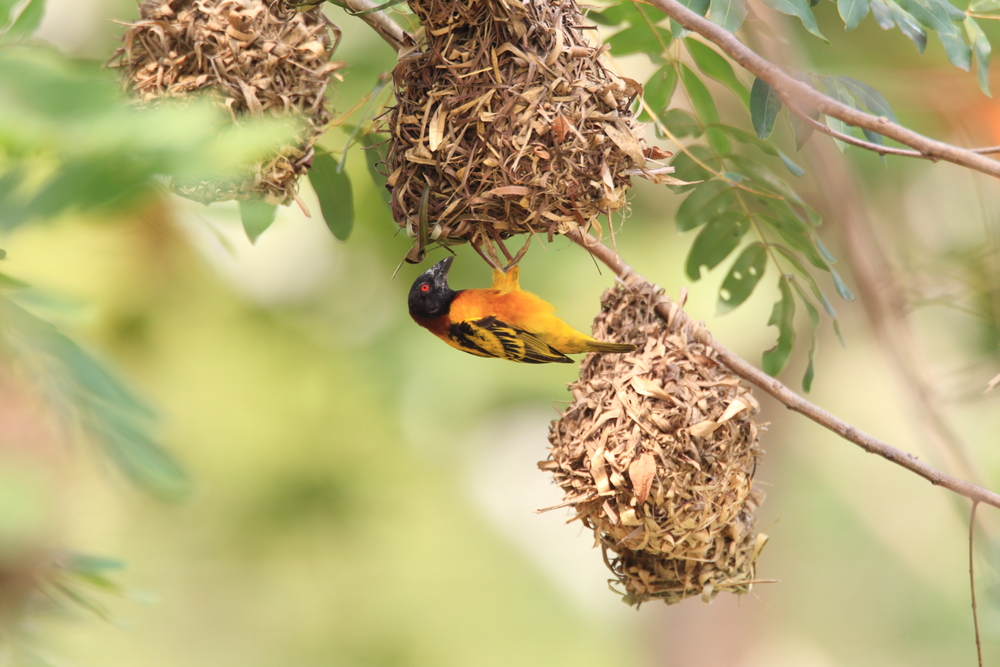
Mole National Park is also a paradise for birdwatchers. More than 300 bird species have been recorded here, including saddle-billed storks, martial eagles, kingfishers, hornbills, and herons. The combination of savannah and wetland habitats creates exceptional bird diversity throughout the year.
Mole National Park plays a critical role in protecting West African savannah ecosystems that have declined significantly across the region. The park safeguards important elephant populations and provides refuge for species threatened by habitat loss, poaching, and agricultural expansion. Compared to famous elephant parks such as Chobe National Park or Kruger National Park, Mole offers a more intimate and less commercialized wilderness experience.
Its importance extends beyond tourism because it preserves one of the largest remaining natural habitats in Ghana. Mole National Park stands as a powerful example of conservation in West Africa while offering visitors a rare opportunity to experience authentic African wilderness in a peaceful and deeply personal way.
Photos

Things to See
Things To Do
You are invited to get out and explore the national park and see the wildlife that calls this region home. There are a couple of ways for you to see animals.


Mole National Park Trails
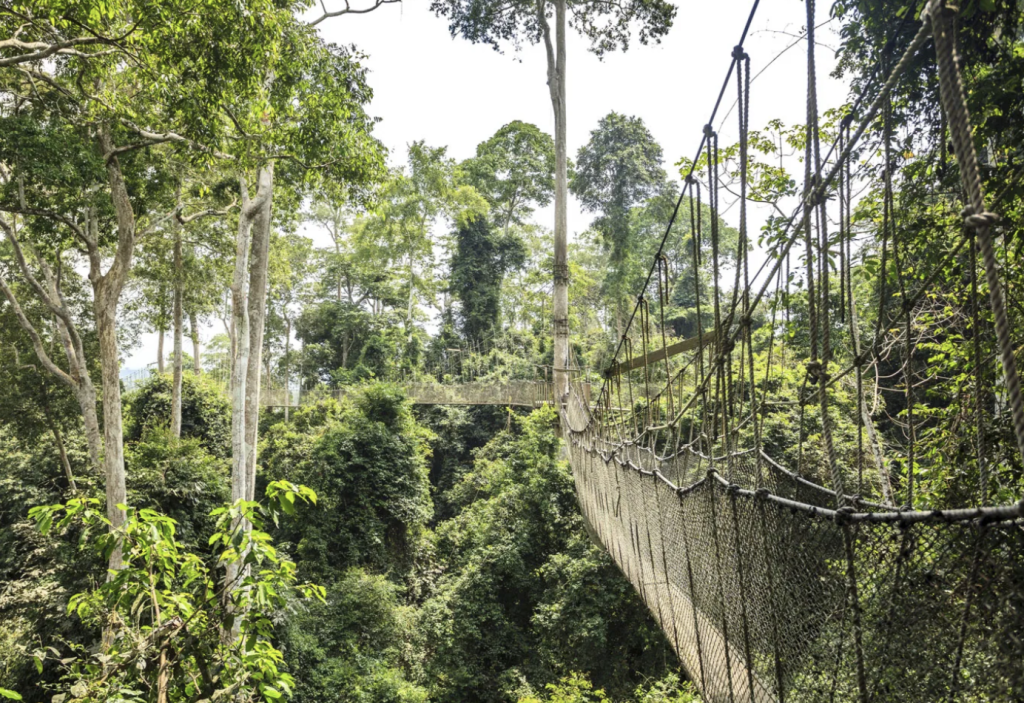
Mole National Park is a wildlife reserve and not traditionally seen as a place to hike. The majority of activities are through safari. The good news is, the national park does provide opportunities for walking safaris which gives you a chance to explore on foot while trying to witness the splendor of the wildlife the park offers.
Park Protection
The park was established to protect the diversity of wildlife that lives in the savanna ecosystem. The primary threat to the survival of the varied species is poaching and human encroachment. The park has historically been underfunded, but the Ghana government is committed to protecting the natural resources of the national park.
The boundaries for human habitation have been pushed further away from the park. This has seemed to lessen the amount of poaching which typically came from local residents who now find it too far to travel combined with the other risks. Elephant protection is one of the primary focuses of the park’s conservation efforts.
Sources
- Atlas Obscura, Mole National Park, https://www.atlasobscura.com/places/mole-national-park, retrieved July 2020.
- Britannica, Mole National Park, https://www.britannica.com/place/Mole-National-Park, retrieved July 2020.
- Easy Track Ghana, Mole National Park, https://www.easytrackghana.com/tour-ghana_mole-national-park.php, retrieved July 2020.
- Mole National Park, park site, https://molenationalpark.org/, retrieved July 2020.
- Visit Ghana, Mole National Park, https://visitghana.com/attractions/mole-national-park-2/, retrieved July 2020.
- Wiki Voyage, Mole National Park, https://en.wikivoyage.org/wiki/Mole_National_Park, retrieved July 2020.