

About
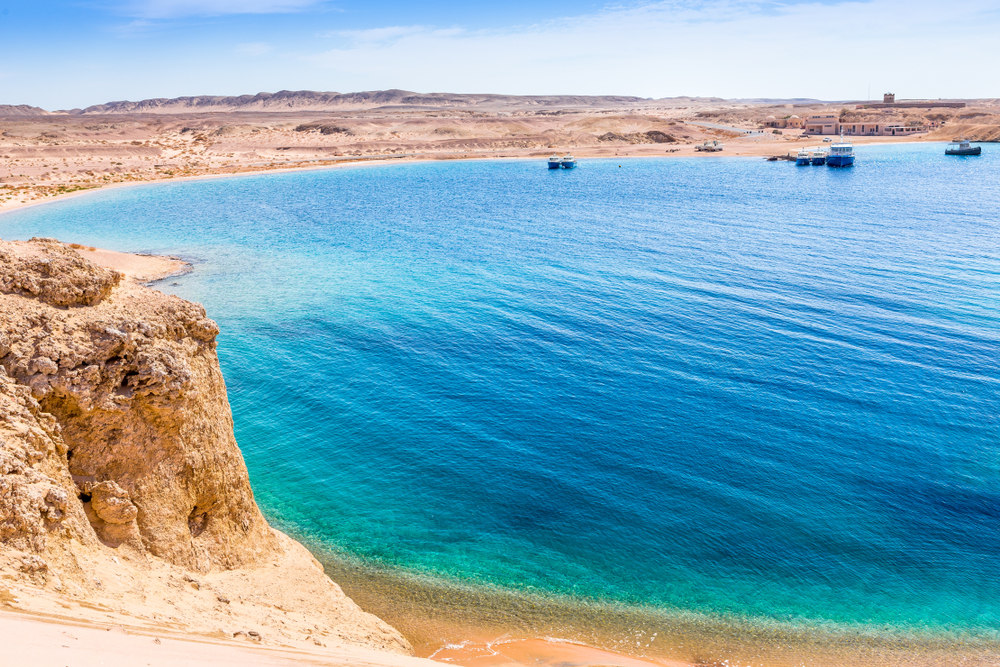
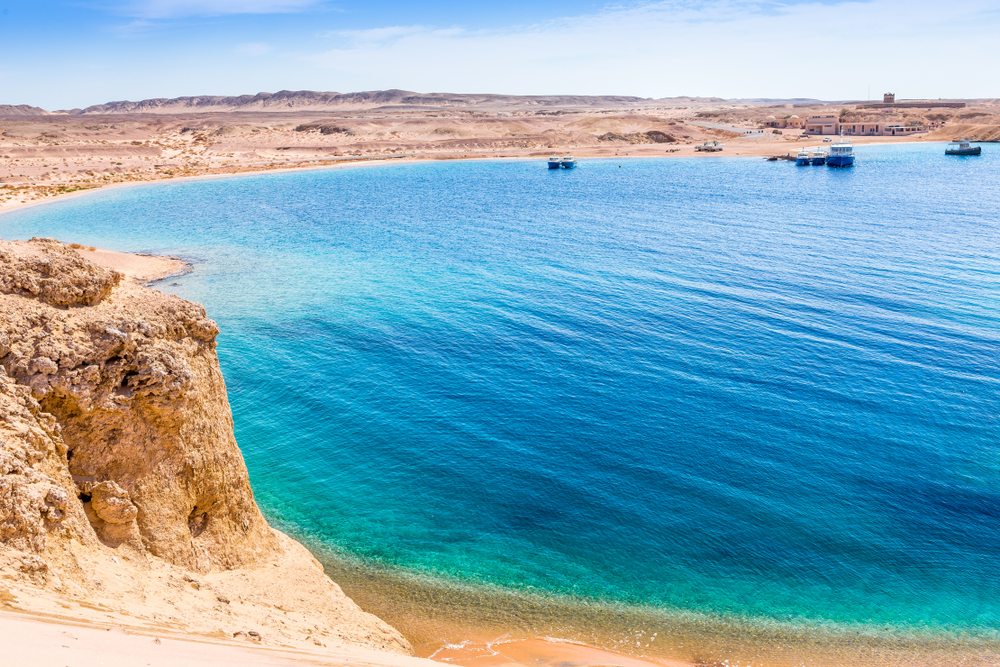
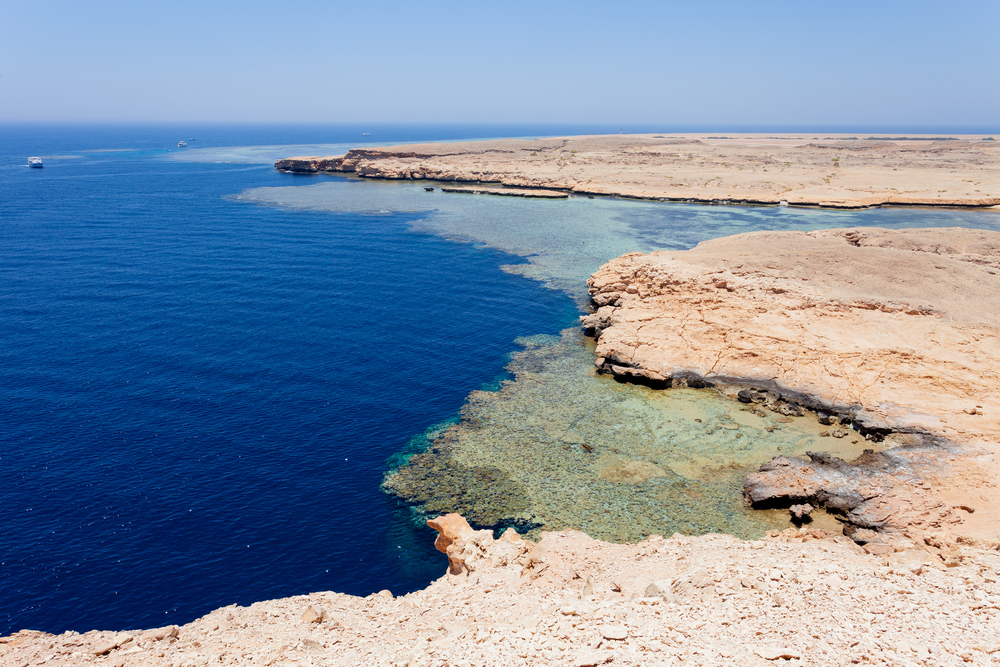
Ras Muhammad National Park is located in Egypt on the Sinai Peninsula. It is found at the most southern tip of the peninsula. The national park encompasses an area of 185 square miles (480 sq km). This was the first national park for Egypt.
The global voting is underway to determine the best national parks in Egypt. You can vote for Egypt’s best by registering and voting here.
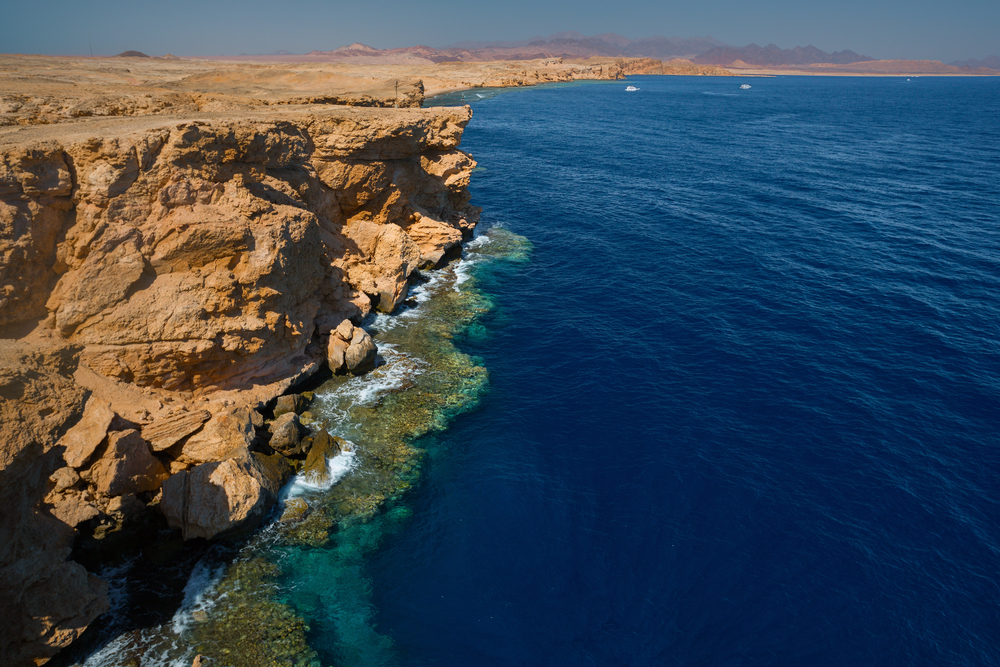
Of the 185 square miles (480 sq km), 133 square miles (345 sq km) is marine and protects the Red Sea Reef. Along with the Red Sea Reef, there are two islands just off the peninsula which are part fof the park’s protected area.
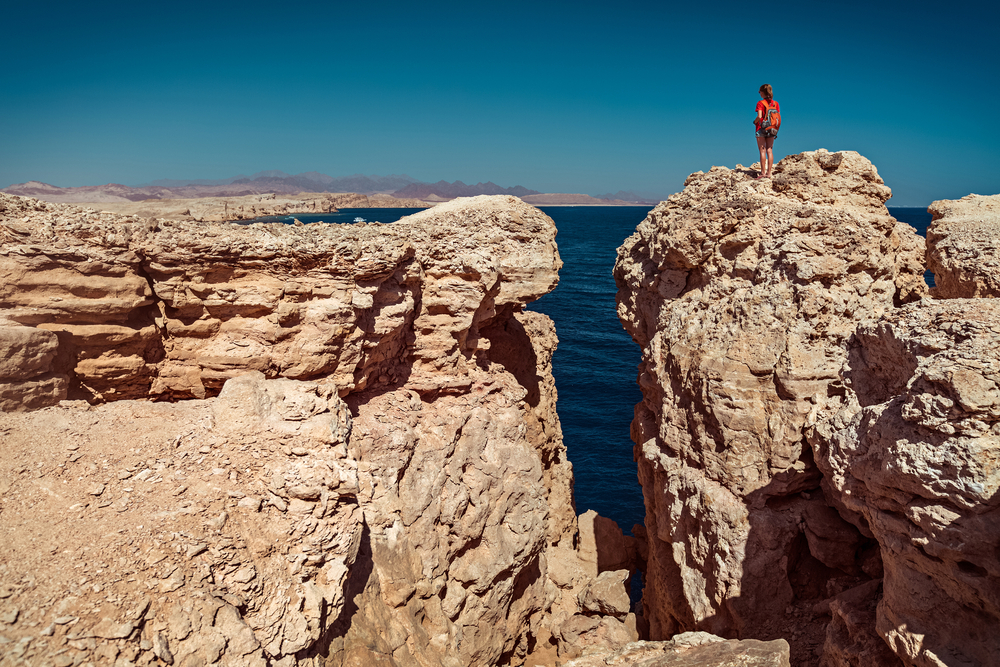
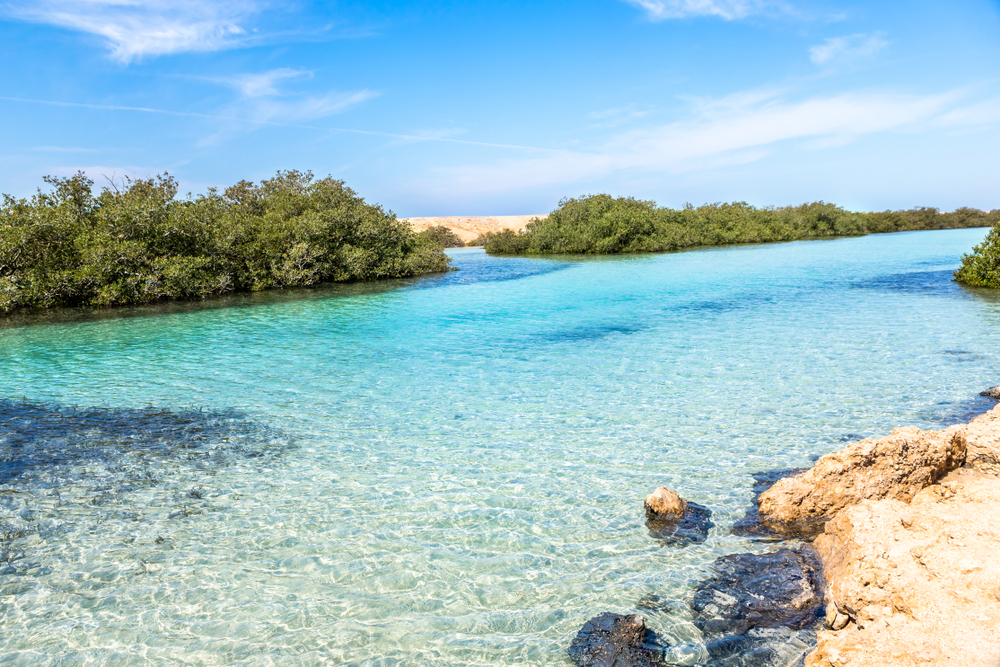
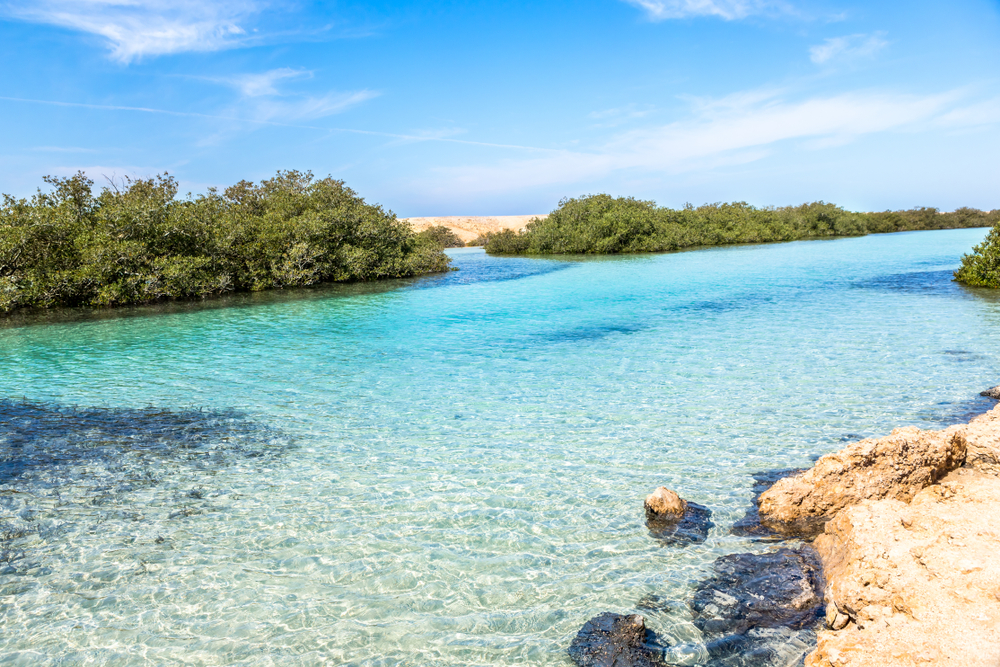
On land, the park protects a small mangrove forest at the end of the peninsula. Further inland, the landscapes include mountains, sand dunes, wadis, and coastal mud plains.
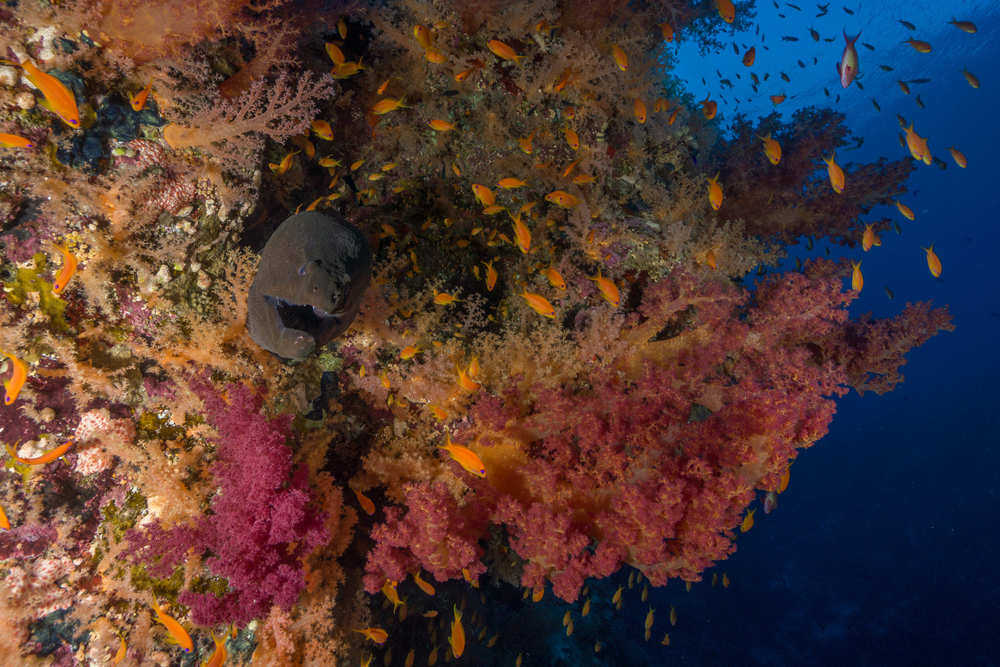
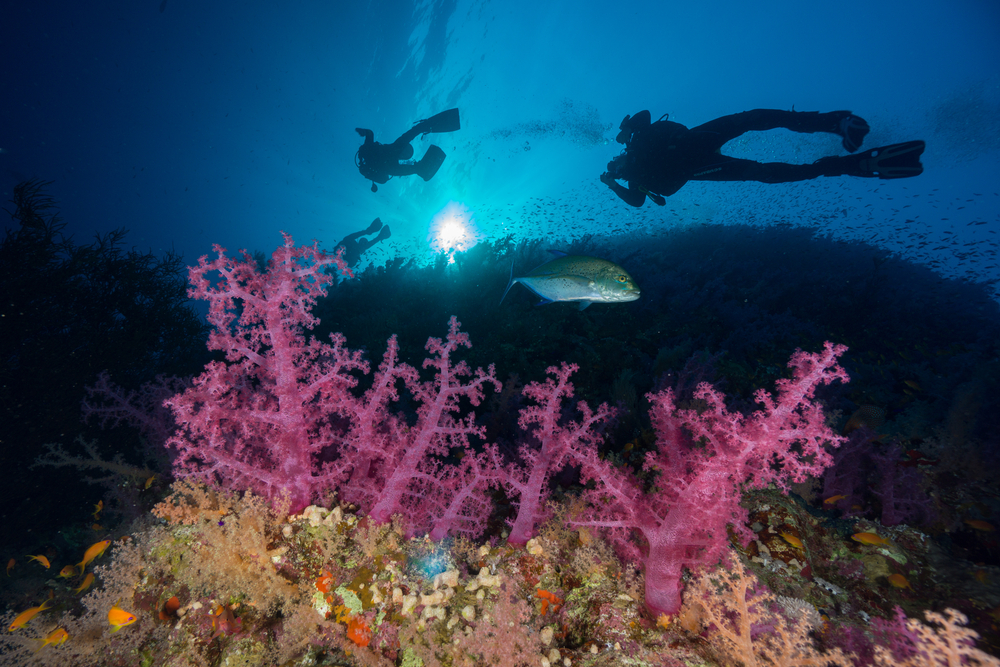
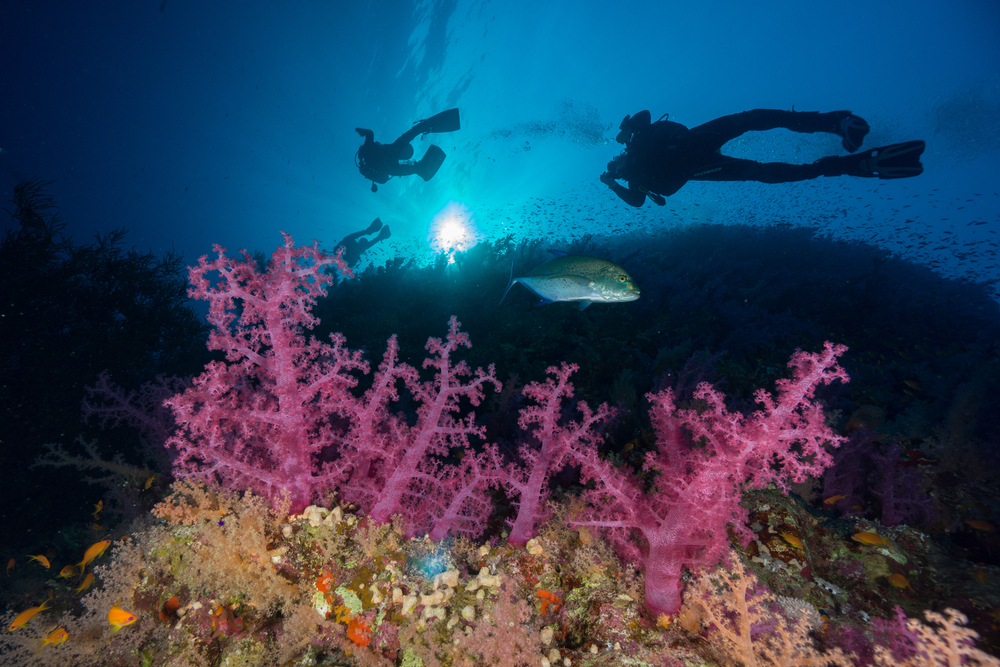
The Red Sea Reef and surrounding reef areas include both fringing and hermatypic type reefs. There are over 220 species of corals accompanied by over 1,000 species of fish, 40 species of starfish, 150 species of crustaceans, and 25 species of sea urchins.
The green turtle and the hawksbill turtle are two of the sea turtles which can be found swimming amongst the reefs fairly regularly.
The Red Sea is the most northern tropical sea and it stretches 1,400 miles (2,250 km) with a surface area of 169,000 square miles (438,000 sq km). The Ras Muhammad National Park only protects a small portion of the Red Sea Reef.
Trails of Ras Muhammad National Park
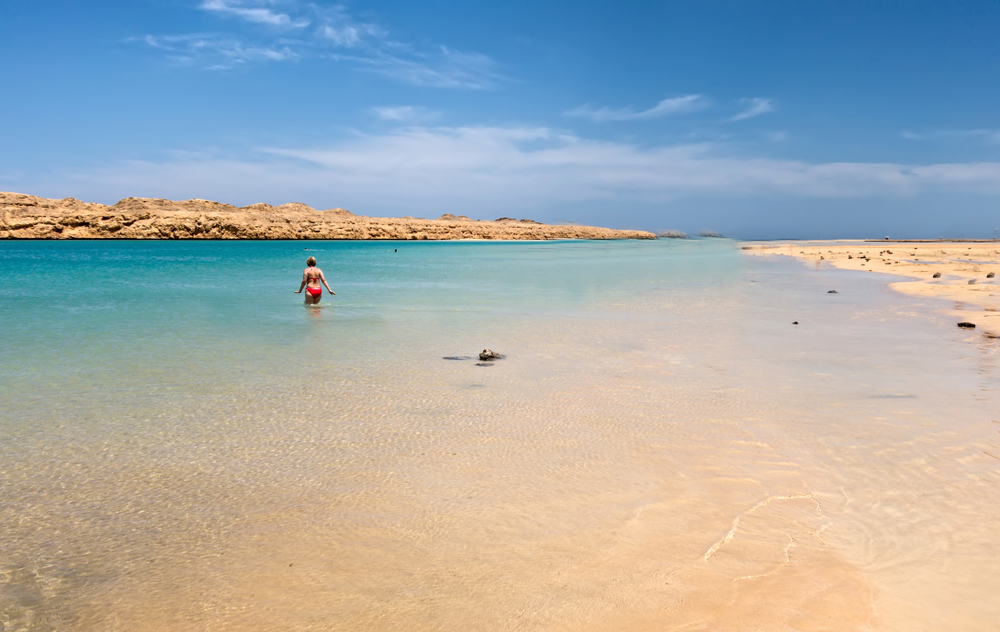
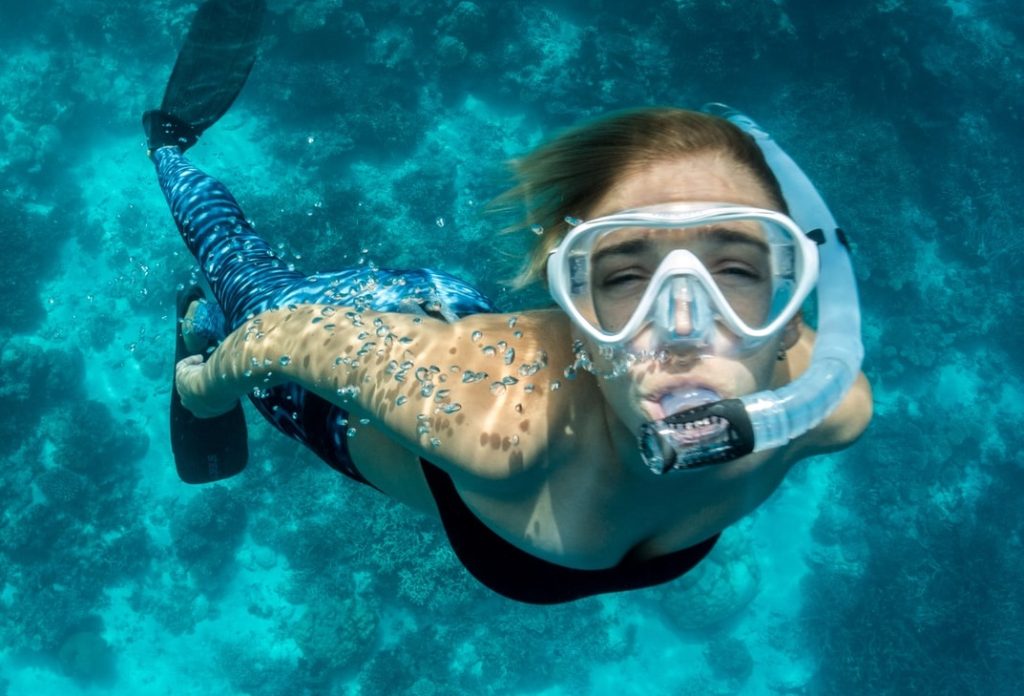
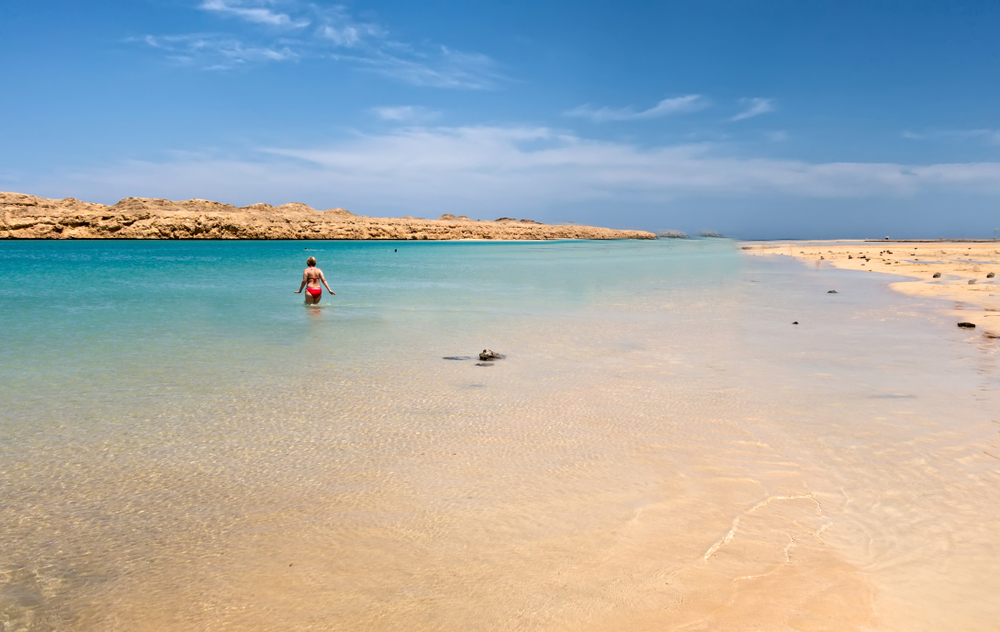
The park is not known for hikes and treks. It is mostly known for the coastal landscapes, crystal clear blue water, and exploring the underwater world of the Red Sea Reef and some of the neighboring reefs along the peninsula.
Photos
Things to See
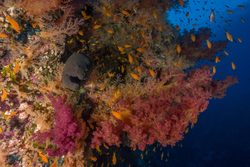 The Red Sea Reef is located along the coastal waters of the Red Sea and Egypt. The body of water is unique serving as the furthest north tropical body of water. It is further distinctive in serving as the home of some of the most lively and diverse coral reefs.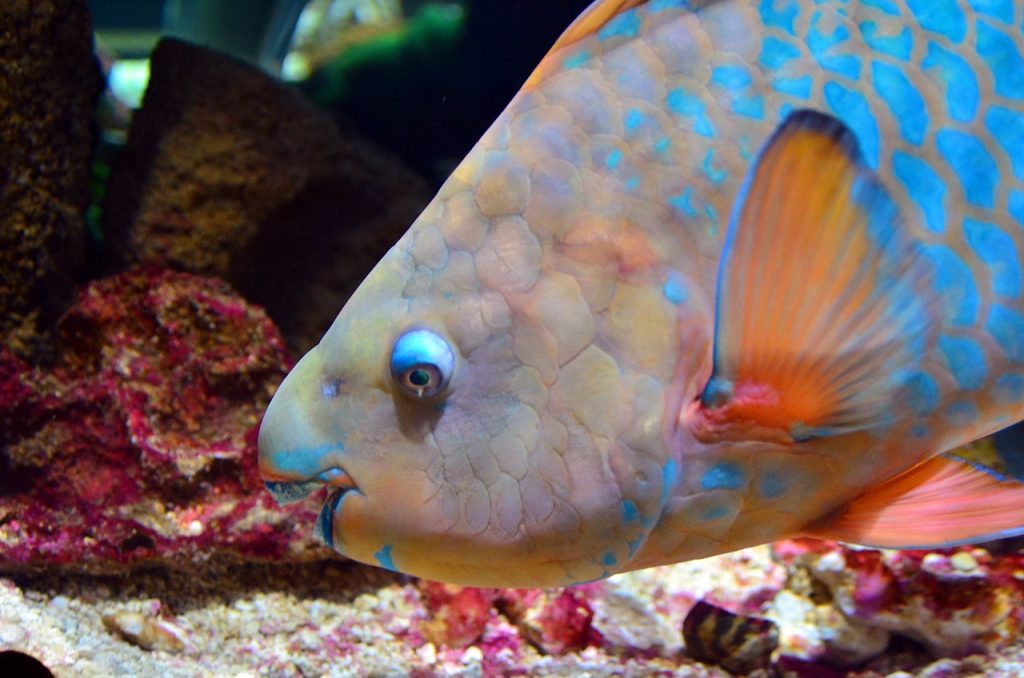
Things To Do
Ras Muhammad invites you to enjoy the beach, the landscapes, and the underwater world of the Red Sea Reef.

FAQ’s
What is the main reason people visit Ras Muhammad National Park?
Ras Muhammad National Park is primarily visited for its world-class coral reefs, exceptional snorkeling and diving, and stunning Red Sea marine ecosystems. Located at the southern tip of the Sinai Peninsula in Egypt, the park protects one of the most famous marine environments in the world, where the Gulf of Aqaba meets the Gulf of Suez.
Visitors come to explore vibrant coral gardens, encounter abundant marine life, dive famous reef walls and shipwrecks, enjoy crystal-clear waters, and experience one of the premier diving destinations on Earth.
What animals can visitors hope to see in Ras Muhammad National Park?
Ras Muhammad National Park contains relatively few terrestrial mammals but supports hundreds of marine species, including marine mammals, fish, reptiles, and invertebrates. The park’s waters are among the most biodiverse in the Red Sea.
The park supports approximately 20 mammal species (mostly terrestrial and marine visitors) and more than 40 reptile species, including sea turtles and desert reptiles.
Some of the most popular animals found in Ras Muhammad National Park include:
- Spinner Dolphin
- Bottlenose Dolphin
- Dugong (occasional visitor)
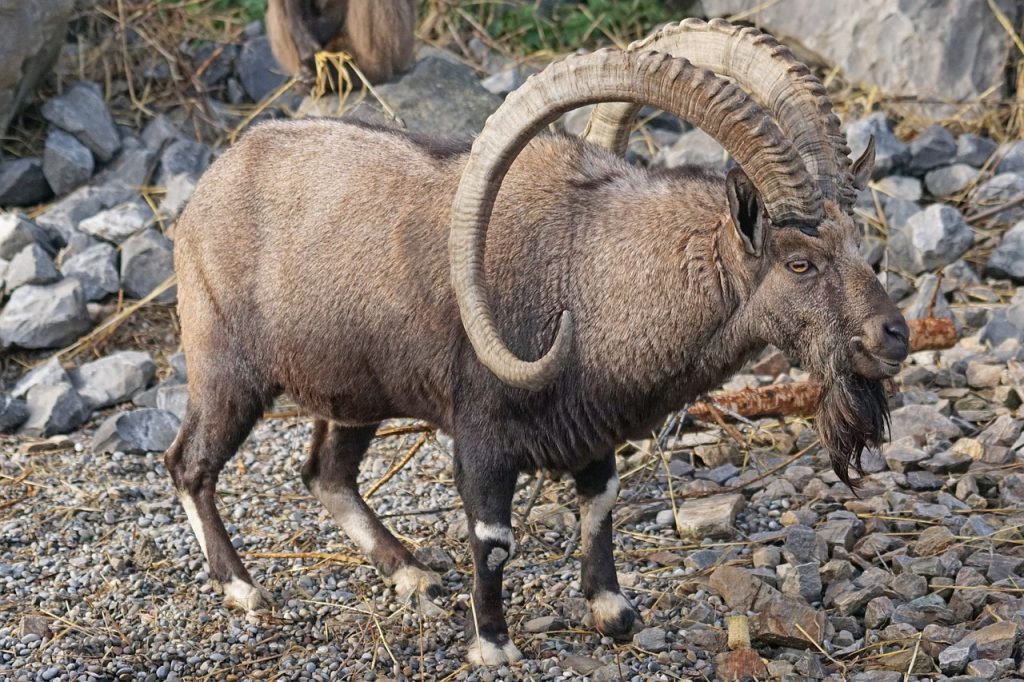
- Nubian Ibex
- Dorcas Gazelle
- Red Fox
- Rüppell’s Fox
- Egyptian Mongoose
- Cape Hare
- Desert Hedgehog
- Rock Hyrax
- Egyptian Fruit Bat
- Pipistrelle Bat Species
- Desert Gerbil Species
- Jerboa Species
- Sand Rat Species
- House Mouse
- Black Rat
- Desert Shrew Species
- Various Small Desert Mammals
- Hawksbill Sea Turtle
- Green Sea Turtle
- Loggerhead Sea Turtle (occasional)
- Olive Ridley Sea Turtle (rare)
- Desert Monitor
- Sinai Agama
- Egyptian Spiny-tailed Lizard
- Fan-fingered Gecko
- Moorish Gecko
- Egyptian Cobra
- Horned Desert Viper
- Saw-scaled Viper
- Sand Boa
- Diadem Snake
- Arabian Cat Snake
- Red Sea Cleaner Wrasse
- Napoleon Wrasse
- Giant Moray Eel
- Blue-spotted Stingray
- Eagle Ray
- Reef Shark Species
- Blacktip Reef Shark
- Whitetip Reef Shark
- Giant Trevally
- Parrotfish Species
- Butterflyfish Species
- Angelfish Species
- Triggerfish Species
- Surgeonfish Species
- Clownfish Species
What birds can visitors hope to see in Ras Muhammad National Park?
Ras Muhammad National Park is an important migratory bird corridor between Africa, Europe, and Asia. More than 220 bird species have been recorded in the park, including resident desert birds and large numbers of migratory raptors and waterbirds.
Some of the most popular birds seen in Ras Muhammad National Park include:
- Osprey
- White-eyed Gull
- Sooty Gull
- Caspian Tern
- Greater Crested Tern
- Lesser Crested Tern
- Sandwich Tern
- White-cheeked Tern
- Bridled Tern
- Brown Booby
- Western Reef Heron
- Grey Heron
- Purple Heron
- Little Egret
- Great Egret
- Eurasian Spoonbill
- Flamingo
- Kentish Plover
- Crab-plover
- Ruddy Turnstone
- Sanderling
- Curlew Sandpiper
- Common Redshank
- Whimbrel
- Eurasian Curlew
- Osprey
- Steppe Eagle
- Lesser Spotted Eagle
- Greater Spotted Eagle
- Short-toed Snake Eagle
- Booted Eagle
- Honey Buzzard
- Black Kite
- Marsh Harrier
- Pallid Harrier
- Peregrine Falcon
- Lanner Falcon
- Common Kestrel
- Eurasian Hoopoe
- Desert Lark
- Bar-tailed Lark
- Greater Hoopoe-Lark
- Desert Wheatear
- Mourning Wheatear
- White-crowned Wheatear
- Isabelline Wheatear
- Brown-necked Raven
- House Sparrow
- European Bee-eater
- Barn Swallow
Is Ras Muhammad National Park worth visiting?
Yes, Ras Muhammad National Park is absolutely worth visiting and is widely considered one of the world’s premier marine protected areas.
Divers and snorkelers often rank Ras Muhammad among the finest reef destinations on Earth due to its exceptional coral diversity, healthy reef systems, abundant marine life, and excellent underwater visibility. Even non-divers can enjoy snorkeling, scenic viewpoints, mangroves, beaches, and dramatic desert-meets-sea landscapes.
The primary consideration is that visitors seeking large terrestrial wildlife or traditional safari experiences may find the park’s focus on marine ecosystems different from what they expect from many national parks.
What is the best time to visit Ras Muhammad National Park?
The best time to visit Ras Muhammad National Park is from March through May and from September through November.
During these months:
- Water temperatures are comfortable.
- Visibility for diving and snorkeling is excellent.
- Air temperatures are pleasant.
- Marine life activity is high.
Summer offers excellent diving but can be extremely hot on land, while winter remains pleasant and attracts many international visitors.
How many days do you need to visit Ras Muhammad National Park?
Most visitors should plan for 1 to 3 days.
- 1 day: Snorkeling, diving, and key viewpoints.
- 2 days: Multiple dive sites and marine exploration.
- 3 days: Comprehensive diving, birdwatching, and exploration of coastal habitats.
Dedicated divers often spend a week or more exploring the park’s many world-famous dive sites.
How do you get to Ras Muhammad National Park?
Ras Muhammad National Park is located approximately 20 kilometers south of Sharm El Sheikh.
Most visitors:
- Fly into Sharm El Sheikh International Airport.
- Travel by road to the park entrance.
- Access marine sites by boat or from shore depending on the activity.
Many visitors join organized diving and snorkeling excursions departing directly from Sharm El Sheikh.
Is Ras Muhammad National Park safe for tourists?
Yes, Ras Muhammad National Park is generally considered safe for tourists and is one of Egypt’s most visited protected areas.
Visitors should:
- Follow marine safety guidelines.
- Avoid touching coral reefs or marine wildlife.
- Use licensed diving and snorkeling operators.
- Stay hydrated during hot weather.
- Follow park regulations and ranger instructions.
Most safety concerns relate to marine activities rather than crime.
Who is involved in protecting and supporting Ras Muhammad National Park?
Several organizations help protect Ras Muhammad National Park:
- Egyptian Environmental Affairs Agency (EEAA) – the government agency responsible for managing Egypt’s protected areas.
- Nature Conservation Sector of Egypt – oversees conservation programs and biodiversity monitoring.
- Hurghada Environmental Protection and Conservation Association (HEPCA) – supports Red Sea conservation initiatives and marine protection.
- Local dive operators and tourism stakeholders who contribute to reef conservation and environmental education.
- Egyptian universities and marine research institutions conducting coral reef and biodiversity studies.
Why is Ras Muhammad National Park considered one of the world's best dive destinations?
Ras Muhammad National Park sits at the meeting point of the Gulf of Aqaba and the Gulf of Suez, creating nutrient-rich waters that support extraordinary marine biodiversity. Combined with excellent visibility, dramatic reef walls, vibrant coral gardens, and abundant fish life, this has made Ras Muhammad one of the most celebrated diving destinations anywhere in the world.
Sources
- Egypt, Ras Mohammed National Park, http://www.egypt.travel/attractions/ras-mohammed-national-park/, retrieved October 2019.
- IUCN, Ras Mohammed National Park: Egypt’s underwater paradise among the best protected marine reserves on the planet.
- Lonely Planet, Ras Mohammed National Park, https://www.lonelyplanet.com/egypt/ras-mohammed-national-park, retrieved October 2019.
- Science Direct, Coral Reefs of the Red Sea – Challenges and Potential Solutions, https://www.sciencedirect.com/science/article/pii/S235248551830519X, retrieved June 2020.
- Seven Wonders, Red Sea Reef, https://sevenwonders.org/red-sea-reef/, retrieved June 2020.