

About
Kgalagadi Transfrontier Park stretches across the remote arid regions of southern Africa, straddling the border between Botswana and South Africa. Covering approximately 14,670 square miles (38,000 sq km), it is one of the largest protected areas in Africa and among the first officially designated transfrontier parks in the world.
Formed through the unification of South Africa’s Kalahari Gemsbok National Park and Botswana’s Gemsbok National Park, Kgalagadi represents a pioneering model of cross-border conservation. Its vast, open landscapes feel almost limitless, defined not by fences but by ecosystems that flow naturally across political boundaries, offering a true wilderness experience far removed from urban life.
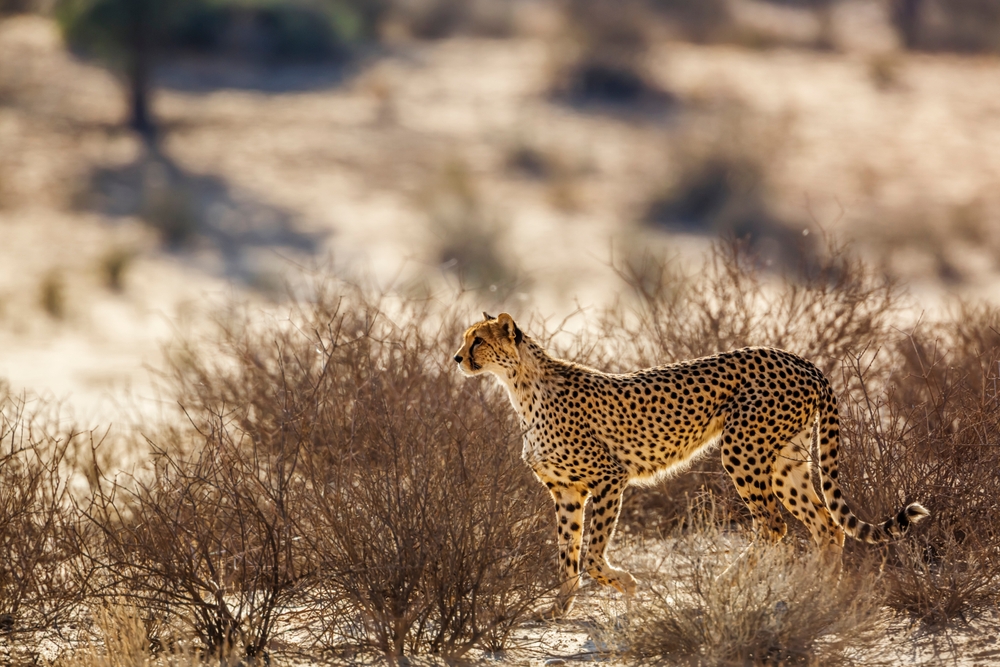
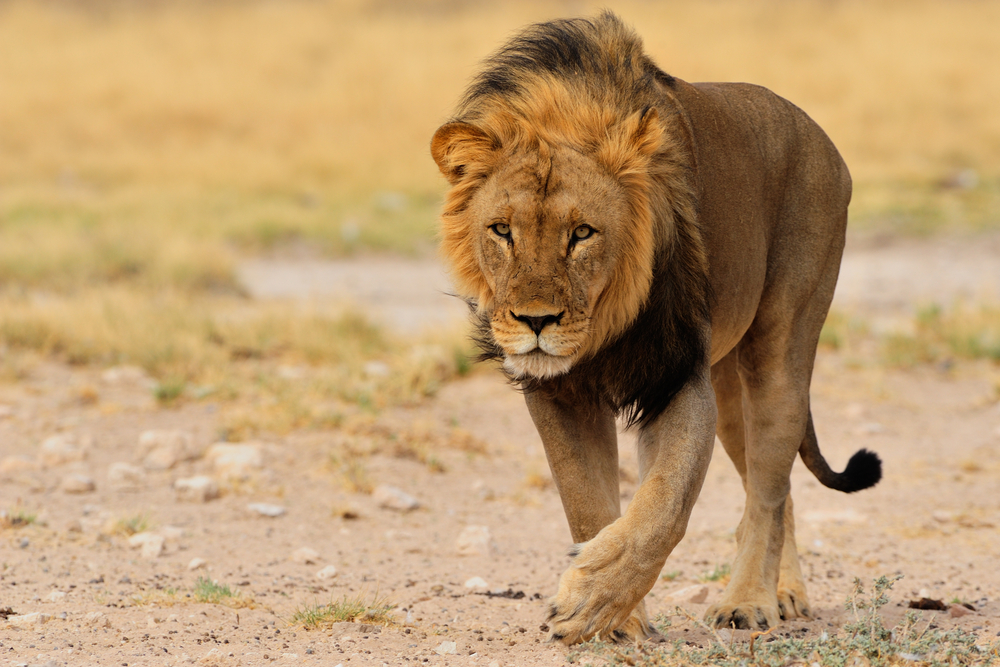
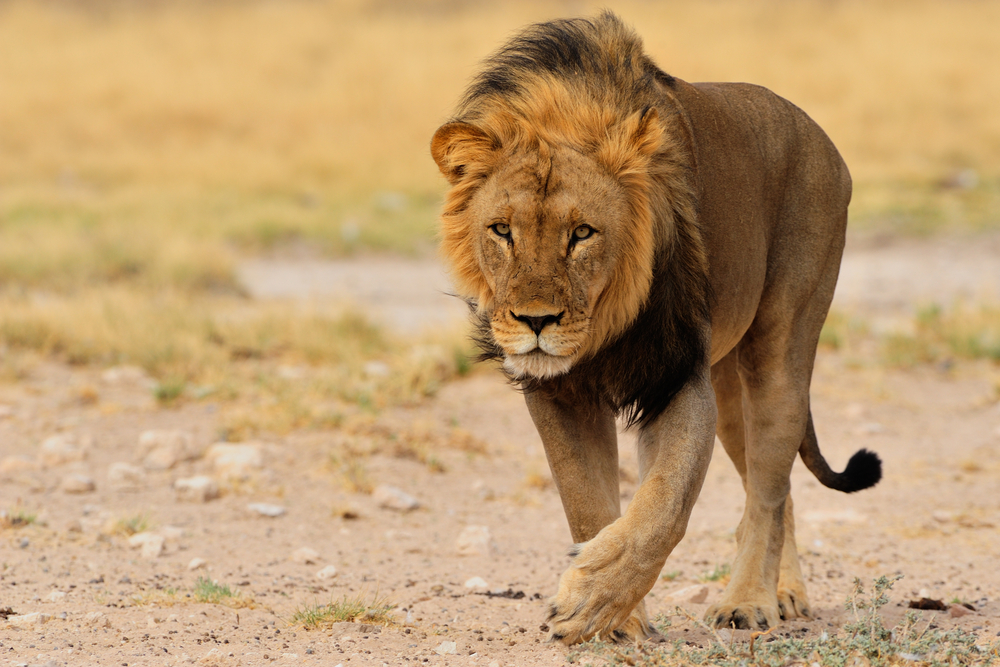
The park is best known for its iconic red sand dunes, sparse vegetation, and extraordinary predator sightings, particularly the famous black-maned lions of the Kalahari. These lions, adapted to the harsh desert conditions, are among the most sought-after wildlife experiences in Africa. The dry riverbeds of the Nossob and Auob Rivers form the lifelines of the park, where animals congregate in search of water and shade, creating exceptional opportunities for wildlife viewing.
Visitors often travel along these fossilized river valleys, encountering dramatic scenes of survival and interaction between predators and prey. The stark beauty of the landscape, combined with the intensity of its wildlife encounters, gives Kgalagadi a raw and unforgettable character.
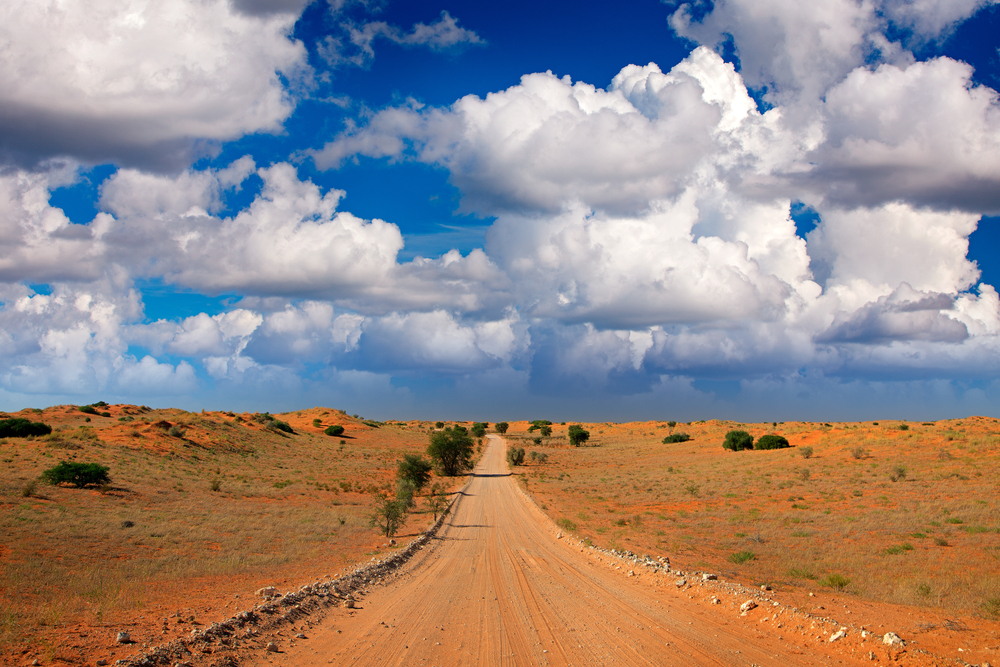
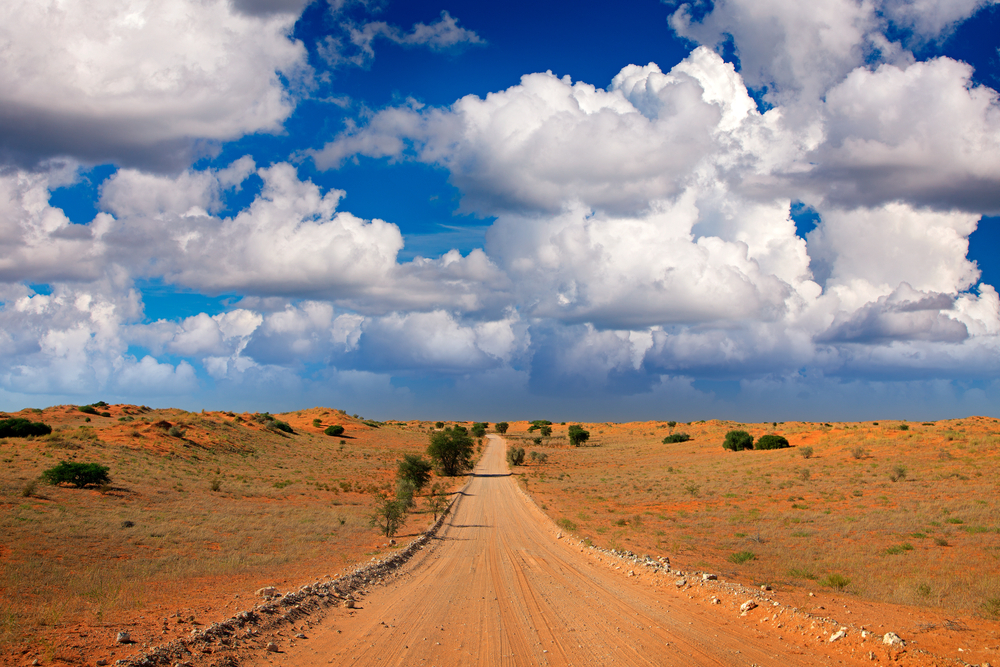
Geographically, Kgalagadi is part of the larger Kalahari Desert system, characterized by rolling dunes, expansive plains, and ancient river channels. The red coloration of the dunes comes from iron oxide in the sand, creating vivid contrasts against the deep blue sky. Vegetation is sparse but resilient, dominated by hardy grasses, thorny shrubs, and iconic camelthorn trees that provide essential shade and nesting sites.
Seasonal rains can briefly transform parts of the park, bringing a flush of green and attracting migratory species, but for most of the year, the environment remains dry and demanding. The open terrain allows for sweeping views that stretch for miles, reinforcing the sense of isolation and scale.
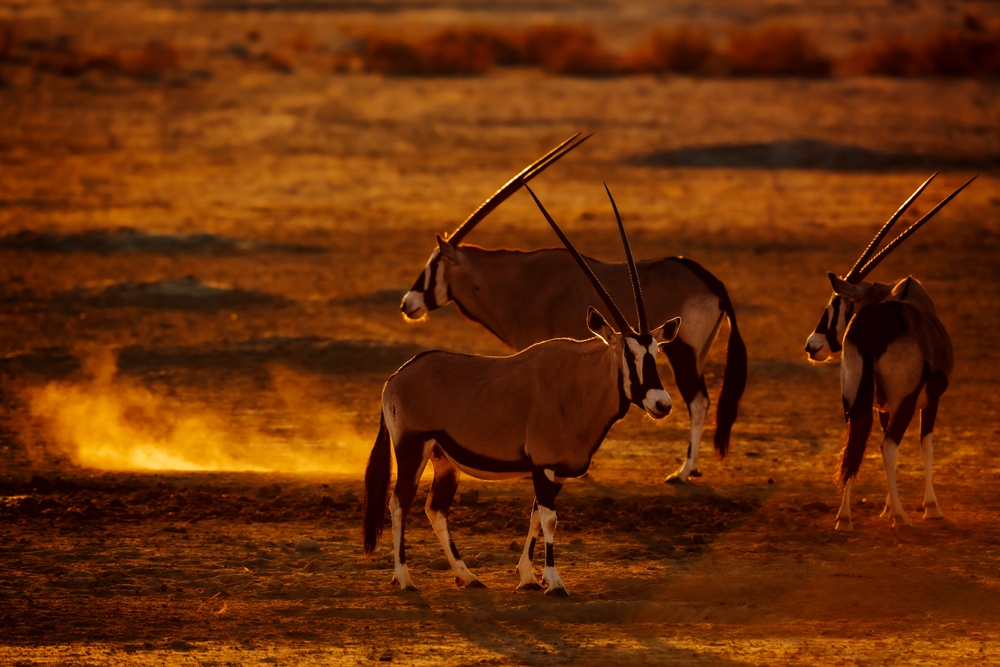
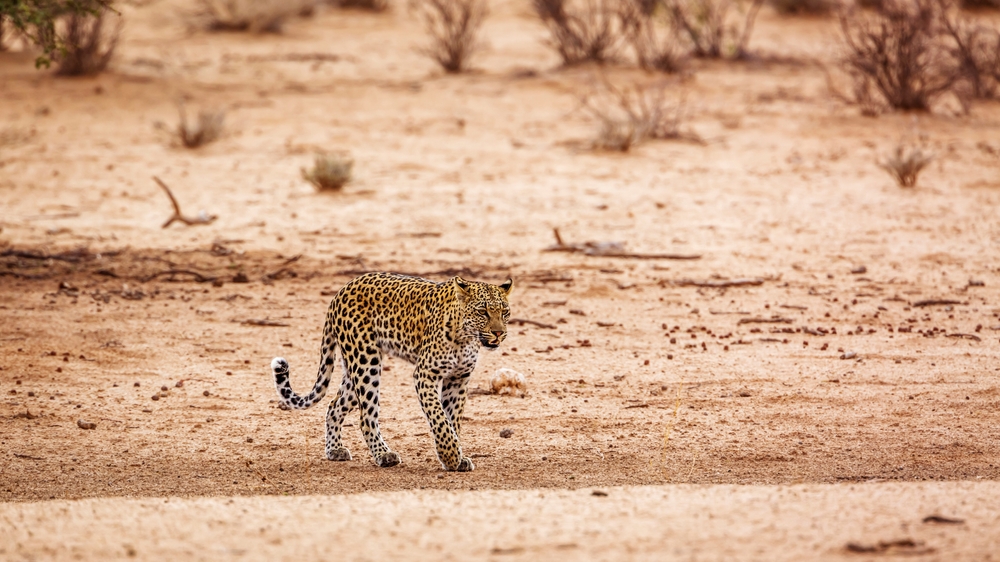
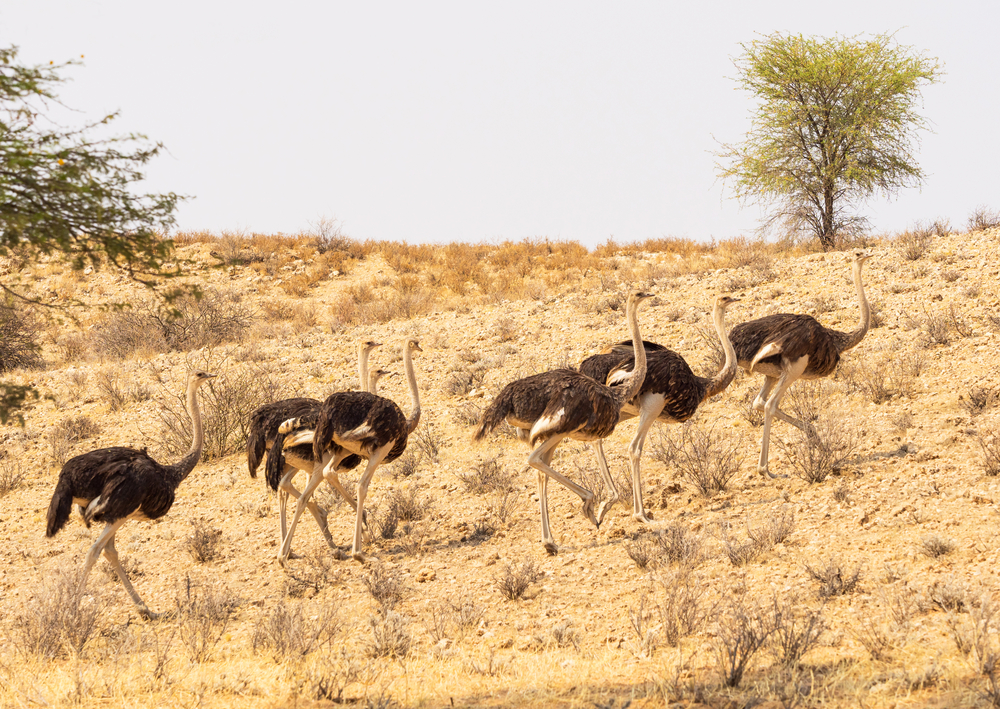
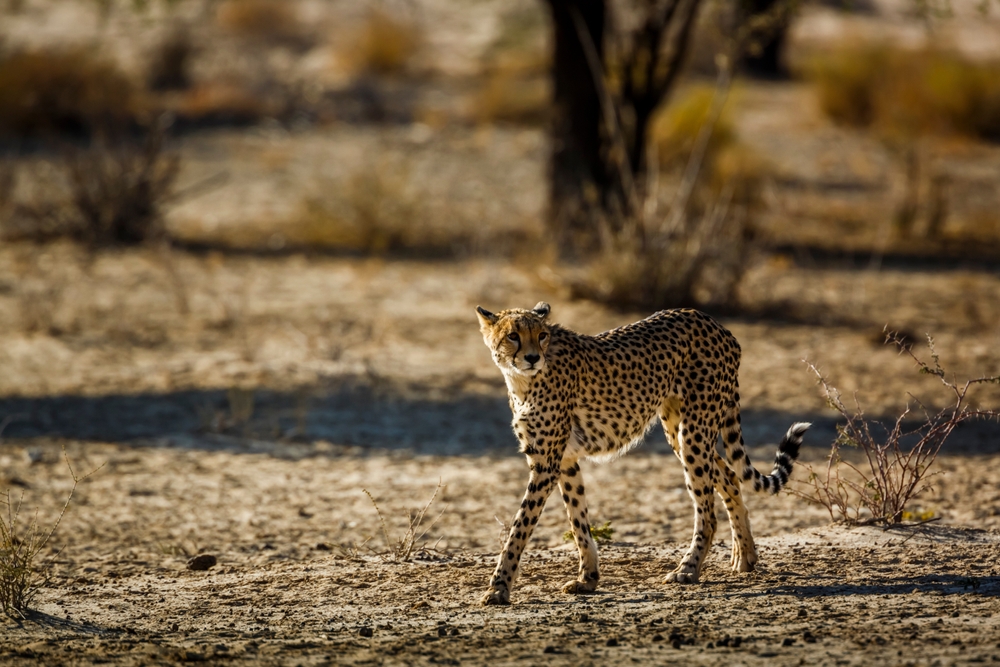
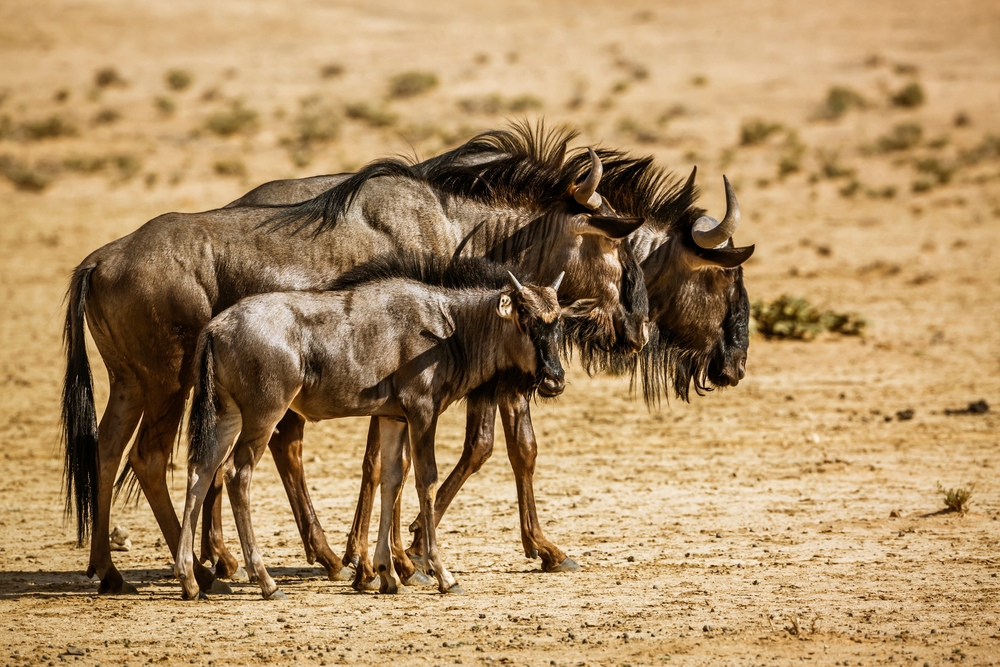
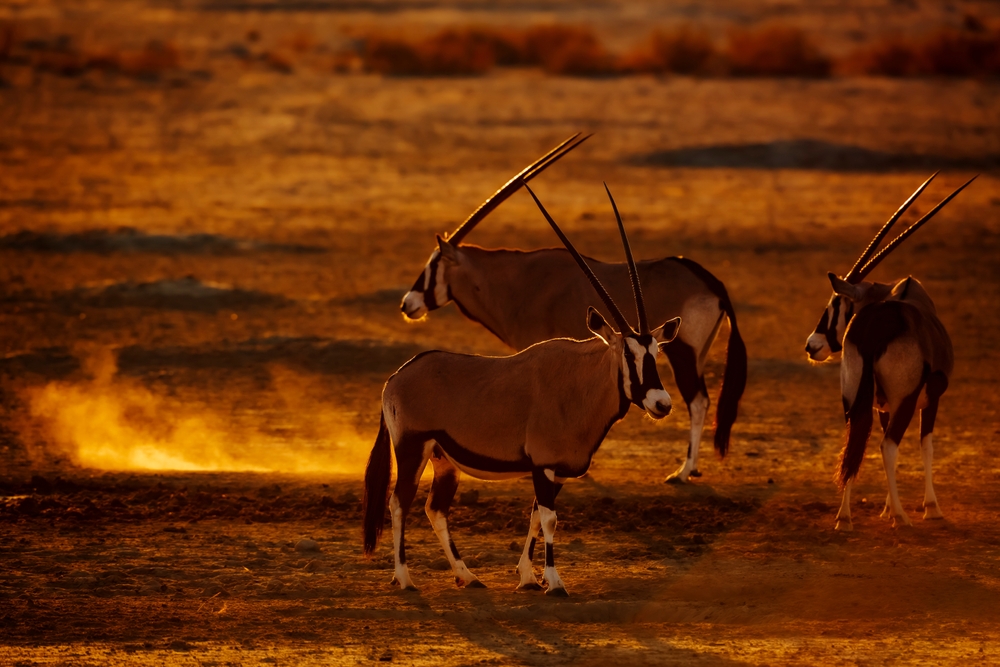
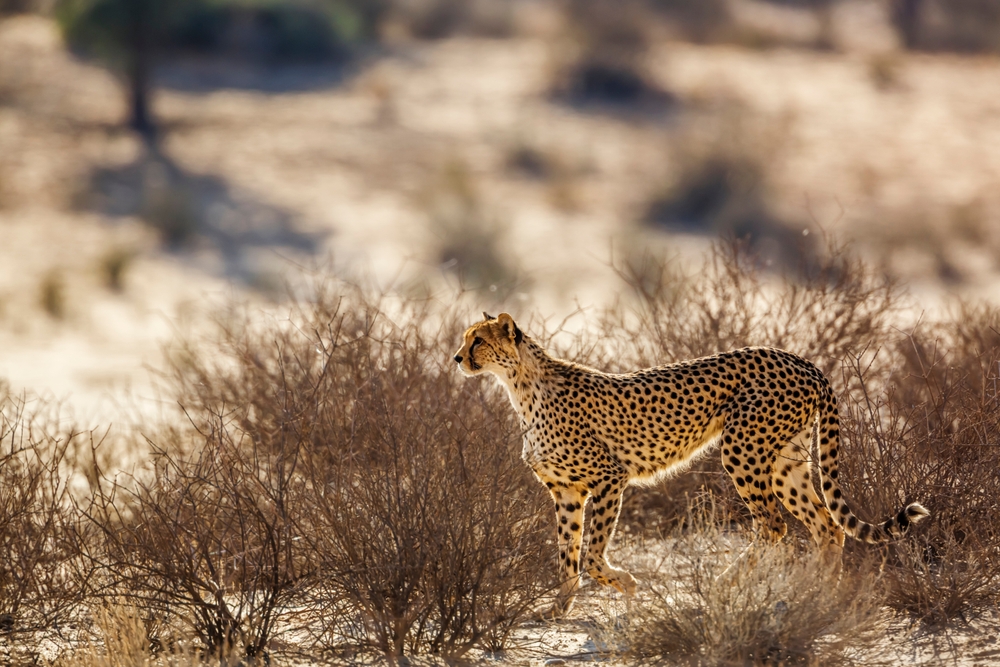
Wildlife in Kgalagadi is uniquely adapted to desert conditions and is both diverse and highly visible due to the open landscape. In addition to the black-maned lions, the park is home to cheetahs, leopards, and elusive brown hyenas. Large herbivores such as gemsbok (oryx), springbok, and wildebeest roam the plains, their movements closely tied to the availability of water and vegetation.
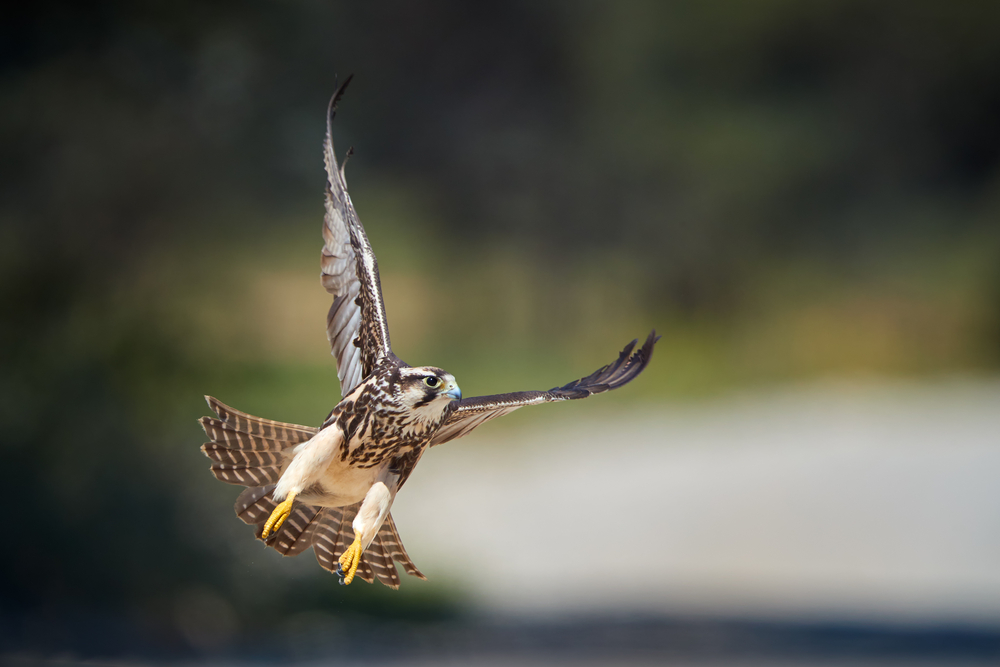
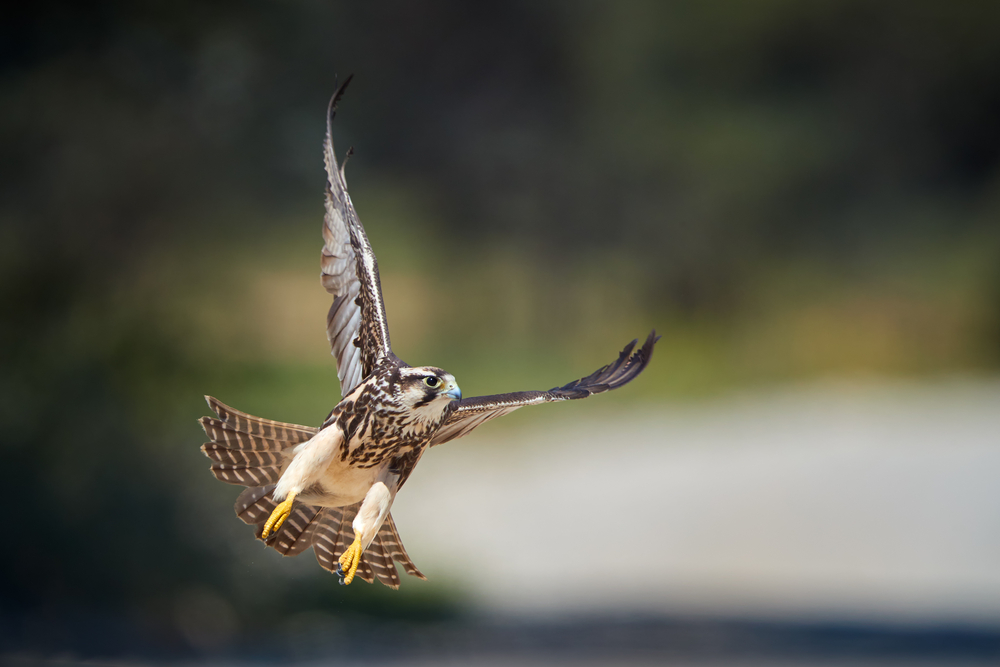
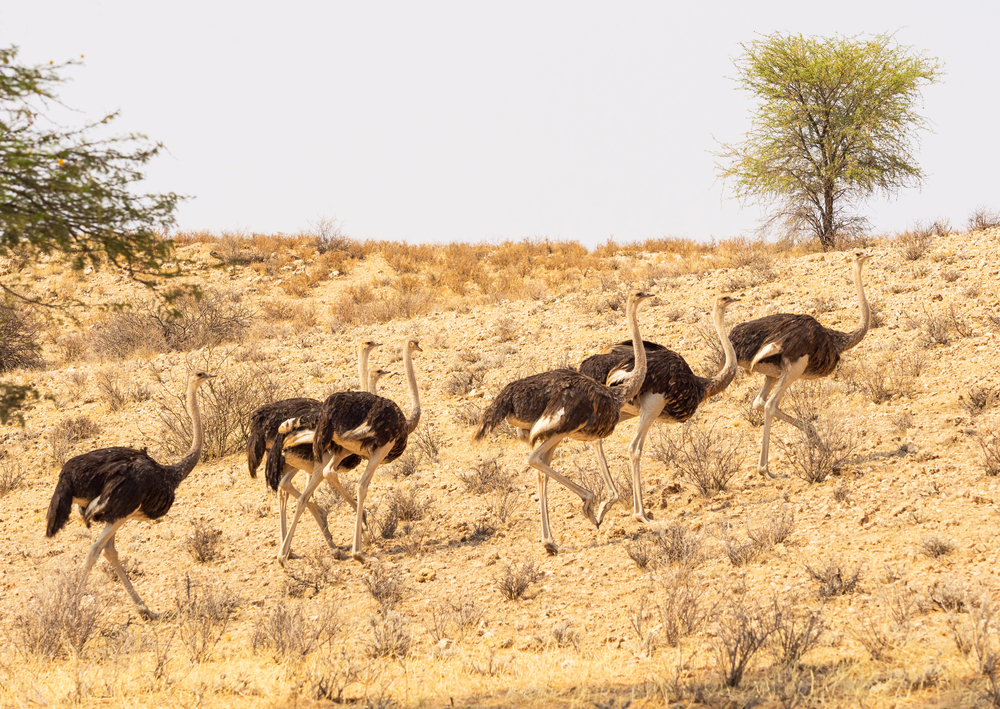
Smaller creatures, including meerkats, bat-eared foxes, and a variety of reptiles, thrive in this environment, showcasing remarkable adaptations to heat and scarcity. Birdlife is also exceptional, with raptors such as martial eagles and pale chanting goshawks frequently seen scanning the landscape for prey.
Kgalagadi Transfrontier Park protects a fragile desert ecosystem that is both harsh and incredibly balanced. Its significance extends beyond its borders as a model for international cooperation in conservation, demonstrating how countries can work together to preserve shared natural heritage. The park safeguards critical habitats for species that depend on wide-ranging territories, particularly large predators, and helps maintain ecological processes that have existed for thousands of years.
In a world where many ecosystems are increasingly fragmented, Kgalagadi stands as a powerful example of connectivity and resilience. It offers not only a sanctuary for wildlife but also a profound reminder of the beauty and importance of preserving even the most seemingly inhospitable environments on Earth.
Photos
Things to See
Things To Do
Engaging Kgalagadi Transfrontier Park

Sources
Botswana Tourism Organizations, Kgalagadi Transfrontier National Park, https://www.botswanatourism.co.bw/explore/kgalagadi-transfrontier-park, retrieved August 2024.
Britannica, Kgalagadi Transfrontier National Park, https://www.britannica.com/place/Kgalagadi-Transfrontier-Park, retrieved August 2024.
Peace Parks Foundation, Kgalagadi, https://www.peaceparks.org/tfcas/kgalagadi/, retrieved August 2024.
Siyabona Africa, Kgalagadi Transfrontier National Park, https://www.nature-reserve.co.za/kgalagadi-transfrontier-nature-preserve.html, retrieved August 2024.
South Africa National Parks, Kgalagadi Transfrontier National Park, https://www.sanparks.org/parks/kgalagadi, retrieved August 2024.