

About
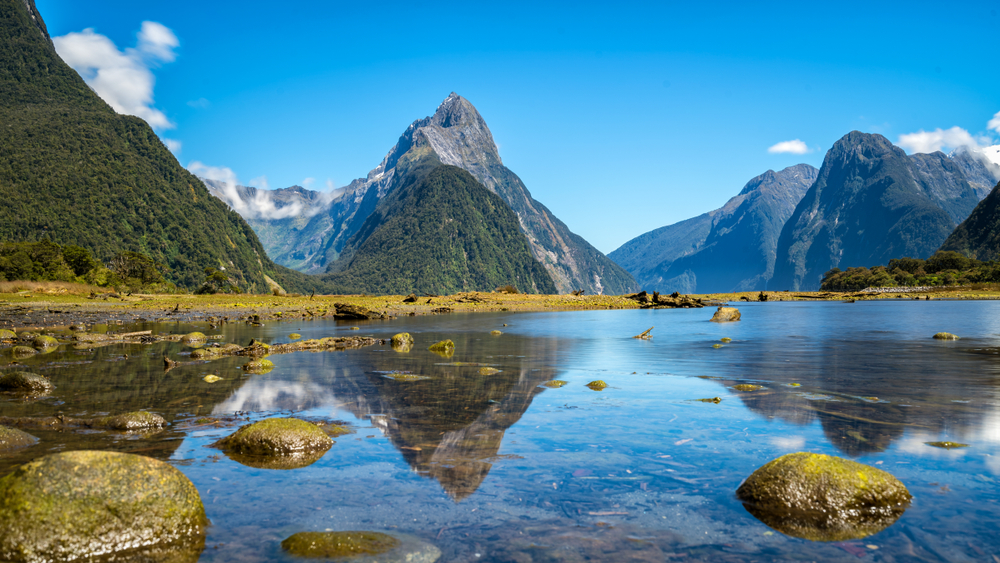
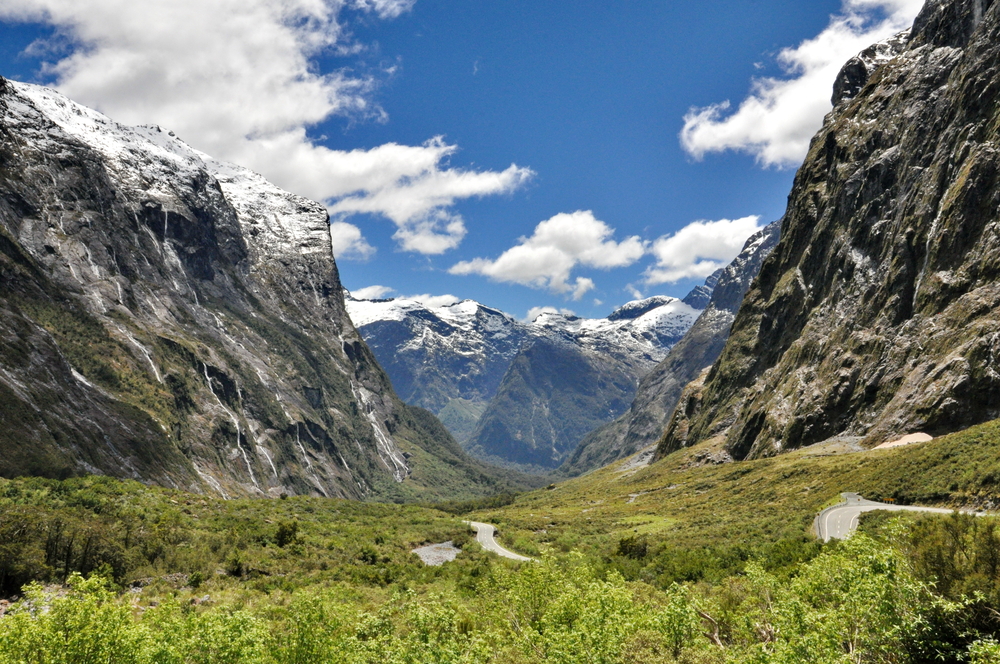
Fiordland National Park is located in the southwestern part of the South Island. Situated in the corner of the island, the national park boundaries encompass an area of 4,868 square miles (12,607 sq km) making it the largest national park in New Zealand.
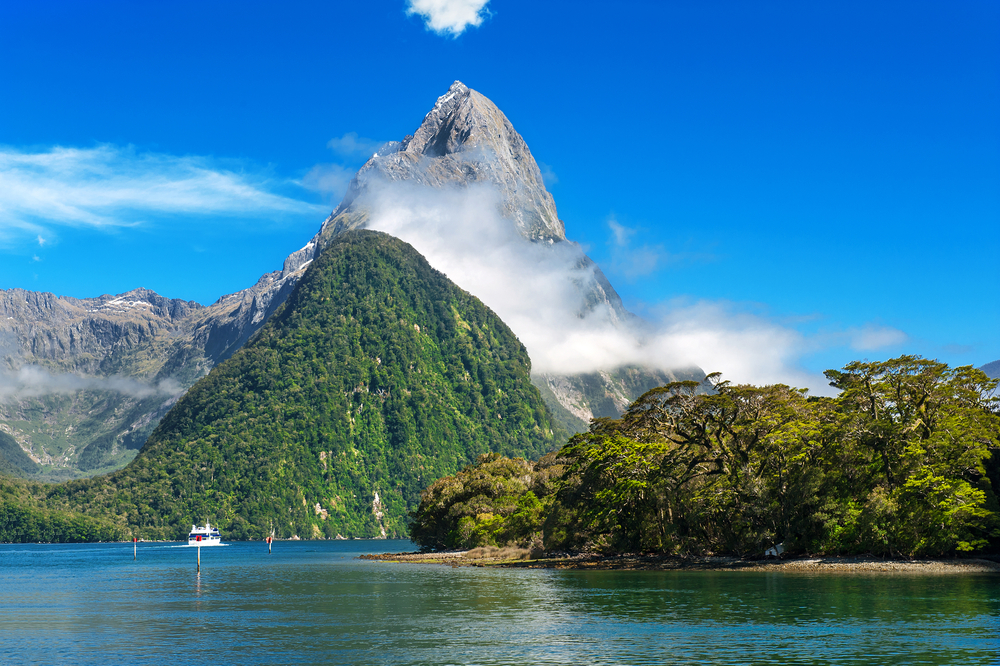
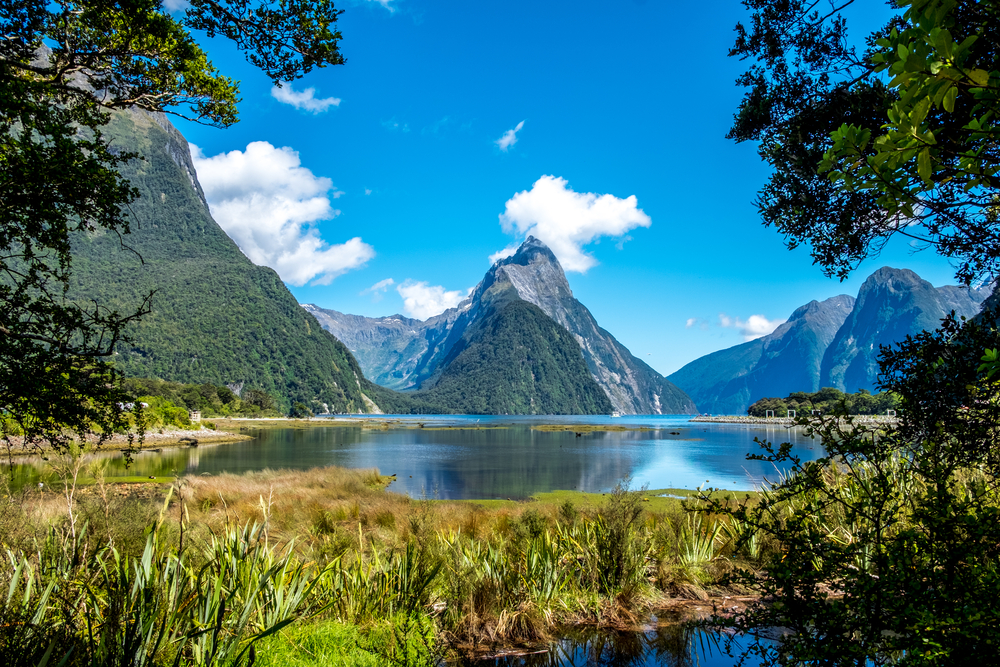
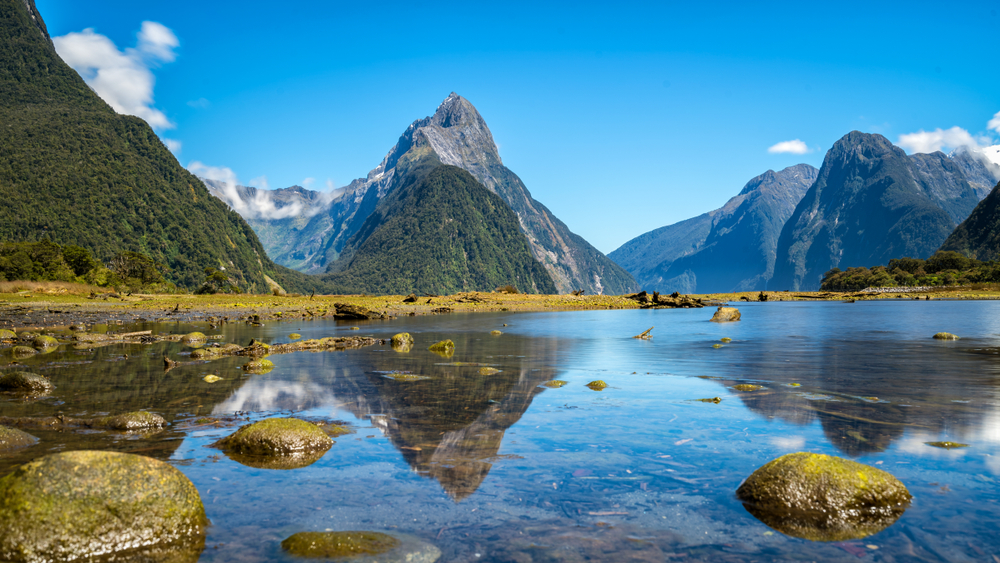
Doubtful Sound, Dusky Sound, and Milford Sound are three of the most significant fjords of the park. Some of the fjords reach back into the mainland as far as 25 miles (40 km). The southern portion of the Southern Alps accounts for much of the Fiordland National Park.
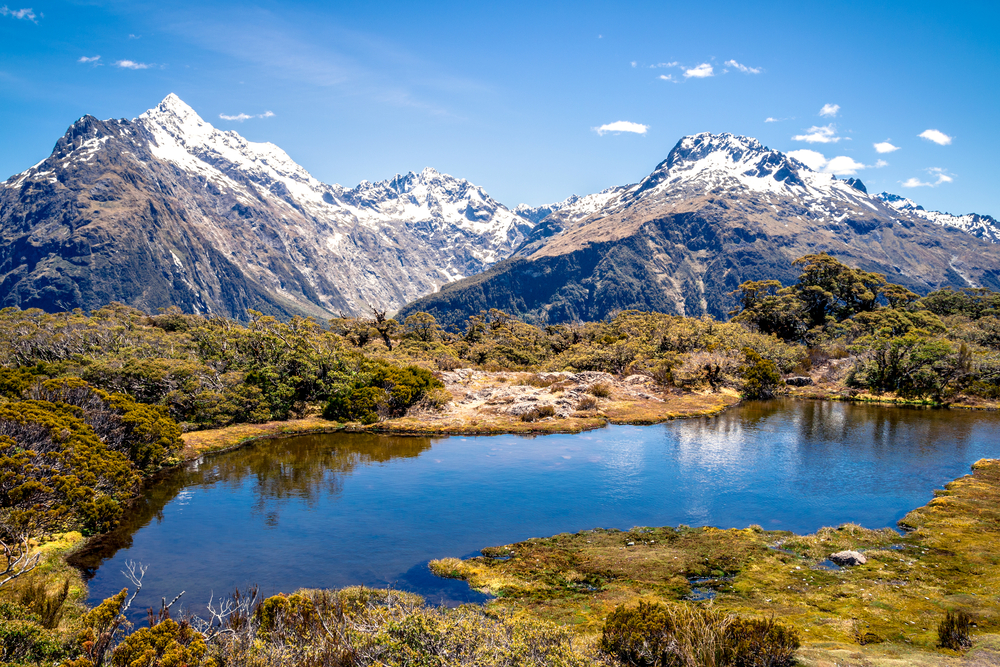
The Darren Mountains in the north provide viewpoints out to Mount Aspiring, which is actually in the sister Mount Aspiring National Park. Traveling south from there, the national park features the Franklin Mountains, the Murchison Mountains, and the Stuart Mountains.
Lake Hauroko, Lake Manapouri, Lake Monowai, Lake Poteriteri, and Lake Te Anau, make up the five most significant lakes. The fjords provide views of some spectacular waterfalls:
- Bowen Falls – 531 feet (162 m)
- Browne Falls – 2,742.8 feet (836 m)
- Humboldt Falls – 902.2 feet (275 m)
- Lady Alice Falls – 919 feet (656 m)
- Sutherland Falls – 1,902 feet (580 m)
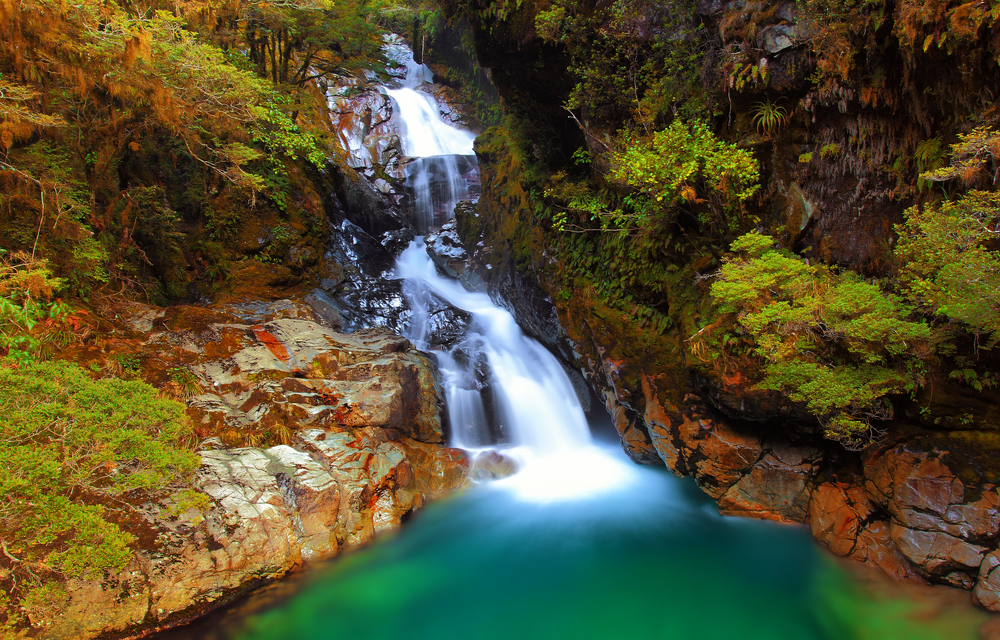
Browne Falls, at 2,742.8 feet, is the tallest waterfall in New Zealand. They all add to the stunning landscape of Fiordland National Park.
The national park is home to the largest region of pristine wilderness that has gone untouched by mankind. The forests are comprised of silver and mountain beech with a few conifers. Ferns are found throughout the dense forest floor.
Wildlife highlights include the kakapo which is the earth’s only flightless parrot and the Fiordland crested penguin.
Photos




Things to See
 Milford Sound
Fiordland National Park Trails
There are close to 40 trails that meander about, around, and up into the mountains of the national park. Trails range from easy to difficult giving everyone a chance to hike and explore.

Park Protection
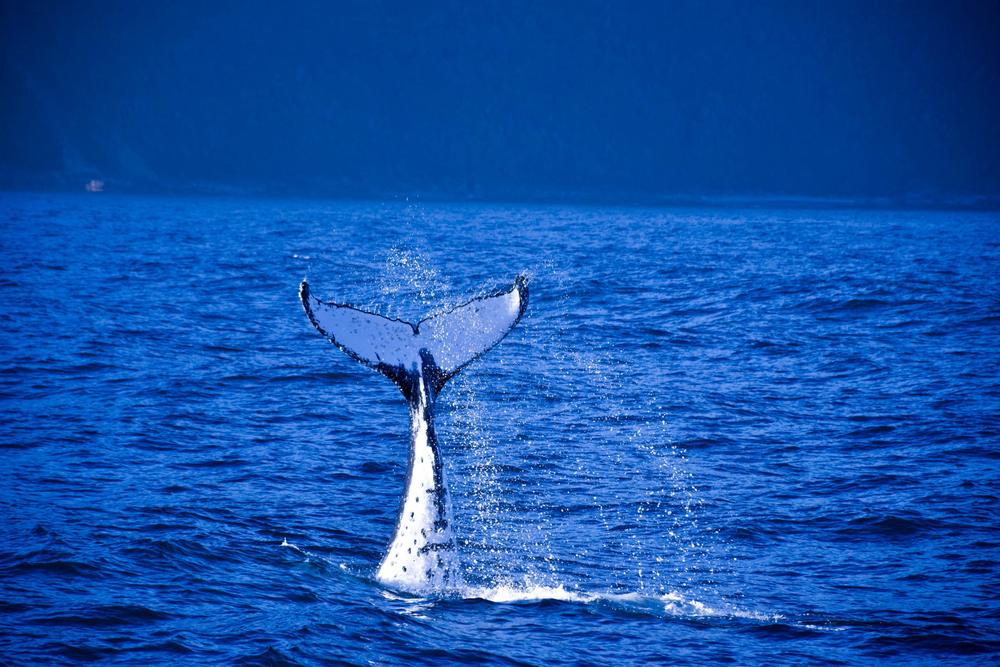
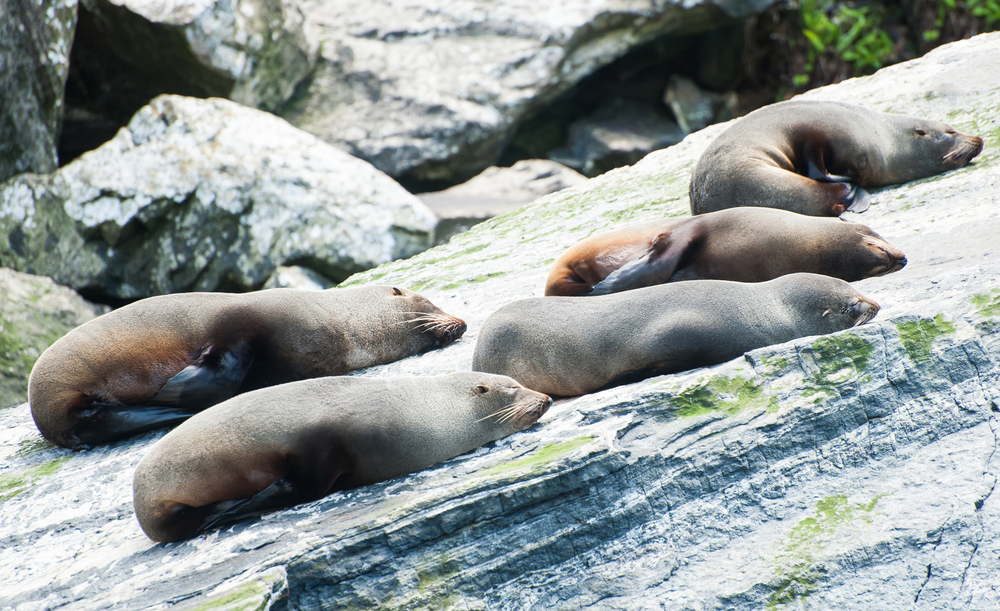
Fiordland National Park was created to protect Milford Sound, Doubtful Sound, Dusky Sound, and the other majestic fjords of the region. The New Zealand government wanted to make sure that human encroachment did not interfere with this majestic region that features striking mountain-fjord landscapes, captivating waterfalls, and encounters with marine wildlife.
Sources
- 100% Pure New Zealand, Fiordland National Park, https://www.newzealand.com/us/feature/national-parks-fiordland/, retrieved September 2019.
- All Trails, Best Trails in Fiordland National Park, https://www.alltrails.com/parks/new-zealand/southland/fiordland-national-park, retrieved June 2020.
- Britannica, Fiordland National Park, https://www.britannica.com/place/Fiordland-National-Park, retrieved September 2019.
- Britannica, Milford Sound, https://www.britannica.com/place/Milford-Sound, retrieved June 2020.
- Department of Conservation, Fiordland National Park, https://www.doc.govt.nz/parks-and-recreation/places-to-go/fiordland/places/fiordland-national-park/, retrieved September 2019.
- Lonely Planet, Fiord and Southland Travel, https://www.lonelyplanet.com/new-zealand/fiordland-and-southland, retrieved September 2019.
- Destination Fiordland, Fiordland National Park, https://www.fiordland.org.nz/about-fiordland/fiordland-national-park/, retrieved September 2019.
- Wikipedia, Doubtful Sound, https://en.wikipedia.org/wiki/Doubtful_Sound, retrieved June 2020.