

About
Aoraki Mount Cook National Park is located on the western side of the South Island of New Zealand. The national park boundaries encompass an area of 278.6 square miles (721.6 sq km).
The park follows the Southern Alps for about 37 miles (60 km) with the park occupying the southeastern side of the range. Every one of the New Zealand summits that reach heights over 9,842 feet (3,000 m) are found within the park except for Mount Aspiring.
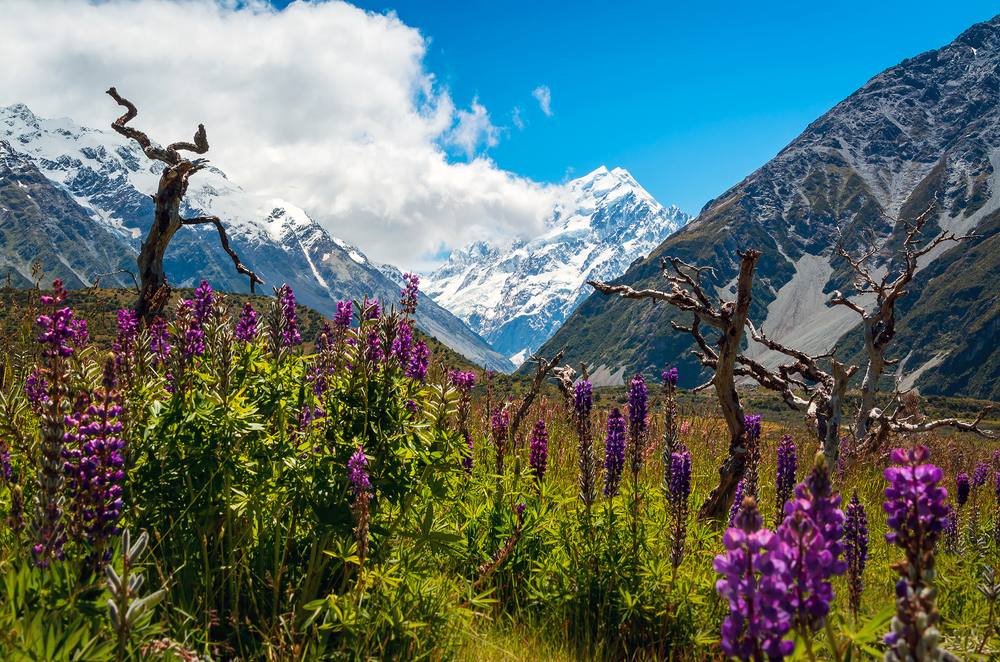
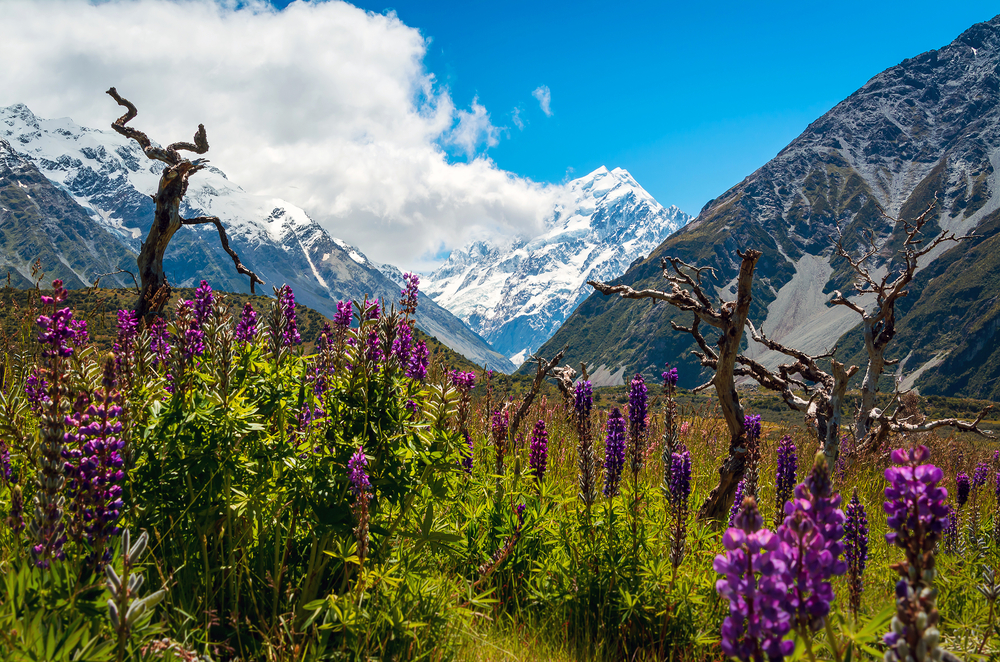
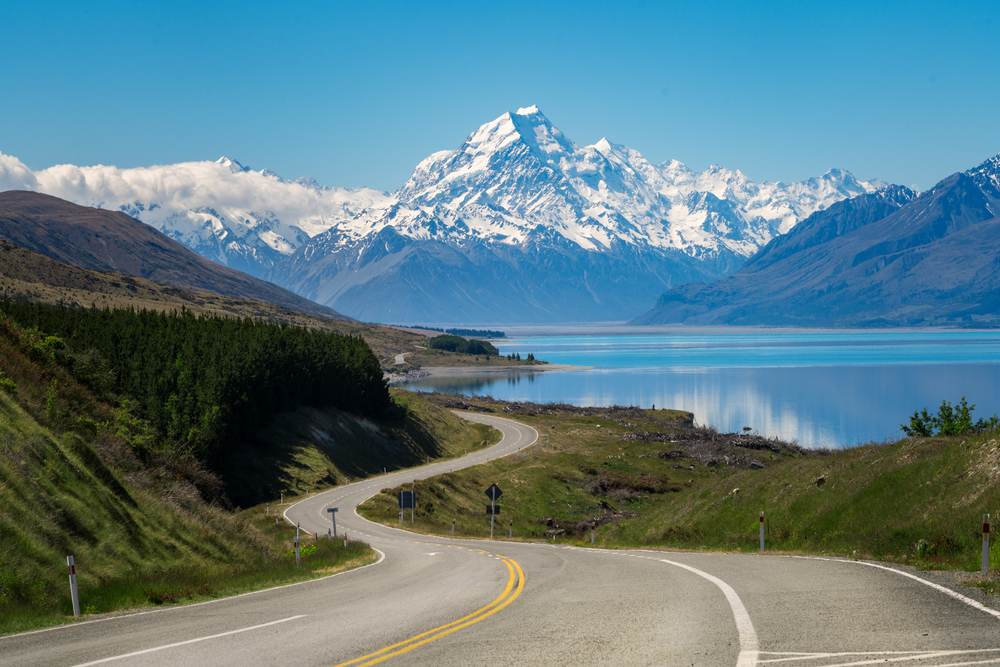
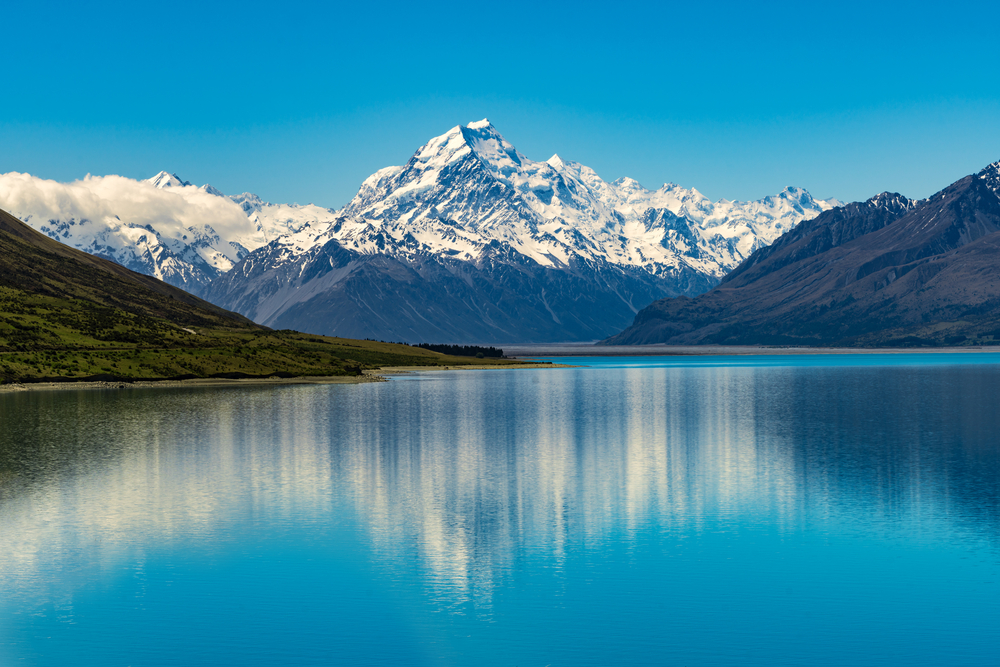
The tallest mountain in New Zealand is Aoraki / Mount Cook with a summit topping out at 12, 218 feet (3,764 m). It is the pinnacle peak of the Southern Alps. Tasman Valley and Hooker Valley both provide stunning views of the mountains.
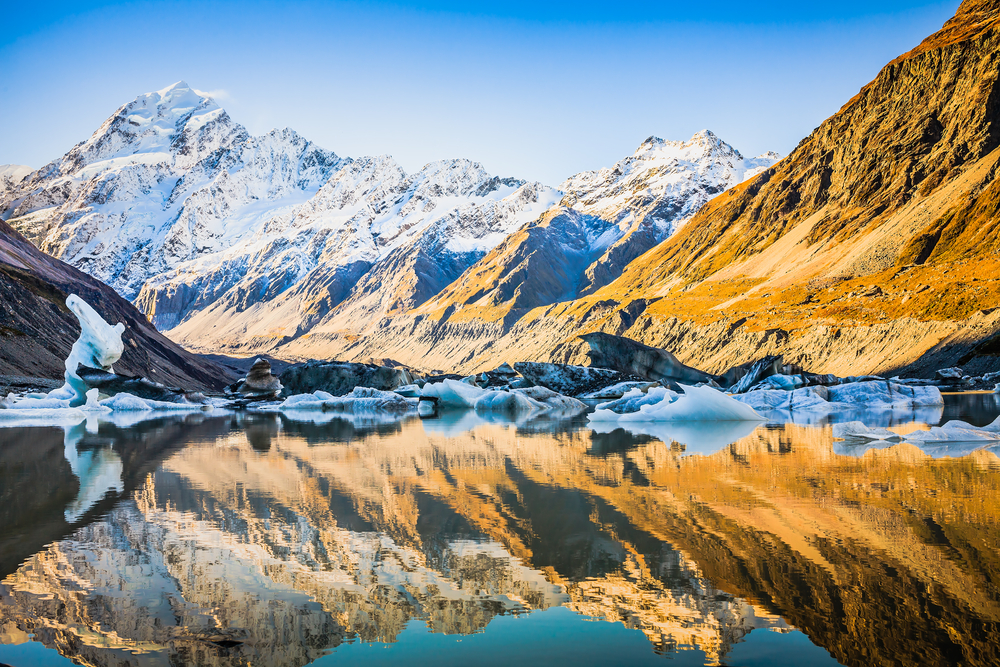
Approximately 40% of the park is accounted for by glaciers with being Tasman Glacier recognized as the largest. With a total of 72 named glaciers, Aoraki Mount Cook National Park is home to eight of the twelve largest glaciers in the country.
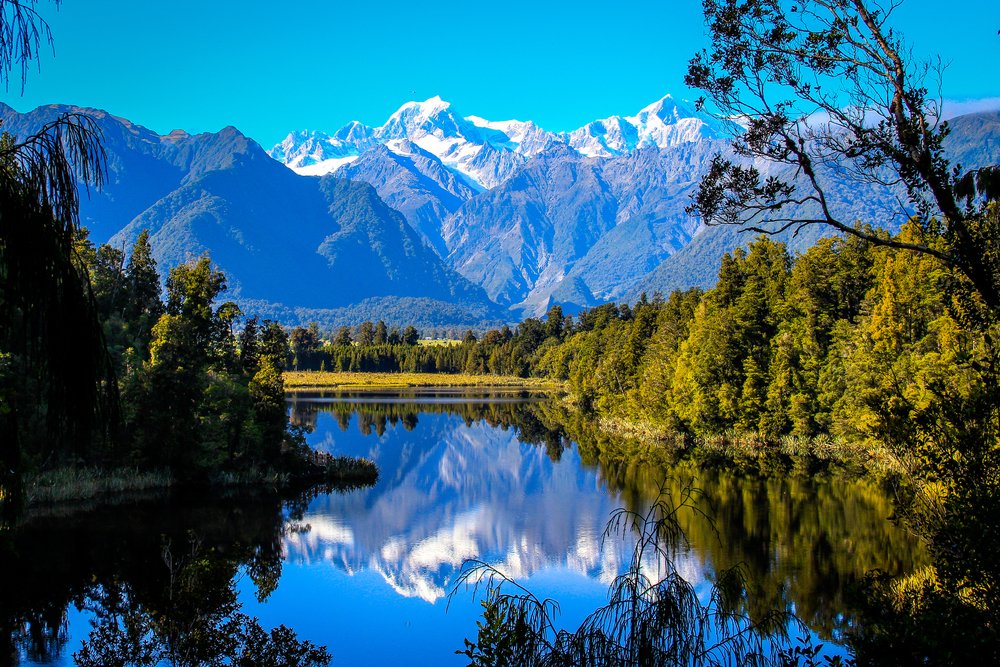
Hooker Glacier, Mueller Glacier, Murchison Glacier, and Tasman Glacier all have terminus points at lakes surrounding the renowned Aoraki / Mount Cook. The only forested area is found in the Hooker Valley with alpine species being the abundance of flora found in the park.
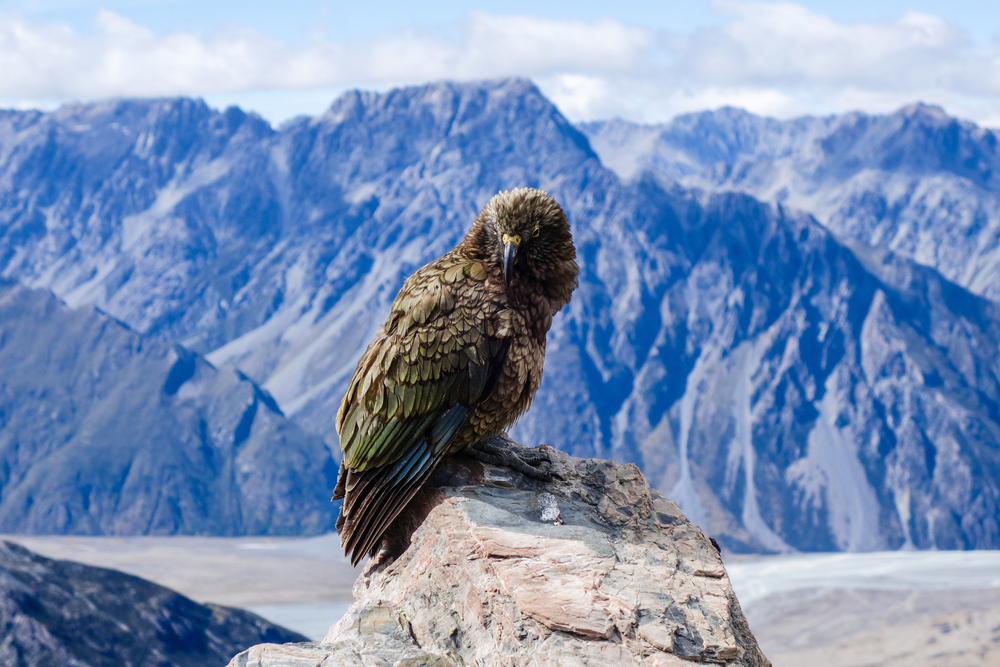
The national park features about 38 species of birds with the black stilt being the rarest wading bird in the world. The kea is another special bird species in the park because it is the only alpine parrot.
Photos
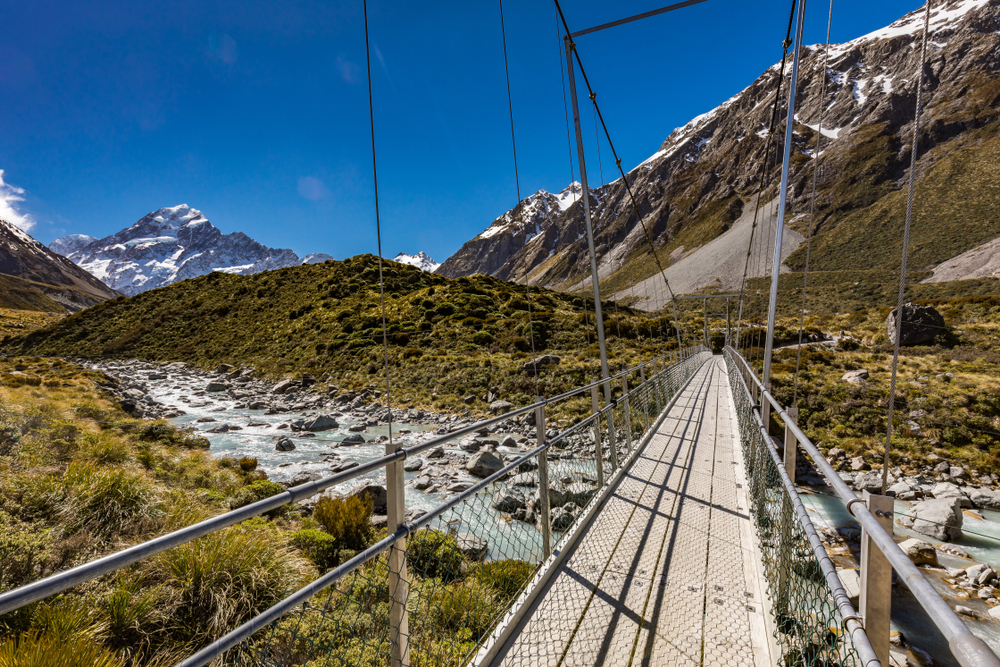
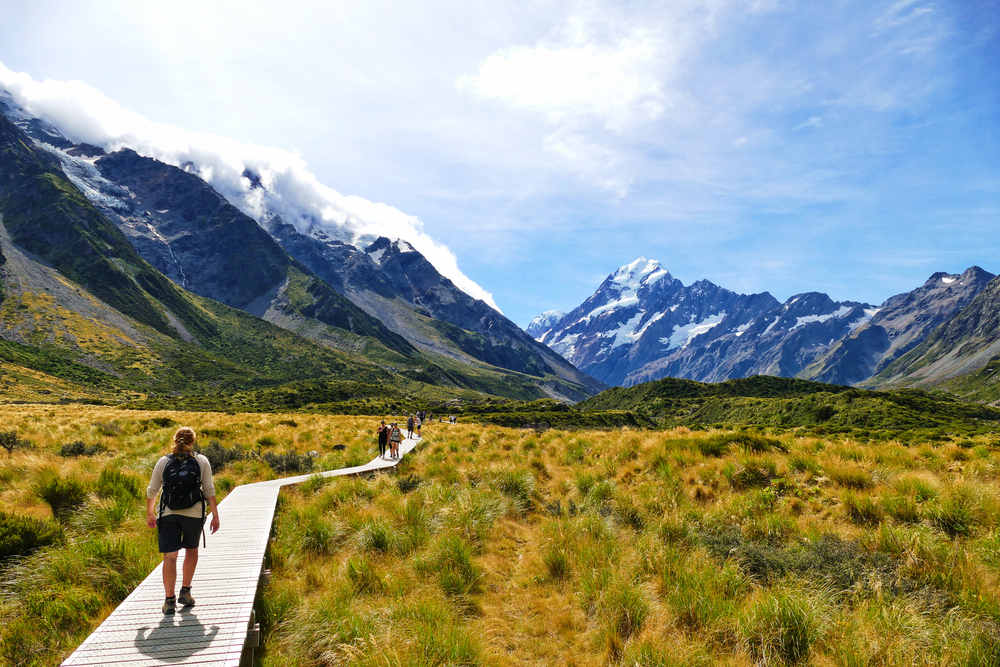
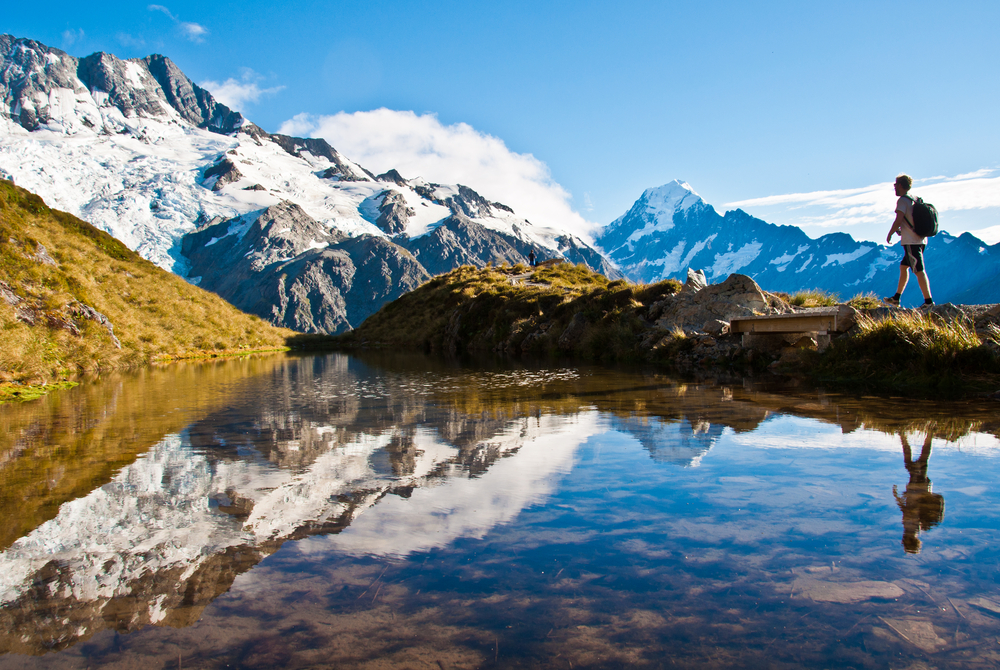
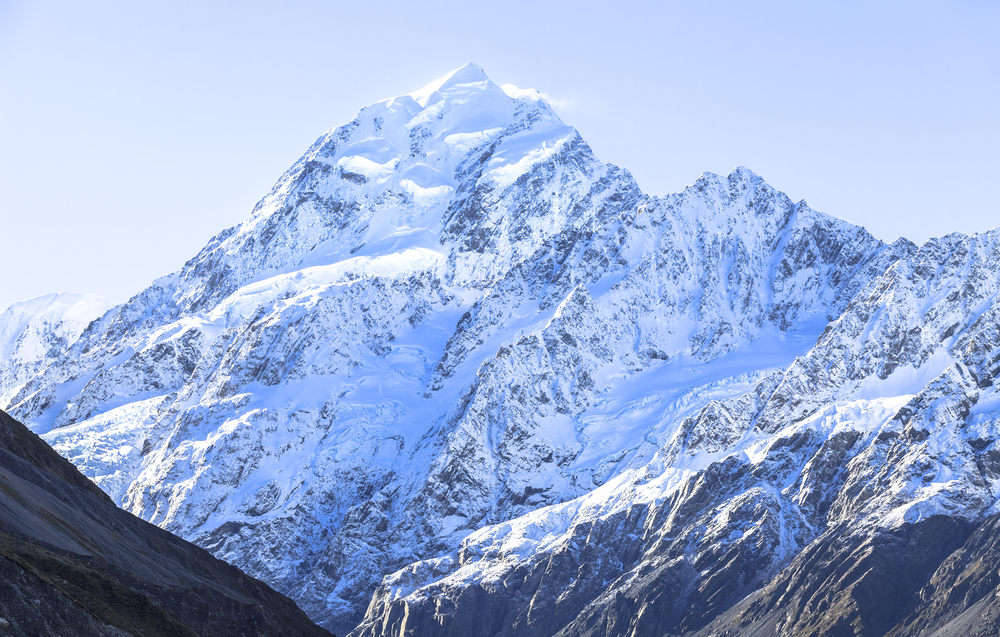
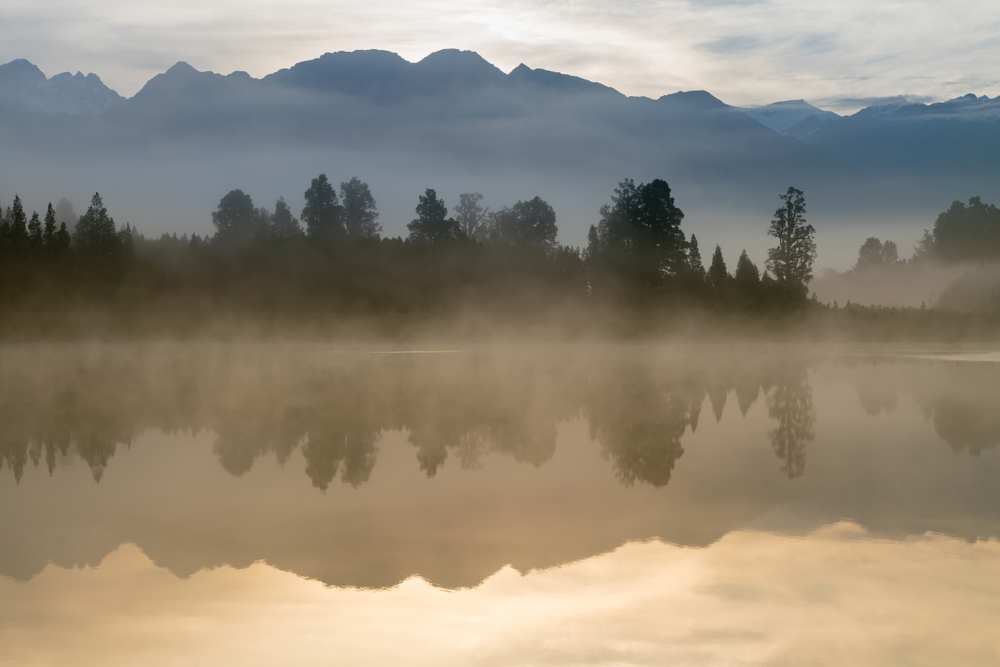

Aoraki/Mount Cook National Park Trails
Hiking is one of the favorite activities of visitors exploring the national park. Trails vary in length and range from easy to difficult providing an opportunity for everyone to engage in the splendor of Mount Cook.

Park Protection
Aoraki-Mount Cook National Park was created to protect the terrain and wilderness surrounding the country’s tallest mountain. The park also protects the black stilt. This species of wading birds is the rarest in the world.
The government new it was important to protect the wildlife and wildnerness so that future generations could enjoy Mount Cook in the pristine environment it calls home.
Sources
- 100% New Zealand, Aoraki/Mount Cook National Park, https://www.newzealand.com/us/feature/national-parks-aoraki-mount-cook/, retrieved September 2019.
- All Trails, Best Trails in Aoraki/Mount Cook National Park, https://www.alltrails.com/parks/new-zealand/canterbury/aoraki-mount-cook-national-park, retrieved June 2020.
- Backpackers Guide, Aoraki/Mount Cook National Park – Backpackers Guide, https://www.backpackerguide.nz/aoraki-mt-cook-national-park-guide-backpackers/, retrieved September 2019.
- Britannica, Aoraki/Mount Cook National Park, https://www.britannica.com/place/Aoraki-Mount-Cook-National-Park, retrieved September 2019.
- Britannica, Mount Cook, https://www.britannica.com/place/Mount-Cook, retrieved June 2020.
- Britannica, Tasman Glacier, https://www.britannica.com/place/Tasman-Glacier, retrieved June 2020.
- Mackenzie Region, Aoraki/Mount Cook National Park, https://mackenzienz.com/scenic-highlights/aoraki-mtcook-national-park/, retrieved September 2019.
- Department of Conservation, Aoraki/Mount Cook National Park, https://www.doc.govt.nz/parks-and-recreation/places-to-go/canterbury/places/aoraki-mount-cook-national-park/, retrieved September 2019.