

About
Iguacu National Park is located on the border of Argentina and Brazil and serves as the protected area for Iguassu Falls on the Brazil side of the falls. The national park encompasses an area of 660 square miles (1,700 sq km).
The trail along the canyon and falls, lookouts, and immediate rainforest along Iguassu Falls account for less than 1% of the Iguacu National Park protected area. This is the only area explored by visitors to Iguassu Falls.
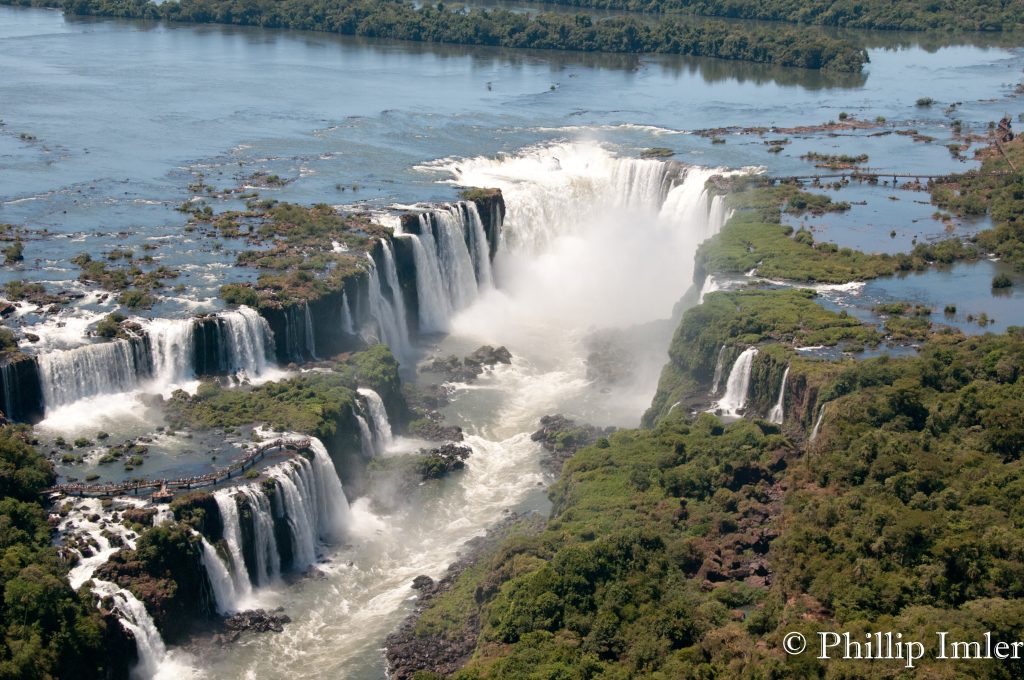
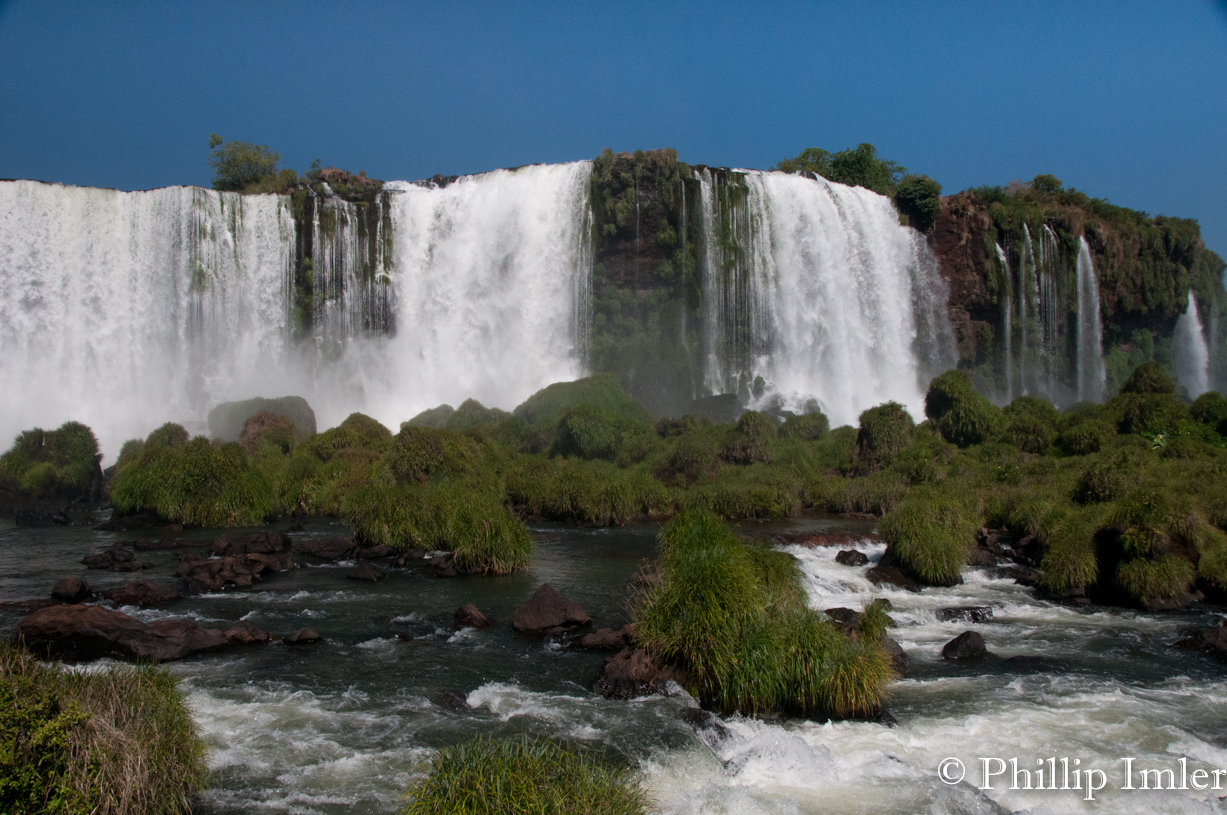
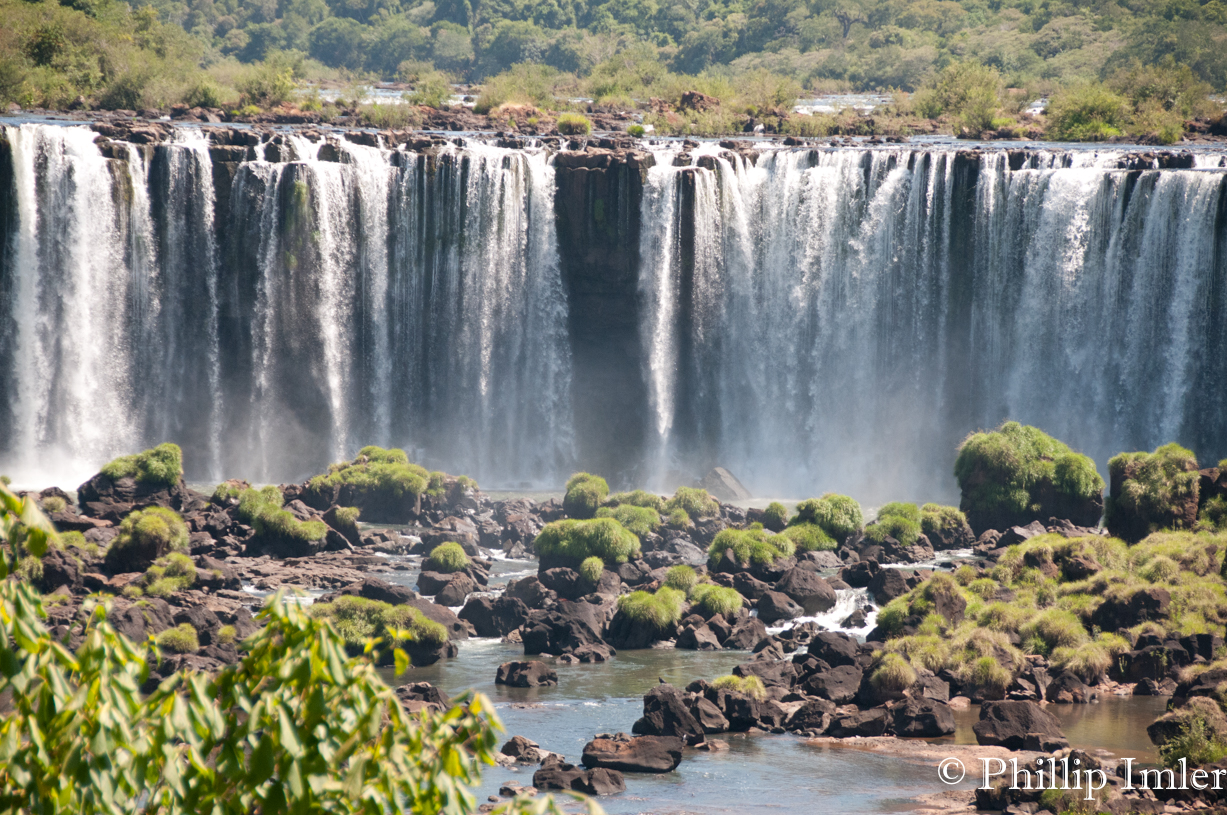
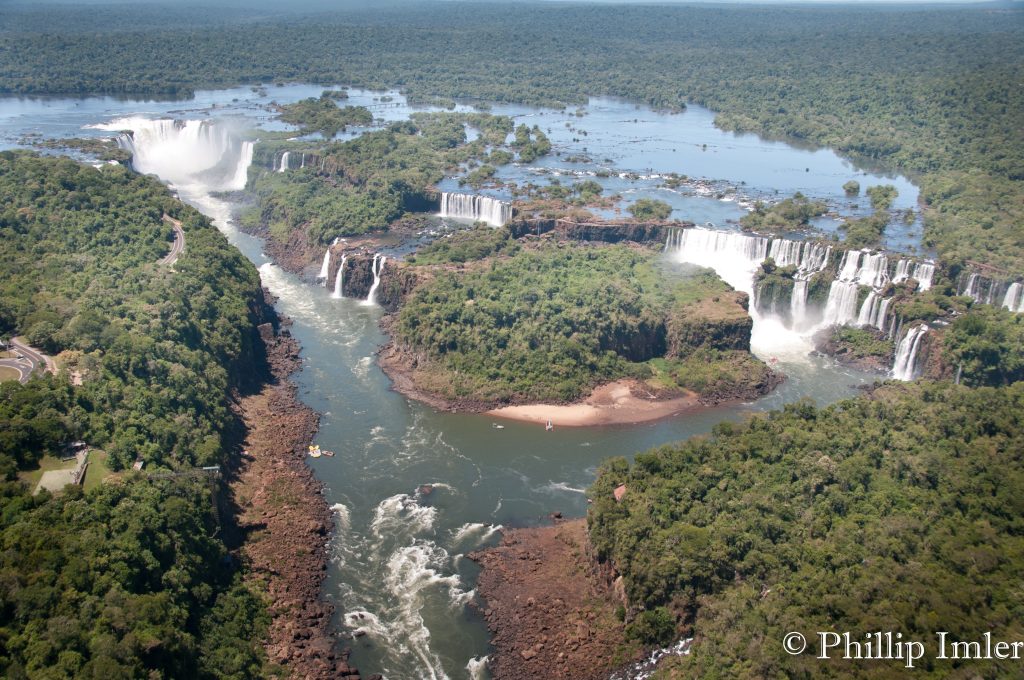
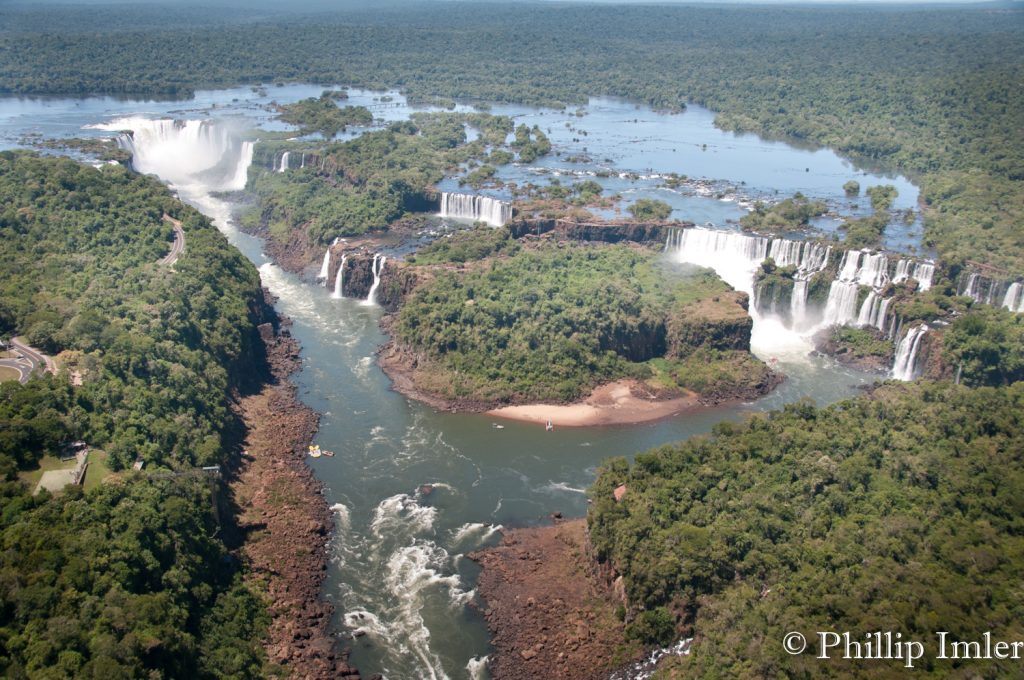
Iguassu Falls is protected on the Argentina side by Iguazu National Park and collectively serves as the world’s largest waterfall system. There are 275 separate drops throughout the 1.7 miles (2.7 km) of falls.
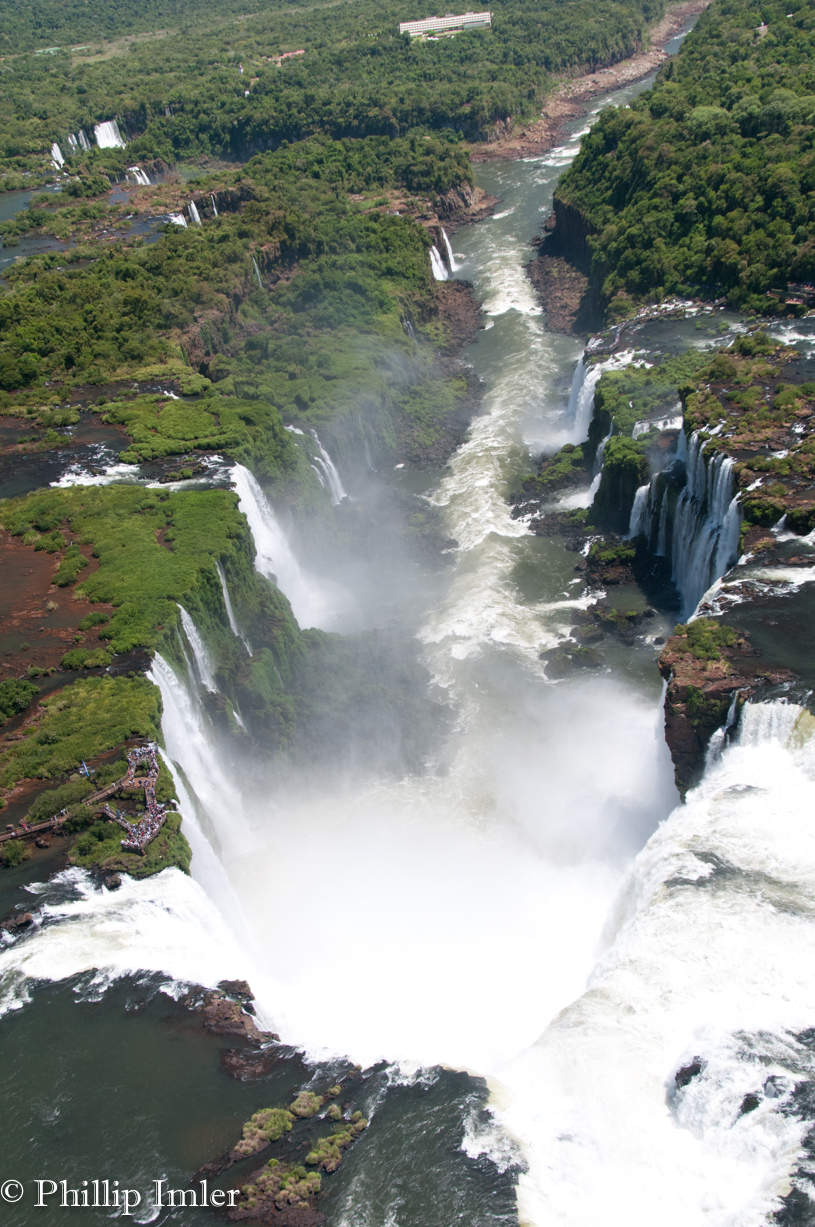
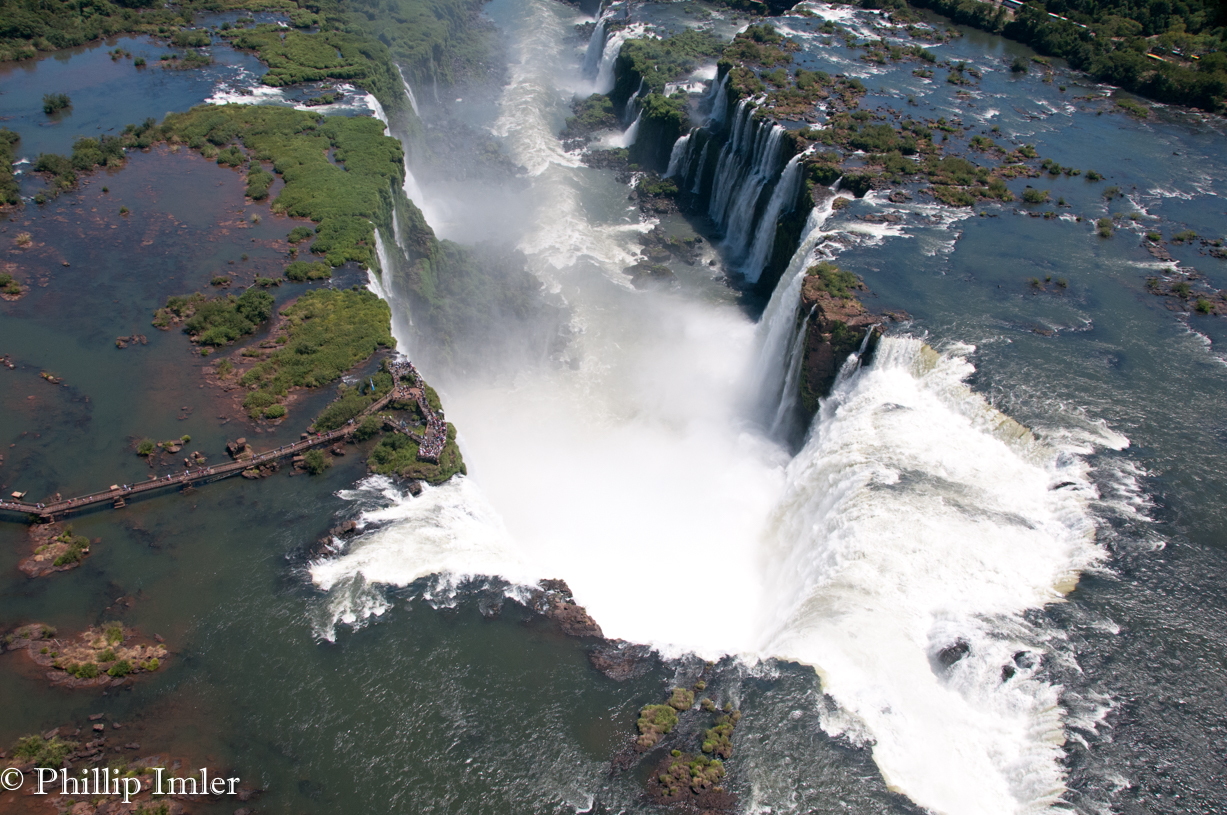
The tallest point of the falls occurs at Devil’s Throat which stands at 269 feet (82 m) and is also the head of the shared border canyon. The falls range from the height at Devil’s Throat down to the shortest falls at 197 feet (60 m).
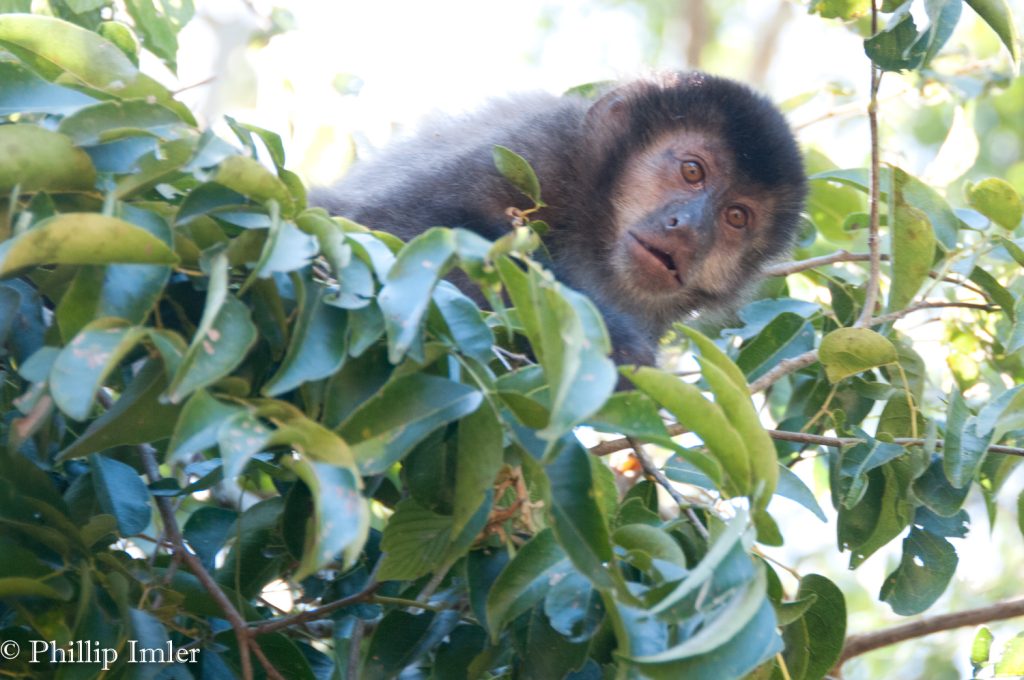
Iguacu National Park and the Iguassu Falls area are home to the giant otter and the giant anteater which are both endangered. Some of the other hoped-for wildlife sightings include jaguar, jaguarundi, ocelot, tapir, and toucans. Most visitors are fortunate to see the coati and an abundance of butterflies.
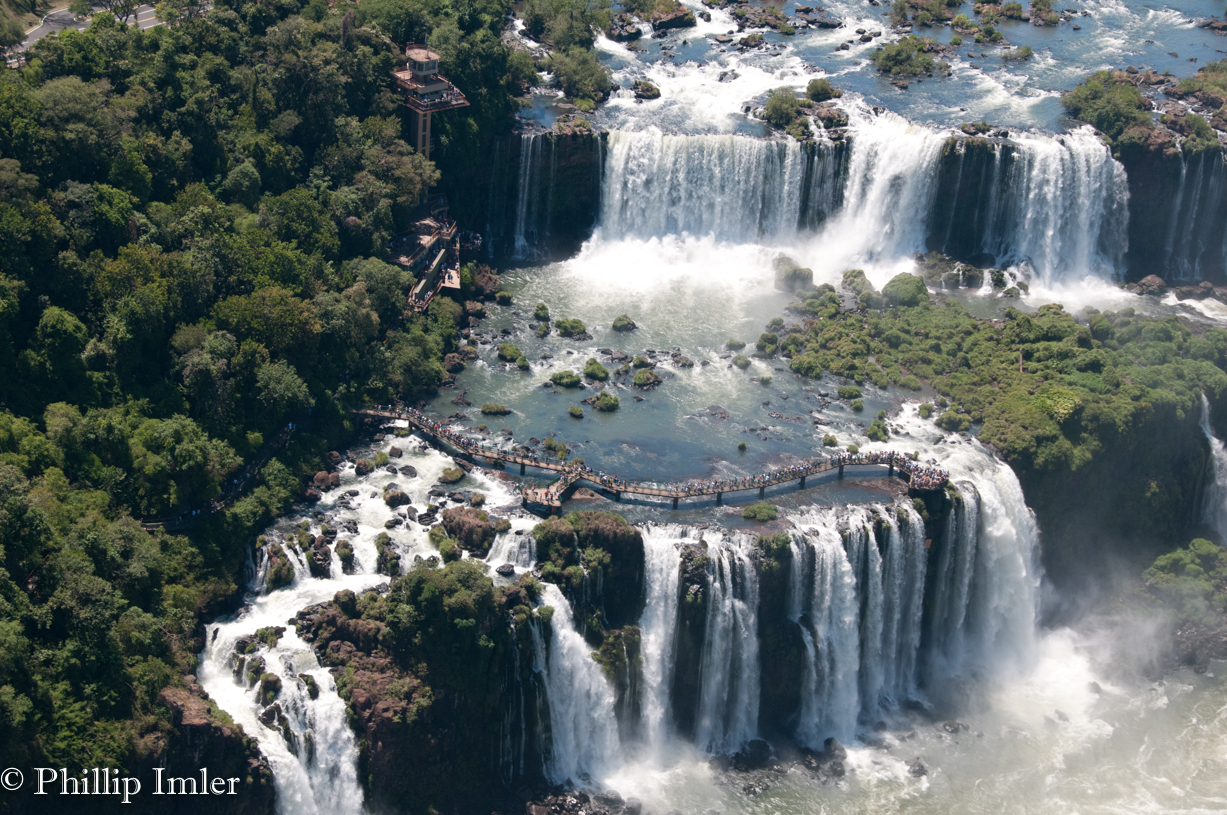
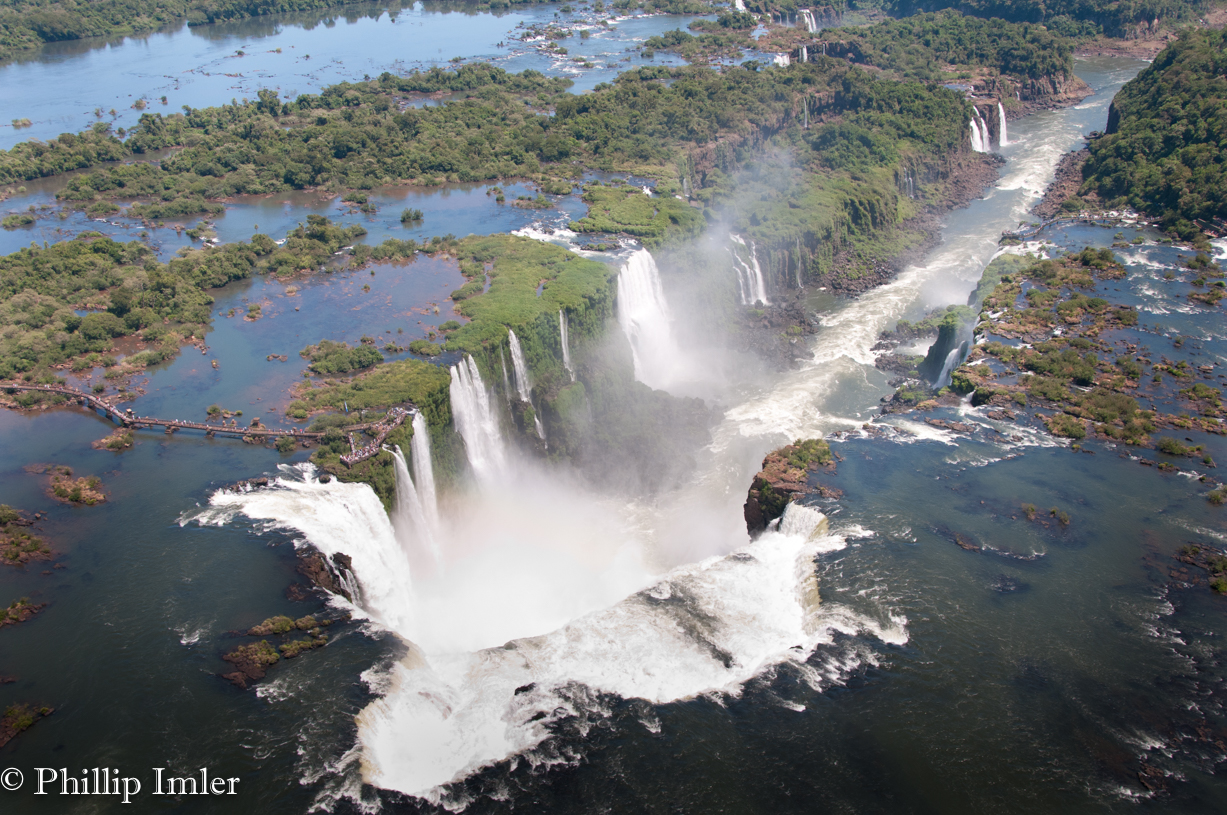
From the Brazilian side only, visitors can leverage a helicopter tour for one of the most stunning views of the falls from an aerial point of view. Additionally, there is a rappelling rope that drops straight down from an extended medal platform. This allows you to hang in the air and have a face to face view across the canyon toward the Argentina side of the falls.
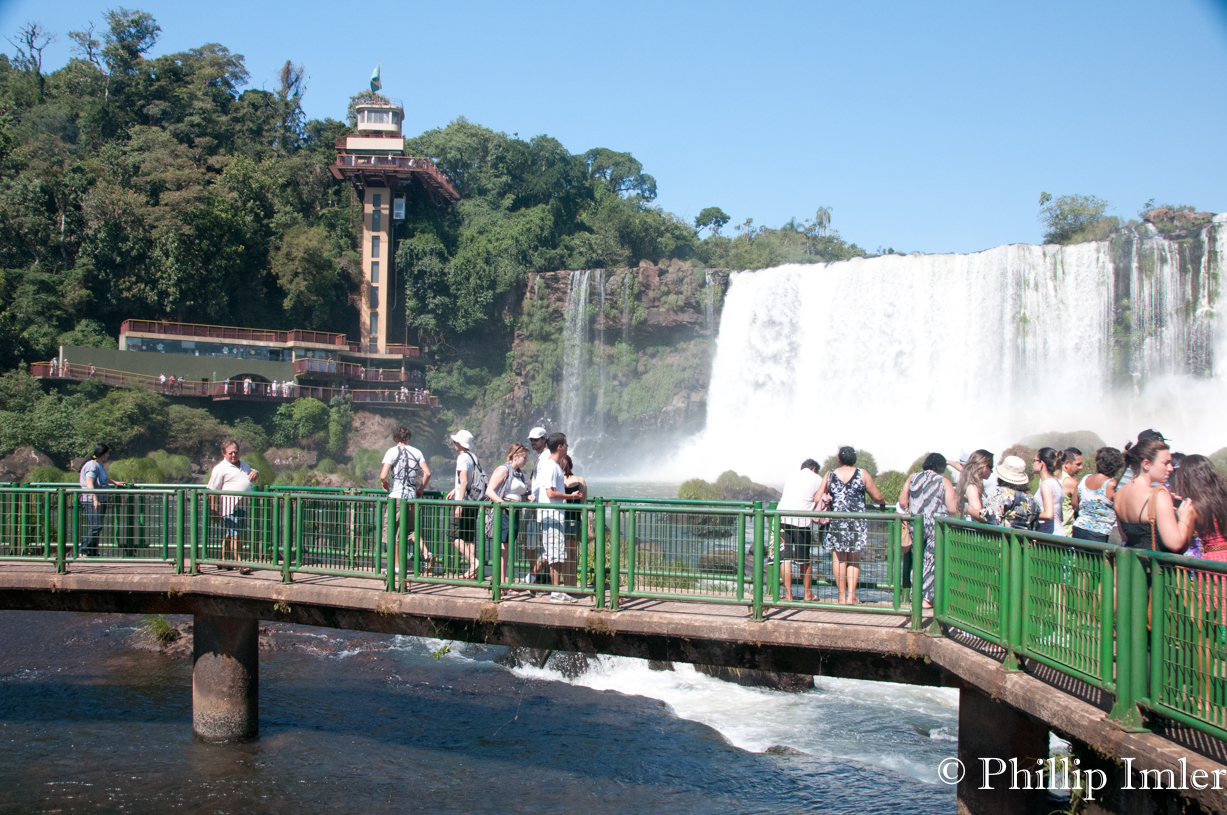
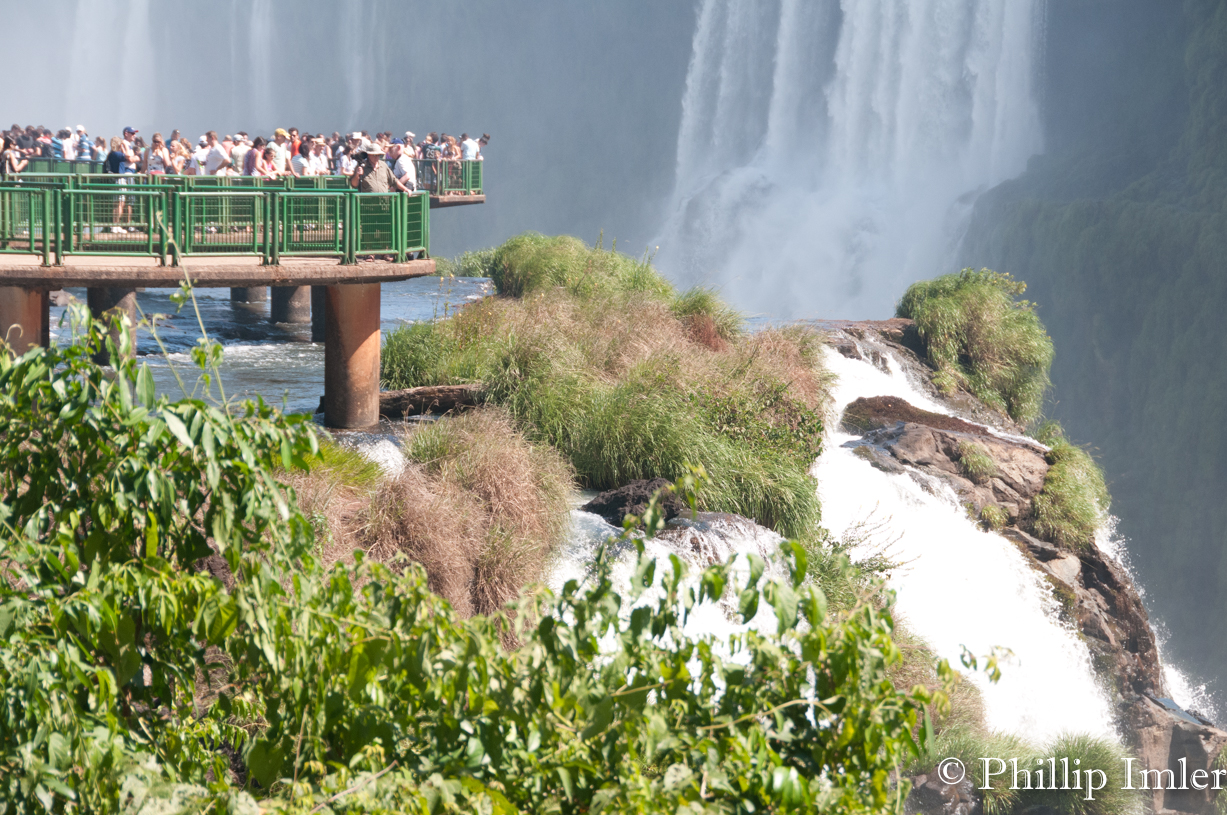
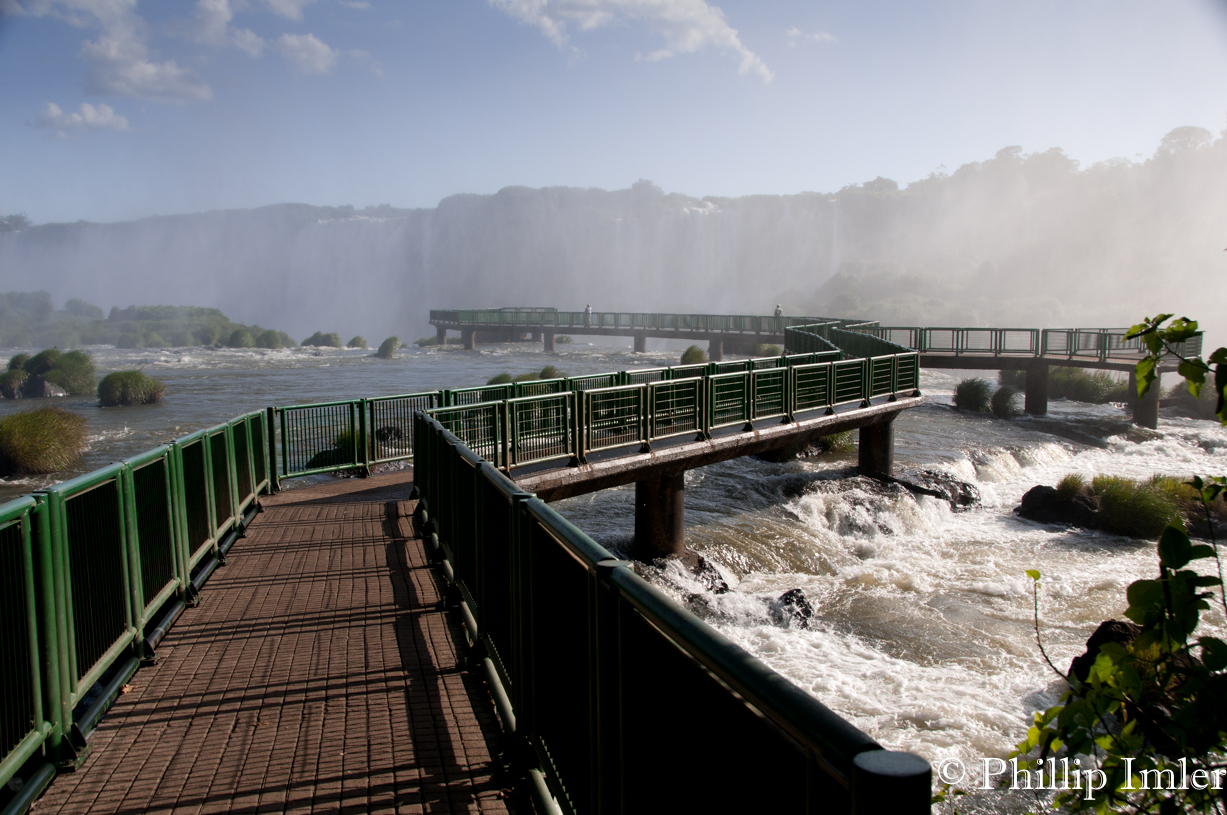
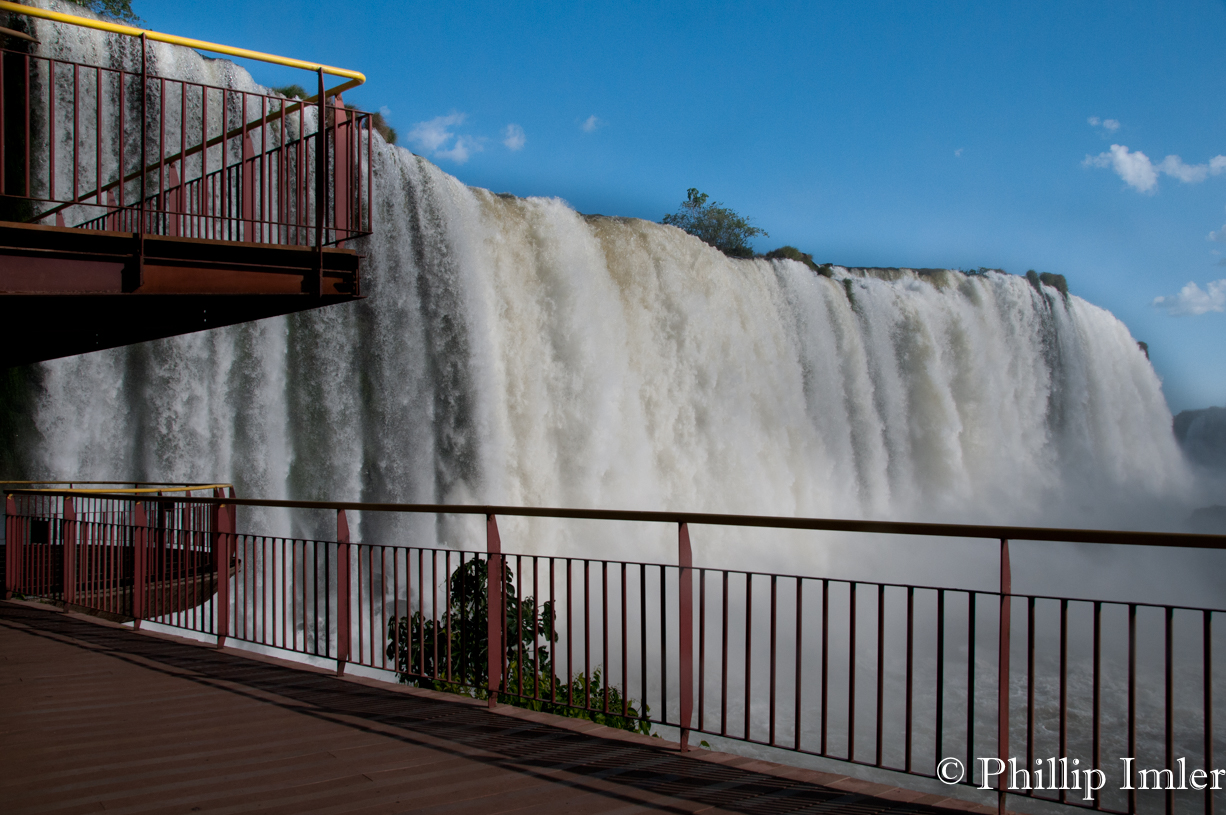
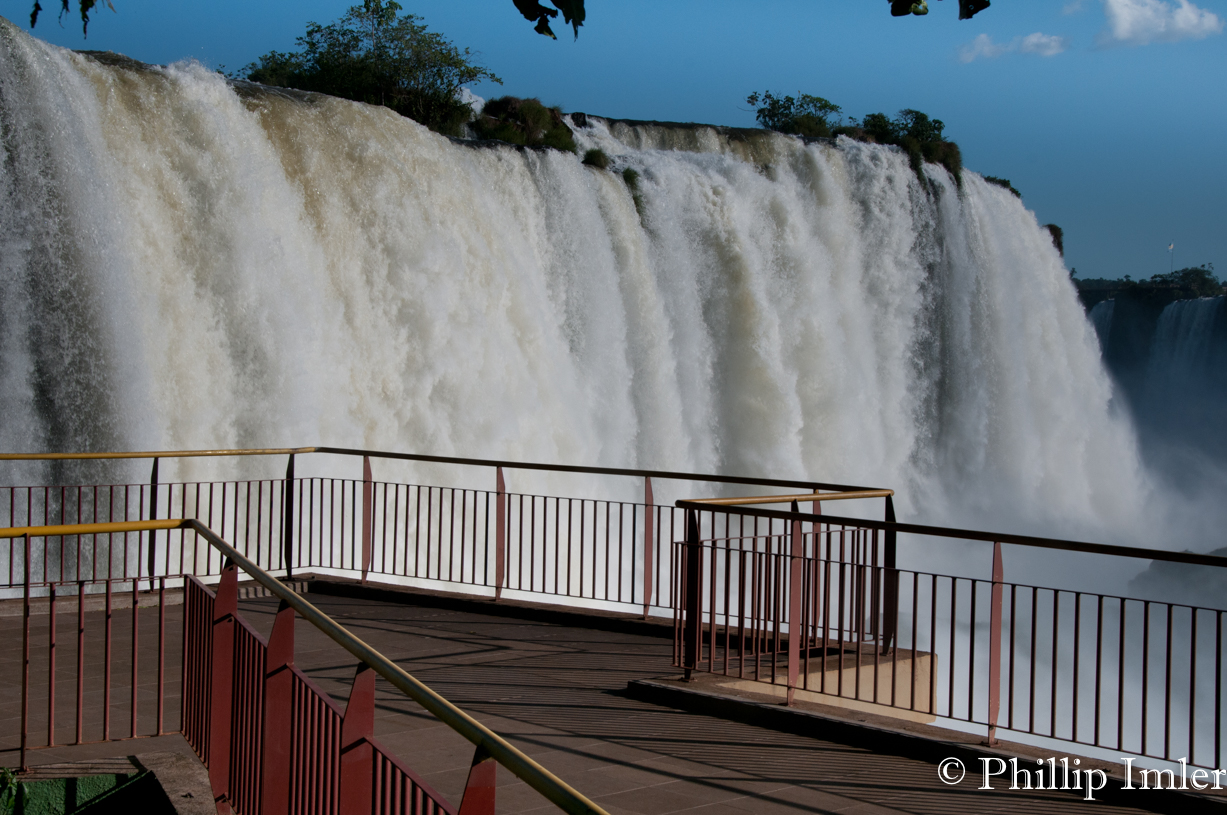
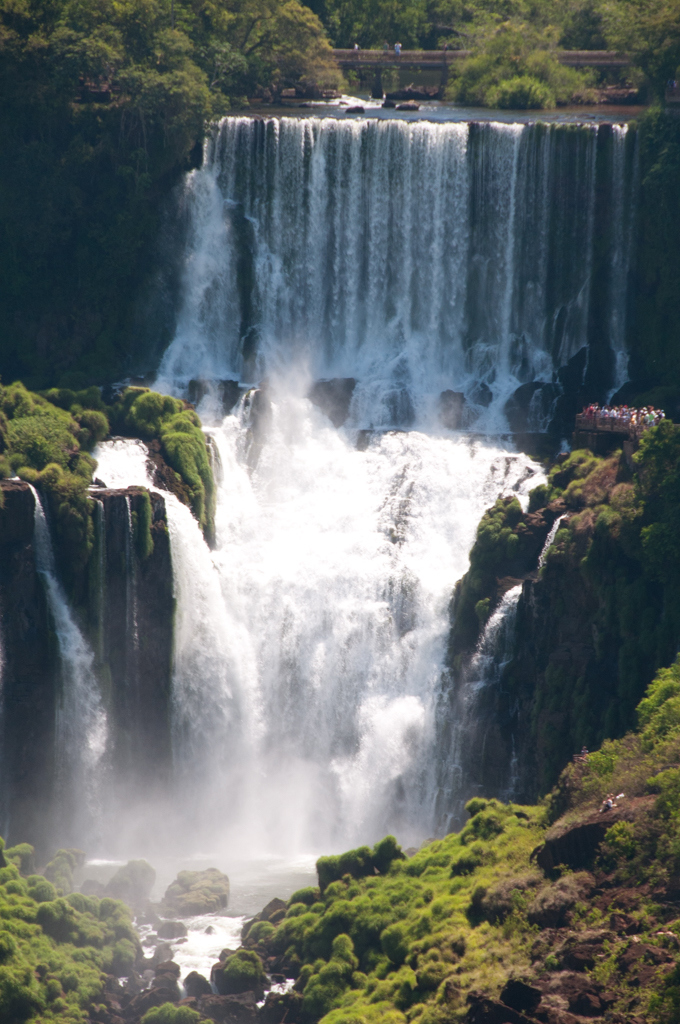
The simplest way to experience the falls is to take the pathed trail along the canyon wall on the Brazilian side providing comprehensive views of the falls which occur on the Argentine side. There are lookouts along the way as well as a metal walkway out across the river that delivers up close and wet views of the falls.
Photos























Things to See
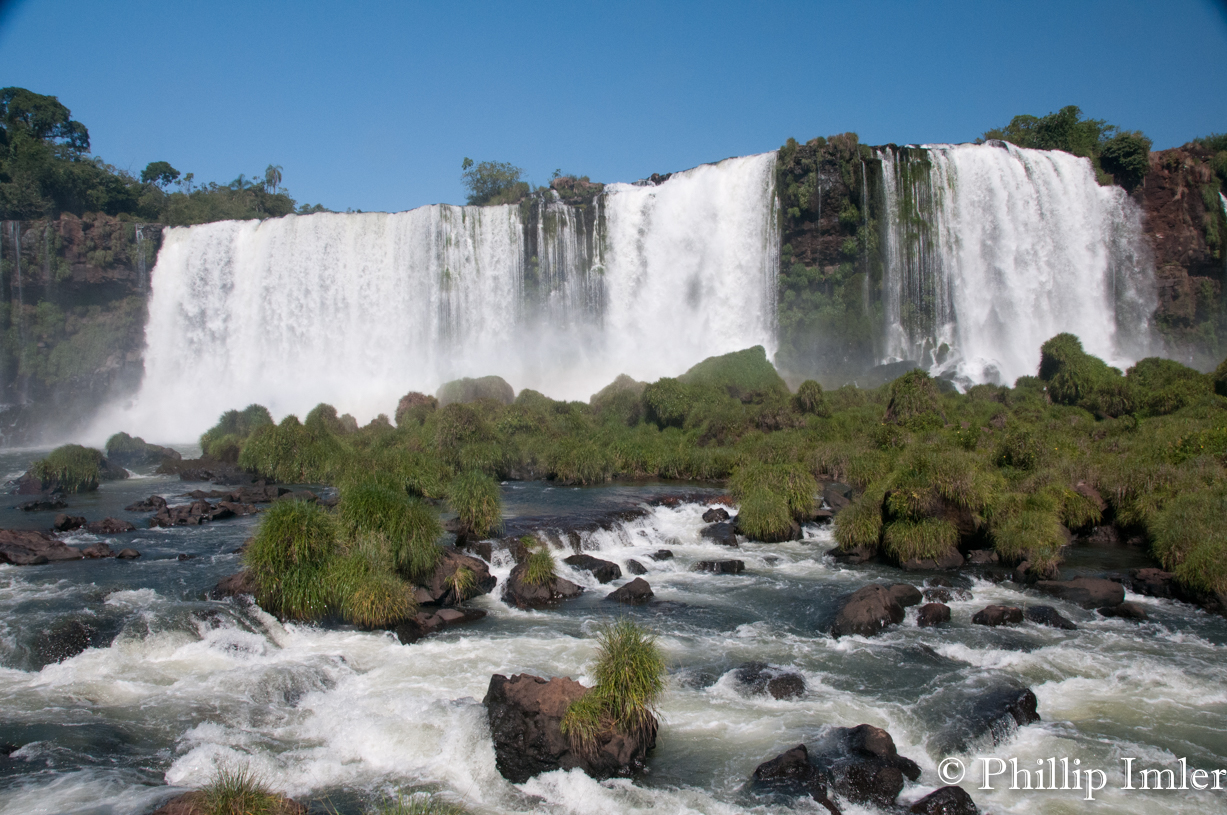
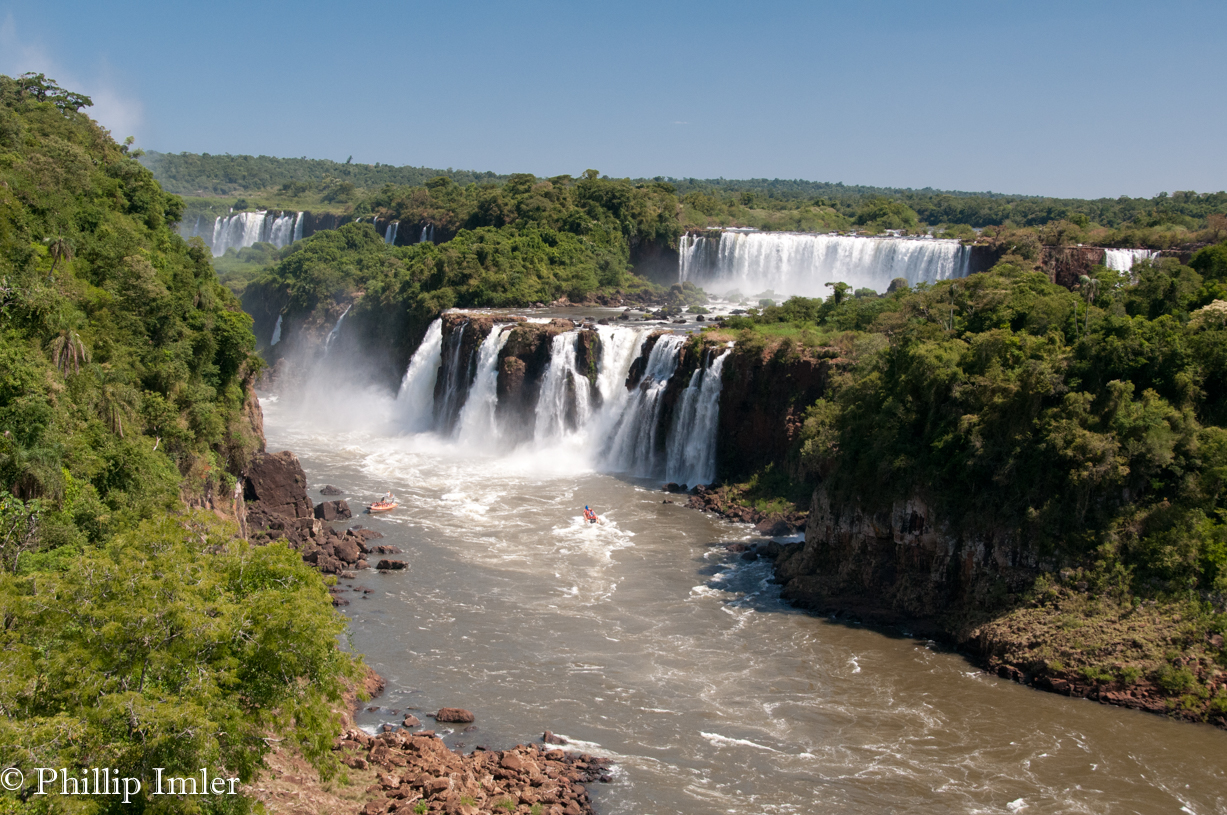
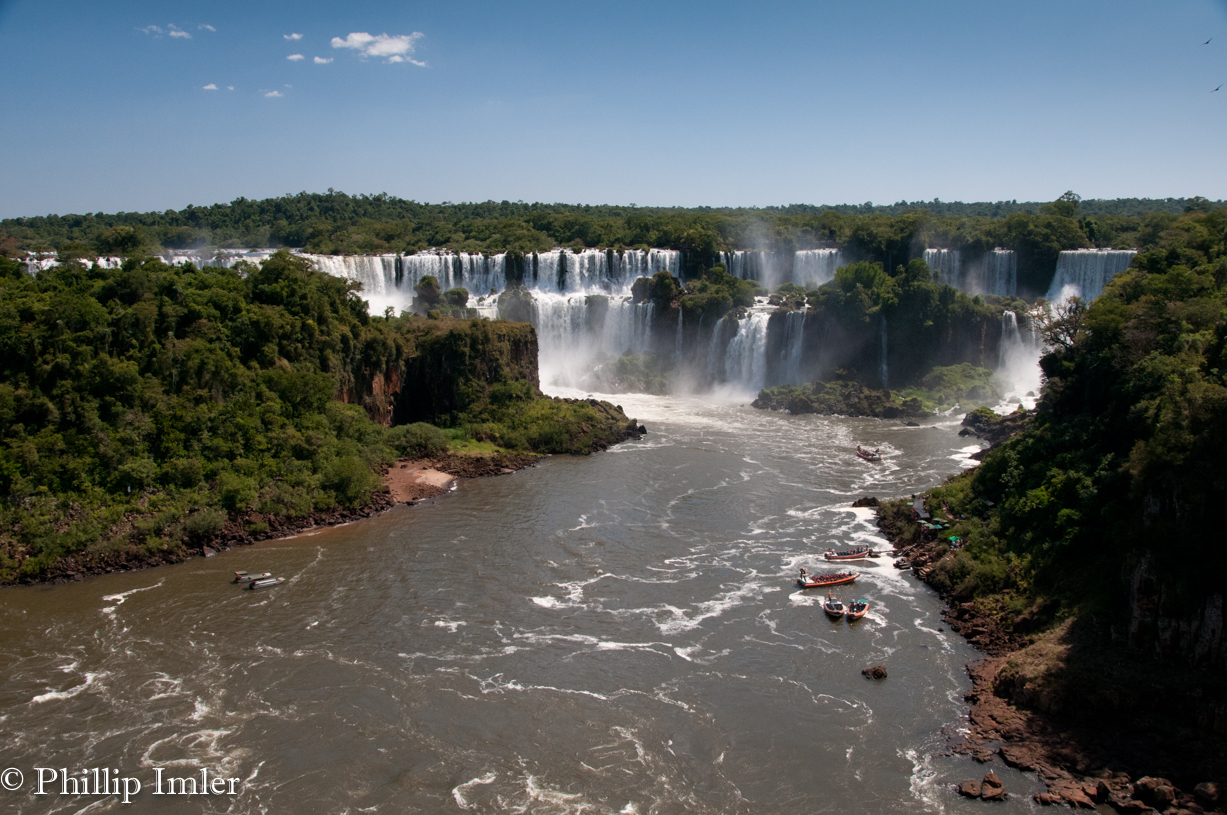
 Iguassu Falls is a series of individual waterfalls that work together to create the largest waterfall complex in the world. There are a total of 275 separate drops throughout the 1.7 miles (2.7 km) of falls. The majority of the falls occur over on the Argentina side whereas the most panoramic view occurs from the Brazilian side.

Accommodations

Things To Do
Where the Argentina side has the majority of trails around Iguassu Falls, the Brazilian side has the most activities. Some activities are provided to get you outdoors to enjoy the habitat and others are to give you new and different perspectives of Iguassu Falls.






Iguacu National Park Trails
The majorit of hiking around Iguacu Falls occurs on the Argentina side, however, the hiking on the Brazilian side provides the most comprehensive views of the different parts of the waterfall system.

Park Protection
Iguacu National Park protects the Brazilian side of Iguassu Falls. This is the world’s largest waterfall complex and Brazil and Argentina governments collaborate together to protect both sides of the falls. Both are also protecting the surrounding pristine tropical rainforest which is home to species like the jaguar, the toucan, and many others.
FAQ’s
Where is Iguaçu National Park located?
Iguaçu National Park is situated in the state of Paraná, Brazil, along the border with Argentina. It encompasses a section of the Iguaçu River, which flows between Brazil and Argentina, creating one of the world’s most spectacular waterfalls, Iguaçu Falls.
The park is part of a transboundary conservation area, with Argentina’s Iguazú National Park located on the opposite side of the river, together forming a UNESCO World Heritage Site.
What is the closest city to Iguaçu National Park?
The closest city to Iguaçu National Park is Foz do Iguaçu, located in the state of Paraná, Brazil. This vibrant city lies just a few miles from the park entrance and serves as the primary gateway for visitors on the Brazilian side of the falls.
Foz do Iguaçu offers a range of accommodations, dining, and transportation options, making it an ideal base for exploring the park and the surrounding area.
What is the closest airport to Iguaçu National Park?
The nearest airport to Iguaçu National Park is Foz do Iguaçu/Cataratas International Airport (IGU).
Located about 9 miles (14 kilometers) from the park, this airport offers both domestic and limited international flights, primarily connecting from major Brazilian cities and neighboring countries.
It provides convenient access for visitors traveling to see Iguaçu Falls and explore the surrounding region.
How many falls does Iguaçu Falls have?
Iguaçu Falls consists of an impressive 275 individual waterfalls spanning nearly 1.7 miles (2.7 kilometers) along the Iguaçu River. The falls vary in height and width, with the tallest sections reaching around 269 feet (82 meters).
The most iconic and powerful of these is the Devil’s Throat, a massive U-shaped cataract that marks the border between Brazil and Argentina and creates a stunning spectacle of water, mist, and sound.
Where is Iguaçu National Park located?
Iguaçu National Park is situated in the state of Paraná, Brazil, along the border with Argentina. It encompasses a section of the Iguaçu River, which flows between Brazil and Argentina, creating one of the world’s most spectacular waterfalls, Iguaçu Falls.
The park is part of a transboundary conservation area, with Argentina’s Iguazú National Park located on the opposite side of the river, together forming a UNESCO World Heritage Site.
What is the closest city to Iguaçu National Park?
The closest city to Iguaçu National Park is Foz do Iguaçu, located in the state of Paraná, Brazil. This vibrant city lies just a few miles from the park entrance and serves as the primary gateway for visitors on the Brazilian side of the falls.
Foz do Iguaçu offers a range of accommodations, dining, and transportation options, making it an ideal base for exploring the park and the surrounding area.
What is the closest airport to Iguaçu National Park?
The nearest airport to Iguaçu National Park is Foz do Iguaçu/Cataratas International Airport (IGU).
Located about 9 miles (14 kilometers) from the park, this airport offers both domestic and limited international flights, primarily connecting from major Brazilian cities and neighboring countries.
It provides convenient access for visitors traveling to see Iguaçu Falls and explore the surrounding region.
How many falls does Iguaçu Falls have?
Iguaçu Falls consists of an impressive 275 individual waterfalls spanning nearly 1.7 miles (2.7 kilometers) along the Iguaçu River. The falls vary in height and width, with the tallest sections reaching around 269 feet (82 meters).
The most iconic and powerful of these is the Devil’s Throat, a massive U-shaped cataract that marks the border between Brazil and Argentina and creates a stunning spectacle of water, mist, and sound.
Sources
- All Trails, Iguazu Falls from the Brazilian Side, https://www.alltrails.com/trail/argentina/entre-rios/iguazu-falls-from-the-brazilian-side?u=i, retrieved June 2020.
- Britannica, Iguacu Falls, https://www.britannica.com/place/Iguacu-Falls, retrieved September 2019.
- Britannica, Iguacu National Park, https://www.britannica.com/place/Iguacu-National-Park, retrieved September 2019.
- UNESCO, Iguacu National Park, https://whc.unesco.org/en/list/355/, retrieved September 2019.
- Visit Brazil, Iguacu National Park, https://www.visitbrasil.com/attractions/parque-nacional-de-iguacu-iguacu-national-park.html, retrieved September 2019.
- Visit Iguacu, Iguacu National Park, https://iguassu.com.br/portfolio-item/iguacu-national-park/?lang=en, retrieved September 2019.