

About
Sajama National Park is located in Bolivia’s southwestern region, sharing a border with Lauca National Park in Chile. The park covers an area of 386.87 square miles (1,002 sq km), making it the third smallest national park.
Sajama National Park was the first national park established in the country, making it the oldest of Bolivia’s protected park areas. In 2003, it became a UNESCO World Heritage Site reflecting the unique collection of cultural and natural importance.
The national park delivers cultural and natural attractions making the park more appealing to a broader audience. The Aymara is a local indigenous people group that exhibits historical and cultural facets of their heritage throughout the park.
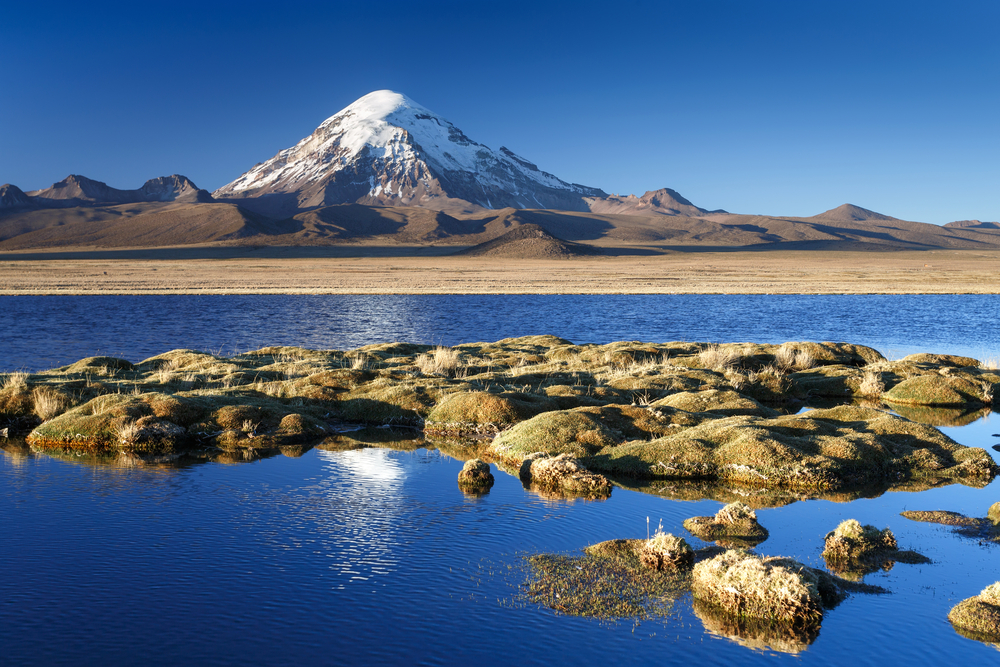
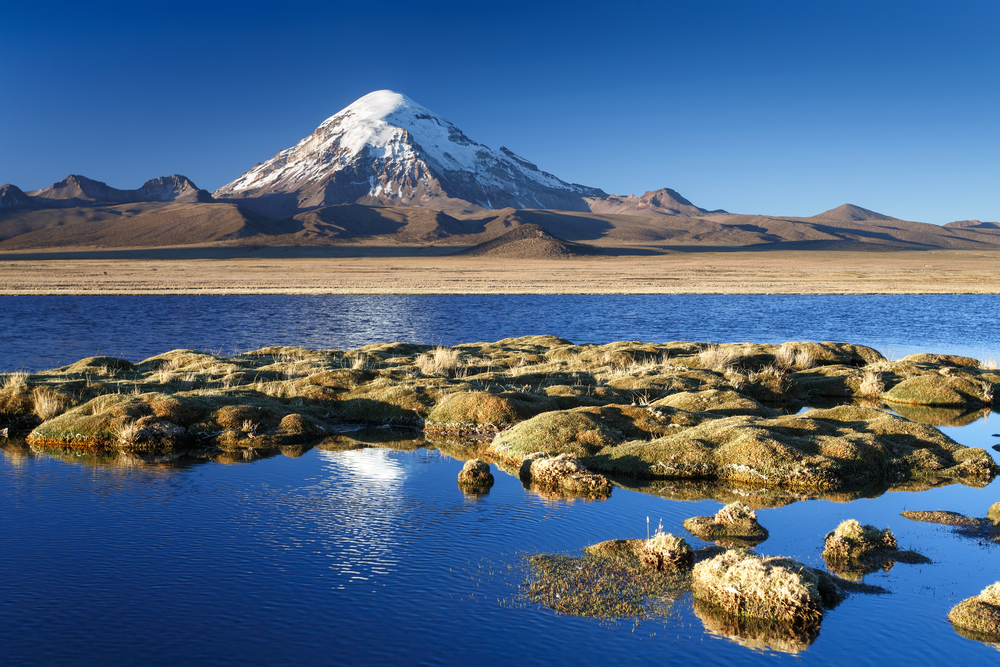
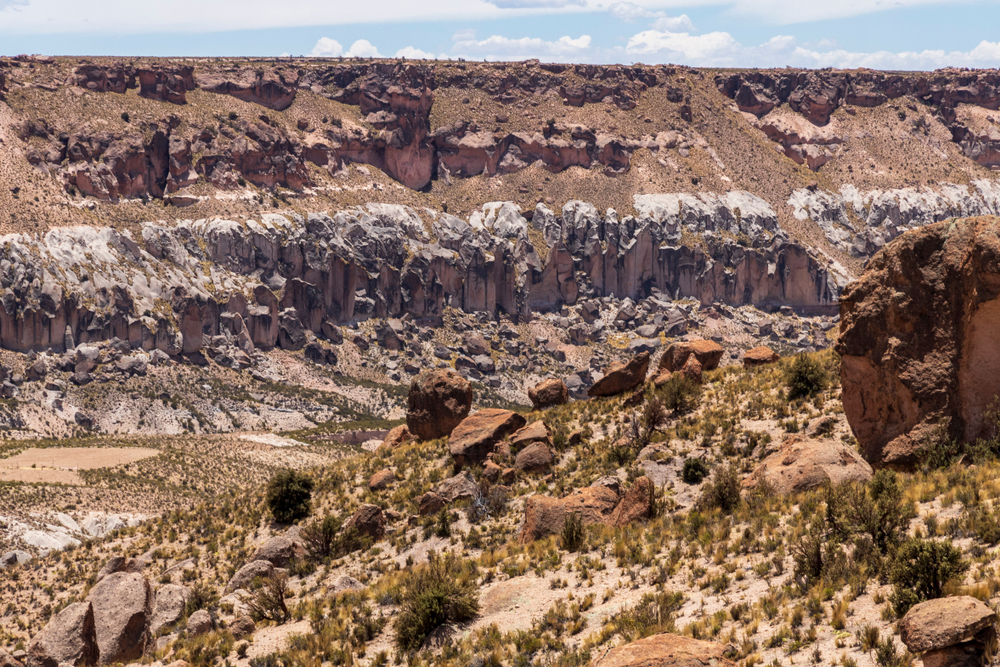
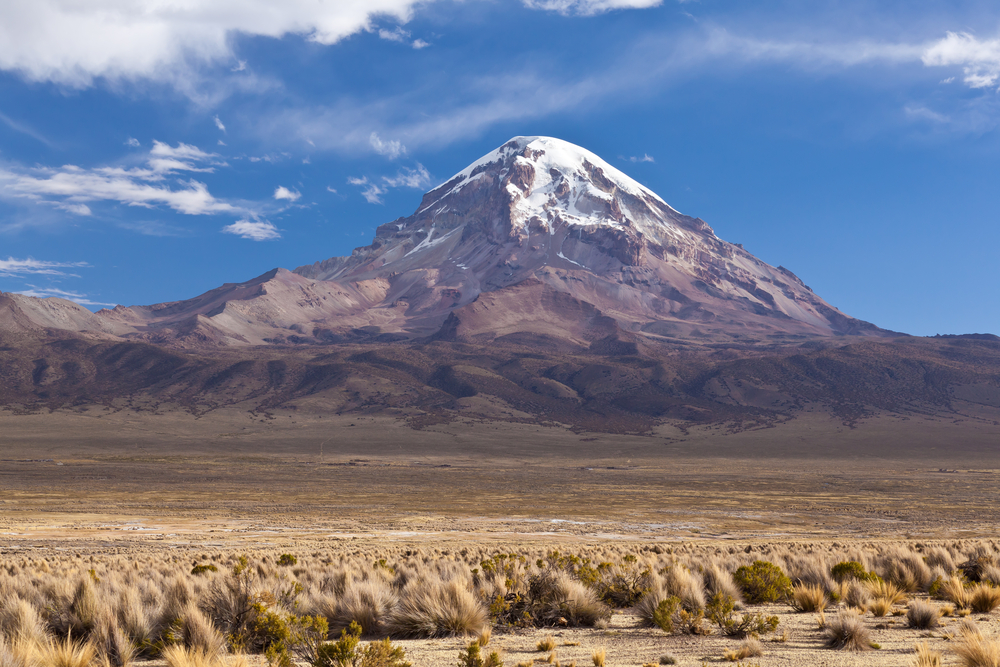
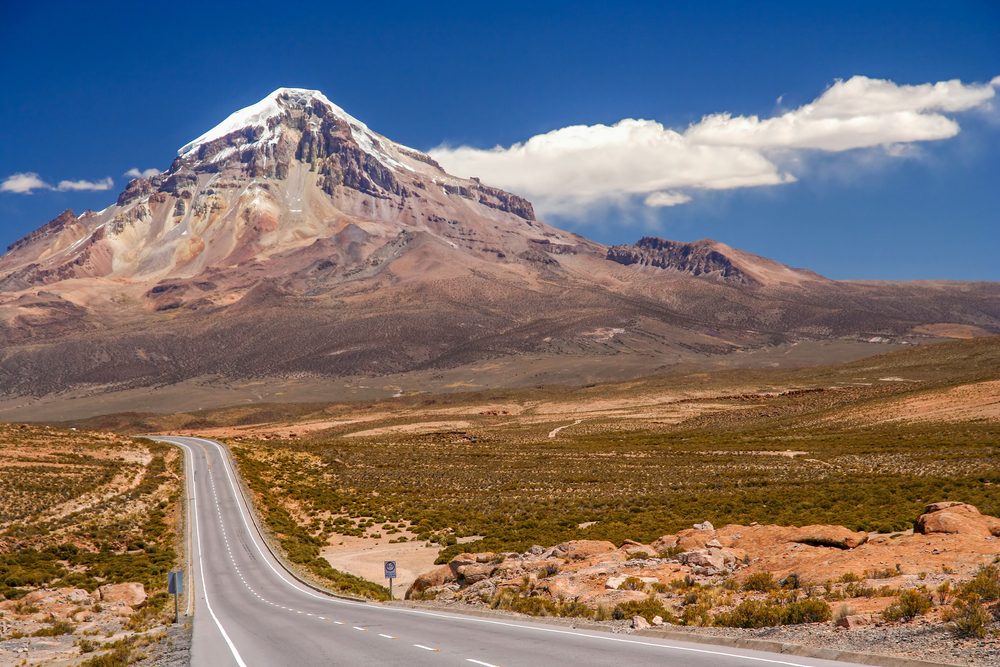
The Andes serve as the national park’s foundation with striking mountain landscapes situated amongst a dry puna ecoregion. The elevations vary from 13,780 feet to 21,463 feet (4,200 to 6,542 m).
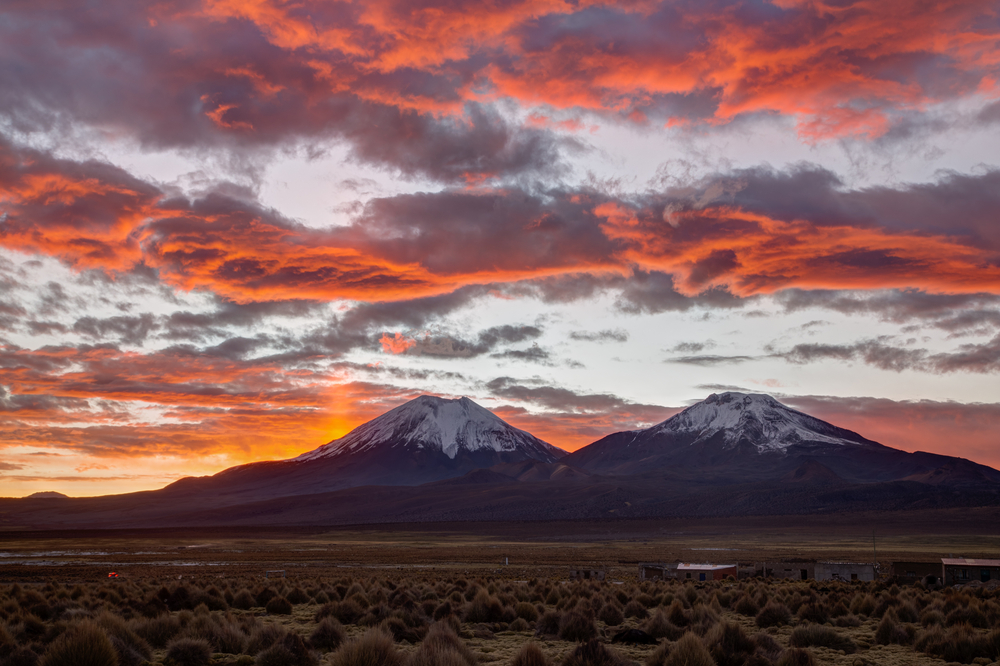
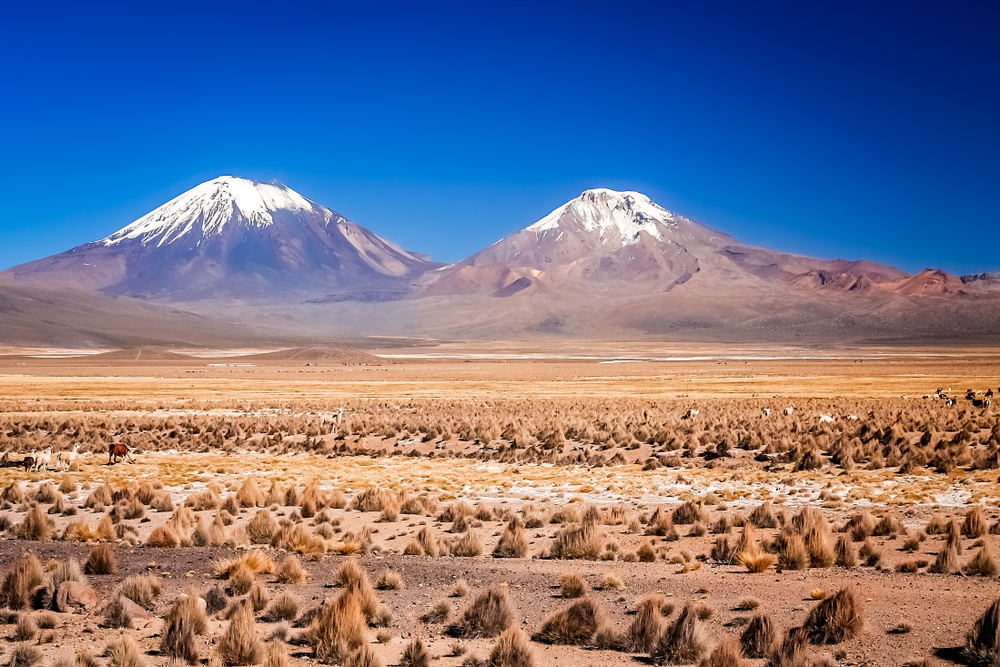
The park is named after the picturesque Sajama Volcano, which is the highest point in the park. Along with Sajama, there are other volcanic formed mountains and thermal springs, and geysers related to the underlying volcanic activity.
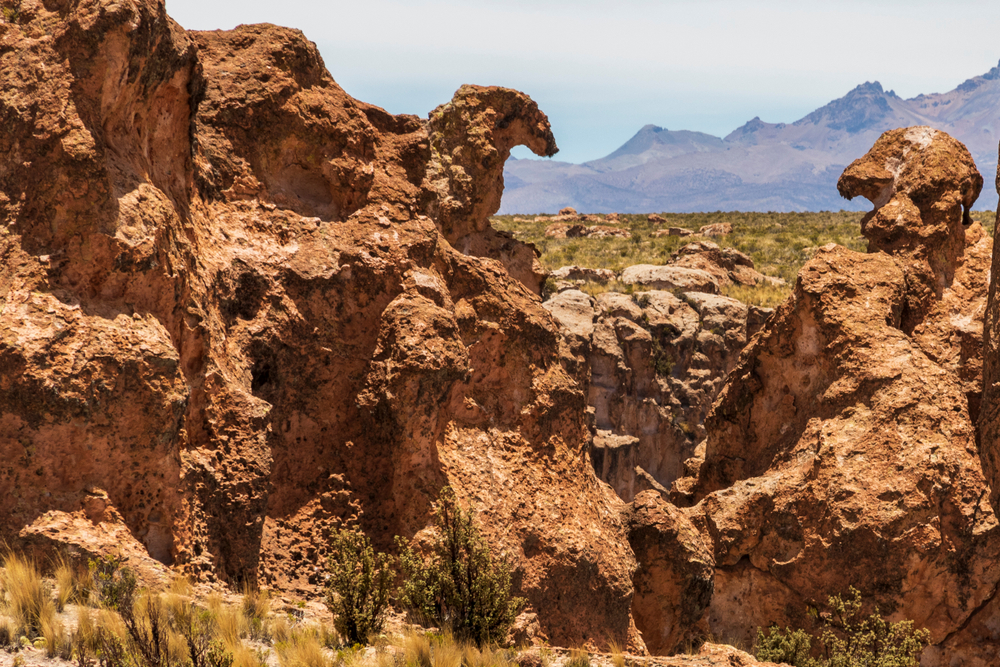
From a cultural and historical perspective, the park features a series of architectural facilities that include historic burial buildings, cave paintings, and some colonial architecture remnants.
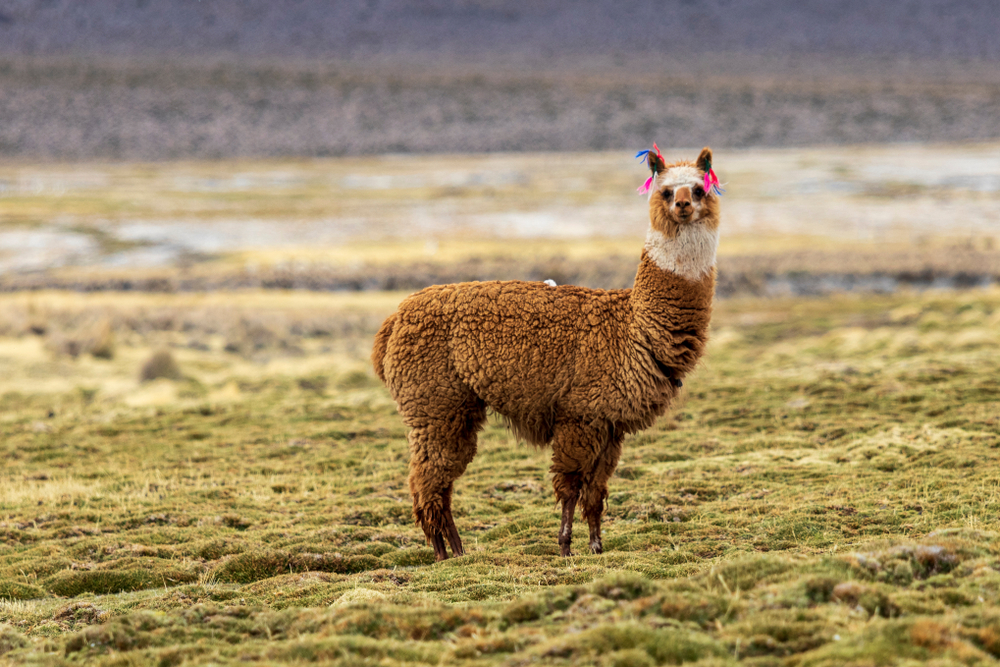
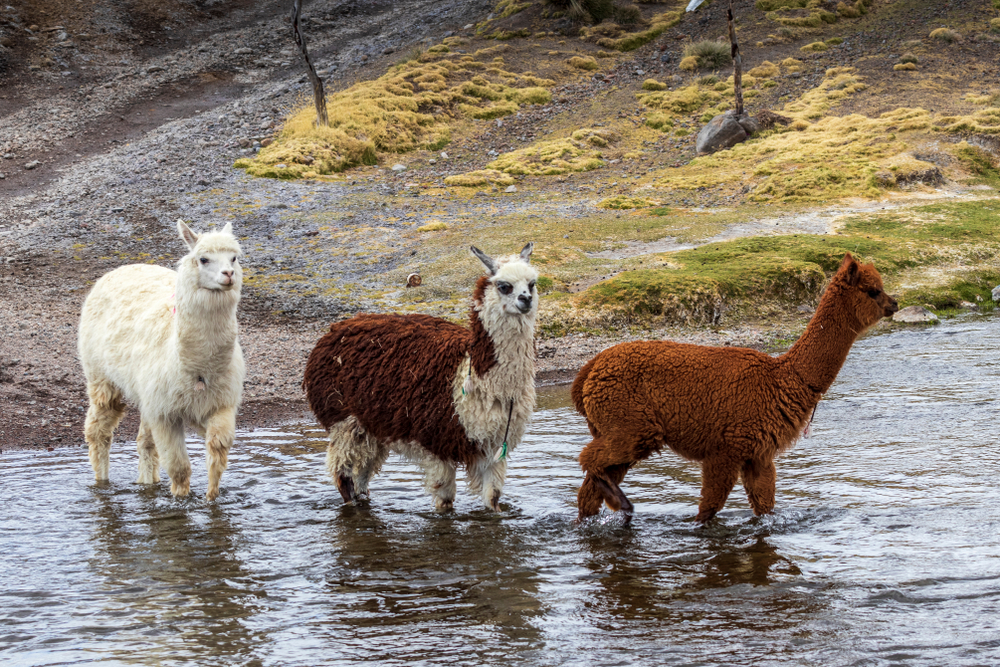
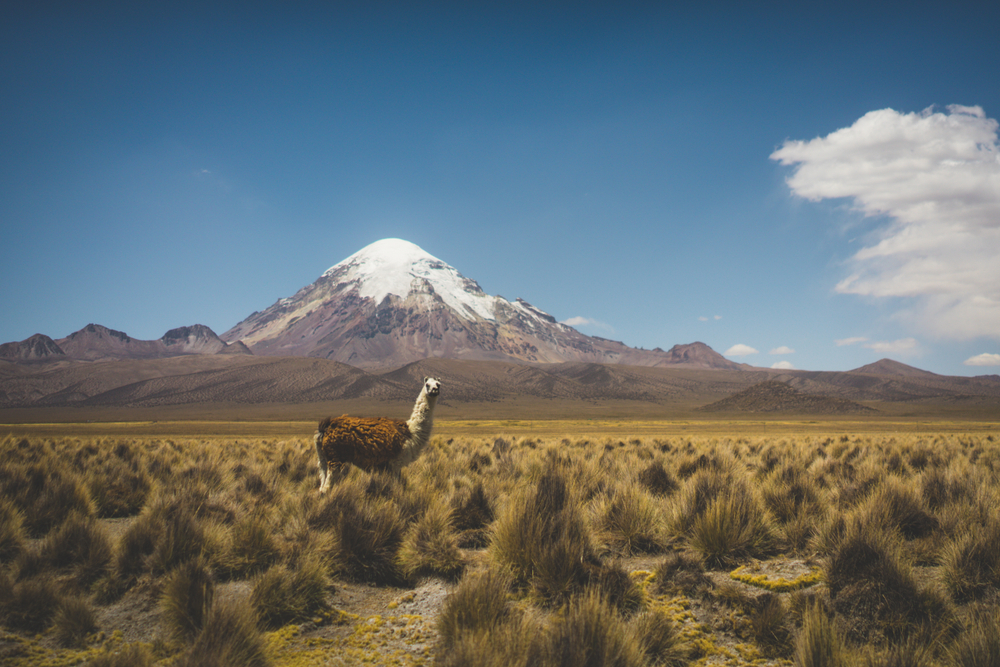
The wildlife in the area features llama, vicuna, cougar, bear, and the Andean cat. Some of the more popular bird species include flamingo, hummingbird, and the coot.
Photos
Things to See
Sajama National Park Trails
Hiking around the park and climbing or trekking up the various mountains is a popular way to engage the nature of the national park. There are multiple hikes to visit the various highland lakes.

Park Protection
Sajama National Park was created to protect the Andes mountains and Sajama Volcano, the tallest mountain in Bolivia. More importantly, the park was created the protect the Andean vegetation and the wildlife that calls the surrounding ecosystem home.
Sajama protects the Quenoa forests, which are recognized as some of the highest forests in the world. The park also protects the historical and cultural facets of the Sajama Lines and the artifacts of the Aymara ancestors.
Sources
- Bolivia Hop, A Guide to Sajama National Park, https://www.boliviahop.com/sajama-national-park-bolivia-guide/, retrieved October 2020.
- Bolivian Life, A Guide to Sajama National Park, https://www.bolivianlife.com/sajama-national-park/, retrieved October 2020.
- Britannica, Mount Sajama, https://www.britannica.com/place/Mount-Sajama, retrieved October 2020.
- Culture Trip, 10 Things to Know before Visit Sajama National Park, https://theculturetrip.com/south-america/bolivia/articles/10-things-to-know-before-visiting-sajama-national-park-bolivia/, retrieved October 2020.
- Novo Monde, The Sajama and Lauca National Park, https://www.novo-monde.com/en/sajama-lauca-bolivia/, retrieved October 2020.
- UNESCO, Sajama National Park, https://whc.unesco.org/en/tentativelists/1813/, retrieved October 2020.
- We Love Mountains, Sajama National Park, https://welovemountains.net/sajama-national-park-bolivia/, retrieved October 2020.