About

Lassen Volcanic National Park is located in the central part of northern California.  It is located in the Cascades as the southernmost volcano of that mountain range. The park covers an area of 166.3 square miles (430.8 sq km).

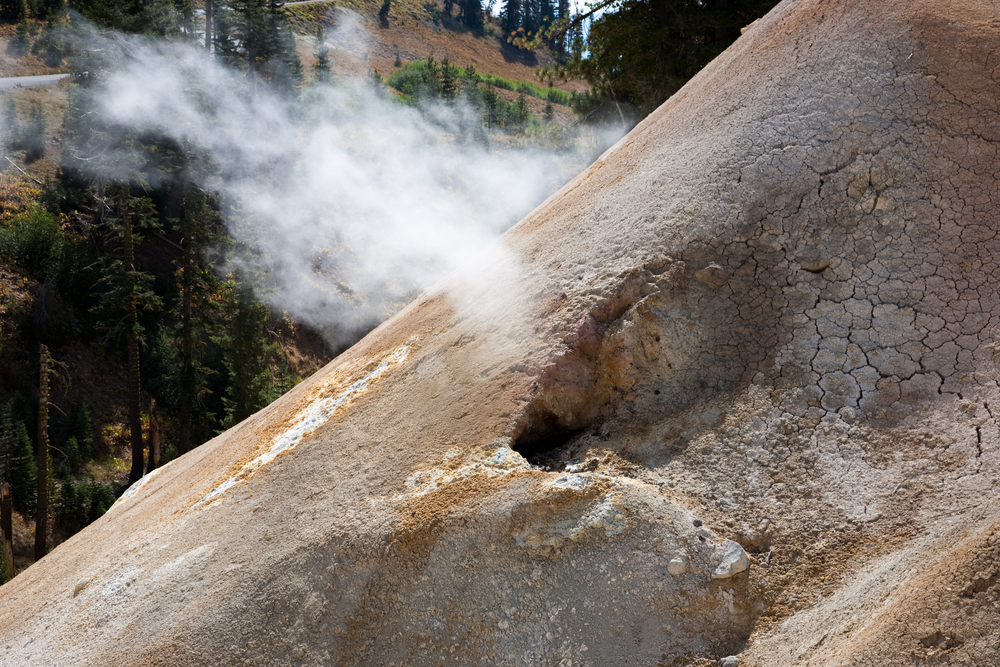
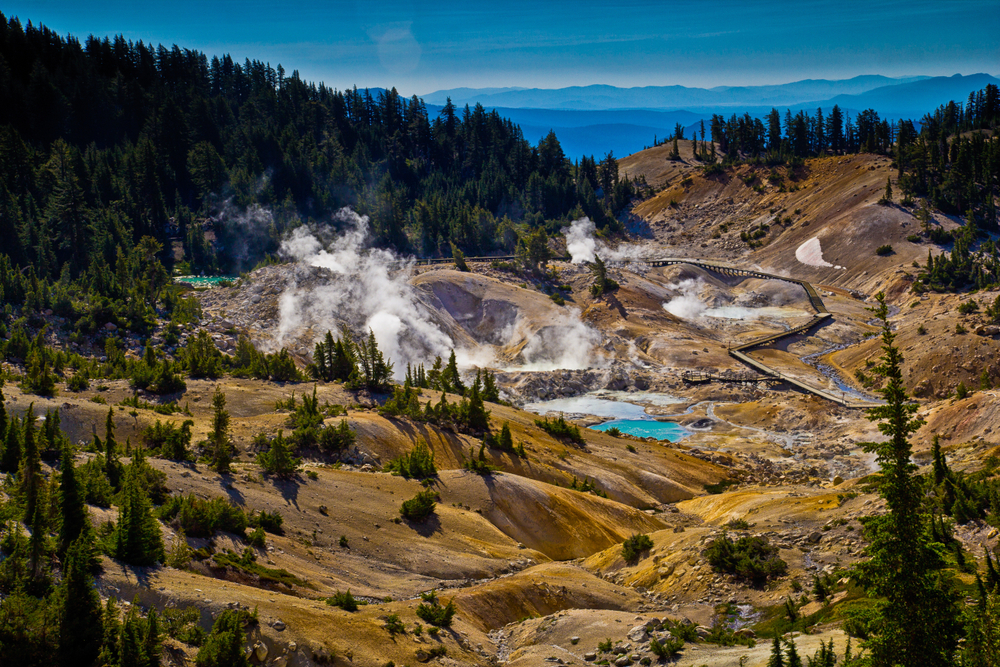
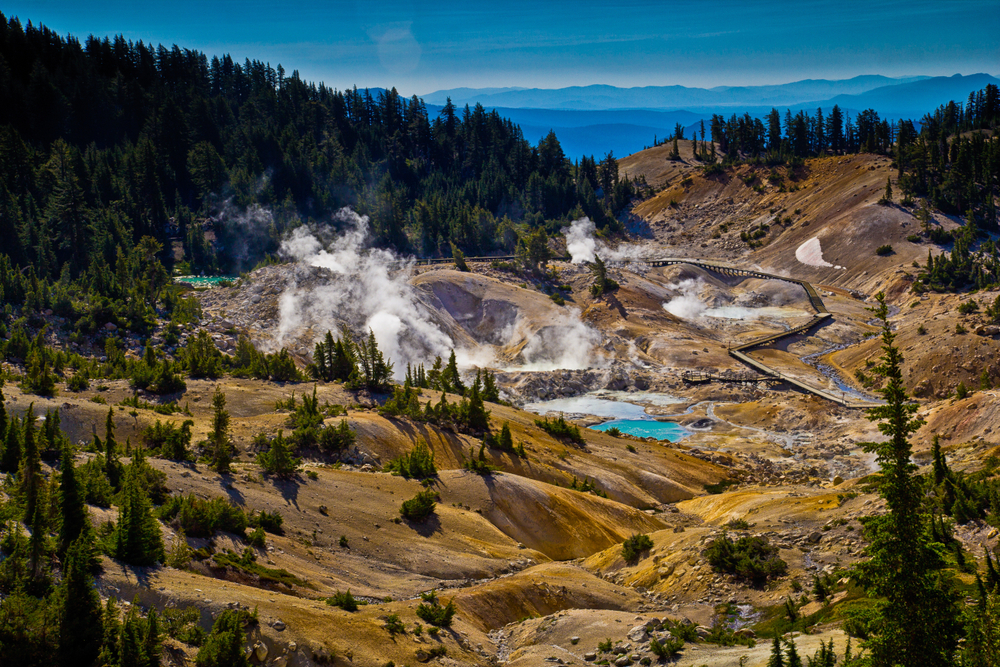
The landscape and surrounding area are still active featuring fumaroles, hot springs, and mud pots.  The park is among a few places in the world where all four types of volcanoes may be experienced.  The four volcano types in the park include:

  • Cinder cone
  • Plug dome
  • Shield
  • Stratovolcano

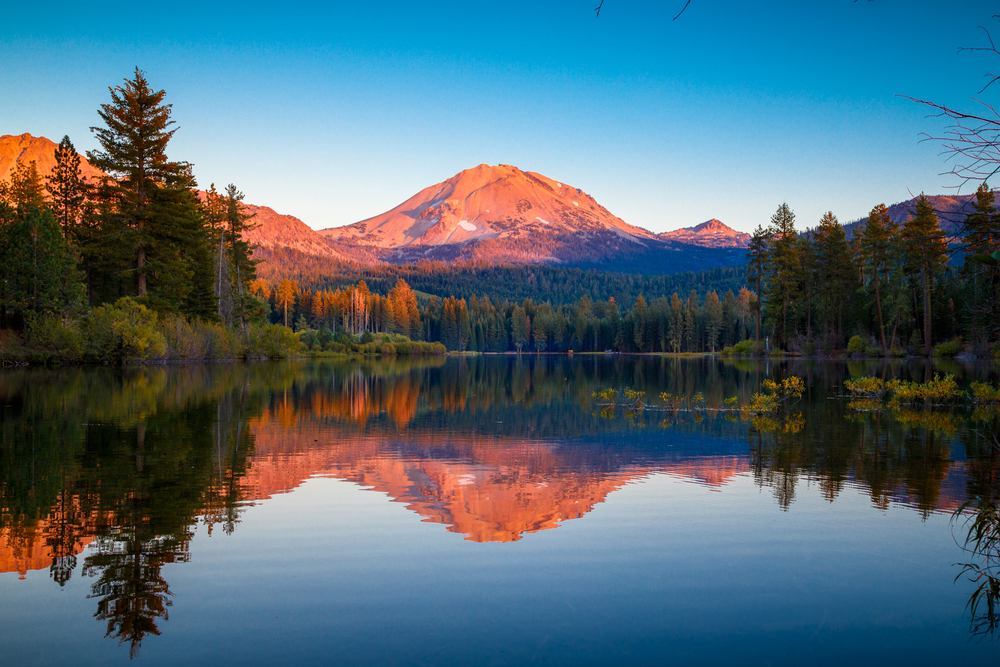
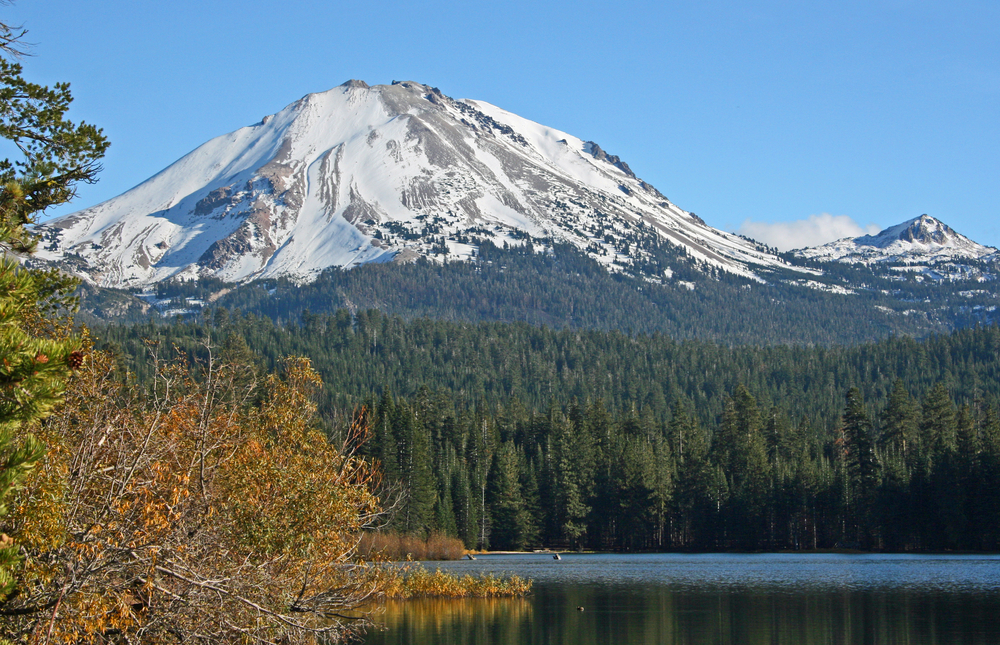
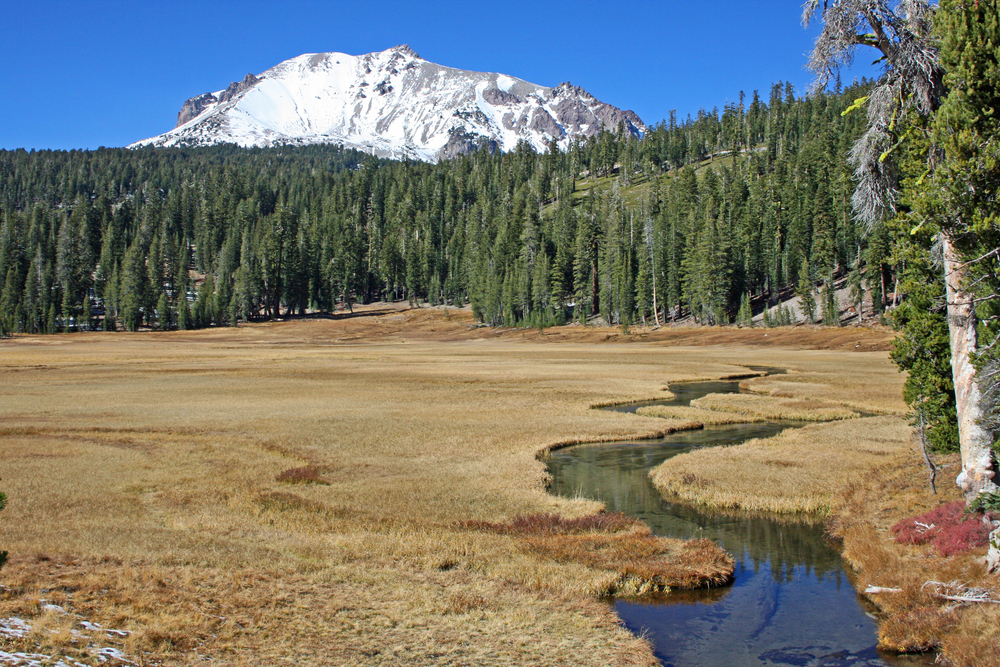
Lassen Peak, the namesake volcano of the park, is the largest plug dome volcano in the world. It is also one of the leading attractions of the national park both from an exploration perspective as well as a scientific perspective as researchers study the effects and return to life following the eruptions between 1914 and 1921.

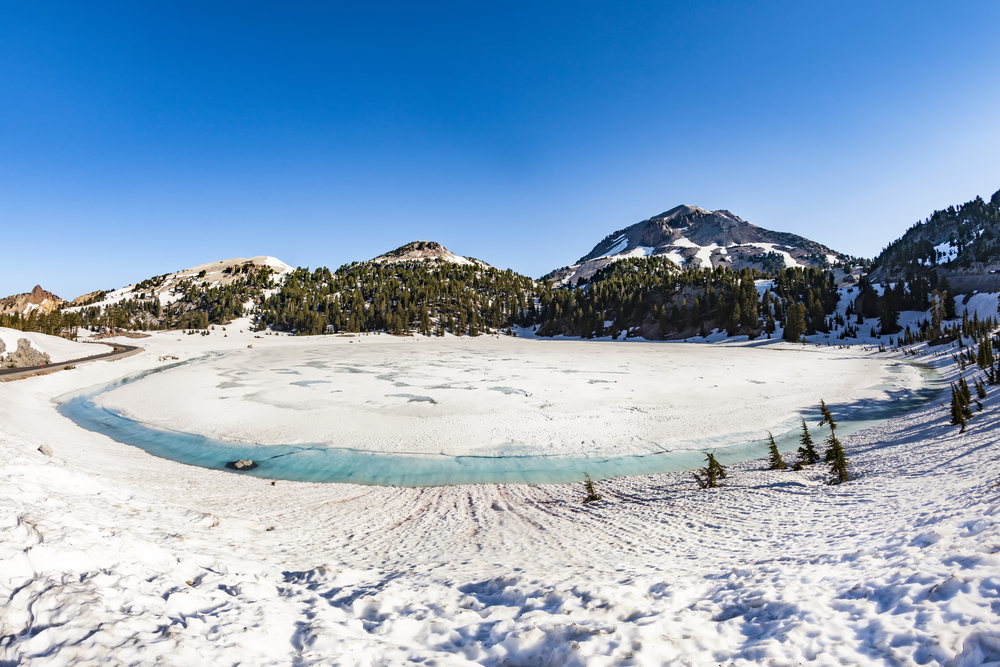
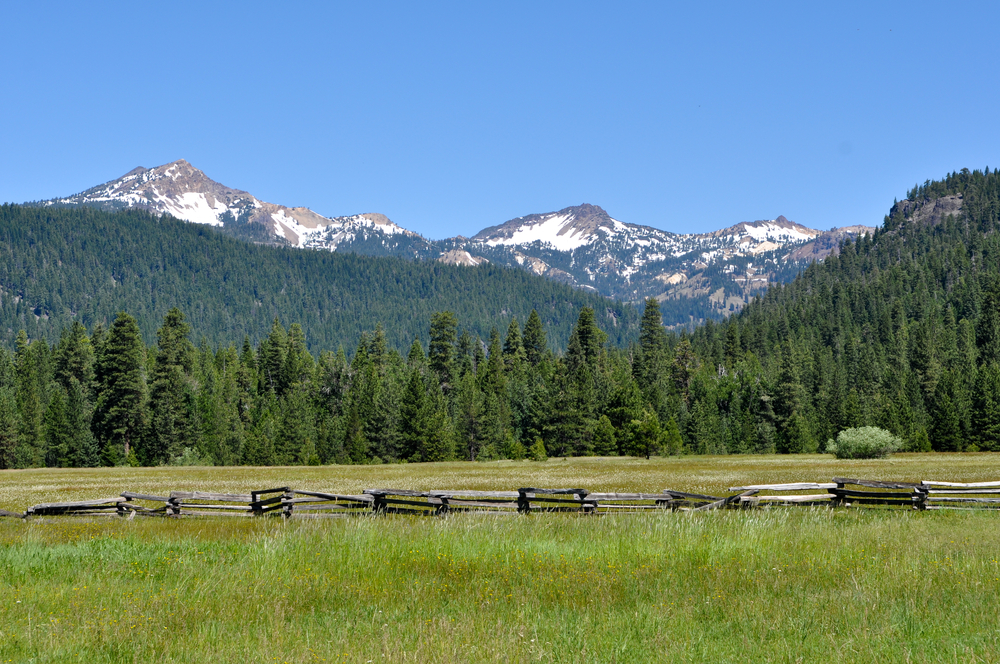
The park is divided into regions with unique facets in each. The western region delivers large lava pinnacles, rugged craters, and steaming vents.  Lake, canyons, and streams are found scattered across this portion of the park. 

The eastern region features a massive lava plateau where cinder cones are located. The southern region is mostly known for the hot springs which include Boiling Springs Lake, Devils Kitchen, and Terminal Geyser.

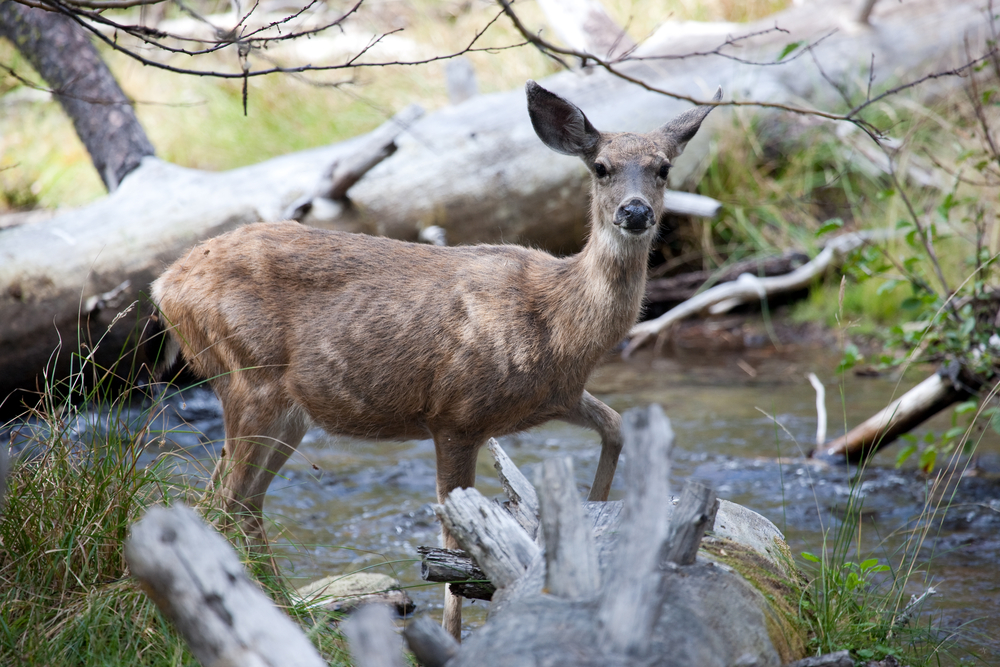
The areas of the park which are not devastated from the last eruption are forested and home to many wildlife species.  Some of the fun and considered cute species include raccoon, chipmunk, weasel, and pika.  The larger species include black bear, cougar, mule deer, and red fox, and either of these can make for a nice wildlife sighting.


Things to See

Apart from Mount St. Helens, Mount Lassen is the most recent volcanic eruption occurring back in 1914.  It was established as a protected area giving researchers an opportunity to study the effects of a volcano.

The surrounding area of Lassen Volcanic national park represents the effects following this volcanic eruption and is now used to evaluate what is next for the Mount St. Helens area.  This is an opportunity to make scientific observations as the area seeks to return to new life and growth.

Mount Lassen

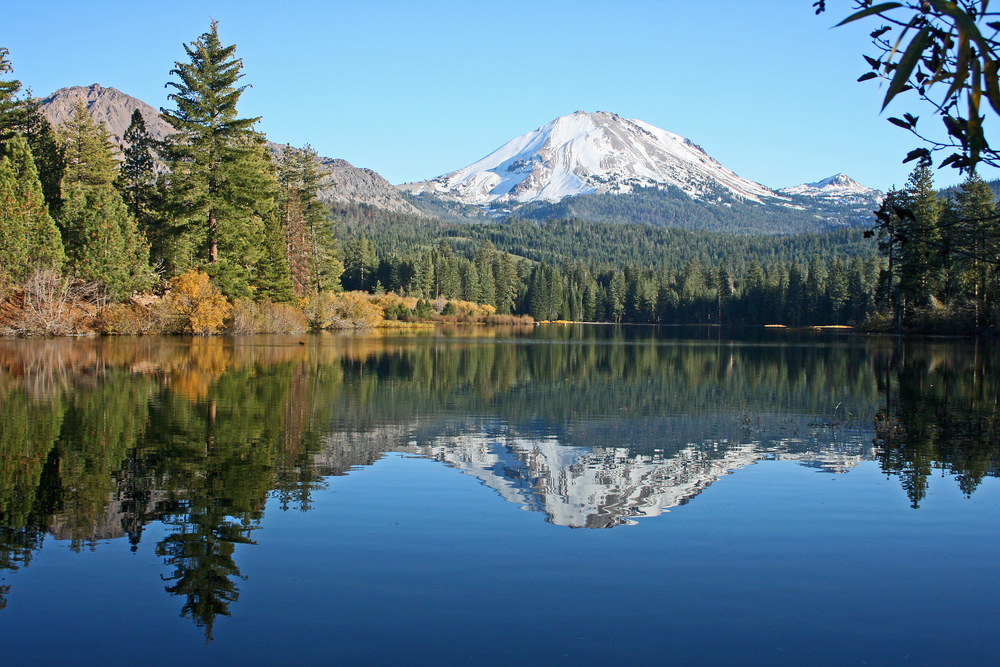
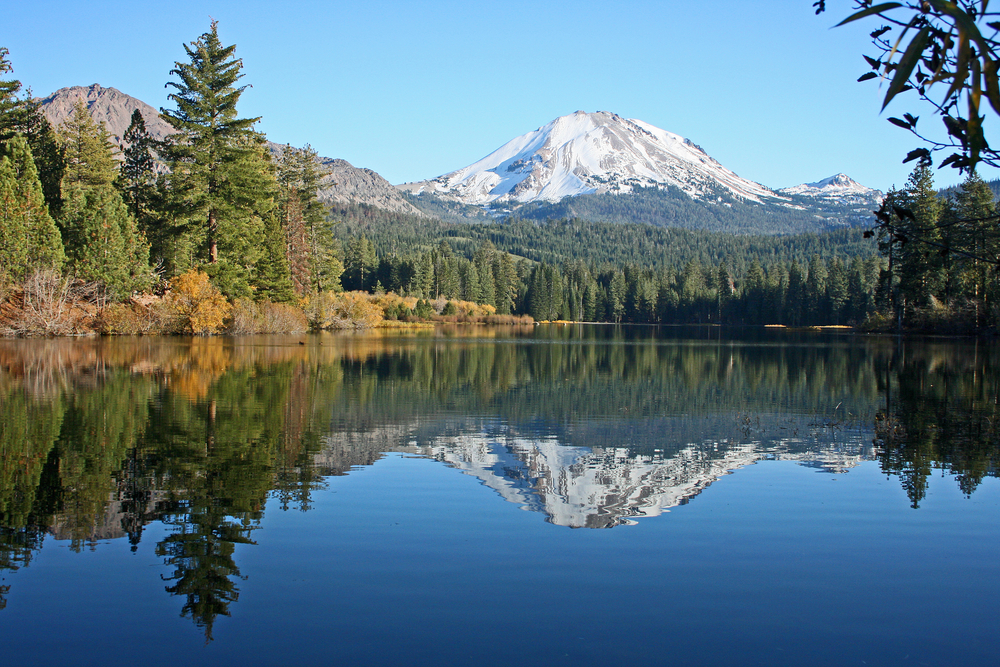
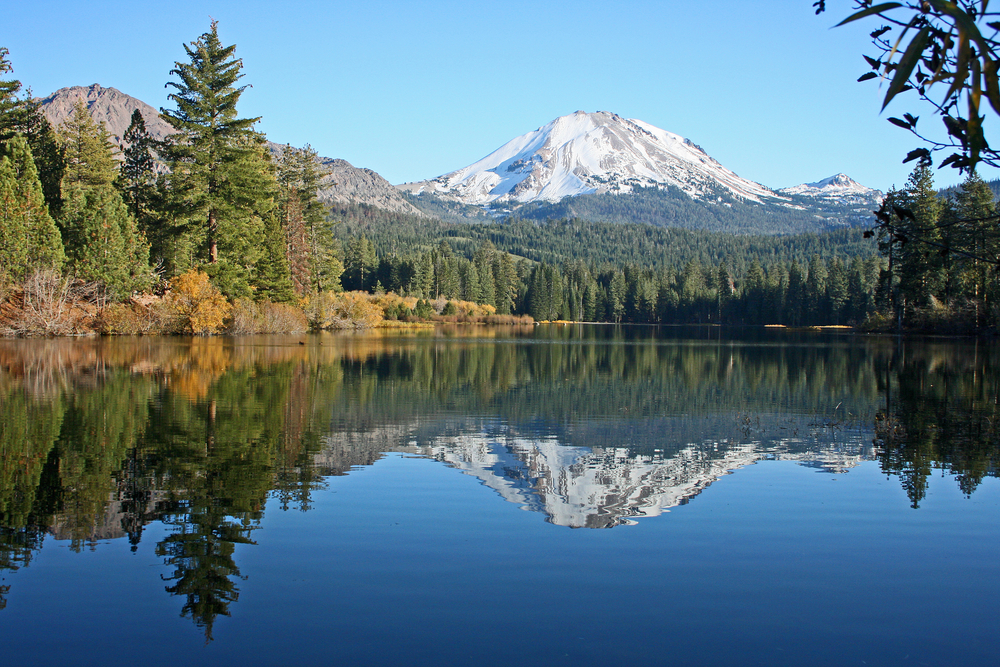
Mount Lassen is also known as Lassen Peak.  It is the southernmost active volcano found amongst the Cascade Mountains. With a volume of 0.6 cubic miles (2.5 cu km), Mount Lassen is the largest lava plug dome in the world.

Mount Lassen reaches a summit of 10,457 feet (3,187 m) as it looks out over the northern end of the Sacramento Valley. The last major eruption occurred in 1914, which was followed by a number of smaller eruptions up through 1921. 

Popular

Popular

Lassen Volcanic National Park, a landscape sculpted by volcanic activity, is a haven for diverse wildlife species, each adapted to thrive in the park’s unique ecosystems, from its steaming fumaroles to its lush forests and clear mountain lakes, offering visitors a chance to witness the resilience of nature amidst a backdrop of dramatic geological features.

Black Bear Common throughout the park, Black Bears are often observed foraging for berries and insects, reminding visitors of the wildness that pervades Lassen Volcanic.

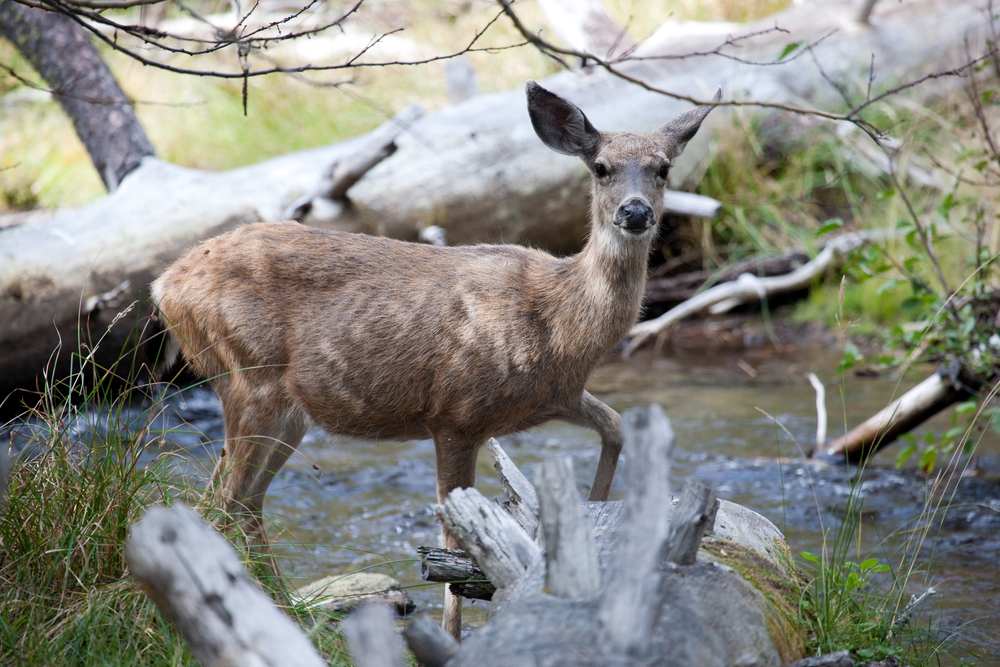
Mule Deer Graceful Mule Deer roam the meadows and forests, easily recognizable by their large ears and the black tip on their tails, a serene presence in the landscape.

Mountain Lion The secretive Mountain Lion, or cougar, is a rare but awe-inspiring sight, emblematic of the untamed spirit that defines the wilderness of Lassen Volcanic.

American Pika Inhabitants of the park’s rocky alpine regions, American Pikas are small, vocal mammals known for their distinctive calls and for gathering vegetation for winter.

Red Fox The Red Fox, with its distinctive orange fur, can be seen across various habitats within the park, showcasing adaptability and cunning in the wild.

Bald Eagle Majestic Bald Eagles soar above the park’s waterways, a powerful symbol of freedom and a testament to the park’s pristine habitats and rich biodiversity.

Snowshoe Hare Adapted to snowy environments, Snowshoe Hares are notable for their white winter coats, blending into the park’s winter landscape as they forage for food.

Steller’s Jay Loud and colorful, Steller’s Jays, with their striking blue and black plumage, are a common sight, adding vibrancy and sound to the park’s forests.

Western Fence Lizard Often seen basking on rocks, the Western Fence Lizard, also known as the blue-belly, is a familiar reptilian inhabitant of Lassen Volcanic’s warmer areas.

Cascade Frog Native to the park’s aquatic habitats, Cascade Frogs are an important indicator species, reflecting the health of the park’s wetlands and streams.

Lassen Volcanic National Park’s wildlife, from the elusive Mountain Lion to the industrious American Pika, showcases the remarkable adaptability of life in a landscape defined by volcanic forces, inviting visitors to explore and appreciate the natural beauty and diversity of this unique national park.

Things To Do

Engaging Lassen Volcanic
Hiking

Explore the diverse landscapes of Lassen Volcanic National Park on its extensive network of hiking trails. From leisurely walks to challenging treks, the park offers options for hikers of all abilities.

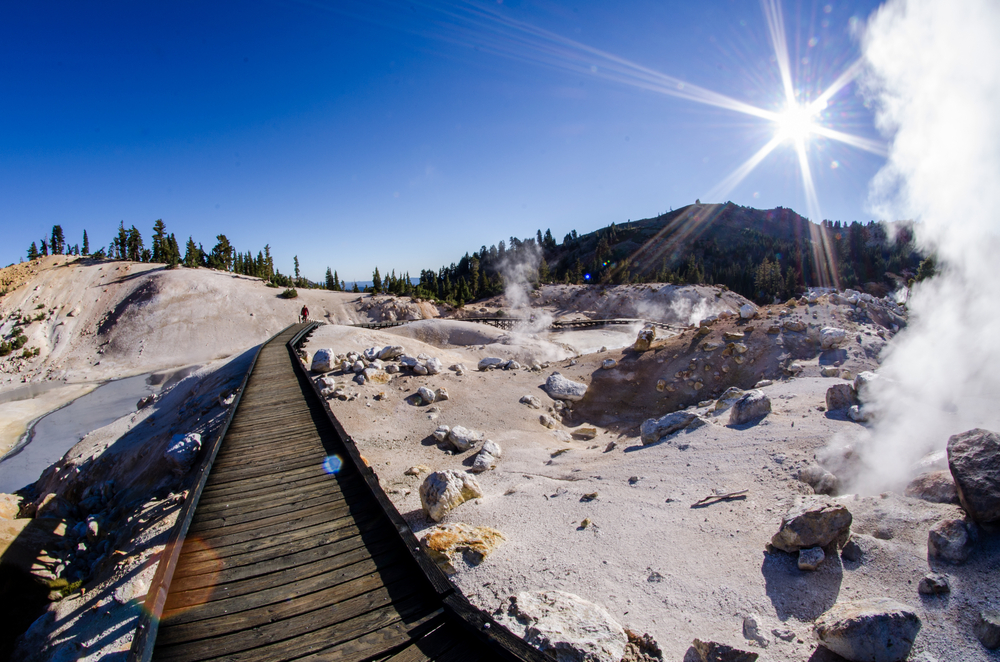
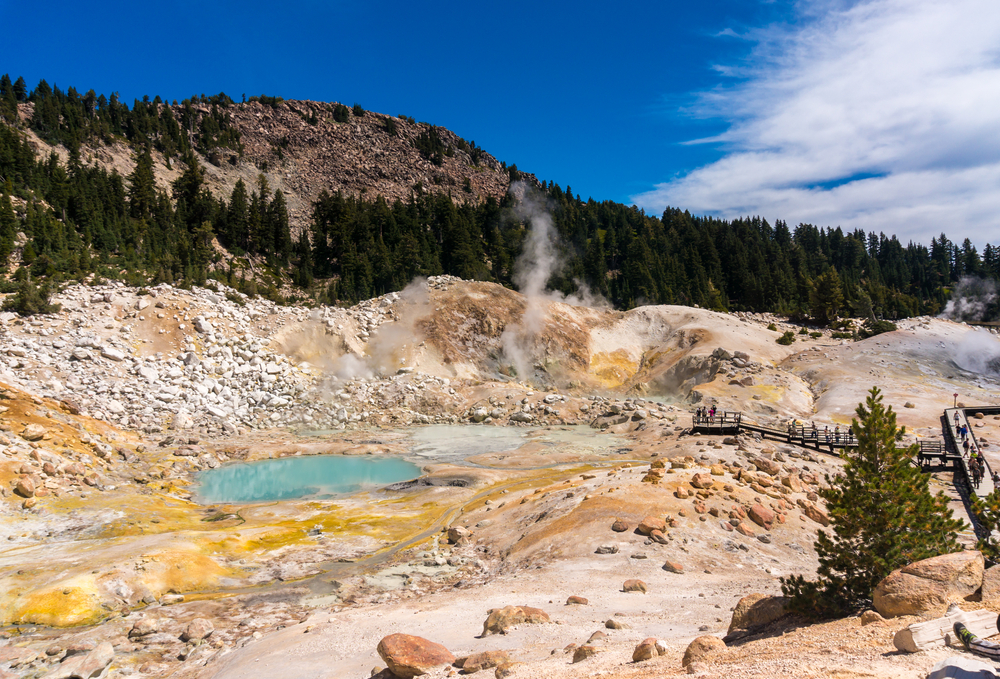
Discover bubbling mud pots, colorful hydrothermal pools, and stunning vistas as you trek through the park’s volcanic terrain. Highlights include the Lassen Peak Trail, which leads to the summit of the park’s highest volcano, and the Bumpass Hell Trail, a boardwalk loop through a hydrothermal basin.

Hiking in Lassen provides opportunities to connect with nature and experience the beauty of California’s volcanic landscapes up close.

Scenic Drives

Experience the natural beauty of Lassen Volcanic National Park from the comfort of your car on one of its scenic drives. Cruise along the park’s winding roads, which offer panoramic views of rugged mountains, pristine lakes, and lush forests.

Stop at scenic overlooks and viewpoints along the way to capture photographs of the park’s iconic landmarks, including Lassen Peak, Brokeoff Mountain, and the Devastated Area. Scenic drives in Lassen provide a leisurely and immersive way to explore the park’s natural beauty and diverse ecosystems, with opportunities for wildlife viewing and sightseeing.

Hiking

Explore the diverse landscapes of Lassen Volcanic National Park on its extensive network of hiking trails. From leisurely walks to challenging treks, the park offers options for hikers of all abilities.

Discover bubbling mud pots, colorful hydrothermal pools, and stunning vistas as you trek through the park’s volcanic terrain. Highlights include the Lassen Peak Trail, which leads to the summit of the park’s highest volcano, and the Bumpass Hell Trail, a boardwalk loop through a hydrothermal basin.

Hiking in Lassen provides opportunities to connect with nature and experience the beauty of California’s volcanic landscapes up close.

Scenic Drives

Experience the natural beauty of Lassen Volcanic National Park from the comfort of your car on one of its scenic drives. Cruise along the park’s winding roads, which offer panoramic views of rugged mountains, pristine lakes, and lush forests.

Stop at scenic overlooks and viewpoints along the way to capture photographs of the park’s iconic landmarks, including Lassen Peak, Brokeoff Mountain, and the Devastated Area. Scenic drives in Lassen provide a leisurely and immersive way to explore the park’s natural beauty and diverse ecosystems, with opportunities for wildlife viewing and sightseeing.

Lassen Volcanic National Park Trails

There are several trails that traverse throughout and across the park providing hikers with a more intimate look at the volcanic tarnished terrain and the life looking to return.

placeholder

Bumpass Hell Trail

This is an easy trail that meanders through the park exposing hikers to a variety of the terrain of the park.  It covers a distance of 6.3 miles ( km).

placeholder

Lassen Peak Trail

Although challenging, this is one of the most popular hikes because of the namesake mountain.  The ascent travels 5.1-miles ( km) and takes between 3.5 to 4 hours.

placeholder

Kings Creek Falls Trail

This is a moderate rated trail that covers a distance of 2.7 miles.

placeholder

Mill Creek Falls Trail

This is another moderate rated trail covering a longer distance that Kings Creek Falls. It takes about two hours to navigate the 3.8-mile ( km) trail.  It provides a scenic view of Mill Creek Falls as it plunges over the rocky cliff.

placeholder

Lassen Peak Trail

Rating: Strenuous

Distance and Elevation Gain: 5 miles round trip with an elevation gain of about 2,000 feet (610 meters)

Description: This trail offers hikers the opportunity to summit one of the largest plug dome volcanoes in the world. The hike is strenuous but rewards with panoramic views of the park and surrounding areas. The trail is mostly open with little shade, so early morning starts are recommended to avoid the afternoon heat.

placeholder

Bumpass Hell Trail

Rating: Moderate

Distance and Elevation Gain: 3 miles round trip with an elevation gain of about 300 feet (91 meters)

Description: Leading to the largest hydrothermal area in the park, this trail offers a glimpse into volcanic activity with boiling springs, fumaroles, and mud pots. The boardwalk at Bumpass Hell allows for safe viewing of these geothermal features. The trail is well-maintained, with some steep sections.

placeholder

Cinder Cone Nature Trail

Rating: Strenuous

Distance and Elevation Gain: 4 miles round trip with an elevation gain of about 850 feet (259 meters)

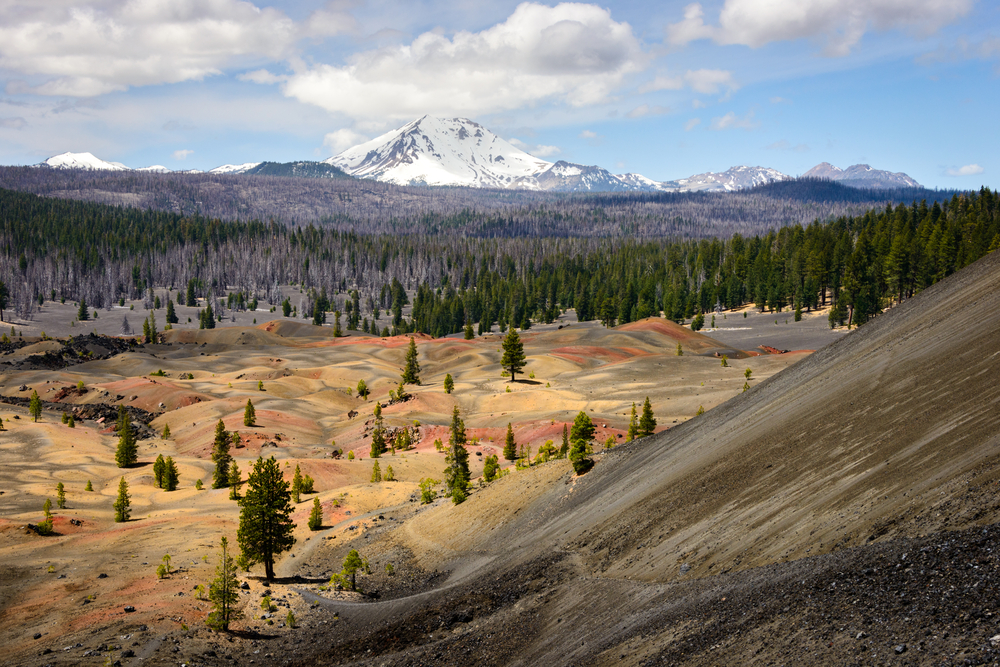
Description: This hike takes adventurers to the top of a 700-year-old cinder cone volcano. The trail is steep and challenging, especially the final ascent, but offers unique views of the Painted Dunes and Lassen’s volcanic landscape from the summit. The loose cinder surface can be difficult to walk on, adding to the challenge.

placeholder

Manzanita Lake Loop Trail

Rating: Easy

Distance and Elevation Gain: 1.9 miles round trip with minimal elevation gain

Description: This gentle trail circles Manzanita Lake, offering beautiful views of Lassen Peak reflected in the water. It’s accessible to hikers of all skill levels and provides opportunities for photography, bird watching, and picnicking. Interpretive signs along the route offer insights into the area’s natural history.

placeholder

Kings Creek Falls Trail

Rating: Moderate

Distance and Elevation Gain: 2.3 miles round trip with an elevation gain of about 700 feet (213 meters)

Description: Hikers on this trail are treated to a scenic hike through meadows and forests, culminating in a stunning view of Kings Creek Falls. The waterfall plunges 30 feet over a rocky cliff into a lush canyon. Parts of the trail can be steep, but the views are well worth the effort.

placeholder

Lassen Peak Trail

Rating: Strenuous

Distance and Elevation Gain: 5 miles round trip with an elevation gain of about 2,000 feet (610 meters)

Description: This trail offers hikers the opportunity to summit one of the largest plug dome volcanoes in the world. The hike is strenuous but rewards with panoramic views of the park and surrounding areas. The trail is mostly open with little shade, so early morning starts are recommended to avoid the afternoon heat.

placeholder

Bumpass Hell Trail

Rating: Moderate

Distance and Elevation Gain: 3 miles round trip with an elevation gain of about 300 feet (91 meters)

Description: Leading to the largest hydrothermal area in the park, this trail offers a glimpse into volcanic activity with boiling springs, fumaroles, and mud pots. The boardwalk at Bumpass Hell allows for safe viewing of these geothermal features. The trail is well-maintained, with some steep sections.

placeholder

Cinder Cone Nature Trail

Rating: Strenuous

Distance and Elevation Gain: 4 miles round trip with an elevation gain of about 850 feet (259 meters)

Description: This hike takes adventurers to the top of a 700-year-old cinder cone volcano. The trail is steep and challenging, especially the final ascent, but offers unique views of the Painted Dunes and Lassen’s volcanic landscape from the summit. The loose cinder surface can be difficult to walk on, adding to the challenge.

placeholder

Manzanita Lake Loop Trail

Rating: Easy

Distance and Elevation Gain: 1.9 miles round trip with minimal elevation gain

Description: This gentle trail circles Manzanita Lake, offering beautiful views of Lassen Peak reflected in the water. It’s accessible to hikers of all skill levels and provides opportunities for photography, bird watching, and picnicking. Interpretive signs along the route offer insights into the area’s natural history.

placeholder

Kings Creek Falls Trail

Rating: Moderate

Distance and Elevation Gain: 2.3 miles round trip with an elevation gain of about 700 feet (213 meters)

Description: Hikers on this trail are treated to a scenic hike through meadows and forests, culminating in a stunning view of Kings Creek Falls. The waterfall plunges 30 feet over a rocky cliff into a lush canyon. Parts of the trail can be steep, but the views are well worth the effort.

FAQ’s

What is Lassen Volcanic National Park known for?

Lassen Volcanic National Park, located in northeastern California, is known for its geothermal features, volcanic landscapes, and diverse ecosystems.

The park is home to several active volcanoes, including Lassen Peak, the largest plug dome volcano in the world.

Visitors come to Lassen to explore its otherworldly landscapes, which include boiling mud pots, steaming fumaroles, and sulfurous vents. The park also boasts pristine lakes, lush forests, and alpine meadows, providing habitat for a wide variety of plant and animal species.

Additionally, Lassen offers opportunities for hiking, camping, wildlife viewing, and scenic drives, making it a popular destination for outdoor recreation and nature lovers.

What is Lassen Volcanic National Park known for?

Lassen Volcanic National Park, located in northeastern California, is known for its geothermal features, volcanic landscapes, and diverse ecosystems.

The park is home to several active volcanoes, including Lassen Peak, the largest plug dome volcano in the world.

Visitors come to Lassen to explore its otherworldly landscapes, which include boiling mud pots, steaming fumaroles, and sulfurous vents. The park also boasts pristine lakes, lush forests, and alpine meadows, providing habitat for a wide variety of plant and animal species.

Additionally, Lassen offers opportunities for hiking, camping, wildlife viewing, and scenic drives, making it a popular destination for outdoor recreation and nature lovers.

Sources