About

Kobuk Valley National Park is located in northwestern Alaska in the United States and covers approximately 2,735 square miles (7,085 sq km). Established in 1980 through the Alaska National Interest Lands Conservation Act, the park protects a vast Arctic wilderness of sand dunes, rivers, boreal forests, and tundra.

It lies north of the Arctic Circle and south of Gates of the Arctic National Park and Preserve. Nearby protected areas include Noatak National Preserve to the west. Unlike many Arctic landscapes dominated by ice and rock, Kobuk Valley contains one of the most unexpected natural features in North America: immense fields of golden sand dunes rising from the Arctic wilderness. The park remains one of the most remote and least visited national parks in the United States, offering an experience of true solitude and untouched nature.

Kobuk Valley National Park is best known for the Great Kobuk Sand Dunes, the largest active sand dune field in the Arctic. Visitors are often surprised to discover towering dunes reaching nearly 100 feet in height surrounded by tundra and boreal forest. The dunes were formed thousands of years ago when retreating glaciers left behind vast deposits of sand that were later shaped by wind.

The park is also famous for the migration of the Western Arctic Caribou Herd, one of the largest land mammal migrations on Earth. During migration seasons, hundreds of thousands of caribou move through the region, creating one of North America’s most remarkable wildlife spectacles. Visitors come to experience wilderness trekking, wildlife viewing, photography, river travel, and the unique beauty of Alaska’s Arctic landscapes.

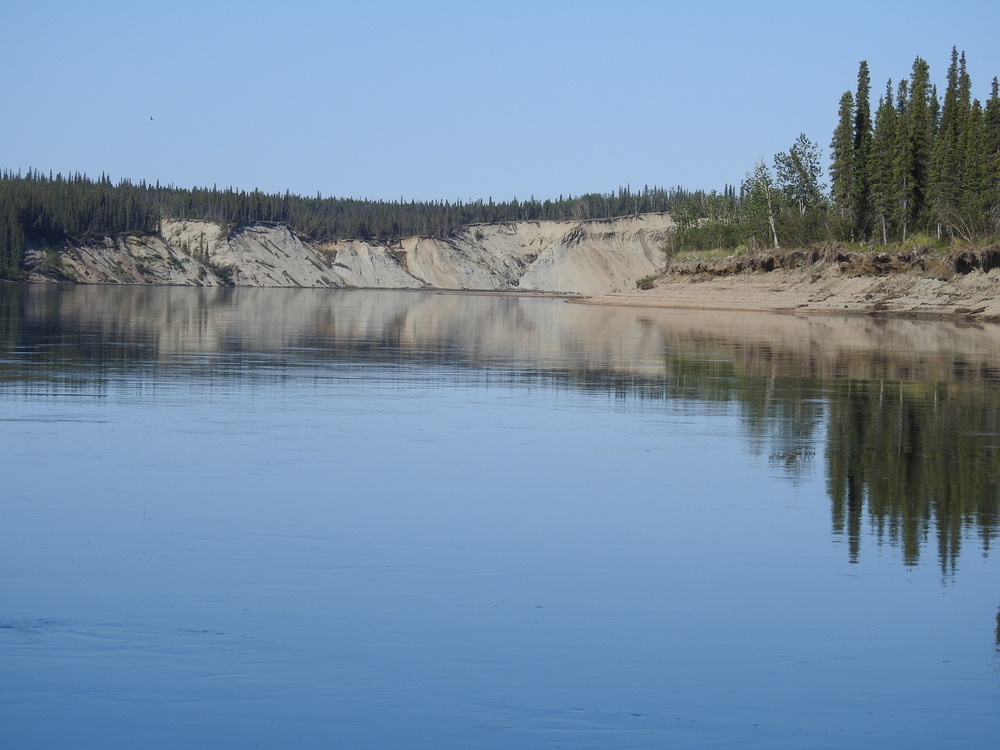
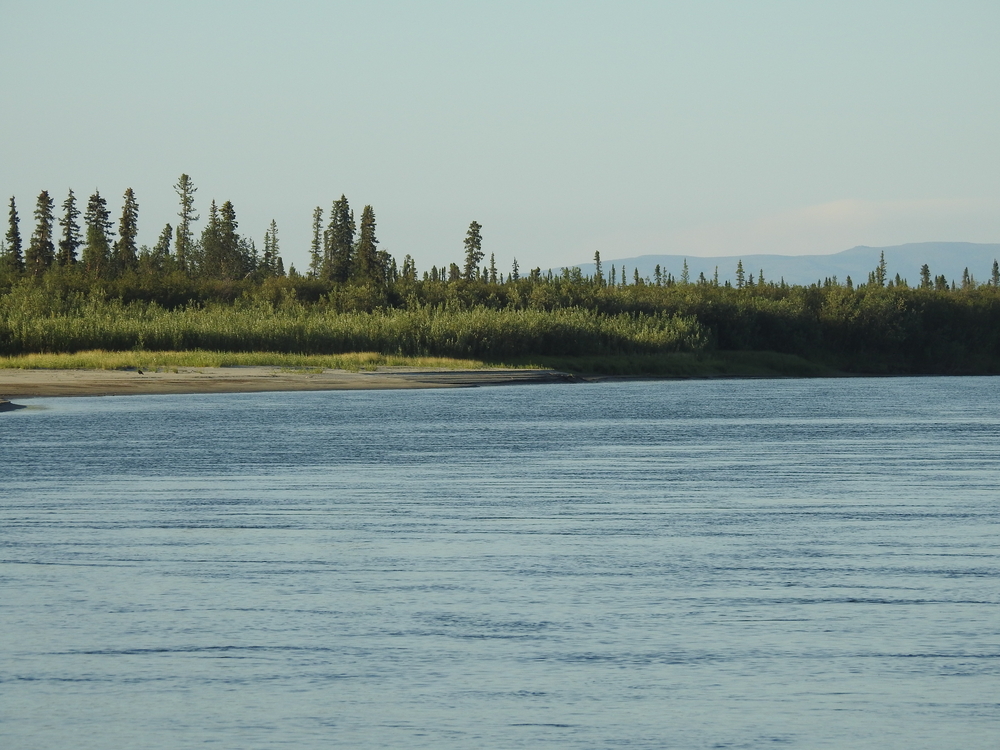
The geography of Kobuk Valley National Park is both diverse and surprising. The park is centered around the Kobuk River, which flows across the landscape for hundreds of miles and serves as a vital ecological corridor. The Great Kobuk, Little Kobuk, and Hunt River Sand Dunes dominate portions of the park, creating a landscape more commonly associated with deserts than the Arctic.

Beyond the dunes, visitors encounter wetlands, spruce forests, tundra plains, rolling hills, and river valleys. The region experiences long winters and short summers characterized by nearly continuous daylight. Vegetation includes black spruce, birch, willow, alder, sedges, mosses, lichens, and tundra wildflowers that flourish during the brief growing season.

Wildlife within Kobuk Valley National Park is exceptionally important to the Arctic ecosystem. Caribou are the park’s most iconic animals, and their migrations have shaped the region for thousands of years. Other mammals include moose, black bears, grizzly bears, wolves, wolverines, foxes, lynx, beavers, and river otters.

Birdlife becomes especially abundant during summer when migratory species arrive from around the world. Golden eagles, rough-legged hawks, tundra swans, loons, sandhill cranes, and numerous waterfowl inhabit the park’s rivers, wetlands, and tundra habitats. The Kobuk River supports fish species such as Arctic grayling, salmon, and whitefish, which play critical roles in the region’s ecological and cultural traditions.

Kobuk Valley National Park plays a vital role in protecting one of the most intact Arctic ecosystems on Earth. The park safeguards critical caribou migration routes, pristine river systems, rare Arctic dune environments, and landscapes that have supported Indigenous communities for thousands of years. Conservation efforts focus on preserving ecological connectivity and maintaining natural processes across this vast wilderness.

Kobuk Valley is often compared to Sápmi Arctic Region and Wood Buffalo National Park because of its wilderness character and migratory wildlife. Yet the presence of massive active sand dunes within the Arctic makes Kobuk Valley truly unique. Today, the park remains one of America’s most extraordinary protected landscapes, preserving a rare environment where desert-like dunes, Arctic tundra, and great wildlife migrations coexist in remarkable harmony.

Things to See

The terrain and caribou roaming across it serve as much of the highlight of this captivating wilderness. One of the highlights for most who venture into this hidden gem is the solitude and tranquility of pure nature void of human interaction.

Caribou

The caribou is also known as the reindeer.  This species of deer is renowned for its wintery alpine, arctic, and sub-Arctic habitats.  Where else was Santa going to get something to pull his sleigh.

Although Russia is home to the largest herd of caribou in the world with a population approaching 1 million, the herd here in Kobuk Valley is remarkable.

The caribou is the only deer species where both the male and female grow antlers. The antlers can reach lengths of 53 inches (135 cm) and widths of 39 inches (100 cm). The larger male caribou can weigh as much as 400 lb. (182 kg) and reach heights of 84 inches (214 cm).

The herd of caribou in Kobuk Valley is the pinnacle wildlife attraction and the population is approaching half a million.

Popular

Popular

Kobuk Valley National Park, a remote and spectacular wilderness in Alaska, is renowned for its vast sand dunes and the annual migration of caribou, hosting a unique assembly of Arctic wildlife that thrives in its challenging landscapes, drawing visitors into a world where nature’s resilience is on full display.

Western Arctic Caribou The park is famous for the Western Arctic Caribou herd, tens of thousands strong, that migrate through the valley, an awe-inspiring natural spectacle.

Grizzly Bear Roaming the park’s expanses, Grizzly Bears are a powerful symbol of the wild, foraging for berries, roots, and occasionally preying on caribou calves.

Moose The solitary Moose wanders through Kobuk Valley’s forests and wetlands, the largest member of the deer family, adapted to the cold climate.

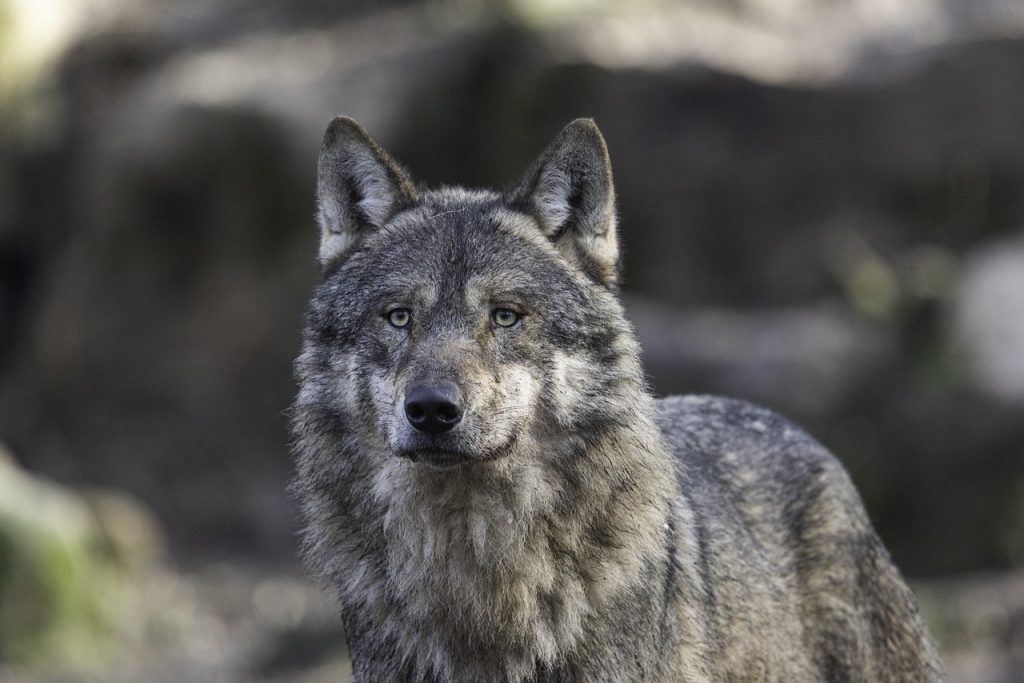
Gray Wolf Elusive Gray Wolves travel in packs across the park, playing a crucial role in maintaining the balance of its ecosystem by preying on weaker caribou.

Arctic Fox The adaptable Arctic Fox, with its white winter coat, scavenges for leftovers from wolf kills and searches for small mammals under the snow.

Snowy Owl With its stunning white plumage, the Snowy Owl is a ghostly presence against the park’s winter landscape, hunting for lemmings and other small rodents.

Bald Eagle Soaring above the Kobuk River, Bald Eagles are often seen fishing, their nests perched high in trees along the water’s edge.

Beaver Beavers are ecosystem engineers of Kobuk Valley, creating ponds and wetlands that benefit a multitude of species by altering the landscape with their dams.

Porcupine Feeding on the bark of willows and alders, the Porcupine is a common sight, its quills a unique defense against predators in the park.

Red Fox The Red Fox, with its striking orange fur, is a versatile predator and scavenger, adapting to a variety of habitats within the park.

Kobuk Valley National Park’s wildlife, from the migrating Western Arctic Caribou to the solitary Porcupine, embodies the incredible adaptability and beauty of life in the Arctic, offering profound insights into the survival strategies of species at the top of the world.

Things To Do

Engaging Kobuk Valley

Backpacking

Immerse yourself in the remote wilderness of Kobuk Valley National Park by embarking on a backpacking adventure. Explore rugged terrain, pristine forests, and expansive tundra as you trek through the park’s vast landscapes.

With no designated trails, backpackers have the freedom to choose their own routes and explore off-the-beaten-path areas, discovering hidden lakes, ancient archaeological sites, and breathtaking vistas along the way.

Backpacking in Kobuk Valley offers a true wilderness experience, providing opportunities for solitude, self-discovery, and connection with the natural world.

Backpacking

Immerse yourself in the remote wilderness of Kobuk Valley National Park by embarking on a backpacking adventure. Explore rugged terrain, pristine forests, and expansive tundra as you trek through the park’s vast landscapes.

With no designated trails, backpackers have the freedom to choose their own routes and explore off-the-beaten-path areas, discovering hidden lakes, ancient archaeological sites, and breathtaking vistas along the way.

Backpacking in Kobuk Valley offers a true wilderness experience, providing opportunities for solitude, self-discovery, and connection with the natural world.

Kobuk Valley National Park Trails

There are no designated trails or hiking routes in the park.  This is remote wilderness exploration and backcountry hiking.  There are no roads or park services inside the park.  All hiking and camping must be done from the food and supplies on your back.

placeholder

No Traditional Trails

Kobuk Valley National Park, located in remote northwest Alaska, is known for its vast sand dunes, caribou migrations, and absence of established trails or roads.

Due to its wilderness status, there aren’t defined trails like in other national parks, but here are some general areas where visitors can explore:

placeholder

Great Kobuk Sand Dunes

Rating: Varies (Moderate to Strenuous depending on the route and conditions)

Distance and Elevation Gain: Variable

Description: Hikers can explore the largest active sand dunes in the Arctic, experiencing a landscape more akin to a desert than the Arctic tundra. Trekking across these dunes offers a unique challenge due to the loose sand and lack of defined paths, but rewards with spectacular views and solitude.

placeholder

Little Kobuk Sand Dunes

Rating: Moderate

Distance and Elevation Gain: Variable

Description: Smaller than the Great Kobuk Sand Dunes, the Little Kobuk Sand Dunes offer a similarly unique Arctic desert experience. Hiking here involves navigating through softer terrain, with opportunities to see diverse plant life that has adapted to the sandy conditions.

placeholder

Hunt River

Rating: Strenuous

Distance and Elevation Gain: Variable

Description: For those looking for a remote wilderness experience, the area around the Hunt River offers opportunities for exploration. This requires river crossings and navigation through dense brush, but adventurers are rewarded with views of untouched landscapes and wildlife sightings.

placeholder

Onion Portage

Rating: Moderate to Strenuous

Distance and Elevation Gain: Variable

Description: This historically significant area, known for its archaeological sites and as a traditional caribou crossing, offers a unique glimpse into the human and natural history of the region. Hiking near Onion Portage requires careful planning and respect for the cultural significance of the area.

placeholder

Waring Mountains

Rating: Strenuous

Distance and Elevation Gain: Variable

Description: For those willing to venture into more rugged terrain, the Waring Mountains on the park’s borders offer challenging hikes with elevation gain. This area provides stunning vistas of the Kobuk Valley, the sand dunes, and the Kobuk River, showcasing the park’s diverse ecosystems.

placeholder

Back Country Hiking

Visitors to Kobuk Valley National Park should be prepared for backcountry conditions, including carrying all necessary supplies, navigating without trails, and practicing Leave No Trace principles.

Due to the park’s remote location, all adventures should be thoroughly planned with safety and conservation in mind.

placeholder

No Traditional Trails

Kobuk Valley National Park, located in remote northwest Alaska, is known for its vast sand dunes, caribou migrations, and absence of established trails or roads.

Due to its wilderness status, there aren’t defined trails like in other national parks, but here are some general areas where visitors can explore:

placeholder

Great Kobuk Sand Dunes

Rating: Varies (Moderate to Strenuous depending on the route and conditions)

Distance and Elevation Gain: Variable

Description: Hikers can explore the largest active sand dunes in the Arctic, experiencing a landscape more akin to a desert than the Arctic tundra. Trekking across these dunes offers a unique challenge due to the loose sand and lack of defined paths, but rewards with spectacular views and solitude.

placeholder

Little Kobuk Sand Dunes

Rating: Moderate

Distance and Elevation Gain: Variable

Description: Smaller than the Great Kobuk Sand Dunes, the Little Kobuk Sand Dunes offer a similarly unique Arctic desert experience. Hiking here involves navigating through softer terrain, with opportunities to see diverse plant life that has adapted to the sandy conditions.

placeholder

Hunt River

Rating: Strenuous

Distance and Elevation Gain: Variable

Description: For those looking for a remote wilderness experience, the area around the Hunt River offers opportunities for exploration. This requires river crossings and navigation through dense brush, but adventurers are rewarded with views of untouched landscapes and wildlife sightings.

placeholder

Onion Portage

Rating: Moderate to Strenuous

Distance and Elevation Gain: Variable

Description: This historically significant area, known for its archaeological sites and as a traditional caribou crossing, offers a unique glimpse into the human and natural history of the region. Hiking near Onion Portage requires careful planning and respect for the cultural significance of the area.

placeholder

Waring Mountains

Rating: Strenuous

Distance and Elevation Gain: Variable

Description: For those willing to venture into more rugged terrain, the Waring Mountains on the park’s borders offer challenging hikes with elevation gain. This area provides stunning vistas of the Kobuk Valley, the sand dunes, and the Kobuk River, showcasing the park’s diverse ecosystems.

placeholder

Back Country Hiking

Visitors to Kobuk Valley National Park should be prepared for backcountry conditions, including carrying all necessary supplies, navigating without trails, and practicing Leave No Trace principles.

Due to the park’s remote location, all adventures should be thoroughly planned with safety and conservation in mind.

FAQ’s

What is Kobuk Valley National Park is known for?

Kobuk Valley National Park, located in northwestern Alaska, is known for its vast sand dunes, caribou migrations, and pristine wilderness.

The park encompasses a diverse range of ecosystems, including boreal forests, tundra, and the Great Kobuk Sand Dunes, one of the largest active sand dune fields in North America.

Visitors come to Kobuk Valley to witness the annual migration of the Western Arctic Caribou Herd, which passes through the park in the spring and fall.

Additionally, the park offers opportunities for hiking, backpacking, river rafting, and wildlife viewing, making it a popular destination for outdoor enthusiasts and those seeking to experience the remote beauty of Alaska’s Arctic wilderness.

What is Kobuk Valley National Park is known for?

Kobuk Valley National Park, located in northwestern Alaska, is known for its vast sand dunes, caribou migrations, and pristine wilderness.

The park encompasses a diverse range of ecosystems, including boreal forests, tundra, and the Great Kobuk Sand Dunes, one of the largest active sand dune fields in North America.

Visitors come to Kobuk Valley to witness the annual migration of the Western Arctic Caribou Herd, which passes through the park in the spring and fall.

Additionally, the park offers opportunities for hiking, backpacking, river rafting, and wildlife viewing, making it a popular destination for outdoor enthusiasts and those seeking to experience the remote beauty of Alaska’s Arctic wilderness.

Sources