

About
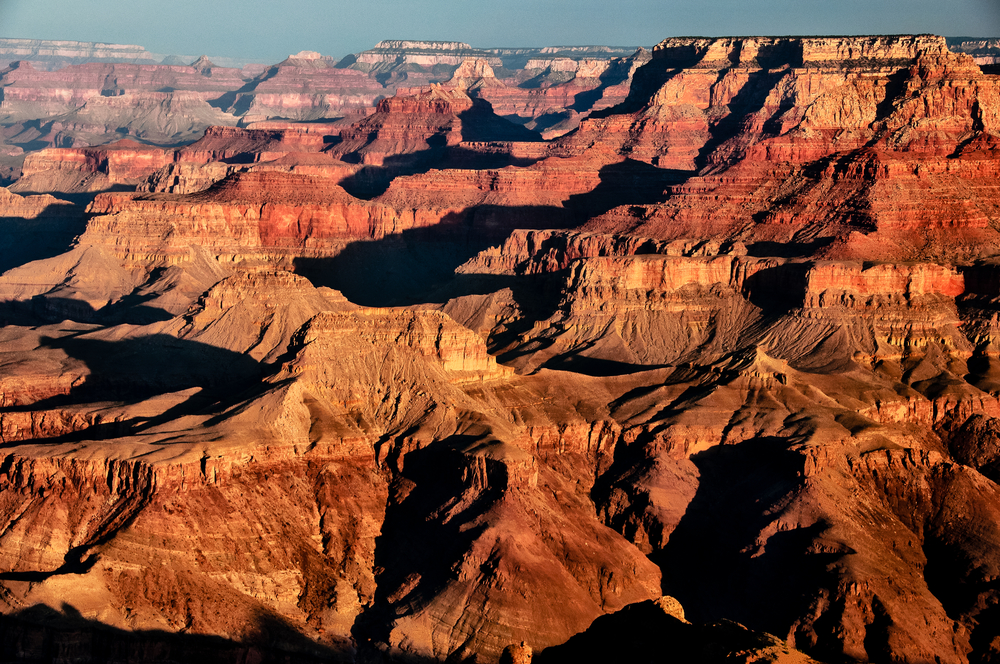
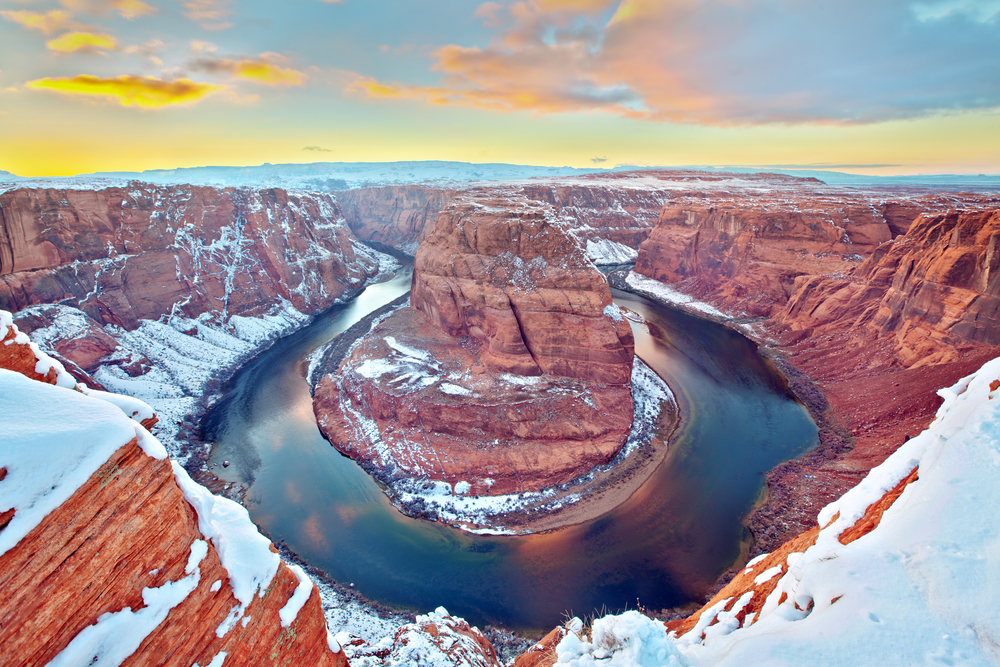
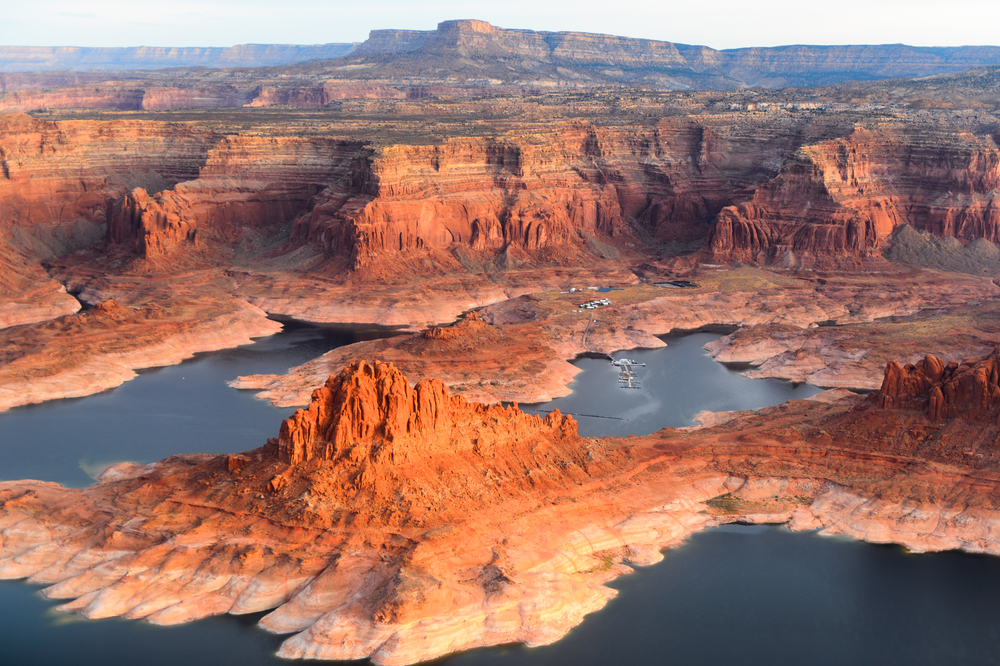
Grand Canyon National Park is located in northern Arizona in the southwestern United States. Covering approximately 1,902 square miles (4,927 sq km), the park protects one of the most spectacular geological landscapes on Earth.
Established as a national park in 1919, Grand Canyon National Park preserves a vast section of the Grand Canyon, a natural wonder carved by the Colorado River over thousands of years. In 1979, the park was designated a UNESCO World Heritage Site in recognition of its extraordinary geological significance and natural beauty. Situated north of Flagstaff and south of Glen Canyon National Recreation Area, the park attracts millions of visitors annually and is widely considered one of the most iconic destinations in the world.
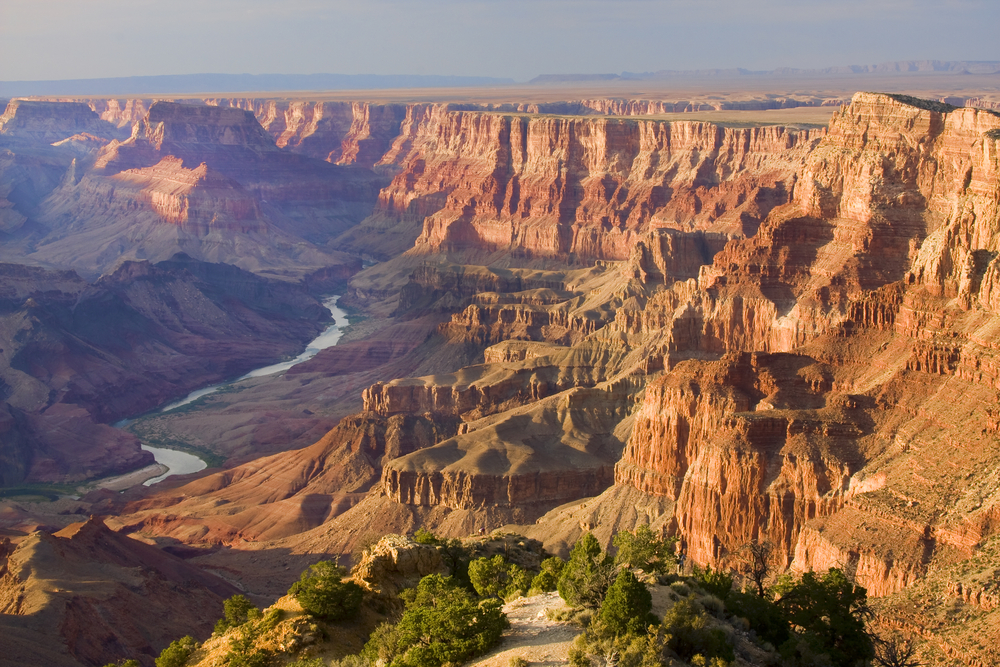
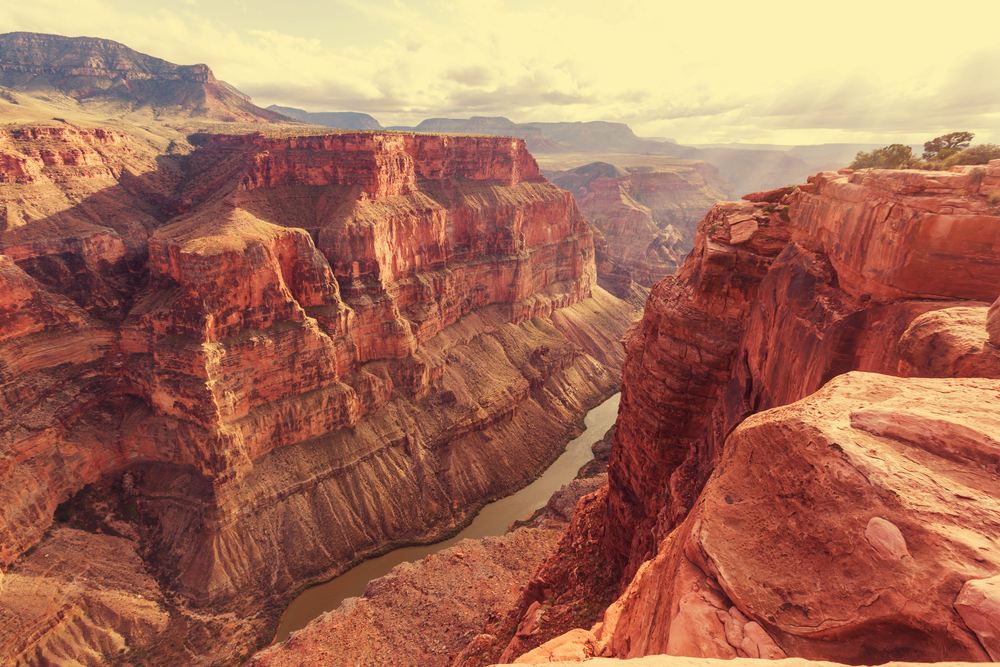
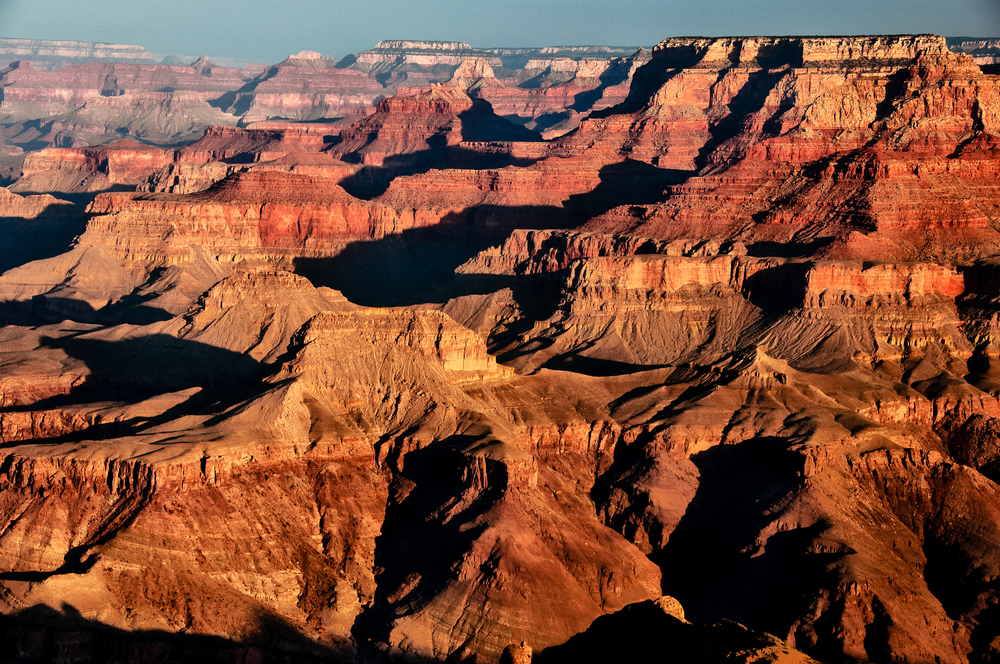
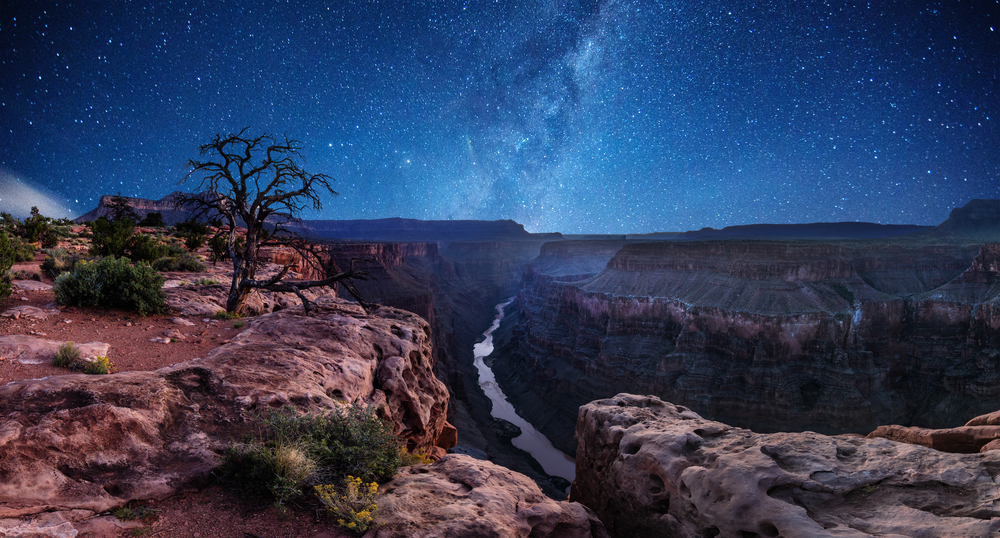
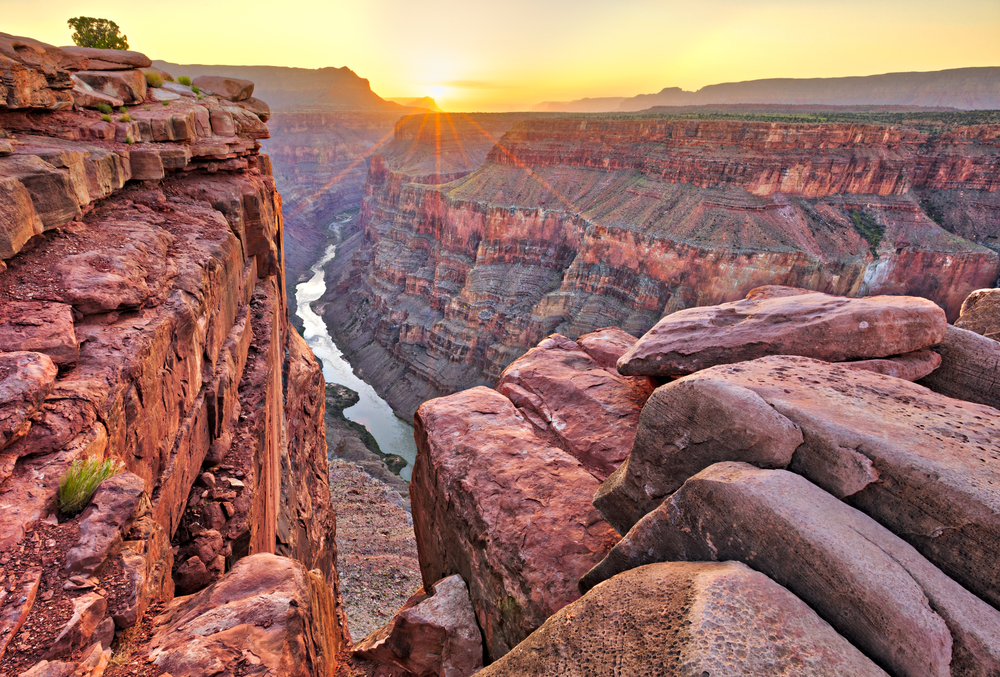
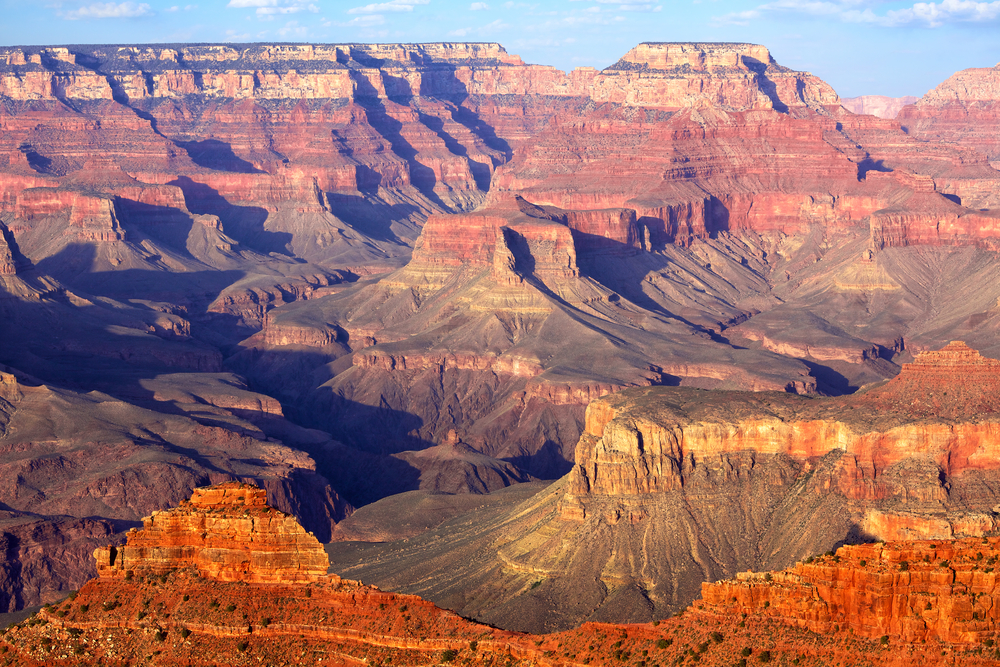
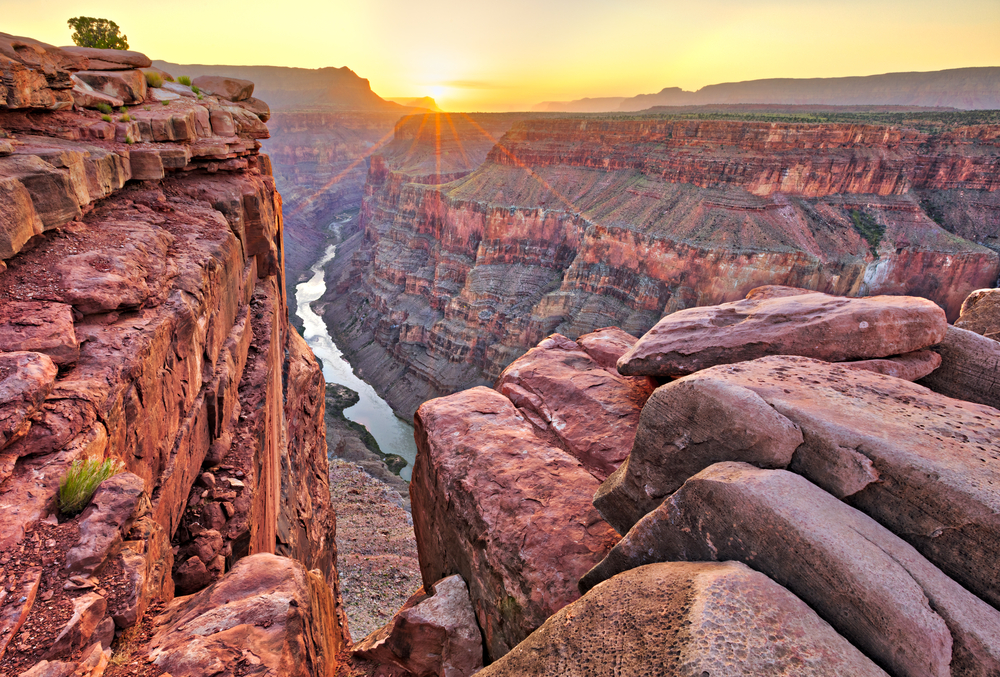
Grand Canyon National Park is best known for the immense Grand Canyon itself, a geological masterpiece stretching approximately 277 miles (446 km) in length, up to 18 miles (29 km) in width, and more than a mile (1.6 km) deep. Visitors are drawn to breathtaking viewpoints, colorful rock formations, and seemingly endless vistas that reveal nearly two billion years of Earth’s geological history.
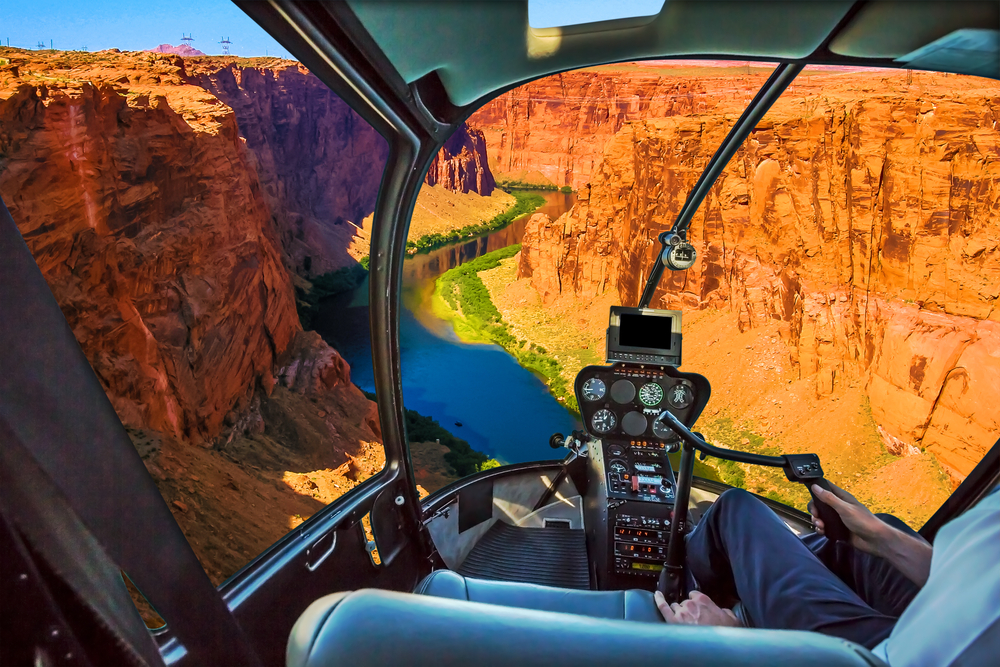
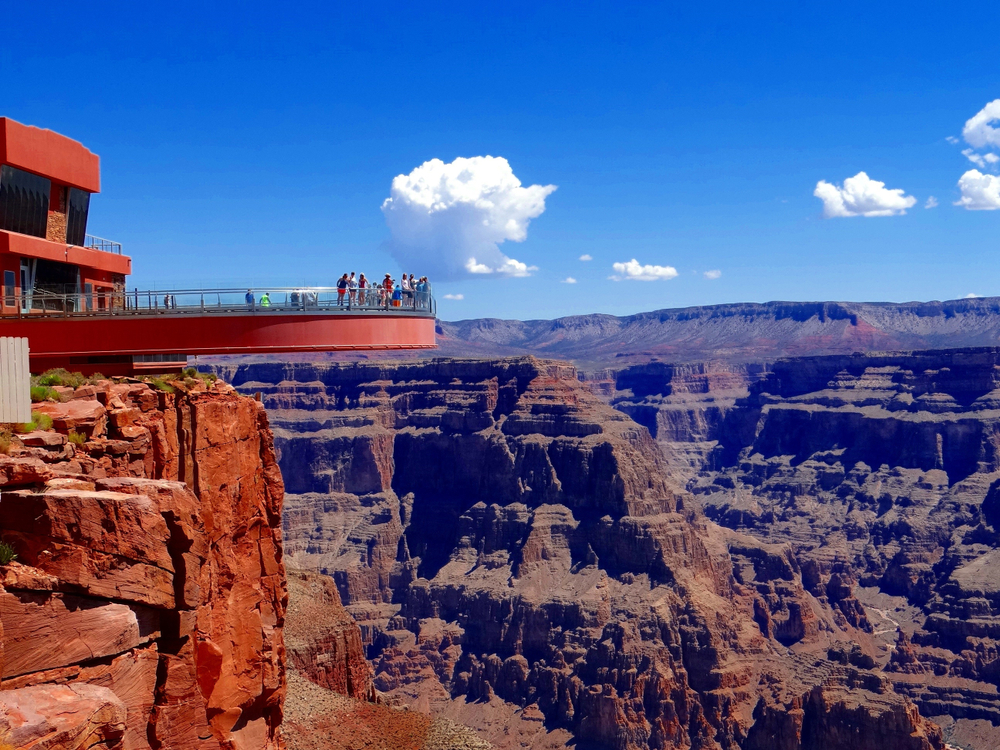
Popular destinations include the South Rim, North Rim, and Desert View areas, each offering unique perspectives of the canyon. Activities such as hiking, backpacking, rafting, mule rides, camping, photography, and scenic flights allow visitors to experience the canyon from multiple vantage points. Few landscapes on Earth inspire such a profound sense of scale and natural wonder.
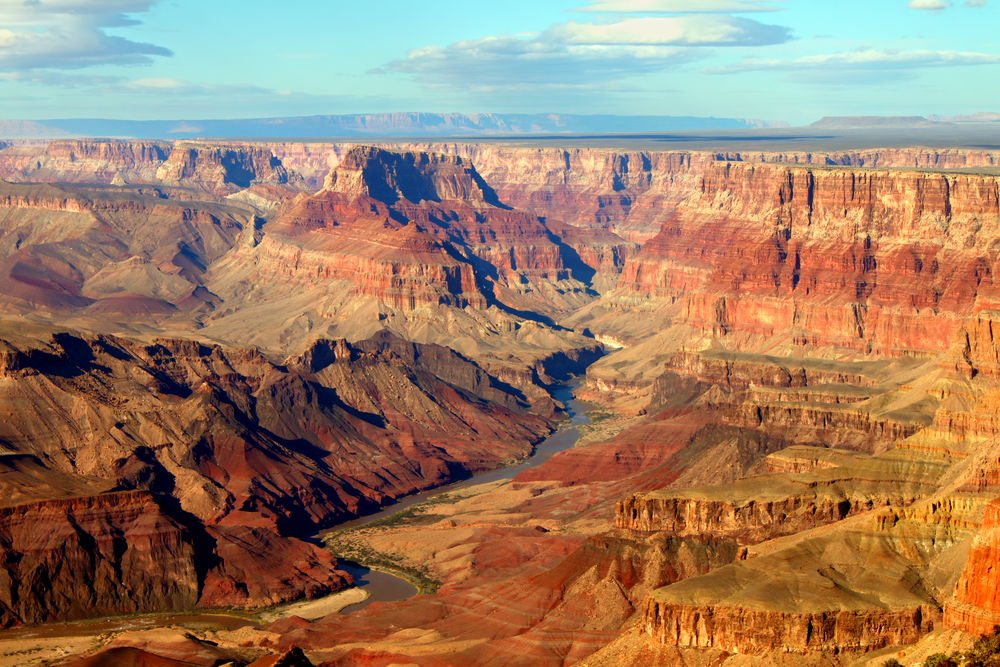
The geography of Grand Canyon National Park is dominated by the Colorado River and the immense canyon it carved through layers of sedimentary rock. Distinct geological formations such as the Kaibab Limestone, Coconino Sandstone, Redwall Limestone, and Vishnu Schist reveal hundreds of thousands of years of Earth’s history.
Elevations range from approximately 2,000 feet (610 meters) along the river to more than 8,000 feet (2,440 meters) on the North Rim. This dramatic elevation difference creates diverse ecosystems that include desert scrublands, pinyon-juniper woodlands, ponderosa pine forests, and high-elevation conifer forests. The park’s geology is considered one of the most complete and accessible records of geological history anywhere in the world.
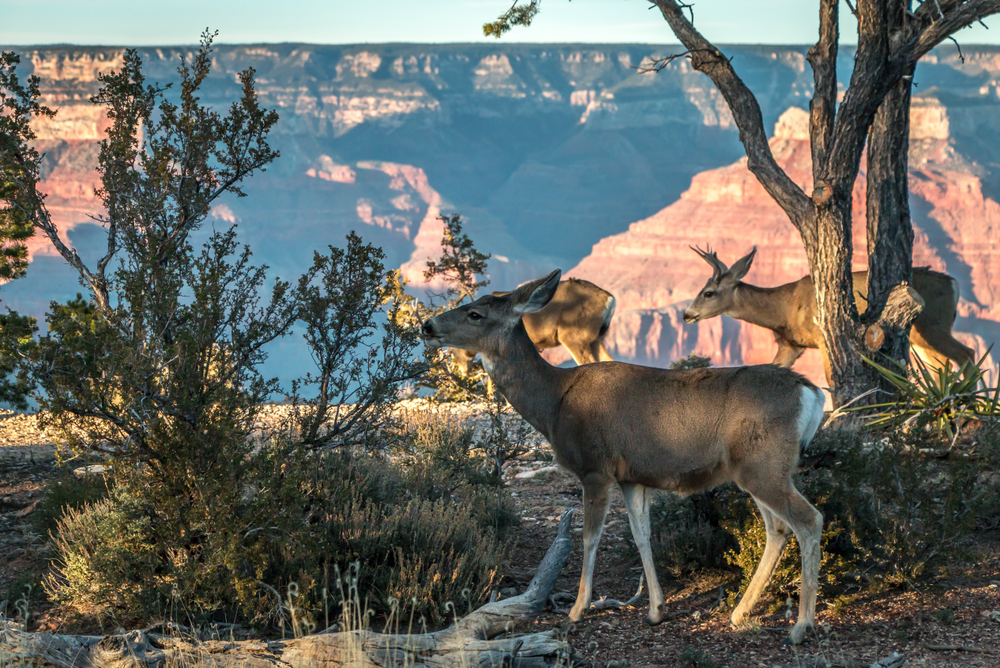
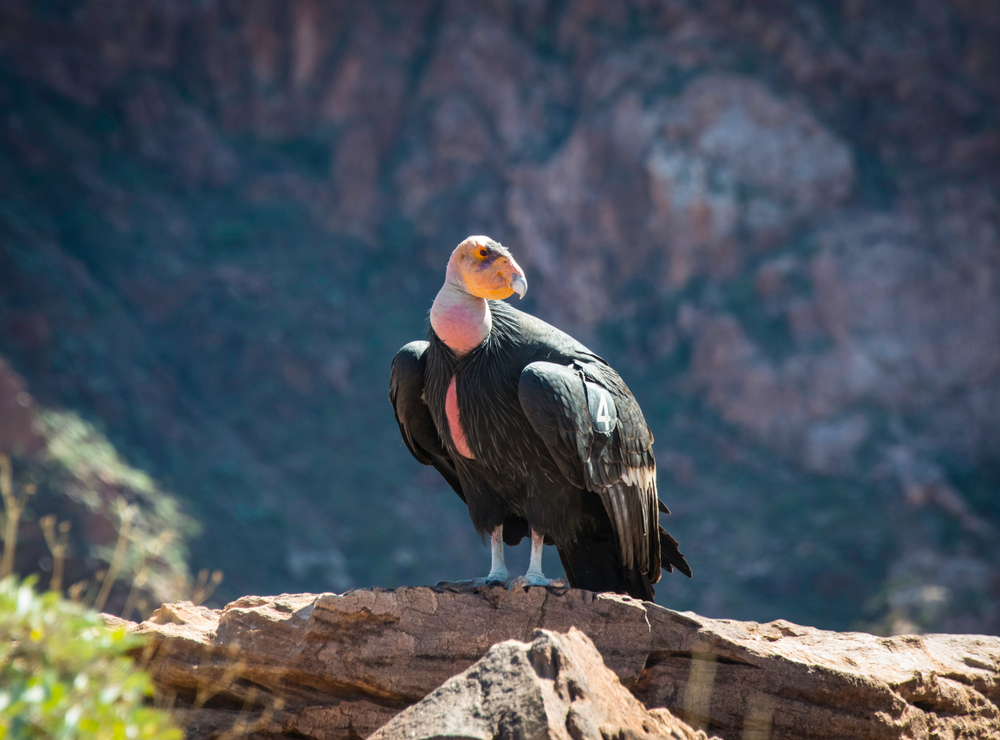
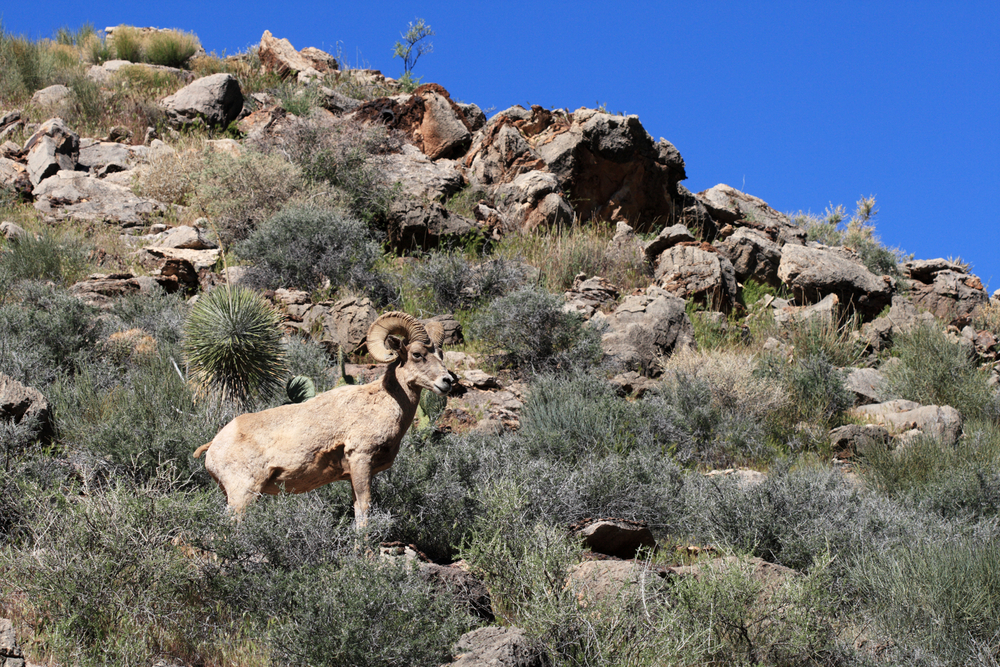
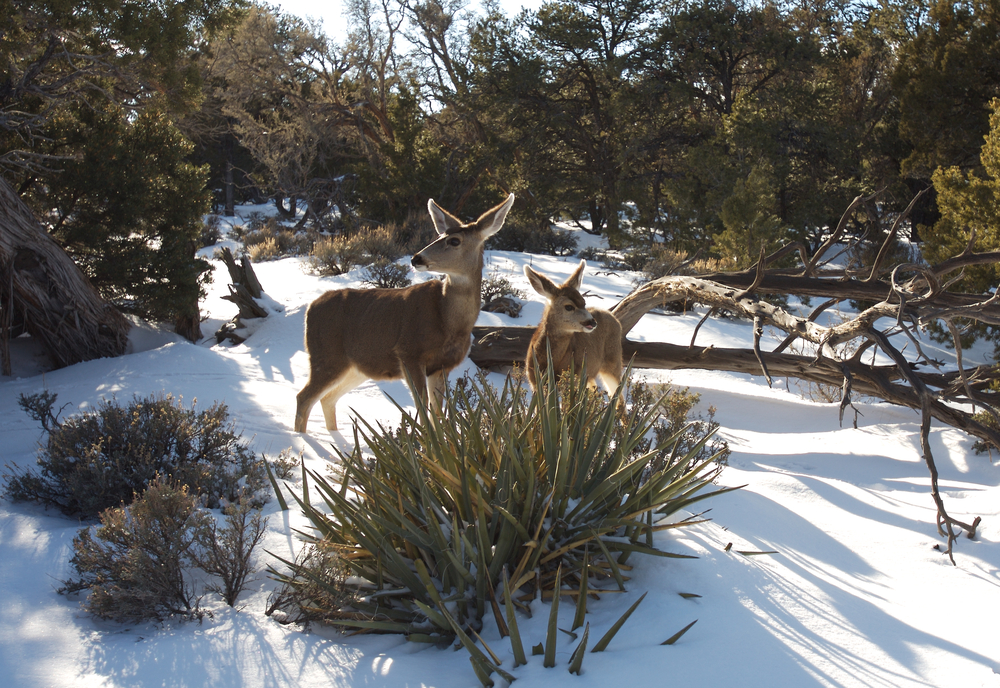
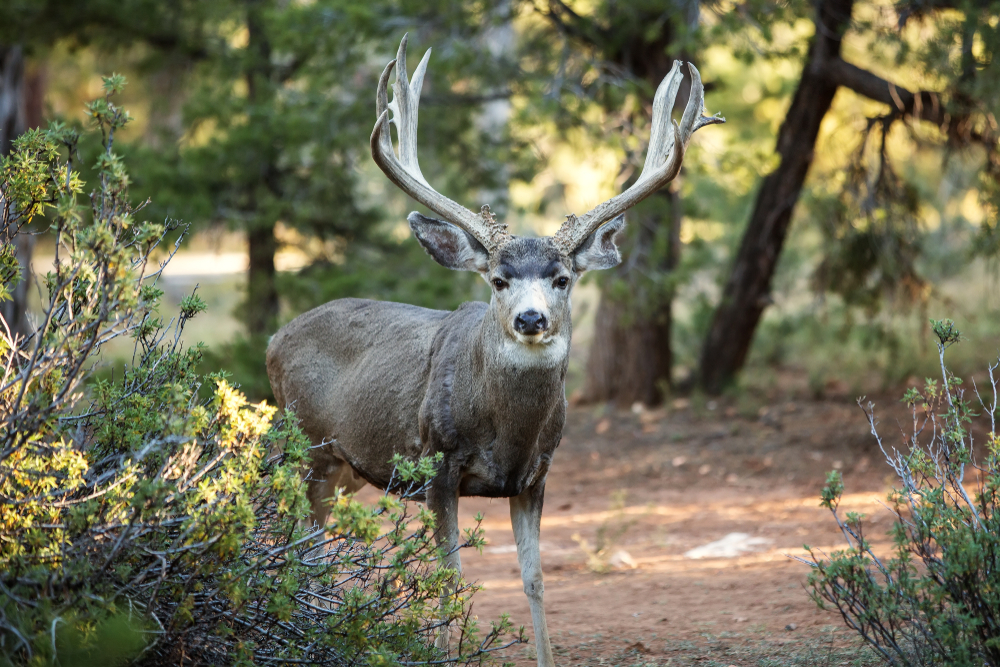
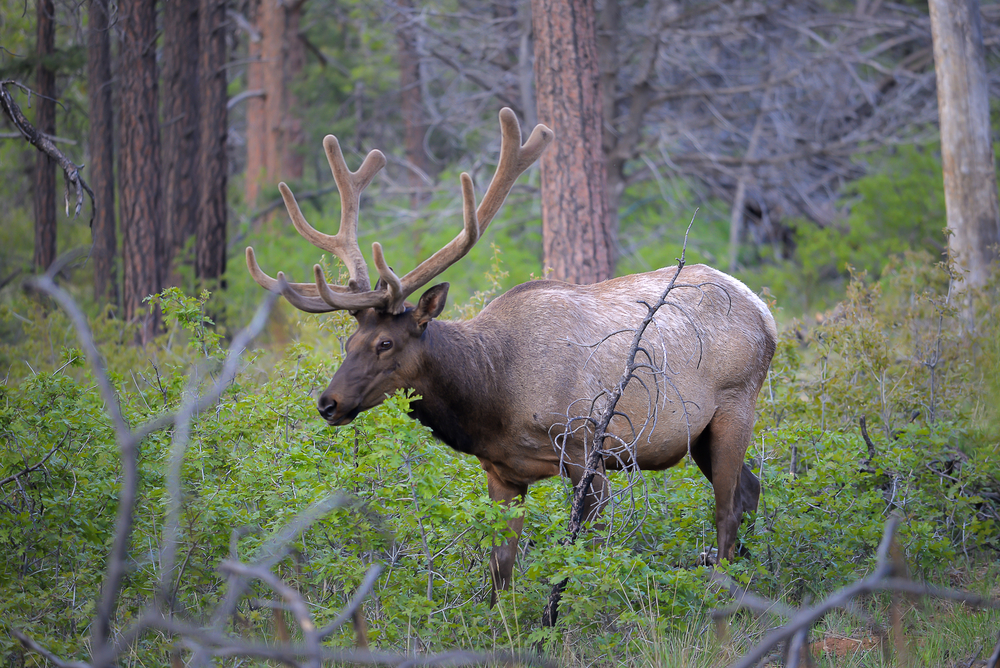
Wildlife within Grand Canyon National Park is remarkably diverse due to the wide range of elevations and habitats. More than 90 mammal species inhabit the park, including mule deer, elk, bighorn sheep, mountain lions, bobcats, coyotes, ringtails, and bats. California condors, one of North America’s rarest birds, can often be observed soaring above the canyon following successful reintroduction efforts.
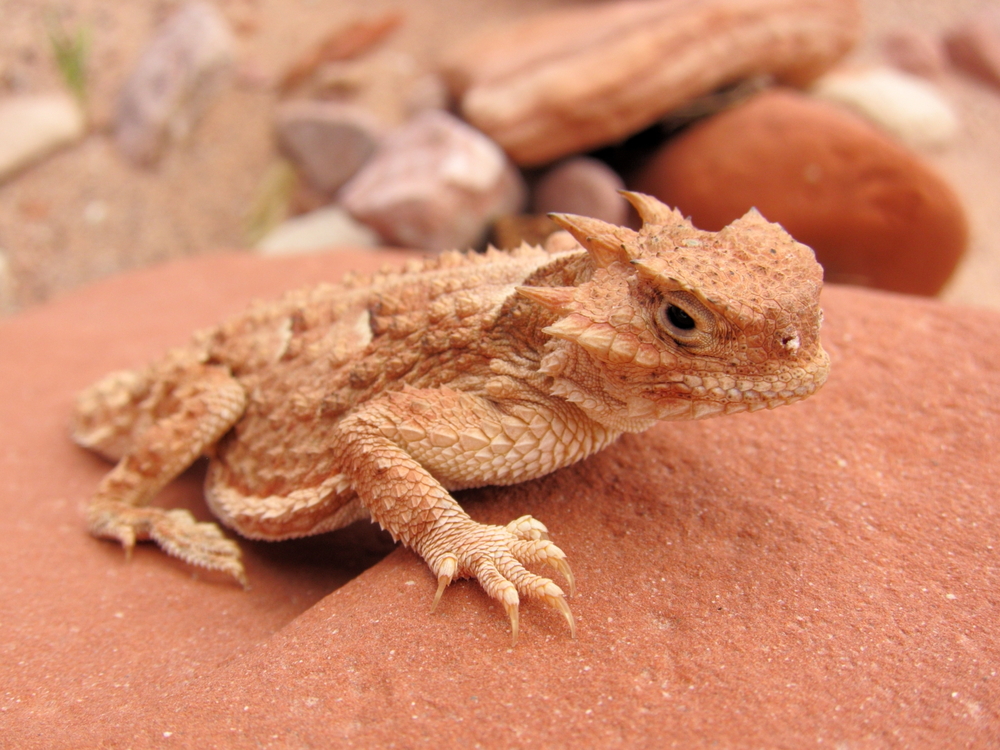
Other bird species include golden eagles, peregrine falcons, ravens, hummingbirds, and numerous migratory birds. Reptiles, amphibians, and fish inhabit the canyon’s varied environments, while plant communities range from desert cacti near the river to alpine vegetation at higher elevations. This biodiversity contributes significantly to the park’s ecological importance.
Grand Canyon National Park plays a critical role in preserving one of the world’s most significant geological and natural landmarks. The park protects vital wildlife habitats, cultural sites associated with numerous Indigenous tribes, and an unparalleled record of Earth’s geological history. Its conservation significance is often compared to Yellowstone National Park and Yosemite National Park because of its global recognition and ecological value.
However, the Grand Canyon’s immense scale, geological complexity, and cultural significance make it truly unique. Today, Grand Canyon National Park remains one of the most celebrated protected areas on Earth, preserving a landscape that continues to inspire scientists, adventurers, artists, and visitors from around the globe.
Photos
Things to See
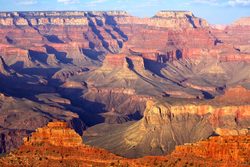 The Grand Canyon is both the pinnacle feature of the national park and one of the pinnacle tourist attractions of the United States. It is the second most visited national park.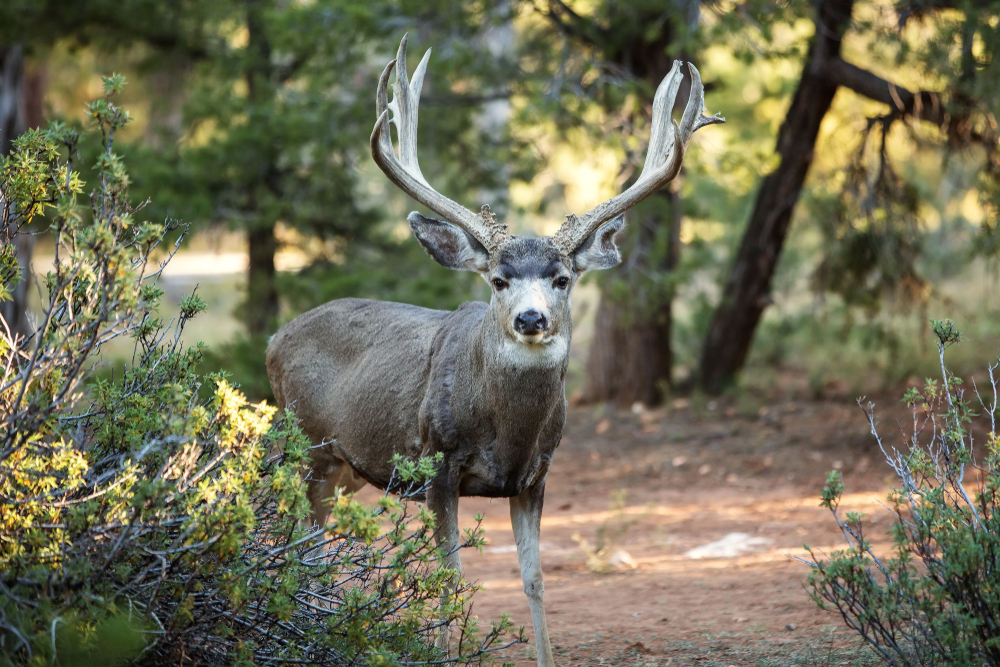
Things To Do
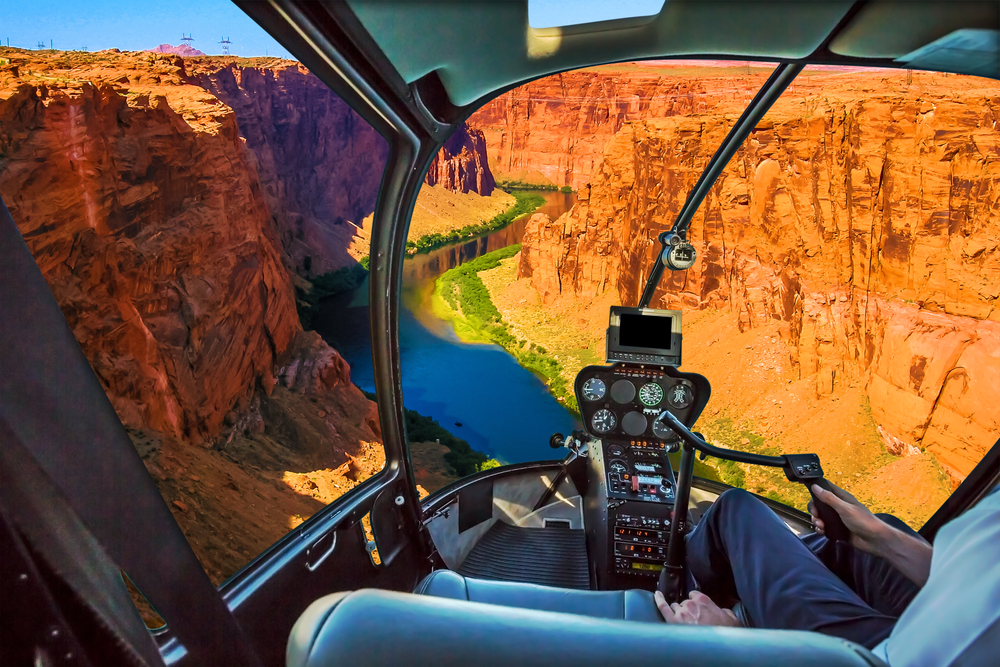
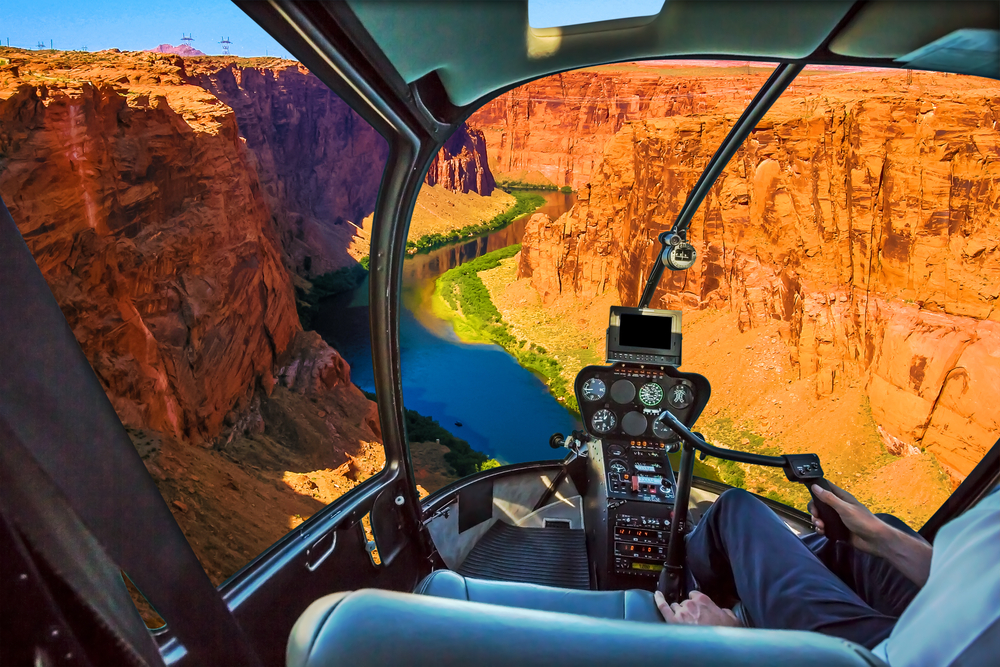
There are several ways to engage and explore the world’s largest canyon. You can get in the air, on the river, and on the ground in different ways. There are easily accessible lookouts which are easily reached with a drive through the park.

Grand Canyon National Park Trails
The Grand Canyon can be seen from scenic vistas that are accessible by drives along the south rim. However, more views and vistas are available for those who engage the 100 plus trails that meander along the canyon, down into it, and all around it. The trails range from easy to difficult, but most feature significant elevation gains making them moderate to difficult.

Park Protection
Grand Canyon National Park protects what is historically known as the largest canyon in the world. It also protects the surrounding habitat which is home to a variety of wildlife species. The protected area is also a UNESCO World Heritage Site and the second most visited national park in the country.
FAQ’s
How does the Grand Canyon compare to other canyons?
The Grand Canyon stands apart from other canyons due to its sheer size, depth, and stunning geological formations.
Spanning approximately 277 miles (446 kilometers) in length, up to 18 miles (29 kilometers) in width, and plunging to depths of over a mile (1.6 kilometers), the Grand Canyon is unparalleled in its grandeur.
Its vastness and intricate layers of rock reveal thousands of years of geological history, making it one of the most iconic natural wonders on Earth.
While other canyons may boast impressive features, such as steep walls, winding rivers, and unique rock formations, none rival the scale and geological significance of the Grand Canyon.
Its sheer magnitude and breathtaking vistas attract millions of visitors from around the world, cementing its status as one of the planet’s most awe-inspiring landscapes.
What is the main reason people visit Grand Canyon National Park?
Grand Canyon National Park is primarily visited for its immense canyon scenery, dramatic overlooks, hiking trails, geology, and iconic views of the Colorado River. Located in northern Arizona, the park protects one of the most famous natural landmarks in the world.
Visitors come to see the South Rim viewpoints, hike below the rim, photograph sunrise and sunset, raft the Colorado River, and experience one of the most awe-inspiring landscapes in North America.
What animals can visitors hope to see in Grand Canyon National Park?
Grand Canyon National Park supports approximately 91 mammal species and more than 40 reptile species. The park’s desert, forest, canyon, river, and rim habitats create one of the most diverse wildlife communities in the American Southwest.
Some of the most notable animals found in Grand Canyon National Park include:
- Mule Deer
- Elk
- Bighorn Sheep
- Mountain Lion
- Bobcat
- Coyote
- Gray Fox
- Ringtail
- Raccoon
- American Badger
- Striped Skunk
- Spotted Skunk
- Black Bear
- Pronghorn
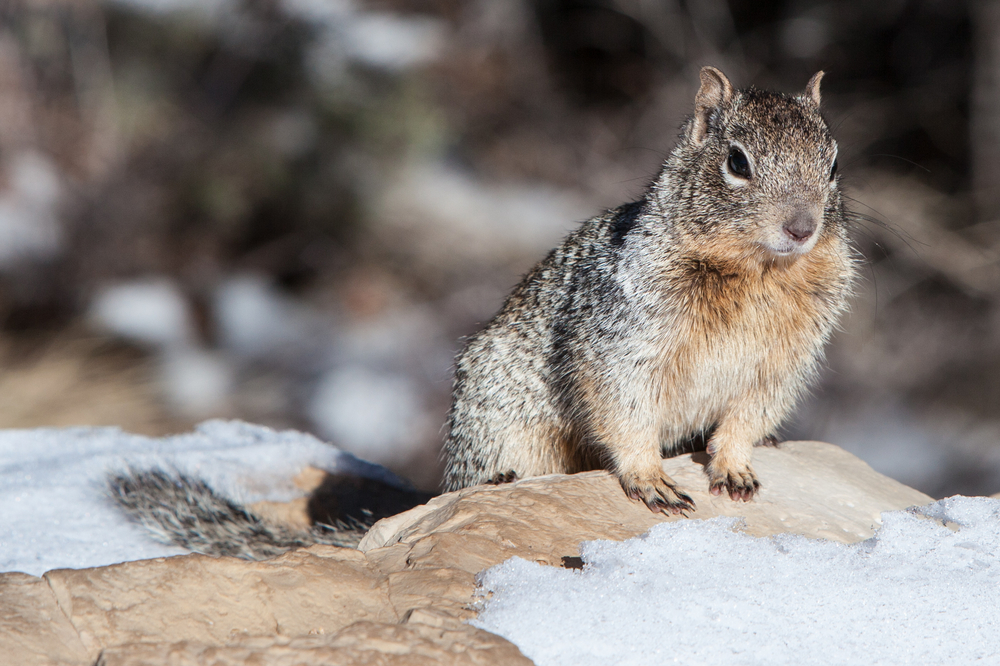
- Rock Squirrel
- Abert’s Squirrel
- Kaibab Squirrel
- Cliff Chipmunk
- Golden-mantled Ground Squirrel
- Black-tailed Jackrabbit
- Desert Cottontail
- Porcupine
- Beaver
- Muskrat
- Deer Mouse
- Canyon Mouse
- Woodrat
- Kangaroo Rat
- Pocket Mouse
- Pocket Gopher
- Big Brown Bat
- Pallid Bat
- Hoary Bat
- Mexican Free-tailed Bat
- Townsend’s Big-eared Bat
- Western Pipistrelle
- Yuma Myotis
- Long-legged Myotis
- Fringed Myotis
- Desert Shrew
- Grand Canyon Rattlesnake
- Western Rattlesnake
- Gopher Snake
- Coachwhip
- Kingsnake
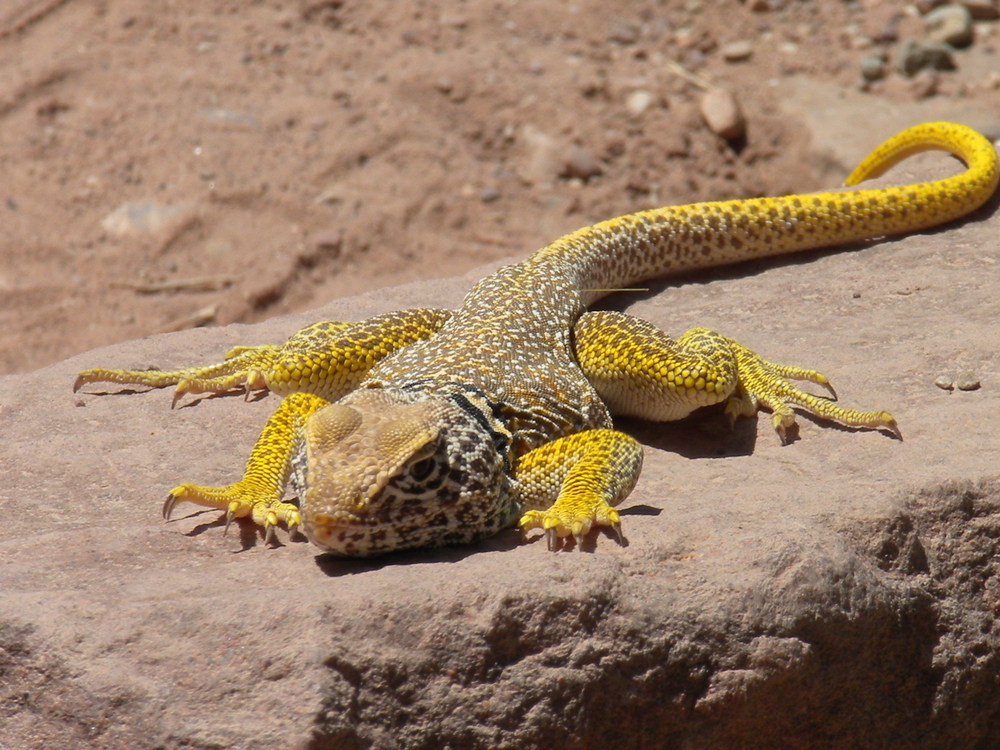
- Collared Lizard
- Desert Spiny Lizard
- Plateau Striped Whiptail
- Chuckwalla
- Gila Monster
What birds can visitors hope to see in Grand Canyon National Park?
Grand Canyon National Park is home to more than 450 bird species, including resident birds, migratory species, raptors, desert birds, forest birds, and river-corridor specialists.
Some of the most popular birds seen in Grand Canyon National Park include:
- California Condor
- Bald Eagle
- Golden Eagle
- Peregrine Falcon
- Prairie Falcon
- Red-tailed Hawk
- Cooper’s Hawk
- Sharp-shinned Hawk
- Zone-tailed Hawk
- American Kestrel
- Turkey Vulture
- Great Horned Owl
- Western Screech-Owl
- Northern Pygmy-Owl
- Common Raven
- Pinyon Jay
- Steller’s Jay
- Woodhouse’s Scrub-Jay
- Clark’s Nutcracker
- Black-billed Magpie
- Mountain Bluebird
- Western Bluebird
- Canyon Wren
- Rock Wren
- Bewick’s Wren
- White-throated Swift
- Violet-green Swallow
- Cliff Swallow
- Black-chinned Hummingbird
- Broad-tailed Hummingbird
- Rufous Hummingbird
- Northern Flicker
- Acorn Woodpecker
- Hairy Woodpecker
- Juniper Titmouse
- Mountain Chickadee
- Bushtit
- White-breasted Nuthatch
- Red-breasted Nuthatch
- Black-throated Sparrow
- Chipping Sparrow
- White-crowned Sparrow
- Dark-eyed Junco
- Western Tanager
- Summer Tanager
- Yellow-rumped Warbler
- Orange-crowned Warbler
- American Robin
- Say’s Phoebe
- Greater Roadrunner
Is Grand Canyon National Park worth visiting?
Yes, Grand Canyon National Park is absolutely worth visiting and is widely considered one of the greatest natural wonders in the world. Its immense scale, colorful canyon walls, dramatic overlooks, hiking trails, wildlife, and Colorado River scenery make it one of the most iconic national parks in the United States.
The main hesitation is crowding, especially at the South Rim during peak travel seasons. Visitors seeking solitude may prefer the North Rim, early morning visits, winter travel, or longer hikes away from the busiest viewpoints.
What is the best time to visit Grand Canyon National Park?
The best time to visit Grand Canyon National Park is from March through May and September through November.
Spring and fall offer comfortable temperatures, clearer hiking conditions, and fewer crowds than summer. South Rim daytime highs often range from the 50s to 70s°F in spring and fall, while inner canyon temperatures can be much warmer.
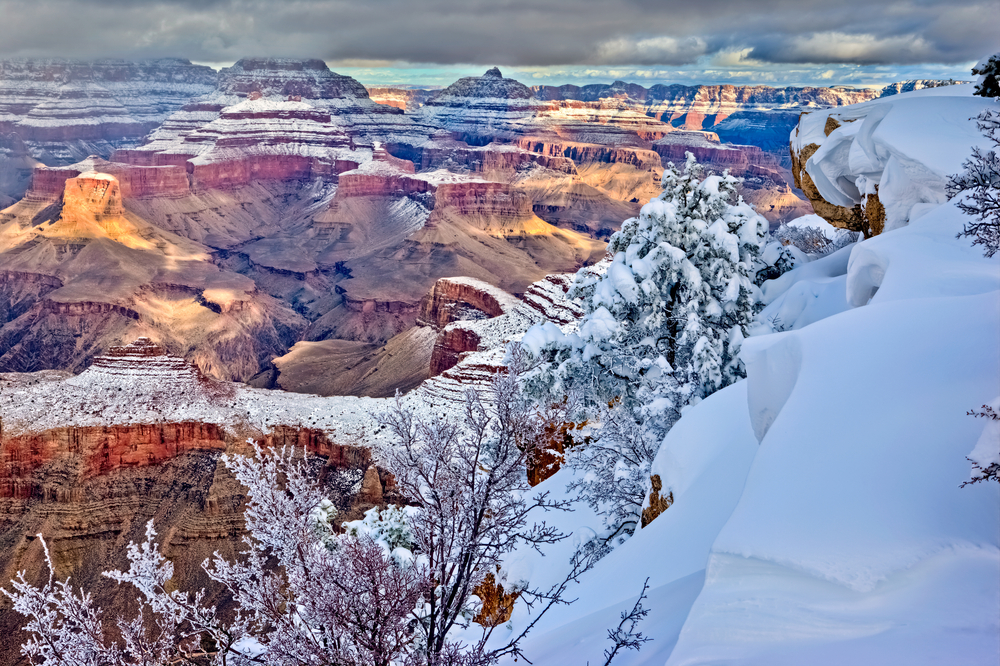
Summer is popular but can be extremely hot below the rim, often exceeding 100°F near the Colorado River. Winter brings fewer crowds, colder temperatures, and occasional snow on the rims.
How many days do you need to visit Grand Canyon National Park?
Most visitors should plan for 2 to 3 days.
A one-day visit is enough for major South Rim viewpoints and a short walk along the Rim Trail. Two days allow time for sunrise or sunset, several viewpoints, visitor centers, and a short hike below the rim. Three or more days are ideal for longer hikes, mule trips, rafting connections, or visiting both the South Rim and less-crowded areas.
How do you get to Grand Canyon National Park?
Most visitors access Grand Canyon National Park through the South Rim.
The closest major airport is Phoenix Sky Harbor International Airport (PHX), about 230 miles or roughly 3.5 to 4 hours by car from the South Rim. Harry Reid International Airport in Las Vegas (LAS) is about 275 miles or roughly 4.5 hours away. Flagstaff Pulliam Airport (FLG) is closer, about 80 miles or 1.5 hours from the South Rim, but has fewer flight options.
The South Rim is open year-round, while the North Rim is typically open seasonally from mid-May through mid-October.
Who is involved in protecting and supporting Grand Canyon National Park?
Several organizations help protect and support Grand Canyon National Park:
- National Park Service – manages Grand Canyon National Park.
- Grand Canyon Conservancy – the park’s official nonprofit partner supporting education, trails, restoration, research, and visitor programs.
- Grand Canyon Trust – supports conservation across the Grand Canyon region and Colorado Plateau.
- Arizona Game and Fish Department – supports wildlife management and conservation in Arizona.
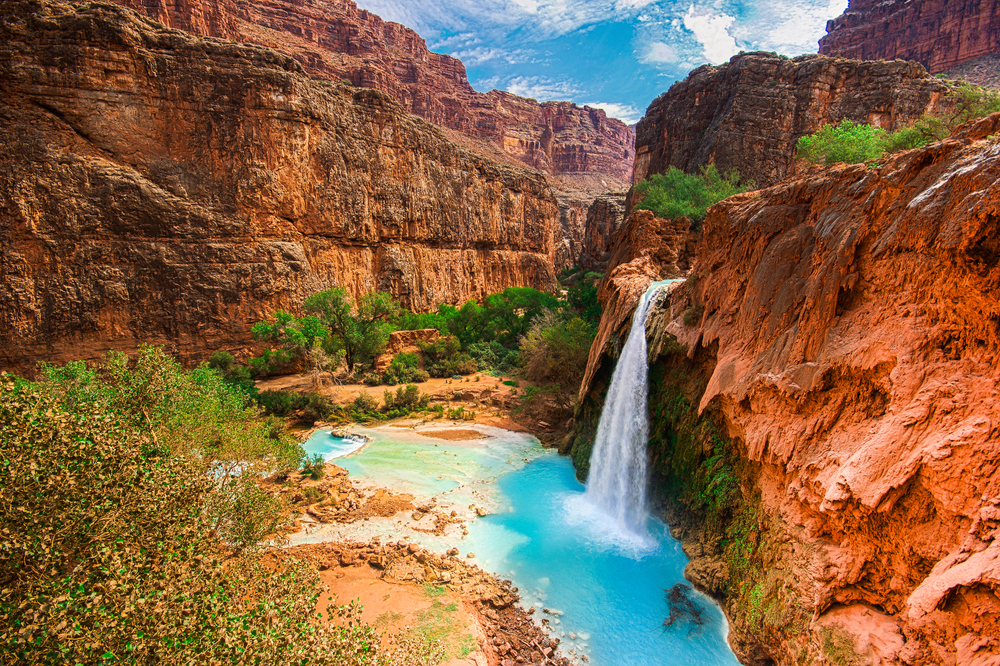
- Associated Tribal Nations, including the Havasupai, Hualapai, Hopi, Navajo, Zuni, and others, maintain deep cultural connections to the Grand Canyon landscape.
Sources
- All Trails, Grand Canyon National Park, https://www.alltrails.com/parks/us/arizona/grand-canyon-national-park, retrieved July 2020.
- Britannica, Grand Canyon, https://www.britannica.com/place/Grand-Canyon, retrieved September 2019.
- National Geographic, Everything to know about Grand Canyon National Park, https://www.nationalgeographic.com/travel/national-parks/grand-canyon-national-park/, retrieved September 2019.
- National Geographic, Complete National Parks of the United States, National Geographic Publishing, Washington DC.
- National Geographic, Guide to the National Parks of the United States, National Geographic Society, 2003.
- National Geographic, National Parks of North America, Canada-United States-Mexico, National Geographic Society, 1995.
- National Park Foundation, A Sight Beyond Words, https://www.nationalparks.org/explore-parks/grand-canyon-national-park, retrieved September 2019.
- National Park Service, Grand Canyon National Park, https://www.nps.gov/grca/index.htm, retrieved July 2019.
- Recreation. gov, Grand Canyon National Park, https://www.recreation.gov/camping/gateways/2733, retrieved September 2019.
- The Canyon, Grand Canyon National Park, https://www.thecanyon.com/grand-canyon-national-park, retrieved September 2019.
- UNESCO, Grand Canyon National Park, http://whc.unesco.org/en/list/75, retrieved September 2019.