About

Cabrits National Park is located on the eastern side of the northern tip of the island of Dominica.  It sits on a small peninsula jetting off the coastline.  The small national park encompasses an area of only 2.05 square miles (5.30 sq km).

The park was created to protect a variety of facets of nature along with an old English garrison known as Fort Shirley.  The facets of nature include coral reefs, tropical forests, and wetlands.

Cabrits developed from a volcano which is now extinct, but it grew and connected Cabrits to the larger island of Dominica forming the small peninsula. The national park actually sits between two summits of extinct volcanoes serving as backdrops to an astounding beach.

The coral reefs off the shoreline of Dominica are also exquisite and bring divers and snorkelers from across the globe who want to swim in the crystal clear blue waters and capture glimpses of the beautifully colored coral and varied fish that swim amongst the reef.  It is a tropical paradise that draws cruise lines and travelers who want to experience a remote tropical paradise.

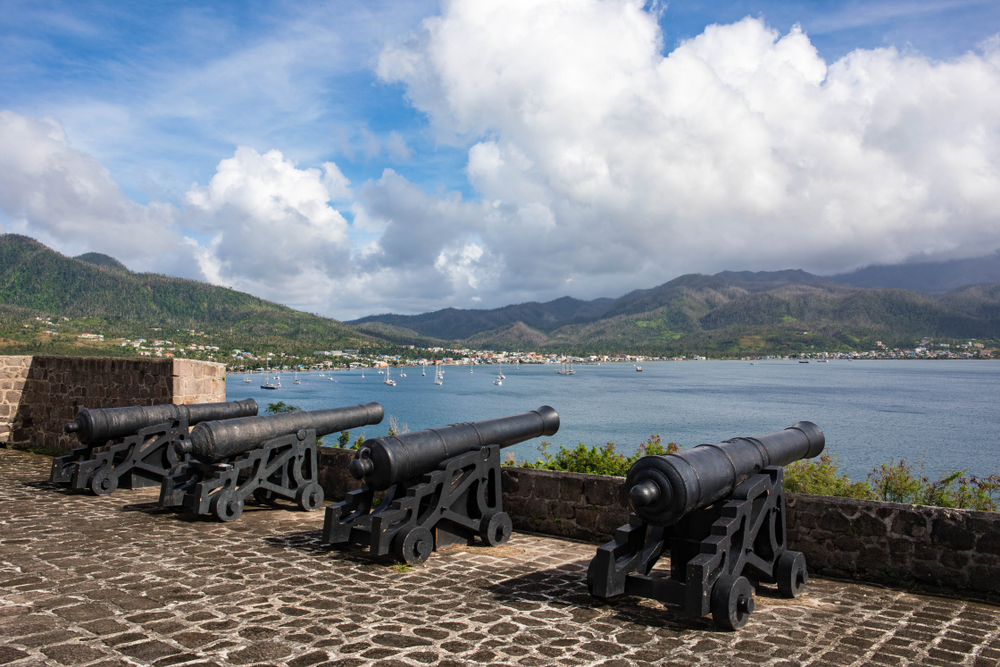
Fort Shirley was constructed in 1765 as a military outpost to defend and protect the island of Dominica.  Although originally constructed by the British, the garrison was expanded between 1778 to 1784 during the occupation of the French.

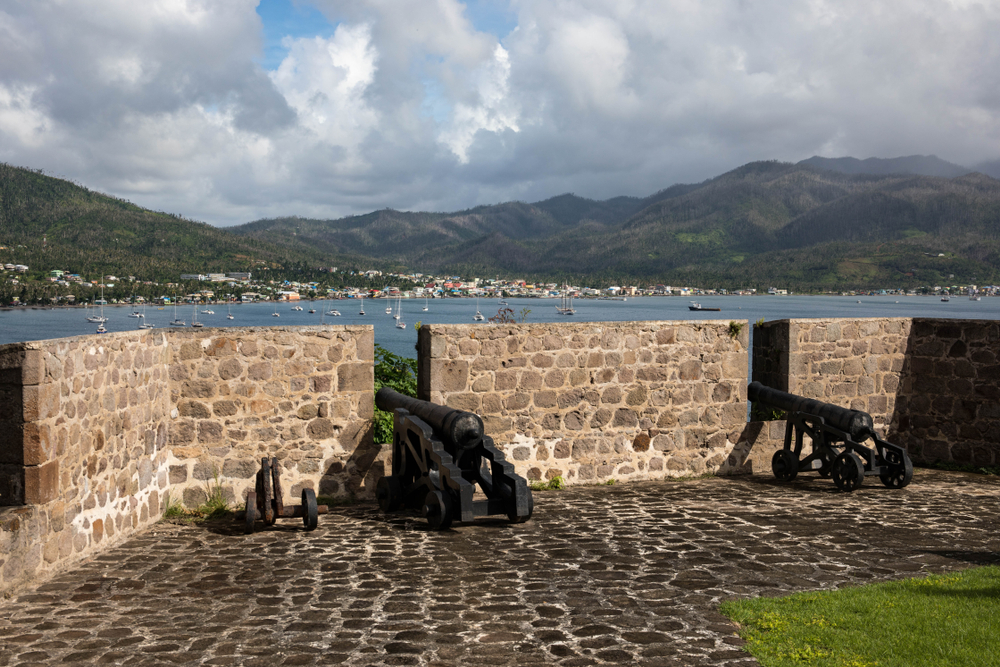
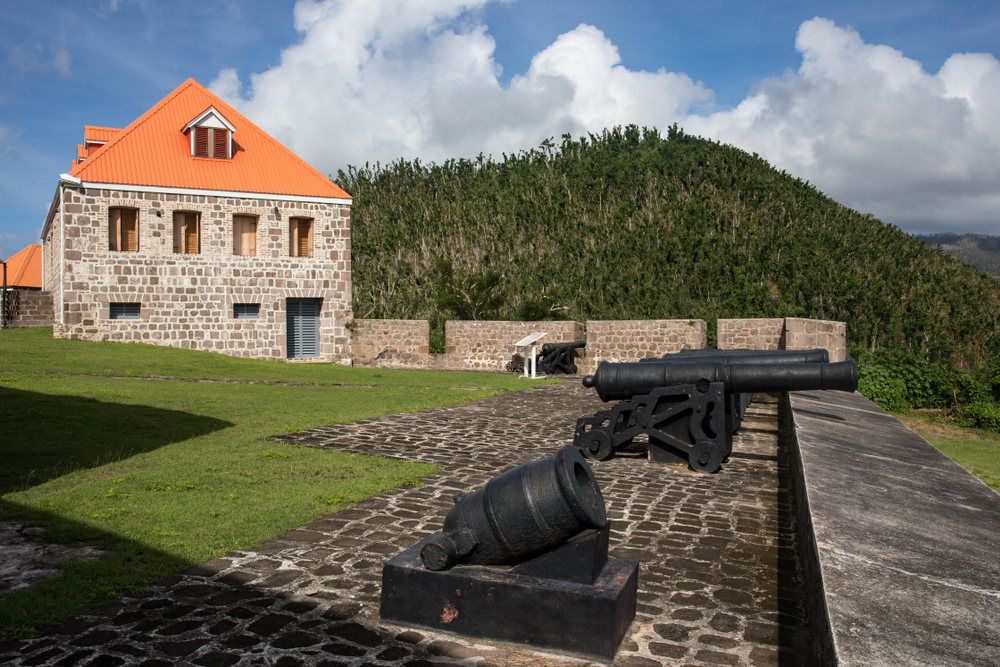
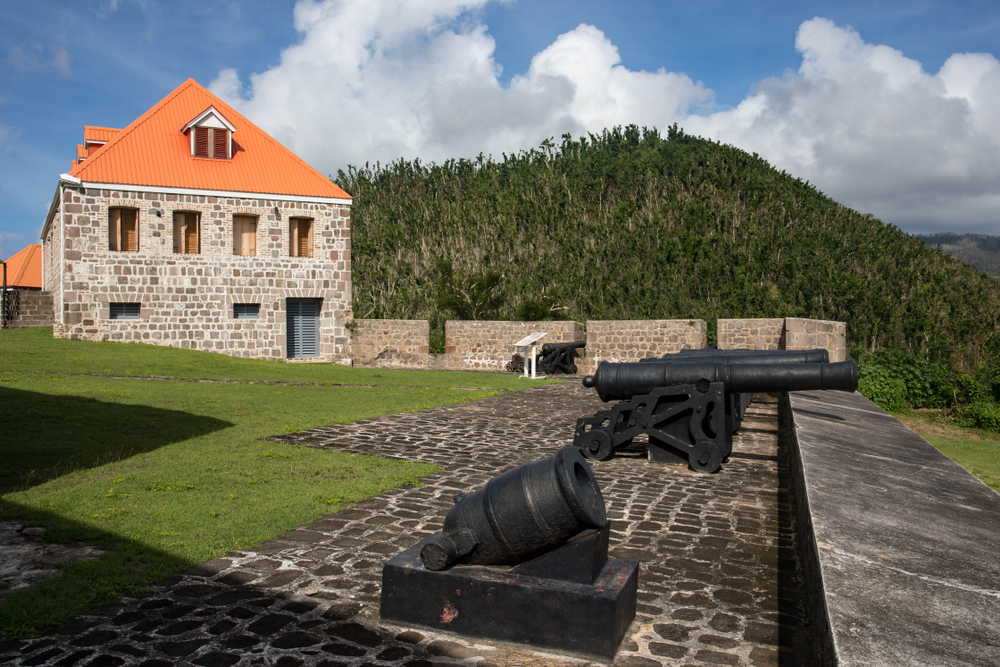
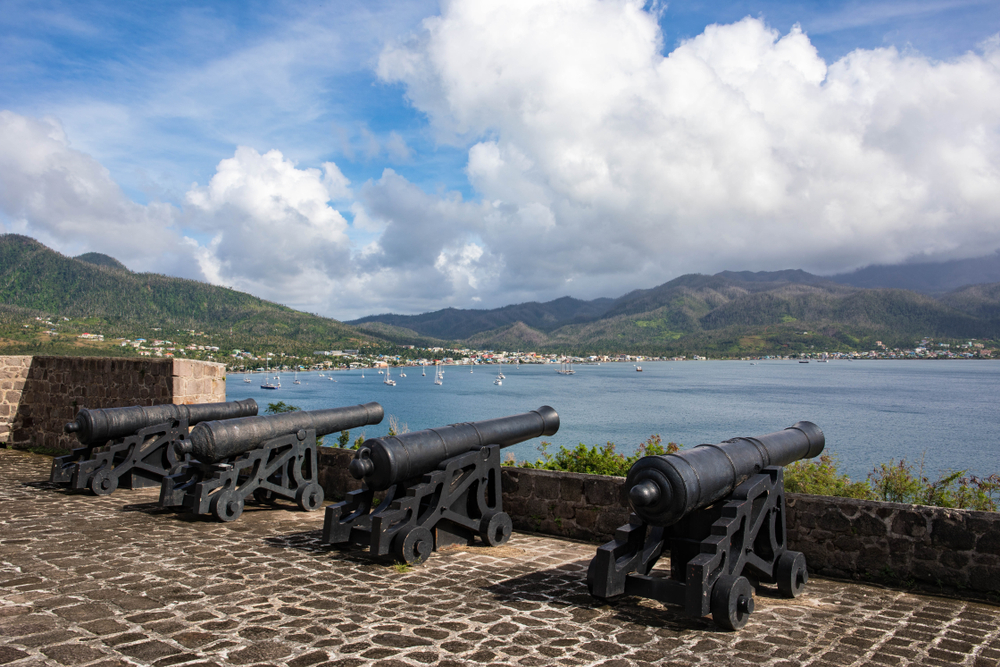
The fort features two structures that were primarily barracks, storage, and sustaining living necessities.  These structures gave way to two fortified walls.  One side had 5 canons and the other side had 4 and 2 that were angled separately.  Each of these walls sat atop the hill overlooking the waterway below with a direct line of sight to see approaching danger.

It featured over 50 buildings and provided quarters for more than 600 men.  It was finally abandoned in 1854. The area around the fort is well forested creating a tropical paradise that engulfed the fort.

Things to See

The majority of people who visit Cabrits national park do so out of interest in the Fort Shirley ruins and history that it represents. The fort is well preserved and there are tours through and about the grounds of the fort.  It is easy for people of all abilities to explore the grounds which are well maintained.  The majority of the area is wheel-chair accessible.

Popular Species

Popular Species

Cabrits National Park, known for its lush rainforests, wetlands, and coral reefs, is home to a variety of terrestrial and marine species that thrive in its diverse ecosystems.

Cuban tree frog (Osteopilus septentrionalis) – This large, nocturnal frog is often found near the park’s wetlands, using its suction-cup-like toes to climb trees and other vertical surfaces.

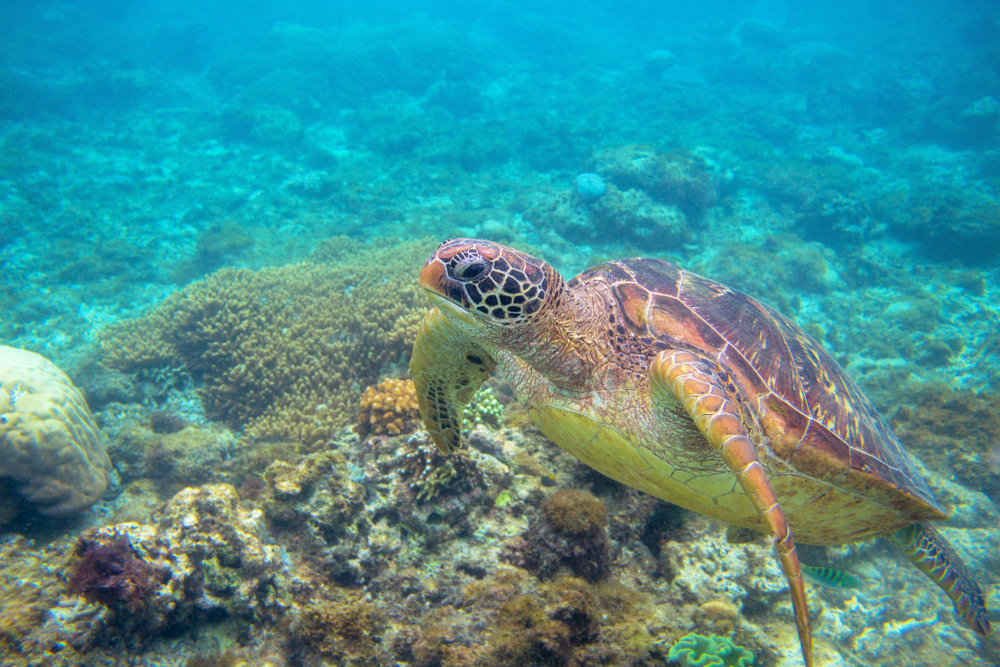
Green sea turtle (Chelonia mydas) – Frequently seen along the park’s coastline, this endangered marine turtle nests on the beaches and contributes to the health of the coral reef ecosystem.

Red mangrove (Rhizophora mangle) – A crucial species in the park’s coastal areas, the red mangrove helps protect shorelines from erosion and serves as a nursery for fish and other marine life.

West Indian manatee (Trichechus manatus) – This gentle marine mammal is occasionally seen in the park’s coastal waters, feeding on seagrass and helping maintain healthy aquatic ecosystems.

Hermit crab (Coenobita clypeatus) – A common sight along the park’s beaches, this land-dwelling crab uses abandoned shells for protection and plays a vital role in nutrient recycling.

Black land crab (Gecarcinus ruricola) – This large, colorful crab is often seen in the park’s forests and wetlands, where it forages for plant material and plays a role in ecosystem balance.

Fan coral (Gorgonia ventalina) – Found in the park’s coral reefs, this purple-hued coral species provides shelter for marine organisms and adds to the reef’s structural complexity.

Lesser Antillean iguana (Iguana delicatissima) – An endangered species endemic to the Lesser Antilles, this large herbivorous lizard is often seen basking in the sun or foraging in the park’s forests.

Queen conch (Lobatus gigas) – This large marine mollusk is found in the park’s shallow waters, where it plays a key role in the seagrass ecosystem and is valued for its cultural significance.

Sea grape (Coccoloba uvifera) – A native coastal tree, it thrives along the park’s beaches, providing food for wildlife and stabilizing sand dunes with its extensive root system.

Bird Species

Bird Species

Cabrits National Park is a hotspot for birdwatchers, offering a variety of endemic and migratory bird species that inhabit its rainforests, wetlands, and coastal areas.

Lesser Antillean pewee (Contopus latirostris) – A small flycatcher, this bird is often seen in the park’s forests, where it perches on branches and catches insects in mid-air.

Brown pelican (Pelecanus occidentalis) – Frequently spotted along the park’s coast, this large seabird is known for its impressive diving skills as it hunts for fish in the shallow waters.

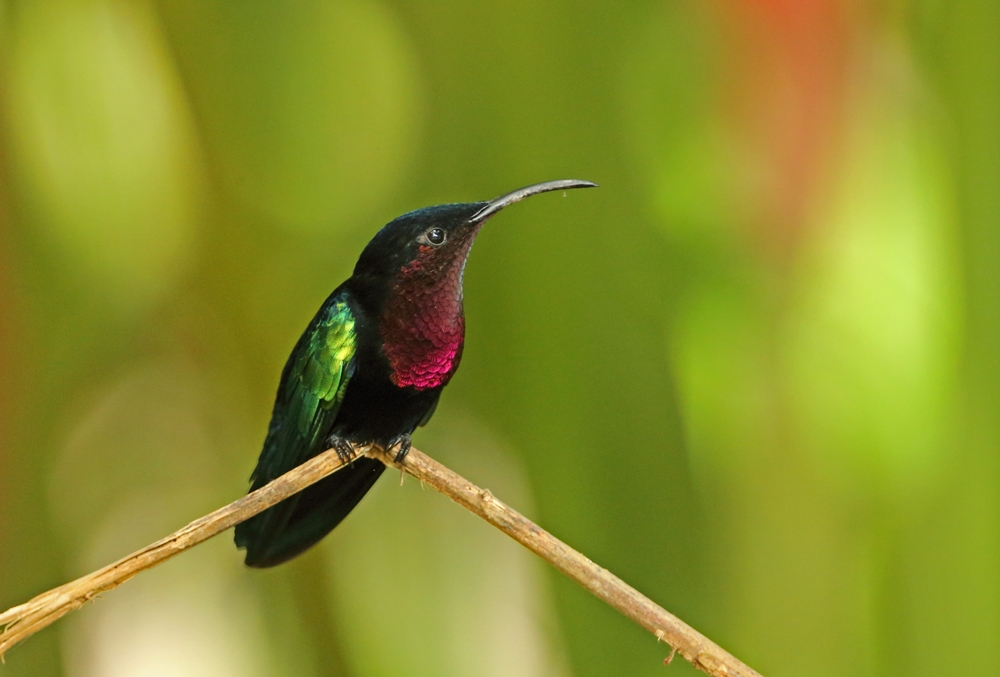
Purple-throated carib (Eulampis jugularis) – A striking hummingbird with iridescent plumage, this species is commonly seen feeding on nectar from flowers in the park’s rainforests and gardens.

Lesser Antillean bullfinch (Loxigilla noctis) – This small bird, with its distinctive black and orange plumage, is often seen in the park’s forests, foraging for seeds and small insects.

Zenaida dove (Zenaida aurita) – This medium-sized dove is commonly seen in the park’s open areas and along the coast, recognized by its soft cooing calls and white-bordered wings.

Mangrove cuckoo (Coccyzus minor) – Found in the park’s mangrove forests, this elusive bird is known for its secretive behavior and its diet of insects and small amphibians.

Antillean crested hummingbird (Orthorhyncus cristatus) – One of the smallest birds in the park, this tiny hummingbird is often seen darting between flowers in search of nectar, its crest shimmering in the light.

Bridled quail-dove (Geotrygon mystacea) – A rare dove species, this ground-dwelling bird is usually found in the park’s dense forests, recognized by its distinct white facial markings and soft call.

Pied-billed grebe (Podilymbus podiceps) – Often seen in the park’s wetlands, this small diving bird is known for its ability to stay submerged for long periods while hunting for fish and aquatic invertebrates.

Yellow-crowned night heron (Nyctanassa violacea) – A nocturnal wading bird, it is often seen foraging along the park’s coastlines and wetlands, hunting for crabs and other small prey during dusk and night.

Forth Shirley

Forth Shirley

Fort Shirley is a historic military site located within Cabrits National Park on the island of Dominica. Situated on the Cabrits Peninsula, the fort was built by the British in the 18th century to defend the island against French invasion. At its height, Fort Shirley was a significant military outpost, housing up to 600 soldiers. It was strategically positioned to oversee the entire Prince Rupert Bay, offering an excellent vantage point for naval defense.

The fort features well-preserved stone barracks, officer quarters, and cannon placements. The fort’s most famous moment came in 1802 during the “Cabrits Revolt,” when African soldiers stationed at the fort staged a mutiny, making it an important site in Dominica’s colonial history.

The main fort is perched at an elevation of 430 feet (131 meters), offering visitors stunning panoramic views of the surrounding bay and tropical forests. Today, Fort Shirley is a key historical and cultural attraction, providing insight into Dominica’s military past while offering scenic hiking trails and opportunities for exploration of the restored structures.

Cabrits National Park Trails

There are a number of trails that meander through the park providing views of the ocean, coastline, wetlands and tropical forests.  The trails are easy and short and provide access to the nature found within the national park.  There is walking or hiking around the fort, which is an easy way to engage the outdoors while also capturing a bit of history and cultural significance.

placeholder

Douglas Bay Battery

This is a 2-mile (3.22 km) round trip trail with no change in elevation.  It is an easy hike and an excellent trail through the tropical forest and views of Douglas Bay.

placeholder

Waitukubuli Trail

This is a 115-mile trail that begins in Scott’s Head village and meanders across the island with the endpoint occurring at Cabrits National Park.  It travels through much of the jungle on the island.

Park Protection

Cabrits National Park has a two-fold purpose.  First, it was established to protect the cultural heritage and historical significance of Forth Shirly.  Second, it protects the surrounding environment which includes coral reefs along the shoreline and forest around the fort.

Sources