About

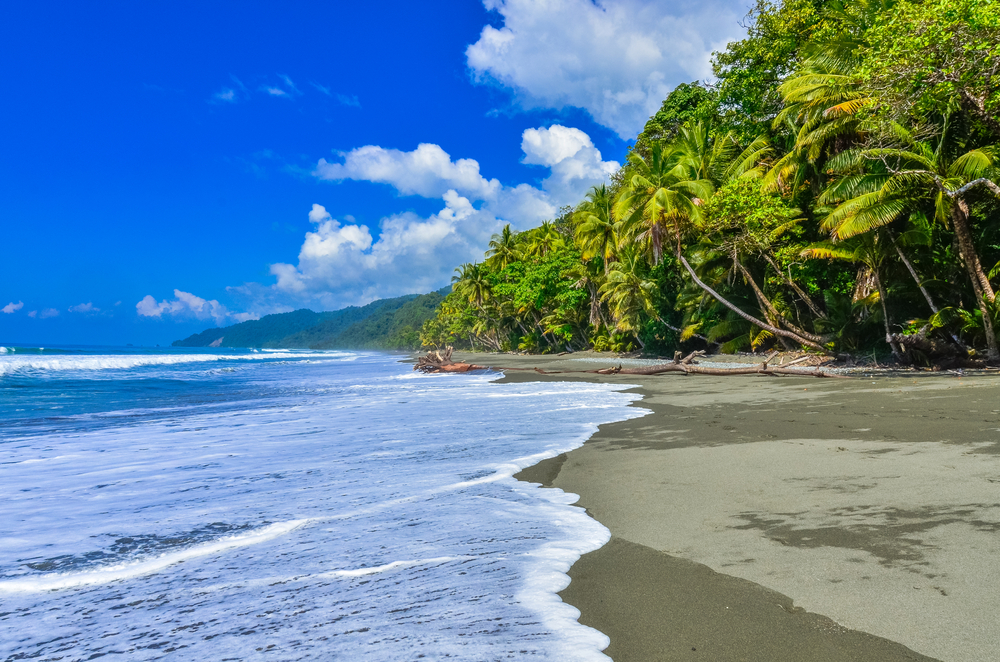
Corcovado National Park is located in southwestern Costa Rica as part of the Osa Peninsula. The park covers an area of 164 square miles (424 sq km). As the largest park in the country, the park boundaries cover about 33 percent of the entire Osa Peninsula.

Corcovado protects the greatest collection of primary forest on the American Pacific coastline as well as one of the few remaining lowland tropical forests of the significant areas throughout the world.

There are several rivers within the boundaries of the park. The level of the tide can affect the rivers and create more challenging efforts to cross. American crocodiles and spectacled caiman can be seen along the river banks while bull sharks might be present in the mouths of the rivers where they dump into the Laguna. 

Other marine life includes green, hawksbill, leatherback, and Pacific Ridley sea turtles with the neighboring Ballena National Marine Park featuring humpback whale, Bryde’s whale, spinner dolphins, rough-toothed dolphin, false killer whales, and killer whales. The majority of these are seasonal migrants.

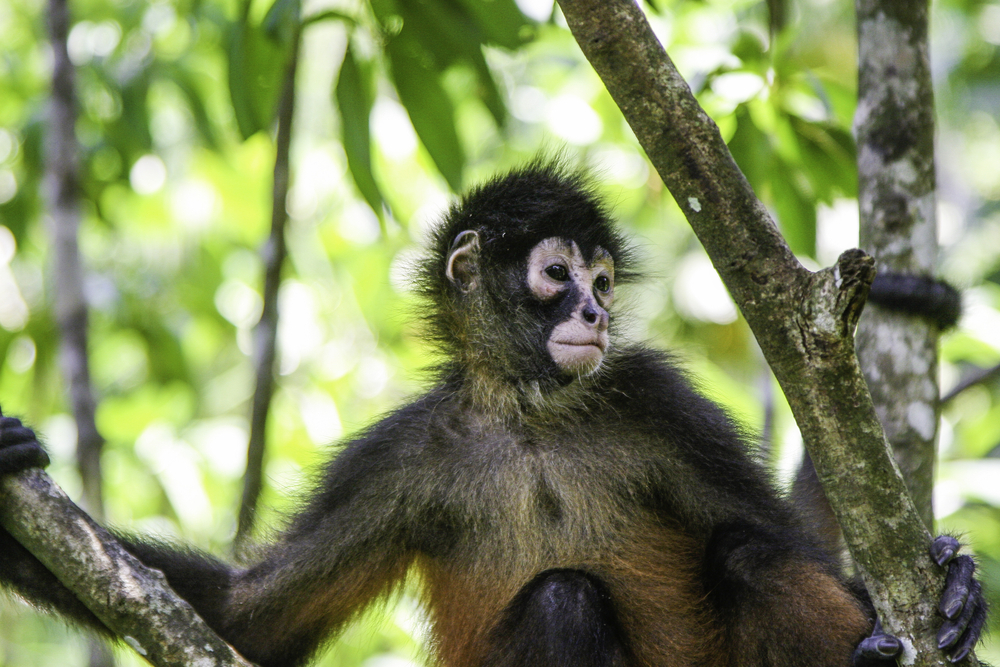
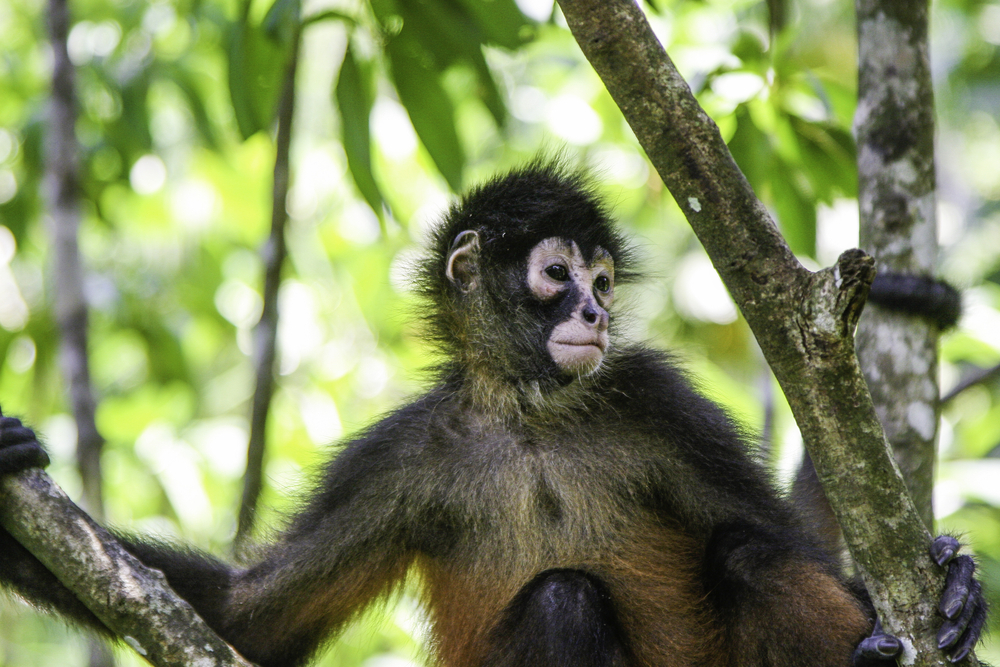
The wildlife on land includes white-faced capuchin, spider monkey, mantled howler, and the squirrel monkey accounting for all of Costa Rica’s monkey species. Predators include the jaguar, cougar, jaguarundi, margay, and ocelot. Sightings are challenging because of the elusive nature of each of these cats.

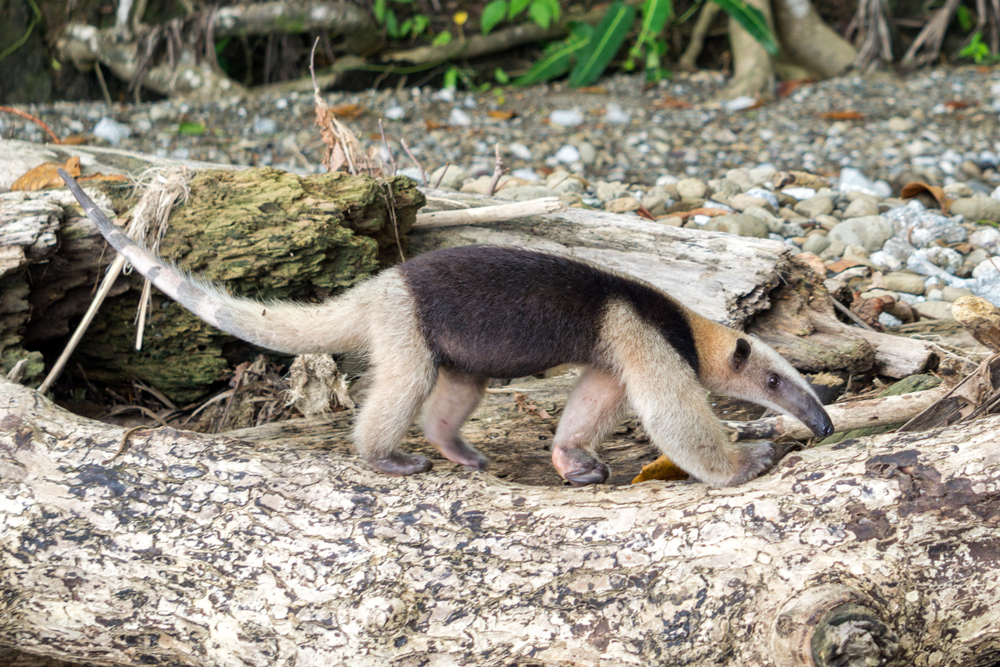
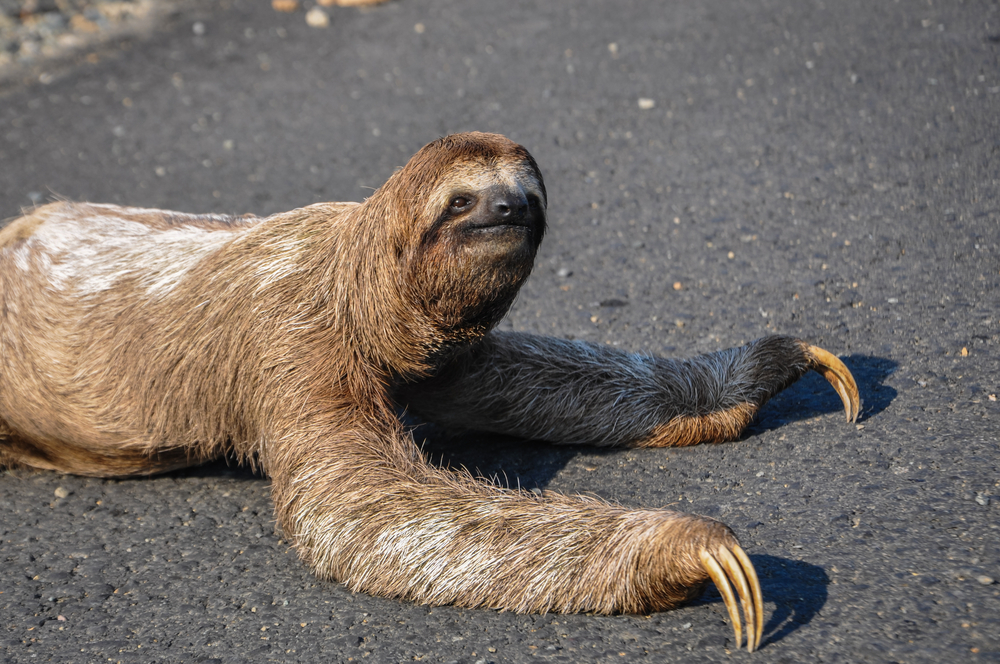
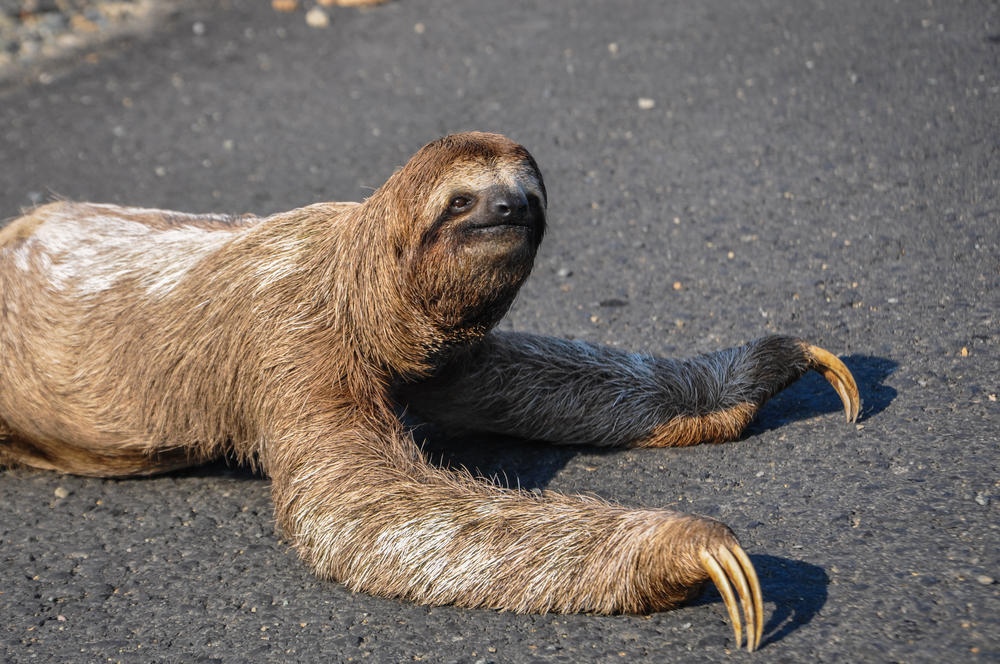
Some of the more intriguing species of wildlife include the two and three-toed sloths, coati, hermit crab, giant anteaters, and the endangered Baird’s tapir. The skies are colored with scarlet macaws, hummingbirds, and 220 species of butterflies.

Things to See

The rich biodiversity and tranquility of the lowland tropical forests combined with the serenity of the beaches make hanging out at Corcovado a highlight itself. National Geographic once referred to Corcovado as “the most biologically intense place on Earth in terms of biodiversity.”

A key highlight of the park is having so much biodiversity at your fingertips which doesn’t require much effort to explore and experience.

Popular

Popular

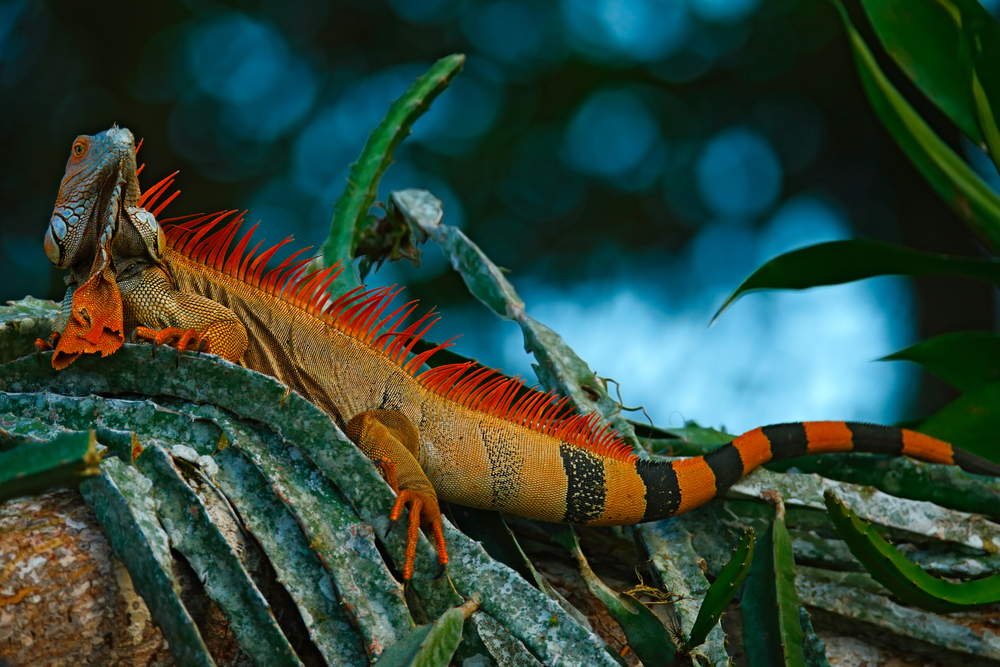
Corcovado National Park in Costa Rica stands as one of the most biodiverse regions on the planet, a verdant paradise teeming with an extraordinary variety of wildlife. Its remote and unspoiled wilderness attracts nature lovers and researchers eager to explore its rich ecosystems and observe the incredible array of life thriving within.

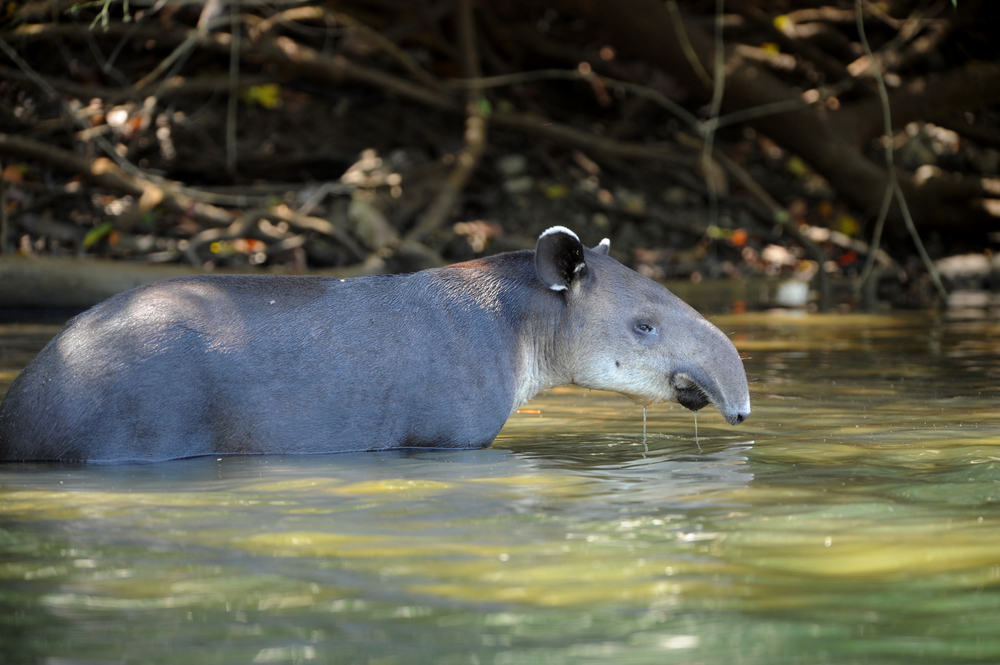
Baird’s Tapir – The largest mammal in Central America, Baird’s Tapir is a gentle giant, often found near water bodies within the dense forest.

Scarlet Macaw – With vibrant red, yellow, and blue plumage, the Scarlet Macaw is a symbol of tropical biodiversity, flying across Corcovado’s skies.

Jaguar – The elusive Jaguar, the Americas’ largest cat, prowls the park’s vast landscapes, a magnificent predator atop the food chain.

Ocelot – Smaller than the jaguar, the Ocelot’s spotted coat helps it blend into the underbrush, where it hunts at night.

White-faced Capuchin Monkey – Intelligent and social, these monkeys are a common sight, foraging and playing in the trees above.

Squirrel Monkey – The smallest of the park’s primates, Squirrel Monkeys move in large troops through the canopy, their chattering and playful antics a delight.

Howler Monkey – Known for their deep, resonant howls that can be heard for miles, Howler Monkeys mark their presence at dawn and dusk.

Fer-de-lance Snake – One of the most venomous snakes in the region, the Fer-de-lance is both revered and feared, a master ambush predator.

Harpy Eagle – Although rare, the Harpy Eagle is one of the most powerful birds of prey, hunting medium-sized mammals in Corcovado’s treetops.

Red-eyed Tree Frog – Iconic for its vivid colors and bulging red eyes, this nocturnal amphibian is emblematic of Costa Rica’s rich amphibian life.

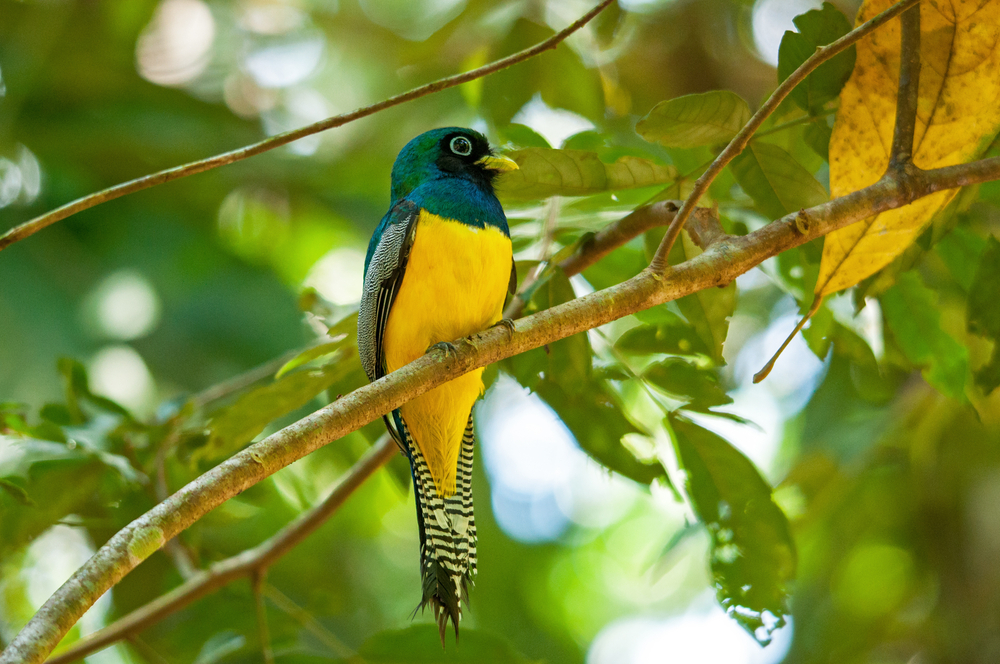
Resplendent Quetzal – Though more elusive in Corcovado, the Quetzal is revered for its striking beauty and long, iridescent tail feathers, a treasure for birdwatchers.

Corcovado National Park’s diverse inhabitants, from the stealthy jaguar to the flamboyant scarlet macaw, showcase the unparalleled natural beauty and ecological importance of Costa Rica’s protected areas, drawing attention to the need for ongoing conservation efforts.

Things To Do

Engaging Corcovado National Park
Hiking and Trekking

Embark on unforgettable hiking and trekking adventures through Corcovado’s dense rainforests and rugged terrain. Explore a network of trails that lead to stunning waterfalls, hidden lagoons, and panoramic viewpoints, providing a glimpse into the park’s diverse ecosystems and captivating landscapes.

Guided Wildlife Tours

Join knowledgeable guides on wildlife tours to maximize your chances of encountering Corcovado’s iconic inhabitants. Learn about the park’s ecology, conservation efforts, and the behaviors of its resident wildlife while exploring its pristine wilderness with expert assistance.

Beach Relaxation and Coastal Exploration

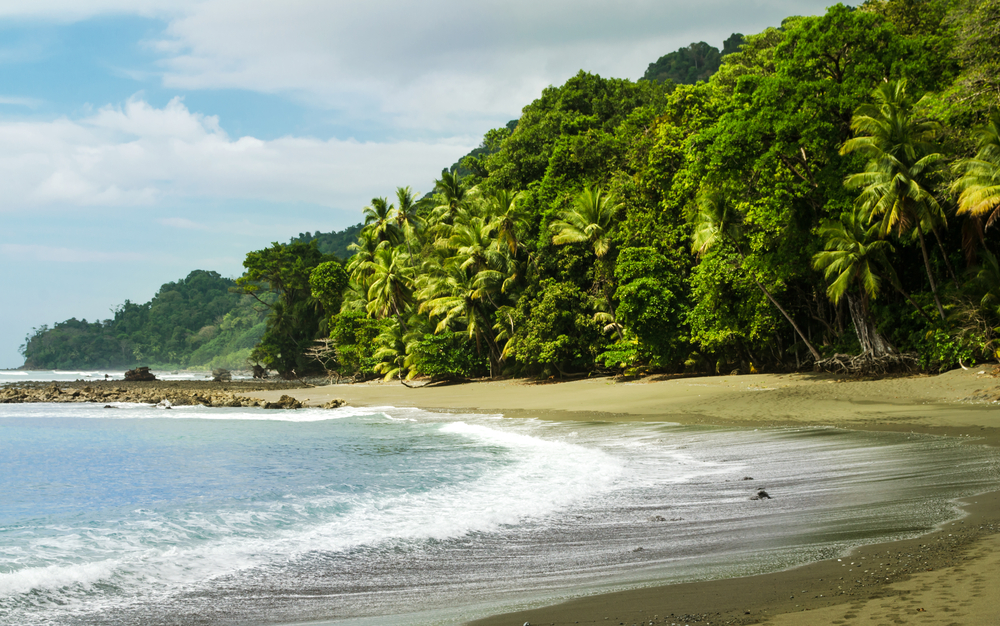
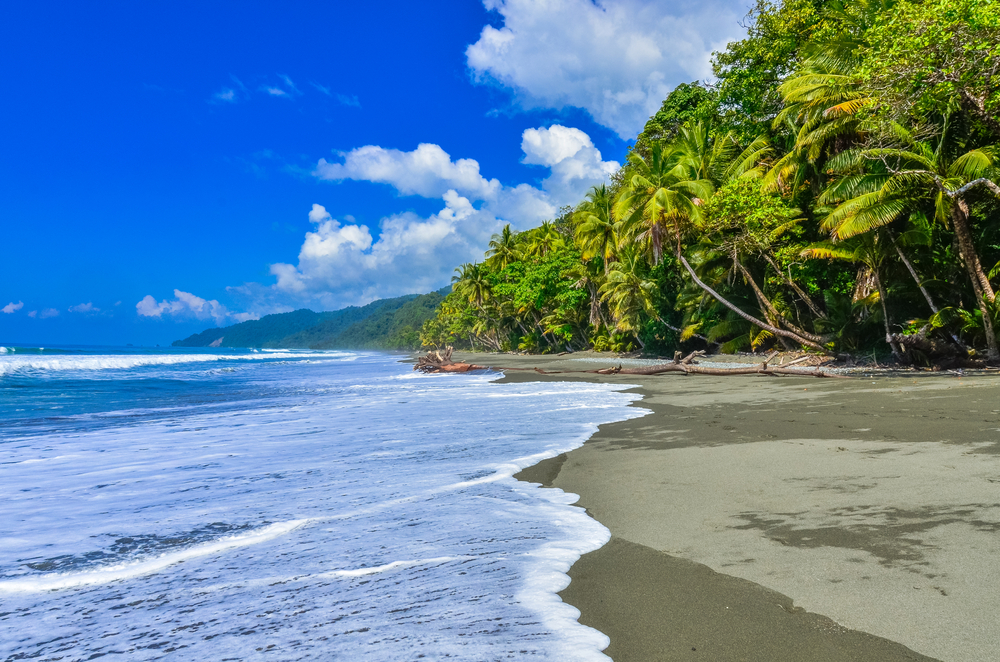
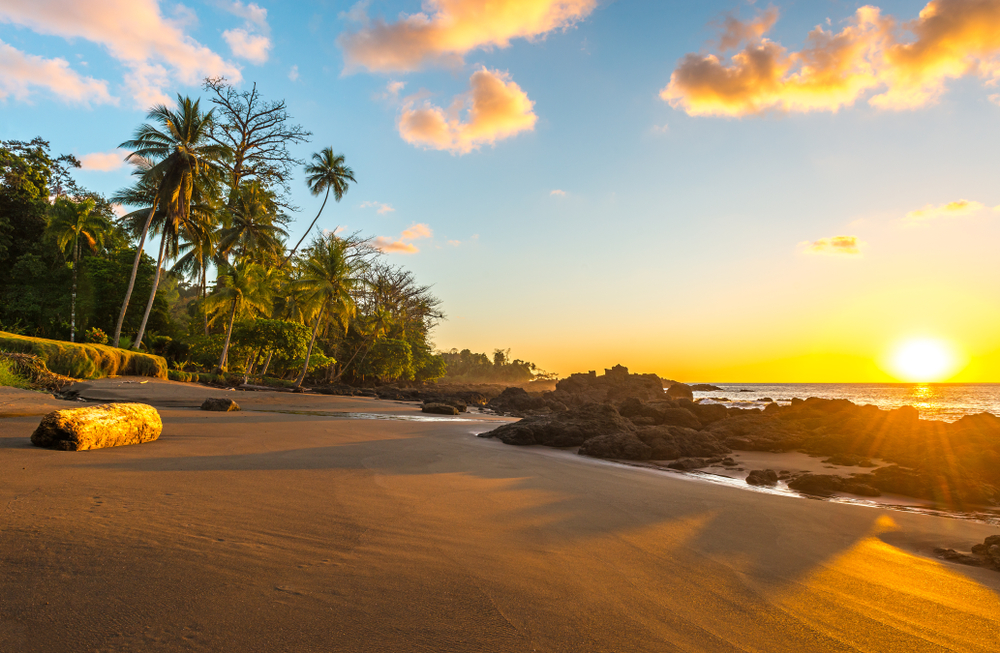
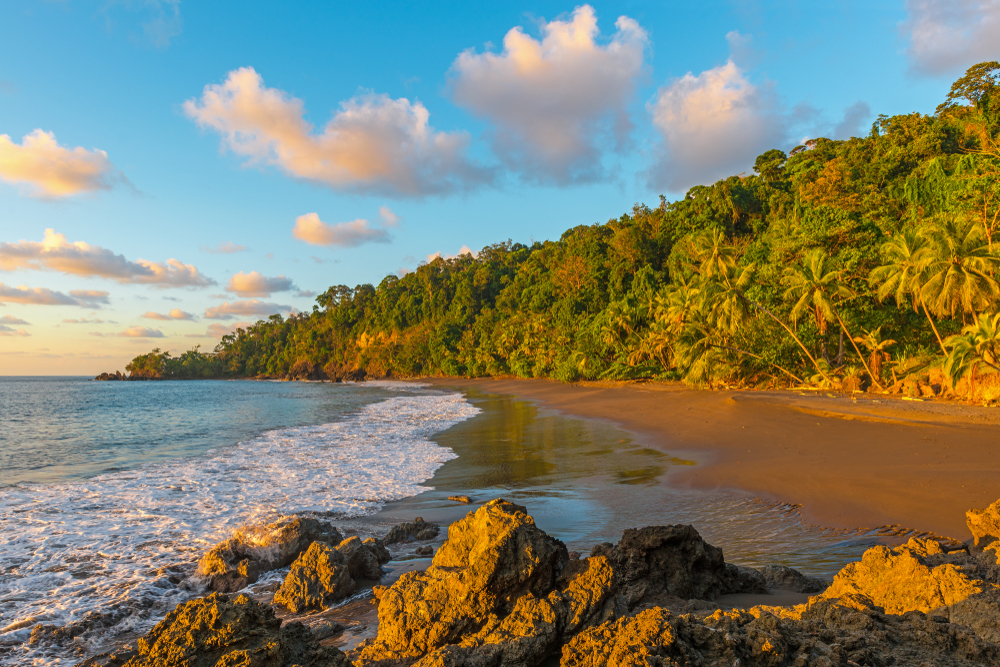
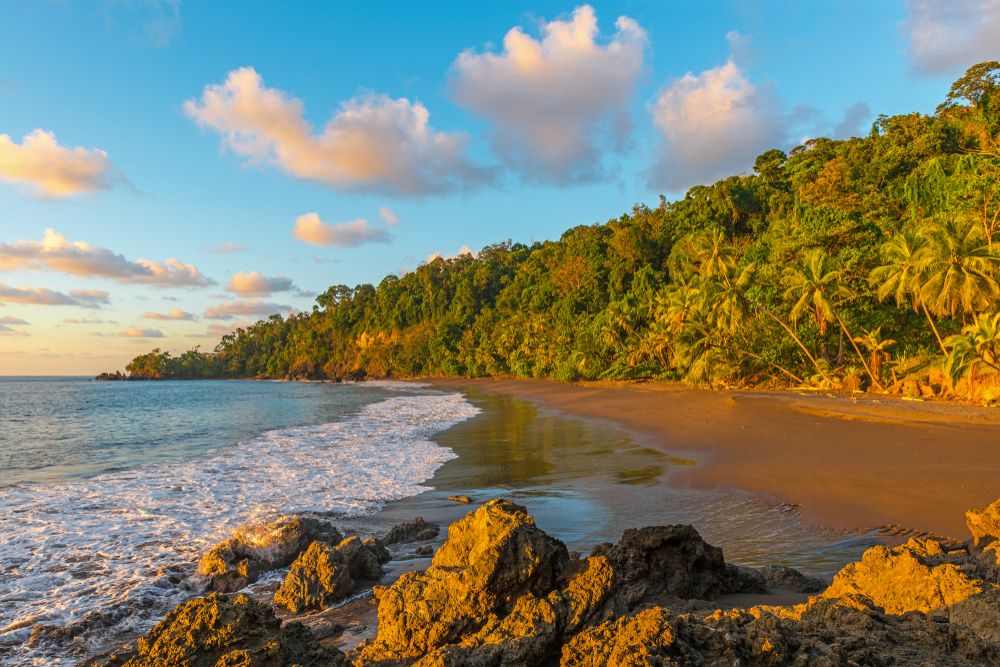
Unwind on the park’s pristine beaches and enjoy the tranquil ambiance of its coastal areas. Take leisurely strolls along sandy shores, swim in crystal-clear waters, and admire scenic coastal vistas. Explore hidden coves, tidal pools, and rocky outcrops, or venture out on boat tours to discover the rich marine life that inhabits the surrounding waters.

Corcovado National Park Trails

There are a good handful of trails that provide visitors and locals a chance to escape into the enchanting wilderness while breathing fresh air and taking in captivating views of nature. The trails are rated between easy and moderate where most can enjoy.

placeholder

La Leona Madrigal Trail

This is an easy rated but long out and back trail, so be prepared for a day adventure. The trail ascends 711 feet (216.7 m) over 6.3 miles (10.14 km).  The trail follows along the coastline providing views out over the sea as well as views of the river that runs along part of the journey.  There is a chance for birdwatching and seeing wildlife along with wildflowers to paint the scenery.

placeholder

Quebrada San Pedro Trail

This is a short 0.8-mile (1.29 km) trail out to a view of a waterfall. The landscape is scenic and it is a nice escape into the tropical forest as well.

placeholder

San Pedrillo Trail

This is a moderate rated trail that travels 1.9 miles (3.06 km) with an elevation gain of 295 feet (89.9 m).  It meanders through the tropical forest while also giving access to the beach. The majority of the trail is trekking along the coastline with chances of seeing wildlife.

placeholder

Sendero El Tigre Trail

This is a trail that extends 5 miles (8 km) while meandering throughout the park providing encounters with flora and fauna and serenity. Although easily accessible, it is a long trail taking anywhere from 6 to 8 hours to complete.

placeholder

La Leona to Sirena Trail

Rating: Difficult

Distance and Elevation Gain: 10 miles (16 km) one way with minimal elevation gain

Description: This trail connects La Leona Ranger Station to Sirena Ranger Station, traversing pristine beaches and dense rainforest. Hikers can expect to see an abundance of wildlife, including monkeys, coatis, and possibly tapirs.

The beach sections offer beautiful ocean views but require careful timing with the tides. It’s a challenging, full-day hike that immerses travelers in the untouched beauty of Corcovado.

placeholder

Sirena Loop Trail

Rating: Moderate

Distance and Elevation Gain: Varies, about 3 to 5 miles (5 to 8 km) with minimal elevation gain

Description: Starting from Sirena Ranger Station, this loop trail offers a more accessible exploration of Corcovado’s interior, including river crossings and primary rainforest.

It’s known for high chances of wildlife sightings, including the elusive jaguar and Baird’s tapir.

The loop can be adjusted for length, making it a flexible option for day hikers based at the Sirena station.

placeholder

El Tigre Trail

Rating: Moderate to Difficult

Distance and Elevation Gain: 11 miles (18 km) one way with significant elevation gain in parts

Description: This trail is less traveled and offers an adventurous route from Dos Brazos de Rio Tigre to the heart of the park.

Hikers will navigate through secondary and primary forests, experiencing the park’s biodiversity and potential wildlife encounters.

It’s a challenging route recommended for experienced hikers, offering solitude and a deep connection with nature.

placeholder

Los Patos to Sirena Trail

Rating: Difficult

Distance and Elevation Gain: 13 miles (20 km) one way with minimal elevation gain

Description: Connecting Los Patos Ranger Station to Sirena Ranger Station, this trail cuts across the park through some of the most remote and dense rainforests in Costa Rica.

The path offers an intense jungle experience, with opportunities to see a wide range of tropical wildlife.

Due to its length and the challenging terrain, it’s recommended for very fit and experienced hikers.

placeholder

San Pedrillo Waterfall Trail

Rating: Moderate

Distance and Elevation Gain: 3.7 miles (6 km) round trip with some elevation gain

Description: Beginning from the San Pedrillo Ranger Station, this trail leads to a stunning waterfall deep within the rainforest.

Along the way, hikers can enjoy the rich flora and fauna of Corcovado, including diverse bird species and possibly monkeys.

The waterfall offers a refreshing swimming spot, making this hike a rewarding half-day adventure for those looking to experience the park’s natural beauty without the commitment of a full-day trek.

Park Protection

Corcovado National Park was created to protect one of the most biologically diverse regions of the country.  It is regarded as one of the greatest biodiversity locations in the world.  The park protects the rich variety of flora and fauna as well as some of the most striking coastlines in the country.  This is just another one of the national parks that reflects Costa Rica’s commitment to environmental protections.

Sources