About

Forillon National Park is located on the northeast side of Canada as part of the Gaspe Peninsula of Quebec.  The park covers an area of 94 square miles (244 sq km).

The Gaspe Peninsula is a long finger-like peninsula in norther Quebec that follows along the southern shoreline of the St. Lawrence River.

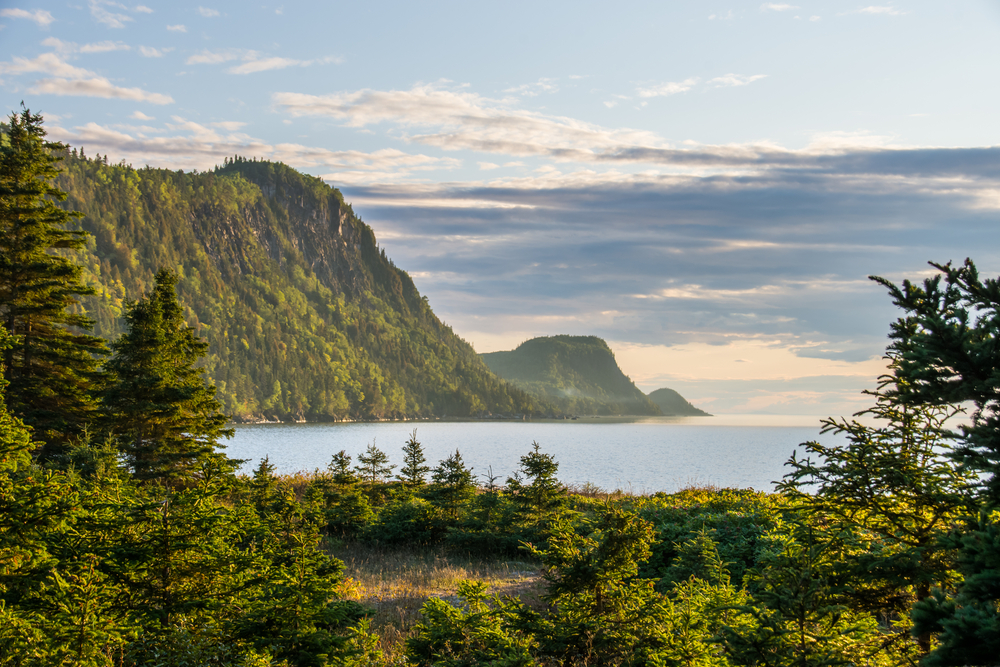
The park habitats vary, however, their ecosystems include forests, salt marshes, sand dunes, steep cliffs, and astounding ocean coastlines. The varied habitats provide shelter and sustainability for a variety of wildlife.  Wildlife is one of the key facets of the national park.

The coastal species including a variety of sea birds along with seals who will be found on the shoreline.  A variety of whales can be found in the waters off the coast.

The forests, marshes, and dune vegetation give way to a variety of mammalian species.  Some of the more popular species include beaver, black bear, coyote, ermine, fox, lynx, mink, moose, porcupine, and woodchuck.

There are several predator bird species that are highlighted for many of the birdwatchers.  Some of these include bald eagle, great horned owl, peregrine falcon, rough-legged hawk, and osprey.

The park also provides cultural and historical significance with the inclusion of the Fort Peninsula, which was a fortification built by the Royal Canadian Navy during World War II. Aspects of the structure can be viewed and explored.

Things to See

The dramatic coastline, dense forests, and varied terrain are part of the wilderness highlight of the park.  Many people turn to wildlife as their source of inspiration from the park.
Cap Gaspe

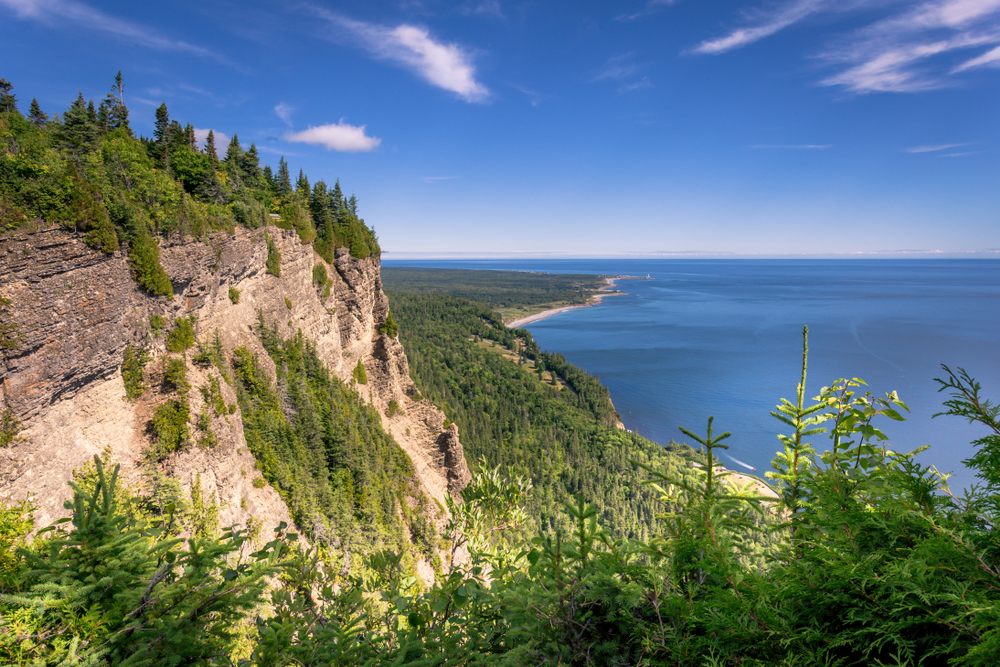
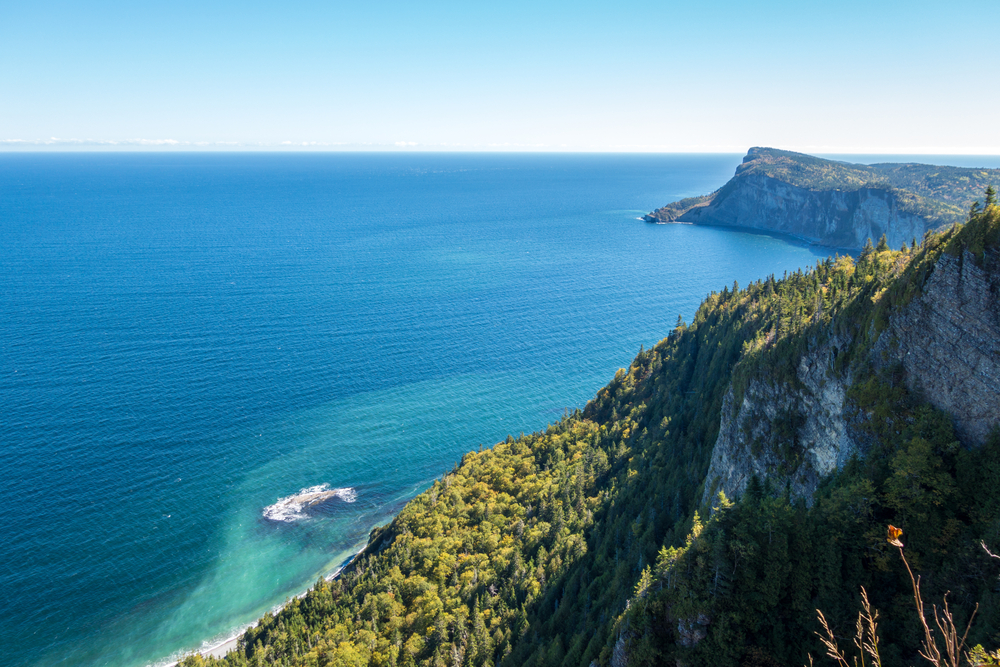
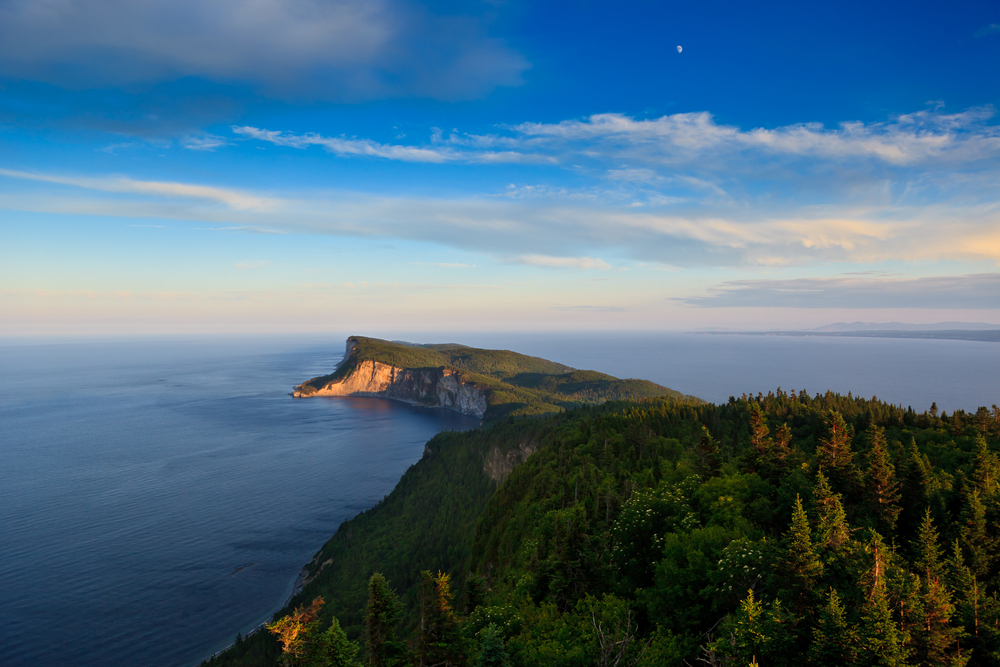
Cap Gaspe is a striking headland coastline located on the eastern finger of the Gaspe Peninsula.  It provides stunning panoramic views of the waterways as well as Cap Bon-Ami.

Cap Bon-Ami

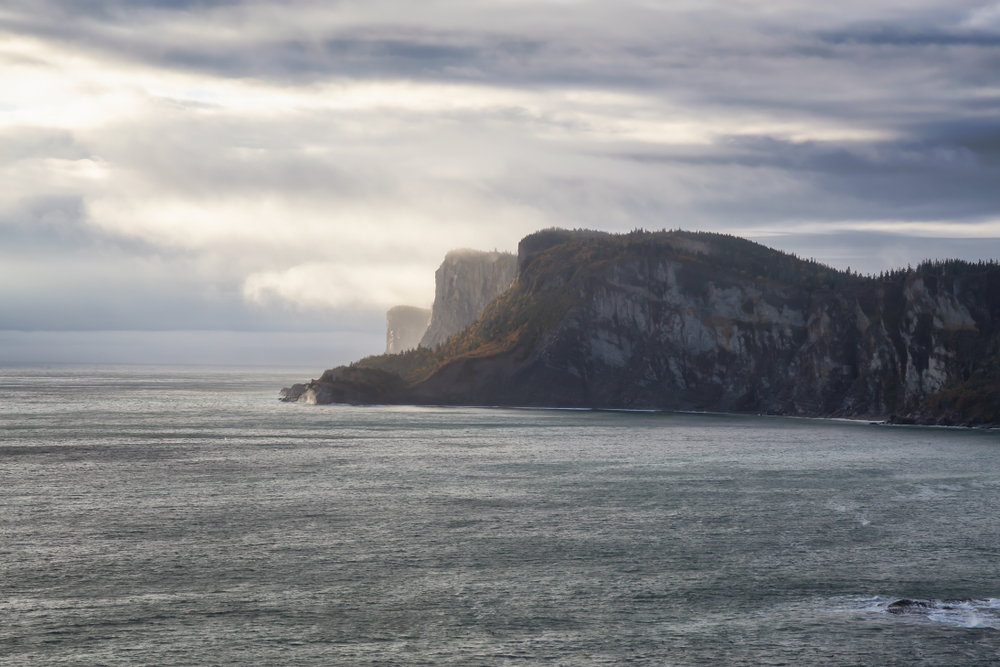
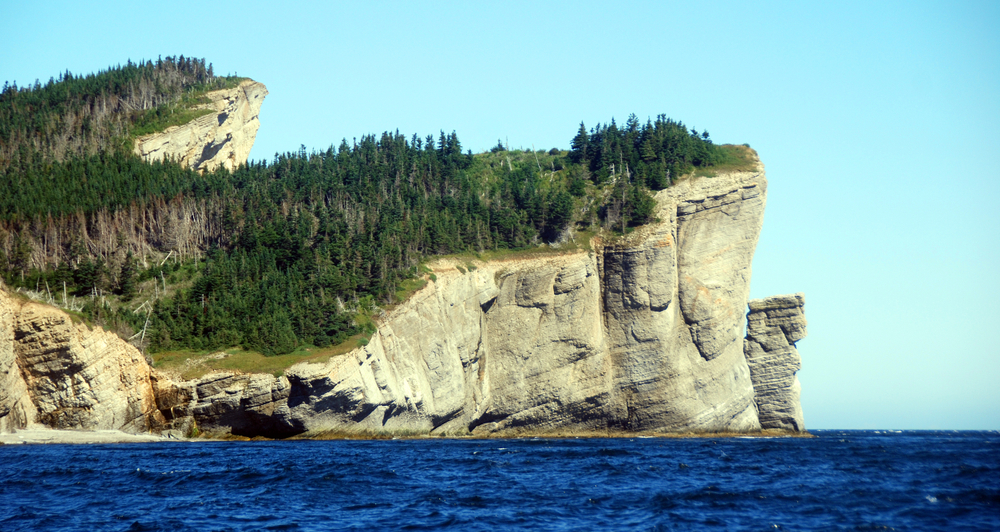
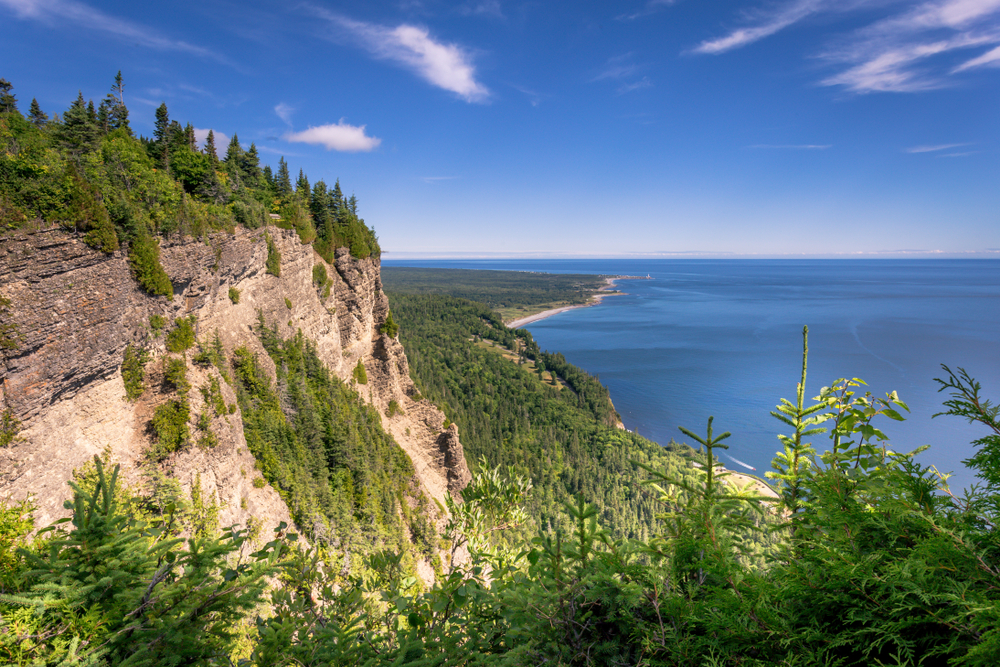
Cap Bon-Ami is almost more captivating than Cap Gaspe.  The view of Cap Bon-Ami from Cap Gaspe is magnificent.  The cliffs of Bon-Ami are near vertical and present dramatic coastline landscapes.  You can hike out to the top of it looking back at Cap Gaspe or switch the hikes and view from afar.

Popular

Popular

Forillon National Park is where mountains meet the sea, offering a sanctuary for diverse wildlife species that captivate visitors with their beauty and resilience. This park, with its rugged cliffs, dense forests, and rich marine environment, supports an array of animals adapted to the Atlantic coastline and the Appalachian highlands, making it a prime destination for wildlife observation and nature exploration.

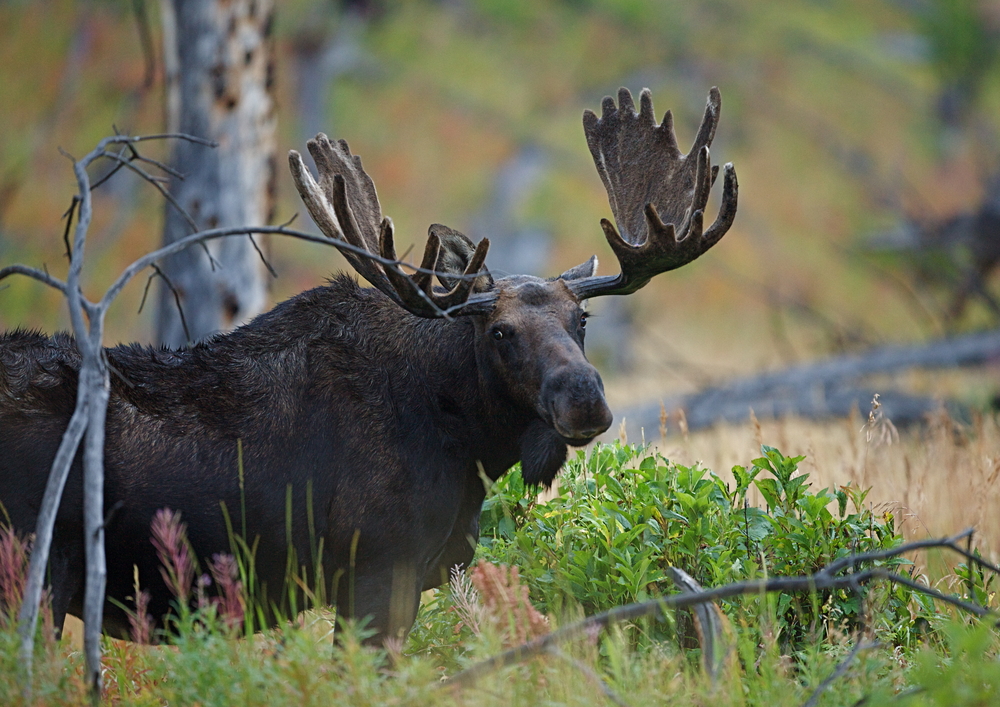
Moose – The majestic Moose, the largest member of the deer family, roams the park’s forests and wetlands, a symbol of Canada’s wild spaces.

Black Bear – Omnivorous and adaptable, Black Bears can occasionally be seen foraging in the forests of Forillon, a reminder of the wilderness that surrounds.

Harbour Seal – Often found lounging on rocky shores or bobbing in coastal waters, Harbour Seals are a common marine mammal in the park’s bays.

Minke Whale – The smallest of the baleen whales, Minke Whales frequently visit the park’s waters, offering spectacular sightings for those exploring Forillon’s coastline.

Northern Gannet – With their striking white plumage and dramatic diving behavior, Northern Gannets are a highlight for birdwatchers, especially near the park’s bird colonies.

Bald Eagle – Soaring high above the park, Bald Eagles are a testament to conservation success, their presence a majestic sight against the backdrop of Forillon.

Snowshoe Hare – Well adapted to the park’s varied seasons, Snowshoe Hares change color with the seasons, from brown in summer to white in winter.

Peregrine Falcon – Known for their incredible speed, Peregrine Falcons nest on Forillon’s cliffs, a thrilling sight as they dive to catch their prey.

Great Blue Heron – Standing still along the park’s shorelines, the Great Blue Heron is an elegant fisher, its tall frame and slow movements captivating to watch.

Raccoon – Nocturnal and curious, Raccoons are often spotted by campers, their dexterous paws and masked faces a familiar sight in Forillon’s wooded areas.

Forillon National Park’s diverse array of wildlife, from the elusive Minke Whale to the agile Peregrine Falcon, showcases the rich natural heritage of Quebec’s coastal and forest ecosystems, inviting visitors to discover the vibrant life that thrives in this stunning Canadian landscape.

Things To Do

Engaging Forillon National Park
Hiking

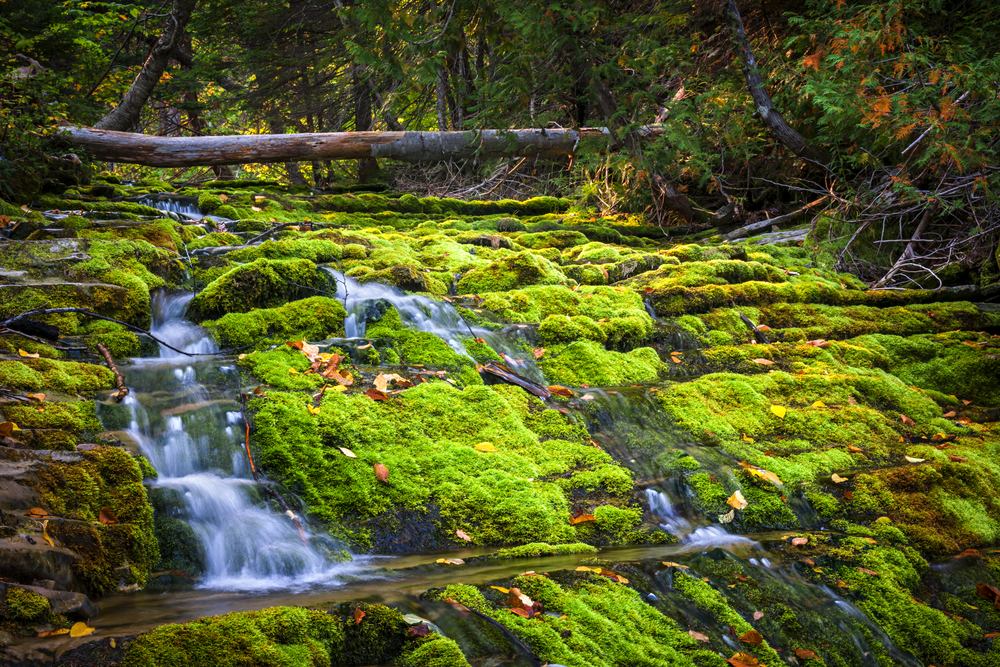
Forillon National Park offers a variety of hiking trails suitable for all skill levels, showcasing stunning coastal landscapes, dense forests, and picturesque viewpoints. Whether you prefer a leisurely stroll along the shoreline or a challenging trek to a mountaintop, there’s a trail for you to explore. Keep an eye out for wildlife such as seals, whales, and seabirds along the way.

Scenic Drives

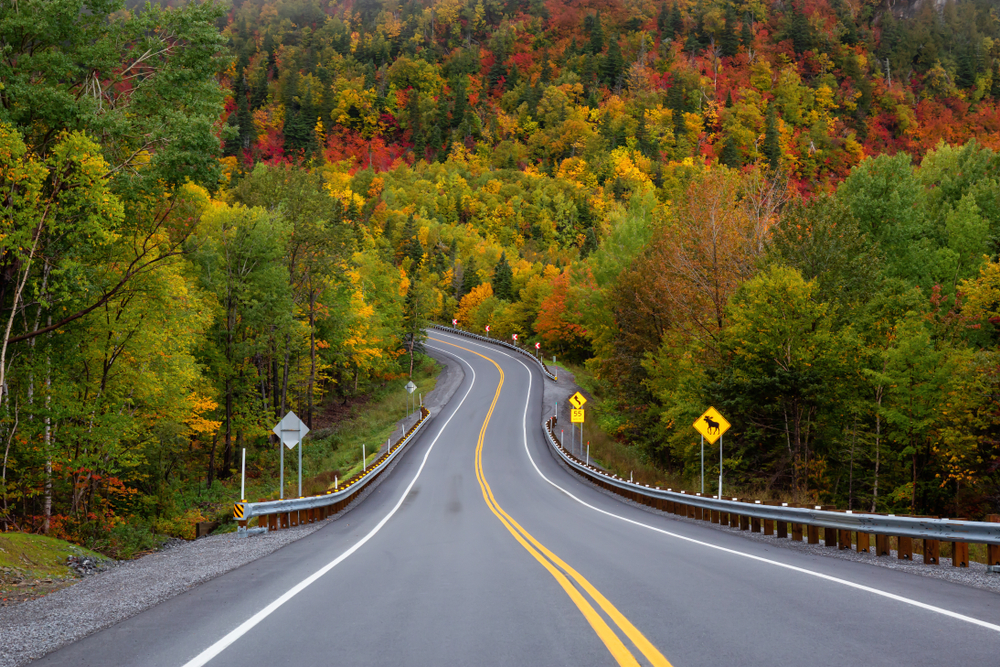
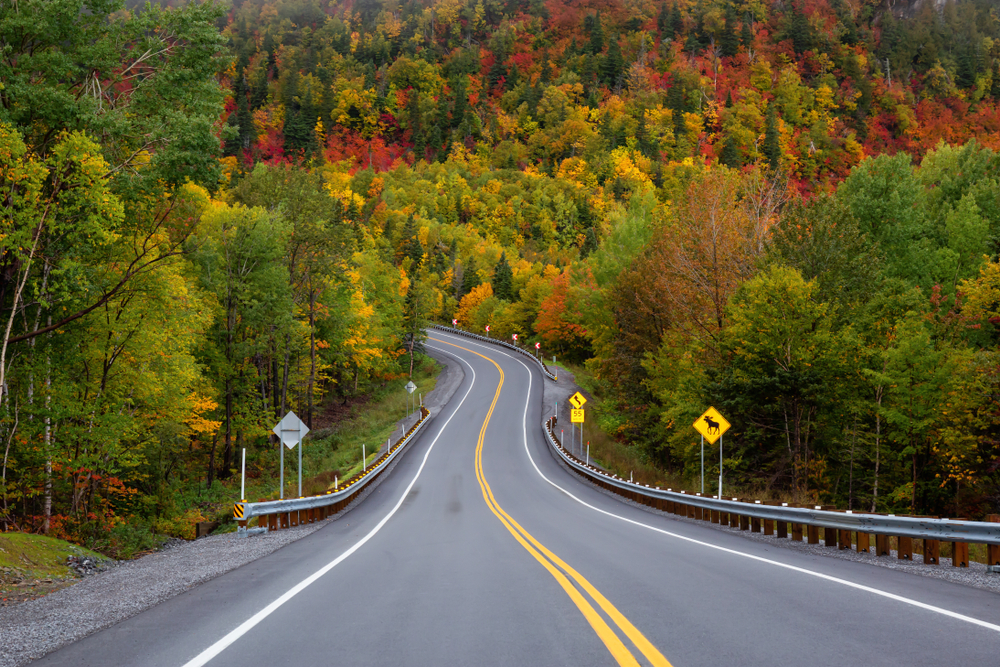
Take a leisurely drive along the park’s scenic coastal roads, soaking in panoramic views of rugged cliffs, sandy beaches, and picturesque fishing villages. With several lookout points and viewpoints along the way, you’ll have plenty of opportunities to admire the beauty of Forillon National Park from the comfort of your car.

Forillon National Park Trails

Forillon has a variety of hikes ranging from shorter to longer and from easy to moderate. These are great ways to experience nature and capture the captivating views of the remarkable coastlines.

placeholder

La Chute Trail

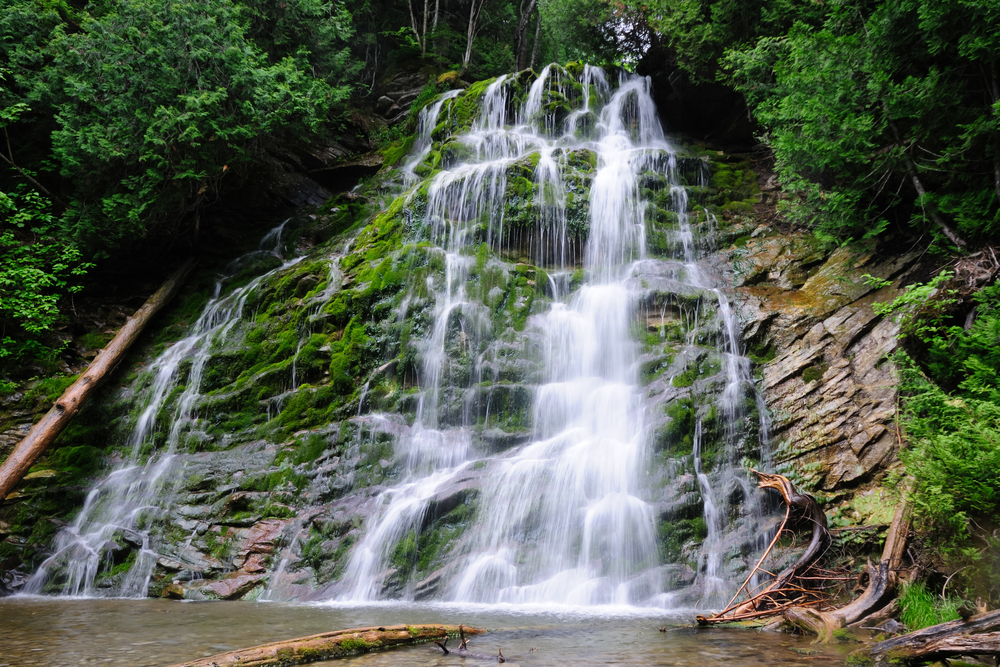
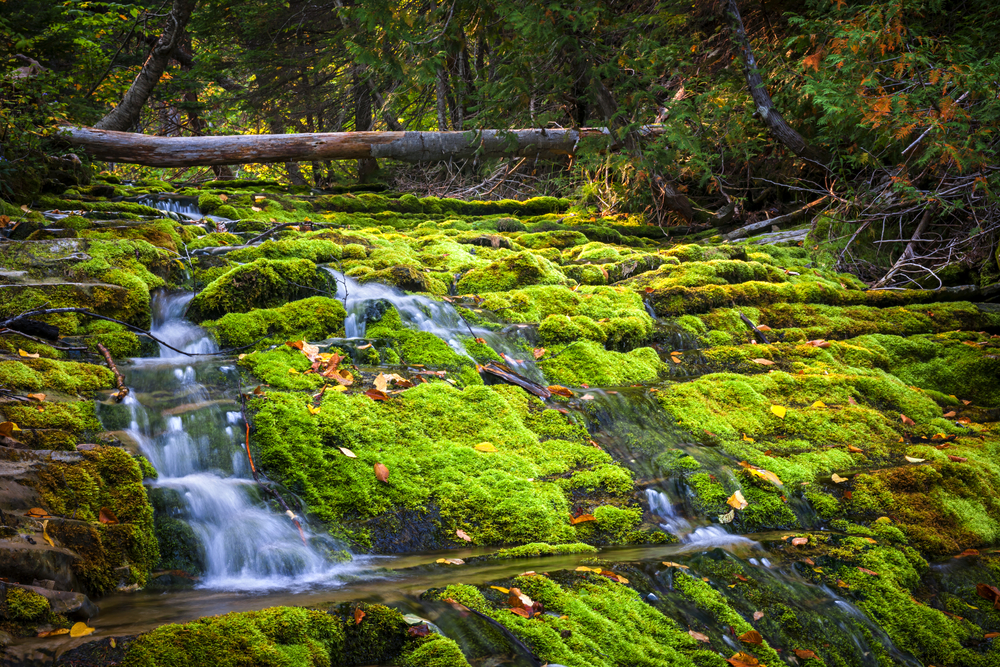
This is an easy and short loop trail of 0.8-miles (1.29 km) which is one of the most popular trails.  It provides views of a number of different waterfalls while meandering through the forest and along the creek. This trail is quite tranquil and serene.

placeholder

Les Parages Trail

This is another easy short loop trail covering a distance of 2-miles (3.22 km) while having an elevation gain of 406 feet (123.7 m).  The trail provides excellent views of the coastline while escaping along the forested trail.

placeholder

Cap Gaspe Trail

This is a moderate rated trail that ascends 1,243 feet (378.86 m) while traveling 5 miles (8.05 km) out to Cap Gaspe point.  The trail provides impressive views of the coastline and of Cap Bon-Ami across the way. This is one of the most popular trails.

placeholder

Cap Bon-Ami Trail

A second moderate rated trail out to Cap Bon Ami point.  The elevation gain is 928 feet (282.8 m) over a distance of 2.8 miles (4.51 km). This hike offers views of the coastline, the forests, and views of Cap Gaspe.  This is also one of the more popular trails.

placeholder

Summit Mount Alban Trail

This is a moderate rated ascent of 1,492 feet (454.76 m) to the summit of Mount Alban.  The loop trail circles around the summit covering 5.1 miles (8.21 km).  It is a challenging trek with astounding views of the remarkable coastline that features Cap Gaspe and Cap Bon-Ami.

placeholder

Les Graves Trail

Rating: Moderate

Distance and Elevation Gain: 5 miles (8 km) one way with minimal elevation gain

Description: Leading hikers to the dramatic Land’s End, this trail offers spectacular views of the Gulf of St. Lawrence, cliffs, and the chance to see whales from the coastline.

The path winds through forests and meadows, ending at Cap-Gaspé lighthouse. It’s a journey through diverse ecosystems with stunning ocean vistas and opportunities for bird watching.

placeholder

Mont Saint-Alban Tower Trail

Rating: Moderate

Distance and Elevation Gain: 4.3 miles (7 km) loop with about 885 feet (270 meters) elevation gain

Description: This trail offers one of the best panoramic views in Forillon National Park. Climbing to the Mont Saint-Alban observation tower, hikers are rewarded with 360-degree views of the park, the sea, and the surrounding cliffs. The trail is a mix of forested paths and wooden staircases, culminating in breathtaking vistas from the tower.

placeholder

Le Portage Trail

Rating: Easy to Moderate

Distance and Elevation Gain: 5 miles (8 km) one way with minimal elevation gain

Description: Connecting the South Area to the North Area of the park, Le Portage Trail meanders through a variety of landscapes including forests, wetlands, and meadows. It’s a great trail for spotting wildlife, particularly moose and deer, and offers a peaceful hiking experience away from the park’s more trafficked areas.

placeholder

Cap-Bon-Ami to Cap-Gaspé

Rating: Difficult

Distance and Elevation Gain: 9.9 miles (16 km) one way with significant elevation changes

Description: This challenging hike connects two of the park’s most iconic capes, offering rugged coastal scenery, steep cliffs, and dense forests.

Hikers will experience the raw beauty of Forillon’s coastline, with opportunities to spot seals, seabirds, and even whales from high vantage points.

It’s a demanding route that rewards with some of the most spectacular views in the park.

Sources