

About
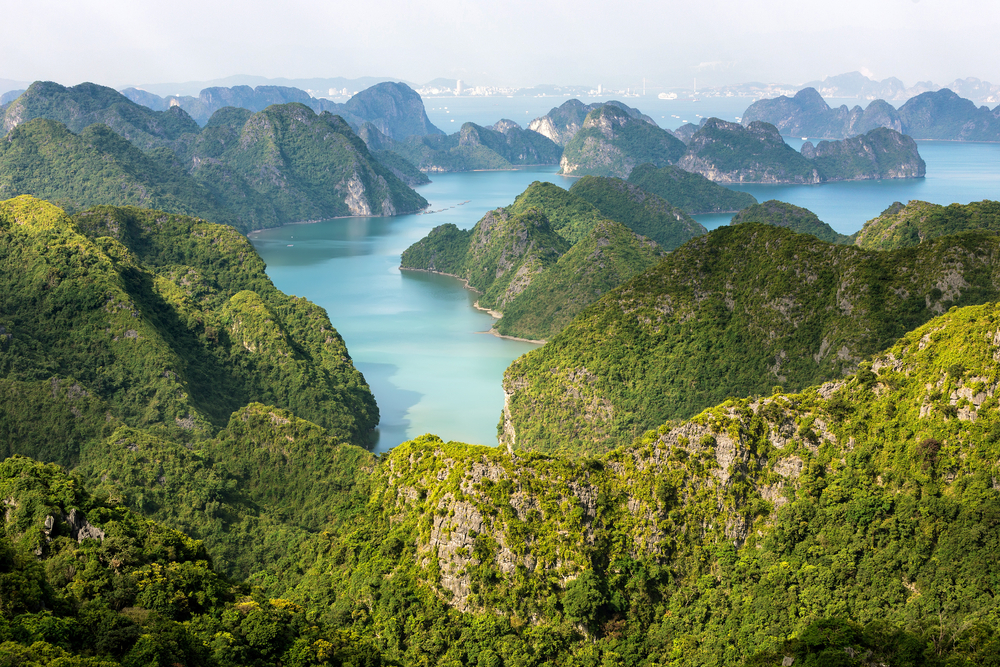
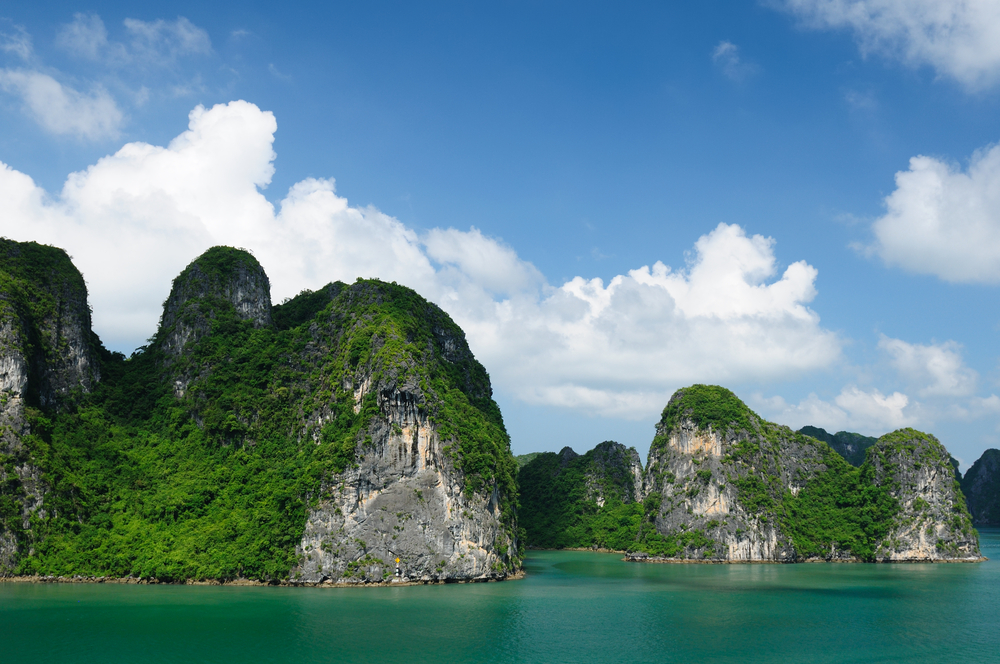
Cat Ba National Park is located near the northeastern shore of Vietnam on Cat Ba Island which is the largest of the 367 islands and they represent the Bat Ba Archipelago. The national park covers an area of 102 square miles (263 sq km), of which, 35 square miles (90 sq km) of that is inshore water.
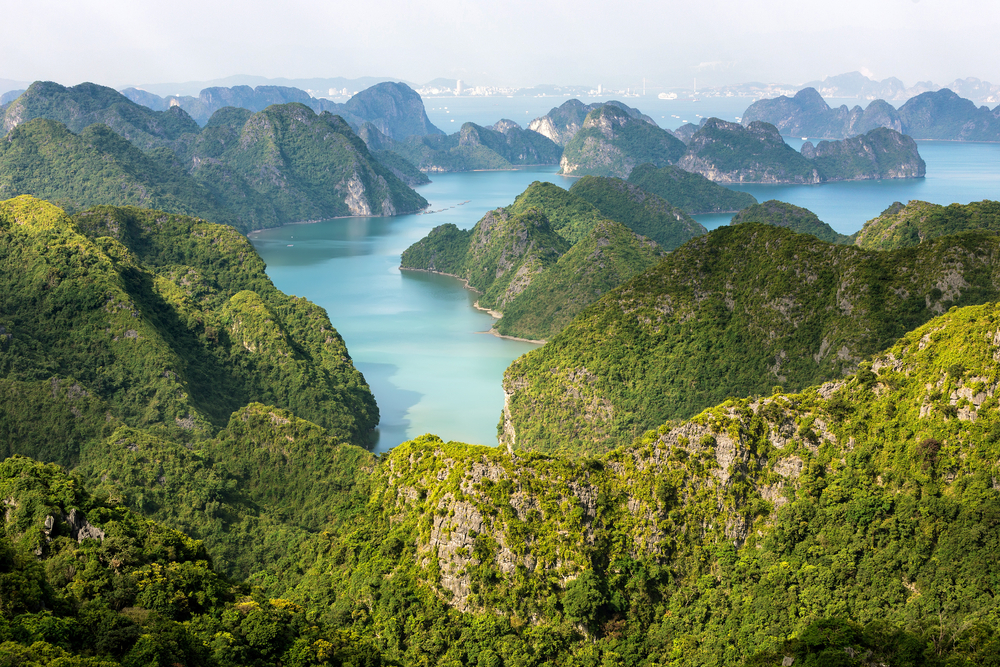
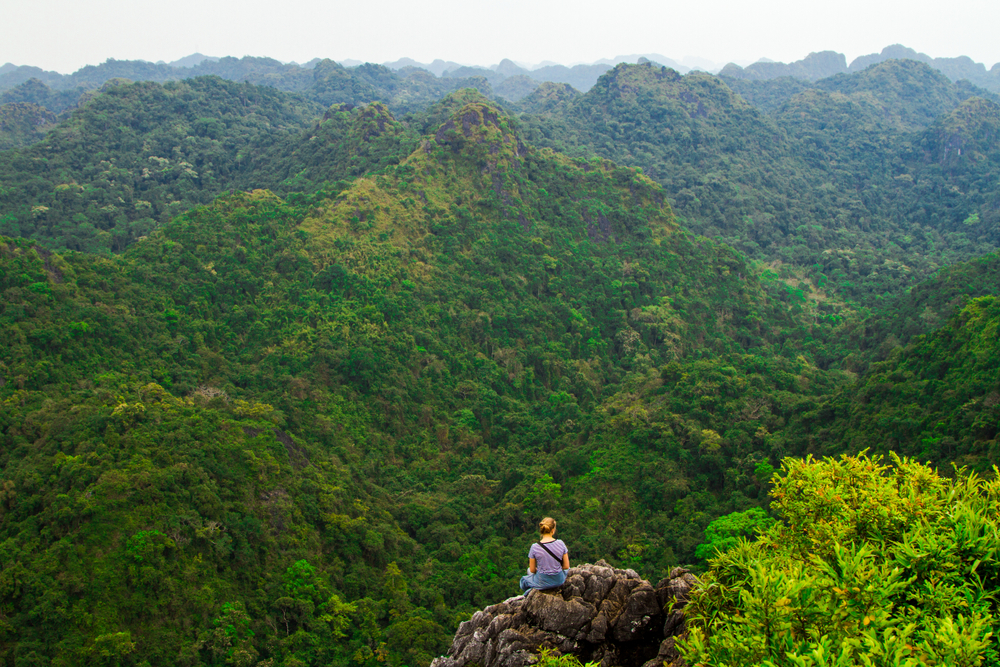
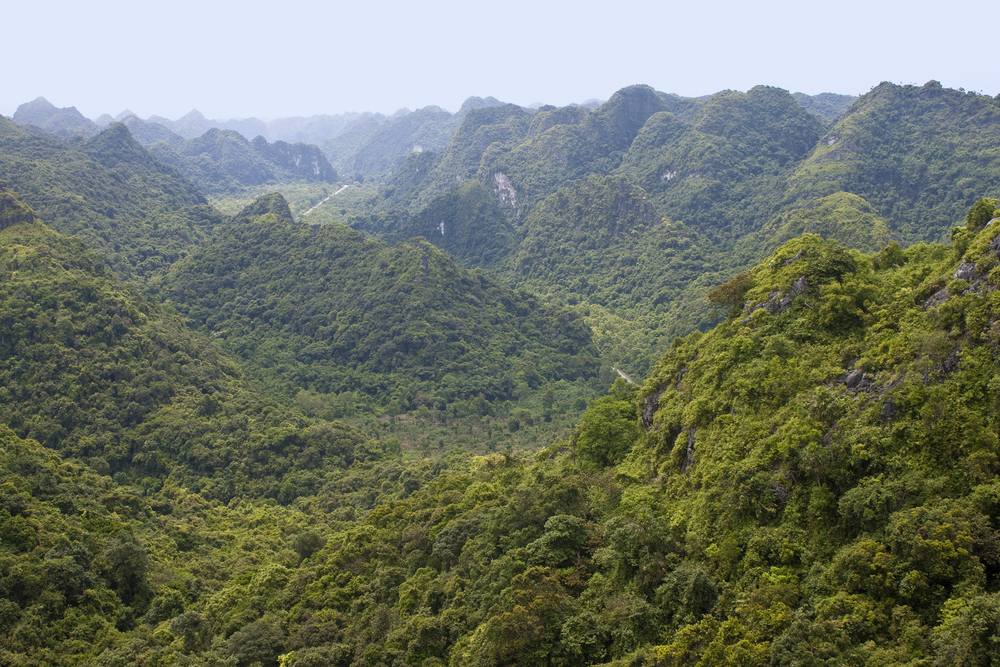
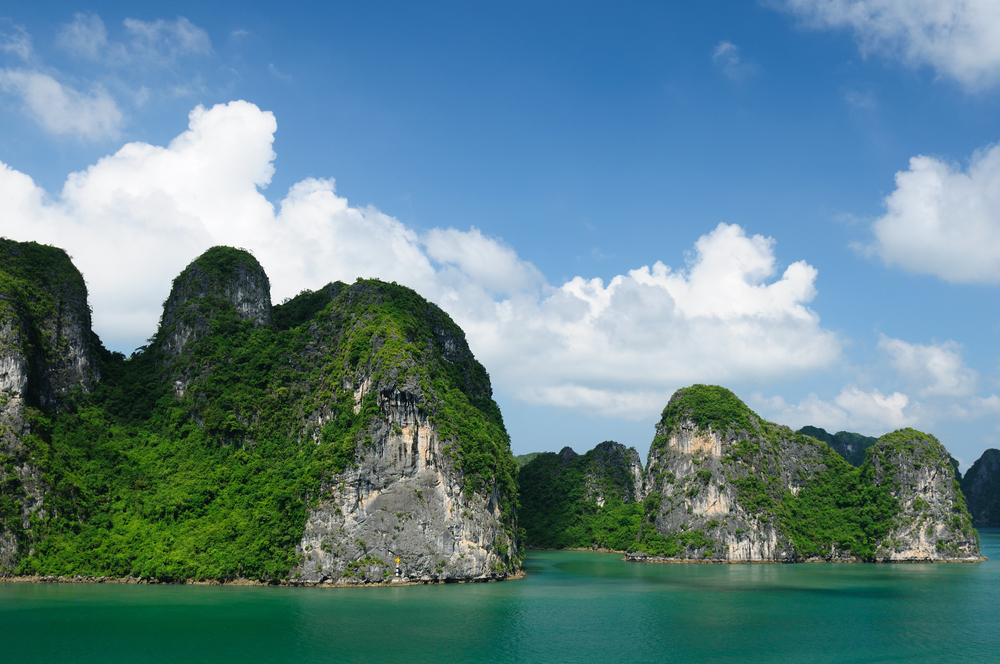
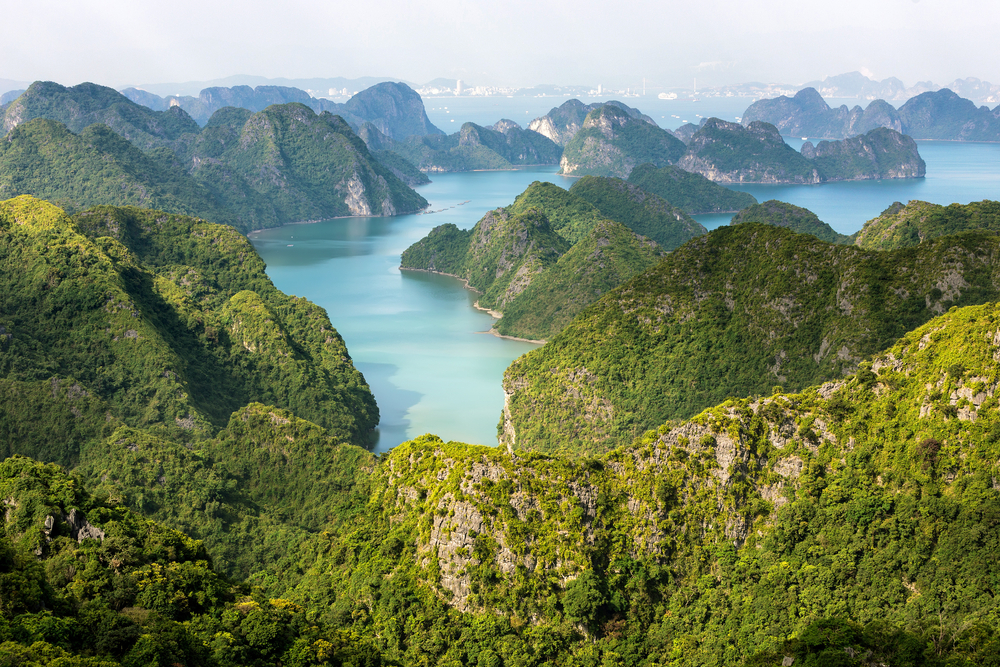
The majority of the island is accounted for by the national park. Cat Ba features limestone-based rugged hills with peaks reaching heights around 1,600 feet (600 m) with both the valleys and hills covered in forests. The forest is comprised of primary, secondary, and mangrove.
The narrow valleys are surrounded by jagged hills that are blanketed with vegetation. The hills neighboring the narrow valleys reach heights of 1,600 feet (500 m) although most are shorter reaching heights around 660 feet (200 m).
The biological diversity of the national park features 1,500 species of plants with 118 of those accounted for by species of trees. A unique feature of Cat Ba is the 160 species of plants that contain medicinal characteristics.
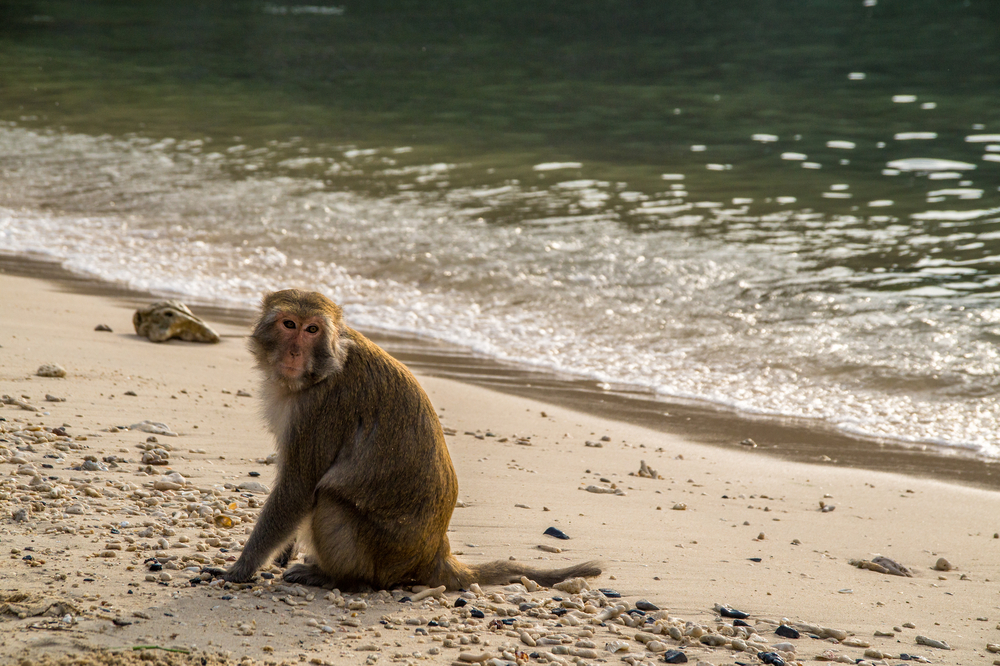
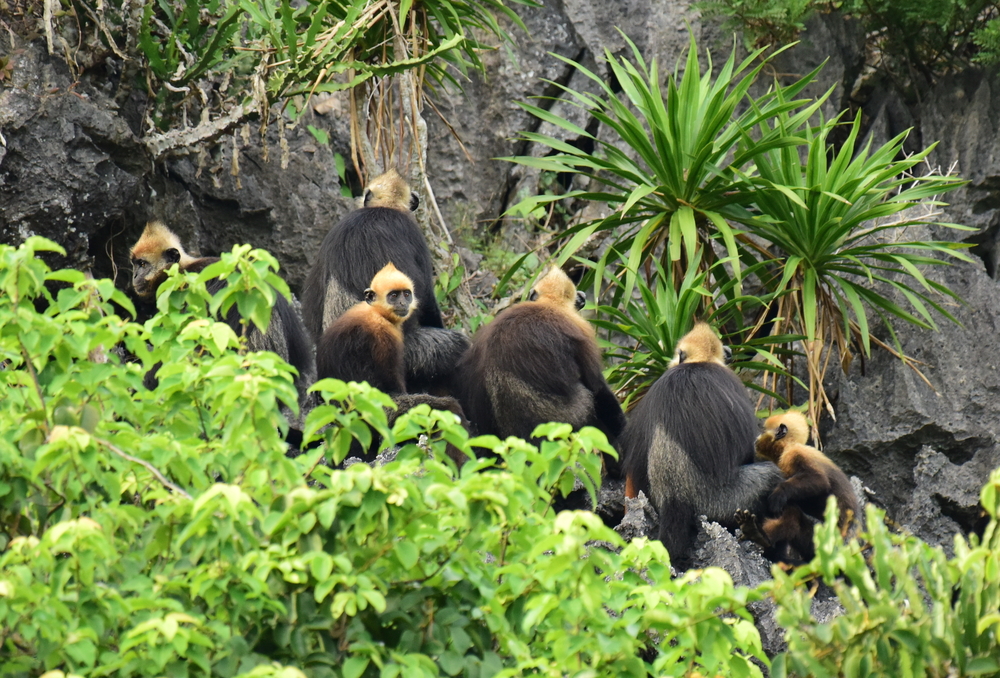
Wildlife consists of 32 species of mammals, 20 species of reptiles and amphibians, and 78 species of birds. Deer, squirrel, macaque monkeys, and civit are the most probable wildlife sightings.
Photos

Things to See
 Ha Long Bay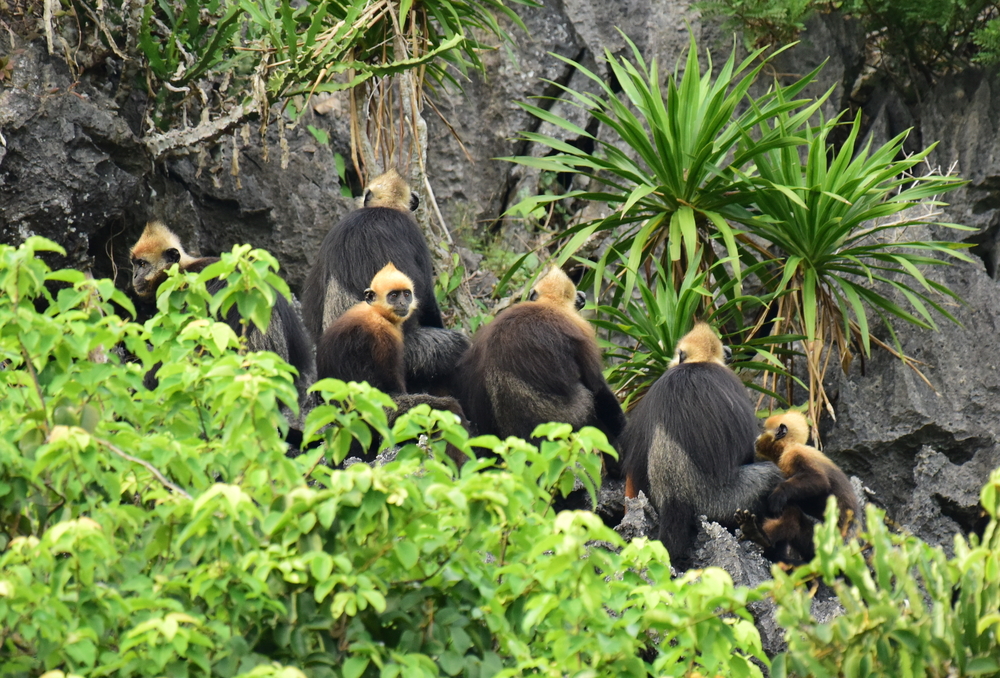
Things To Do
Engaging Cat Ba National Park

Cat Ba National Park Trails
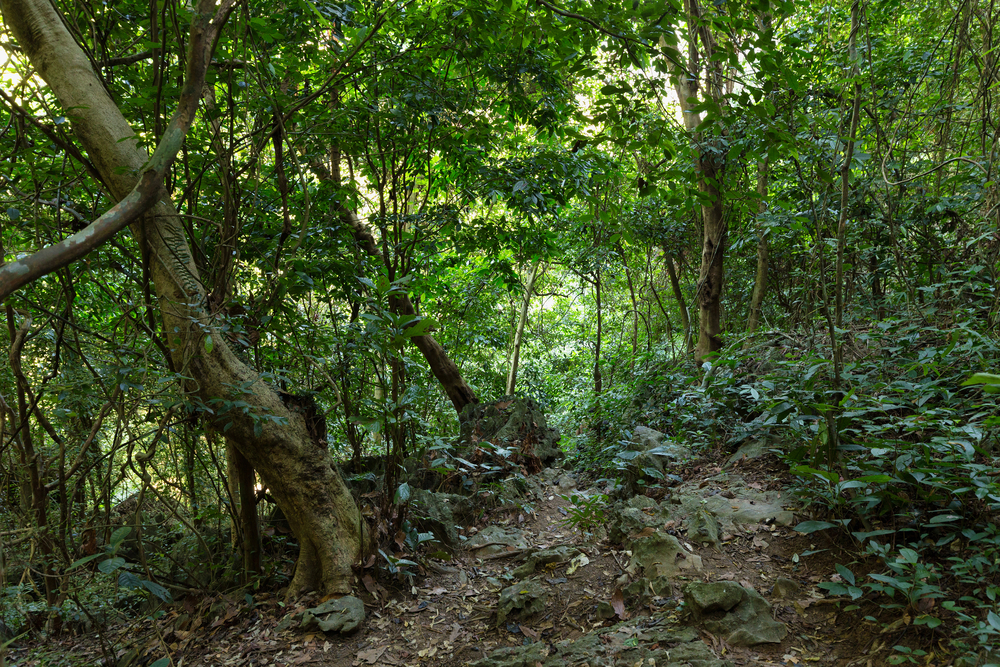
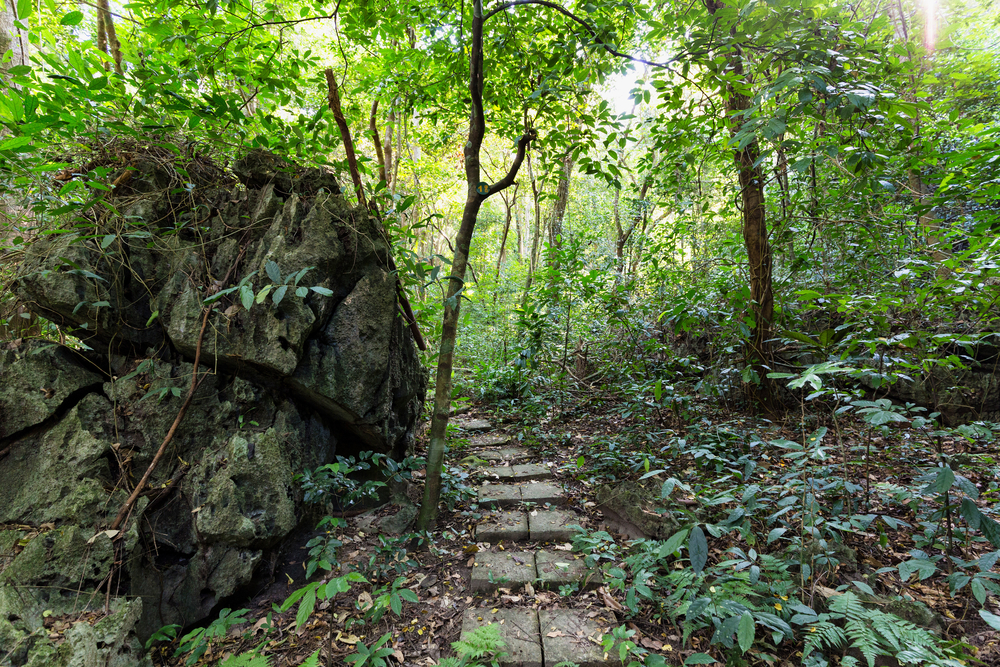
Boat tours throughout the Cat Ba area are one of the most popular ways to experience the national park. However, there are trails available for trekking in the area.

Park Protection
Cat Ba National Park was established on Cat Ba Island as a reflection of the 367 islands in the archipelago. The park was created to protect the striking landscapes that have been inspirations for movies, books, poems, and other artworks. The park also protects rich biodiversity from both the worlds of flora and fauna.
FAQ’s
What is Cat Ba National Park known for?
Cat Ba National Park, located on Cat Ba Island in northern Vietnam, is known for its stunning limestone karsts, lush forests, and rich biodiversity.
The park encompasses a diverse range of habitats, including tropical rainforests, mangrove swamps, and coastal ecosystems, providing a haven for a variety of plant and animal species.
Cat Ba National Park is particularly renowned for its population of endangered golden-headed langurs, one of the rarest primate species in the world.
Visitors to the park can explore its scenic landscapes, hike through pristine forests, and encounter unique wildlife while enjoying breathtaking views of Ha Long Bay and the surrounding islands.
Sources
- All Trails, Best Trails in Cat Ba National Park, https://www.alltrails.com/parks/vietnam/haiphong/cat-ba-national-park, retrieved July 2020.
- Britannica, Ha Long Bay, https://www.britannica.com/place/Ha-Long, retrieved July 2020.
- Cat Ba National Park, http://catbanationalpark.vn/, retrieved August 2019.
- Cat Ba National Park, Trails and Activities in the Park, http://catbanationalpark.vn/cat-ba-national-park-6, retrieved July 2020.
- Lonely Plante, Cat Ba National Park,https://www.lonelyplanet.com/vietnam/attractions/cat-ba-national-park/a/poi-sig/455349/357846, retrieved August 2019.
- Monkey Island Resort, Cat Ba National Park, http://www.monkeyislandresort.com/surrounding/cat-ba-national-park.html, retrieved July 2020.
- UNESCO, Cat Ba, http://www.unesco.org/new/en/natural-sciences/environment/ecological-sciences/biosphere-reserves/asia-and-the-pacific/vietnam/cat-ba, retrieved July 2020.
- Vietnam Discovery, Cat Ba National Park, https://vietnamdiscovery.com/hai-phong/activities/cat-ba-national-park/, retrieved July 2020.
- Visit Ha Long Bay, Cat Ba National Park, https://www.visithalongbay.com/travel-tips/12-best-things-do-cat-ba-island-vietnam.html, retrieved July 2020.