

About
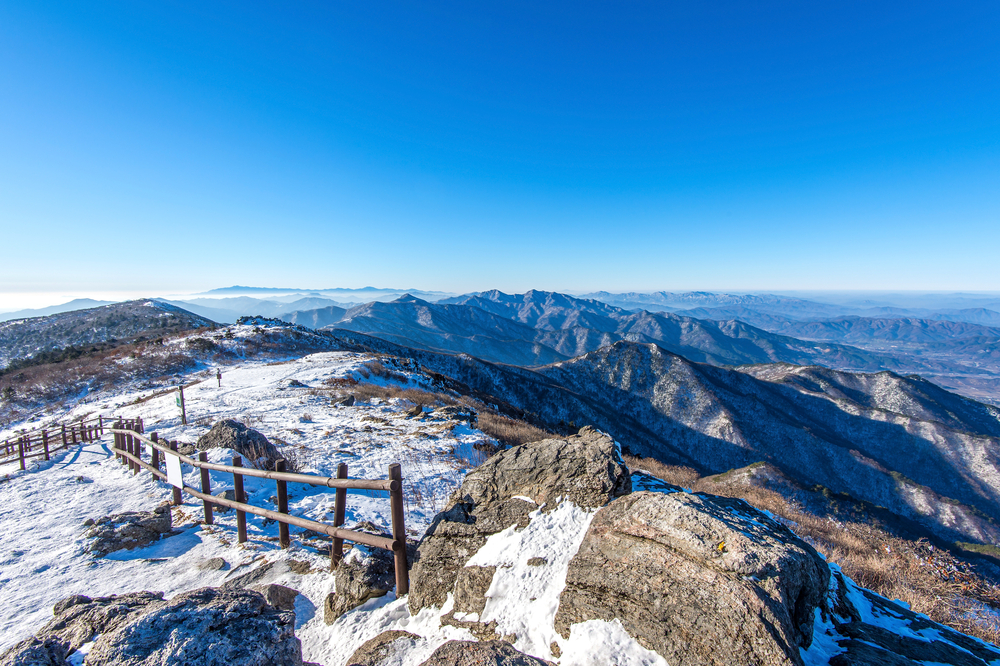
Jirisan National Park is located in the southern part of South Korea just inland of the central part of the southern coastline. The national park encompasses an area of 182.14 square miles (471.75 sq km) creating the largest terrestrial national park and the third-largest national park in South Korea.
It has the distinction of serving as the country’s first national park established in 1967 while featuring the mainland’s tallest mountain. The park encompasses an area stretching across four counties. It is also the countries largest mountainous national park but gives way to Hallasan National Park on Jeju island which gets more attention.
Locally, the name Jirisan means, “the mountain of the odd and wise people.” The mountain and landscape around it serve as the focal point of the national park.
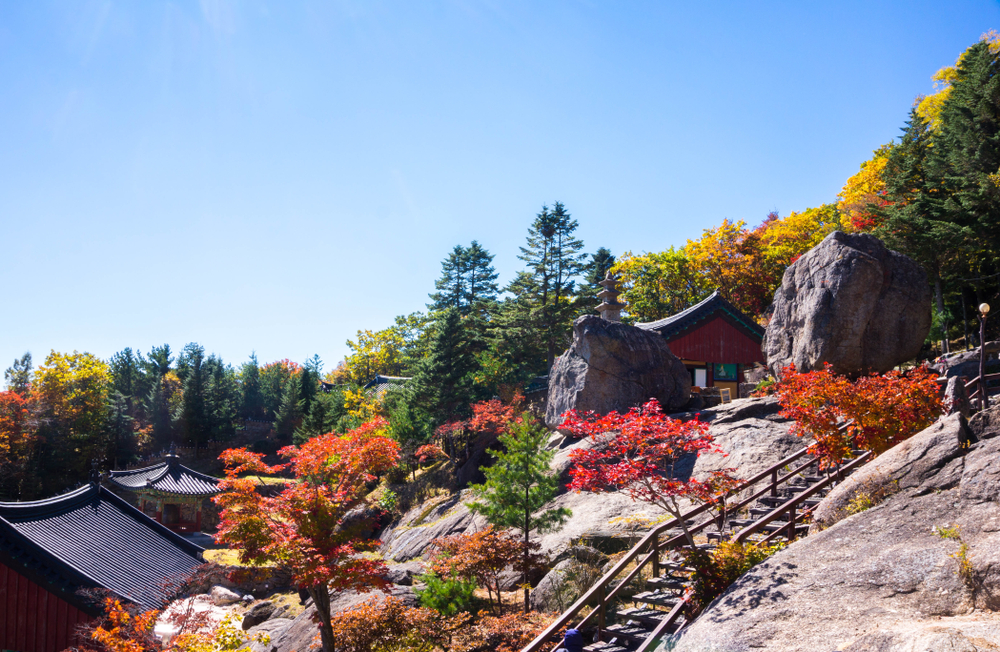
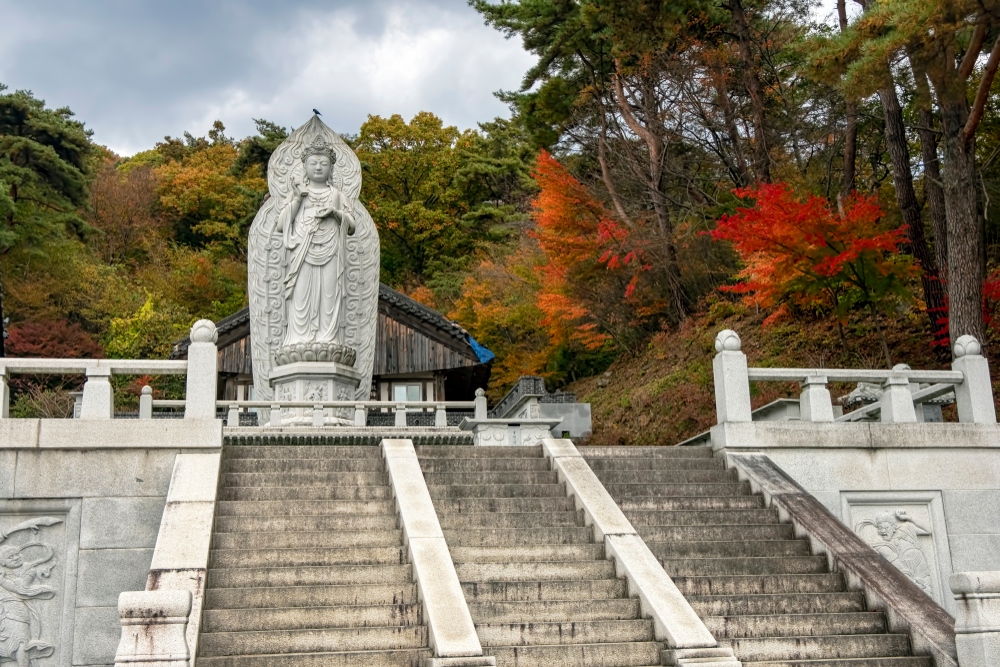
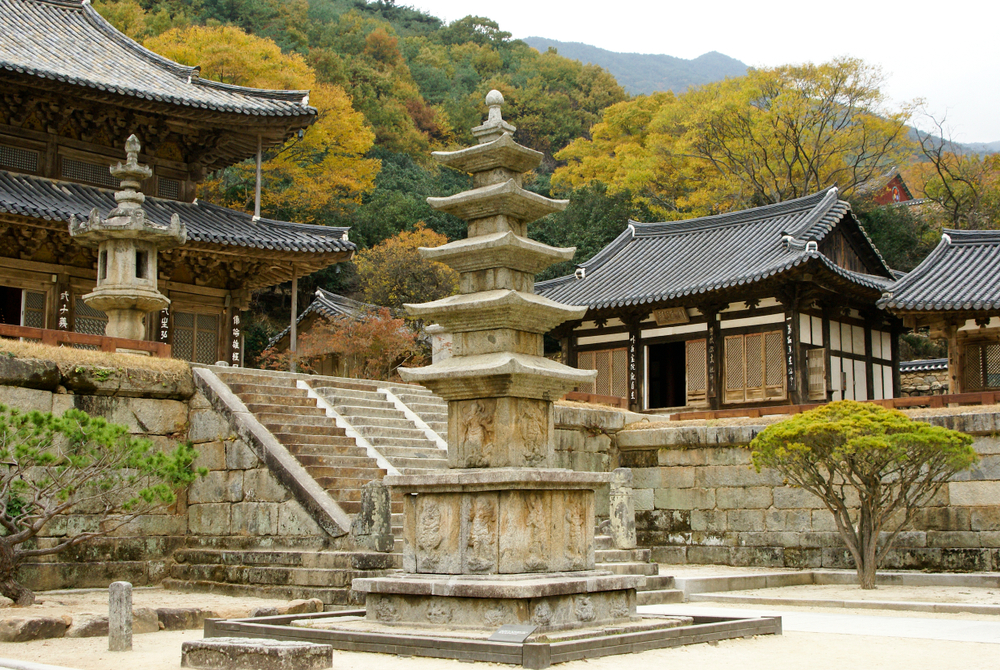
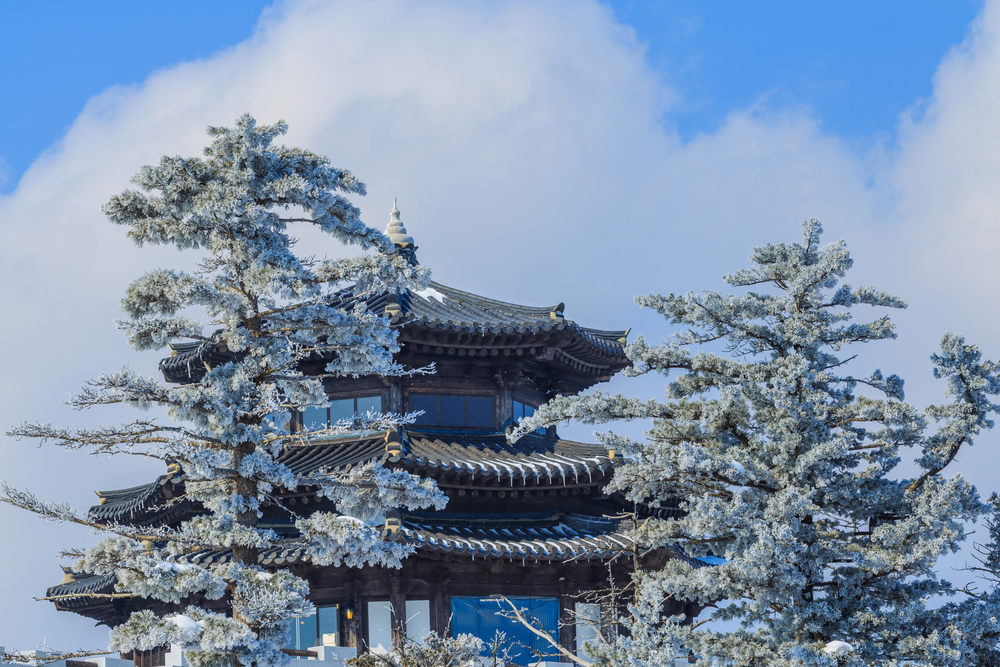
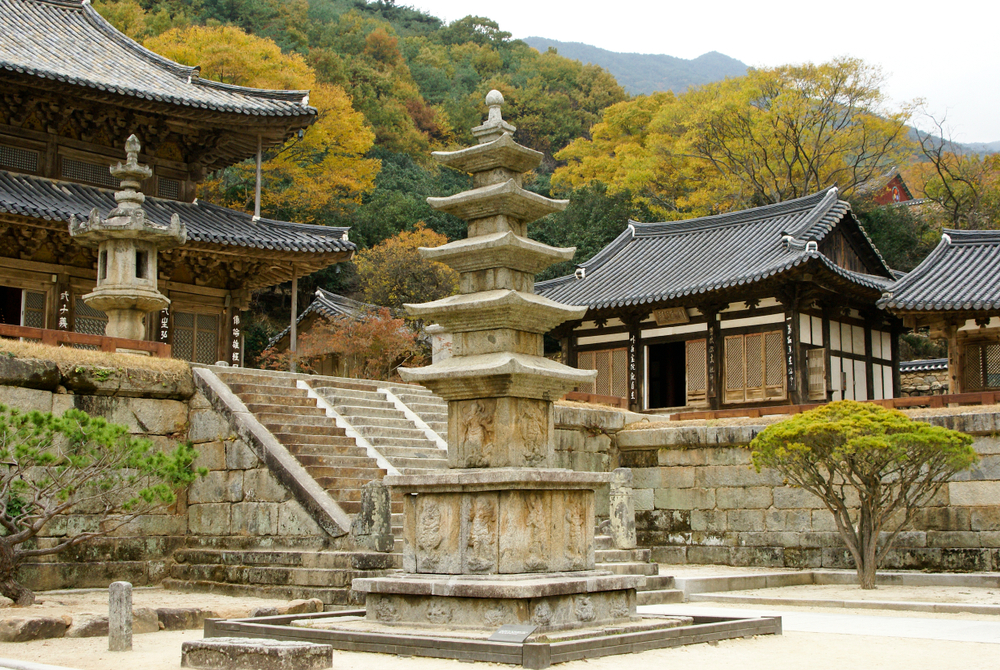
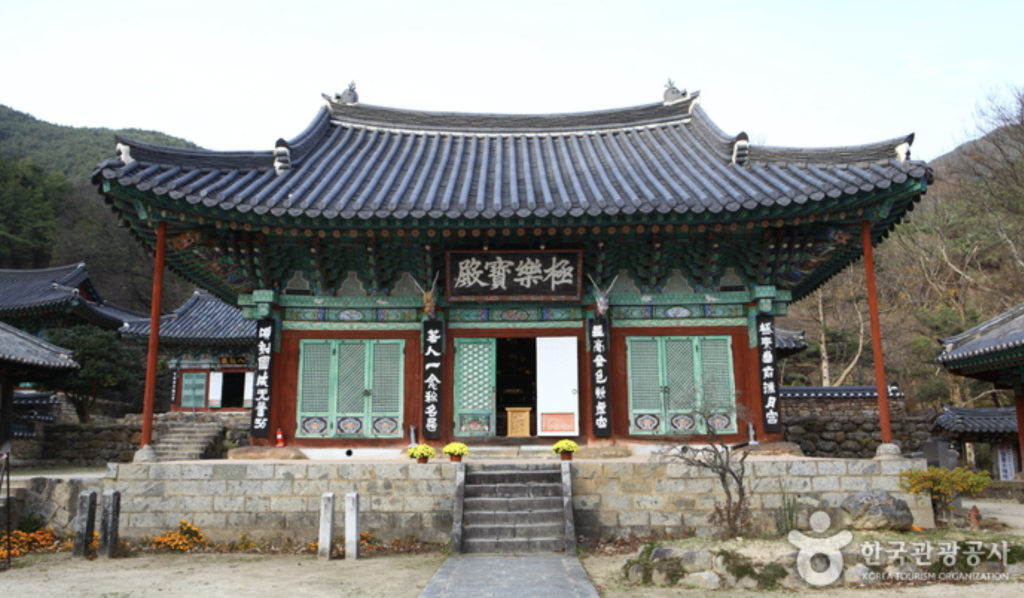
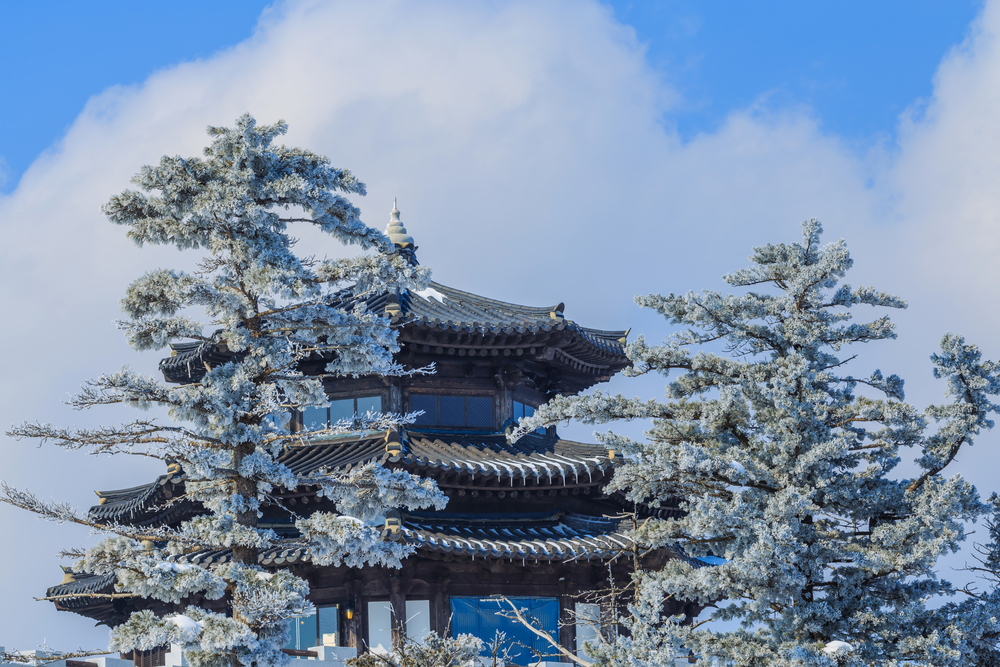
The national park also provides rich heritage and cultural significance featuring seven different Buddhist temples. One of the favorite times to visit occurs when the Higan cherry trees blossom at the renowned Hwaeomsa temple.
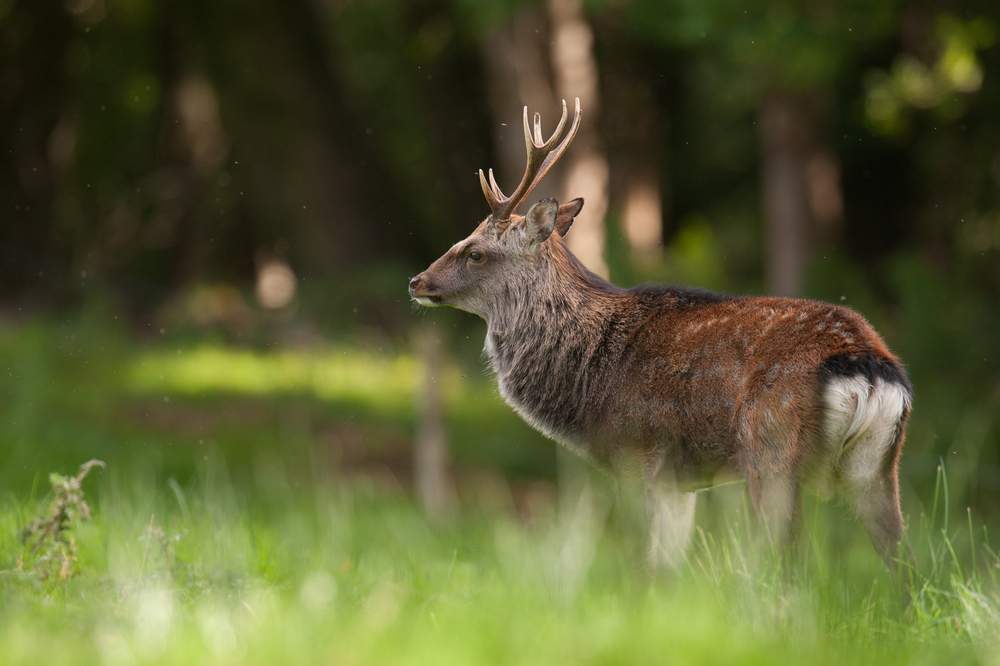
Biodiversity is at the heart of Jirisan with approximately 5,000 different species of vegetation and wildlife. Many of the species are endemic to the region. Elk, roe, wildcat, and the Asiatic black bear are some of the favored wildlife species that visitors hope to see.
Photos

Things to See
Things To Do
Engaging Jirisan
Jirisan National Park Trails
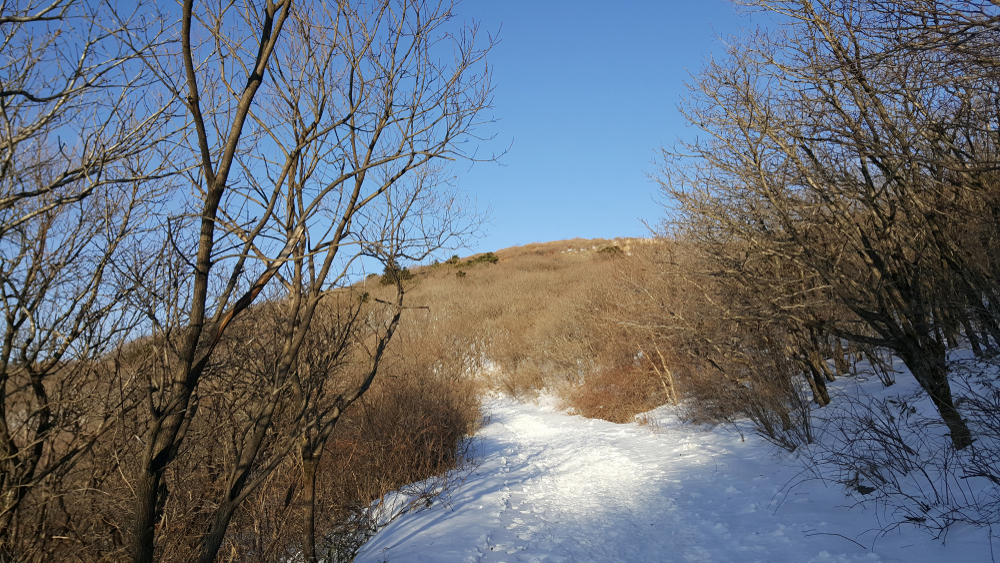
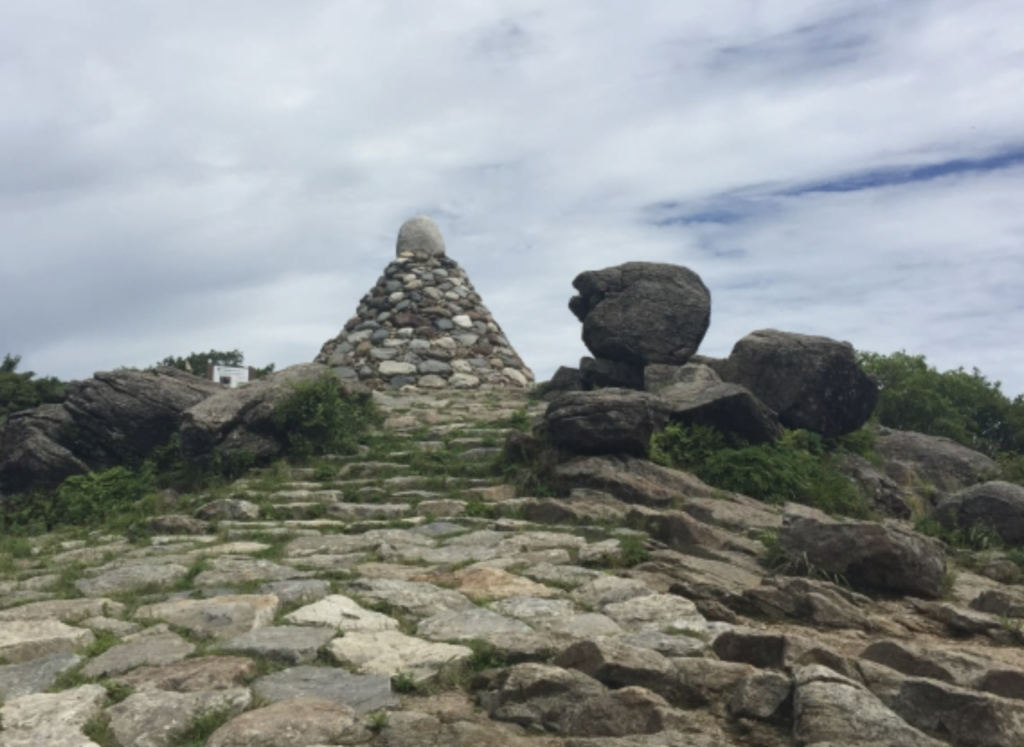
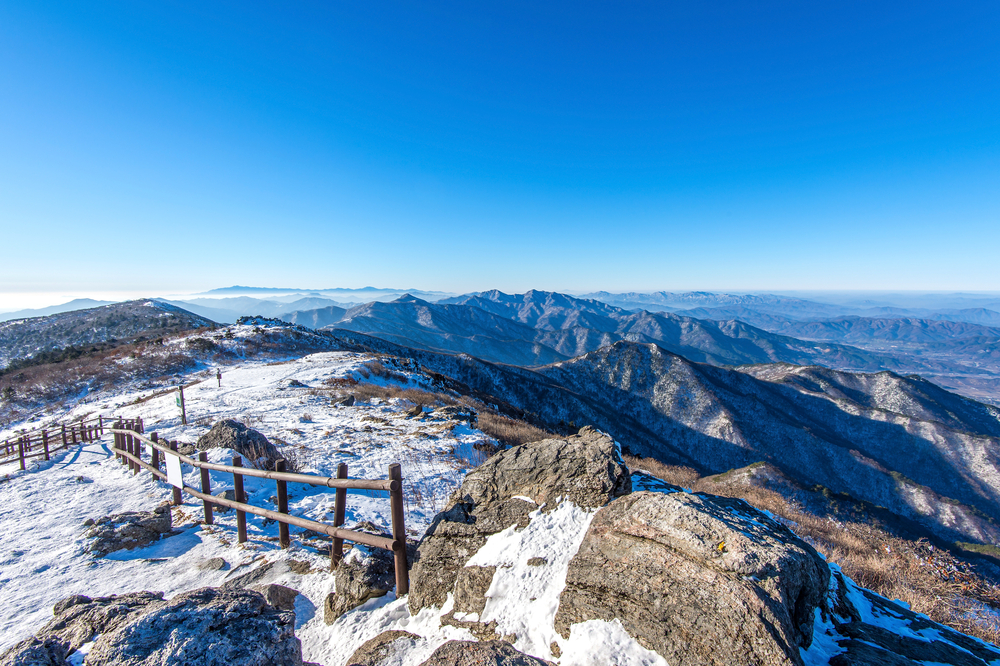
There are several trails around the Bhuddist temples and up to the various peaks of the mountains. Exploring the mountain on foot is one of the most frequently engaged activities. There are 12 different peaks on the mountain that reach peaks over 3,280.8 feet (1,000 m) and covering a distance of 24.85 miles (40 km) creating plenty of challenging treks.

Park Protection
With a strong commitment to conservation, Jirisan National Park was created as the first national park. The park protects the rich biodiversity of the terrain. One of the leading protective programs of the park revolves around the Asiatic black bear.
The national park also protects the Korean heritage found in the seven different Bhuddist temples located on the mountain. The temples reflect the cultural and religious value the locals attribute to the mountain.
Sources
- All Trails, Best Trails in Jirisan National Park, https://www.alltrails.com/parks/south-korea/jeollabuk-do/jirisan-national-park, retrieved July 2021.
- Korea National Park Service, Jirisan – National Park, https://english.knps.or.kr/Knp/Jirisan/Intro/Introduction.aspx?MenuNum=1&Submenu=Npp, retrieved July 2021.
- Korean Temple Guide, Hwaeomsa Temple, https://koreantempleguide.com/hwaeomsa-temple-%ED%99%94%EC%97%84%EC%82%AC-gurye-jeollanam-do/, retrieved July 2021.
- Lonely Planet, Welcome to Jirisan National Park, https://www.lonelyplanet.com/south-korea/jirisan-national-park, retrieved July 2021.
- Summit Post, Jirisan National Park, https://www.summitpost.org/jirisan-national-park/1049856, retrieved July 2021.
- Wikipedia, Jirisan, https://en.wikipedia.org/wiki/Jirisan, retrieved July 2021.