About

Komodo National Park is located along the border between East Nusa Tenggara and West Nusa Tenggara provinces. Indonesia is comprised of more than 17,000 islands and Komodo National Park is found within the Lesser Sunda Islands.

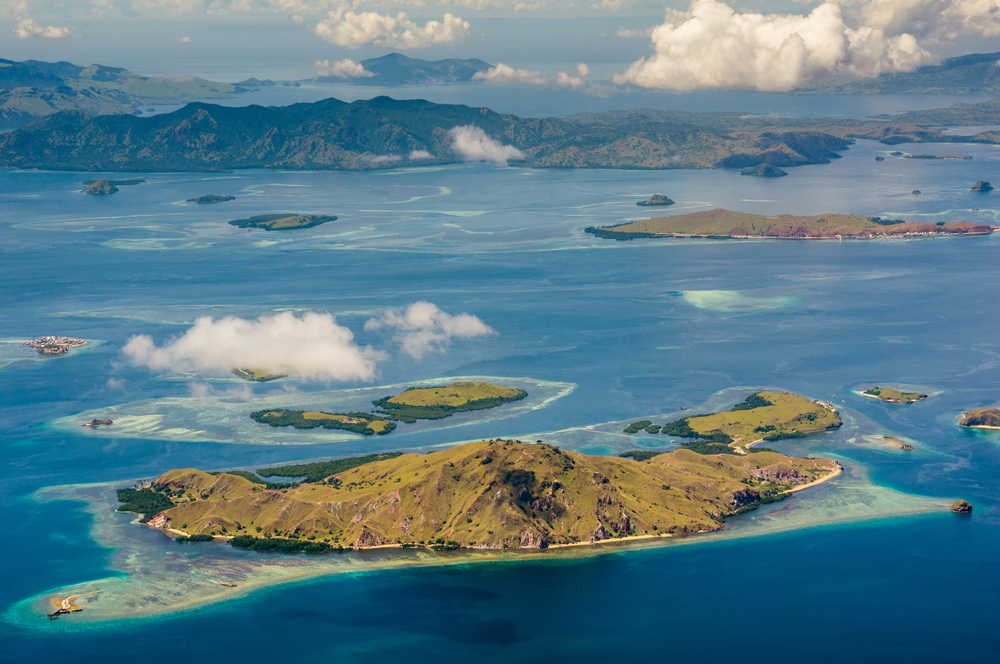
The park is comprised of 29 different islands with Komodo, Padar, and Rinca being the largest three. The islands all developed from volcanic activity and display as rugged rounded hills reaching heights of 2,411 feet (735 m).

Savannah vegetation is the most commonly experienced flora in the island area. On islands that reach over 1,640 feet (500 m), there are cloud forests present. The mangrove forest is common in the coastal areas of the larger islands which offer protected bays.

The islands are also rich in the marine life of the waters surrounding them. Whale sharks, sunfish, rays, seahorses, and octopuses are some of the more popular. Wildlife is limited with deer, boar, and buffalo. However, the leading species is the Komodo dragon which is the world’s largest lizard.

Things to See

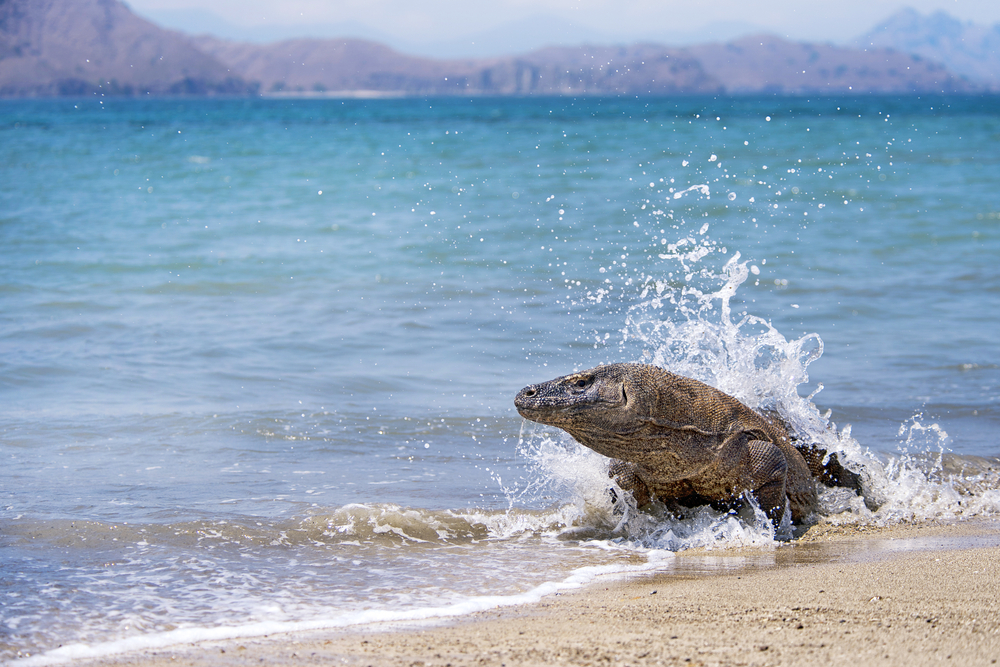
The majority of visitors to Komodo National Park are there to experience the world’s largest lizard, the Komodo dragon. The dragon populations are kept strictly to the islands of Komodo, Rinca, Gili Motang, Gili Dasami, and Flores.

The largest population of, approximately 2,000, Komodo dragons are found on the island of Flores. Komodo island is second with a population of 1,700 dragons. Watching a Komodo dragon hunt and kill its prey would highlight their power and significance.

Komodo Dragon

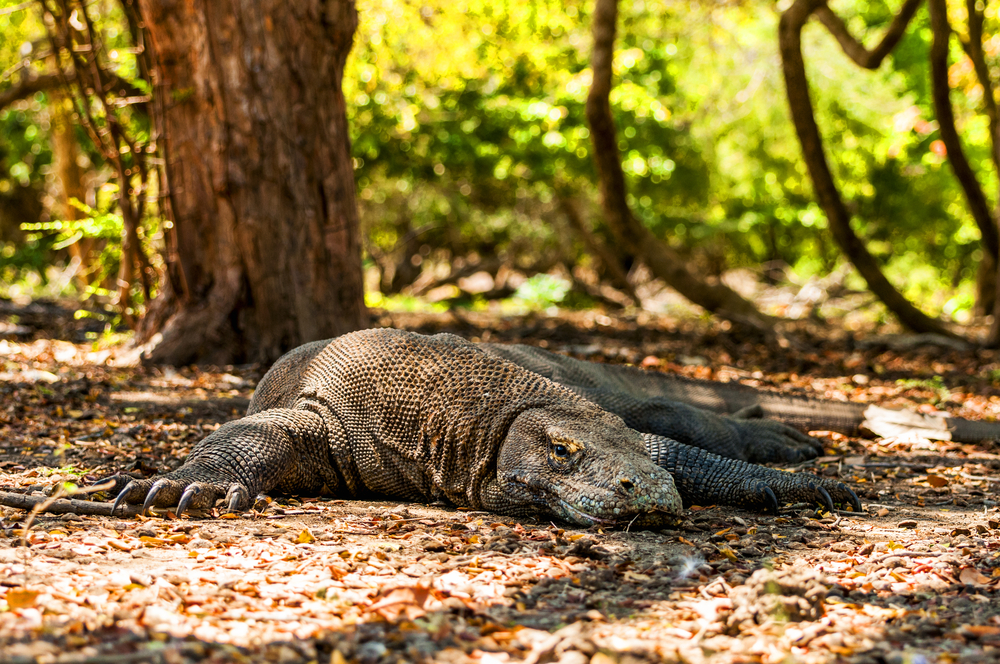
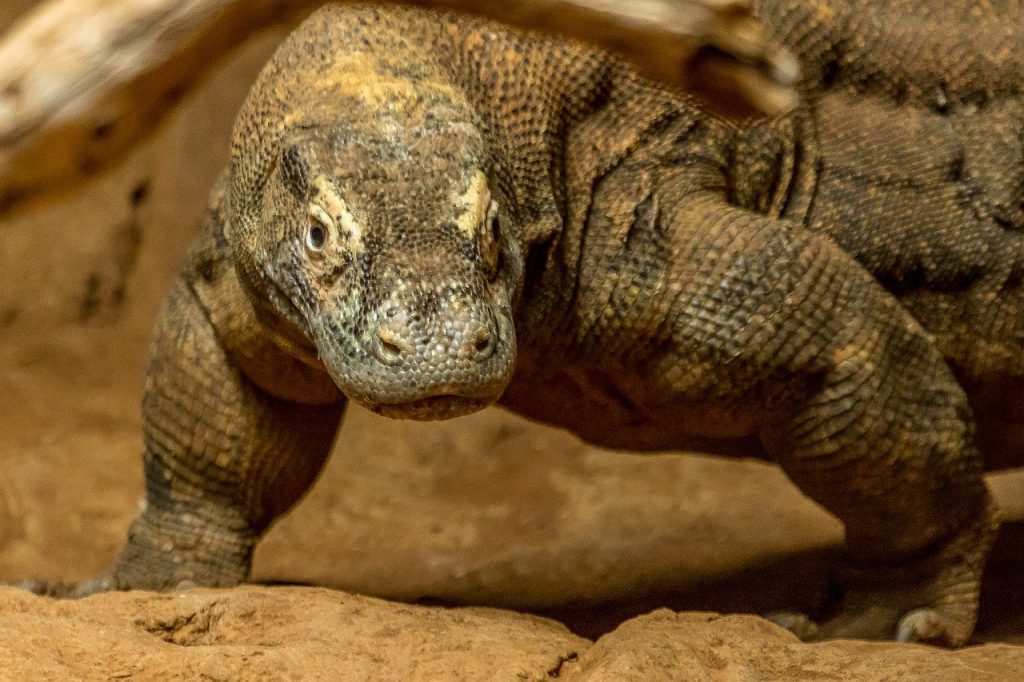
Komodo dragons have no predators; they sit atop the food chain. They can take down a full-grown buffalo or deer without complication. They are the king of the national park here in Indonesia. They will eat almost anything including smaller Komodo dragons.
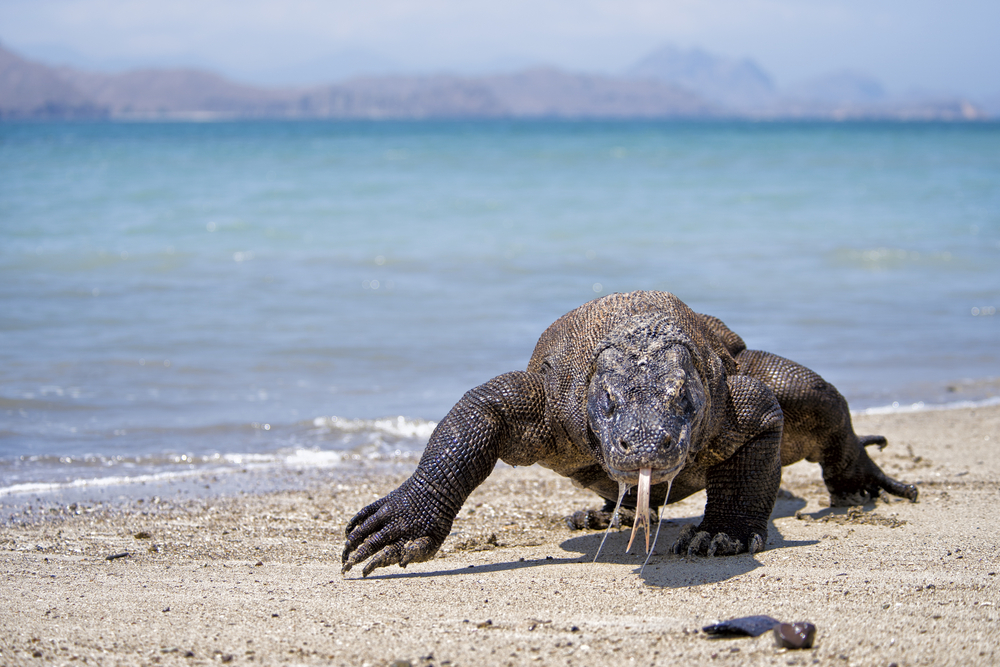
Komodo dragons can live up to 30 years while reaching lengths up to 10 feet ( m) and weighing up to 330 pounds ( kg).  This makes them the largest and heaviest lizard in the world.

These massive lizards feature venomous bites that transmit a poison that prevents the clotting of blood.  This is followed by bites that tear away flesh creating massive bleeding.  This sends the afflicted prey into shock and dismay.  The dragon tracks its sense until death occurs of the prey which may not take long. 

Komodo Dragons may eat as much as 80% of their body weight during each eating session. These dragon lizards have a reproductive challenge to their population because they almost always bear a son leaving breeding options quite limited.

Komodo Dragon

Komodo Dragon

The Komodo Dragon, the world’s largest lizard species, is a formidable apex predator found in Komodo National Park, Indonesia.

Adult dragons typically measure up to 10 feet (3 meters) in length and weigh around 150 pounds (70 kilograms). Renowned for their powerful jaws, sharp claws, and excellent sense of smell, they primarily hunt deer, pigs, and other large prey.

These ancient reptiles are the highlight of Komodo National Park, drawing visitors from around the globe to witness their unique behaviors and observe them in their natural habitat.

As top predators, they play a crucial role in maintaining the ecological balance of their island habitat, making them a symbol of conservation efforts in the region.

Popular Species

Popular Species

Komodo National Park, situated in Indonesia, boasts a diverse array of wildlife beyond its iconic Komodo Dragons. Here are ten other notable species found within the park:

Timor Deer: These agile herbivores are the primary prey of Komodo Dragons and are often seen grazing in grasslands and open areas.

Wild Boar: Commonly found throughout the park, wild boars play a crucial role as prey for predators like the Komodo Dragon and are known for their distinctive tusks.

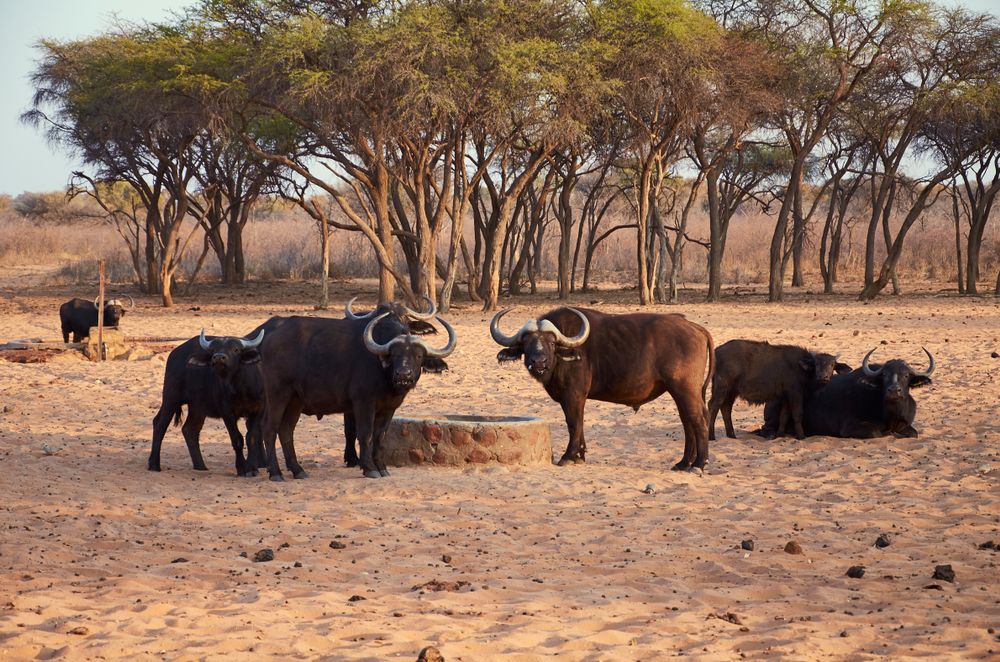
Water Buffalo: Often seen near water sources, water buffalo are an essential part of the park’s ecosystem and contribute to its biodiversity.

Rinca Rat: Endemic to Rinca Island, these small rodents are preyed upon by Komodo Dragons and play a role in the park’s food web.

Crab-Eating Macaque: These primates are skilled climbers and are frequently spotted in forested areas, where they forage for food and socialize in troops.

Saltwater Crocodile: Found in coastal areas and mangrove forests, saltwater crocodiles are formidable predators and play a crucial role in maintaining aquatic ecosystems.

Green Sea Turtle: Nesting on the park’s beaches, green sea turtles are a symbol of conservation efforts and are protected within the park’s boundaries.

Hawksbill Turtle: Another species of sea turtle found in the park, hawksbill turtles are known for their distinctive beak-like mouth and are also protected.

Flying Fox: These large fruit bats roost in trees and play a vital role in seed dispersal, contributing to the park’s forest regeneration.

Coral Reefs: The park’s marine environment is home to a rich diversity of coral species, providing habitat for countless marine creatures, including colorful reef fish, rays, and sharks.

These species, along with the iconic Komodo Dragons, contribute to the rich biodiversity and ecological importance of Komodo National Park.

Favorite Flora

Favorite Flora

Komodo National Park, located in Indonesia, boasts an incredibly diverse array of vegetation, ranging from lush forests to savannas and mangroves. The park is renowned for its unique flora, including several prominent and popular species:

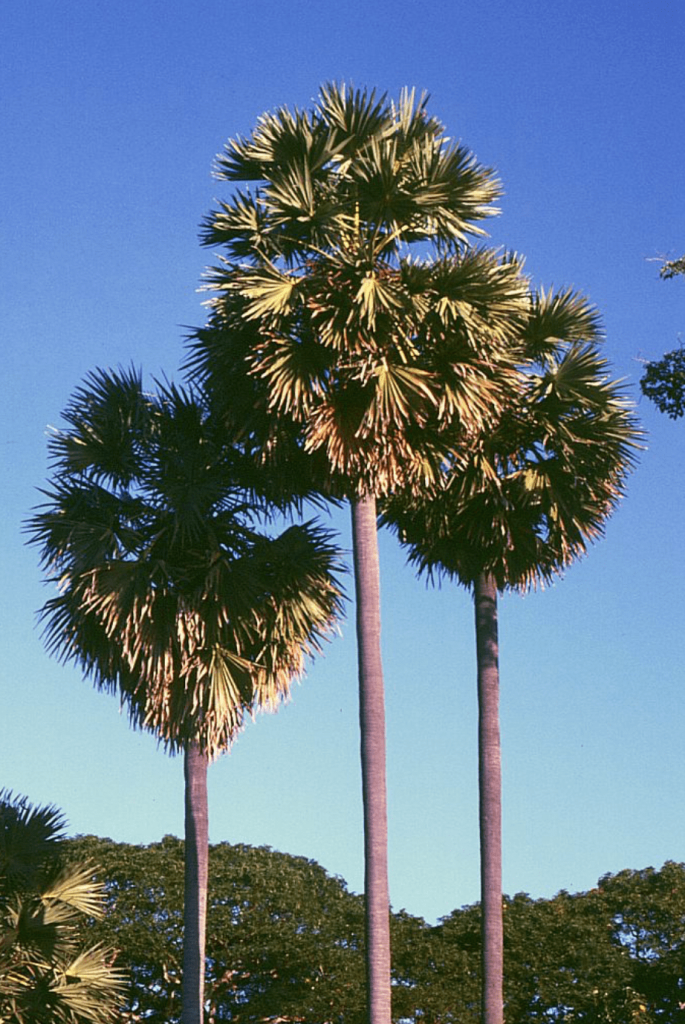
  1. Lontar Palm (Borassus flabellifer): This iconic palm tree is a common sight in the park, with its tall, slender trunk topped by a crown of large fan-shaped leaves. Locally known as “lontar,” these palms are culturally significant and provide various resources to local communities.
  2. Timor Fig (Ficus timorensis): Found throughout the park’s forests, the Timor fig is a keystone species that supports diverse wildlife by providing food and shelter. These fig trees often serve as focal points for ecological interactions, attracting a myriad of birds, insects, and mammals.
  3. Kanari Tree (Canarium indicum): The kanari tree is valued for its aromatic resin, which has been traditionally used for medicinal and ceremonial purposes. Its glossy foliage and abundant fruits make it a vital component of the park’s ecosystems, supporting a wide range of wildlife, including birds and primates.
  4. Wild Orchids: Komodo National Park is home to numerous species of wild orchids, adding splashes of vibrant color to the landscape. These delicate flowers thrive in diverse habitats, from dense forests to rocky cliffs, attracting pollinators and enchanting visitors with their beauty.
  5. Mangroves: Along the park’s coastlines, mangrove forests play a crucial role in coastal protection and provide essential habitats for diverse marine life. Species such as Rhizophora mucronata and Avicennia marina dominate these coastal ecosystems, adapting to the challenging conditions of tidal fluctuations and saline environments.

These are just a few examples of the remarkable vegetation found in Komodo National Park. The park’s rich botanical diversity supports a complex web of life, contributing to its status as a UNESCO World Heritage Site and attracting visitors from around the globe eager to explore its natural wonders

Things To Do

Engaging Komodo

Komodo Trekking

Embark on an unforgettable adventure to encounter the world’s largest lizard species in its natural habitat. Guided treks through Komodo National Park offer thrilling opportunities to observe these prehistoric creatures up close, marveling at their impressive size and observing their fascinating behaviors in the wild.

Snorkeling & Diving

Dive into the crystal-clear waters surrounding Komodo’s pristine islands to discover vibrant coral reefs teeming with marine life. Snorkelers and divers can explore a kaleidoscope of colorful fish, graceful manta rays, and even the occasional majestic whale shark, immersing themselves in an underwater paradise of biodiversity and beauty.

Island Hopping

Hop aboard a boat and set sail to explore the enchanting islands scattered throughout Komodo National Park. From secluded beaches and rugged coastlines to hidden coves and volcanic landscapes, each island offers its own unique charm and opportunities for adventure, whether it’s trekking to panoramic viewpoints, relaxing on pristine shores, or discovering hidden caves.

placeholder

Sunset Cruise

Treat yourself to a mesmerizing sunset cruise around Komodo’s stunning archipelago, where the sky ignites in a kaleidoscope of colors as the sun dips below the horizon.

Relax on deck with a refreshing drink in hand, soaking in the tranquil beauty of the surroundings and capturing unforgettable moments against the backdrop of nature’s breathtaking spectacle.

Birdwatching

Explore Komodo’s diverse ecosystems on a bird-watching excursion, where avid birdwatchers can spot an impressive array of avian species amidst lush forests, coastal wetlands, and mangrove swamps.

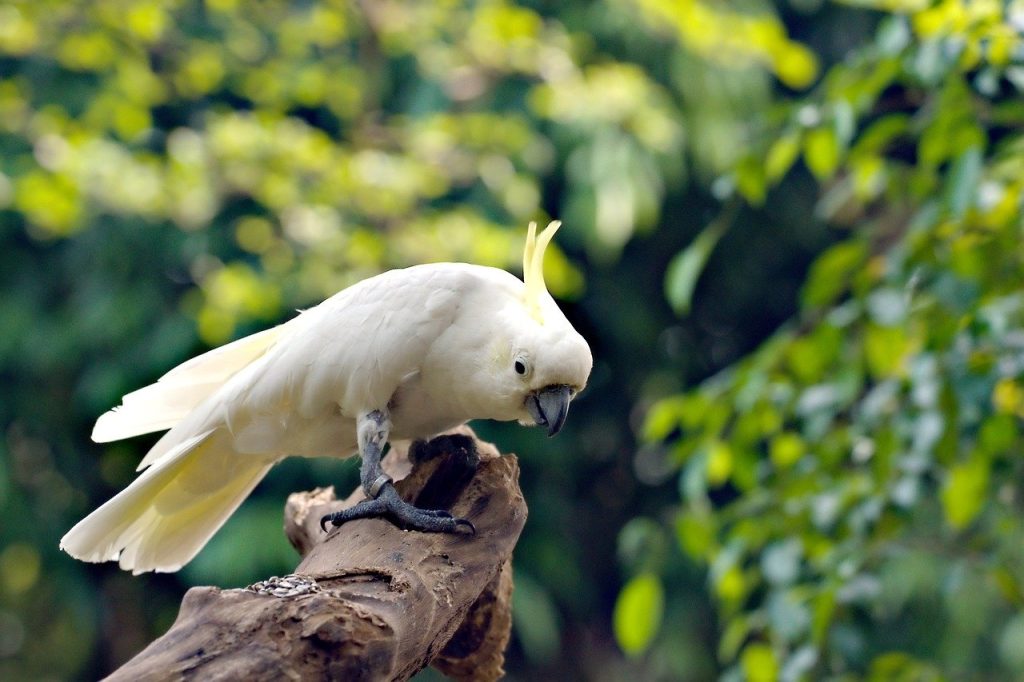
Keep an eye out for endemic species such as the yellow-crested cockatoo and the Flores green pigeon, as well as migratory birds that frequent the park’s shores throughout the year.

Komodo Trekking

Embark on an unforgettable adventure to encounter the world’s largest lizard species in its natural habitat. Guided treks through Komodo National Park offer thrilling opportunities to observe these prehistoric creatures up close, marveling at their impressive size and observing their fascinating behaviors in the wild.

Snorkeling & Diving

Dive into the crystal-clear waters surrounding Komodo’s pristine islands to discover vibrant coral reefs teeming with marine life. Snorkelers and divers can explore a kaleidoscope of colorful fish, graceful manta rays, and even the occasional majestic whale shark, immersing themselves in an underwater paradise of biodiversity and beauty.

Island Hopping

Hop aboard a boat and set sail to explore the enchanting islands scattered throughout Komodo National Park. From secluded beaches and rugged coastlines to hidden coves and volcanic landscapes, each island offers its own unique charm and opportunities for adventure, whether it’s trekking to panoramic viewpoints, relaxing on pristine shores, or discovering hidden caves.

placeholder

Sunset Cruise

Treat yourself to a mesmerizing sunset cruise around Komodo’s stunning archipelago, where the sky ignites in a kaleidoscope of colors as the sun dips below the horizon.

Relax on deck with a refreshing drink in hand, soaking in the tranquil beauty of the surroundings and capturing unforgettable moments against the backdrop of nature’s breathtaking spectacle.

Birdwatching

Explore Komodo’s diverse ecosystems on a bird-watching excursion, where avid birdwatchers can spot an impressive array of avian species amidst lush forests, coastal wetlands, and mangrove swamps.

Keep an eye out for endemic species such as the yellow-crested cockatoo and the Flores green pigeon, as well as migratory birds that frequent the park’s shores throughout the year.

Komodo National Park Trails

There are trails varying from short and easy to longer and more moderate rated based on abilities.  The majority of exploration of the park is done through the assistance of guided tours. There are lookout points and visitor centers that allow you to learn information as well as capture glimpses of the world’s largest lizard.
placeholder

Padar Island Trail

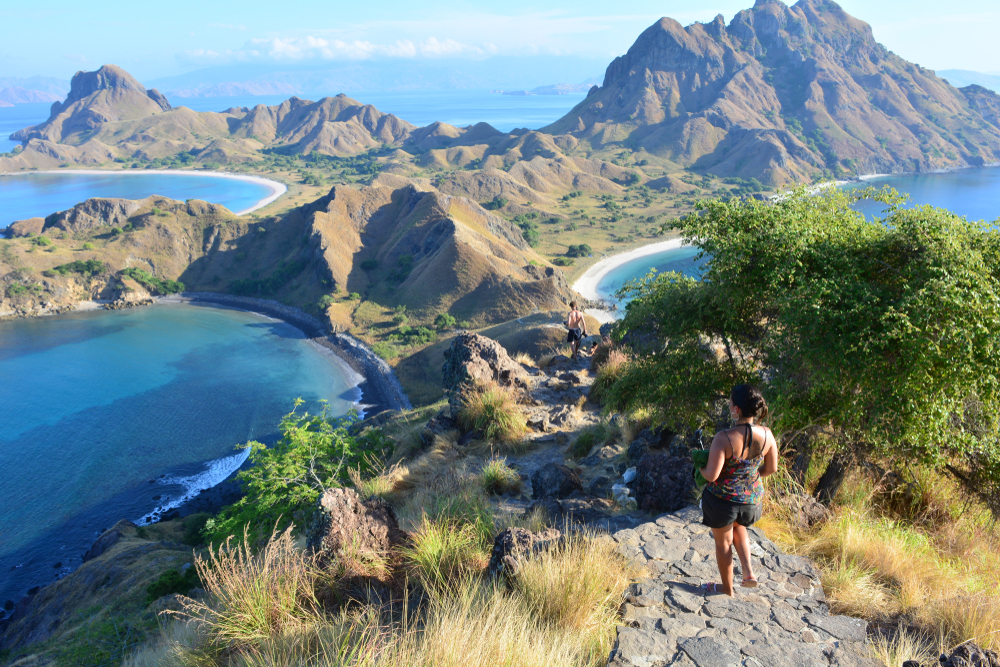
This is one of the easier hiking opportunities across the national park.  Although parts can be steep and require effort, there are steps in many cases to help make ascents to lookout points easier.

The trail even begins as a boardwalk.  This gives you a chance to get outdoors to see the picturesque scenery and offers vistas that provide views of some of the most iconic images of the Komodo Islands.

Komodo National Park

Rinca Island Komodo Dragon Trail

Rating: Easy to Moderate

Distance and Elevation Gain: 2 kilometers round trip, with minimal elevation gain.

Description: This trail on Rinca Island offers visitors the chance to see Komodo dragons in their natural habitat.

The walk is relatively easy, with guided tours ensuring safety. The terrain includes dry forests and savannahs, providing opportunities to spot other wildlife like buffaloes, monkeys, and birds. The experience of seeing these ancient creatures up close is both thrilling and unforgettable.

Komodo National Park

Padar Island Viewpoint Trail

Rating: Moderate

Distance and Elevation Gain: 1.5 kilometers one way, with an elevation gain of about 200 meters.

Description: The hike to the Padar Island viewpoint is moderately challenging but rewards hikers with one of the most iconic views in Indonesia. The trail involves a steep climb on rocky steps but is well-maintained.

From the top, hikers can enjoy panoramic views of the island’s crescent-shaped beaches and the surrounding turquoise waters, making it a popular spot for photography.

Komodo National Park

Komodo Island Banu Nggulung Trail

Rating: Moderate

Distance and Elevation Gain: 4 kilometers round trip, with an elevation gain of about 50 meters.

Description: Designed specifically for spotting Komodo dragons, this trail takes hikers through the heart of Komodo Island. The path meanders through dry forest areas where the dragons often rest and hunt.

Along with the Komodo dragons, the trail offers a chance to see deer and wild pigs, providing a comprehensive experience of the island’s ecosystem.

Komodo National Park

Pink Beach Snorkel Path

Rating: Easy

Distance and Elevation Gain: Variable, mostly flat with no significant elevation gain.

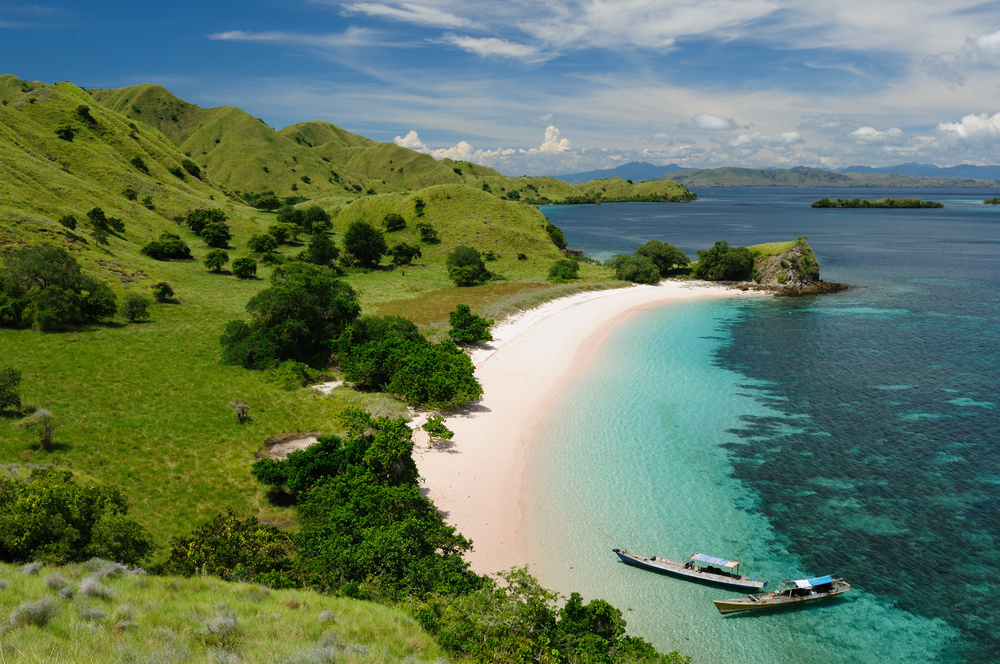
Description: Although not a hiking trail in the traditional sense, the path leading from the docking area to Pink Beach offers an easy walk with stunning views.

The beach is famous for its pink-tinted sand, resulting from crushed red coral mixed with white sand.

Visitors here can snorkel in the clear waters to explore the rich marine life, including colorful corals and fish, making it a perfect blend of relaxation and adventure.

placeholder

Gili Lawa Darat Sunset Hill

Rating: Moderate

Distance and Elevation Gain: 1 kilometer one way, with an elevation gain of about 150 meters.

Description: This trail leads to one of the best sunset spots in Komodo National Park. The hike is steep but short, culminating in a hilltop view that overlooks the Flores Sea and surrounding islands.

The effort is rewarded with spectacular sunsets, with the sky and sea often ablaze with colors.

It’s a must-do for photographers and nature lovers visiting the park.

Komodo National Park

Rinca Island Komodo Dragon Trail

Rating: Easy to Moderate

Distance and Elevation Gain: 2 kilometers round trip, with minimal elevation gain.

Description: This trail on Rinca Island offers visitors the chance to see Komodo dragons in their natural habitat.

The walk is relatively easy, with guided tours ensuring safety. The terrain includes dry forests and savannahs, providing opportunities to spot other wildlife like buffaloes, monkeys, and birds. The experience of seeing these ancient creatures up close is both thrilling and unforgettable.

Komodo National Park

Padar Island Viewpoint Trail

Rating: Moderate

Distance and Elevation Gain: 1.5 kilometers one way, with an elevation gain of about 200 meters.

Description: The hike to the Padar Island viewpoint is moderately challenging but rewards hikers with one of the most iconic views in Indonesia. The trail involves a steep climb on rocky steps but is well-maintained.

From the top, hikers can enjoy panoramic views of the island’s crescent-shaped beaches and the surrounding turquoise waters, making it a popular spot for photography.

Komodo National Park

Komodo Island Banu Nggulung Trail

Rating: Moderate

Distance and Elevation Gain: 4 kilometers round trip, with an elevation gain of about 50 meters.

Description: Designed specifically for spotting Komodo dragons, this trail takes hikers through the heart of Komodo Island. The path meanders through dry forest areas where the dragons often rest and hunt.

Along with the Komodo dragons, the trail offers a chance to see deer and wild pigs, providing a comprehensive experience of the island’s ecosystem.

Komodo National Park

Pink Beach Snorkel Path

Rating: Easy

Distance and Elevation Gain: Variable, mostly flat with no significant elevation gain.

Description: Although not a hiking trail in the traditional sense, the path leading from the docking area to Pink Beach offers an easy walk with stunning views.

The beach is famous for its pink-tinted sand, resulting from crushed red coral mixed with white sand.

Visitors here can snorkel in the clear waters to explore the rich marine life, including colorful corals and fish, making it a perfect blend of relaxation and adventure.

placeholder

Gili Lawa Darat Sunset Hill

Rating: Moderate

Distance and Elevation Gain: 1 kilometer one way, with an elevation gain of about 150 meters.

Description: This trail leads to one of the best sunset spots in Komodo National Park. The hike is steep but short, culminating in a hilltop view that overlooks the Flores Sea and surrounding islands.

The effort is rewarded with spectacular sunsets, with the sky and sea often ablaze with colors.

It’s a must-do for photographers and nature lovers visiting the park.

FAQ’s

How many Komodo dragon lizards are there in the national park?

The population of Komodo dragons in Komodo National Park is estimated to be around 3,000 individuals. However, population estimates may vary due to factors such as habitat changes and conservation efforts.

How many islands are part of Komodo National Park?

Komodo National Park comprises a total of 29 islands, including the three main islands: Komodo, Rinca, and Padar.

These islands are known for their diverse ecosystems and unique wildlife, including the iconic Komodo dragons.

Which island has the most Komodo dragons?

Rinca Island is known to have the highest population of Komodo dragons within Komodo National Park. This island is one of the main habitats for these iconic reptiles and offers visitors the opportunity to observe them in their natural environment.

What is the best way to see Komodo dragons?

The best way to see Komodo dragons is by joining guided tours or hikes led by experienced park rangers or local guides within Komodo National Park. These tours typically take visitors to areas where Komodo dragons are commonly spotted, such as Rinca and Komodo Islands.

To increase your chances of seeing one, it’s recommended to visit during the cooler parts of the day when the dragons are more active, such as early morning or late afternoon.

Additionally, staying quiet and following the instructions of your guide can help minimize disturbance to the animals and improve your chances of a successful encounter.

How dangerous are Komodo dragons to people?

Komodo dragons can be dangerous to people, especially if provoked or threatened. They are formidable predators with powerful jaws, sharp teeth, and strong claws.

While they typically hunt smaller prey like deer and pigs, they have been known to attack humans if they feel threatened or if they mistake them for prey.

Komodo dragons have a potent venom that can cause serious injury or death to their prey, including humans. Additionally, their mouths harbor bacteria that can lead to infections if bitten.

As a result, it’s essential for visitors to follow safety guidelines and regulations when visiting Komodo National Park, such as staying with guides at all times, refraining from approaching or feeding the dragons, and keeping a safe distance from them.

Respecting their space and behavior is crucial for ensuring both visitor safety and the conservation of these iconic reptiles.

How many Komodo dragon lizards are there in the national park?

The population of Komodo dragons in Komodo National Park is estimated to be around 3,000 individuals. However, population estimates may vary due to factors such as habitat changes and conservation efforts.

How many islands are part of Komodo National Park?

Komodo National Park comprises a total of 29 islands, including the three main islands: Komodo, Rinca, and Padar.

These islands are known for their diverse ecosystems and unique wildlife, including the iconic Komodo dragons.

Which island has the most Komodo dragons?

Rinca Island is known to have the highest population of Komodo dragons within Komodo National Park. This island is one of the main habitats for these iconic reptiles and offers visitors the opportunity to observe them in their natural environment.

What is the best way to see Komodo dragons?

The best way to see Komodo dragons is by joining guided tours or hikes led by experienced park rangers or local guides within Komodo National Park. These tours typically take visitors to areas where Komodo dragons are commonly spotted, such as Rinca and Komodo Islands.

To increase your chances of seeing one, it’s recommended to visit during the cooler parts of the day when the dragons are more active, such as early morning or late afternoon.

Additionally, staying quiet and following the instructions of your guide can help minimize disturbance to the animals and improve your chances of a successful encounter.

How dangerous are Komodo dragons to people?

Komodo dragons can be dangerous to people, especially if provoked or threatened. They are formidable predators with powerful jaws, sharp teeth, and strong claws.

While they typically hunt smaller prey like deer and pigs, they have been known to attack humans if they feel threatened or if they mistake them for prey.

Komodo dragons have a potent venom that can cause serious injury or death to their prey, including humans. Additionally, their mouths harbor bacteria that can lead to infections if bitten.

As a result, it’s essential for visitors to follow safety guidelines and regulations when visiting Komodo National Park, such as staying with guides at all times, refraining from approaching or feeding the dragons, and keeping a safe distance from them.

Respecting their space and behavior is crucial for ensuring both visitor safety and the conservation of these iconic reptiles.

Sources