

About
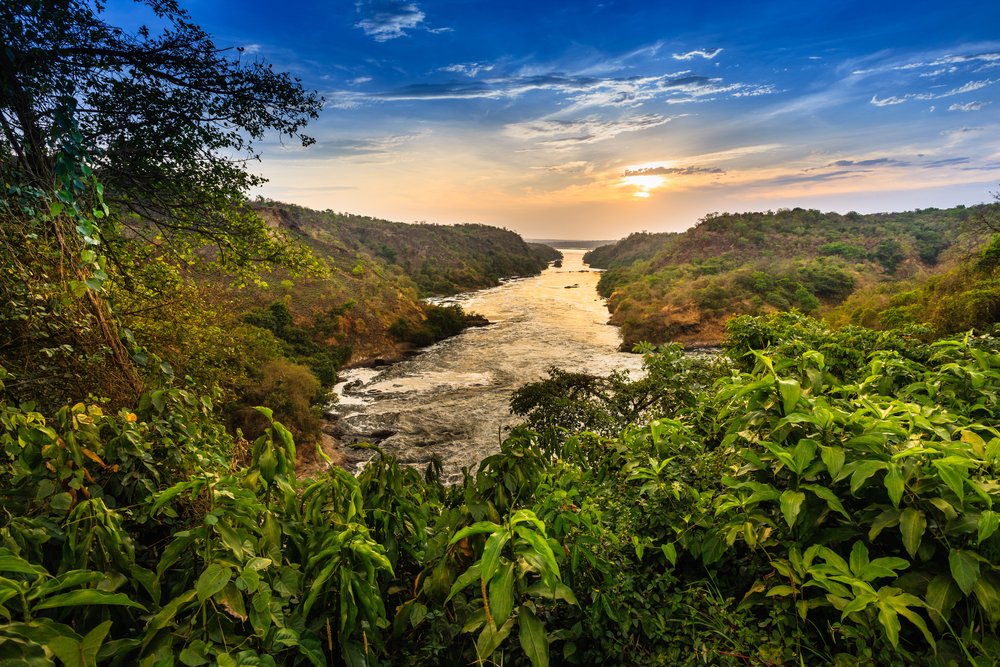
Located in northwestern Uganda, Murchison Falls National Park is the country’s largest and oldest national park. The park covers approximately 1,483 square miles (3,840 sq km) and stretches across vast savannahs, river systems, forests, and wetlands surrounding the mighty Nile River.
Positioned between Masindi and the Albertine Rift Valley, the park forms part of a larger conservation area that includes Bugungu and Karuma Wildlife Reserves. Murchison Falls National Park is one of East Africa’s most diverse safari destinations and remains one of Uganda’s most iconic natural treasures.
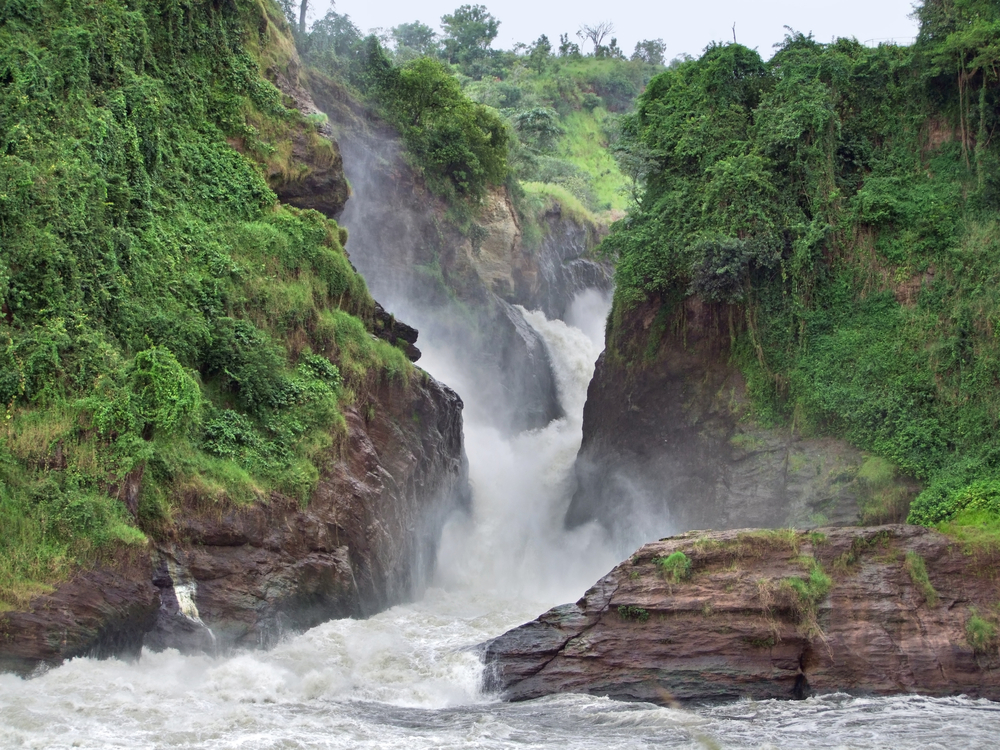
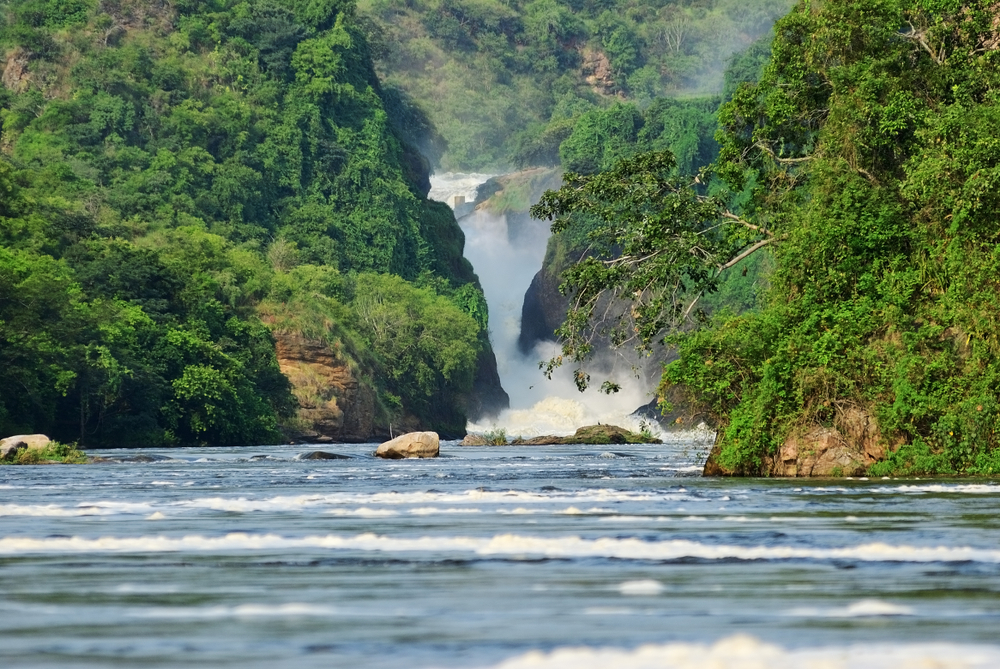
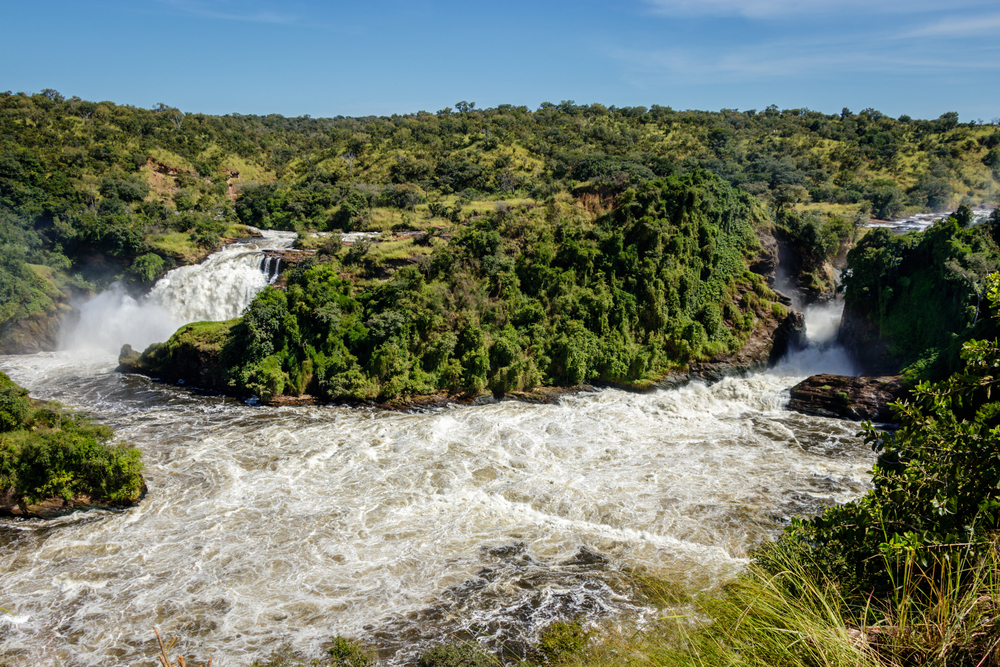
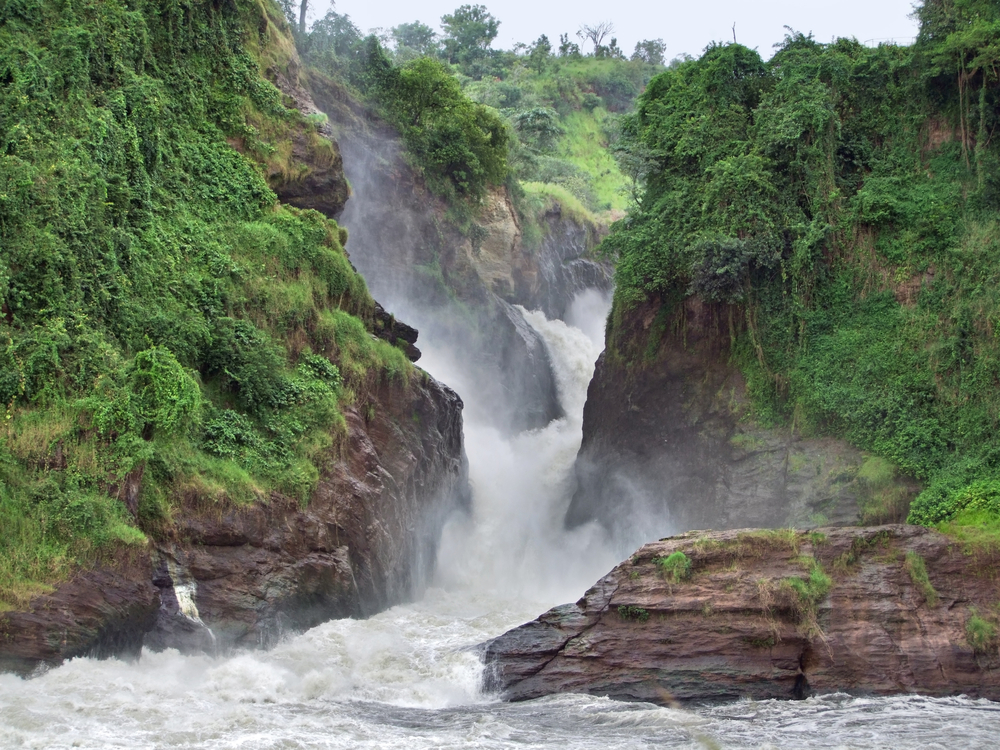
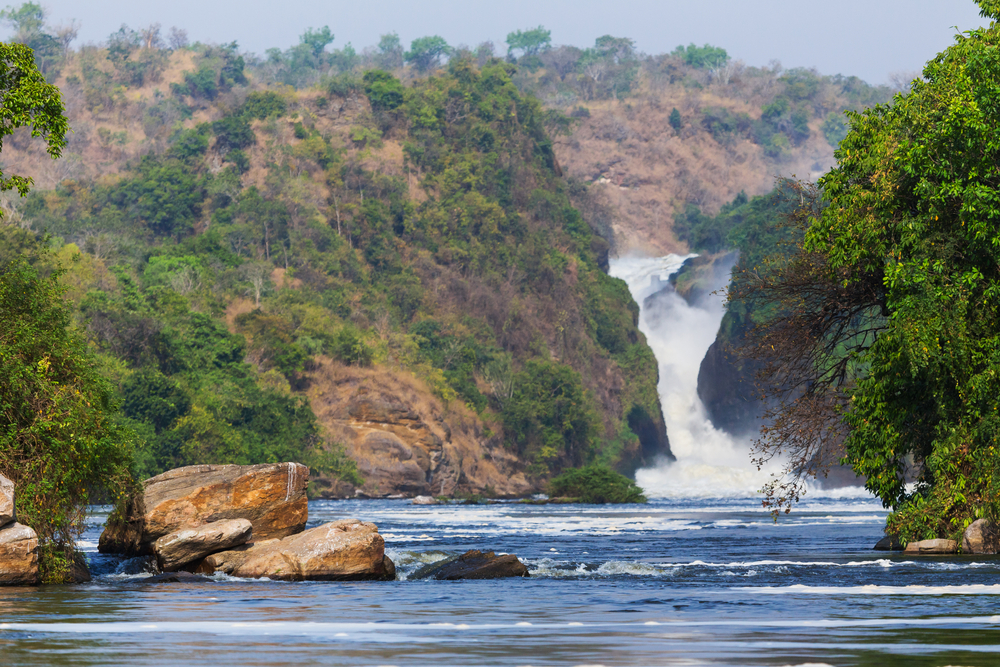
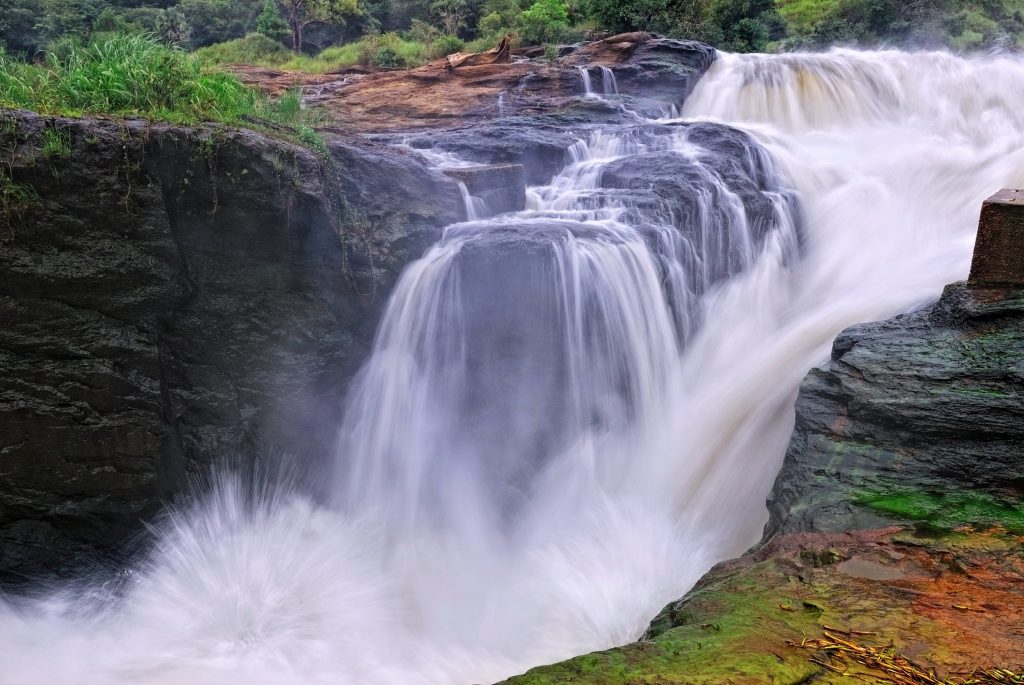
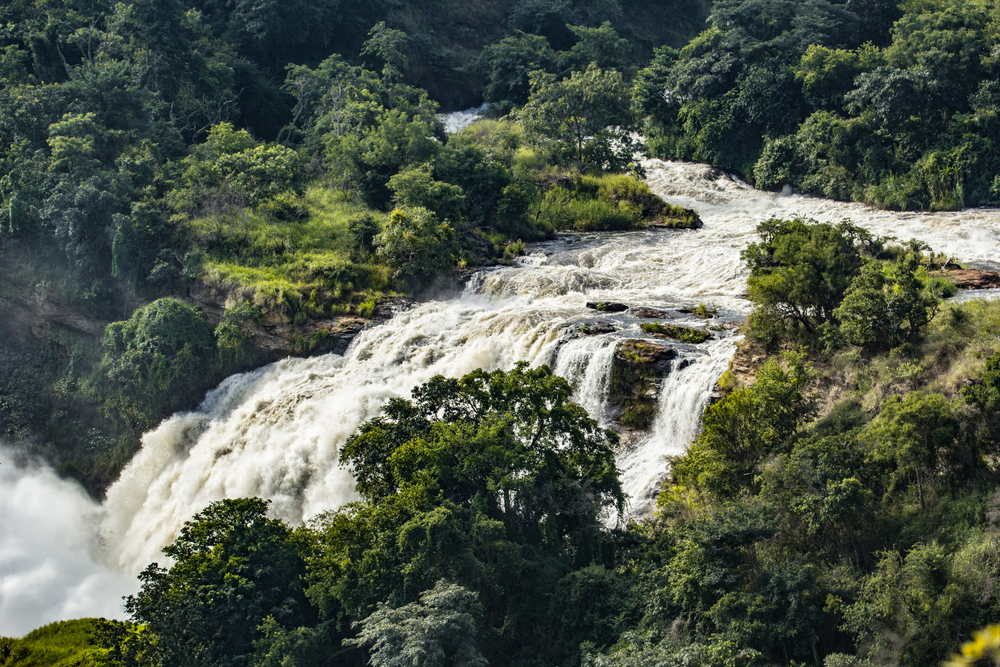
The park is best known for the dramatic Murchison Falls, where the Nile River explodes through a narrow rocky gorge only about 23 feet (7 meters) wide before plunging into a roaring pool below. The sheer force of the water creates one of Africa’s most powerful waterfall spectacles.
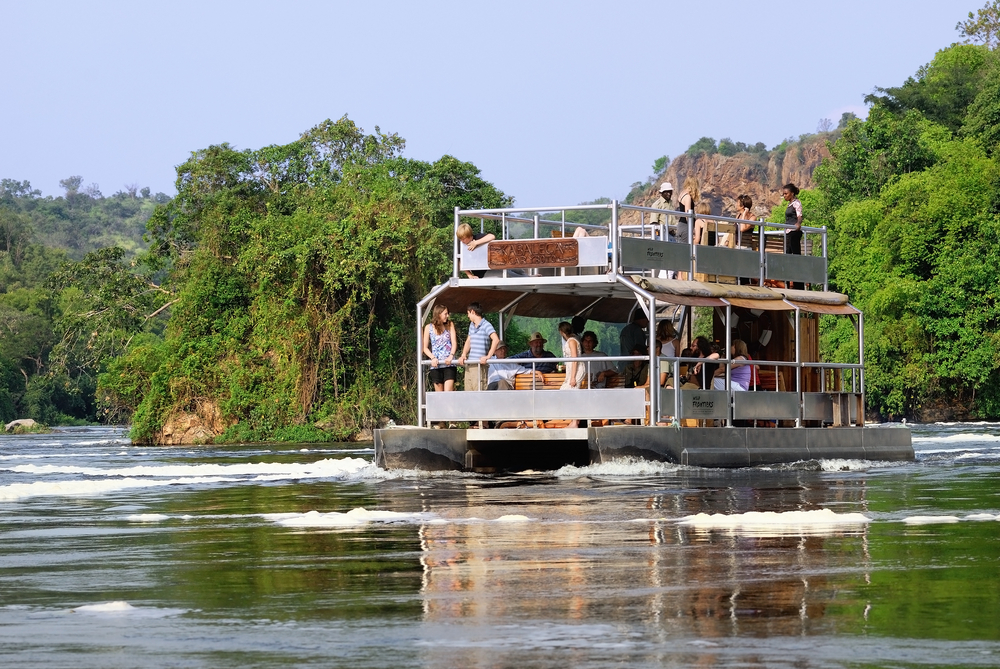
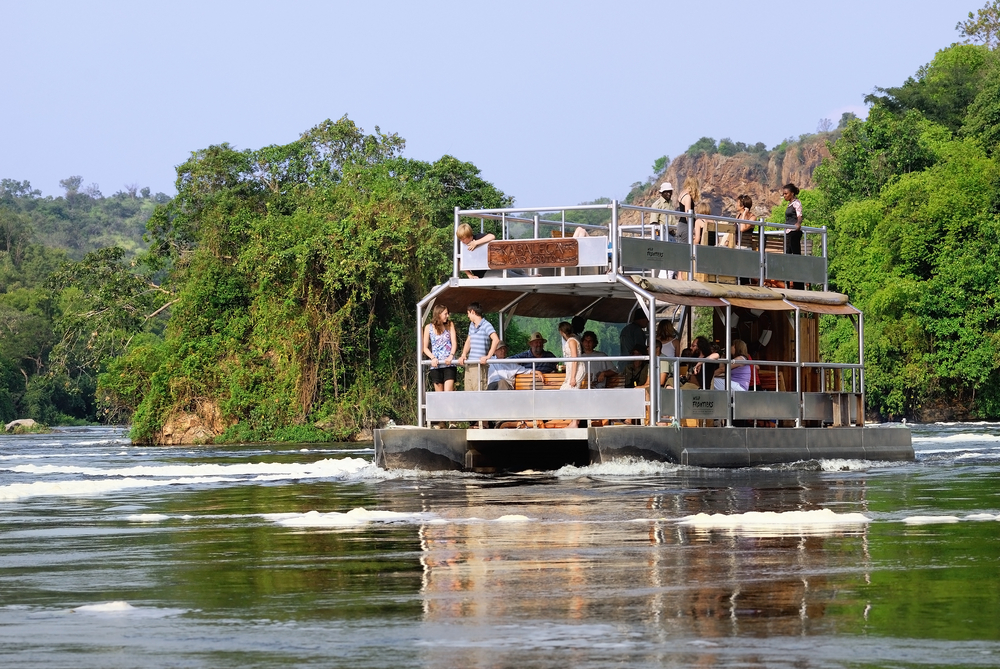
Boat cruises to the base of the falls are among the park’s signature experiences and provide incredible opportunities to observe wildlife along the riverbanks. Visitors often combine river safaris with traditional game drives across open savannah plains. The park also attracts travelers seeking chimpanzee trekking in nearby Budongo Forest, adding a primate experience to a classic African safari.
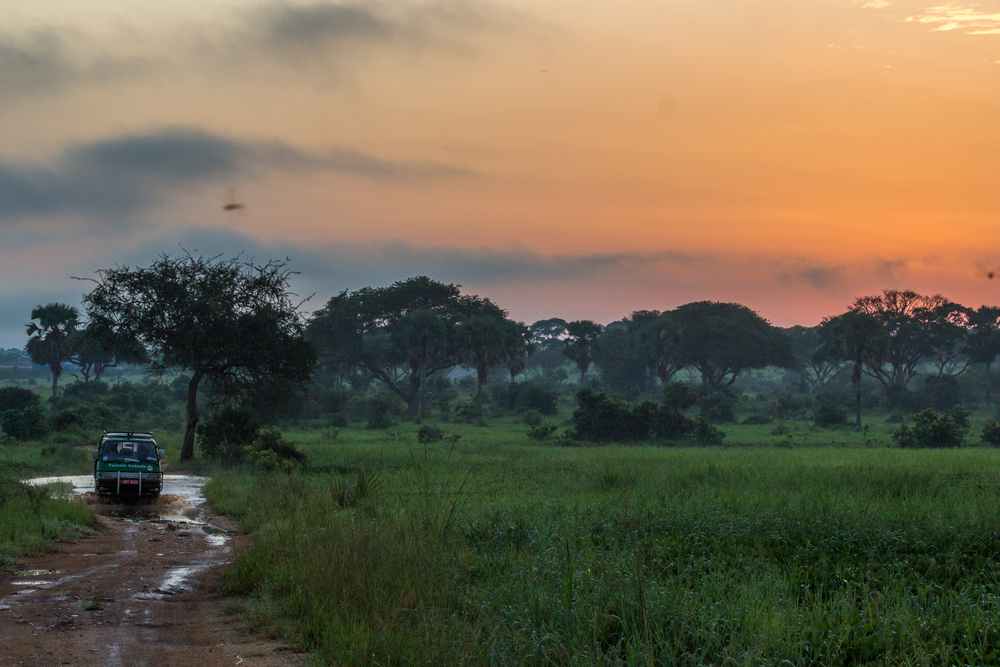
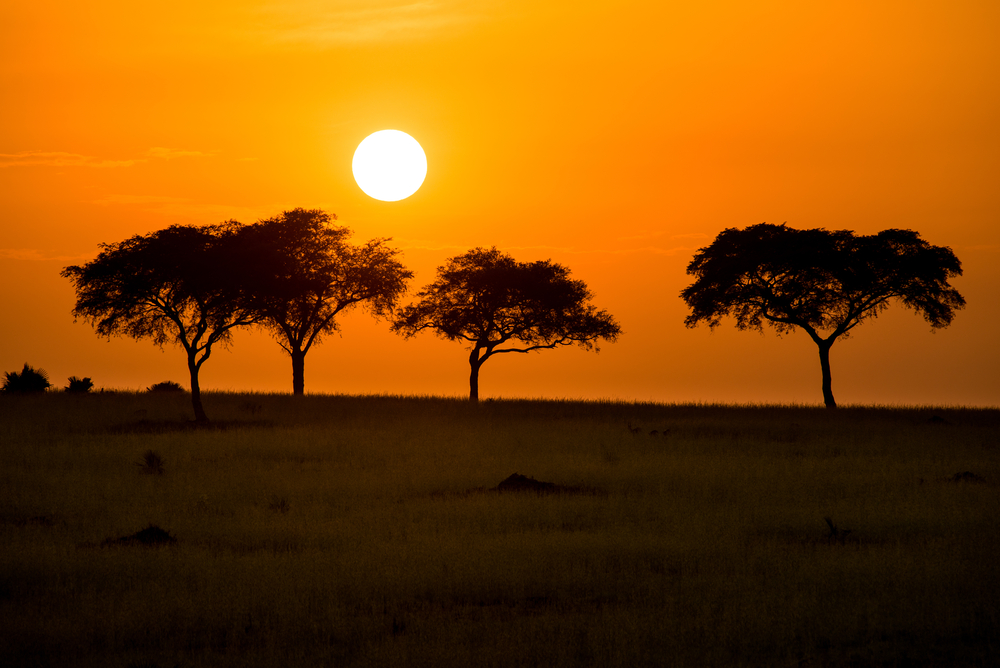
The geography of Murchison Falls National Park is shaped by the Nile River, rolling grasslands, acacia savannahs, woodland forests, and swampy delta systems. The river divides the park into northern and southern sections while supporting an extraordinary concentration of wildlife. Northern areas are dominated by open savannah and Borassus palm trees, creating landscapes that resemble some of East Africa’s famous safari parks.
In contrast, southern sections contain thicker forests and riverine vegetation. The Nile Delta, where the river flows into Lake Albert, forms an important wetland ecosystem filled with birdlife and aquatic habitats. Seasonal rainfall transforms portions of the park into lush green landscapes while dry seasons create excellent wildlife viewing conditions near water sources.
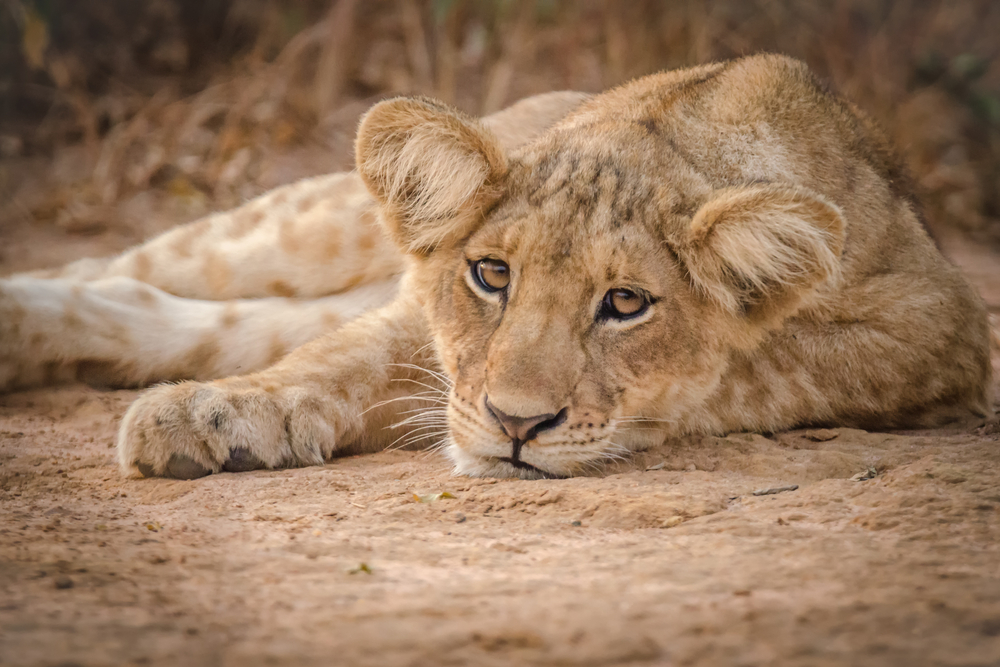
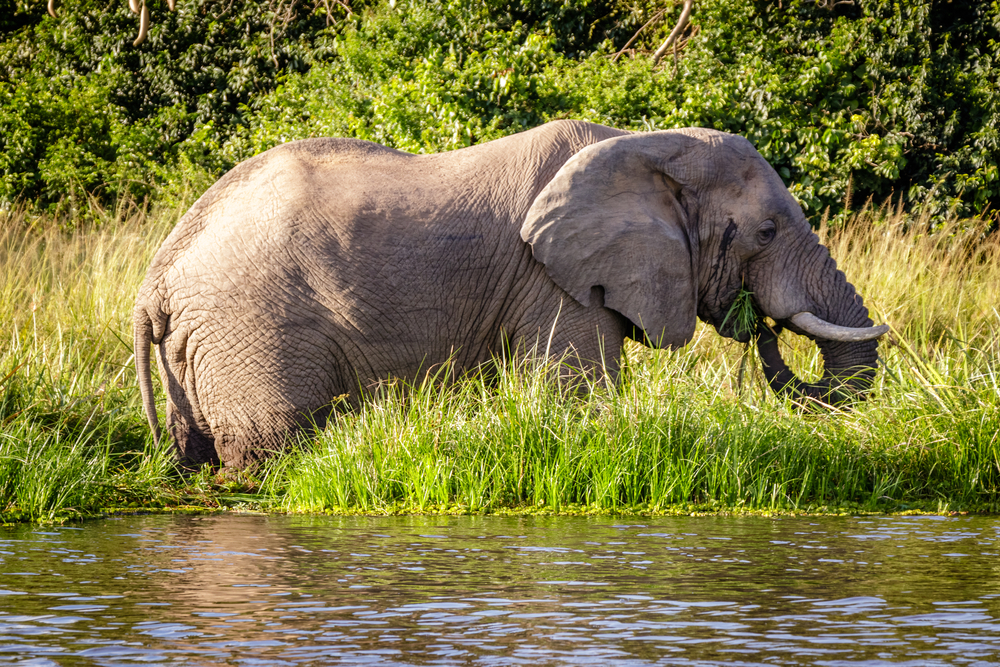
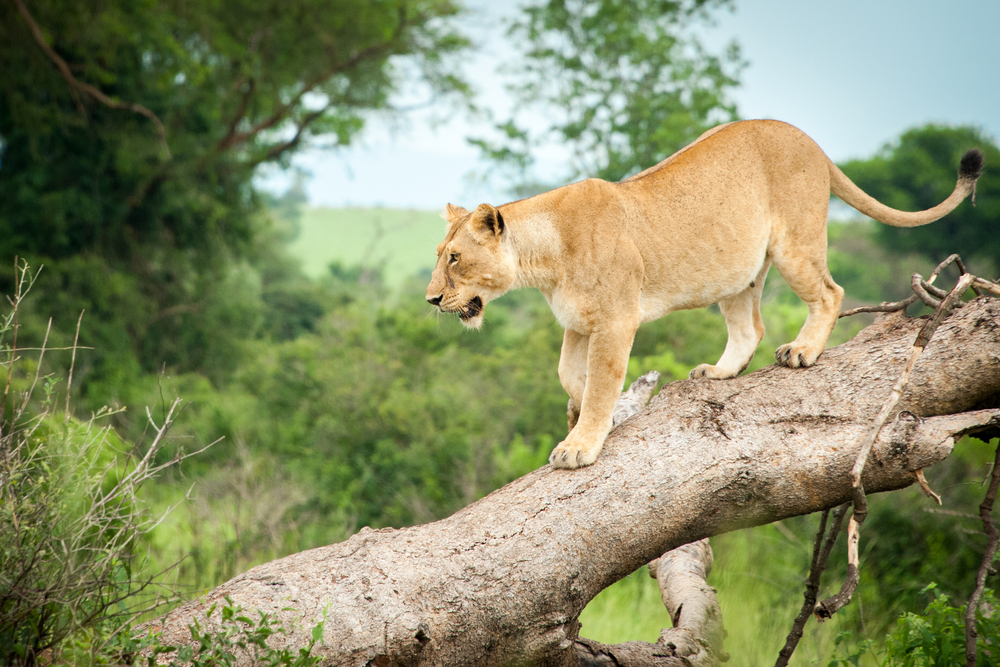
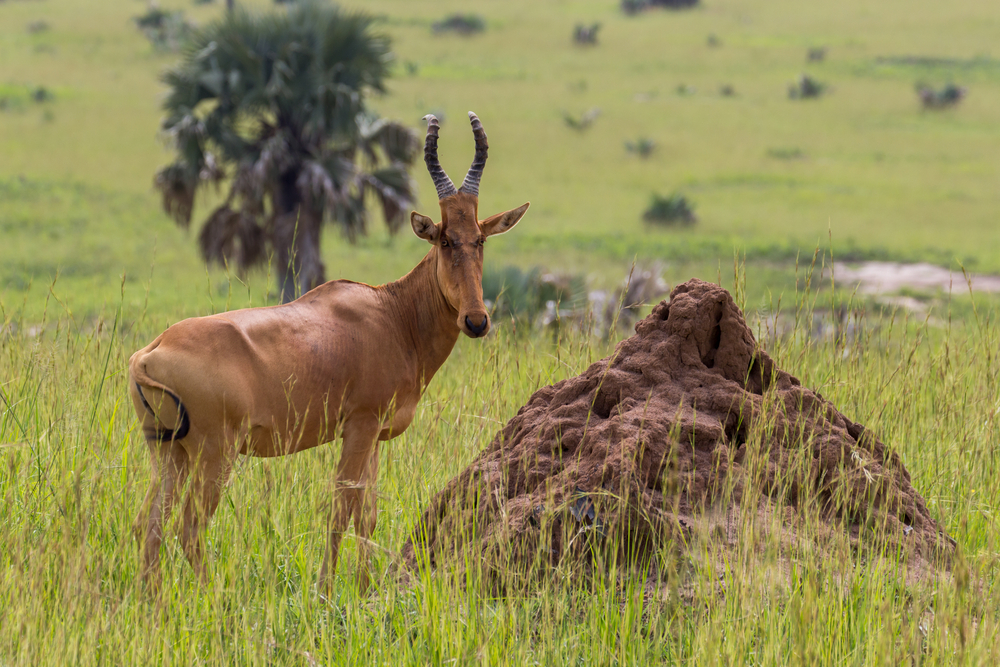
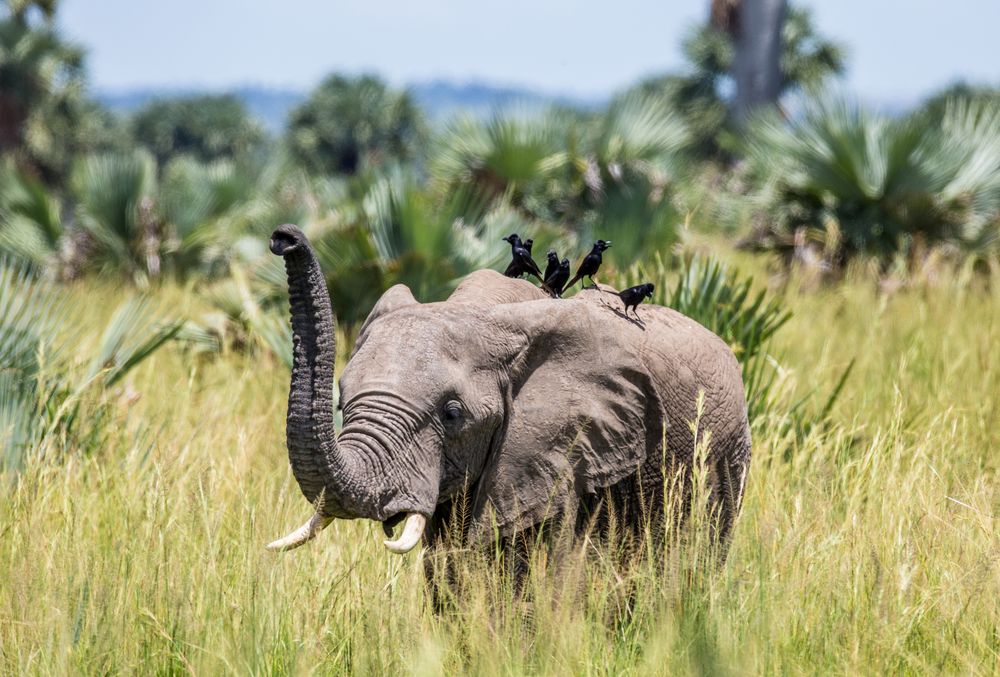
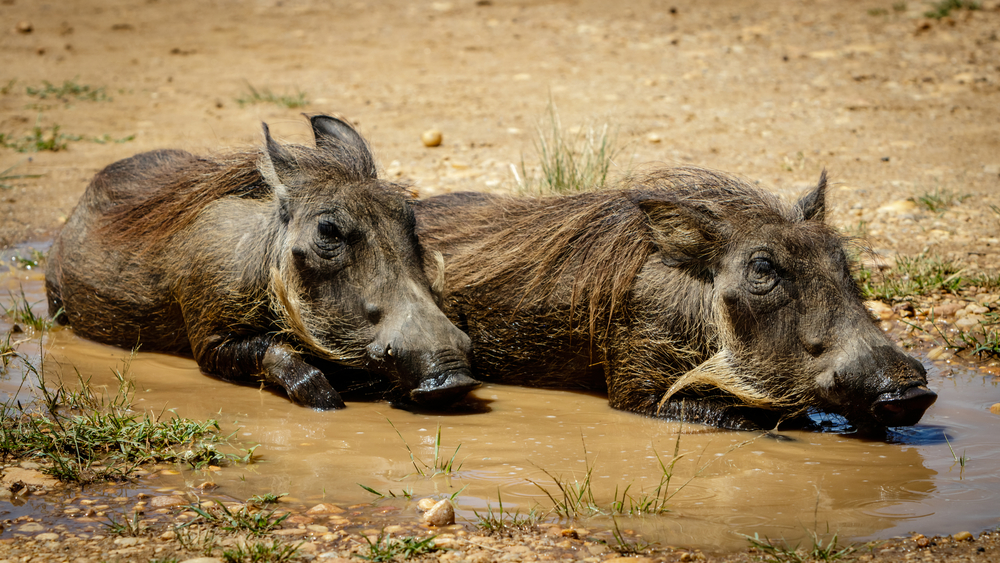
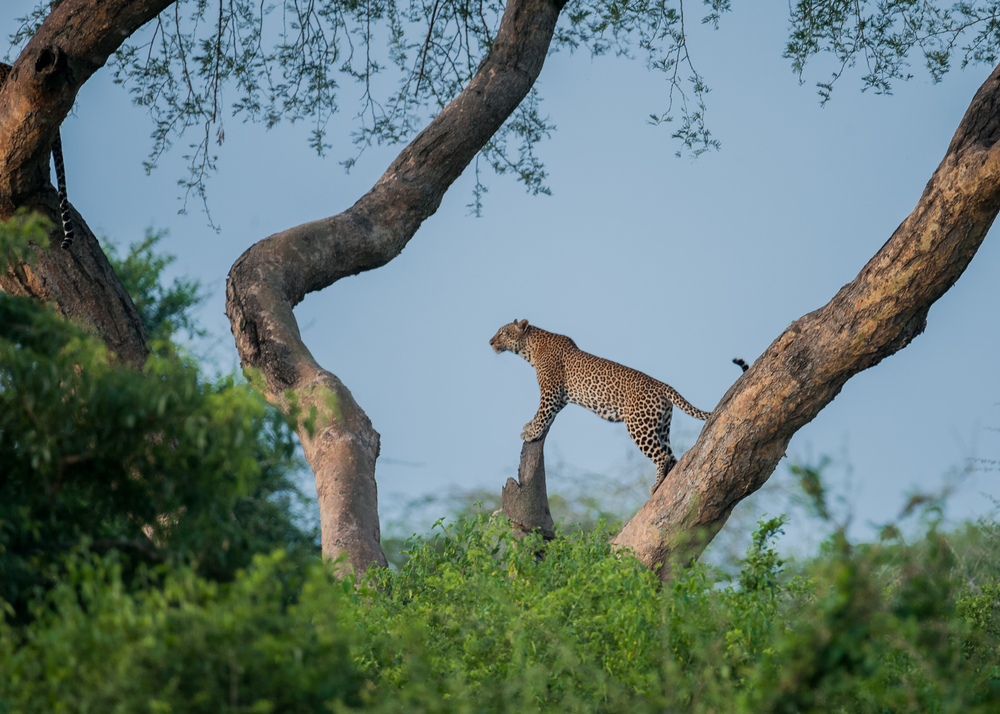
Murchison Falls National Park supports one of Uganda’s richest concentrations of wildlife. Large mammals commonly seen include African elephants, giraffes, buffalo, lions, leopards, hippos, warthogs, and several antelope species such as Uganda kob, hartebeest, and waterbuck.
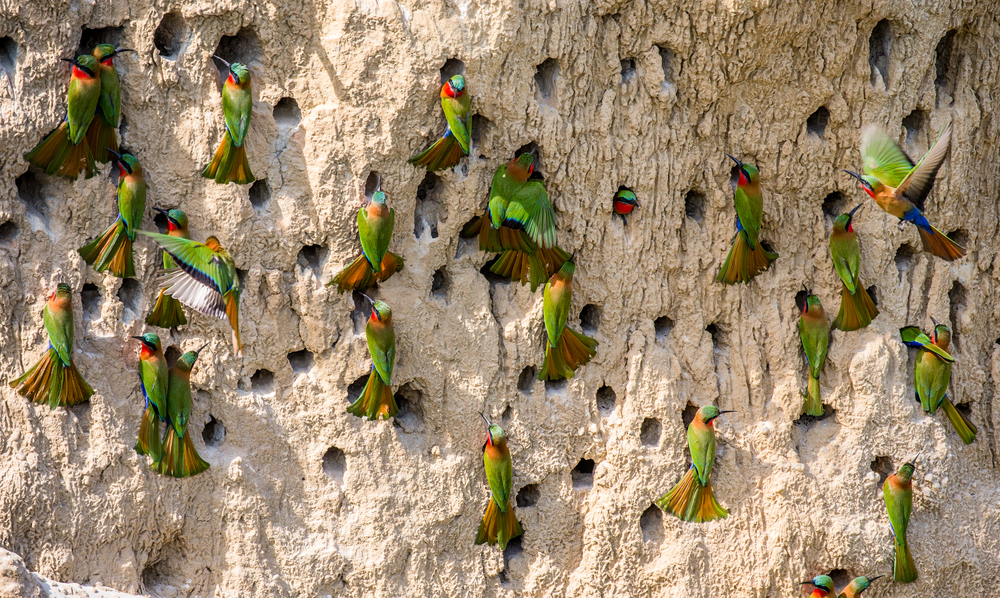
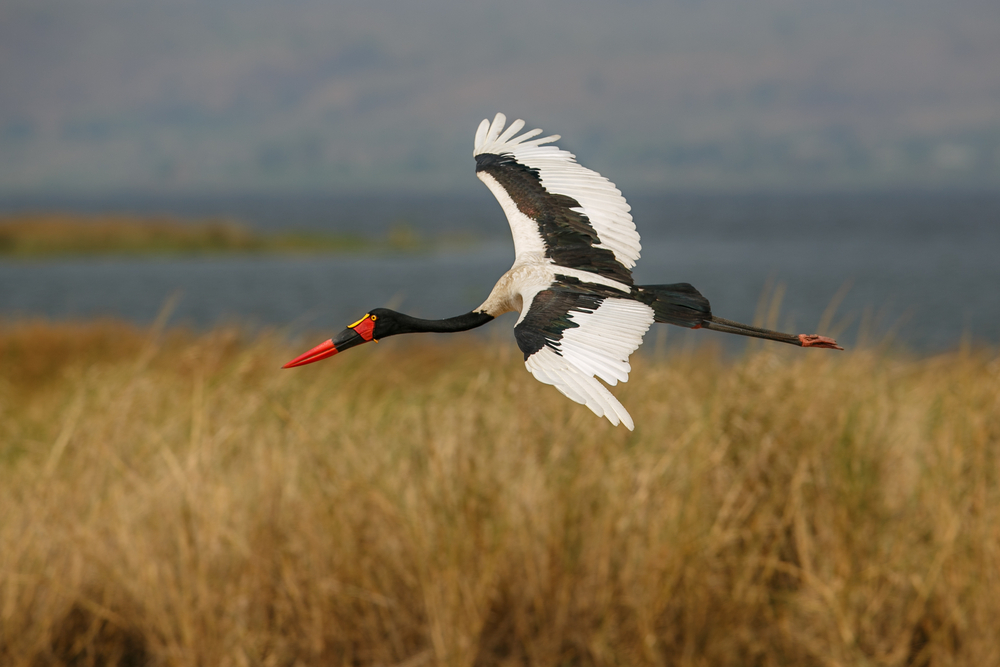
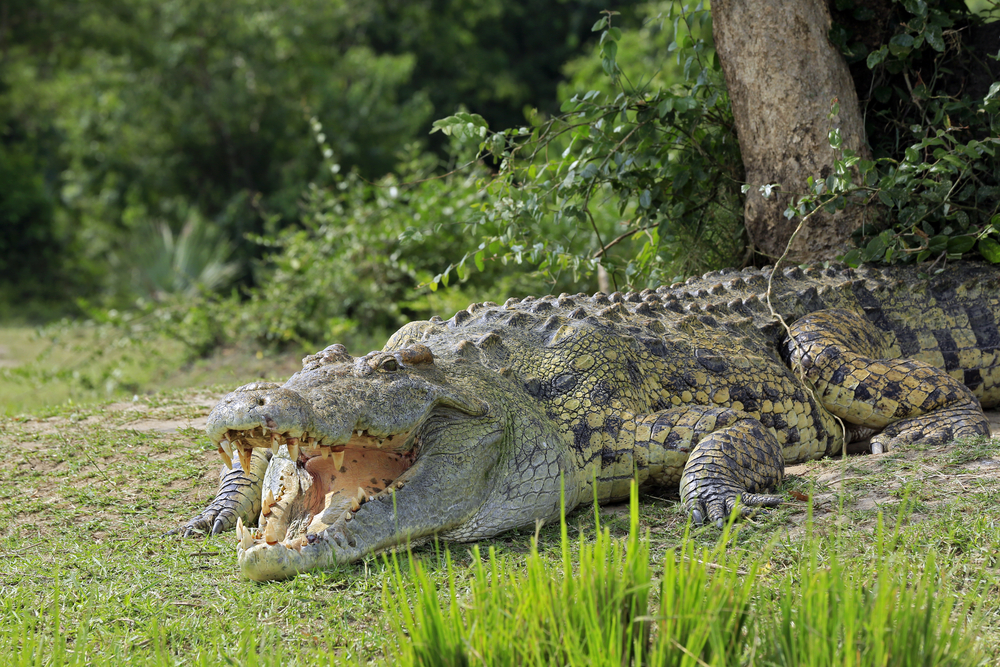
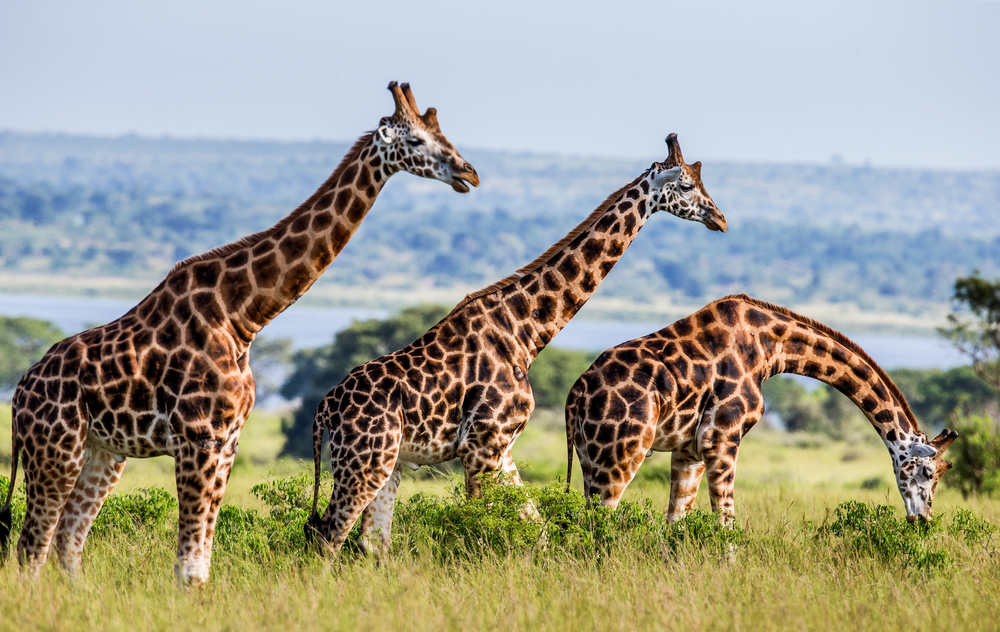
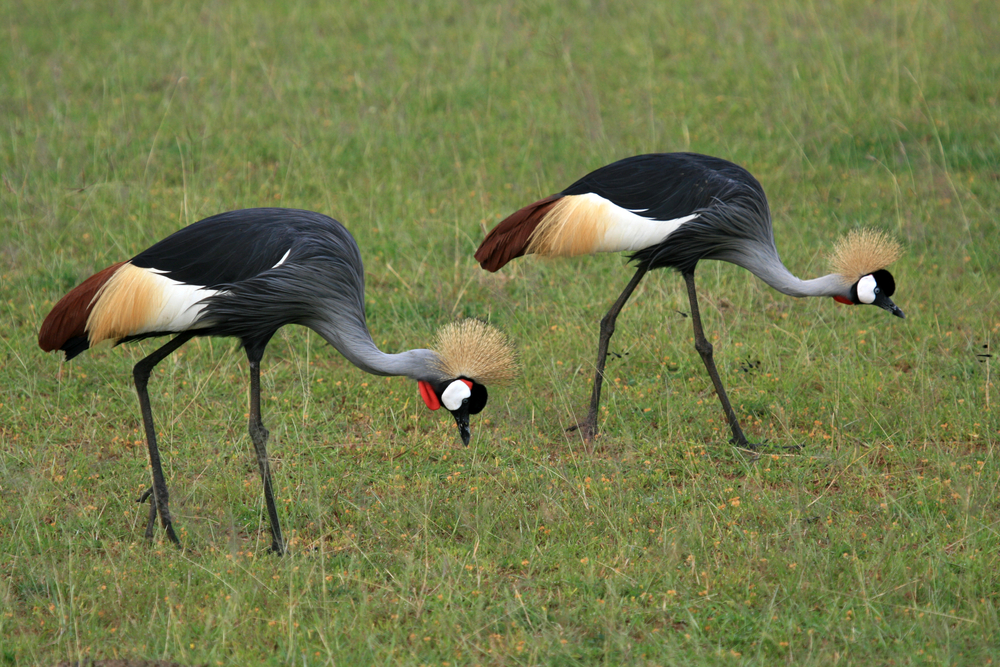
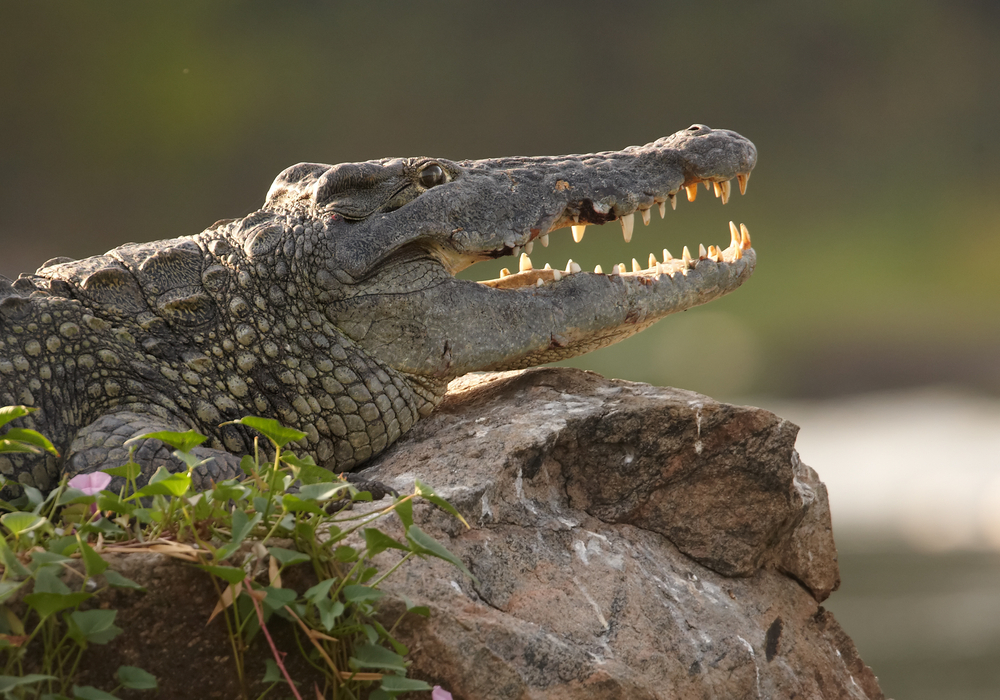
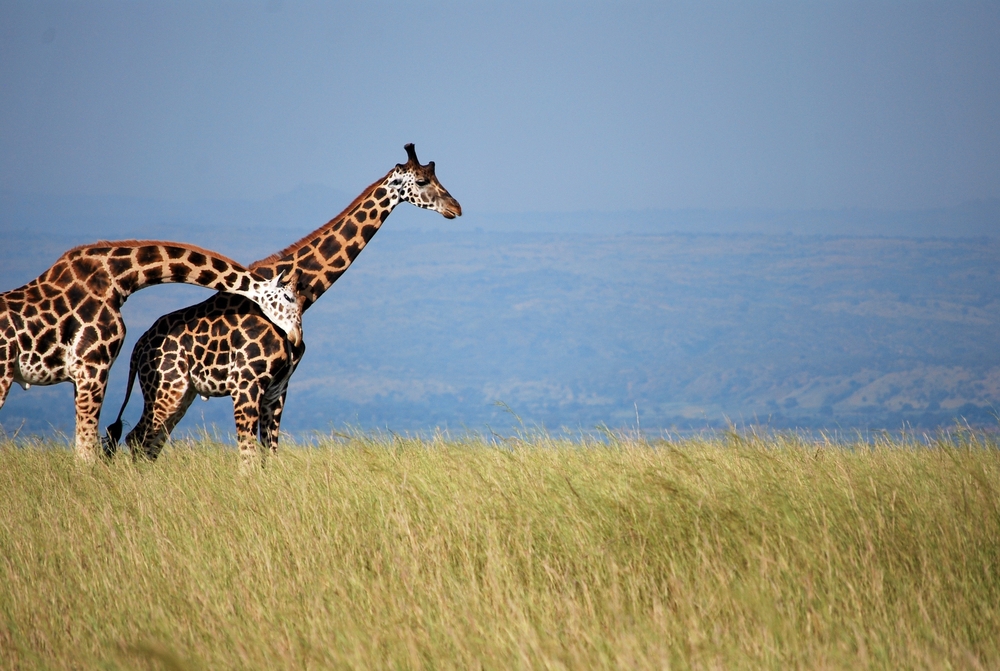
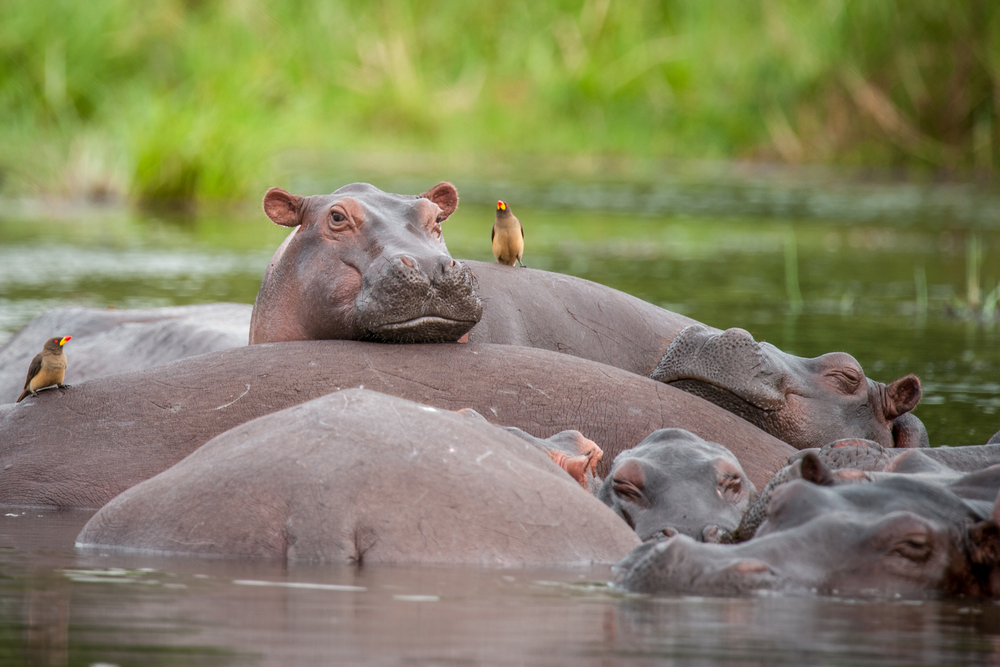
The park is particularly famous for its large population of Rothschild’s giraffes, one of the world’s most endangered giraffe subspecies. Hippos and Nile crocodiles thrive along the riverbanks and are frequently observed during boat safaris. The park is also a major birdwatching destination with more than 450 bird species recorded. One of the most sought-after sightings is the rare shoebill stork, often found in wetland areas near the Nile Delta.
Murchison Falls National Park plays a critical role in protecting Uganda’s savannah ecosystems and the biodiversity supported by the Nile River. The park safeguards endangered species and provides essential habitat connectivity across the Albertine Rift region.
Compared to famous river safari destinations such as Chobe National Park or Kruger National Park, Murchison Falls offers a distinctive blend of waterfall scenery, river safaris, savannah wildlife, and tropical forest experiences. Its combination of dramatic landscapes and rich biodiversity makes it one of Africa’s most complete safari destinations. Murchison Falls National Park stands as both a conservation success and a powerful reminder of the beauty and importance of protecting the Nile’s natural ecosystems.
Photos

Things to See
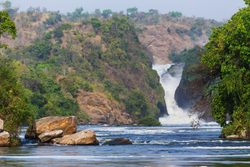 Murchison Falls is also referred to as Kabalega Falls. It is located on the Nile River coming out of Lake Victoria. One of the intriguing facets of the falls is the amount of water that squeezes through the narrow gap in the rocks.
Things To Do
Murchison Falls National Park offers a variety of ways to engage the wilderness and experience the slpendor of this natural wonder.
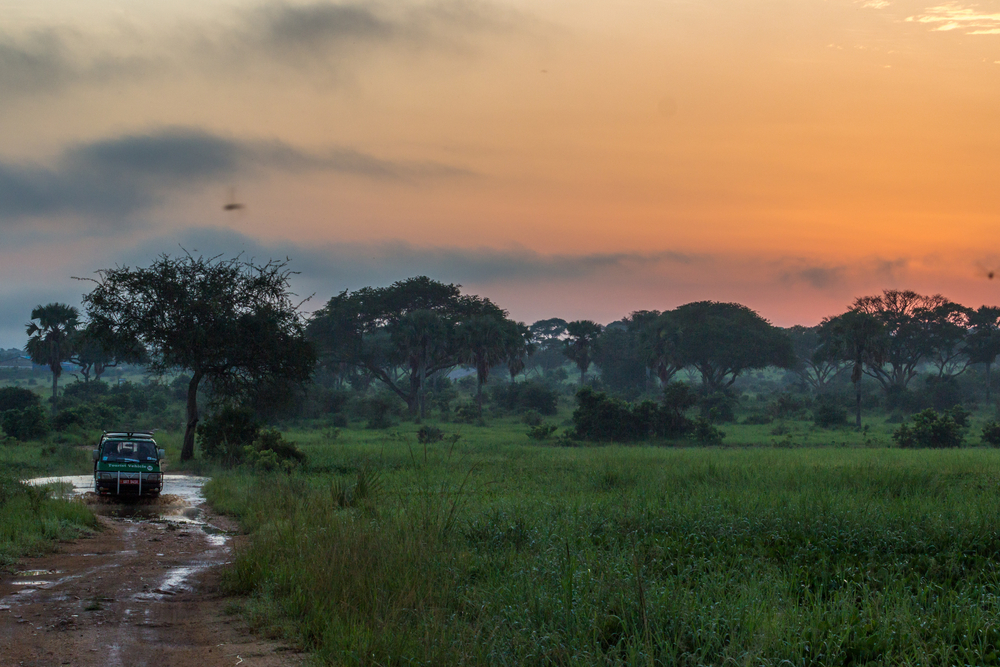
Murchison Falls National Park Trails
Although much of Murchison Falls is about safaris and wildlife, the waterfall is one of the most incredible forces of nature. There are trails to experience the falls as well as chances to see birds and other facets of nature.

Sources
- Africa Geographic Travel, Murchison Falls National Park, https://travel.africageographic.com/destinations/uganda/murchison-falls-national-park/#information, retrieved July 2020.
- Britannica, Murchison Falls National Park, https://www.britannica.com/place/Murchison-Falls-National-Park, retrieved July 2020.
- Global Conservation, Murchison Falls National Park, https://globalconservation.org/projects/murchison-falls-national-park-uganda/, retrieved July 2020.
- Lonely Planet, Murchison Falls National Park, https://www.lonelyplanet.com/uganda/northern-uganda/murchison-falls-national-park, retrieved July 2020.
- Murchison Falls National Park, park site, https://www.murchisonfallsnationalpark.com/, retrieved July 2020.
- Murchison Falls Park, national park, https://www.murchisonfallsparkuganda.com/information/hiking-and-nature-walks%EF%BB%BF/, retrieved July 2020.
- Uganda Wildlife Authority, Murchison Falls National Park, https://www.ugandawildlife.org/explore-our-parks/parks-by-name-a-z/murchison-falls-national-park, retrieved July 2020.