


About

Located in central Tanzania, Ruaha National Park is the country’s largest national park and one of Africa’s most important wilderness areas. The park covers approximately 7,809 square miles (20,226 sq km) and forms part of a vast protected ecosystem that includes surrounding game reserves and conservation areas.
Ruaha lies west of Iringa and remains far less crowded than Tanzania’s more famous northern safari destinations. Its remote location and enormous size create an authentic wilderness experience where visitors can explore expansive landscapes with relatively few vehicles or tourists.
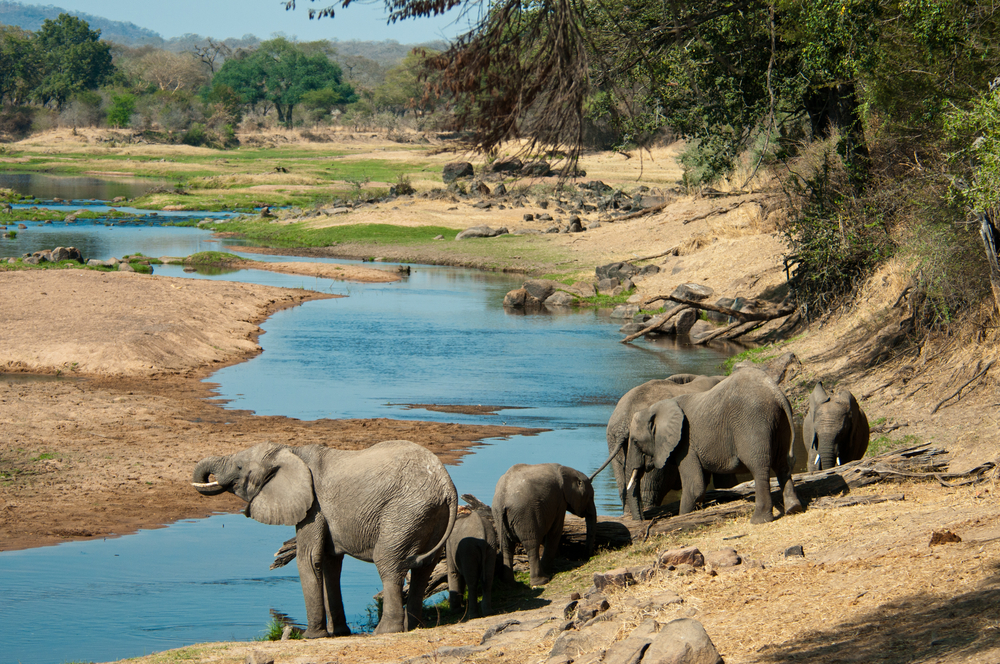
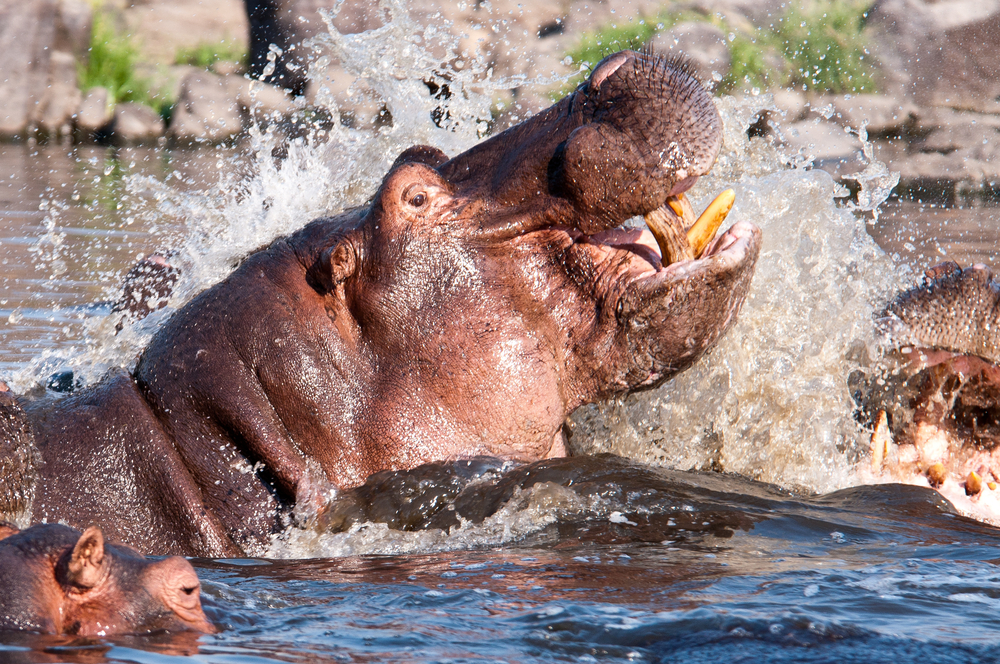
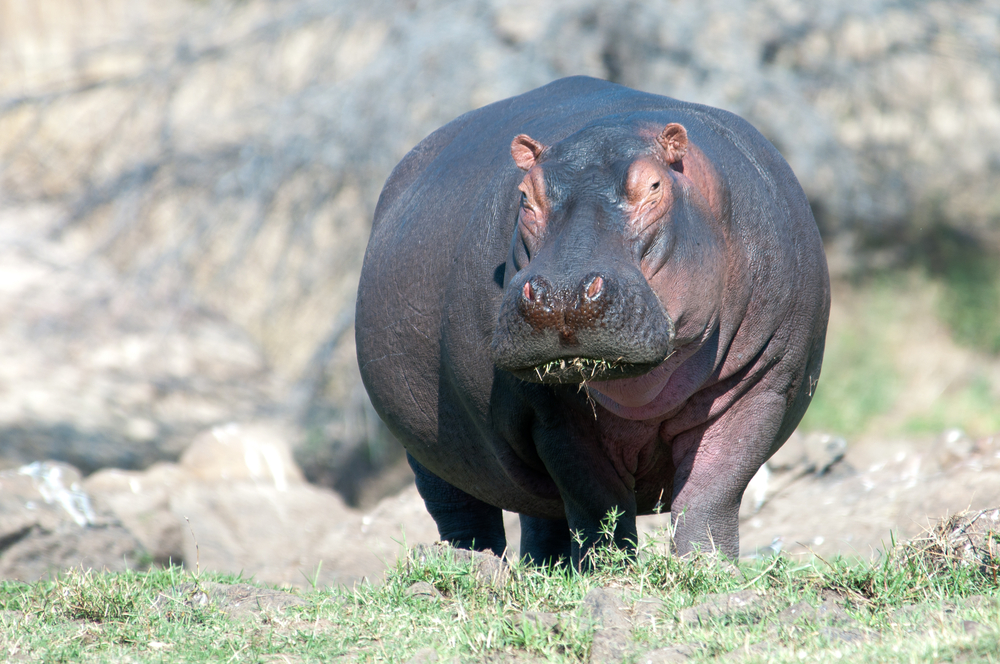
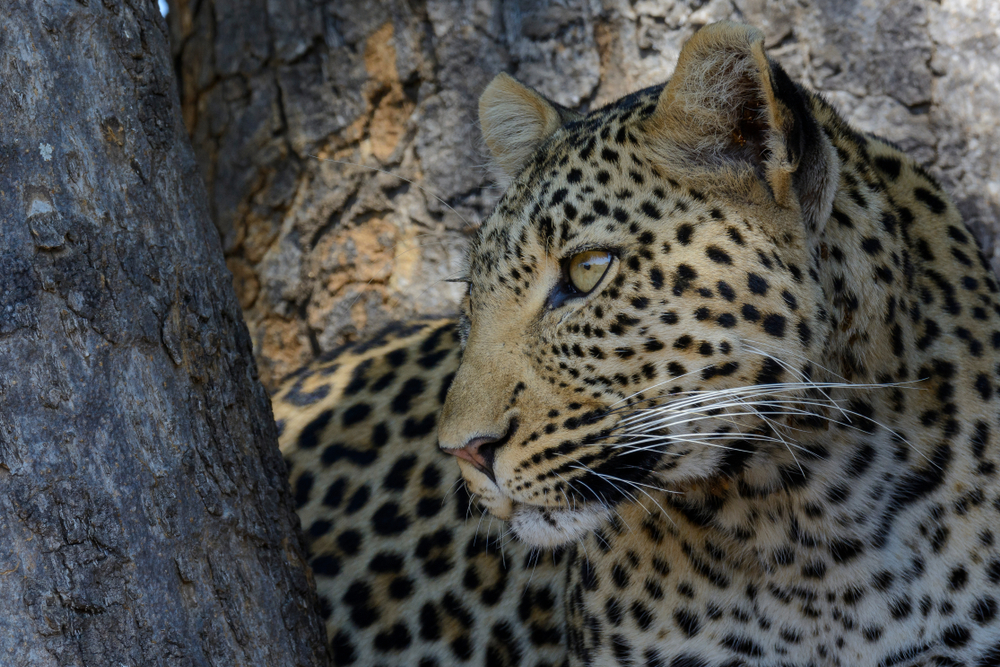
Ruaha National Park is best known for its rugged beauty, large predator populations, and exceptional elephant herds. The Great Ruaha River serves as the park’s lifeline and attracts wildlife throughout the dry season. Game drives along the riverbanks often produce remarkable sightings of lions, leopards, cheetahs, crocodiles, and hippos.
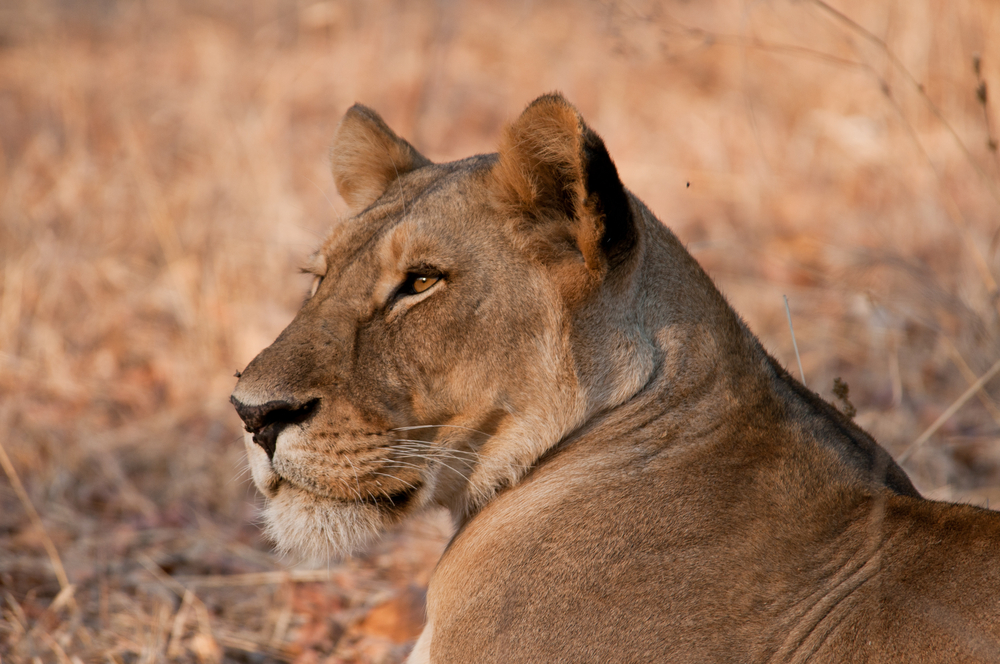
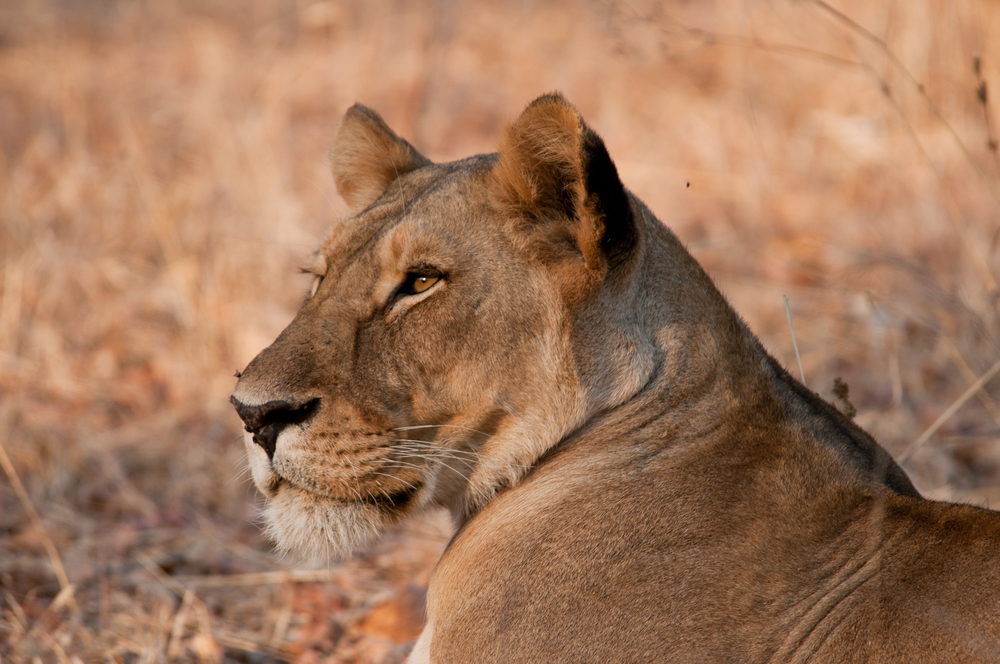
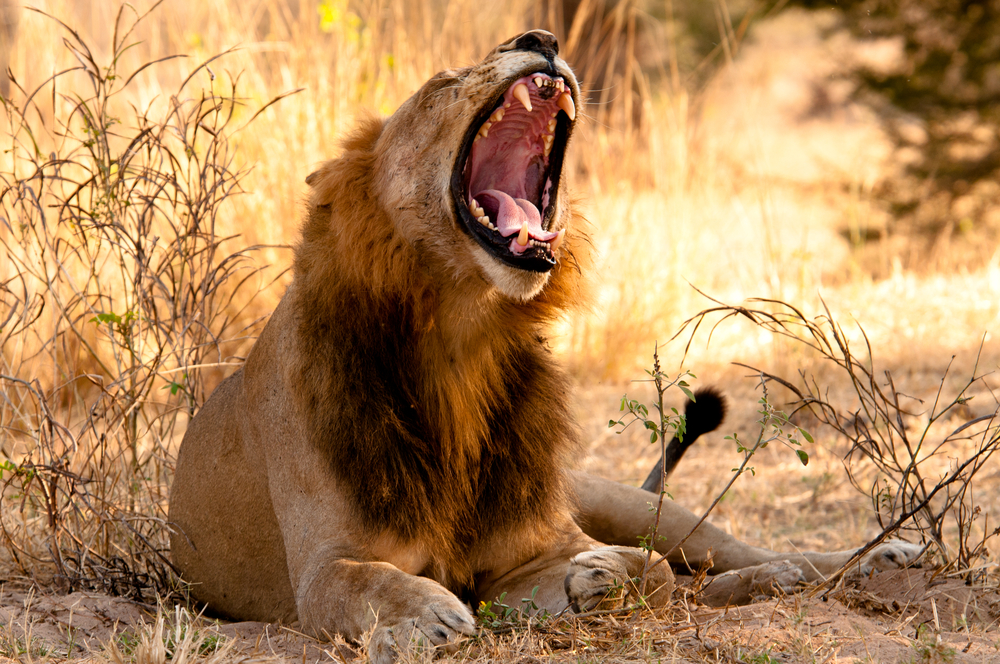
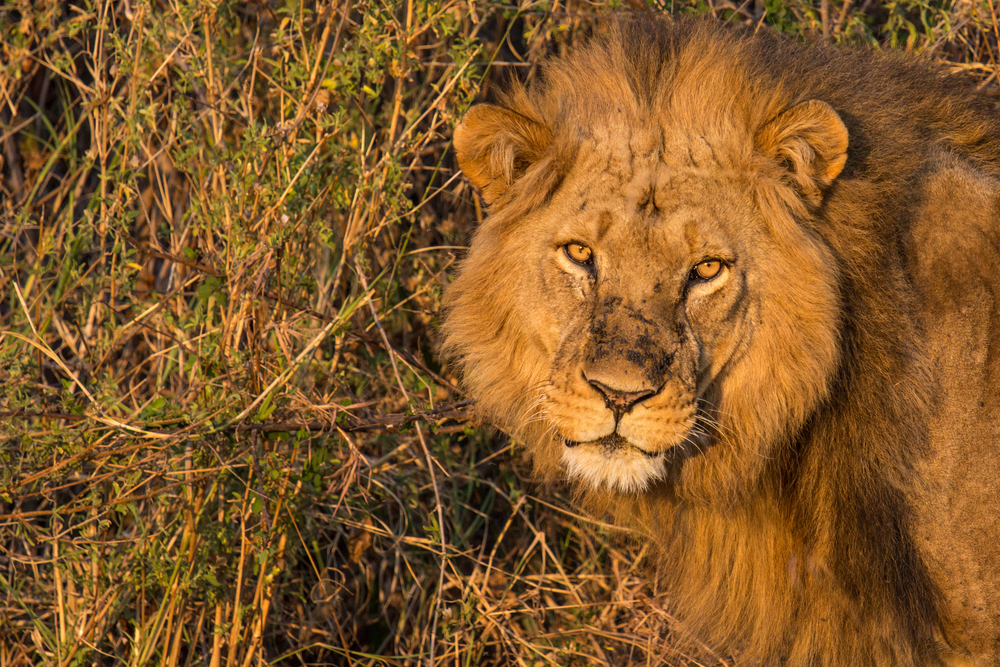
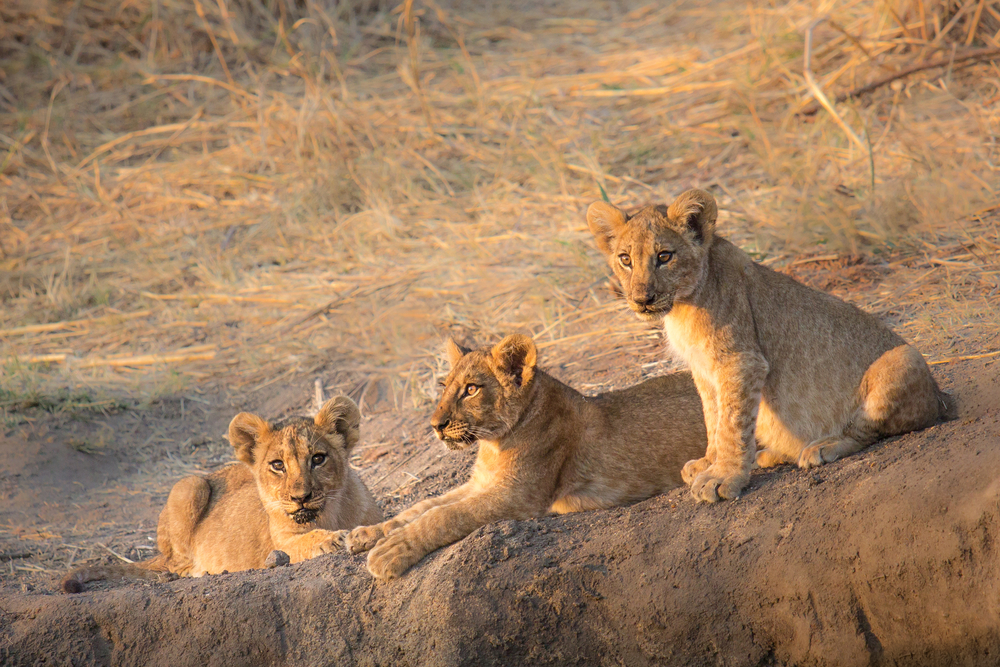
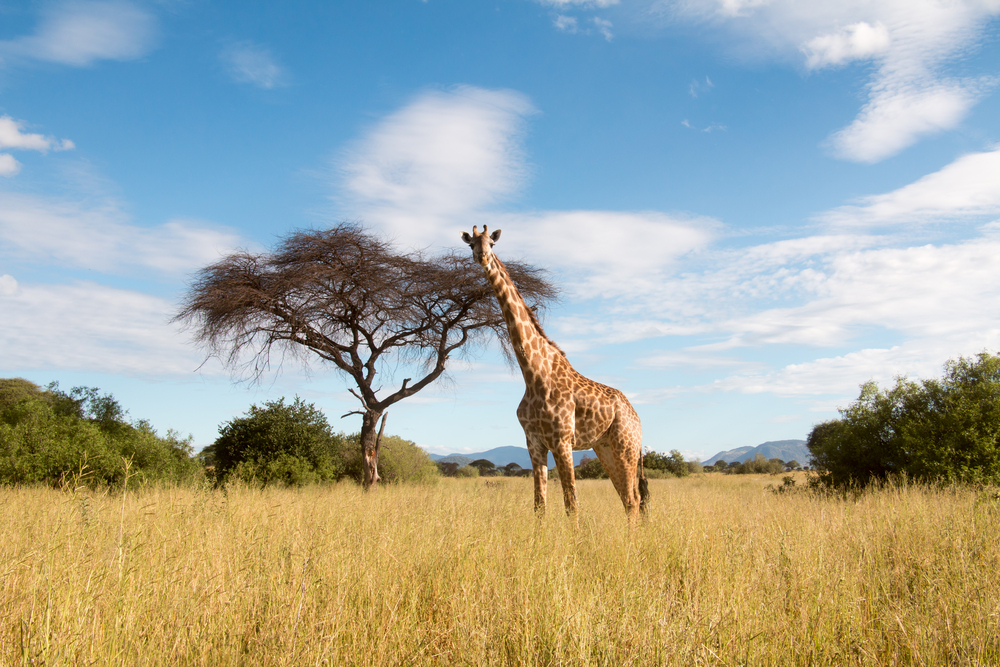
The park is especially famous for its lions, including unusually large prides that sometimes hunt buffalo and giraffes together. Ruaha also offers one of the best opportunities in East Africa to observe African wild dogs in their natural habitat. Visitors are drawn to the park for its uncrowded safaris, dramatic scenery, and sense of true wilderness that feels increasingly rare across Africa.
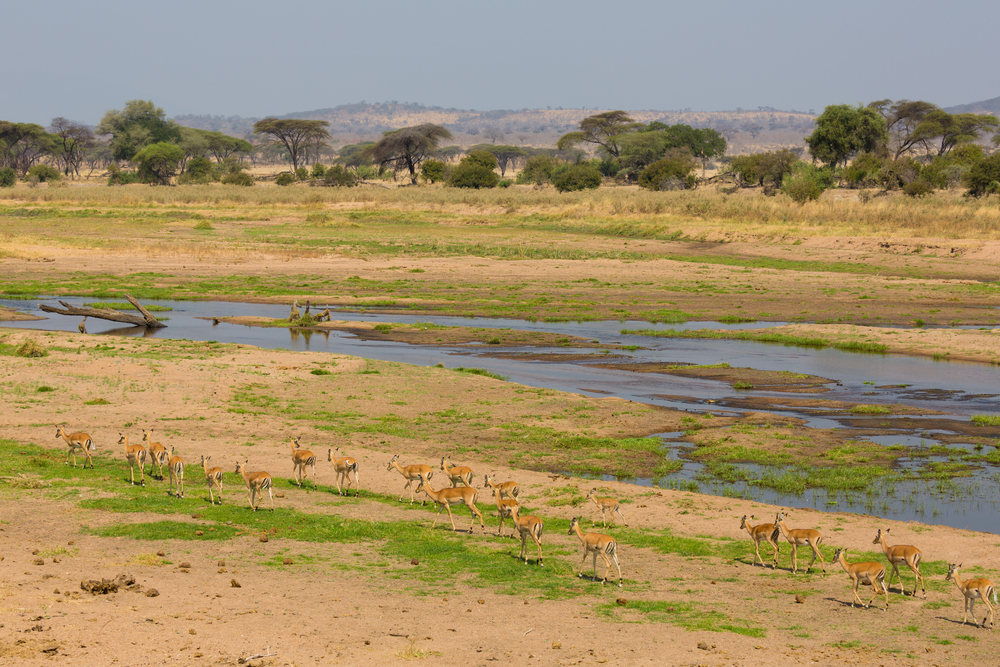
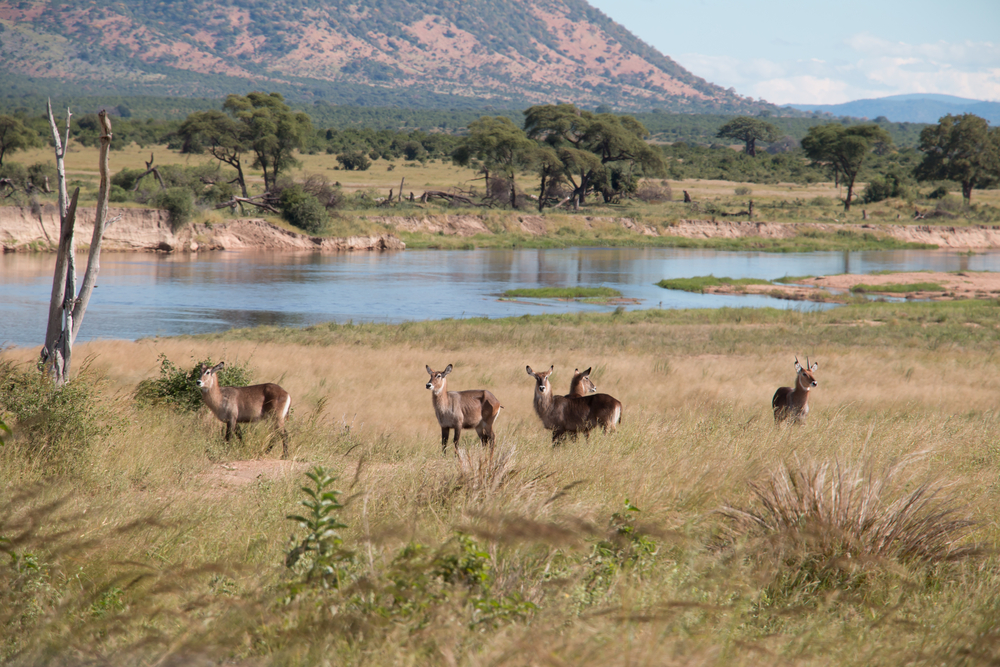
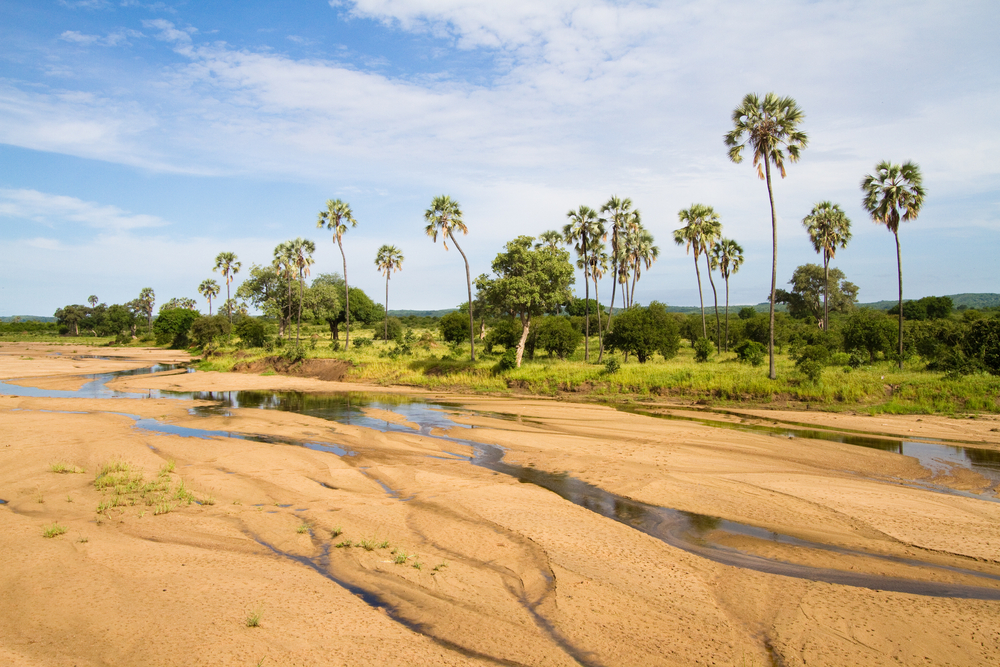
The geography of Ruaha National Park is incredibly diverse and shaped by rocky escarpments, rolling hills, baobab forests, open savannahs, and river valleys. The Great Ruaha River cuts through much of the park and creates fertile habitats that support abundant wildlife. During the dry season, shrinking water sources concentrate animals along the river, creating extraordinary viewing conditions.
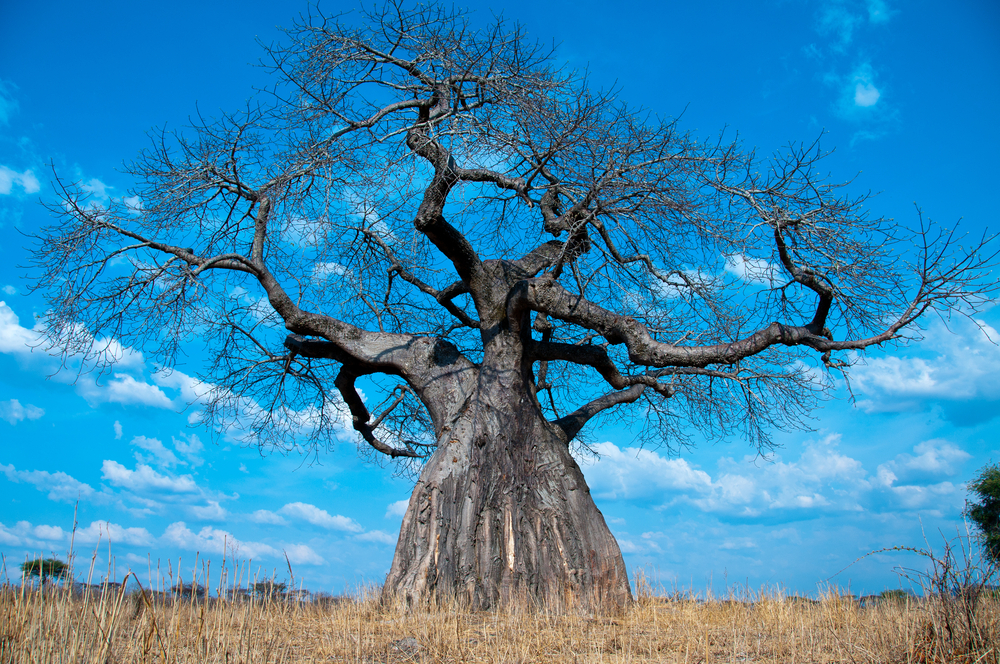
Massive baobab trees dominate portions of the landscape and give the park a distinctly wild and ancient appearance. Vegetation varies from open grasslands to dense miombo woodlands filled with acacia trees and shrubs. The changing habitats support one of the richest ecosystems in East Africa.
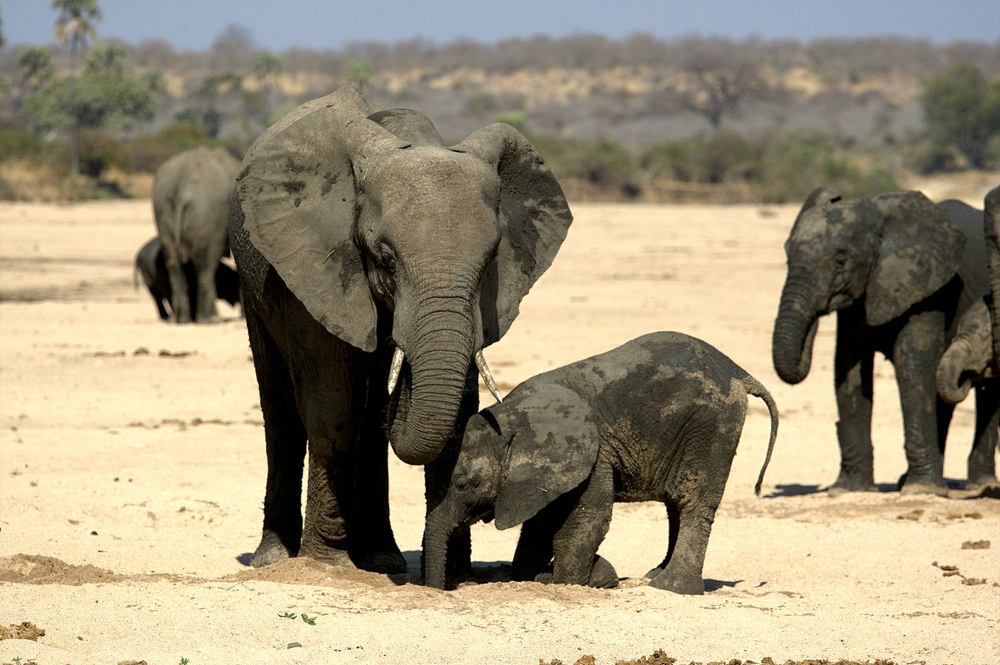
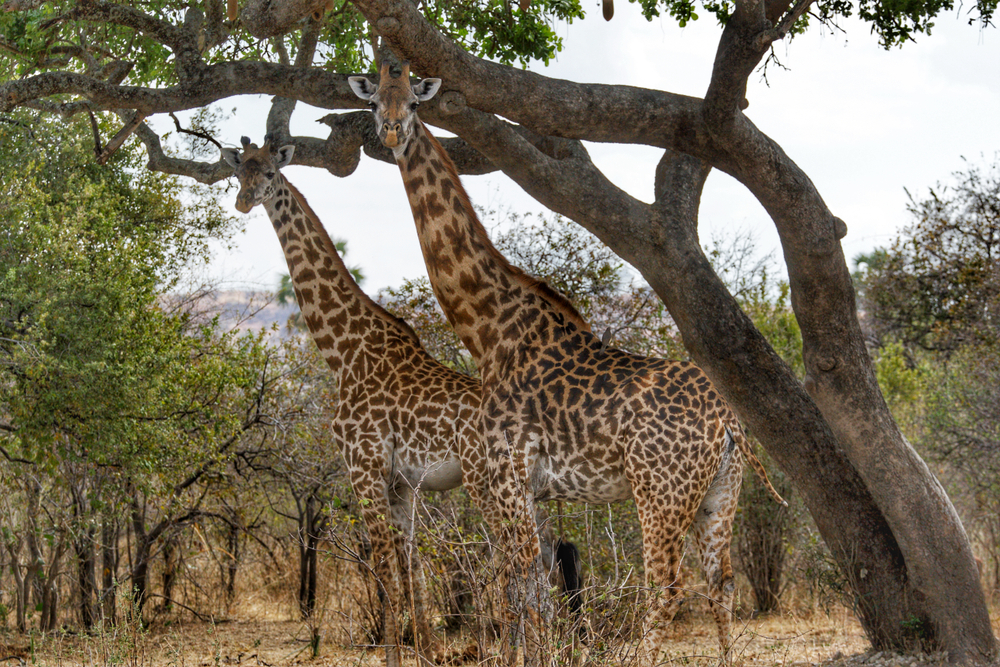
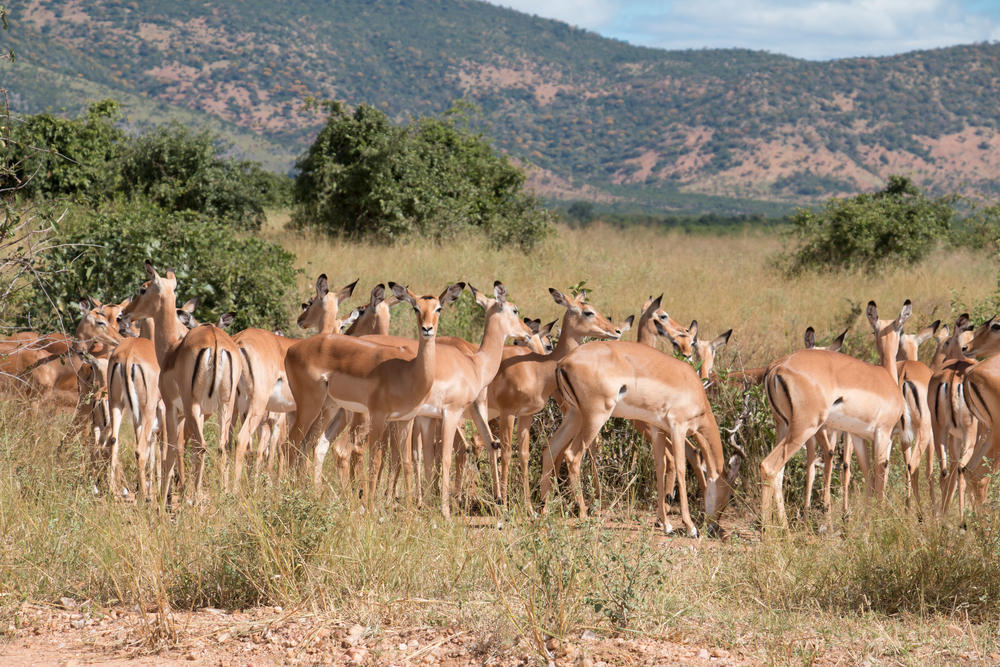
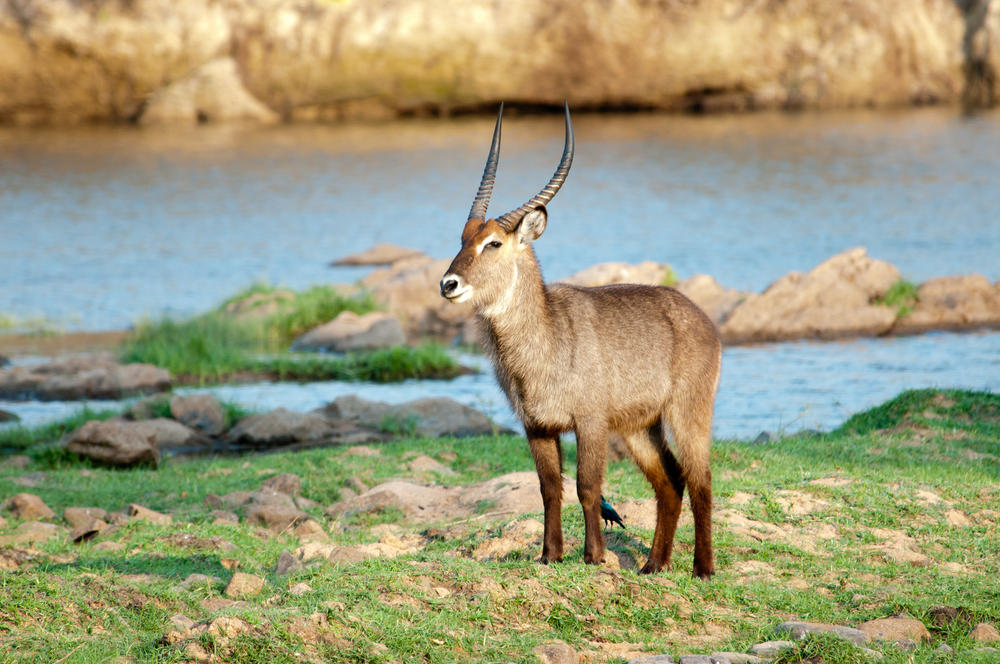
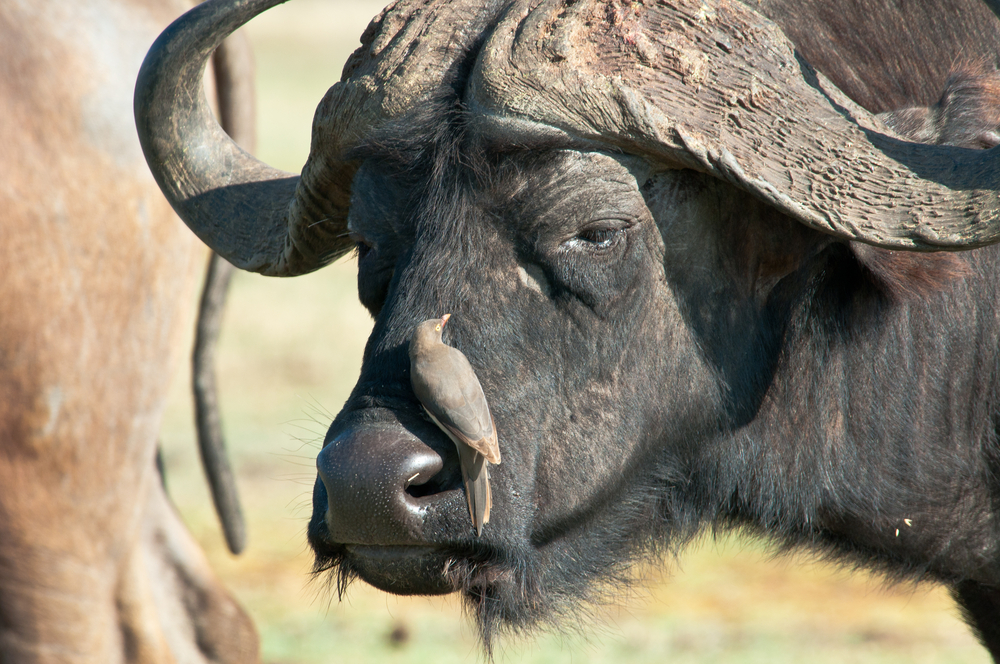
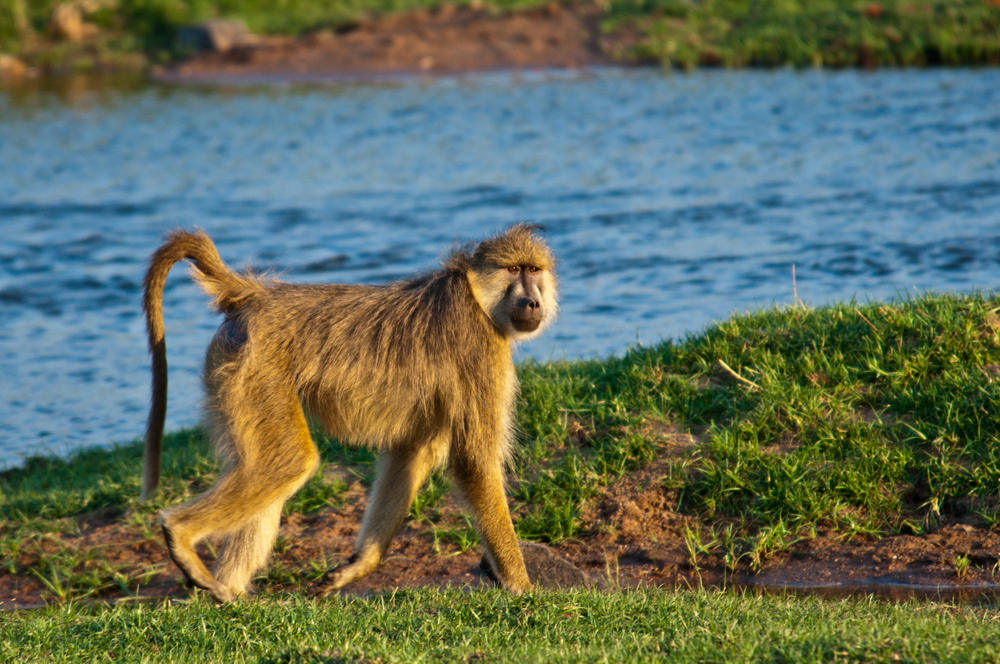
Ruaha National Park contains an astonishing diversity of wildlife. The park supports one of East Africa’s largest elephant populations and also protects buffalo, giraffes, zebras, kudu, sable antelope, roan antelope, impalas, and numerous other grazing animals. Predators thrive here due to the abundance of prey species.
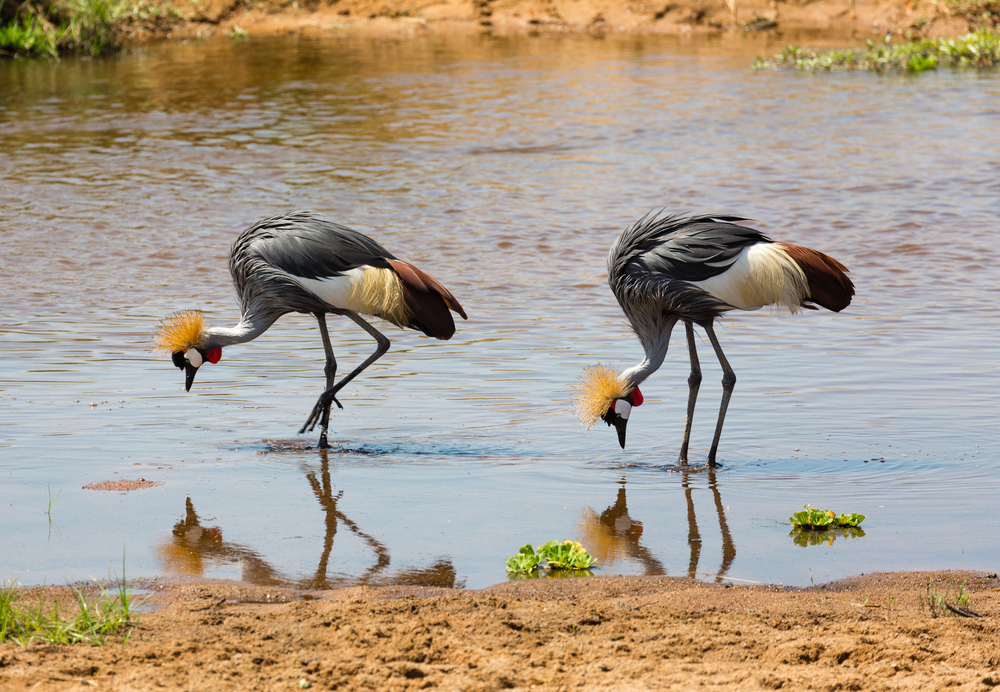
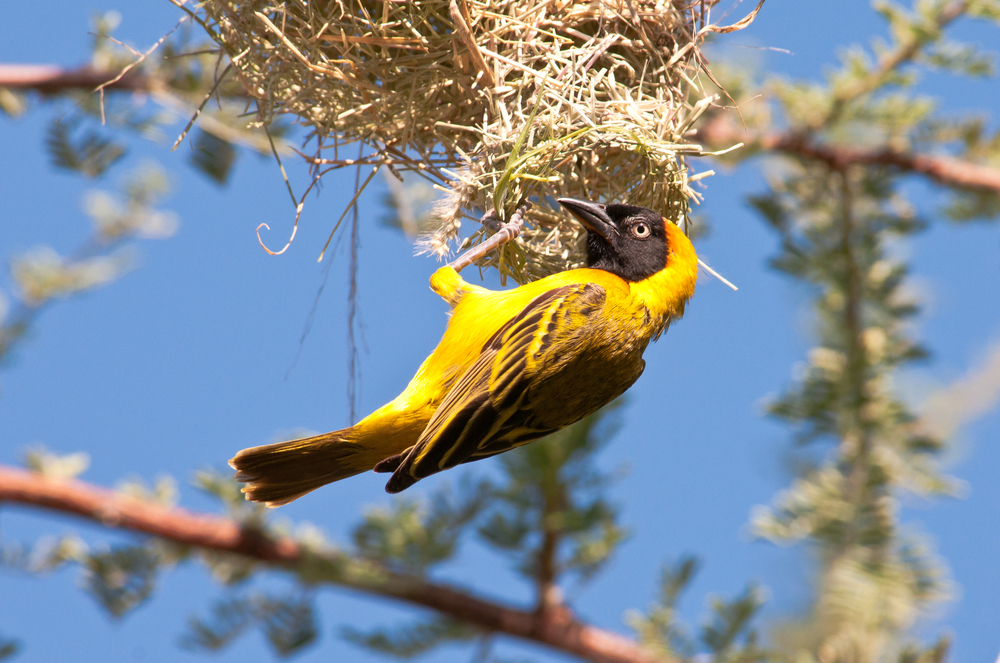
Lions, leopards, cheetahs, spotted hyenas, and African wild dogs are all regularly found within the park. Ruaha is also internationally recognized for birdwatching and supports more than 570 bird species. Colorful bee-eaters, hornbills, kingfishers, eagles, and storks are frequently observed along waterways and woodland habitats.
Ruaha National Park plays a critical role in conserving East Africa’s large mammal populations and maintaining habitat connectivity across southern Tanzania. The park protects endangered species and vast landscapes that allow wildlife to migrate naturally across ecosystems.
Compared to heavily visited parks such as Serengeti National Park or Maasai Mara National Reserve, Ruaha offers a more remote and intimate safari experience while supporting equally impressive biodiversity. Its wilderness character has made it increasingly important for conservation as human development expands across Africa. Ruaha National Park stands as one of the continent’s last truly wild safari destinations and remains a powerful refuge for wildlife, ecological research, and sustainable tourism.
Photos
Things to See
Sources
- Britannica, Ruaha National Park, https://www.britannica.com/place/Ruaha-National-Park, retrieved December 2019.
- CNN Traveler, Ruaha’s Secret Safaris, https://www.cntraveller.com/gallery/ruaha-national-park-safaris , retrieved December 2019.
- Expert Africa, Ruaha National Park, https://www.expertafrica.com/tanzania/ruaha-national-park, retrieved December 2019.
- Ruaha National Park, Park Site, https://www.ruahanationalpark.com/, retrieved December 2019.
- Tanzania Tourist Board, Ruaha National Park, https://www.tanzaniatourism.go.tz/en/destination/ruaha-national-park, retrieved December 2019.