

About
Kruger National Park is located in the northeastern region of South Africa, stretching along the borders of Mozambique and Zimbabwe. Covering approximately 7,500 square miles (19,500 sq km), it is one of the largest and most famous national parks in Africa.
Kruger forms the core of the Greater Limpopo Transfrontier Park, an expansive conservation area that connects protected lands across international borders, including Limpopo National Park and Gonarezhou National Park in Zimbabwe. Its immense scale, ecological diversity, and exceptional wildlife populations have made it one of the world’s premier safari destinations.
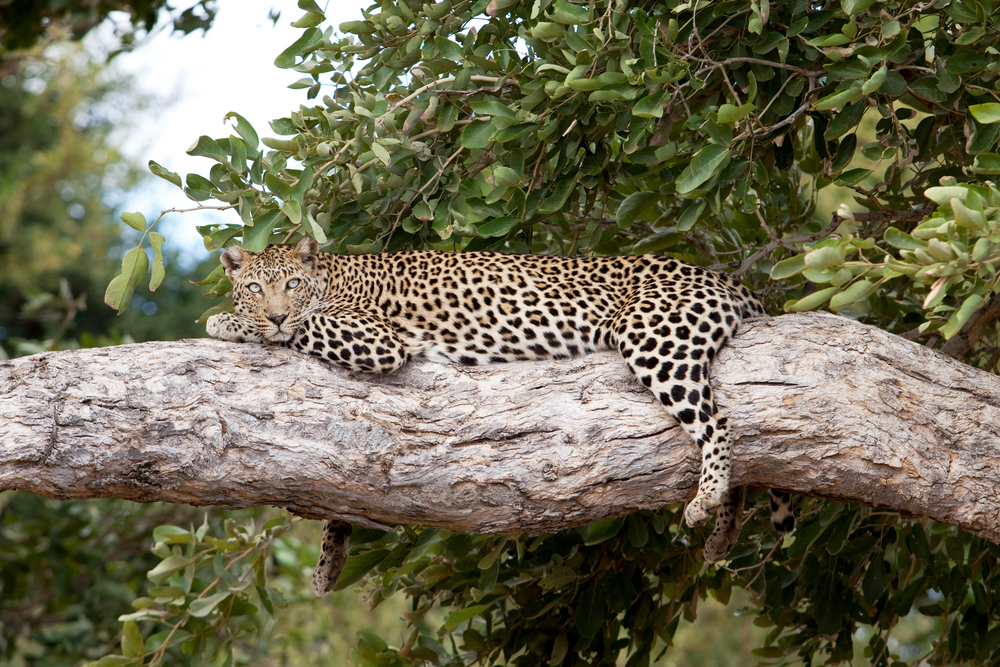
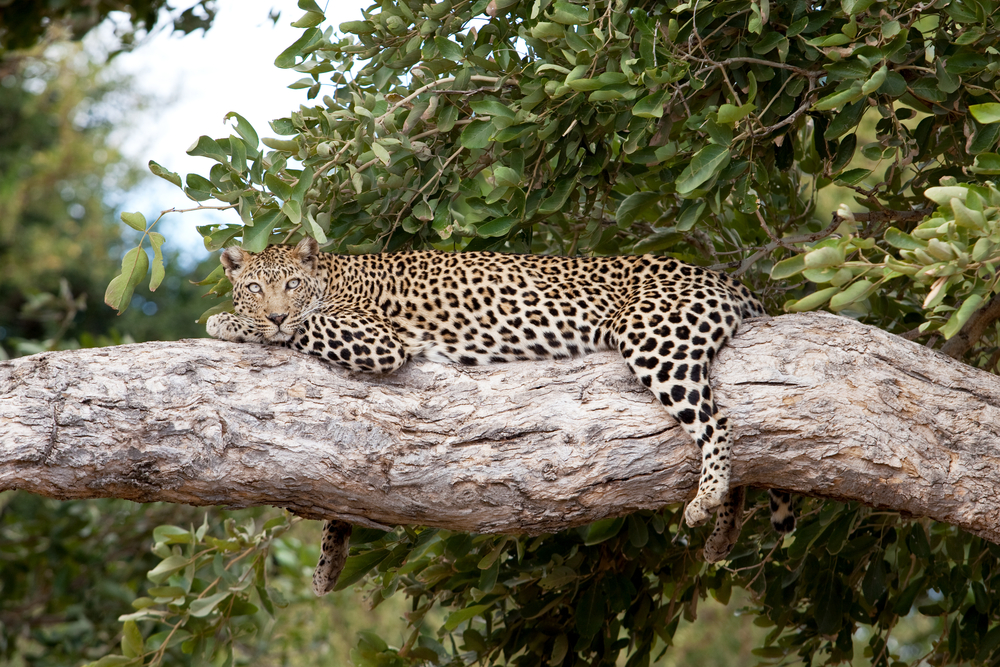
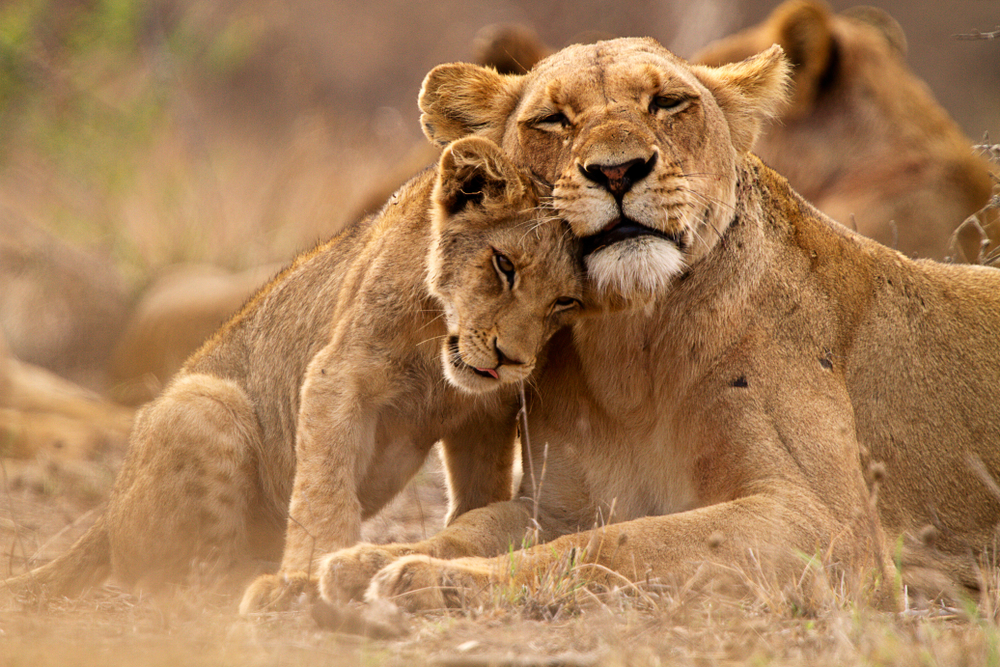
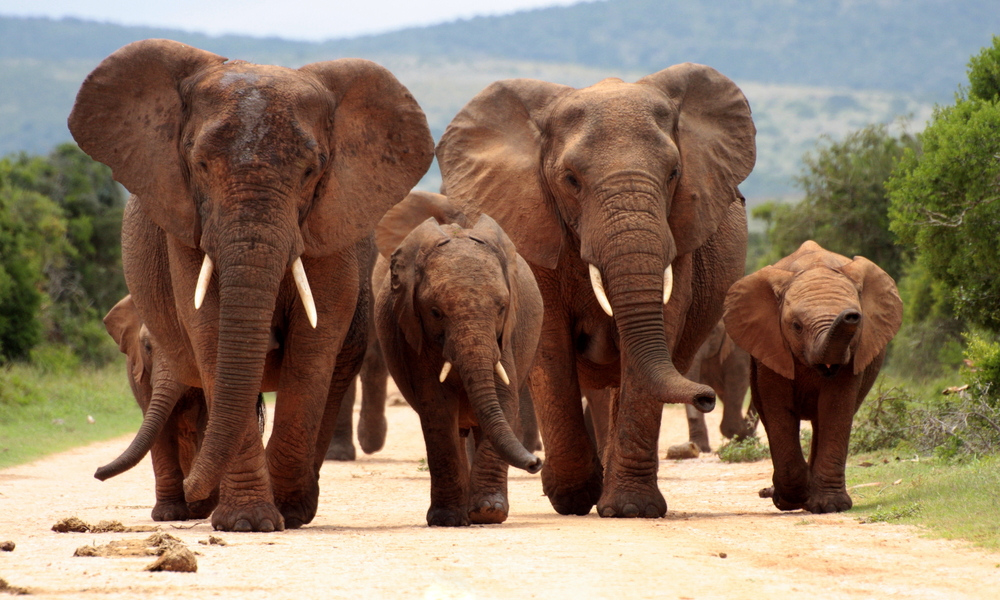
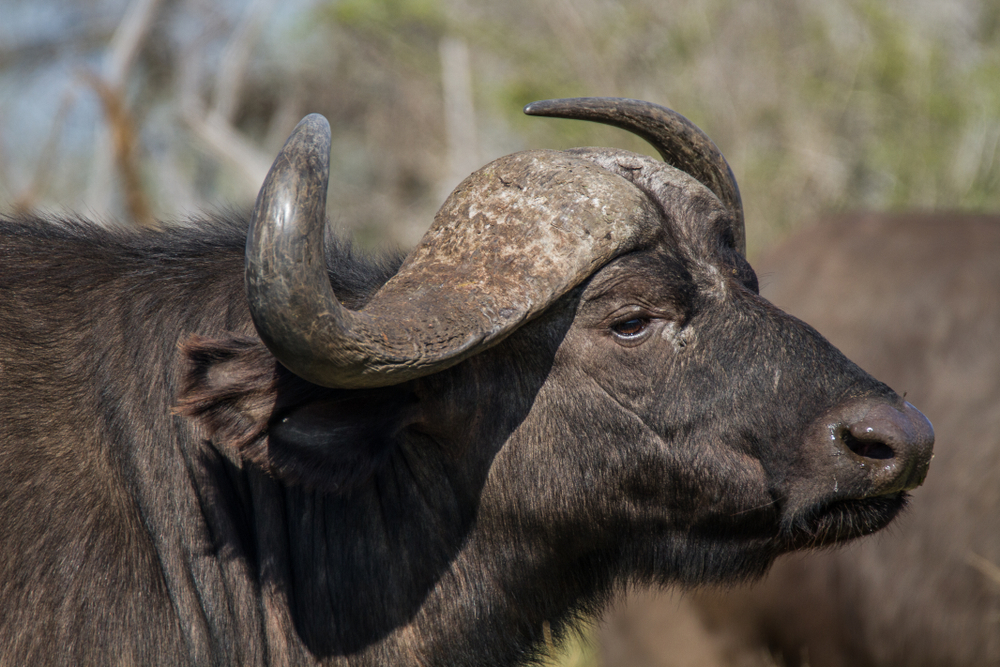
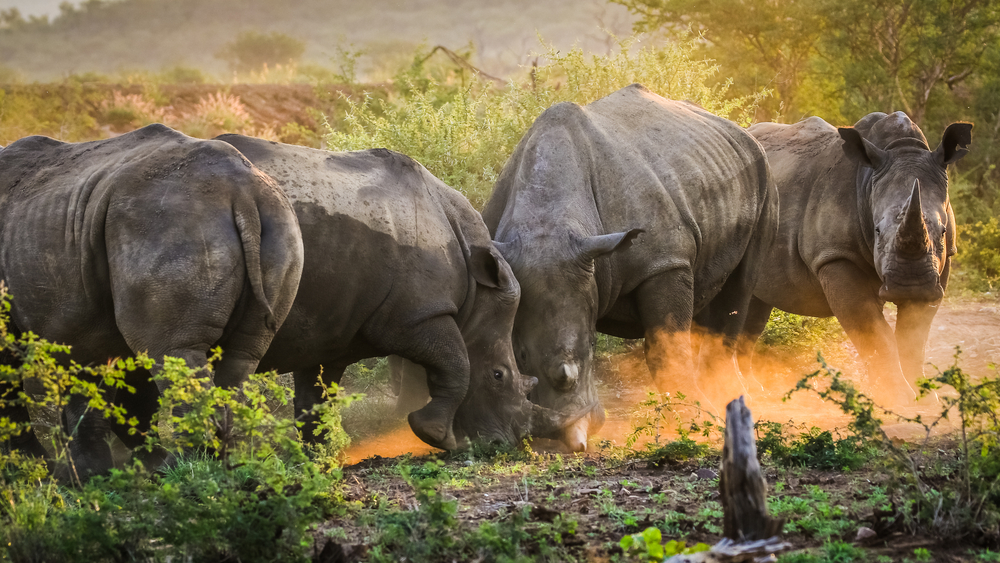
Kruger National Park is best known for its extraordinary abundance and diversity of wildlife, particularly its strong populations of the “Big Five”—lion, leopard, elephant, rhinoceros, and buffalo. Visitors from around the world travel to Kruger for the opportunity to observe these iconic animals in vast, natural landscapes.
The park is also celebrated for the quality and accessibility of its safari experiences, offering an extensive network of roads, camps, and viewing opportunities that allow visitors to explore a remarkable range of habitats. Despite its popularity, many areas of Kruger still retain a deep sense of wilderness, especially in the more remote northern regions.
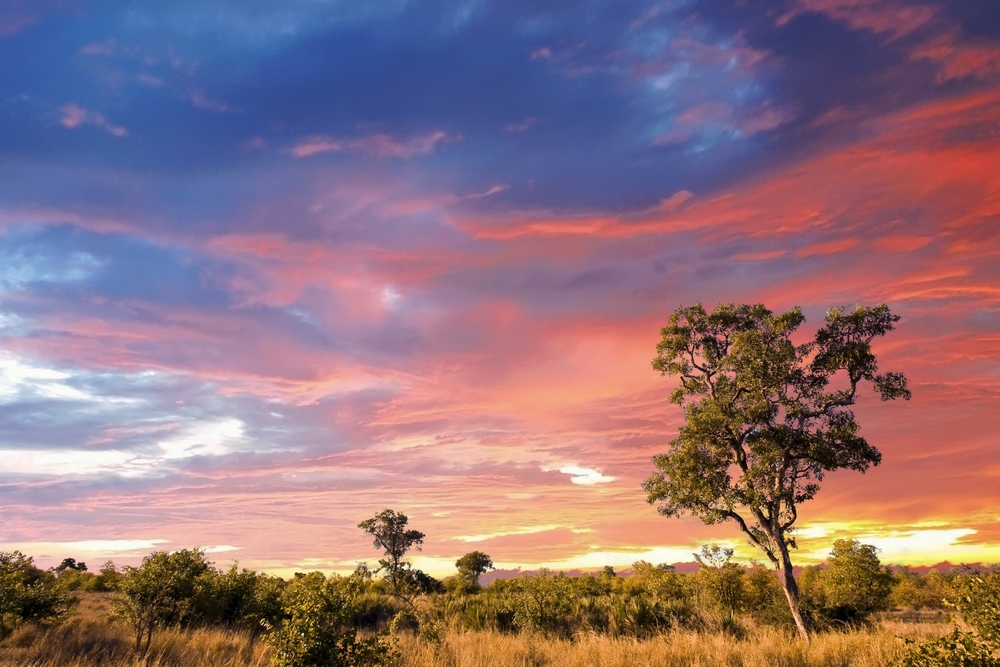
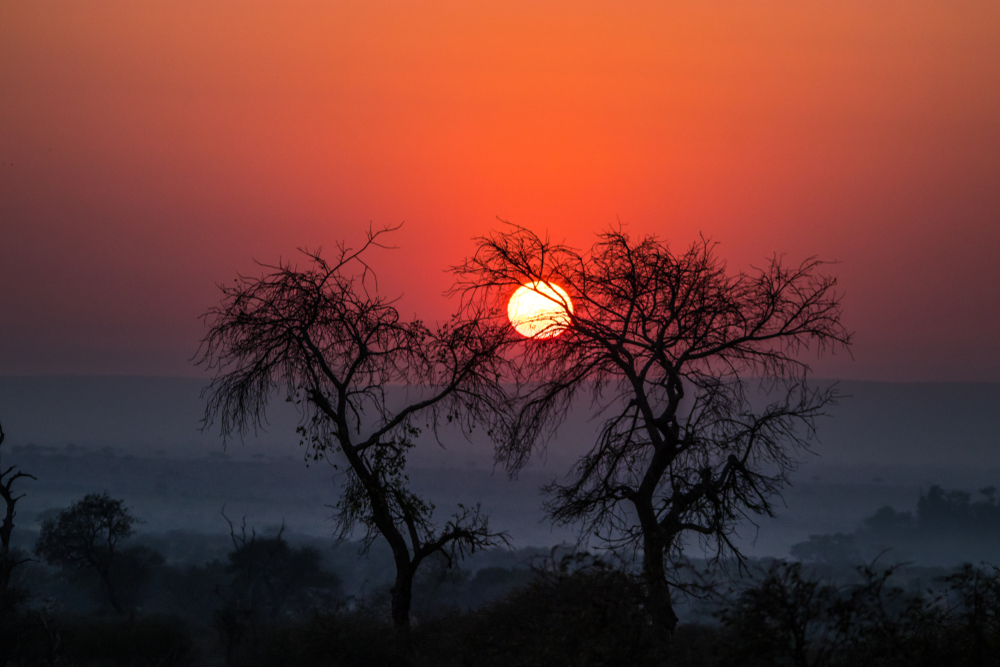
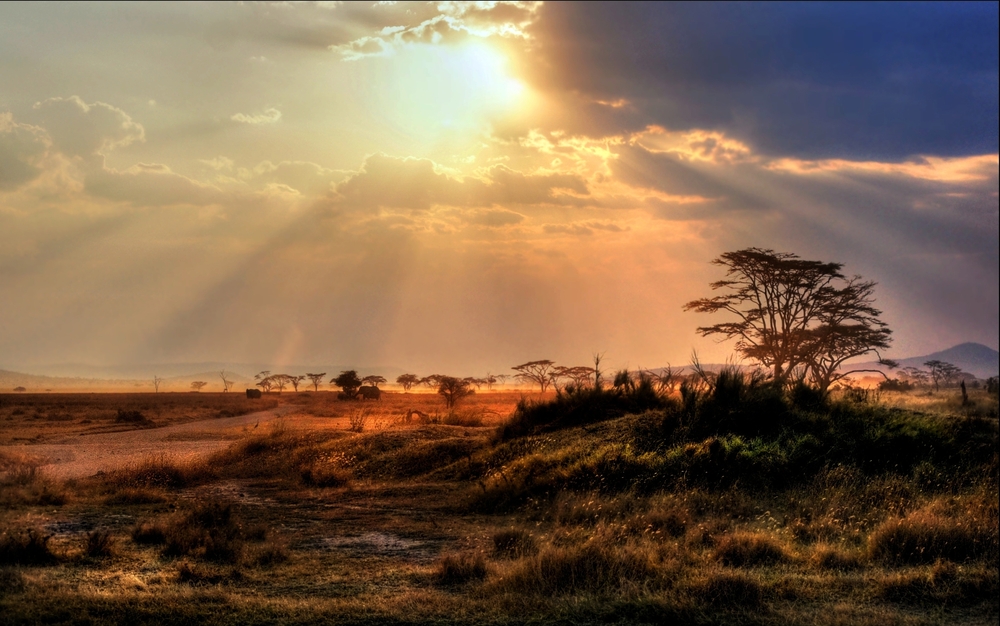
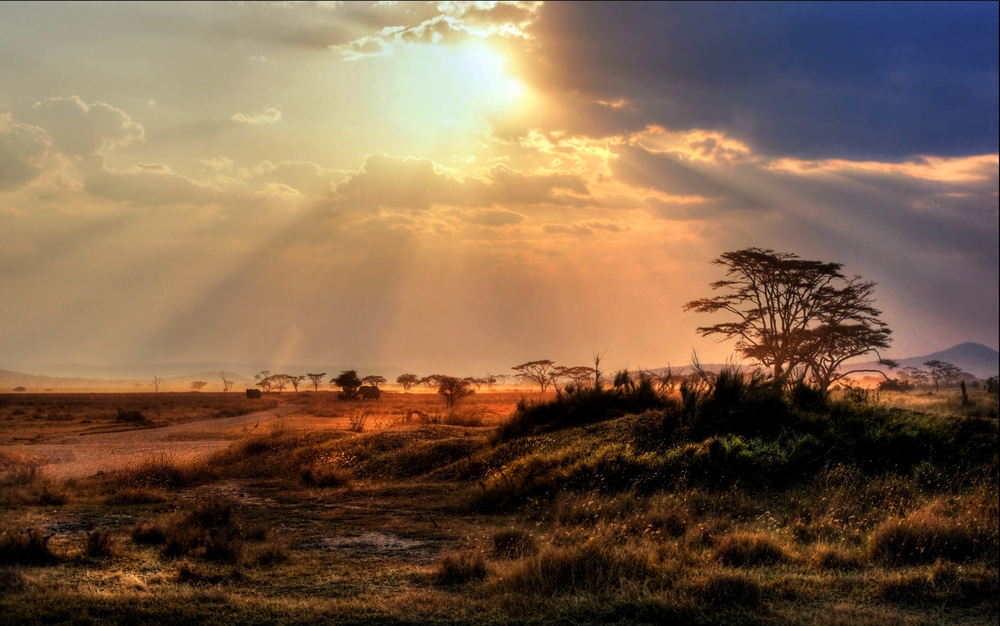
The geography of Kruger National Park is highly varied, contributing to its exceptional biodiversity. The landscape includes open savannas, rolling grasslands, riverine forests, mopane woodlands, and rocky hills. Major rivers such as the Sabie, Crocodile, Limpopo, and Olifants flow through the park, providing essential water sources that sustain wildlife throughout the year.
Seasonal changes transform the environment, with lush green vegetation emerging after the rains and drier, golden landscapes dominating during the winter months. This diversity of ecosystems allows different species to thrive across the park’s enormous expanse.
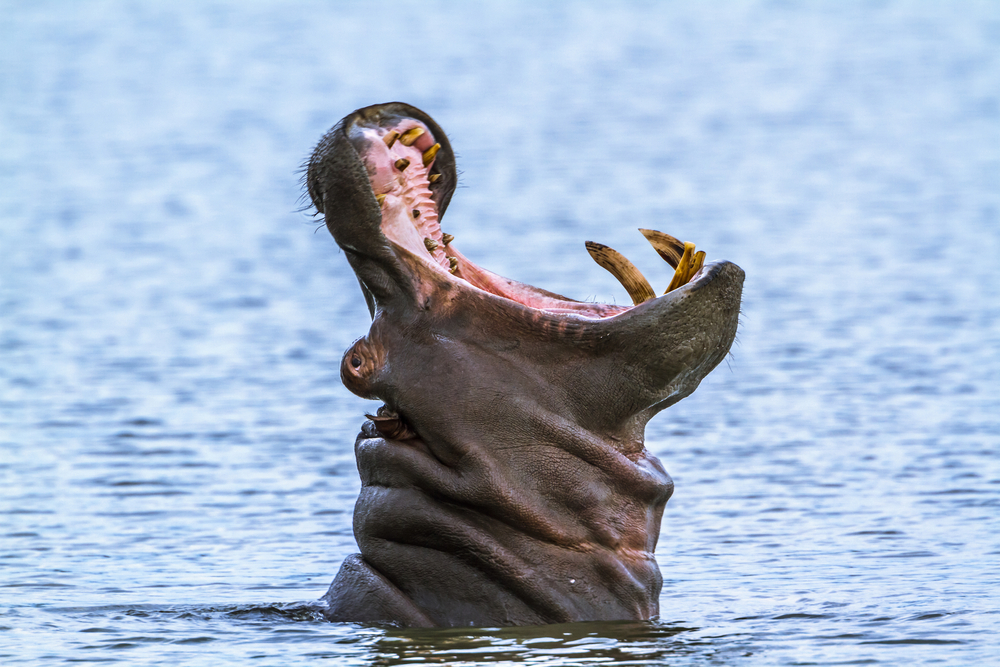
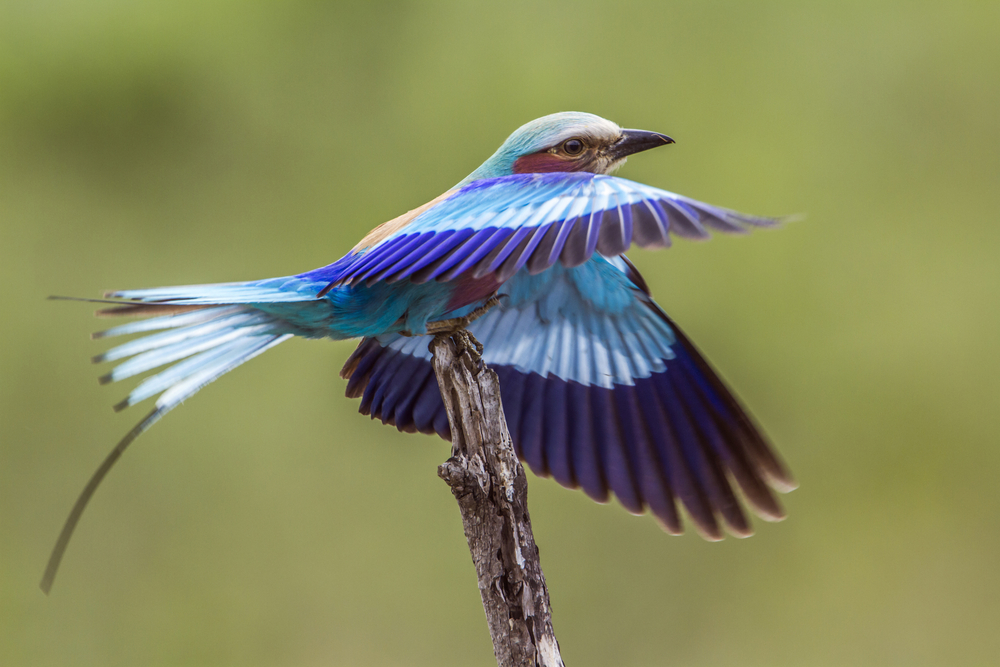
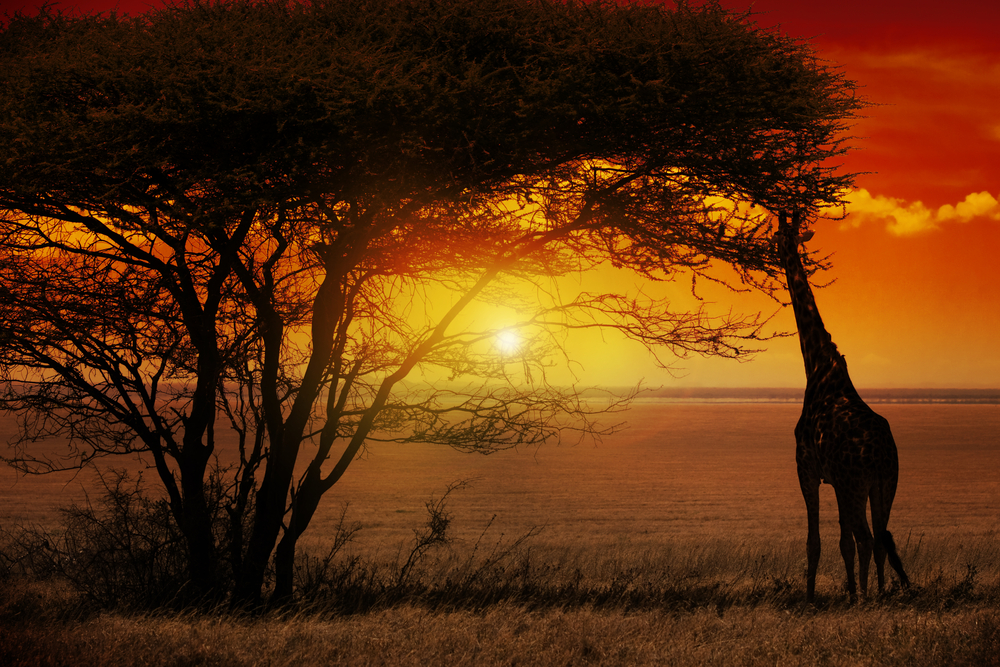
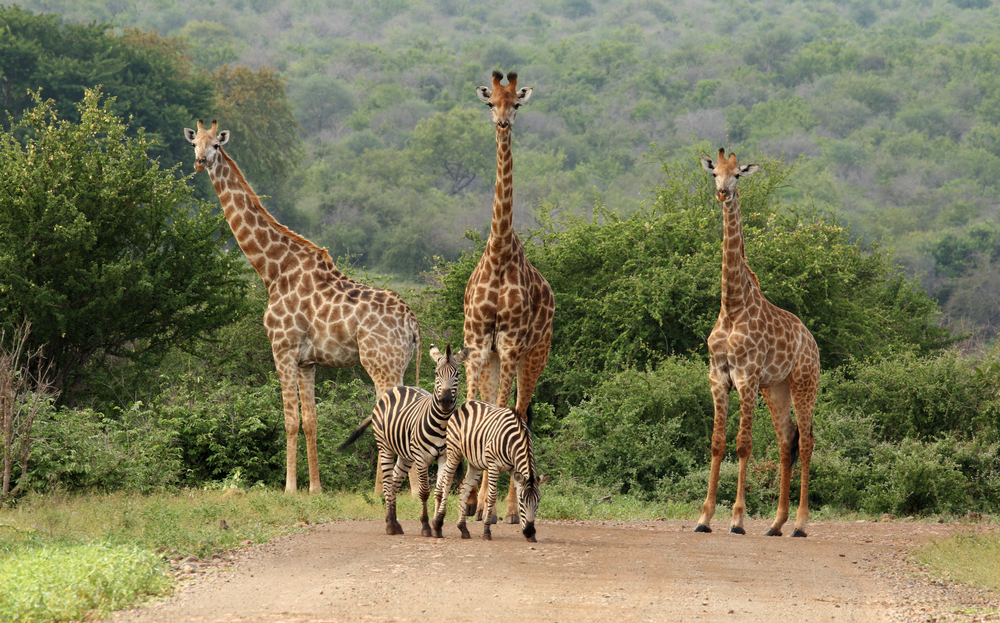
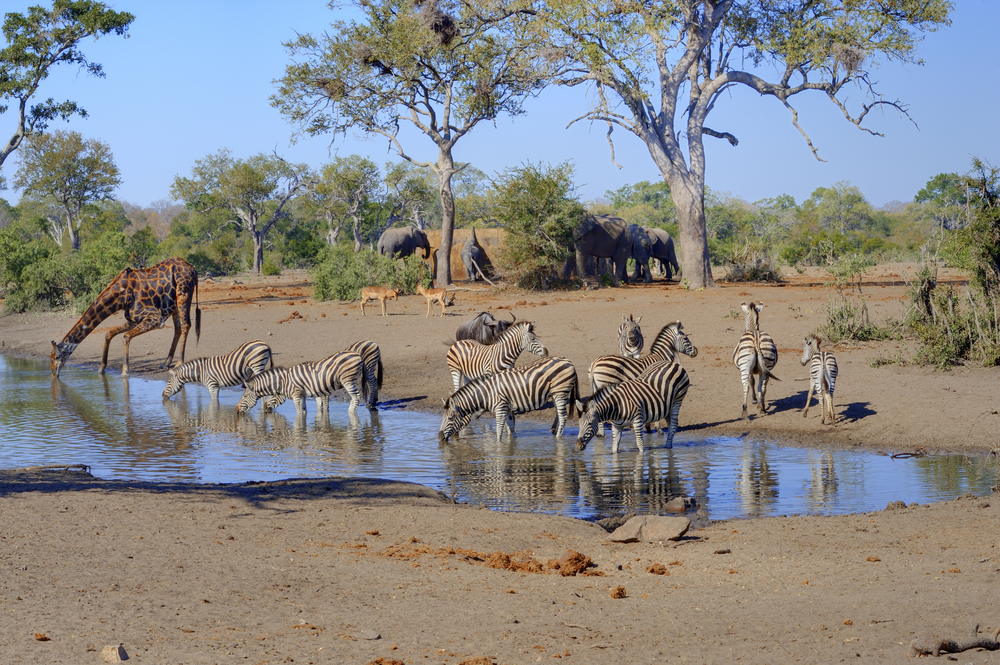
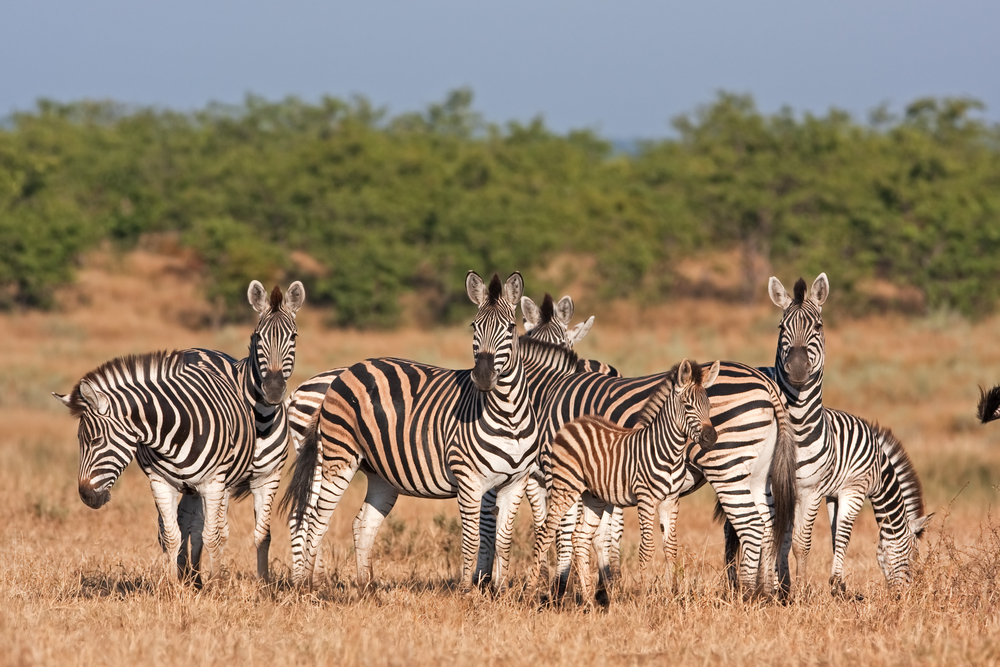
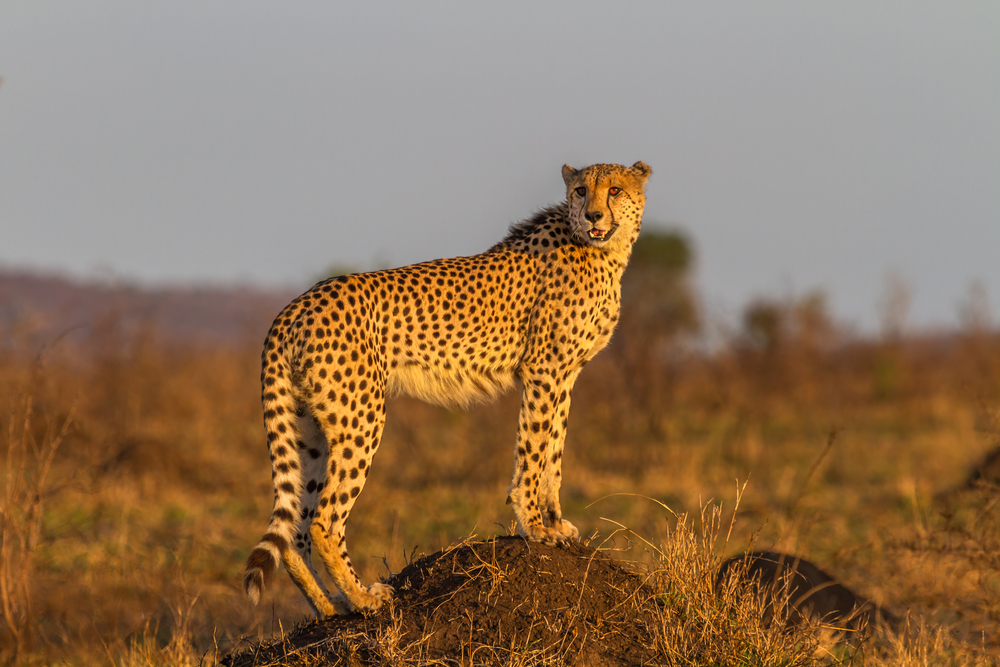
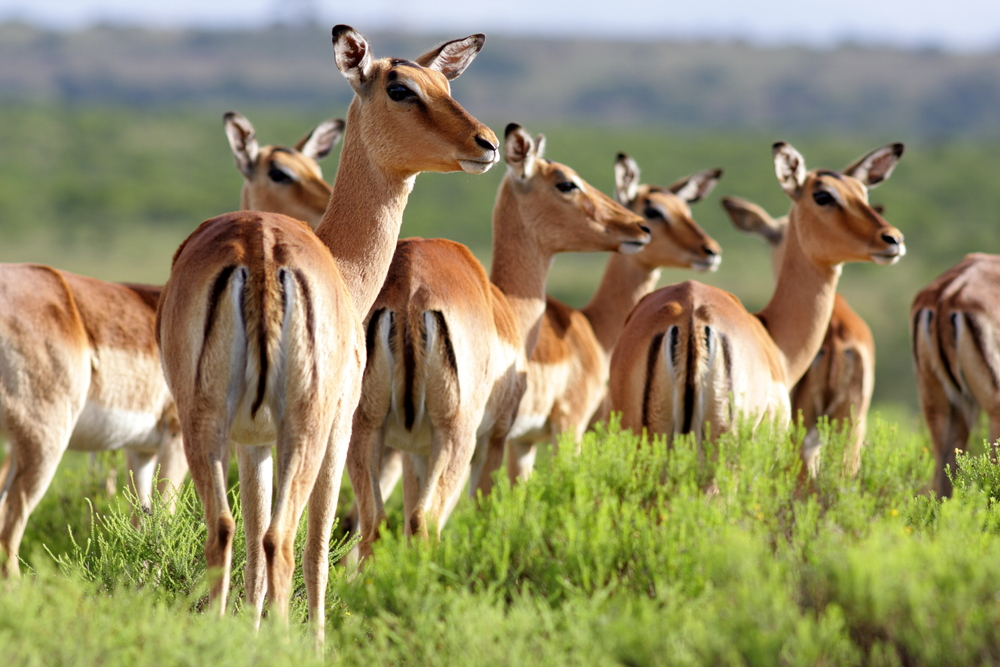
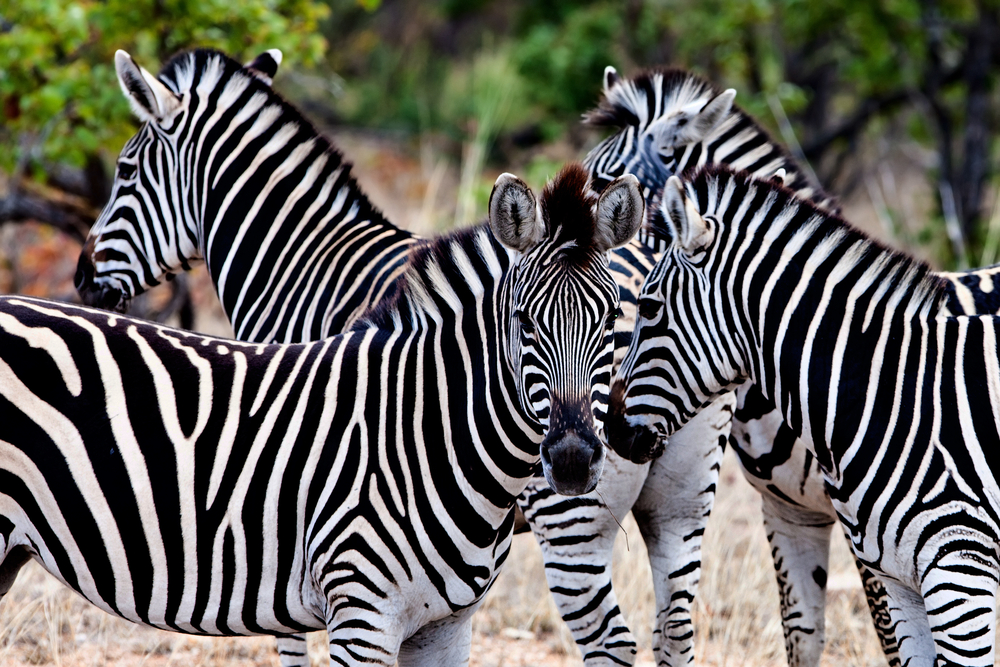
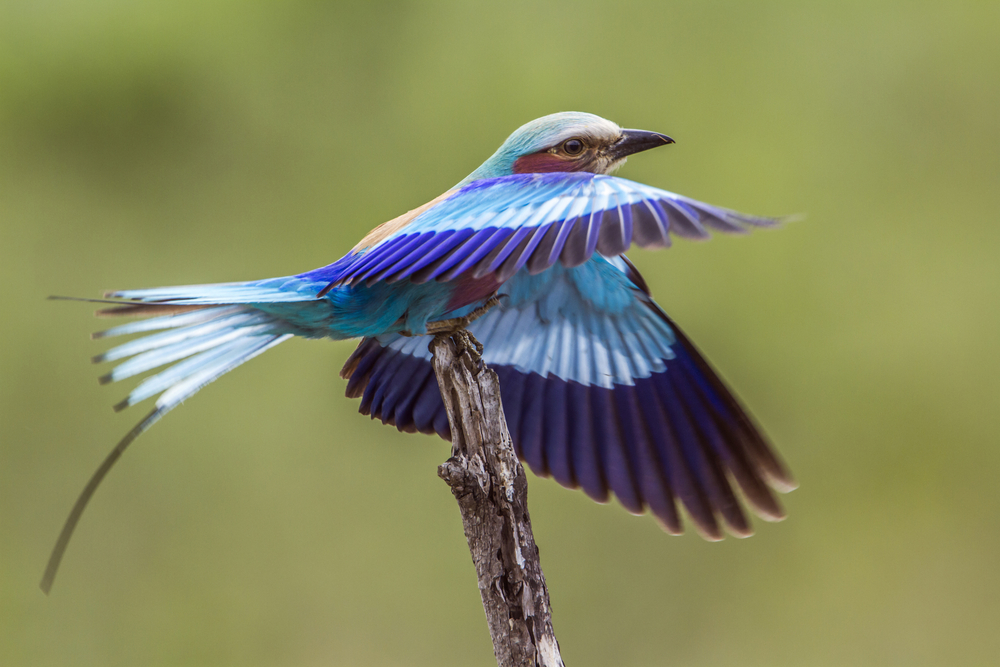
Wildlife in Kruger is among the richest anywhere in Africa. In addition to the Big Five, the park supports cheetahs, wild dogs, giraffes, zebras, hippos, crocodiles, hyenas, and numerous antelope species. Birdlife is equally impressive, with more than 500 recorded species ranging from large raptors to colorful kingfishers and hornbills.
Kruger’s rivers and wetlands attract aquatic species and migratory birds, while its varied habitats support everything from reptiles and amphibians to smaller nocturnal mammals. The sheer density and diversity of life make wildlife encounters frequent and unforgettable.
Kruger National Park plays a critical role in global conservation by protecting one of Africa’s largest intact ecosystems and preserving habitats for countless species, including several that are threatened or endangered. The park’s participation in transboundary conservation initiatives helps maintain wildlife migration routes and ecological connectivity across southern Africa. Kruger is also a major center for scientific research, anti-poaching efforts, and environmental education, contributing significantly to conservation knowledge and wildlife protection.
On a global scale, the park stands as a symbol of Africa’s natural heritage and the importance of safeguarding large wilderness areas where ecological processes can continue largely uninterrupted. Its iconic wildlife, sweeping landscapes, and enduring conservation legacy make Kruger National Park one of the world’s greatest protected areas.
Photos




Things to See
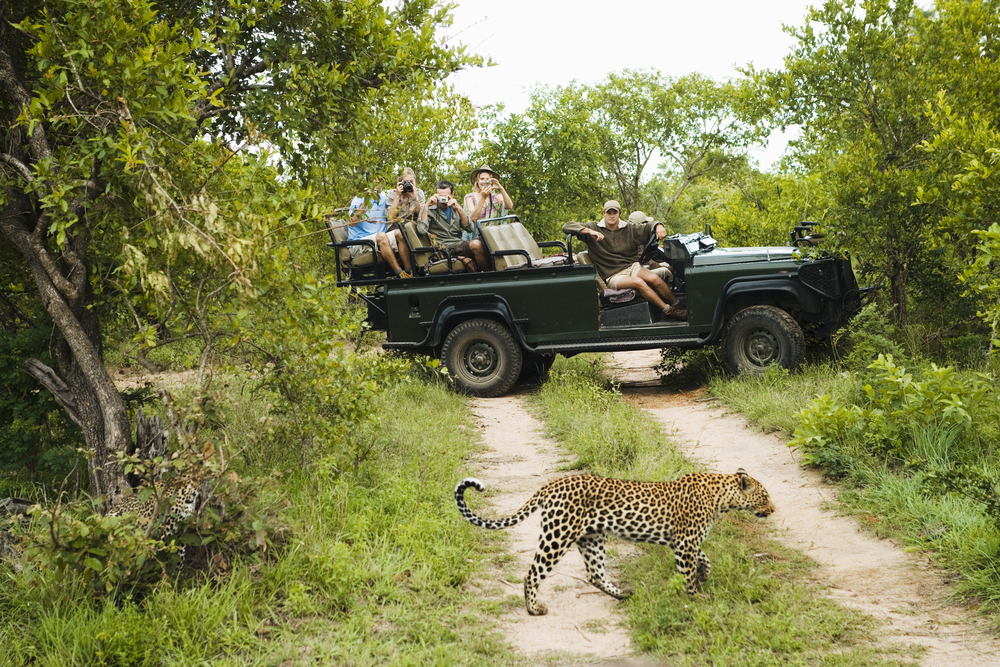
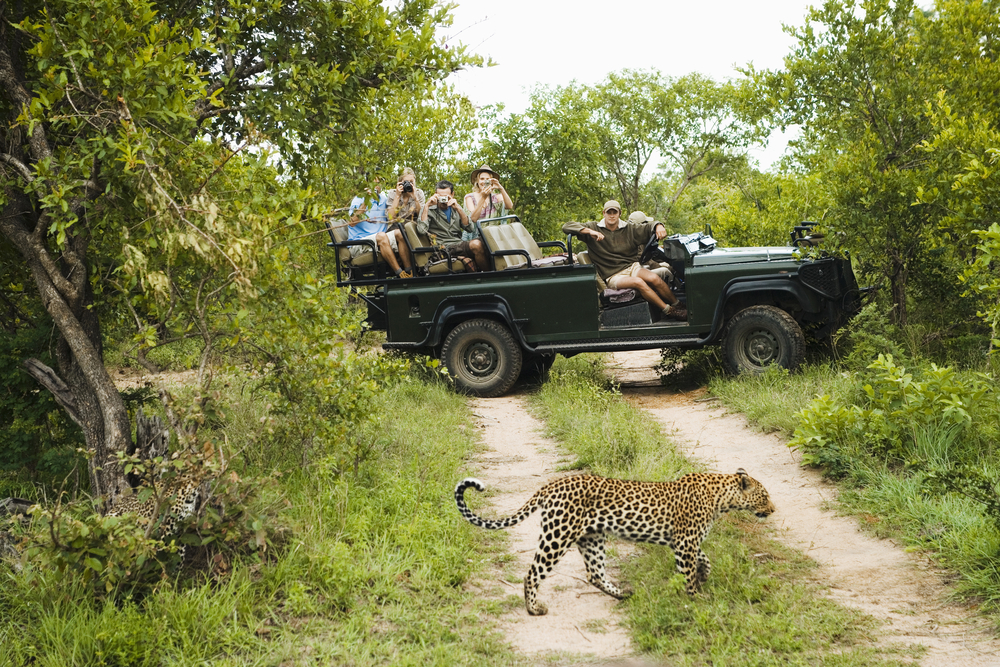
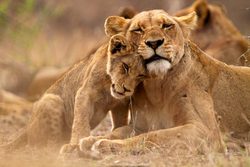 Without question, a safari throughout the park is the highlight for Kruger National Park. It represents one of the largest collections of wildlife throughout the continent. The predators of the park include lion, leopard, cheetah, hyena, wild dog, and the crocodile.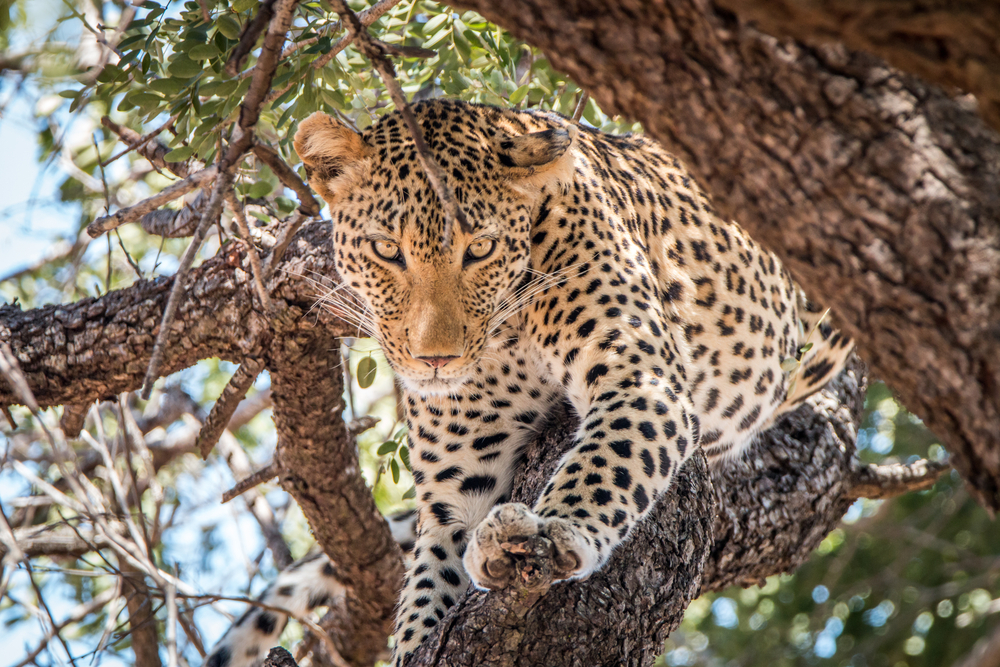
Things To Do
Engaging Kruger

Kruger National Park Trails
The wilderness trails have no guarantees of wildlife sightings and matter of fact sightings can be more challenging. These trails are for exploring the wilderness and landscapes versus animal viewing. The best chance of wildlife sightings is for some of the bigger species such as elephants.

FAQ’s
What is Kruger most famous for?
Kruger National Park is most famous for its remarkable diversity of wildlife, including the iconic Big Five (lion, leopard, elephant, rhinoceros, and buffalo).
Spanning nearly two million hectares, the park offers unparalleled opportunities for wildlife viewing, attracting visitors from around the world.
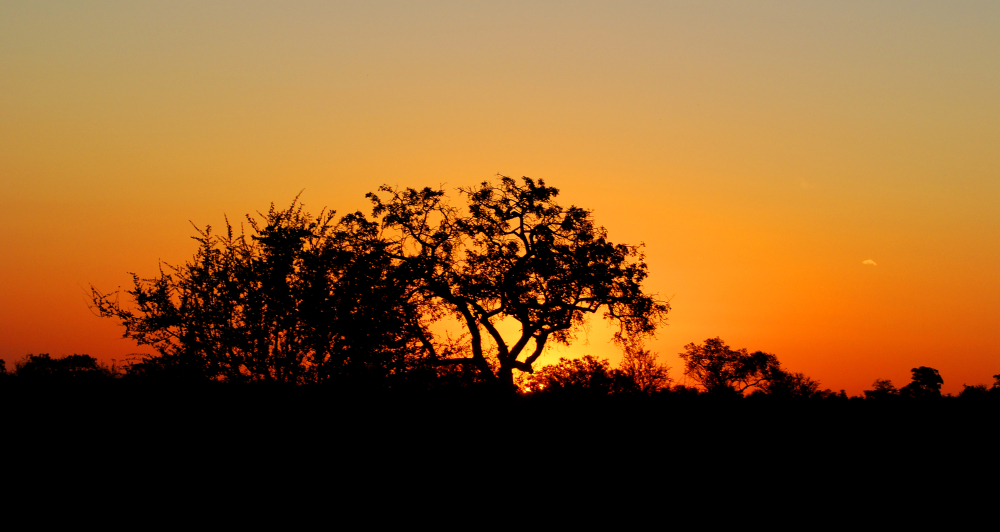
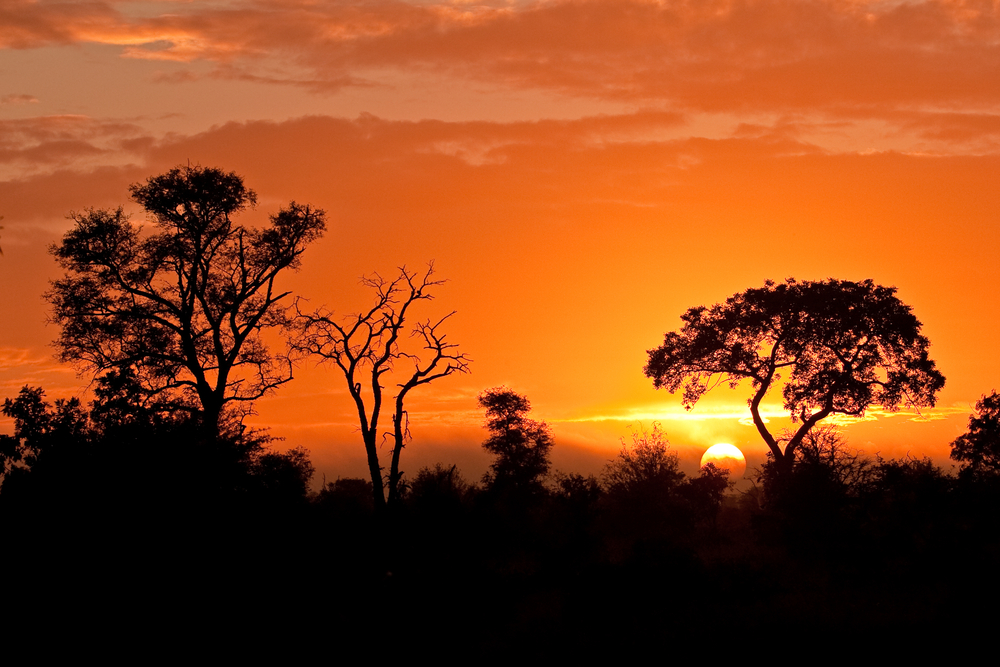
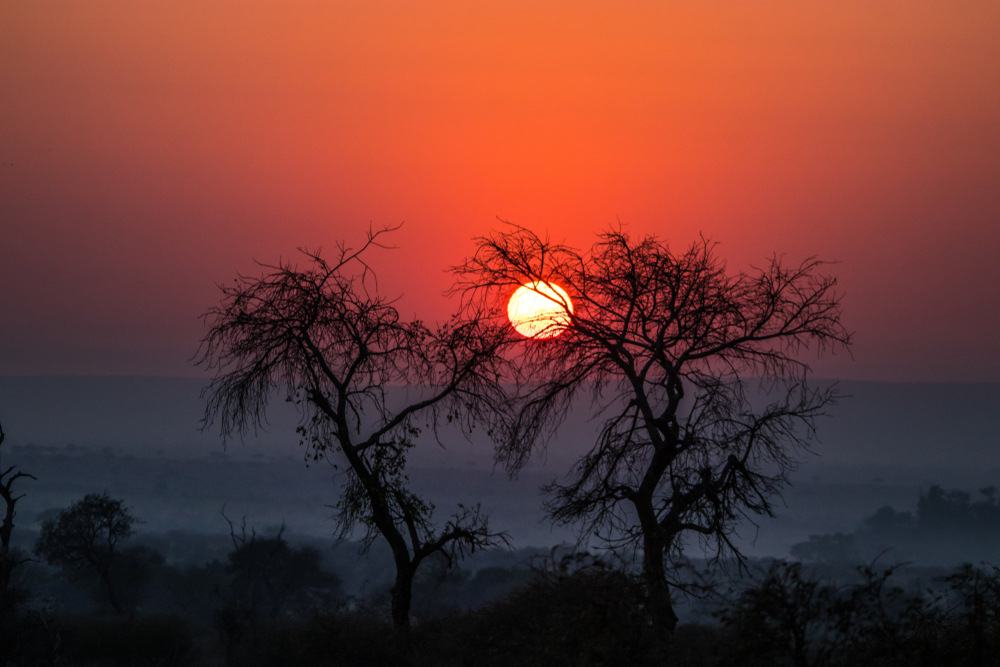
Its vast savanna landscapes, dotted with acacia trees and watering holes, provide a natural habitat for a wide range of species, making it one of Africa’s premier safari destinations.
Additionally, Kruger National Park is renowned for its conservation efforts and research initiatives, contributing to the preservation of South Africa’s rich biodiversity.
What is Kruger most famous for?
Kruger National Park is most famous for its remarkable diversity of wildlife, including the iconic Big Five (lion, leopard, elephant, rhinoceros, and buffalo).
Spanning nearly two million hectares, the park offers unparalleled opportunities for wildlife viewing, attracting visitors from around the world.
Its vast savanna landscapes, dotted with acacia trees and watering holes, provide a natural habitat for a wide range of species, making it one of Africa’s premier safari destinations.
Additionally, Kruger National Park is renowned for its conservation efforts and research initiatives, contributing to the preservation of South Africa’s rich biodiversity.
Sources
- Britannica, Kruger National Park, https://www.britannica.com/place/Kruger-National-Park, retrieved June 2020.
- South Africa National Parks, Kruger, https://www.sanparks.org/parks/kruger/, retrieved July 2019
- Kruger Park, http://www.krugerpark.co.za/, retrieved July 2019.
- Rhino Africa, Kruger National Park, https://www.rhinoafrica.com/en/destinations/kruger-national-park/2651, retrieved June 2020.