About

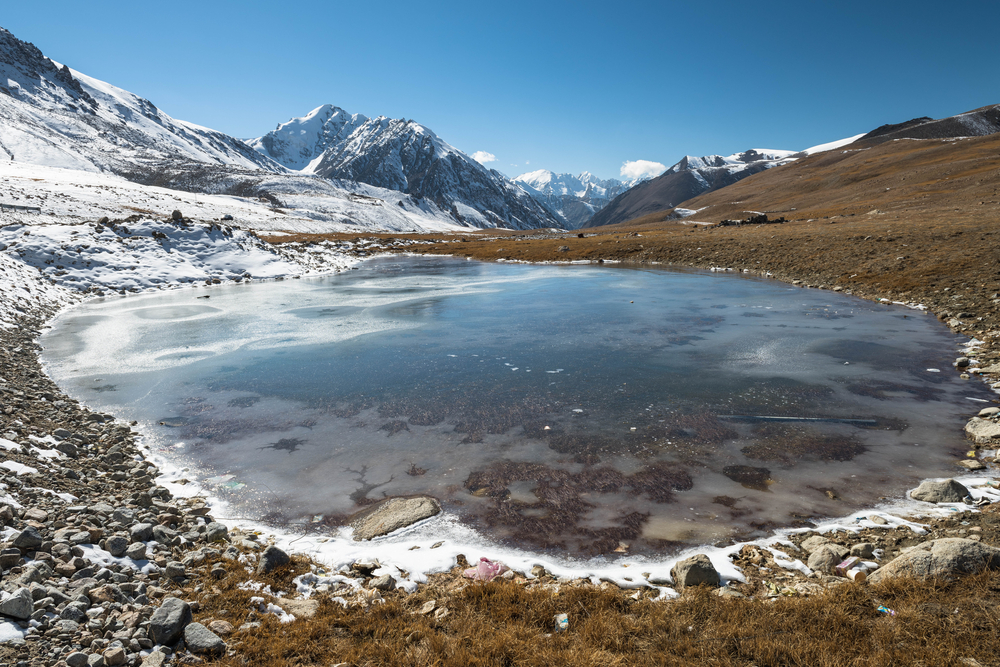
Khunjerab National Park is located in the far northern region of Pakistan within Gilgit-Baltistan and covers approximately 1,745 square miles (4,470 sq km). Established in 1975, the park protects one of the highest and most spectacular mountain ecosystems in the world.

Situated along the border with China, the park encompasses a vast section of the Karakoram Mountains and includes the famous Khunjerab Pass, one of the highest paved international border crossings on Earth. The park lies along the route of the historic Silk Road and the modern Karakoram Highway, northeast of Gilgit. Khunjerab National Park preserves high-altitude plateaus, rugged mountain valleys, alpine meadows, glaciers, and some of Central Asia’s most important wildlife habitats.

Khunjerab National Park is best known for its dramatic mountain scenery and as a refuge for rare high-altitude wildlife. Visitors are drawn to sweeping views of snow-capped peaks, vast alpine grasslands, and remote wilderness landscapes. The park is one of the best places in Pakistan to observe iconic mountain species in their natural habitat.

Popular activities include wildlife observation, photography, sightseeing along the Karakoram Highway, trekking, and nature tourism. The scenic journey through Khunjerab Pass provides visitors with breathtaking views of the surrounding mountains and offers a unique glimpse into one of the highest protected areas in the world.

The geography of Khunjerab National Park is defined by extreme elevation and rugged mountain terrain. Much of the park lies above 10,000 feet (3,050 meters), while surrounding peaks rise far higher into the Karakoram Range. The landscape consists of alpine meadows, glacial valleys, rocky slopes, high plateaus, rivers, and snow-covered mountains.

Long winters and short summers characterize the climate, with snow covering much of the region for a significant portion of the year. Vegetation is limited by elevation but includes alpine grasses, wildflowers, shrubs, and hardy plants adapted to harsh mountain conditions. Despite the challenging environment, these ecosystems support an impressive diversity of wildlife.

Wildlife within Khunjerab National Park is among the park’s greatest conservation treasures. The park was originally established to protect the endangered Marco Polo sheep, one of the world’s largest wild sheep species. Other notable mammals include snow leopards, Himalayan ibex, blue sheep, Himalayan wolves, red foxes, and marmots.

Birdlife includes golden eagles, lammergeiers, Himalayan snowcocks, choughs, and numerous high-altitude species adapted to mountain environments. The park’s remote location and extensive habitats provide important refuge for wildlife that has disappeared from many other regions of Central Asia.

Khunjerab National Park plays a critical role in protecting one of the most important mountain ecosystems in the Karakoram and Pamir regions. The park safeguards critical habitat for endangered species, protects alpine watersheds, and contributes to conservation efforts across international borders. Conservation initiatives focus on wildlife protection, sustainable tourism, and maintaining ecological connectivity with neighboring protected areas in China.

Khunjerab is often compared to Sagarmatha National Park and Karakoram National Park because of its high-altitude landscapes and mountain biodiversity. However, its unique combination of the Khunjerab Pass, vast alpine plateaus, and internationally significant wildlife populations gives it a distinctive identity. Today, Khunjerab National Park stands as one of Pakistan’s most important protected landscapes, preserving a remarkable environment where mountains, glaciers, wildlife, and ancient trade routes converge in extraordinary harmony.
Things to See

Popular

Popular

Khunjerab National Park, located in the Gilgit-Baltistan region of northern Pakistan, is one of the highest-altitude national parks in the world. Nestled within the Karakoram Range near the China border, the park is a haven for cold-adapted, high-altitude wildlife and is crucial for the conservation of several iconic mountain species.

Snow Leopard
The elusive and endangered snow leopard roams the park’s rugged cliffs and snowy peaks. With its thick spotted coat and long tail for balance, it is a top predator in this alpine ecosystem.

Marco Polo Sheep
Known for its massive spiral horns, the Marco Polo sheep is the world’s largest wild sheep species. It grazes in high alpine meadows and is a symbol of Khunjerab’s rich biodiversity.

Siberian Ibex
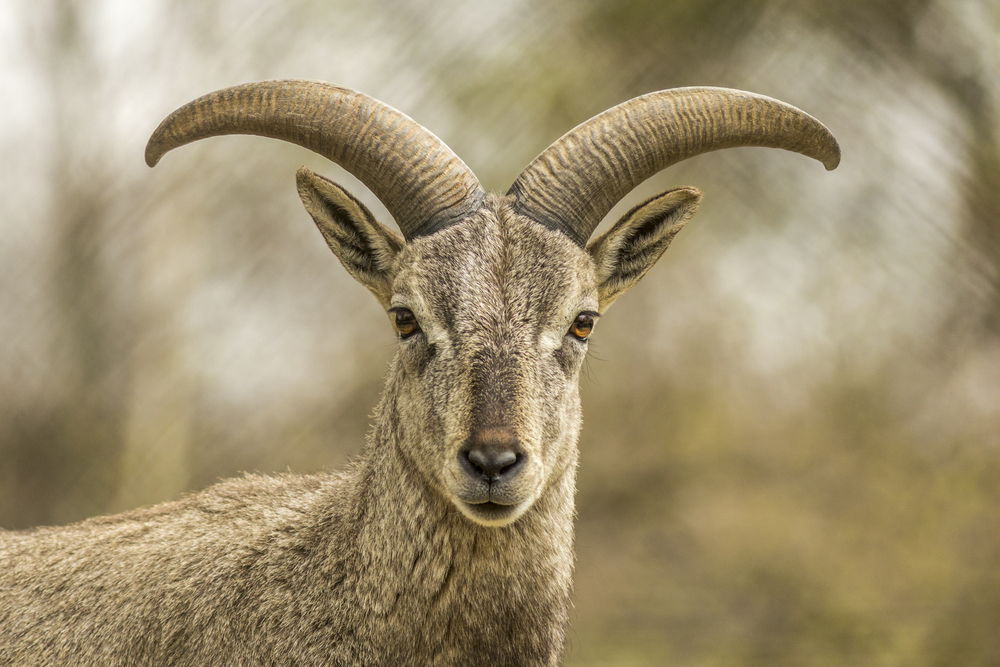
This hardy mountain goat features a muscular build and impressive backward-curving horns. It thrives in steep, rocky areas, using its agility to evade predators and navigate rugged terrain.

Himalayan Brown Bear
One of the largest carnivores in the region, the Himalayan brown bear hibernates in winter and forages in summer for roots, insects, and small animals. It is a rare but protected resident of the park.

Himalayan Marmot
These large, burrowing rodents are social animals often seen sunning near their dens. Their loud whistles serve as warnings to alert the colony of approaching danger.

Tibetan Wolf
A subspecies of the gray wolf, the Tibetan wolf is well-adapted to cold and thin air. It preys on marmots, ibex, and other high-altitude animals, usually hunting in pairs or small packs.

Red Fox
With a bushy tail and keen senses, the red fox is a versatile predator and scavenger that lives throughout the park. It often feeds on small mammals, birds, and carrion.

Blue Sheep (Bharal)
Despite its name, the blue sheep is neither blue nor a true sheep, but a goat-antelope hybrid. Its grayish-blue coat blends with the rocks, offering camouflage from predators like snow leopards.

Ladakh Urial
This wild sheep species prefers rolling hills and open valleys. Males have distinctive curled horns and are often seen grazing in herds during the warmer months.

Pallas’s Cat
A rare and stocky feline with a flat face and thick fur, Pallas’s cat is a master of camouflage in the stony grasslands. It hunts pikas, voles, and other small mammals.

Birds

Birds

The alpine meadows, rocky cliffs, and cold desert valleys of Khunjerab National Park are home to a variety of hardy bird species. These birds are well-adapted to the high elevations and harsh conditions of this mountain habitat.

Golden Eagle
A majestic raptor with a broad wingspan and keen eyesight, the golden eagle soars above the cliffs in search of marmots, hares, and birds, often seen gliding on thermal updrafts.

Lammergeier (Bearded Vulture)
Known for its striking appearance and unique diet, the lammergeier feeds on bone marrow by dropping bones from great heights to crack them open.

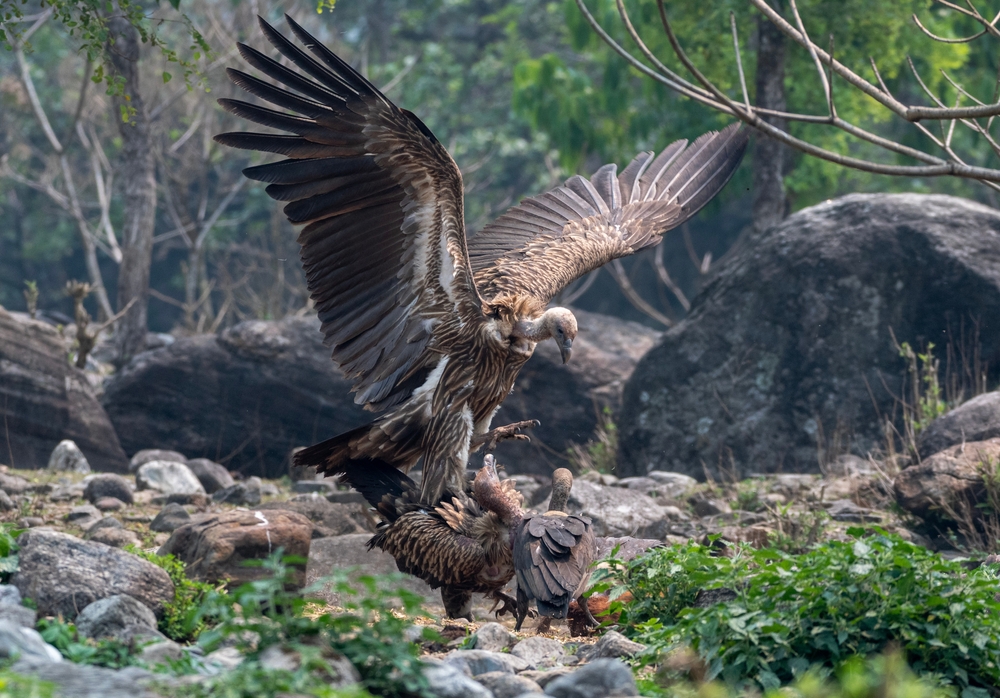
Himalayan Griffon Vulture
This massive scavenger with broad wings plays a vital ecological role by cleaning up carcasses. It is commonly seen circling high above the mountain valleys.

Horned Lark
Small and ground-dwelling, the horned lark has distinct feather tufts on its head and is one of the few songbirds adapted to the high-altitude plains of Khunjerab.

Chukar Partridge
A stocky, ground-foraging bird with a red bill and legs, the chukar thrives on dry slopes and rocky outcrops, feeding on seeds and insects.

Snow Pigeon
This pigeon is well-adapted to cold climates and is usually found near cliffs. Its muted gray and white plumage offers camouflage against the snow and stone.

Guldenstadt’s Redstart
A striking red and black songbird that inhabits alpine meadows and rocky outcrops, often darting among boulders in search of insects.

White-winged Redstart
A high-altitude songbird with dramatic white wing patches and dark plumage, often spotted flitting between rocks in alpine areas during the breeding season.

Brown Accentor
A small, streaky bird commonly found near shrubs and rocky terrain, the brown accentor is a quiet presence that forages close to the ground.

Northern Raven
Intelligent and resourceful, the northern raven is one of the few large birds that remain in the high mountains year-round. It feeds on carrion, insects, and even small animals.