About

Addo Elephant National Park is located in the Eastern Cape province of South Africa, near the city of Gqeberha (formerly Port Elizabeth). Covering approximately 700 square miles (1,640 sq km), the park has expanded significantly since its establishment in 1931, when it was originally created to protect a small, threatened population of elephants.

Today, it is one of the largest national parks in South Africa and uniquely extends from the semi-arid interior all the way to the Indian Ocean, incorporating both terrestrial and marine environments. While it does not directly border another national park, its broad and varied landscape connects multiple ecosystems, making it one of the most diverse conservation areas in the country.

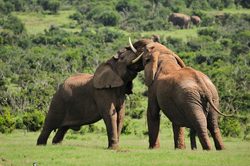
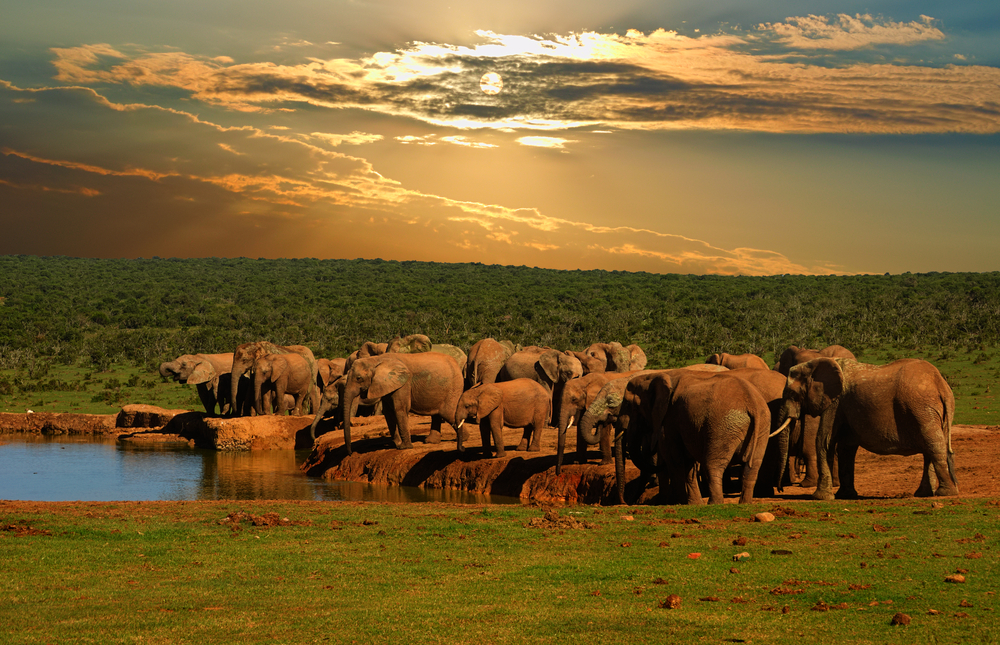
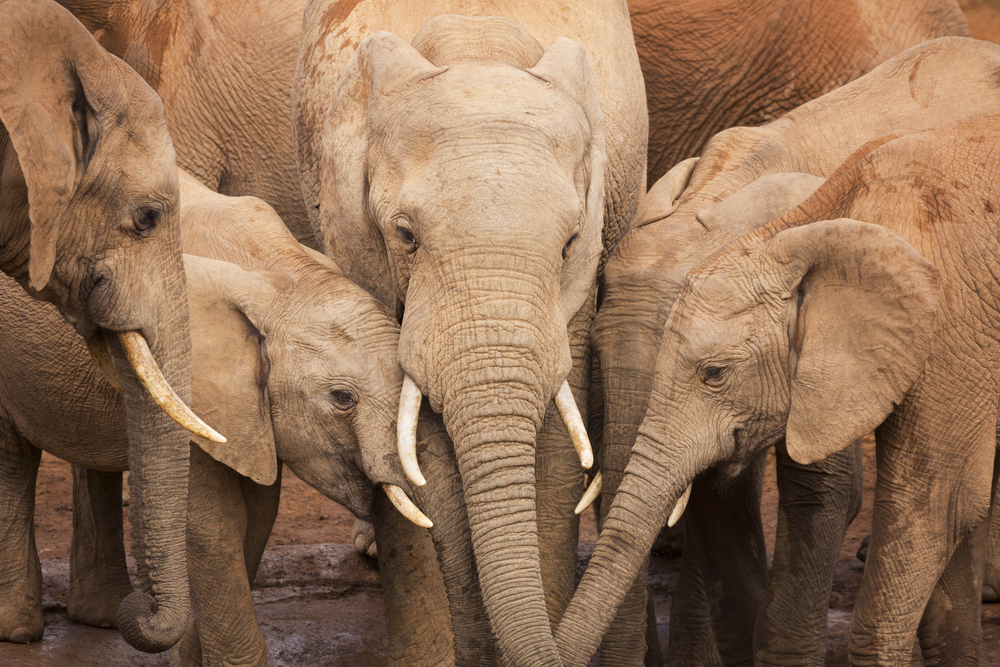
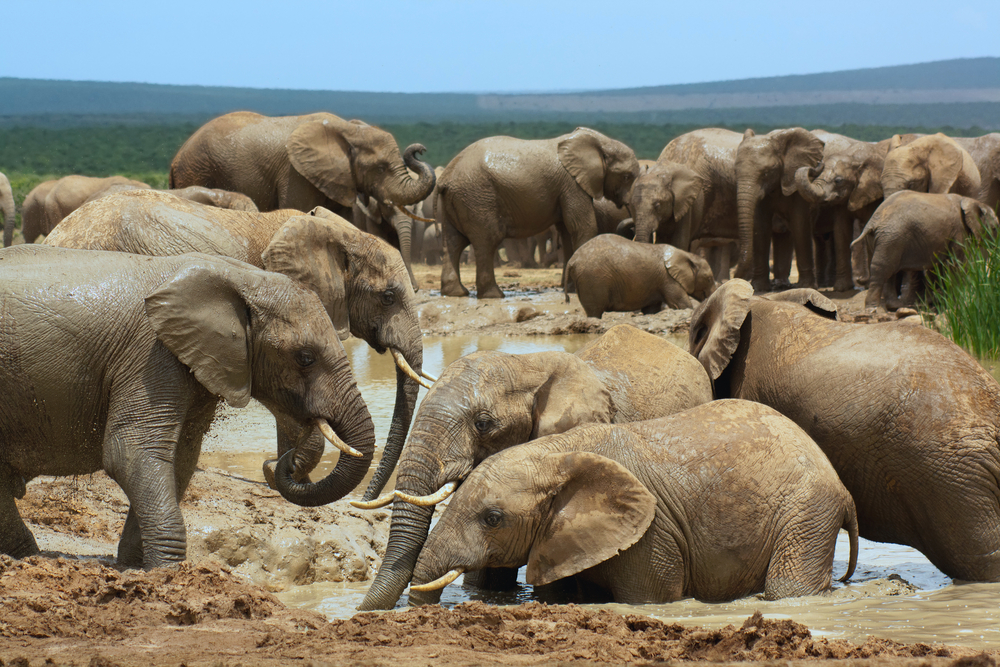
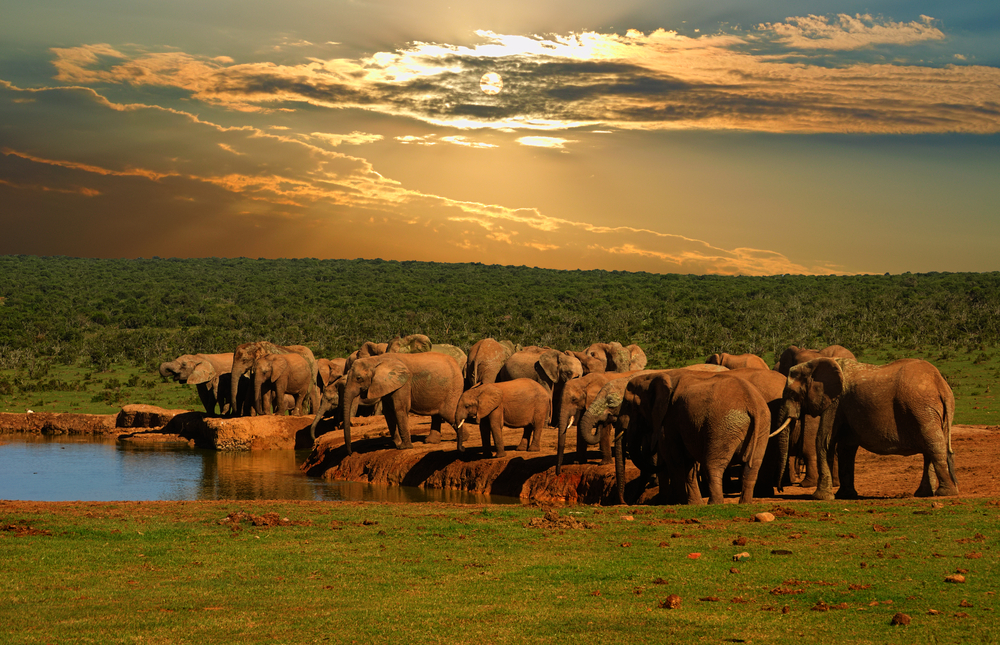
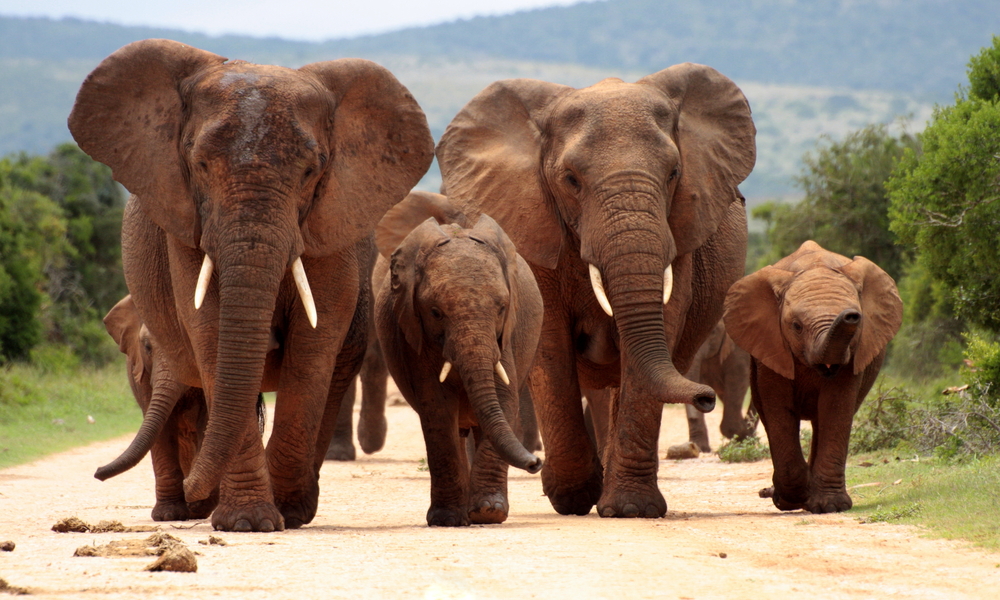
Addo is best known for its thriving population of African elephants, which now number in the hundreds and are often seen in large herds gathering at waterholes. These elephants are notable not only for their success story of recovery but also for their relatively calm demeanor, allowing for exceptional wildlife viewing opportunities.

Beyond elephants, the park is home to the “Big Five”—lion, leopard, elephant, buffalo, and rhino—though sightings of some species can be more elusive. What truly sets Addo apart is its inclusion of the “Big Seven,” adding southern right whales and great white sharks to the list due to its protected marine areas along the coast.

The geography of Addo Elephant National Park is remarkably diverse, encompassing a wide range of landscapes within a single protected area. Inland, visitors encounter rolling hills, open plains, and dense thicket vegetation known as Albany thicket, a unique and hardy biome dominated by spiny shrubs and succulent plants.

Toward the coast, the park transitions into one of the largest coastal dune systems in the Southern Hemisphere, particularly within the Alexandria dune field. Offshore, the marine section includes islands and coastal waters that provide habitat for seabirds, marine mammals, and other ocean life. This extraordinary variety of terrain allows Addo to support an equally wide range of plant and animal species.

Wildlife in Addo is abundant and diverse, reflecting the park’s multiple ecosystems. In addition to elephants, visitors may encounter buffalo, lions, hyenas, zebras, and various antelope species such as kudu and eland. The park is also home to black rhinos, which are carefully protected as part of ongoing conservation efforts.

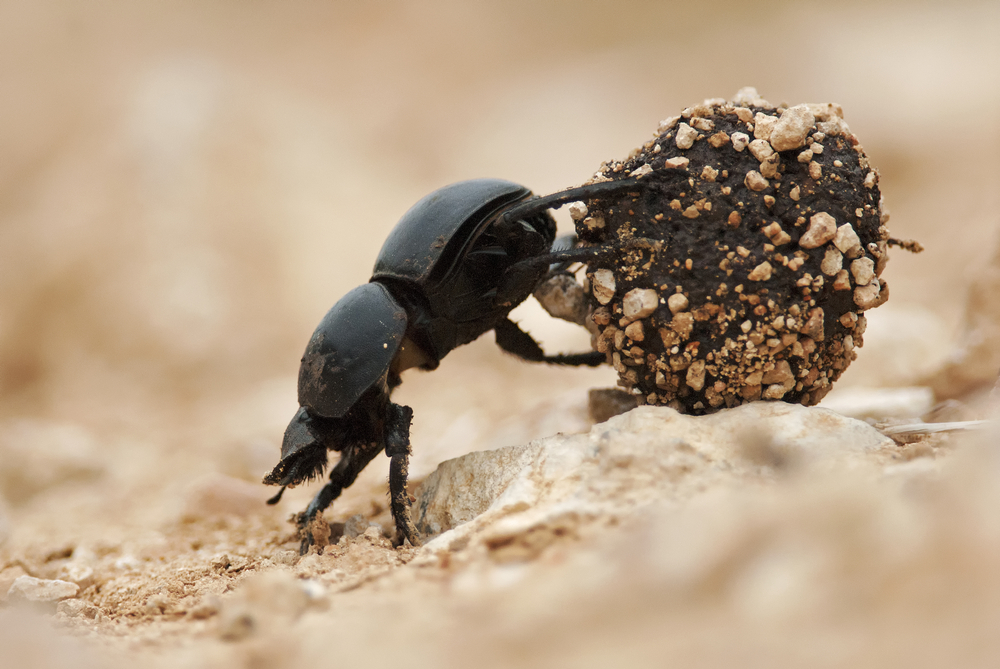
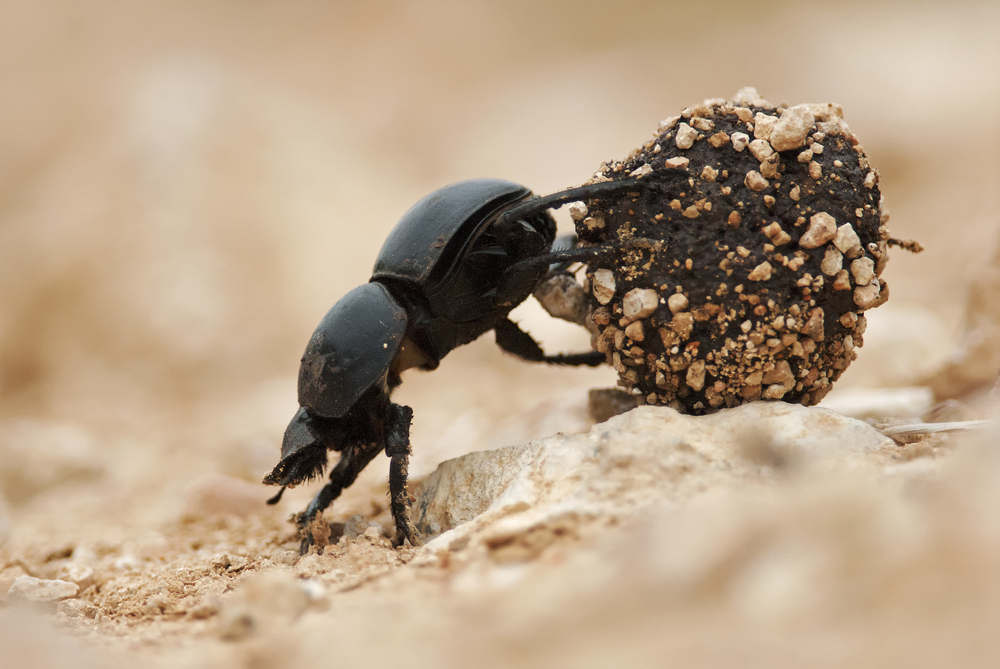
Birdlife is prolific, with over 400 species recorded, including flightless dung beetles that are unique to the area and play a crucial ecological role. Along the coast and in the marine reserve, whales, dolphins, and great white sharks contribute to the park’s rich biodiversity, making it one of the few places in the world where such a wide spectrum of wildlife can be protected under a single management system.

Addo Elephant National Park plays a critical role in conserving a wide array of ecosystems, from arid inland habitats to rich marine environments. Its success in restoring and protecting elephant populations stands as one of Africa’s great conservation achievements, demonstrating the impact of sustained protection and management.

The park also safeguards rare and endemic species, preserves vital habitats, and contributes to ecological connectivity across the region. On a global scale, Addo highlights the importance of integrated conservation approaches that encompass land and sea, ensuring the survival of diverse species in an increasingly fragmented world. Its story is one of resilience and renewal, offering hope and inspiration for conservation efforts worldwide.

Things to See

This wildlife destination is home to a population of over 600 elephants.  It is a safari destination and the array of wildlife is a highlight to others.

Elephants

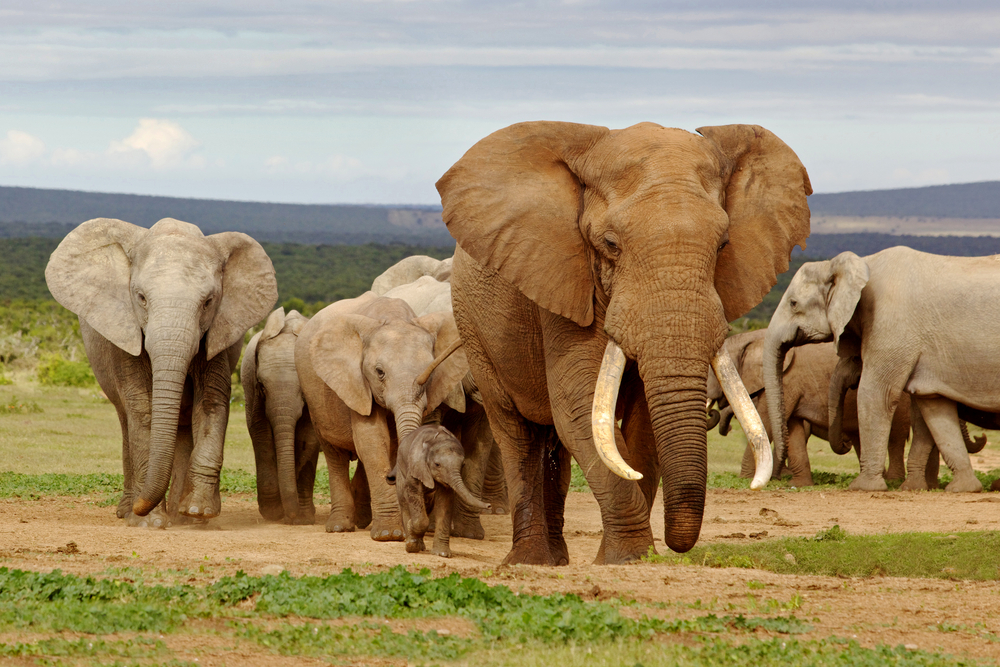
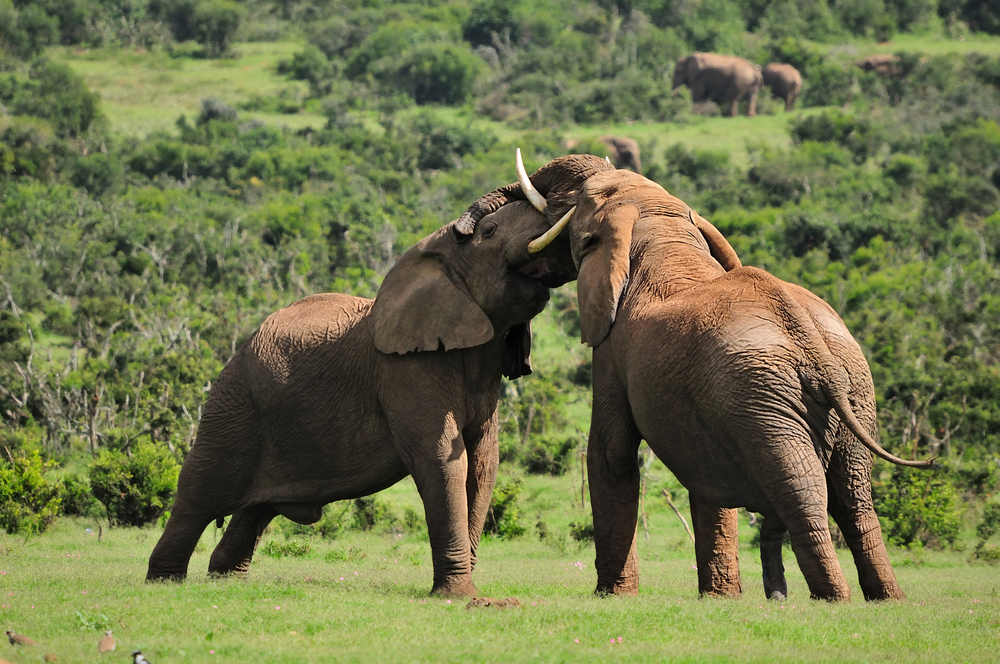
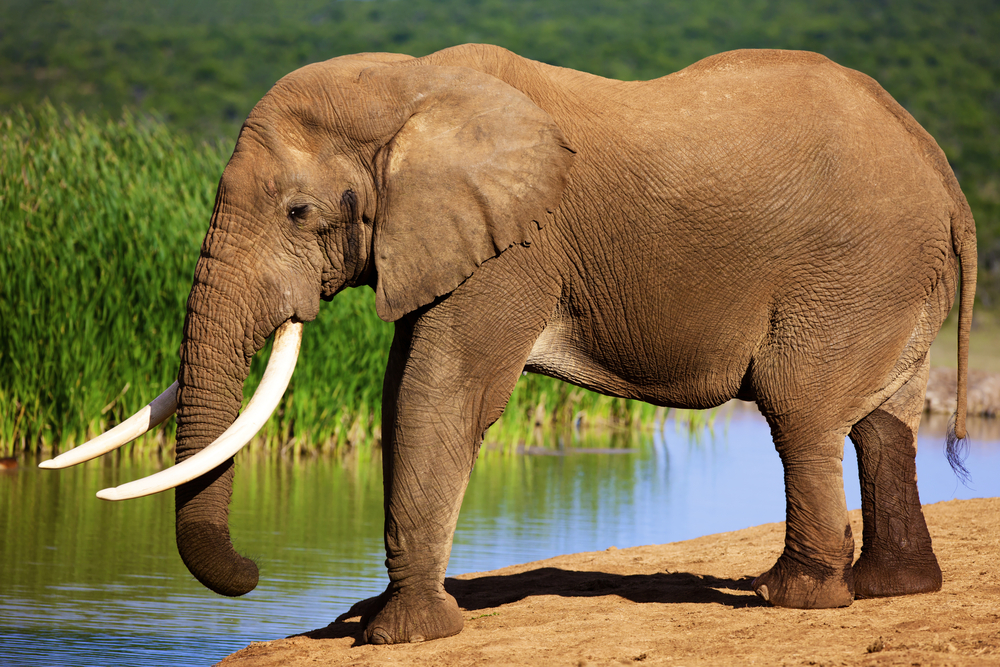
The African Bush Elephant is the largest mammal on land reaching heights of 13 feet (3.96 m).  The male and female elephants both display tusks.  This is the same species found in Kruger National Park.
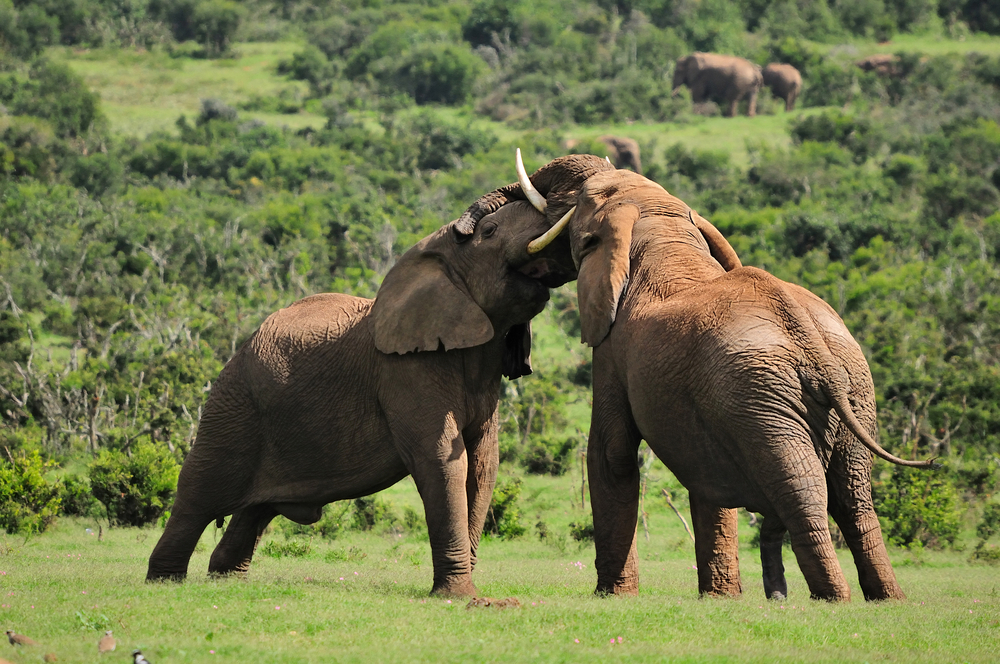
They can weigh as much as 11.7 short tons.  Female elephants will be between 1 to 2 feet (0.30 to 0.61 m) shorter than their male counterparts.  The ears are pointed and present like a triangle and can reach lengths of 6.6 feet (2 m).

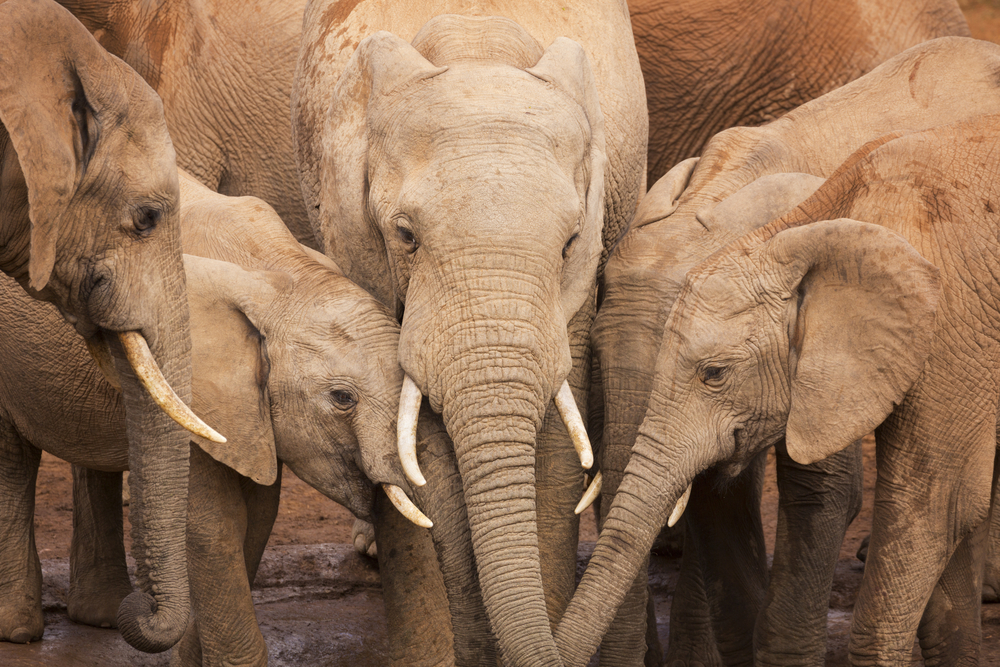
The trunk is comprised of between 40 to 60,000 muscles which allow it to pick up as much as 3% of their body weight. The trunk is used for delivering food and water to the mouth. The tusks of male elephants can weigh as much as 240 pounds (109 kg) while female tusks will weigh about 1/6 of that.

Predators

Predators

Addo Elephant National Park is home to a diverse array of predator species, playing a crucial role in maintaining ecological balance within the ecosystem. These predators are integral components of the park’s intricate food web, contributing to the regulation of herbivore populations and ensuring overall ecosystem health.

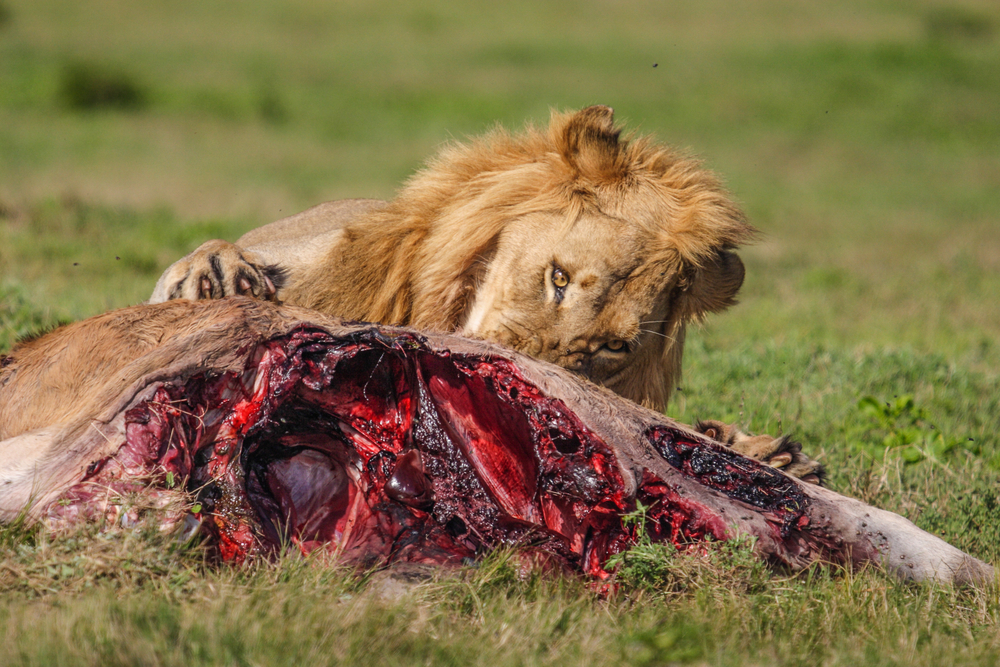
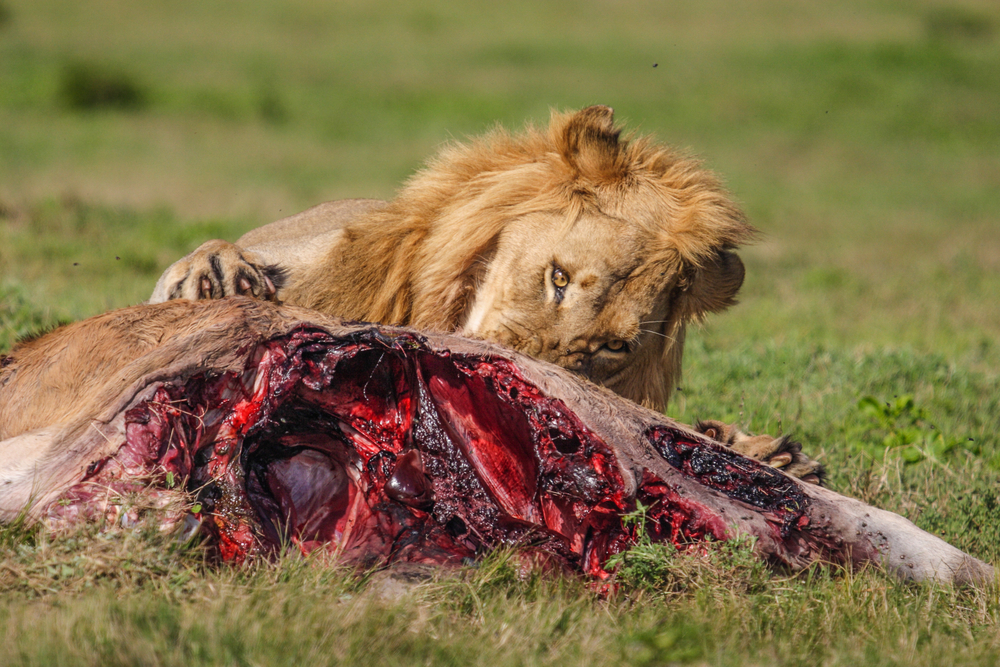
Lion: Majestic and formidable, lions are iconic predators of the African savanna. Roaming the plains of Addo, they hunt cooperatively in prides, preying on large herbivores like buffalo and antelope.

Spotted Hyena: Highly adaptable scavengers, spotted hyenas are skilled hunters and opportunistic feeders. With powerful jaws and a keen sense of smell, they scavenge or hunt a variety of prey.

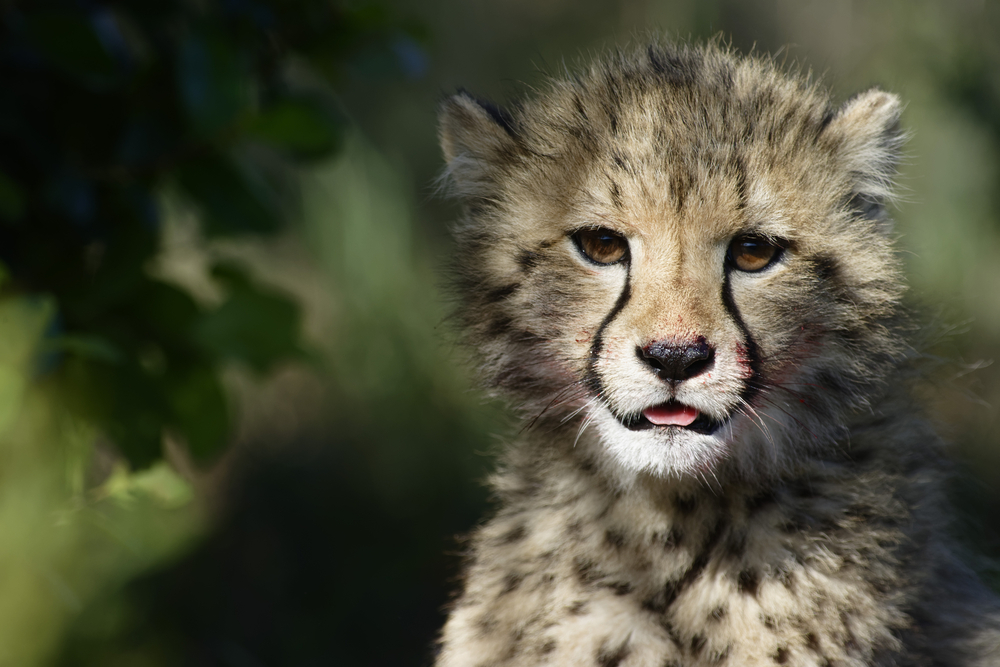
Leopard: Stealthy and elusive, leopards are solitary hunters known for their agility and strength. They stalk their prey with precision, relying on camouflage and ambush tactics to secure their meals.

Popular

Popular

The predator species are common favorites, however, many popular wildlife species are enjoyed by wildlife enthusiasts. Here are some of the favorites:

Cape Buffalo: Forming large herds, cape buffalo are formidable prey for predators like lions and spotted hyenas. Their formidable horns and group defense strategies make them challenging targets.

Warthogs: Despite their comical appearance, warthogs are wary of predators and possess formidable tusks for self-defense. They often seek refuge in burrows to evade predators like lions and leopards.

African Elephant: Towering over the landscape, African elephants are the largest land mammals on Earth. Their impressive size and strength afford them protection from most predators, except for lions in rare cases.

Black Rhino: Solitary and reclusive, black rhinos are critically endangered due to poaching. Their thick skin and formidable horns provide defense against predators, though they face human-induced threats.

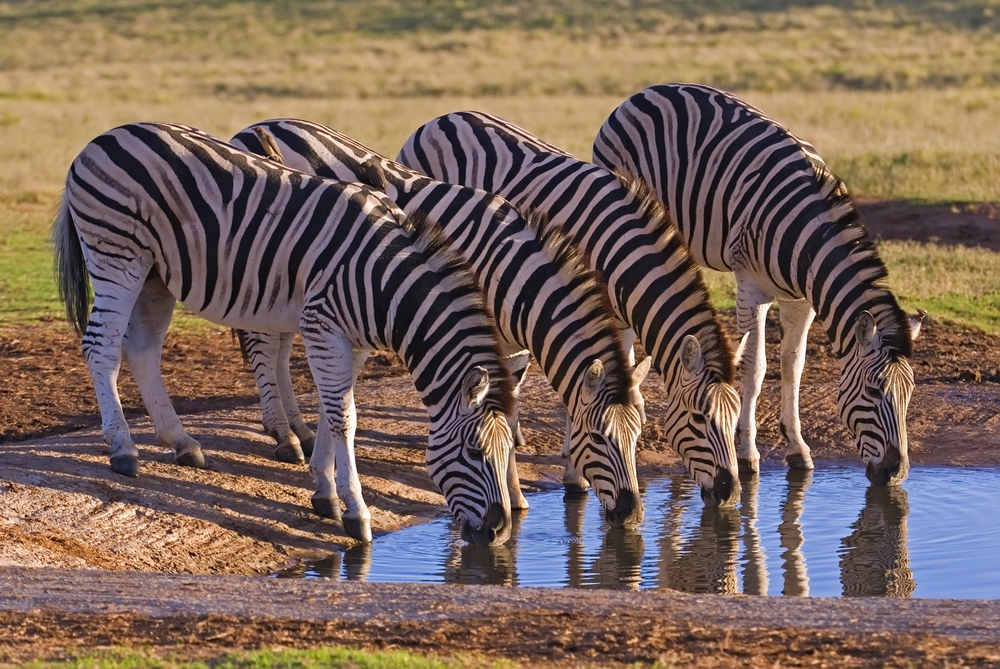
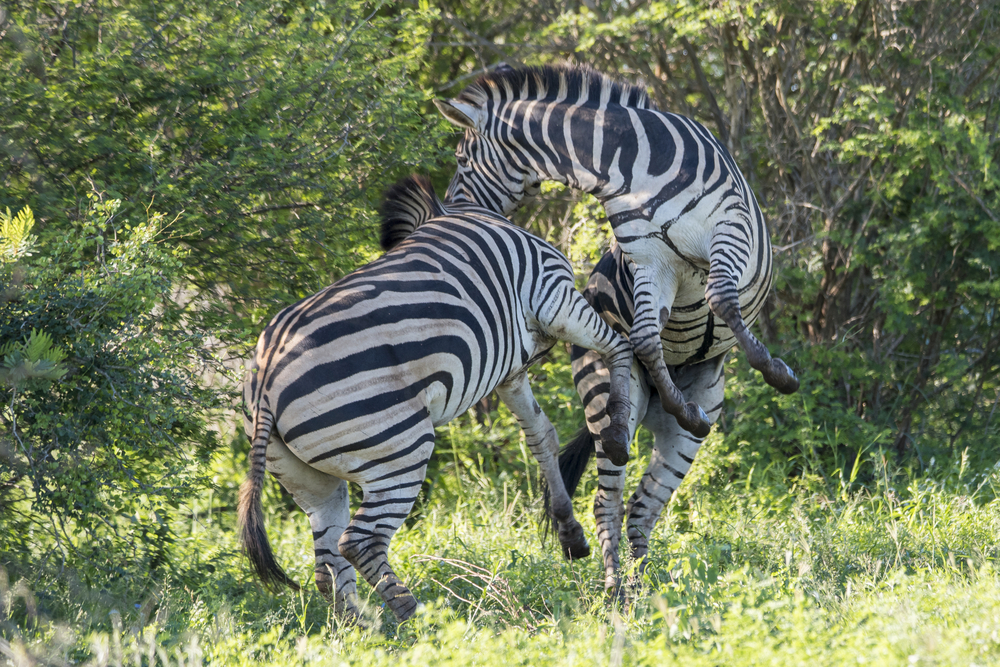
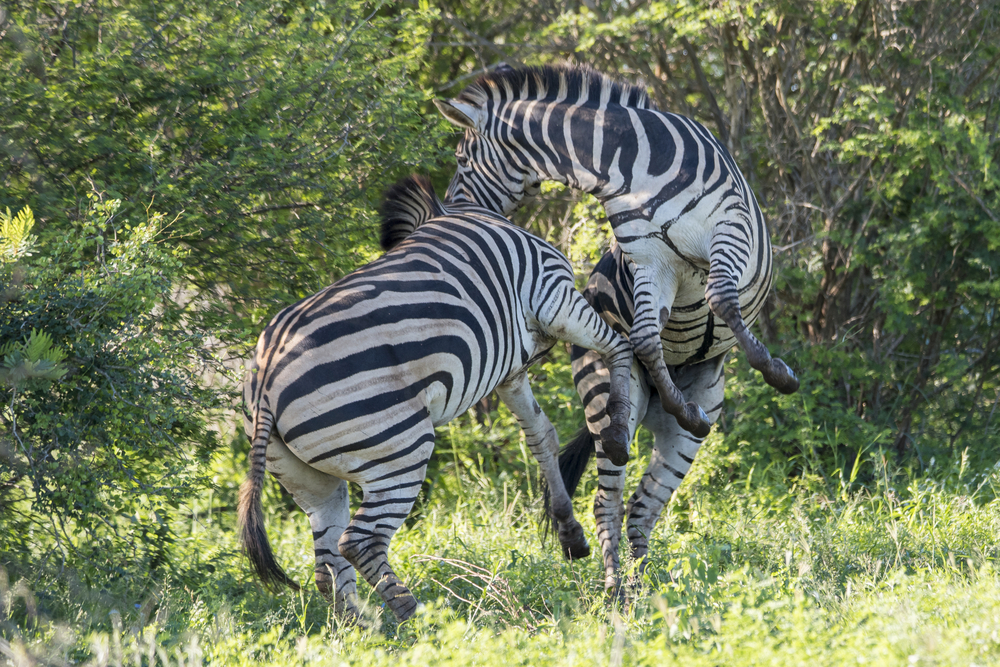
Plains Zebra: With distinctive black and white stripes, plains zebras form large herds for protection against predators. They rely on speed and agility to evade predators like lions and hyenas.

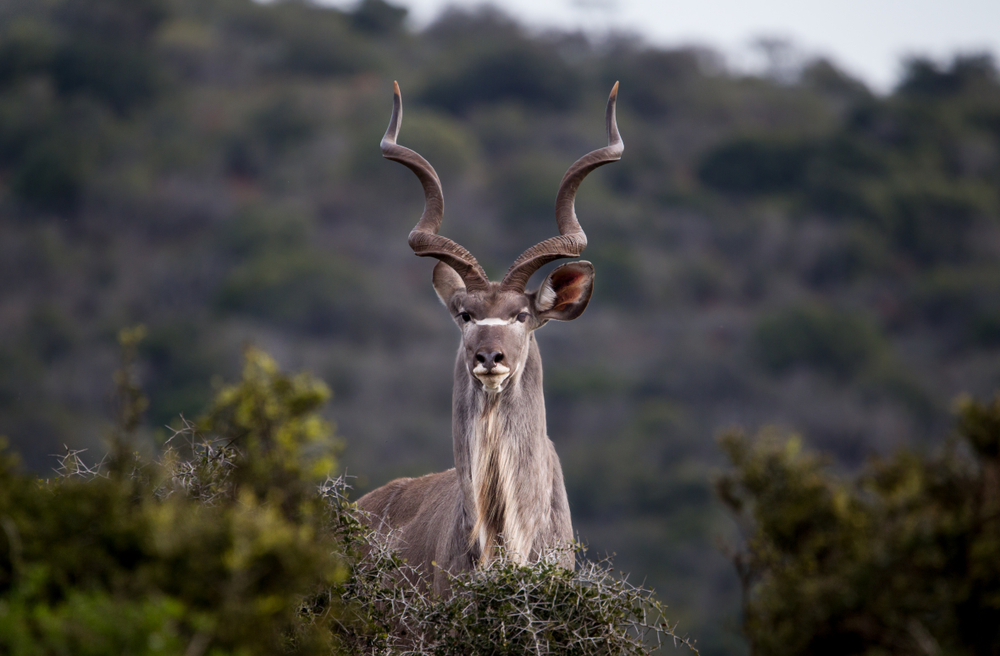
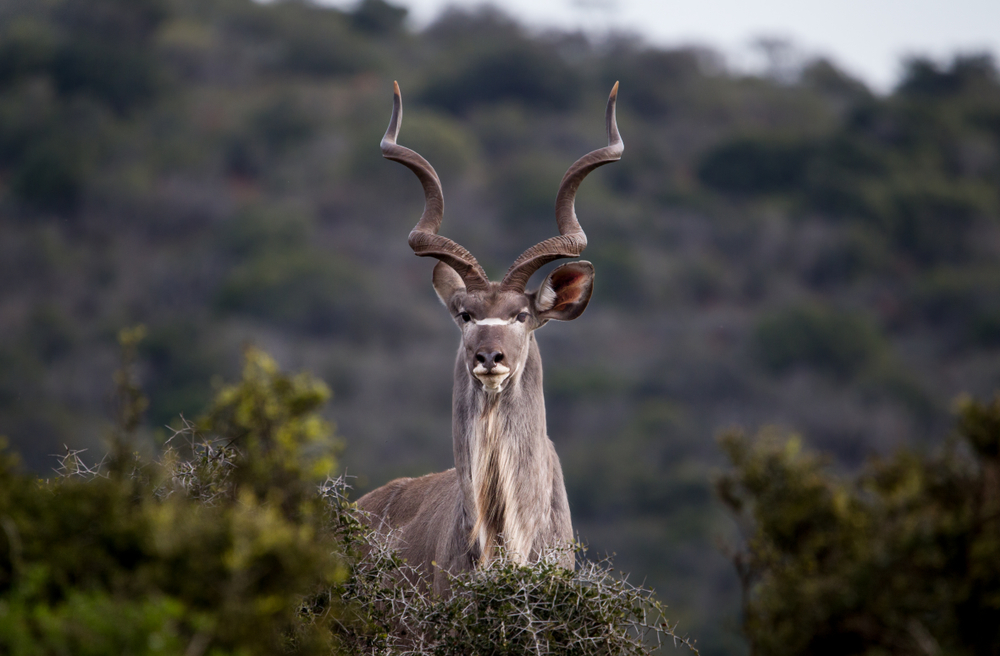
Kudu: Graceful and agile, kudus are iconic antelope species in Addo. Their large ears and keen senses help them detect predators, while impressive leaps aid in escape.

Cape Grysbok: Small and elusive, Cape Grysboks are rarely seen due to their secretive nature. They inhabit dense vegetation, relying on camouflage and stealth to avoid predators.

African Buffalo: Often found in large herds, African buffalos are formidable and unpredictable animals. They can be aggressive when threatened, posing a danger to predators.

Zuurberg Mountain Range

Zuurberg Mountain Range

Towering over Addo Elephant National Park, the Zuurberg Mountain Range beckons adventurers with its majestic beauty and rich biodiversity.

Explore winding trails that lead through pristine indigenous forests, where ancient trees provide sanctuary for a myriad of bird species and elusive wildlife.

Ascend to the summit for breathtaking panoramic views of the park’s expansive savannah plains and distant horizons.

The Zuurberg Mountains offer a tranquil retreat for hikers, nature lovers, and photographers seeking to connect with the raw essence of the African wilderness.

Gwarrie Pan

Gwarrie Pan

As the sun sets over Addo Elephant National Park, venture to the Gwarrie Pan viewpoint for a breathtaking spectacle of colors painting the sky. Perched atop a hill overlooking the vast savannah plains, the Gwarrie Pan offers an unparalleled vantage point to witness the transition from day to night in the African wilderness.

Watch as herds of elephants meander across the landscape, silhouetted against the golden hues of the setting sun. Listen to the symphony of sounds echoing across the plains as nocturnal creatures emerge from their daytime hideaways.

With its serene ambiance and awe-inspiring vistas, the Gwarrie Pan is a must-visit destination for photographers, nature enthusiasts, and romantics alike.

Addo Elephant Trail

The Addo Elephant Trail offers a mesmerizing journey through diverse landscapes, showcasing the park’s natural beauty beyond its famed wildlife.

Traverse winding paths that meander through lush valleys, rugged hills, and serene rivers, immersing yourself in the untamed wilderness of Addo.

Discover hidden gems along the trail, from ancient cycad forests to panoramic viewpoints offering sweeping vistas of the surrounding landscapes.

Whether hiking, biking, or enjoying a scenic drive, the Addo Elephant Trail promises an unforgettable adventure for nature enthusiasts and outdoor lovers alike.

Things To Do

Engaging Addo

Game Drives

Game Drives

Horseback Safari

Horseback Safari

Guided Nature Walks

Guided Nature Walks

Addo Elephant National Park Trails

The majority of activity in Addo Elephant national park is directed at guided safaris.  However, there are a couple of hiking trails that allow visitors to explore the park.  There are also guided walking safaris which provide another opportunity to enjoy the outdoors will hoping to see wildlife.

placeholder

Zuurberg Hiking Trail

This is a moderate rated loop trail that travels a circumference of 7.0 miles (11.27 km) while ascending 1,443 feet (439.83 m). The trail crosses rugged terrain while delivering views of the surrounding area.  There is a limited chance to see wildlife.

placeholder

Alexandria Hiking Trail

This is a 19.88-mile (32 km) trail that takes two days to complete.  The trail does require that three people travel together.  The trail meanders through the Woody Cape portion of the national park. You must carry in your own gear and recommendations are that people be in good physical condition before embarking on this endeavor.

Zuurberg Mountain Trail:

Zuurberg Mountain Trail:

Rating: Moderate to Difficult

Distance and Elevation Gain: 6 miles (9.7 km) round trip with an elevation gain of 1,312 feet (400 meters)

Description: This challenging trail leads hikers through the rugged terrain of the Zuurberg Mountains, offering panoramic views of Addo Elephant National Park and the surrounding landscapes.

Hikers will traverse rocky slopes and dense vegetation, encountering unique flora and fauna along the way. The trail provides opportunities for wildlife sightings and birdwatching amidst the pristine wilderness of the mountainous region.

Doringnek Trail:

Doringnek Trail:

Rating: Easy to Moderate

Distance and Elevation Gain: 4 miles (6.4 km) round trip with an elevation gain of 656 feet (200 meters)

Description: The Doringnek Trail offers a scenic hike through the picturesque valleys and hillsides of Addo Elephant National Park.

Hikers will meander along well-marked paths, enjoying sightings of wildlife such as zebras and antelopes grazing in the grasslands.

The trail provides opportunities for birdwatching and photography amidst the tranquil beauty of the park’s diverse ecosystems.

placeholder

Woodlands Trail

Rating: Easy

Distance and Elevation Gain: 2 miles (3.2 km) loop with minimal elevation gain

Description: The Woodlands Trail offers a leisurely walk through the wooded areas of Addo Elephant National Park, providing opportunities for birdwatching and wildlife sightings.

Hikers will stroll along shaded paths, enjoying the peaceful ambiance of the forest and the refreshing breeze.

The trail is suitable for all ages and fitness levels, making it an ideal choice for a relaxing nature walk in the park.

placeholder

Kabouga Trail

Rating: Moderate to Difficult

Distance and Elevation Gain: 5 miles (8 km) one way with an elevation gain of 984 feet (300 meters)

Description: The Kabouga Trail offers a challenging hike through the rugged wilderness of Addo Elephant National Park’s interior.

Hikers will traverse rocky terrain and steep slopes, encountering breathtaking views of the surrounding landscapes and distant horizons.

The trail provides opportunities for wildlife sightings, including elephants and various antelope species, amidst the remote beauty of the park’s unspoiled wilderness.

Park Protection

Addo Elephant National Park was created to protect the unique biodiversity of South Africa’s Eastern Cape, including its savannas, thicket vegetation, forests, wetlands, coastal dunes, and marine ecosystems. The park provides critical habitat for several threatened and endangered species, including the endangered black rhinoceros, endangered African wild dog, and endangered African penguin within its marine protected areas.

It is best known for safeguarding one of the largest and most successful populations of African elephants in southern Africa. The park also supports lions, leopards, spotted hyenas, buffalo, zebras, antelope, and a rich diversity of birdlife.

The park is especially significant for protecting the globally unique Albany Thicket biome, a dense shrubland ecosystem found primarily in South Africa’s Eastern Cape. Addo is one of the few places in the world where visitors can find the “Big Seven”—elephant, lion, leopard, rhinoceros, buffalo, southern right whale, and great white shark—within a single protected area.

Its expansion to include offshore islands and marine habitats has created an unusually diverse conservation landscape spanning terrestrial, coastal, and marine ecosystems. Together, Addo Elephant National Park safeguards endangered wildlife, the unique Albany Thicket ecosystem, important marine habitats, and one of Africa’s most successful wildlife conservation areas.

FAQ’s

What is the main reason people visit Addo Elephant National Park?

Addo Elephant National Park is primarily visited for its large elephant population, Big Seven wildlife viewing, diverse ecosystems, and accessibility from South Africa’s Garden Route and Eastern Cape region.

Located near Gqeberha (formerly Port Elizabeth), the park protects approximately 706 square miles (1,640 square kilometers) of terrestrial and marine habitats. Visitors come to see elephants, lions, buffalo, rhinos, whales, sharks, and numerous other species in one of South Africa’s most diverse national parks.

What animals can visitors hope to see in Addo Elephant National Park?

Addo Elephant National Park supports more than 95 mammal species and is home to one of Africa’s most successful elephant conservation stories.

Some of the most notable animals found in Addo Elephant National Park include:

  1. African Bush Elephant
  2. African Lion
  3. Leopard
  4. Black Rhinoceros
  5. White Rhinoceros
  6. African Buffalo
  7. Spotted Hyena
  8. Brown Hyena
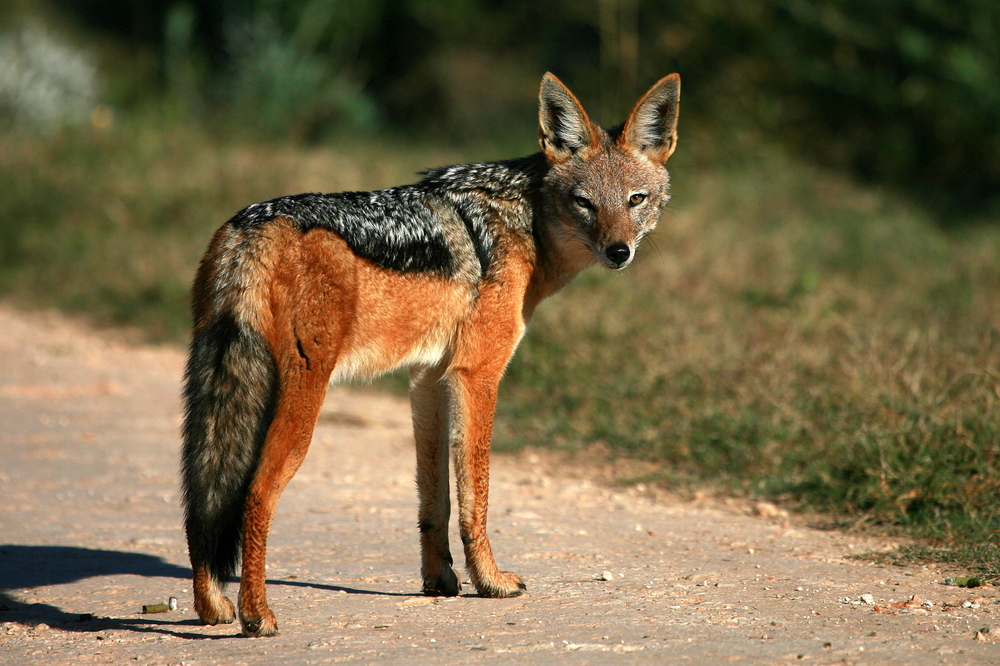
  9. Black-backed Jackal
  10. Caracal
  11. Serval
  12. African Wildcat
  13. Honey Badger
  14. African Civet
  15. Large-spotted Genet
  16. Cape Fox
  17. Aardwolf
  18. Aardvark
  19. Pangolin
  20. Hippopotamus
  21. Burchell’s Zebra
  22. Cape Mountain Zebra
  23. Eland
  24. Greater Kudu
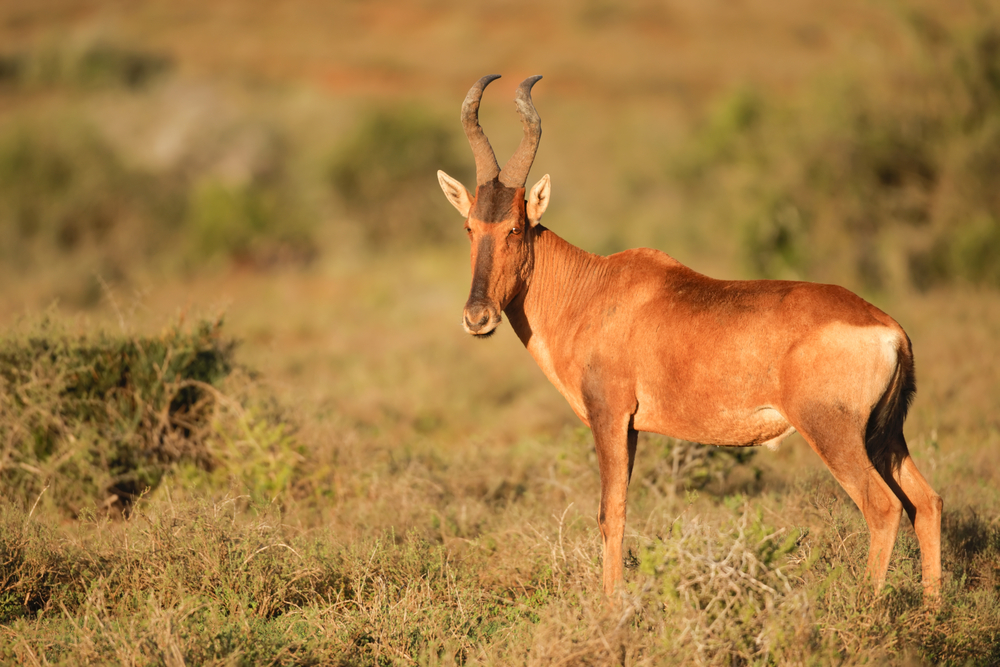
  25. Red Hartebeest
  26. Bushbuck
  27. Waterbuck
  28. Common Duiker
  29. Steenbok
  30. Klipspringer
  31. Warthog
  32. Bushpig
  33. Chacma Baboon
  34. Vervet Monkey
  35. Cape Fur Seal
  36. Southern Right Whale
  37. Humpback Whale
  38. Bryde’s Whale
  39. Great White Shark
  40. Bronze Whaler Shark
  41. Bottlenose Dolphin
  42. Common Dolphin
  43. Humpback Dolphin
  44. African Clawless Otter
  45. Cape Clawless Otter
  46. Rock Hyrax
  47. Cape Porcupine
  48. Cape Hare
  49. Striped Mouse Species
  50. Mole Rat Species

What birds can visitors hope to see in Addo Elephant National Park?

Addo Elephant National Park is home to more than 400 bird species, making it one of South Africa’s premier birdwatching destinations.

Some of the most popular birds seen in Addo Elephant National Park include:

  1. Secretary Bird
  2. Kori Bustard
  3. Southern Ground Hornbill
  4. African Fish Eagle
  5. Martial Eagle
  6. Bateleur
  7. Tawny Eagle
  8. Verreaux’s Eagle
  9. Jackal Buzzard
  10. Pale Chanting Goshawk
  11. Lappet-faced Vulture
  12. Cape Vulture
  13. White-backed Vulture
  14. Hooded Vulture
  15. Saddle-billed Stork
  16. Yellow-billed Stork
  17. Woolly-necked Stork
  18. Marabou Stork
  19. African Spoonbill
  20. Sacred Ibis
  21. Hadada Ibis
  22. Hamerkop
  23. Greater Flamingo
  24. Lesser Flamingo
  25. African Black Oystercatcher
  26. Kelp Gull
  27. Hartlaub’s Gull
  28. Cape Gannet
  29. Bank Cormorant
  30. Cape Cormorant
  31. Crowned Cormorant
  32. African Penguin
  33. Ostrich
  34. Blue Crane
  35. Grey Crowned Crane
  36. Black Harrier
  37. Peregrine Falcon
  38. Rock Kestrel
  39. Giant Kingfisher
  40. Pied Kingfisher
  41. Malachite Kingfisher
  42. Lilac-breasted Roller
  43. European Roller
  44. Carmine Bee-eater
  45. Southern Red Bishop
  46. Cape Weaver
  47. Southern Masked Weaver
  48. Cape Sugarbird
  49. Orange-breasted Sunbird
  50. Fiscal Flycatcher

Is Addo Elephant National Park worth visiting?

Yes, Addo Elephant National Park is absolutely worth visiting and is considered one of South Africa’s best safari destinations.

The park offers exceptional elephant viewing, Big Five safaris, marine wildlife, excellent self-drive opportunities, and significantly fewer crowds than many other famous African parks. Visitors often enjoy seeing large herds of elephants gathering at waterholes, sometimes numbering well over 100 individuals.

The primary hesitation is that wildlife densities can vary depending on the area visited. However, Addo’s elephant viewing is among the best in Africa.

What is the best time to visit Addo Elephant National Park?

Weather and Climate

The best time to visit Addo Elephant National Park is year-round, although May through September is often considered ideal for wildlife viewing.

Typical conditions include:

  • May–August: 45–75°F (7–24°C)
  • September–November: 55–85°F (13–29°C)
  • December–February: 60–90°F (16–32°C)
  • March–April: 55–82°F (13–28°C)

During the cooler months:

  • Wildlife concentrates around waterholes.
  • Temperatures are comfortable.
  • Self-drive safaris are excellent.
  • Elephant sightings are often outstanding.

Summer offers greener landscapes and excellent birdwatching.

How do you get to Addo Elephant National Park?

International Access

Addo Elephant National Park is located in South Africa’s Eastern Cape Province.

The closest airport is:

  • Chief Dawid Stuurman International Airport

Most international visitors connect through:

  • O.R. Tambo International Airport
  • Cape Town International Airport

Driving from Gqeberha

The most common route is:

  • Gqeberha to Addo Elephant National Park.

Travel time:

  • Approximately 45 minutes to 1 hour.

This easy access makes Addo one of Africa’s most convenient safari parks.

Main Camp

The primary visitor area is:

  • Addo Main Rest Camp

Facilities include:

  • Accommodations.
  • Restaurants.
  • Guided safaris.
  • Visitor information.
  • Wildlife-viewing opportunities.

Elephant Viewing Areas

Popular wildlife-viewing locations include:

  • Hapoor Dam
  • Domkrag Dam

These waterholes are often excellent places to observe large elephant herds.

Marine Protected Area

The park also includes marine sections that protect:

  • Islands in Algoa Bay
  • Whale habitat.
  • Shark habitat.
  • Seabird colonies.

Travel Times

Typical travel times include:

  • Gqeberha Airport to Addo: 45–60 minutes.
  • Gqeberha city center to Addo: approximately 1 hour.
  • Addo to Grahamstown (Makhanda): approximately 2 hours.
  • Addo to Tsitsikamma region: approximately 3 hours.

Who is involved in protecting and supporting Addo Elephant National Park?

Several organizations help protect and support Addo Elephant National Park:

  • South African National Parks – manages Addo Elephant National Park.
  • SANParks Honorary Rangers – provides volunteer conservation support.
  • Endangered Wildlife Trust – supports wildlife conservation initiatives.
  • BirdLife South Africa – supports bird conservation efforts.
  • Local communities and tourism partners that support conservation and ecotourism.

What is unique about Addo Elephant National Park?

Addo Elephant National Park is unique because it is the only national park in the world that protects the “Big Seven”—lion, leopard, elephant, rhinoceros, buffalo, southern right whale, and great white shark. It also represents one of Africa’s greatest conservation success stories.

In 1931, only 11 elephants remained in the area. Today, the park protects hundreds of elephants and serves as one of South Africa’s premier wildlife destinations. Its combination of terrestrial and marine ecosystems makes Addo unlike any other national park in Africa.

How many elephants live in Addo Elephant National Park?

Addo Elephant National Park protects one of South Africa’s largest elephant populations, with more than 600 elephants living within the park and surrounding protected areas.

Sources

Here are sources you can explore for more information: