About

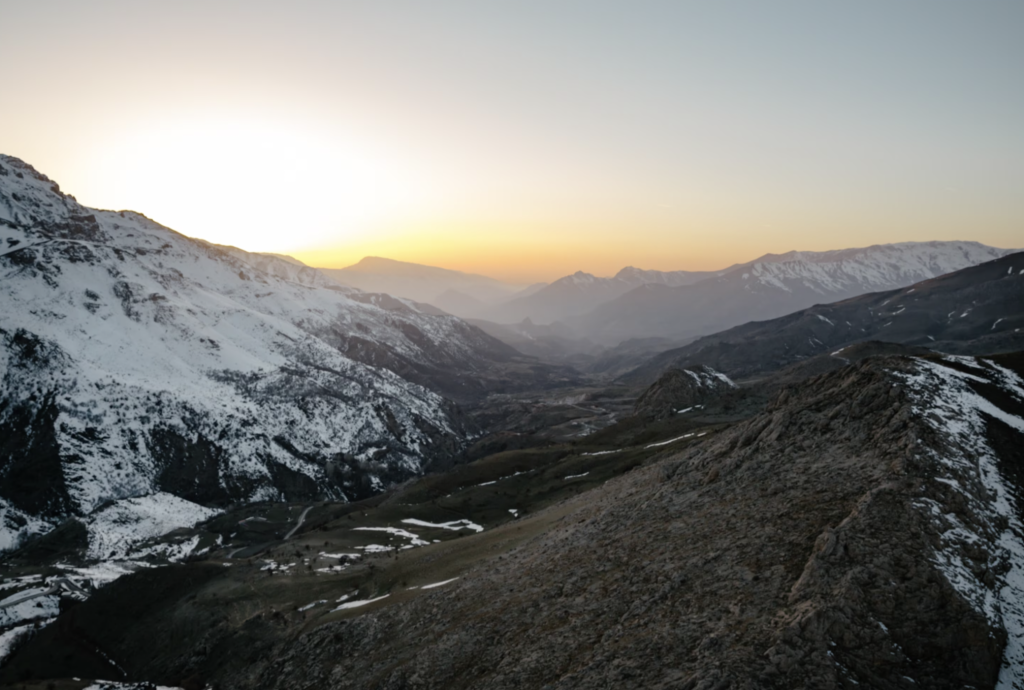
Halgurd-Sakran National Park is located in the Kurdistan Region of northeastern Iraq along the border with Iran and covers approximately 440 square miles (1,140 sq km). Officially established in 2012, it became Iraq’s first national park and represents a major milestone in the country’s modern conservation efforts.

Situated northeast of Erbil within the Zagros Mountain Range, the park protects some of the most spectacular mountain landscapes in Iraq. The park takes its name from two prominent peaks, Mount Halgurd and Mount Sakran, with Mount Halgurd reaching approximately 11,165 feet (3,403 meters), the highest mountain in Iraq. Halgurd-Sakran National Park preserves a remarkable environment of rugged peaks, alpine meadows, forests, rivers, and high-altitude ecosystems that are unique within the country.

Halgurd-Sakran National Park is best known for its dramatic mountain scenery and exceptional biodiversity. Visitors are drawn to its snow-capped peaks, deep valleys, alpine grasslands, waterfalls, and panoramic vistas. The park offers outstanding opportunities for hiking, trekking, mountaineering, wildlife observation, photography, and nature tourism.

During spring, wildflowers blanket many of the mountain slopes, creating vibrant displays of color across the landscape. Remote valleys and high ridges provide visitors with opportunities to experience some of the most pristine wilderness remaining in Iraq. As ecotourism continues to develop within the region, the park has become an increasingly important destination for outdoor recreation.

The geography of Halgurd-Sakran National Park is dominated by the rugged terrain of the Zagros Mountains. Elevations range from fertile valleys and foothills to some of the highest peaks in Iraq. The landscape includes steep ridges, rocky cliffs, alpine meadows, glacial remnants, mountain streams, and seasonal wetlands.

Snowfall during winter supplies water to rivers and springs that support ecosystems throughout the region. Vegetation varies with elevation and includes oak woodlands, shrublands, grasslands, juniper stands, and alpine plant communities. The diversity of habitats supports a wide range of species adapted to both mountain and semi-arid environments.

Wildlife within Halgurd-Sakran National Park is among the richest in Iraq. Mammals found within the park include Persian leopards, wild goats, wild boar, wolves, red foxes, striped hyenas, and numerous smaller mountain species. The park provides critical habitat for several threatened and regionally important animals.

Birdlife is equally diverse, with golden eagles, griffon vultures, chukar partridges, wheatears, falcons, and numerous migratory birds utilizing the mountain habitats. Reptiles, amphibians, and endemic plant species further contribute to the ecological significance of the park. The varied elevations and habitats make the region one of the most important biodiversity strongholds in Iraq.

Halgurd-Sakran National Park plays a vital role in protecting Iraq’s mountain ecosystems and preserving one of the most important biodiversity hotspots in the Zagros Mountains. Conservation efforts focus on habitat protection, wildlife conservation, watershed management, and sustainable tourism development. The park also serves as an important ecological corridor linking mountain habitats across the Iraq-Iran border region.

Halgurd-Sakran is often compared to Golestan National Park and Kazbegi National Park because of its mountain scenery and ecological importance. However, its status as Iraq’s first national park and its protection of the country’s highest mountains give it a distinctive identity. Today, Halgurd-Sakran National Park stands as one of Iraq’s most significant conservation achievements, preserving a remarkable landscape where mountains, wildlife, forests, and alpine ecosystems continue to thrive.
Things to See

Popular

Popular

The Halgurd-Sakran National Park, located in the Zagros Mountains of northern Iraq, is the country’s first officially designated national park. This rugged and mountainous region is home to a diverse range of wildlife, including mammals, reptiles, and amphibians that thrive in its alpine and forested landscapes. Below are some of the more popular species that inhabit the park.

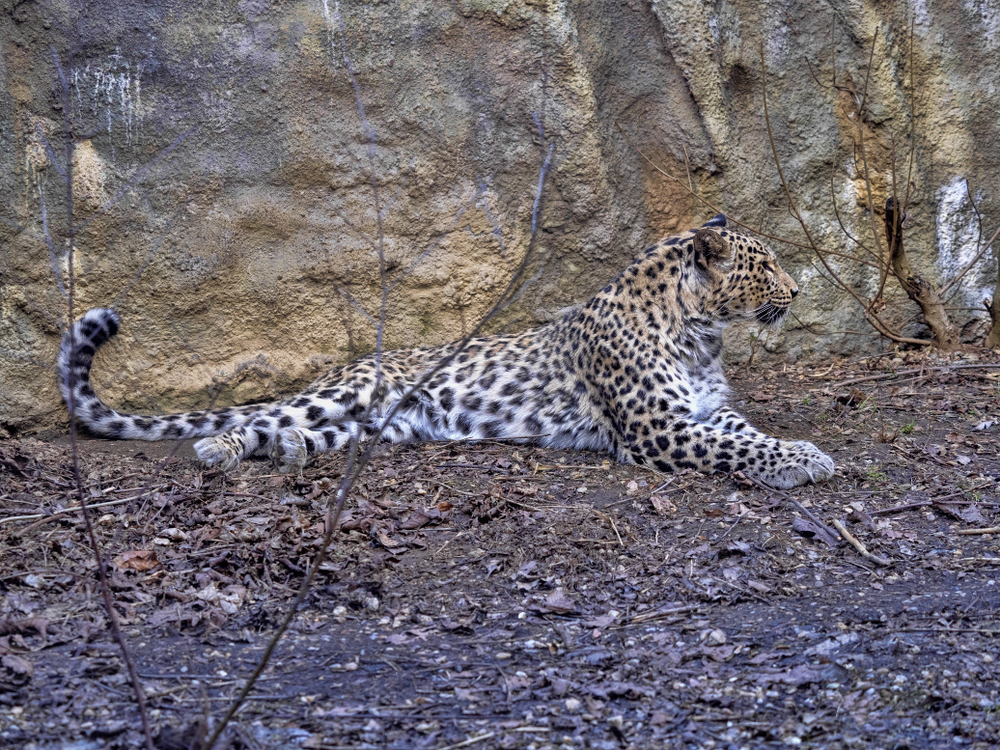
Persian Leopard (Panthera pardus saxicolor)
This elusive and critically endangered big cat roams the park’s remote mountains. It preys on wild goats, deer, and other mammals, playing a crucial role in maintaining the ecosystem’s balance.

Eurasian Lynx (Lynx lynx)
A solitary predator, the Eurasian lynx is well adapted to the rocky terrain of the park. It hunts small to medium-sized mammals and is known for its keen eyesight and stealthy nature.

Wild Goat (Capra aegagrus)
Also known as the Bezoar ibex, this agile mountain goat is a common sight on the park’s steep cliffs. Its incredible climbing ability helps it evade predators like leopards and wolves.

Grey Wolf (Canis lupus)
A top predator in the park, the grey wolf hunts in packs and preys on herbivores such as wild goats and deer. It plays an essential role in regulating prey populations.

Eurasian Brown Bear (Ursus arctos arctos)
This powerful omnivore inhabits the forests and alpine meadows of the park, foraging for berries, insects, and small mammals. It is one of the region’s most iconic species.

Golden Jackal (Canis aureus)
This opportunistic scavenger and predator is commonly found in the park’s valleys. It preys on small mammals and birds and often scavenges carcasses left by larger predators.

Persian Squirrel (Sciurus anomalus)
A frequent sight in the park’s oak forests, this small rodent plays a vital role in seed dispersal, helping maintain the region’s diverse plant life.

Blunt-nosed Viper (Macrovipera lebetina)
A venomous snake that inhabits the rocky outcrops of the park, it preys on rodents and small birds. Its camouflaged appearance makes it difficult to spot.

Zagros Mountain Newt (Neurergus derjugini)
An amphibian species endemic to the region, this strikingly patterned newt is found in the park’s freshwater streams and pools.

Striped Hyena (Hyaena hyaena)
A nocturnal scavenger, the striped hyena is occasionally seen in the park’s lower elevations. It feeds on carrion, small mammals, and fruits.

Birds

Birds

The Halgurd-Sakran National Park is a key birdwatching destination, with its mountainous terrain and rich woodlands providing crucial habitat for both resident and migratory birds. Here are some of the park’s most iconic bird species.

Bearded Vulture (Gypaetus barbatus)
This majestic bird of prey is known for its unique habit of dropping bones from great heights to break them open and access the marrow inside. It soars over the park’s rugged peaks.

Eastern Imperial Eagle (Aquila heliaca)
A powerful raptor that breeds in the park’s forested areas, the Eastern imperial eagle preys on small mammals and birds. It is considered vulnerable due to habitat loss.

Peregrine Falcon (Falco peregrinus)
One of the fastest birds in the world, the peregrine falcon is a skilled hunter that preys on smaller birds in mid-flight. It is often seen nesting on high cliffs.

Chukar Partridge (Alectoris chukar)
A ground-dwelling bird commonly found in rocky areas, the chukar is known for its distinctive call and its ability to thrive in dry, mountainous terrain.

White-throated Robin (Irania gutturalis)
A striking passerine bird, this robin is often spotted in the park’s woodlands and shrublands during the breeding season.

Lammergeier (Gypaetus barbatus)
Also known as the bone-eating vulture, this impressive raptor glides over the park’s canyons, searching for carrion and bones to consume.

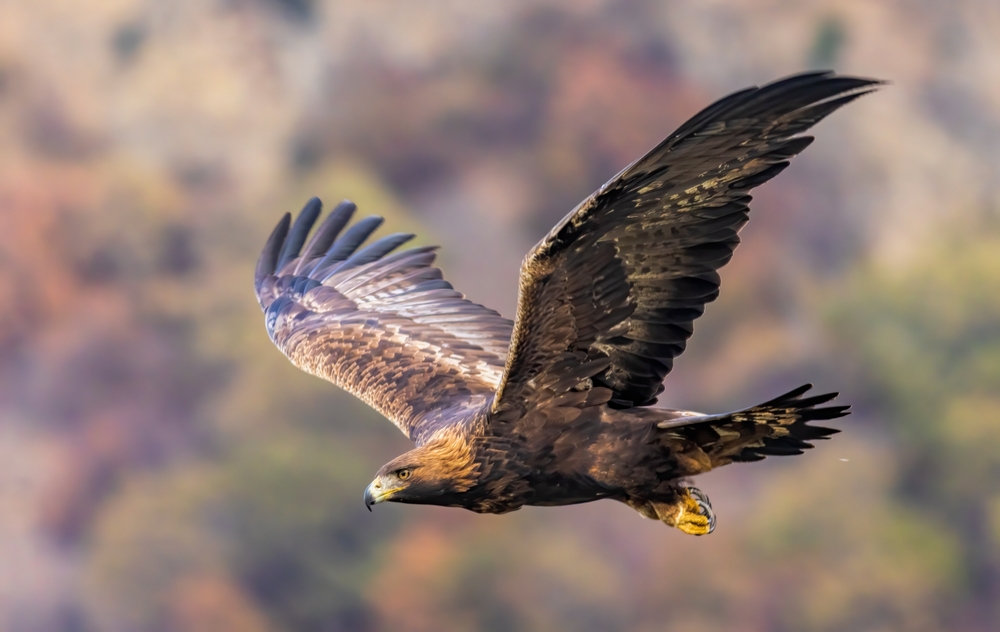
Golden Eagle (Aquila chrysaetos)
A top predator among birds, the golden eagle hunts hares, rodents, and even young wild goats. It is often seen soaring high above the park’s valleys.

Black Stork (Ciconia nigra)
Unlike its more familiar white cousin, the black stork prefers remote wetlands and riverbanks, where it hunts for fish, amphibians, and insects.

Blue Rock Thrush (Monticola solitarius)
This beautiful bird, with its deep blue plumage, inhabits rocky cliffs and mountainous slopes, where it feeds on insects and small vertebrates.

Eurasian Griffon Vulture (Gyps fulvus)
A large scavenger, the Eurasian griffon vulture plays a crucial role in the ecosystem by cleaning up animal carcasses. It is often seen in groups soaring on thermal currents.

Halgurd-Sakran National Park’s diverse landscapes provide a sanctuary for these remarkable species, making it a crucial area for wildlife conservation in Iraq.