About

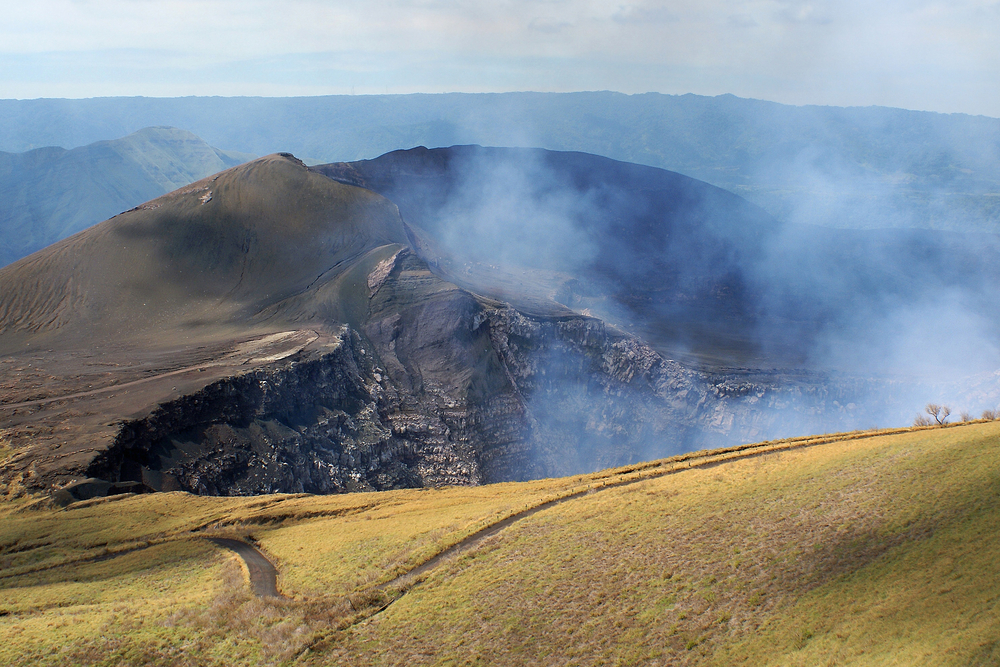
Masaya Volcano National Park (Spanish: Parque Nacional Volcán Masaya) is located in western Nicaragua approximately 14 miles (23 km) south of the capital city of Managua. Covering about 21 square miles (54 sq km), the park protects one of Central America’s most accessible and active volcanic complexes.

Established in 1979 as Nicaragua’s first national park, it encompasses two volcanoes, five craters, extensive lava fields, and a unique volcanic landscape shaped by centuries of eruptions. The park lies within a region that also includes other notable protected areas and volcanic features, helping preserve an important section of Nicaragua’s volcanic chain.

The park is best known for the active Santiago Crater, which contains a persistent lava lake and emits volcanic gases from deep within the earth. Few places in the world allow visitors to drive directly to the rim of an active volcano and safely observe glowing magma below. This remarkable accessibility has earned Masaya Volcano National Park international recognition.

Indigenous peoples once viewed the volcano as a powerful spiritual site, while Spanish colonists referred to it as the “Mouth of Hell” because of its fiery eruptions and glowing crater. Today, visitors come from around the world to witness nighttime lava viewing, explore volcanic trails, and learn about the geological forces that continue to shape the region.

The geography of the park is dominated by volcanic cones, ash fields, hardened lava flows, and barren slopes formed by repeated eruptions over thousands of years. The Masaya Volcano complex rises from the surrounding lowlands and creates a striking contrast between rugged volcanic terrain and pockets of tropical vegetation.

Despite the harsh environment, life has adapted remarkably well. Dry tropical forests occupy much of the park, while lava fields support specialized plant communities capable of surviving in nutrient-poor volcanic soils. Scenic overlooks provide sweeping views of nearby volcanic lakes, distant mountains, and the surrounding countryside.

Wildlife within the park demonstrates nature’s resilience in extreme conditions. More than 100 bird species have been recorded, including motmots, parakeets, hawks, and owls. Mammals such as coyotes, opossums, armadillos, and white-tailed deer inhabit the forested sections of the park.

Reptiles, including iguanas and various snake species, are commonly observed along trails. One of the park’s most unusual residents is the colony of bats that lives inside lava tubes and crater walls despite the proximity to volcanic activity. These animals have adapted to an environment that would seem inhospitable to most wildlife.

Masaya Volcano National Park protects more than dramatic scenery. It preserves one of the most active volcanic systems in Central America while serving as an important outdoor laboratory for geological research and environmental education. The park also safeguards dry tropical forest ecosystems that have become increasingly fragmented throughout the region.

In terms of visitor experience, Masaya is often compared to famous volcanic parks such as Hawaiʻi Volcanoes National Park and Timanfaya National Park, where volcanic activity remains a defining feature of the landscape. Yet Masaya stands apart because of its combination of accessibility, active lava viewing, cultural history, and ecological significance. It offers visitors a rare opportunity to witness the dynamic forces of the earth while exploring one of Nicaragua’s most iconic natural treasures.
Things to See

Popular

Popular

Masaya Volcano National Park, located in Nicaragua, is home to a diverse range of wildlife that has adapted to the park’s volcanic landscapes, lava fields, and dry tropical forests. The extreme conditions create a unique habitat for a variety of fascinating species, including mammals, reptiles, and amphibians.

White-faced Capuchin Monkey (Cebus capucinus)
These intelligent and social primates are often seen moving through the forest canopy. They are known for their expressive faces and use of tools to obtain food.

Nine-banded Armadillo (Dasypus novemcinctus)
This nocturnal creature is easily recognized by its armored shell. It forages for insects and small invertebrates, using its sharp claws to dig in the soil.

Central American Agouti (Dasyprocta punctata)
A large rodent with long legs, the agouti plays an important role in seed dispersal. It is often seen scurrying through the underbrush in search of fallen fruits and nuts.

Coyote (Canis latrans)
A highly adaptable predator, coyotes can be found in the park’s drier areas. They have a varied diet that includes small mammals, reptiles, and carrion.

Common Opossum (Didelphis marsupialis)
This nocturnal marsupial is known for its ability to “play dead” as a defense mechanism. It feeds on fruit, insects, and small vertebrates.

Boa Constrictor (Boa imperator)
One of the park’s largest snakes, the boa constrictor is a powerful predator that kills its prey by constriction. It primarily hunts rodents, birds, and small mammals.

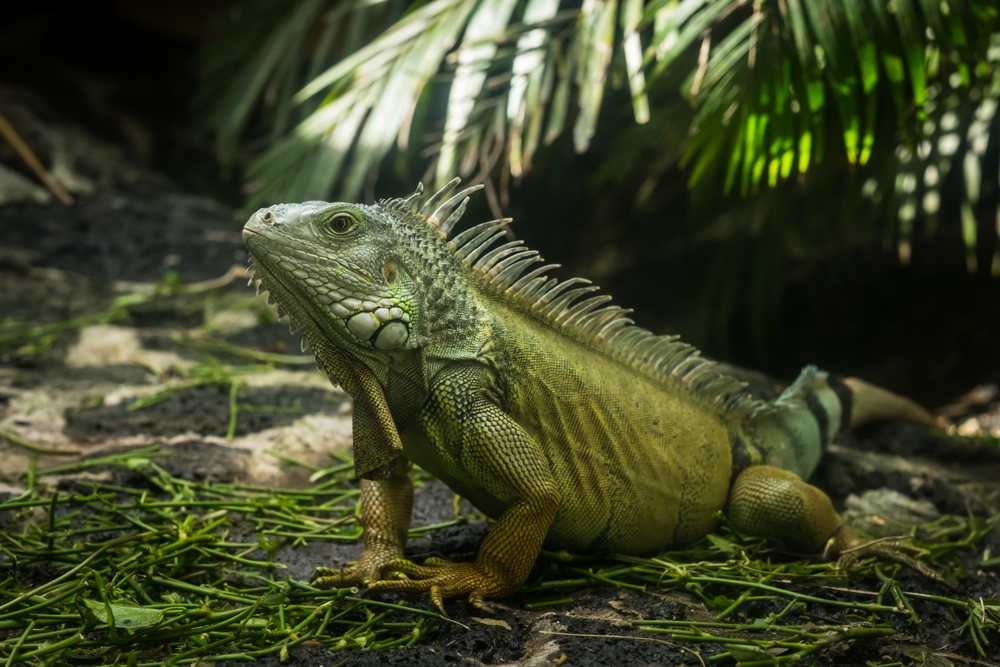
Green Iguana (Iguana iguana)
These large, herbivorous lizards can often be seen basking in the sun on tree branches. They are excellent climbers and can drop into the water to escape predators.

Rattlesnake (Crotalus simus)
A venomous pit viper found in the drier areas of the park, the rattlesnake relies on its heat-sensing pits to detect warm-blooded prey.

Nicaraguan Deer Mouse (Peromyscus nicaraguae)
This small rodent is an important part of the food chain in the park, providing prey for snakes and larger mammals.

Banded Anteater (Tamandua mexicana)
A tree-dwelling anteater, this species uses its powerful claws to break open termite mounds and ant nests. It has a long, sticky tongue to extract insects.

Birds

Birds

Masaya Volcano National Park is a paradise for birdwatchers, hosting a wide range of species that thrive in its volcanic and forested landscapes. From raptors to colorful songbirds, the park’s avian diversity is remarkable.

Turquoise-browed Motmot (Eumomota superciliosa)
This striking bird, with its vibrant turquoise and green plumage, is commonly seen perching on branches. It swings its long, racket-shaped tail when alert.

Pacific Parakeet (Psittacara strenuus)
A bright green parrot species, the Pacific parakeet is often heard before it is seen, as it flies in noisy flocks through the park.

American Kestrel (Falco sparverius)
One of the smallest falcons, the American kestrel preys on insects, small rodents, and birds. It is often seen perched on branches or power lines.

Barn Owl (Tyto alba)
This nocturnal hunter is known for its ghostly white appearance and silent flight. It hunts small mammals using its keen sense of hearing.

Black Vulture (Coragyps atratus)
A scavenger that plays a vital role in the park’s ecosystem, the black vulture feeds on carrion and is commonly seen soaring above the volcanic terrain.

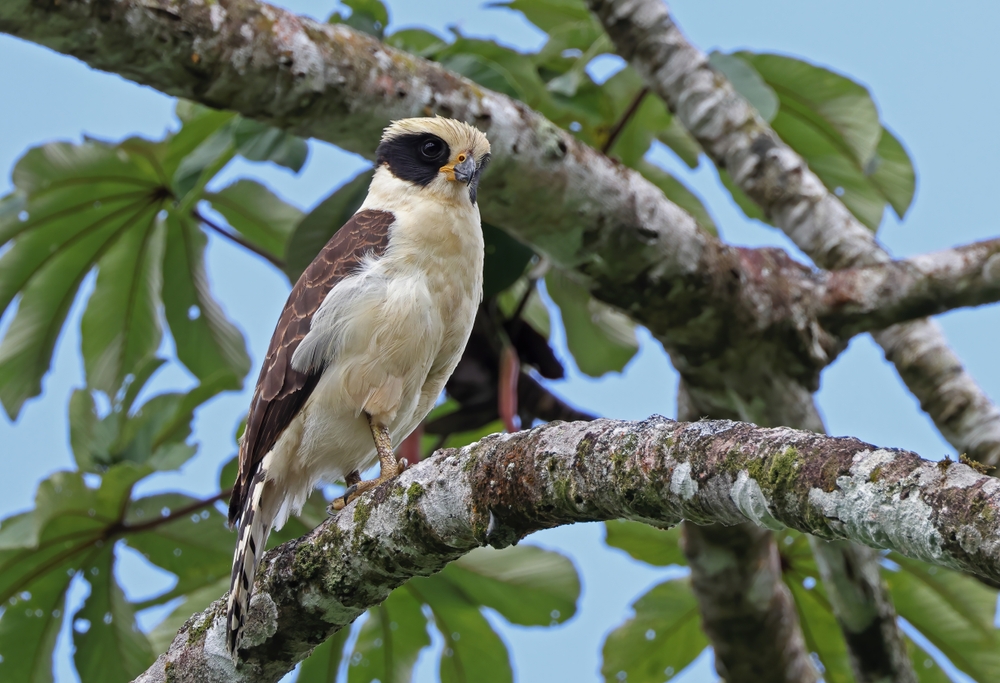
Laughing Falcon (Herpetotheres cachinnans)
This raptor is famous for its loud, laughing call. It primarily feeds on snakes and can be found perching on trees near open clearings.

Blue-crowned Motmot (Momotus coeruliceps)
Closely related to the turquoise-browed motmot, this species has a distinctive blue crown and a similar tail-wagging behavior.

Rufous-naped Wren (Campylorhynchus rufinucha)
This small, energetic bird has a loud song and is often seen in pairs or small family groups. It builds large, dome-shaped nests in trees.

Ferruginous Pygmy Owl (Glaucidium brasilianum)
A small but fierce predator, this owl hunts insects, lizards, and small birds during the day and at dusk.

White-throated Magpie-Jay (Calocitta formosa)
A large, striking jay with a long tail and a bold crest, this bird is highly intelligent and often seen in social groups, scavenging for food.

Masaya Volcano National Park offers an incredible mix of wildlife, making it a must-visit destination for nature lovers and birdwatchers alike.