About
Tikal National Park is located in the Petén region of northern Guatemala and covers approximately 222 square miles (575 sq km). Established in 1955, the park protects one of the most important archaeological and ecological treasures in the Americas.
Situated northeast of Flores, the park encompasses a vast expanse of tropical rainforest that surrounds the ancient Maya city of Tikal. In 1979, Tikal National Park was designated a UNESCO World Heritage Site for both its cultural and natural significance, making it one of the few locations in the world recognized under both criteria. The park preserves an extraordinary combination of ancient history, biodiversity, and tropical wilderness, attracting visitors from around the globe.
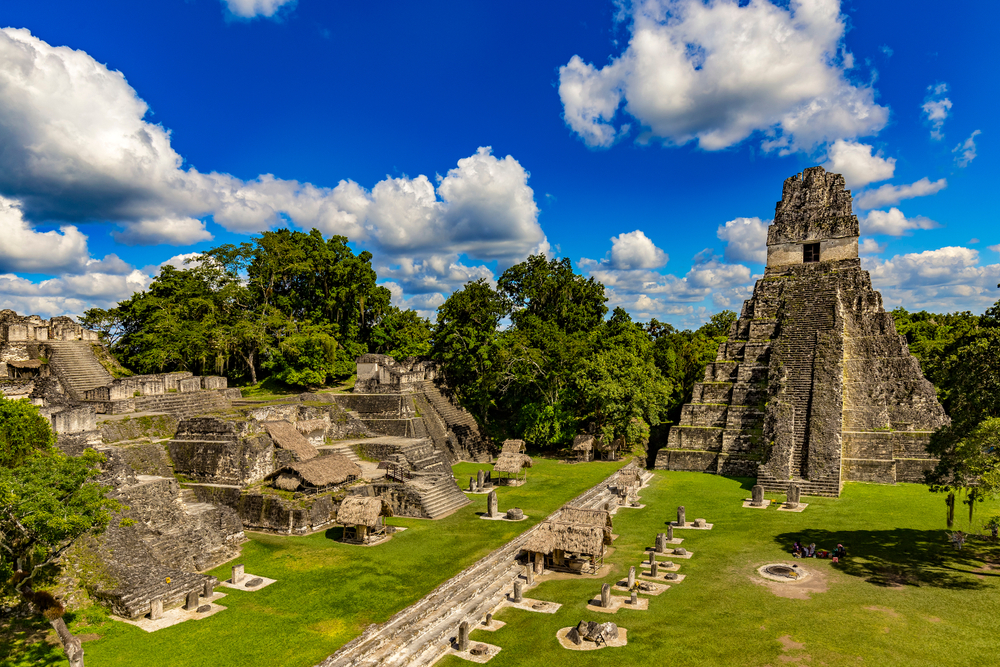
Tikal National Park is best known for the spectacular ruins of Tikal, one of the greatest cities of the ancient Maya civilization. Flourishing between approximately 200 and 900 AD, Tikal served as a major political, economic, and cultural center of the Maya world. Visitors are drawn to towering temple pyramids that rise above the rainforest canopy, including the iconic Temple I, Temple II, and Temple IV.
Exploring plazas, palaces, ceremonial complexes, and causeways provides insight into one of the most sophisticated civilizations in pre-Columbian America. In addition to archaeological exploration, visitors enjoy hiking, birdwatching, wildlife observation, photography, and guided nature tours through the surrounding forest.
The geography of Tikal National Park is dominated by lowland tropical rainforest within the larger Maya Forest, one of the largest remaining tropical forest systems in the Americas. The landscape consists of dense jungle, seasonal wetlands, limestone ridges, sinkholes, and small lakes.
Unlike many tropical regions, surface water is relatively limited due to the porous limestone geology, making reservoirs and water management systems crucial to the success of the ancient Maya city. The park’s forests contain towering mahogany, cedar, ceiba, and sapodilla trees, along with countless vines, palms, orchids, and other tropical plant species. These ecosystems support exceptional biodiversity and help maintain ecological connectivity across the broader region.
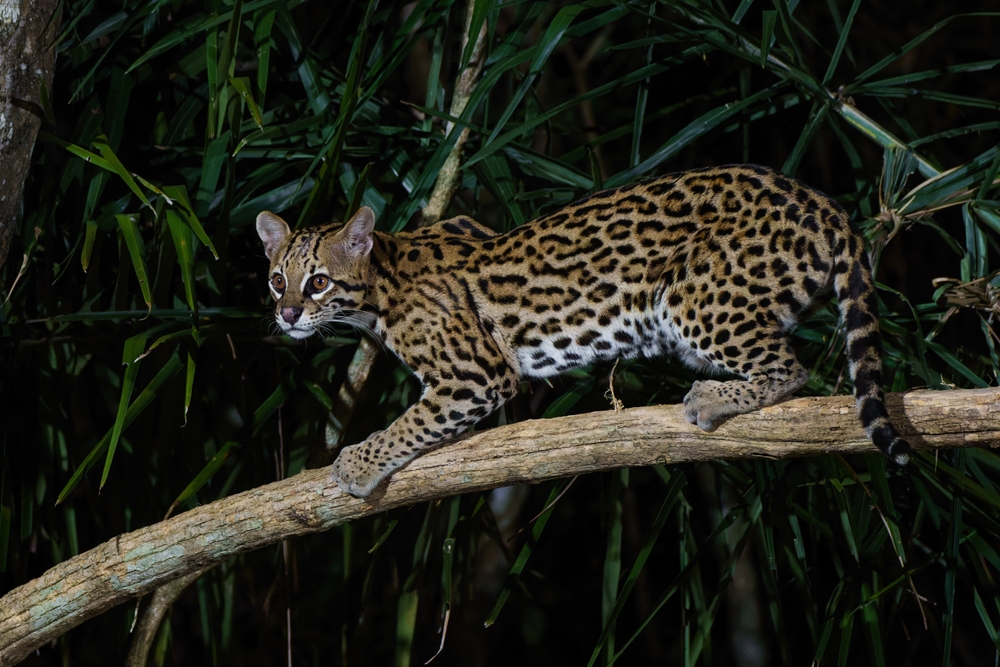
Wildlife within Tikal National Park is among the richest in Central America. Mammals include jaguars, pumas, ocelots, jaguarundis, spider monkeys, howler monkeys, white-tailed deer, coatis, and tapirs. The park provides important habitat for many species that require large, intact forest ecosystems.
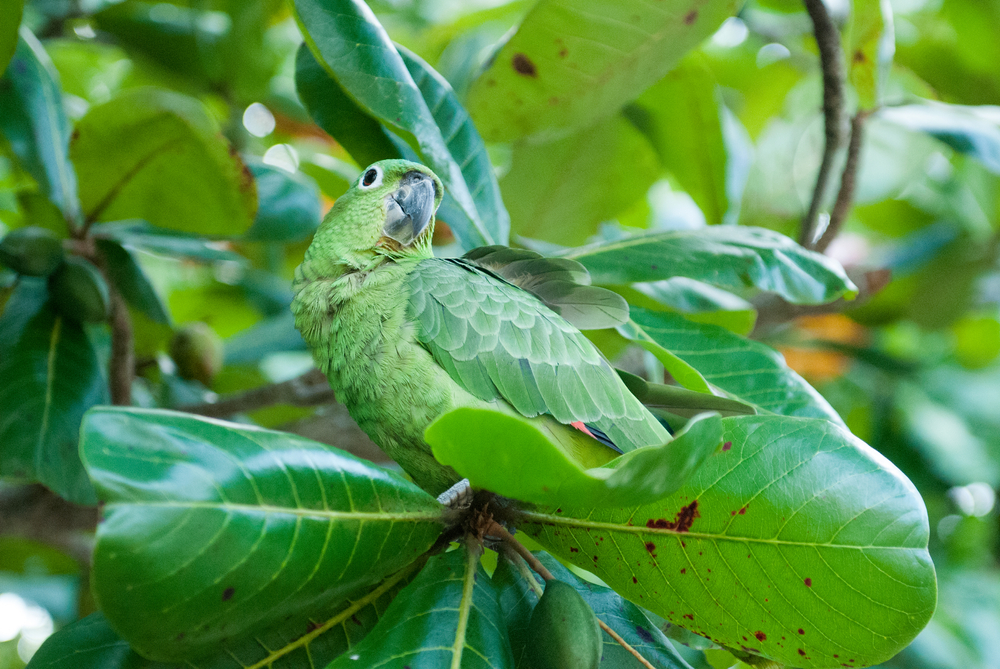
Birdlife is particularly impressive, with more than 300 recorded species including scarlet macaws, keel-billed toucans, parrots, trogons, hawks, and hummingbirds. Reptiles, amphibians, insects, and countless other organisms thrive within the rainforest. The sounds of howler monkeys and tropical birds are often a memorable part of the visitor experience.
Tikal National Park plays a vital role in protecting both Guatemala’s natural heritage and one of the world’s greatest archaeological sites. Conservation efforts focus on preserving rainforest ecosystems, protecting wildlife habitats, safeguarding ancient Maya structures, and promoting sustainable tourism. The park also forms part of the larger Maya Biosphere Reserve, a critical conservation landscape in Central America.
Tikal is often compared to Machu Picchu Historic Sanctuary and Alejandro de Humboldt National Park because of its combination of cultural significance and natural beauty. However, its integration of a world-class archaeological city within a thriving tropical rainforest gives it a distinctive identity. Today, Tikal National Park stands as one of the world’s most extraordinary protected areas, preserving a remarkable environment where ancient civilization and natural wilderness continue to coexist.