About

Skeleton Coast National Park is located along the shoreline of northwest Namibia.  The park covers an area of 6,504 square miles (16,845 sq km).  This coastal region is one of the most inaccessible shores and shipwrecks are scattered across the area. 

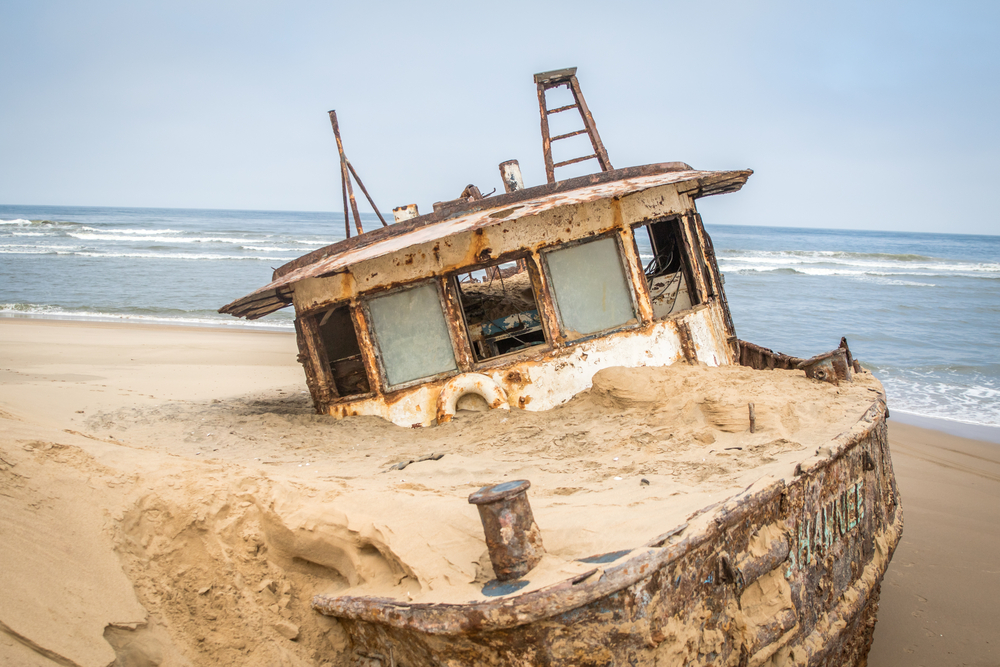
The remoteness, inaccessibility, and collection of ruins from wrecked ships make the name apropos for the park.  There are over 1,000 remains of wrecked shipping vessels scattered along the coast.

Locals often ascribe this saying about the park, “The Land God Made in Anger.”  The name was actually derived from the skeletons of whales and seals scattered across the shoreline from the whaling industry.

The national park is separated into two distinct regions.  The southern region is where the majority of activity occurs where four-wheel-drive vehicles are permitted to travel about the park and explore the region. Any vehicle that approaches the north will be greeted by a skull-and-crossbones sign deterring any further advancement.

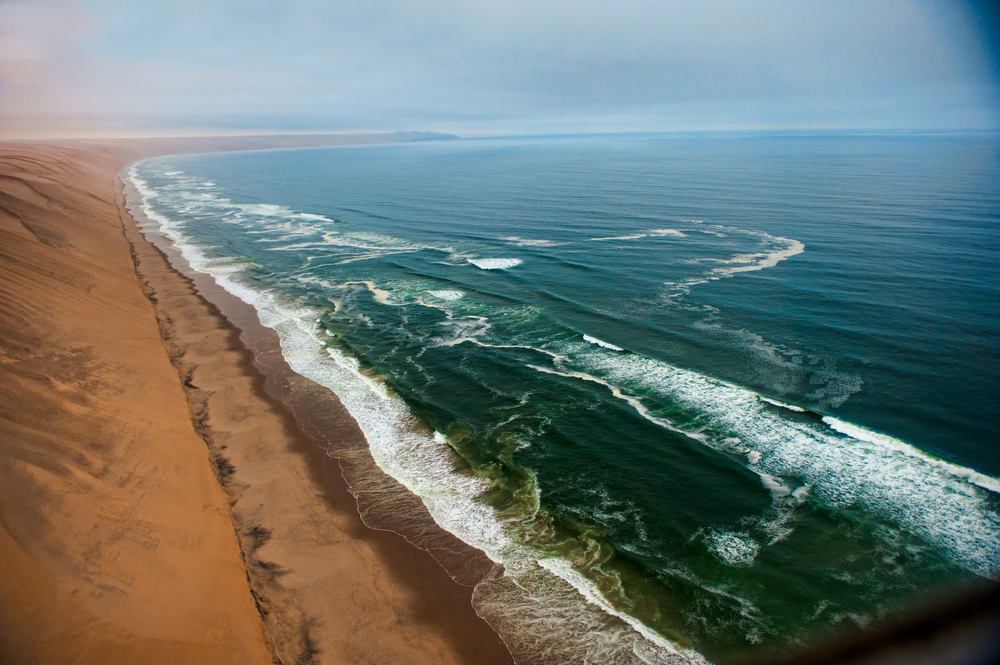
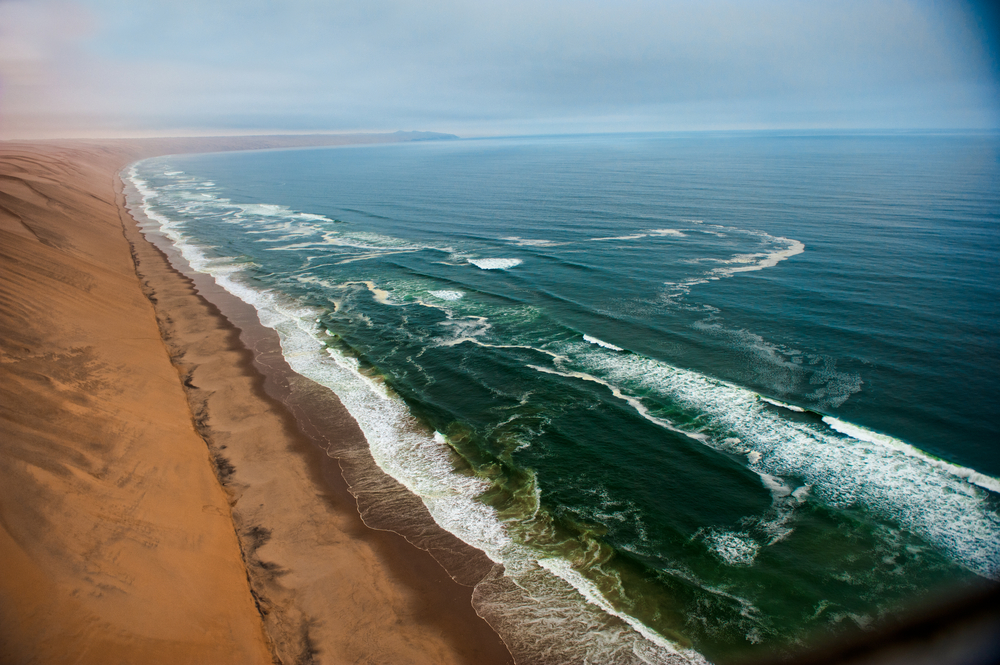
Vehicles are prohibited from accessing the northern region of the park.  Visitors must take advantage of one of the fly-in tours.  The shoreline features a consistent heavy surf.  Ships often became stranded because they could reach the shore, but the conditions would not allow a ship to launch back out to sea.

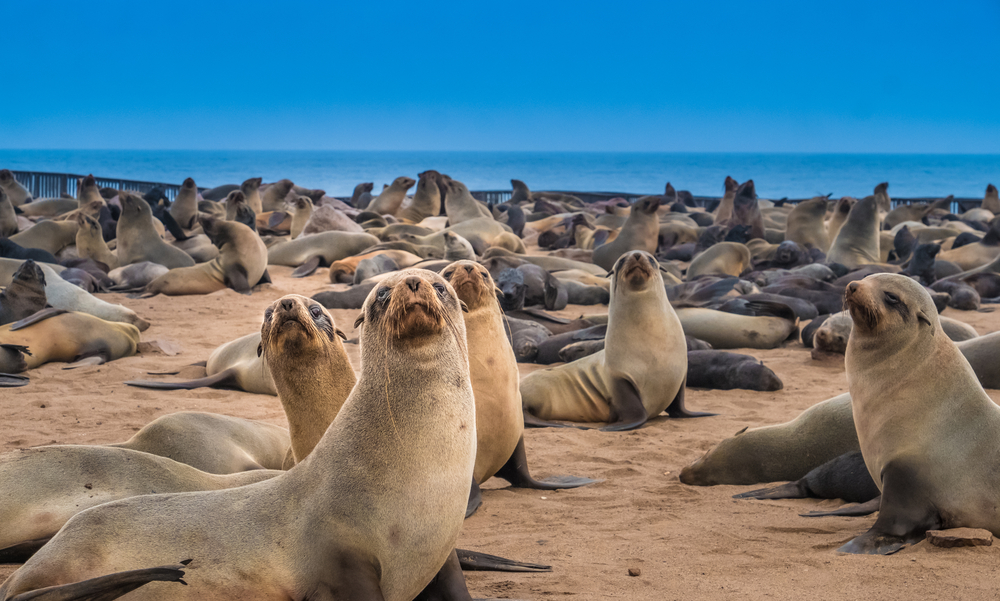
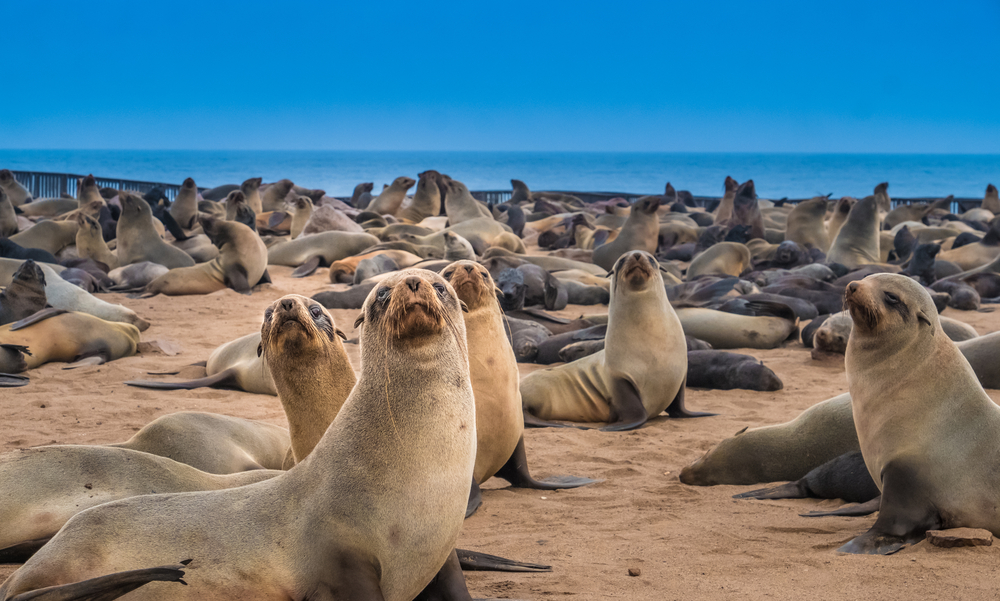
The majority of the coastline is soft sand with periodic rocky outcrops.  Gravel plains are found in areas of the southern part of the park.  The higher dunes are located in the northern part of the park.  The northern area is also well-known for its large population of seals.

The northern region of the park features the ephemeral Hoarusib River, the salt pans of the Agate Mountains, and Cape Fria.  The population of seals noted above may be found in the Cape Fria area.  The area is designated as a wilderness area and this is where wildlife may be found.

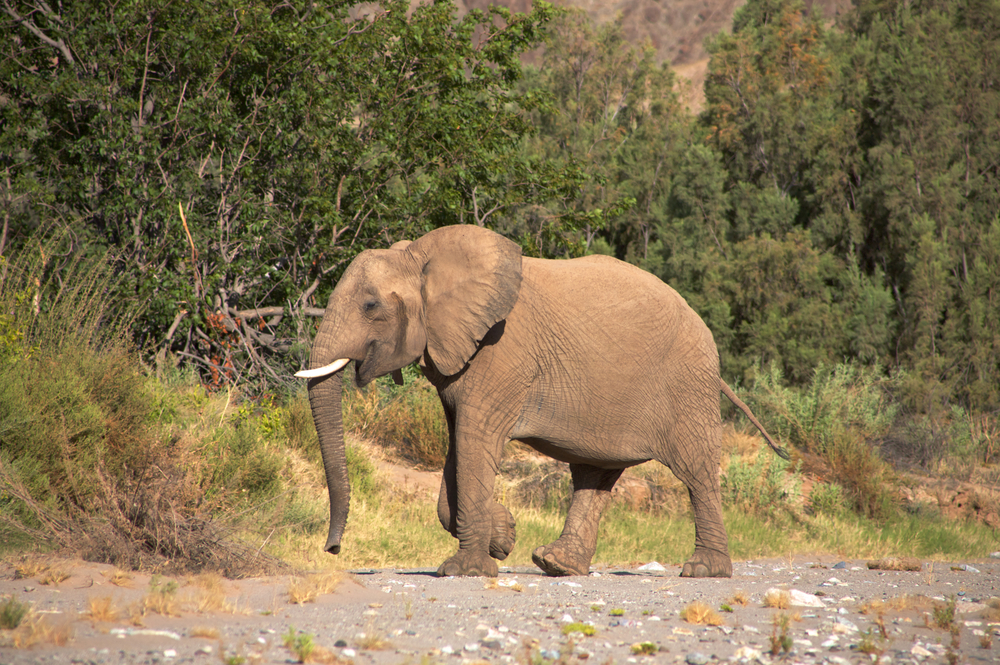
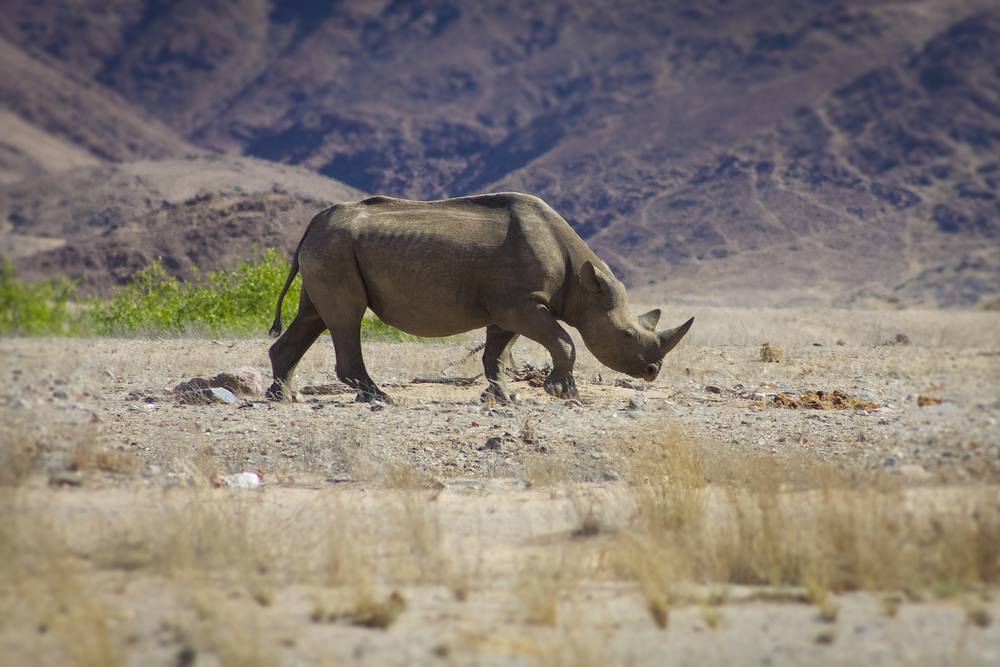
Some of the popular species include lion, giraffe, elephant, hyena, black rhinoceros, springbok, and baboon.

Things to See

It is an intriguing national park when some of the highlights are identified as shipwrecks and a collapsed oil drilling rig.  Some of the most popular shipwrecks include:

  • Eduard Bohlen
  • Benguela Eagle
  • Otavi
  • Dunedin Star
  • Tong Taw

The northern region of the park is a highlight for most because you have to fly in to experience it as well as this is the region of the park which has the best chances of seeing wildlife.  This northern part is also more picturesque with the canyon and river landscapes as well as the taller dunes along the coast.

Popular

Popular

Skeleton Coast National Park, a stark yet striking landscape along Namibia’s coast, is as renowned for its haunting shipwrecks as it is for its unique wildlife. Despite the arid conditions and harsh environment, a remarkable variety of species have adapted to thrive in this coastal desert, making it a fascinating destination for wildlife enthusiasts.

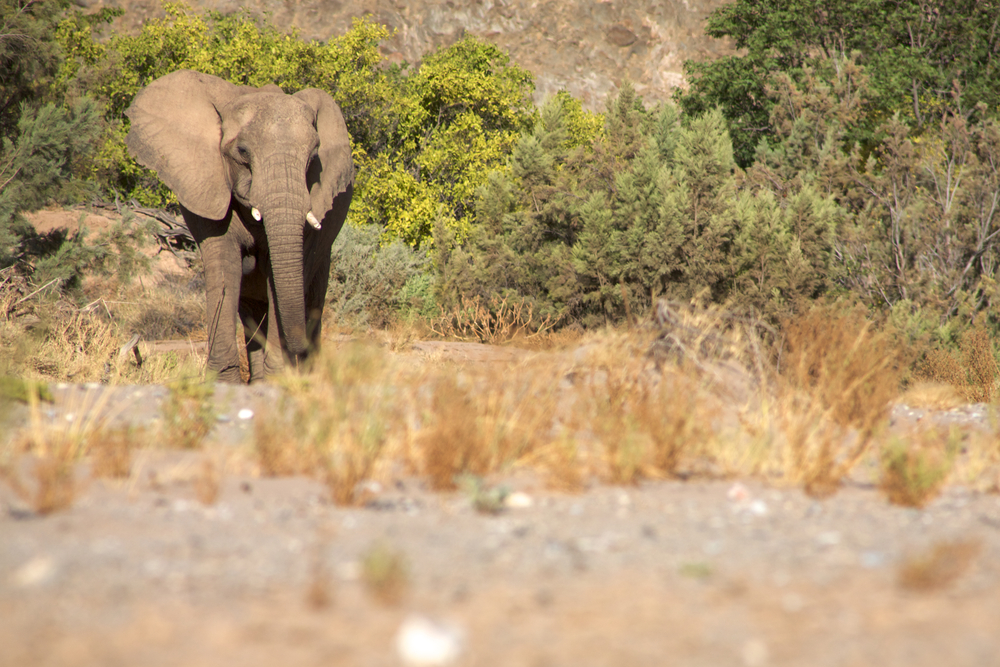
Desert Elephant – Adapted to the arid conditions of the Namib Desert, these elephants travel long distances in search of water, showcasing incredible survival skills.

Brown Hyena – Often seen scavenging along the coastline, the brown hyena is distinguished by its shaggy brown fur and powerful jaws, crucial for its scavenger lifestyle.

Cape Fur Seal – The shores of the Skeleton Coast are home to vast colonies of Cape Fur Seals, easily observed during their breeding season when populations swell.

Black-Backed Jackal – Opportunistic and adaptable, this jackal is often found near seal colonies, scavenging for food along the desolate beaches.

Oryx – With its striking appearance and long, straight horns, the oryx is perfectly adapted to desert life, able to survive without water for extended periods.

Springbok – This iconic antelope, known for its incredible leaping ability, grazes on the sparse vegetation of the Skeleton Coast’s inland areas.

African Lion – A small population of desert-adapted lions roams the northern reaches of the park, an extraordinary example of adaptation to the desert environment.

Gemsbok – Another desert-adapted antelope, the gemsbok is notable for its striking black and white face markings and long, spear-like horns.

Hartmann’s Mountain Zebra – Specialized for life in arid conditions, these zebras navigate the rugged terrain of the Skeleton Coast in search of sparse vegetation.

Damara Tern – This small, endangered seabird nests on the beaches of the Skeleton Coast, feeding on fish and invertebrates plucked from the cold Atlantic waters.

The resilience and adaptability of these species to the challenging conditions of Skeleton Coast National Park underscore the incredible diversity and survival strategies of wildlife in one of Africa’s most inhospitable landscapes.

Ship Skeletons Abound

Ship Skeletons Abound

Skeleton Coast National Park is renowned for its hauntingly beautiful landscape, punctuated by the eerie remnants of shipwrecks strewn along its desolate shores.

More than a thousand ships have met their fate along this treacherous coastline, earning it the nickname “The Skeleton Coast.”

While the exact number of shipwrecks is difficult to determine due to the remote and inaccessible nature of the area, some estimates suggest hundreds of vessels have succumbed to the powerful currents, dense fog, and shifting sandbars.

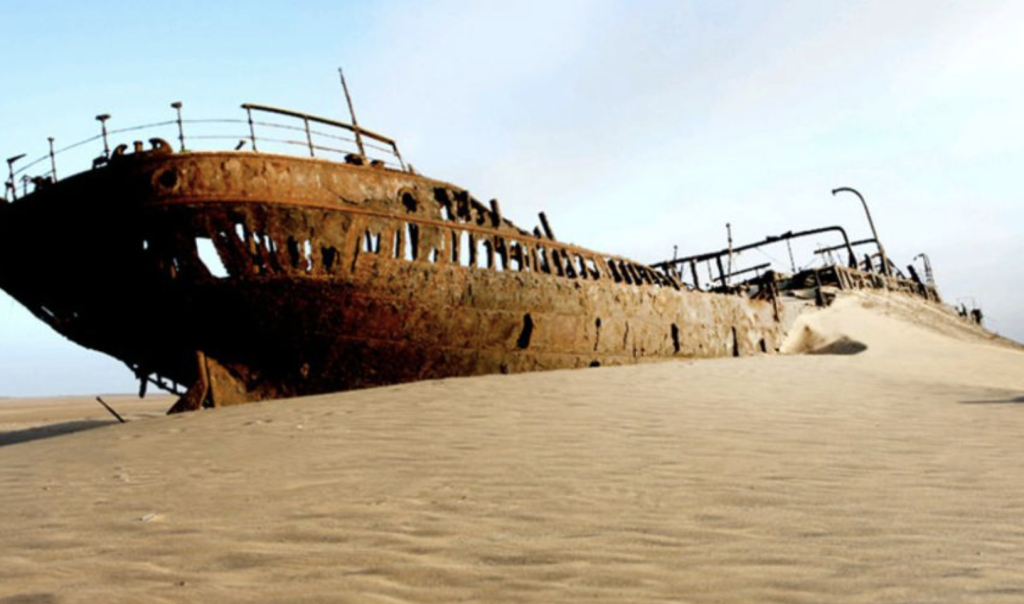
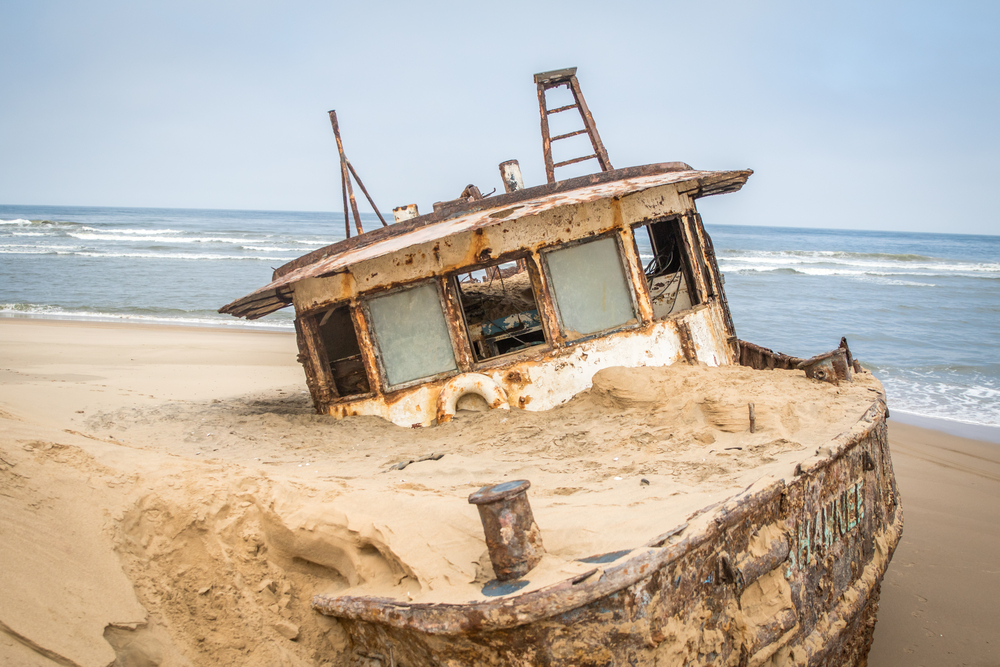
Among the most iconic shipwrecks in Skeleton Coast National Park is the Eduard Bohlen, a German cargo ship grounded in 1909. Its skeletal remains protrude from the sand, a stark reminder of the perils faced by sailors navigating these hazardous waters.

Visitors can also encounter the Dunedin Star, which ran aground in 1942, and the Zeila, a fishing trawler wrecked in the 2000s.

These shipwrecks serve as poignant symbols of the park’s maritime history and add to its mysterious allure, attracting adventurers and photographers from around the world.

Things To Do

Engaging Skeleton Coast
Desert Safaris

Embark on an unforgettable desert safari adventure through the vast and desolate landscapes of Skeleton Coast National Park, where towering sand dunes meet the crashing waves of the Atlantic Ocean.

Traverse the remote and untouched wilderness in search of elusive desert-adapted wildlife, including desert-adapted elephants, gemsbok, and brown hyenas. Guided by experienced desert guides, explore hidden valleys, ancient riverbeds, and towering dunes, discovering the secrets of this starkly beautiful landscape along the way.

Whether embarking on a day-long excursion or a multi-day safari expedition, desert safaris offer an immersive and unforgettable experience in one of Africa’s most iconic wilderness areas.

Scenic Flights

Experience the otherworldly beauty of Skeleton Coast National Park from above with a scenic flight over its rugged coastline and vast desert landscapes. From the air, marvel at the striking contrast between the endless expanse of sand dunes and the crashing waves of the Atlantic Ocean.

Look out for shipwrecks scattered along the coast, remnants of vessels that fell victim to treacherous currents and dense fog. With panoramic views stretching as far as the eye can see, a scenic flight offers a unique perspective on the park’s remote and untouched wilderness, providing unforgettable memories and stunning photo opportunities.

Shipwreck Viewing

Explore the eerie remains of shipwrecks that dot the desolate coastline of Skeleton Coast National Park, bearing witness to the perils faced by sailors navigating these treacherous waters.

Stand in awe as you encounter rusting hulks protruding from the sand, stark reminders of the unforgiving nature of the Skeleton Coast. Learn about the stories behind these maritime disasters, from tales of exploration and trade to tragic accidents and maritime mysteries.

Some of the wrecks are accessible by vehicle, while others may require guided tours or hikes to reach, adding an element of adventure to the experience. Shipwreck viewing offers a glimpse into the park’s maritime history and the forces that have shaped its rugged coastline.

Coastal Walks

Discover the rugged beauty of Skeleton Coast National Park on foot with coastal walks along its windswept shores. Feel the cool ocean breeze on your face as you stroll along pristine beaches, with the crashing waves of the Atlantic Ocean providing a dramatic backdrop to your adventure.

Explore hidden coves, rocky outcrops, and tidal pools teeming with marine life, and keep an eye out for the footprints of desert-adapted wildlife that roam the coastline.

Whether you prefer a leisurely stroll or a more challenging hike, coastal walks offer a chance to connect with nature and experience the untamed beauty of Skeleton Coast’s shoreline.

Skeleton Coast National Park Trails

The park is not known for trails but there are desert walks, beach walks, and some trails that allow you to see some of the park while on foot.


placeholder

Ugab River Trail

This is a challenging trail and the recommendation is that you be an experienced hiker.  It is a three-day/two-night outing that meanders inland along the Ugab River Canyon and up to some natural springs.  Along with the landscapes of the canyon, you will have chances to see wildlife and vegetation that has adapted to the harsh conditions.

placeholder

No Traditional Trails

Skeleton Coast National Park in Namibia is characterized by its rugged coastline, shifting sand dunes, and desert landscapes.

Due to its remote and harsh environment, there are no designated hiking trails within the park.

However, visitors can explore the area on foot with the assistance of experienced guides.

These guided walks offer a chance to discover the park’s unique flora and fauna, as well as its fascinating geological features, while ensuring safety in this remote wilderness.

Park Protection

Skeleton Coast National Park was created to protect the unique region of the coastal shoreline and the wilderness area in the northern region which is home to an array of wildlife.

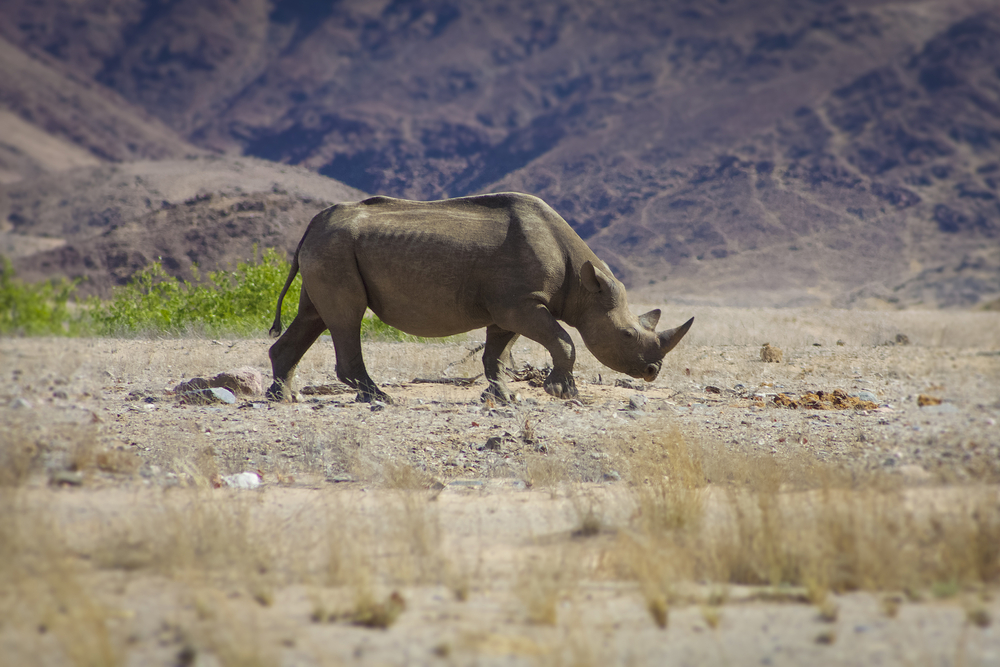
The national park is protecting the endangered black rhinoceroses as well as elephants and other wildlife.  The park is also important from an ecological research perspective as scientists want to learn more about how wildlife has adapted to these harsh conditions.

FAQ’s

What is Skeleton Coast National Park known for?

Skeleton Coast National Park, situated along the northwestern coast of Namibia, is renowned for its stark and haunting beauty, as well as its rich maritime history. The park gets its name from the numerous shipwrecks scattered along its rugged coastline, remnants of vessels that fell victim to the treacherous conditions and dense fog prevalent in the area.

Beyond its maritime history, the park is known for its desolate landscapes, where towering sand dunes meet the crashing waves of the Atlantic Ocean. Despite its harsh environment, the Skeleton Coast is home to a surprising array of wildlife, including desert-adapted elephants, lions, and seals.

Visitors to the park can explore its otherworldly scenery, embark on guided tours to learn about its history and ecology, and experience the raw and untamed beauty of one of Africa’s most remote and enigmatic landscape.

Sources