About

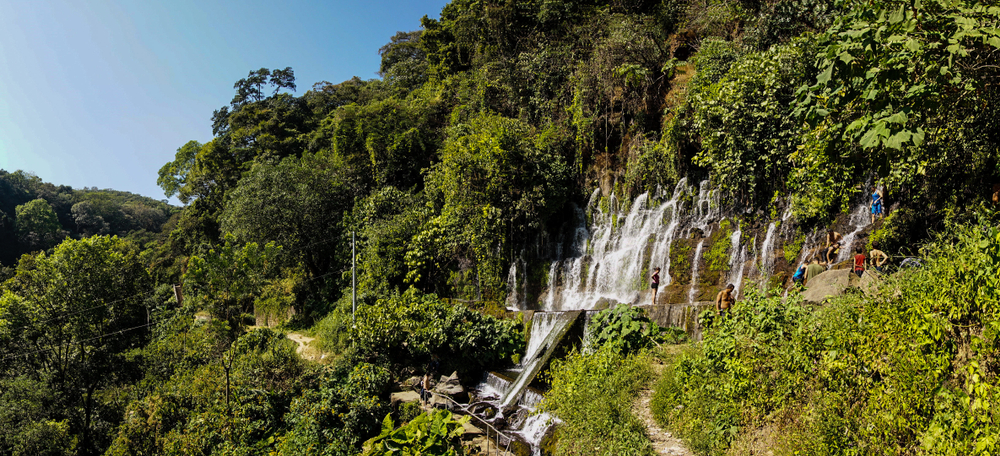
El Imposible National Park is located in western El Salvador within the department of Ahuachapán and covers approximately 19 square miles (49 sq km). Established as a national park in 1989, it protects one of the country’s most important remaining tropical forest ecosystems.

Situated near the border with Guatemala and south of Ahuachapán, the park forms part of the larger Apaneca-Ilamatepec mountain range. Its name, “El Imposible,” meaning “The Impossible,” originates from a steep gorge that was once considered nearly impossible for mule caravans carrying coffee to cross. Today, El Imposible National Park is recognized as El Salvador’s premier protected area and one of the most significant biodiversity hotspots in Central America.

El Imposible National Park is best known for its rugged mountain landscapes, dense tropical forests, and extraordinary biodiversity. Visitors are drawn to the park’s scenic hiking trails, waterfalls, rivers, and panoramic viewpoints overlooking the surrounding mountains and Pacific coastal plains.

Hiking, birdwatching, wildlife observation, photography, and environmental education are among the park’s most popular activities. Numerous trails wind through forests and valleys, offering opportunities to experience a wide variety of ecosystems within a relatively compact area. The park’s remote wilderness character and rich wildlife make it one of the most rewarding nature destinations in El Salvador.

The geography of El Imposible National Park is characterized by steep mountains, deep ravines, river valleys, and tropical forests. Elevations range from approximately 800 feet (244 meters) to over 4,700 feet (1,430 meters), creating a variety of climatic conditions and habitats. Several rivers and streams originate within the park, supplying important freshwater resources to surrounding communities and ecosystems.

Vegetation includes tropical dry forests, humid forests, cloud forest remnants, and riparian habitats. More than 500 plant species have been recorded within the park, including orchids, bromeliads, ferns, and numerous native trees. This diversity of habitats contributes significantly to the park’s ecological importance.

Wildlife within El Imposible National Park is among the richest in El Salvador. Mammals include pumas, ocelots, jaguarundis, white-tailed deer, coatis, armadillos, and numerous smaller forest species. The park serves as an important refuge for wildlife in a country where much natural habitat has been lost.

Birdlife is especially remarkable, with more than 280 recorded species including toucans, motmots, trogons, parrots, hawks, and hummingbirds. Reptiles, amphibians, butterflies, and countless insects further contribute to the park’s biodiversity. The wide range of elevations and habitats allows many species to coexist within the protected area.

El Imposible National Park plays a critical role in protecting El Salvador’s natural heritage and preserving one of the largest remaining forest ecosystems in the country. Conservation efforts focus on habitat restoration, watershed protection, wildlife conservation, and environmental education. The park also serves as an important ecological corridor connecting mountain and coastal ecosystems.

El Imposible is often compared to Montecristo National Park and Corcovado National Park because of its biodiversity and tropical forest environments. However, its rugged terrain, rich wildlife, and status as El Salvador’s most important national park give it a distinctive identity. Today, El Imposible National Park stands as one of Central America’s most valuable conservation areas, preserving a remarkable environment where forests, rivers, wildlife, and natural beauty continue to thrive.
Things to See

Popular

Popular

El Imposible National Park, located in western El Salvador, is one of the country’s most important protected areas. Known for its rugged terrain, dense tropical forests, and diverse wildlife, the park is home to many fascinating animal species. It serves as a crucial refuge for Central American wildlife, including elusive large mammals and various reptiles.

Ocelot (Leopardus pardalis)
A secretive wild cat, the ocelot roams the dense forests of El Imposible. It is known for its beautiful spotted coat and keen hunting skills, preying on small mammals, birds, and reptiles. Though primarily nocturnal, lucky visitors may spot one during dawn or dusk.

Collared Peccary (Pecari tajacu)
This pig-like mammal travels in small herds through the park, foraging for roots, fruits, and insects. They have strong social bonds and are known for their sharp tusks, which they use for defense against predators.

Baird’s Tapir (Tapirus bairdii)
The largest land mammal in Central America, the Baird’s tapir is a rare but essential species in El Imposible. It plays a crucial role in seed dispersal within the ecosystem. These gentle creatures are primarily nocturnal and are most often found near water sources.

Margay (Leopardus wiedii)
Often mistaken for the ocelot, the margay is a smaller, tree-dwelling wild cat. It has the unique ability to rotate its ankles, allowing it to climb down trees headfirst—a rare trait among felines.

Nine-Banded Armadillo (Dasypus novemcinctus)
This armored mammal is commonly found scurrying through the undergrowth in search of insects and grubs. Its tough shell provides protection from predators, and it can dig burrows quickly to escape threats.

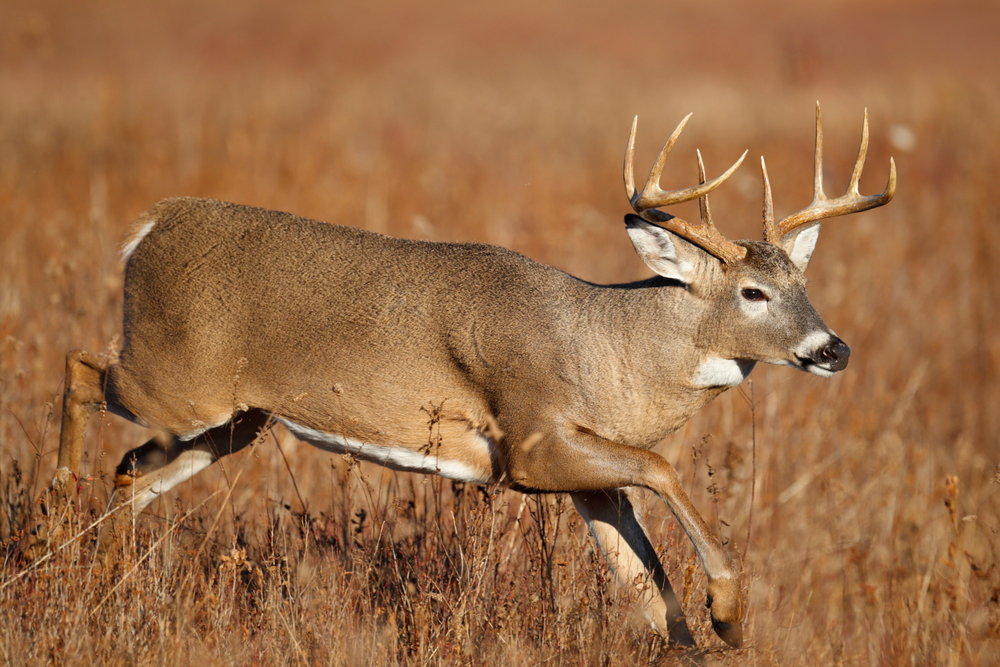
White-Tailed Deer (Odocoileus virginianus)
A common sight in the park’s clearings, this deer is an important herbivore in the ecosystem. Males are recognizable by their antlers, which they shed and regrow annually.

Boa Constrictor (Boa imperator)
One of the largest snakes in the region, the boa constrictor is a non-venomous snake that kills its prey by constriction. It is an essential predator in the park, helping to control rodent populations.

Central American Agouti (Dasyprocta punctata)
This rodent resembles a large guinea pig and is often seen foraging for fallen fruits and nuts. Agoutis play a crucial role in seed dispersal, helping to regenerate the forest.

Coyote (Canis latrans)
A highly adaptable carnivore, the coyote can be found hunting alone or in small packs within the park. It feeds on a variety of prey, including rodents, birds, and carrion.

Northern Tamandua (Tamandua mexicana)
A type of anteater, the northern tamandua has a long, sticky tongue that it uses to extract ants and termites from nests. With its strong claws, it can easily rip open logs and defend itself from predators.

Birds

Birds

El Imposible National Park is also home to an incredible diversity of bird species, making it a paradise for birdwatchers. The park’s diverse habitats support a wide range of both resident and migratory birds.

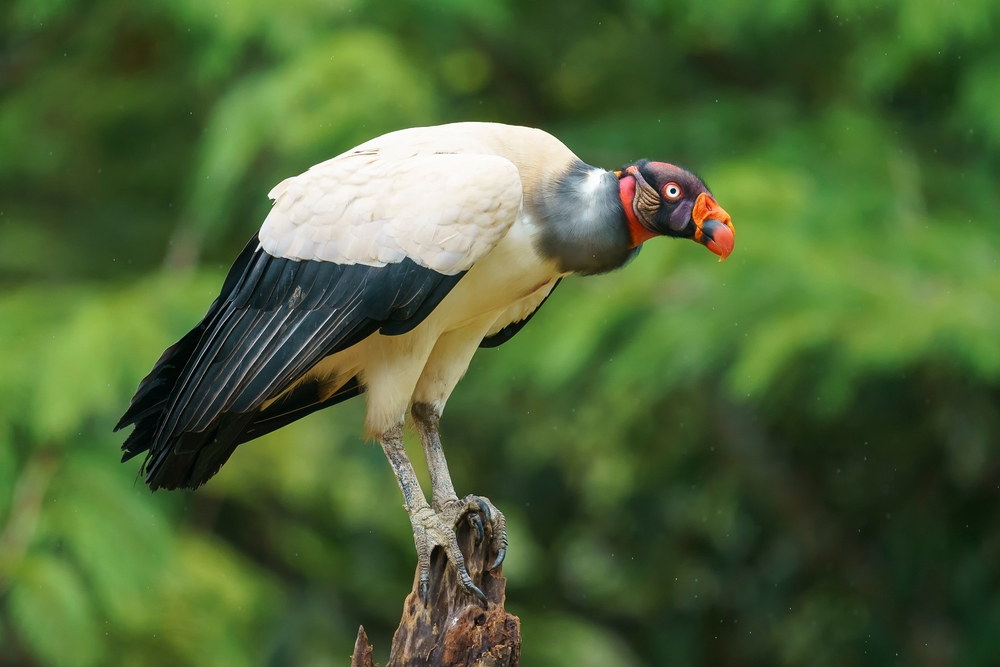
King Vulture (Sarcoramphus papa)
This striking vulture, with its colorful head and white body, is one of the largest scavengers in the park. It plays a vital role in the ecosystem by cleaning up carrion.

Keel-Billed Toucan (Ramphastos sulfuratus)
One of the most recognizable birds in Central America, the keel-billed toucan is famous for its large, multicolored bill. It feeds on fruits, insects, and small reptiles, playing a role in seed dispersal.

Turquoise-Browed Motmot (Eumomota superciliosa)
Known for its vibrant colors and long racket-shaped tail, this bird is often seen perching on branches, swinging its tail rhythmically. It prefers open woodlands and feeds on insects and small vertebrates.

White Hawk (Pseudastur albicollis)
A striking raptor with bright white plumage and black wingtips, the white hawk hunts from above, preying on small mammals, birds, and reptiles.

Black-Headed Trogon (Trogon melanocephalus)
With its bright yellow belly and contrasting black head, this trogon is a beautiful sight in the park’s forested areas. It primarily feeds on insects and fruits.

Squirrel Cuckoo (Piaya cayana)
Named for its squirrel-like movements through the treetops, this large cuckoo is reddish-brown with a long tail. It feeds on insects, including caterpillars and cicadas.

Laughing Falcon (Herpetotheres cachinnans)
Easily recognizable by its loud, laughter-like call, this falcon specializes in hunting snakes. It has a strong, hooked beak for grasping and dispatching its prey.

Elegant Trogon (Trogon elegans)
A beautifully colored bird with green, red, and white plumage, the elegant trogon is often found in the mid-levels of the forest searching for fruits and insects.

Rufous-Tailed Hummingbird (Amazilia tzacatl)
One of the most common hummingbirds in the park, this species is known for its iridescent green feathers and reddish tail. It is frequently seen hovering around flowers, feeding on nectar.

Great Curassow (Crax rubra)
A large, ground-dwelling bird, the great curassow has a distinctive curled crest. Males are mostly black with a yellow bill, while females have a more varied brownish pattern.

El Imposible National Park offers a haven for wildlife and is a prime destination for those seeking to experience El Salvador’s rich biodiversity.