About
Santa Teresa National Park (Spanish: Parque Nacional Santa Teresa) is located along the Atlantic coast of eastern Uruguay in the department of Rocha near the border with Brazil. The park encompasses approximately 11 square miles (30 sq km) of protected coastal landscapes, forests, dunes, wetlands, and historic sites.
Established around the historic Santa Teresa Fortress and its surrounding lands, the park is one of Uruguay’s most visited protected areas. Its unique combination of natural beauty, cultural heritage, and recreational opportunities distinguishes it from many other national parks in South America.
The park is best known for the impressive Santa Teresa Fortress, an eighteenth-century military stronghold that overlooks the surrounding countryside and coastline. This historic landmark reflects centuries of colonial rivalry between Spain and Portugal and remains one of Uruguay’s most important cultural treasures.
Visitors are drawn not only to the fortress but also to the park’s beautiful Atlantic beaches, extensive gardens, scenic campgrounds, and peaceful nature trails. The combination of history and nature creates a destination that appeals equally to outdoor enthusiasts, families, and those interested in Uruguay’s past.
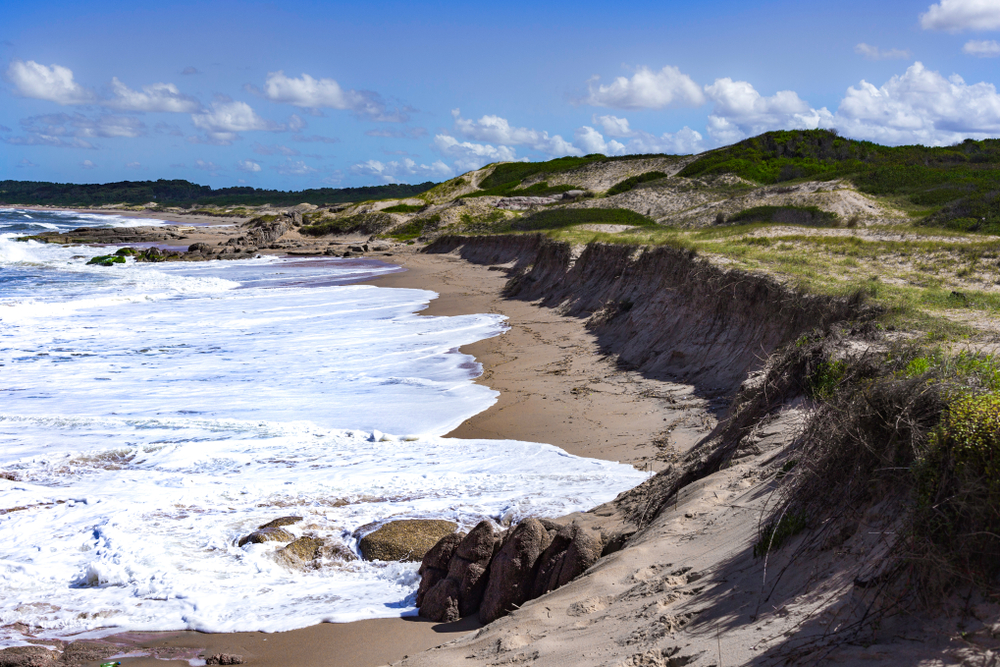
Santa Teresa National Park features a diverse coastal landscape shaped by wind, ocean currents, and centuries of ecological change. Rolling sand dunes stretch along the Atlantic shoreline, while inland areas support forests of pine, eucalyptus, native woodlands, and grasslands. Wetlands and small lagoons provide important habitat for birds and other wildlife.
The park’s famous botanical garden contains hundreds of plant species from around the world, including one of the largest collections of roses in South America. The blend of managed landscapes and natural ecosystems creates an attractive and varied environment that changes with the seasons.
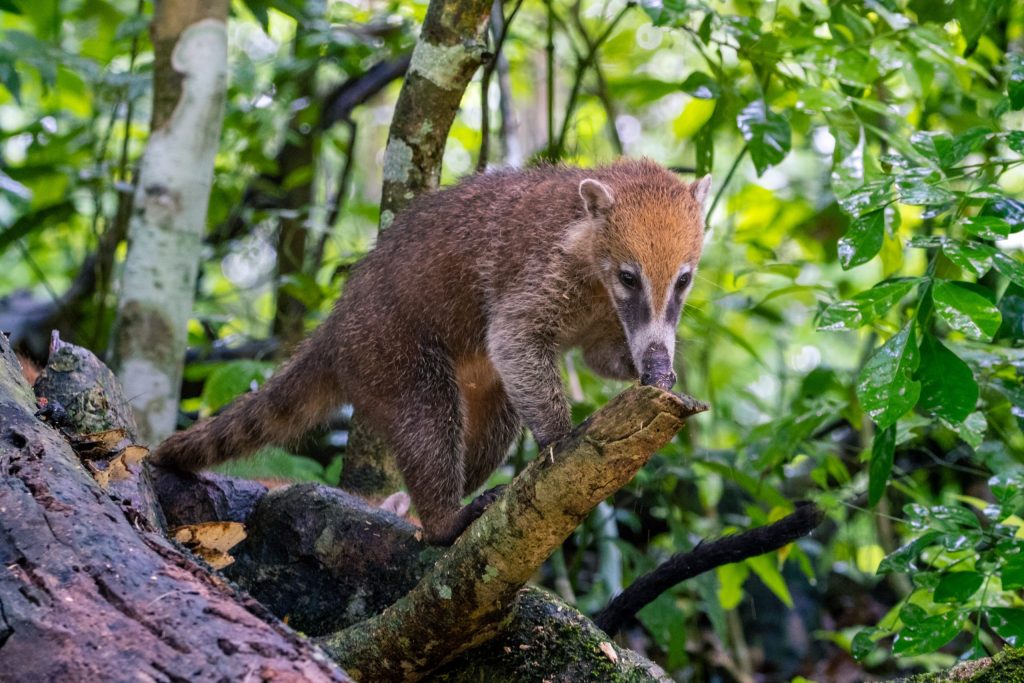
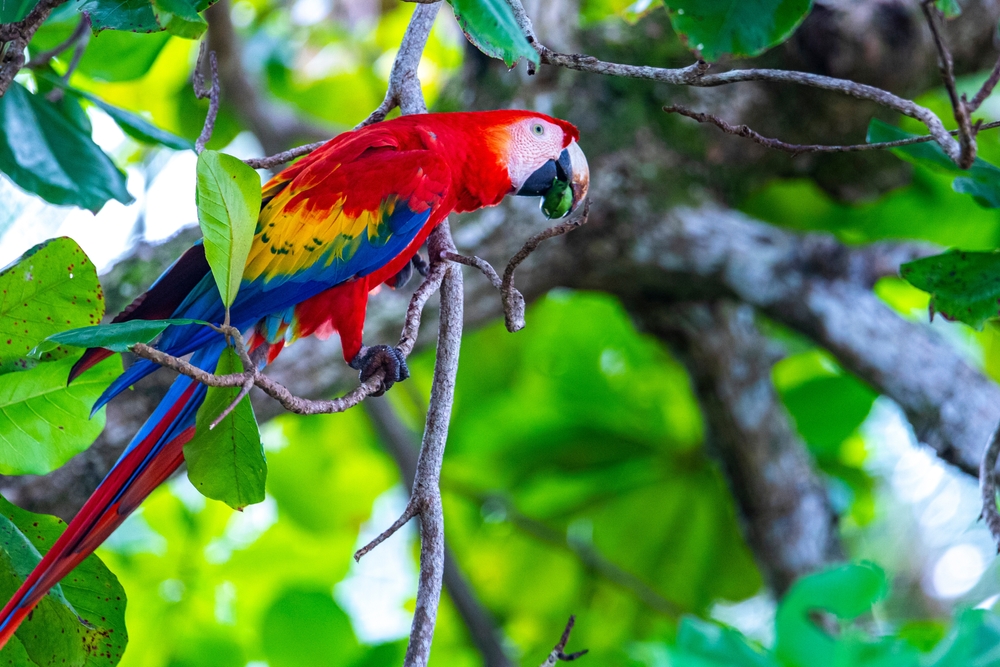
Wildlife thrives throughout the park’s coastal and inland habitats. Birdwatchers can observe herons, egrets, hawks, owls, parrots, and numerous migratory shorebirds that travel along the Atlantic Flyway. Mammals found within the park include foxes, armadillos, capybaras, and small native rodents.
Reptiles and amphibians inhabit wetlands and ponds, while the nearby coastline supports marine life including sea turtles, dolphins, and seasonal whale sightings offshore. The variety of habitats allows a surprising diversity of species to flourish within a relatively compact protected area.
The conservation significance of Santa Teresa National Park extends beyond recreation and tourism. The park protects valuable coastal ecosystems that help stabilize dunes, support migratory birds, and preserve biodiversity along Uruguay’s Atlantic coast. These habitats face increasing pressure from development and environmental change, making protected areas such as Santa Teresa increasingly important.
The park serves a role similar to that of coastal reserves such as Cape Cod National Seashore and Doñana National Park by conserving sensitive coastal environments while providing opportunities for public enjoyment and education. Through its combination of historic architecture, scenic beaches, diverse wildlife, and protected natural habitats, Santa Teresa National Park stands as one of Uruguay’s most beloved destinations and an enduring symbol of the nation’s natural and cultural heritage.