About
Swiss National Park, known locally as Schweizerischer Nationalpark (German), Parc Naziunal Svizzer (Romansh), and Parco Nazionale Svizzero (Italian), is located in the canton of Graubünden in eastern Switzerland near the borders of Italy and Austria. The park covers approximately 66 square miles (170 sq km) and is Switzerland’s only national park.
Established in 1914, it is one of the oldest national parks in Europe and one of the continent’s most strictly protected wilderness areas. Situated within the majestic Alps, the park lies in the Engadine Valley near Zernez and forms part of the UNESCO-designated Swiss National Park and Biosfera Val Müstair Biosphere Reserve. For more than a century, the park has served as a living laboratory for scientific research and natural ecosystem recovery.
Swiss National Park is best known for its commitment to wilderness preservation and its untouched Alpine landscapes. Unlike many national parks where recreational development is extensive, the Swiss National Park follows strict conservation principles that prohibit hunting, fishing, camping, and leaving designated trails.
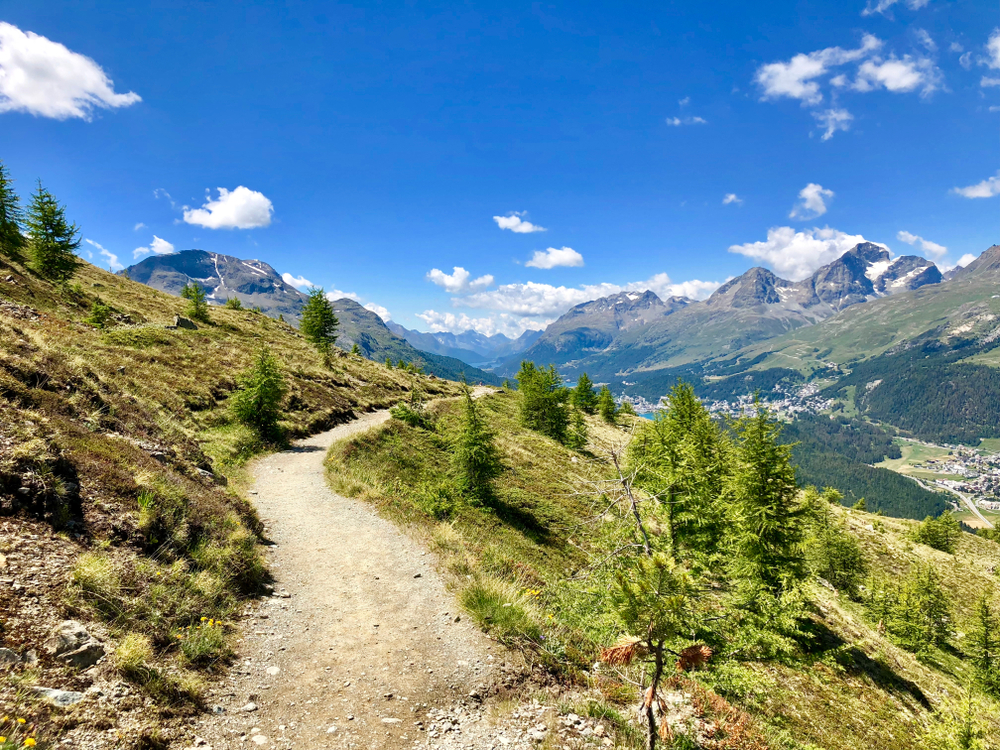
Visitors are drawn by the opportunity to experience nature largely free from human intervention. The park offers an extensive network of hiking trails that pass through mountain valleys, forests, alpine meadows, and dramatic high-altitude terrain. Its pristine character provides a rare glimpse into how Alpine ecosystems function when allowed to develop naturally over long periods of time.
The geography of Swiss National Park is dominated by rugged mountains, deep valleys, glacially carved landscapes, and high-elevation ecosystems. Elevations range from approximately 4,600 feet (1,400 meters) to more than 10,000 feet (3,000 meters) above sea level. The landscape includes limestone peaks, alpine grasslands, scree slopes, forests of Swiss stone pine and larch, and numerous streams fed by snowmelt.
Seasonal changes dramatically transform the scenery, from snow-covered peaks in winter to vibrant wildflower meadows during summer. The park’s varied elevations and geology create a wide range of habitats that support exceptional biodiversity within a relatively small area.
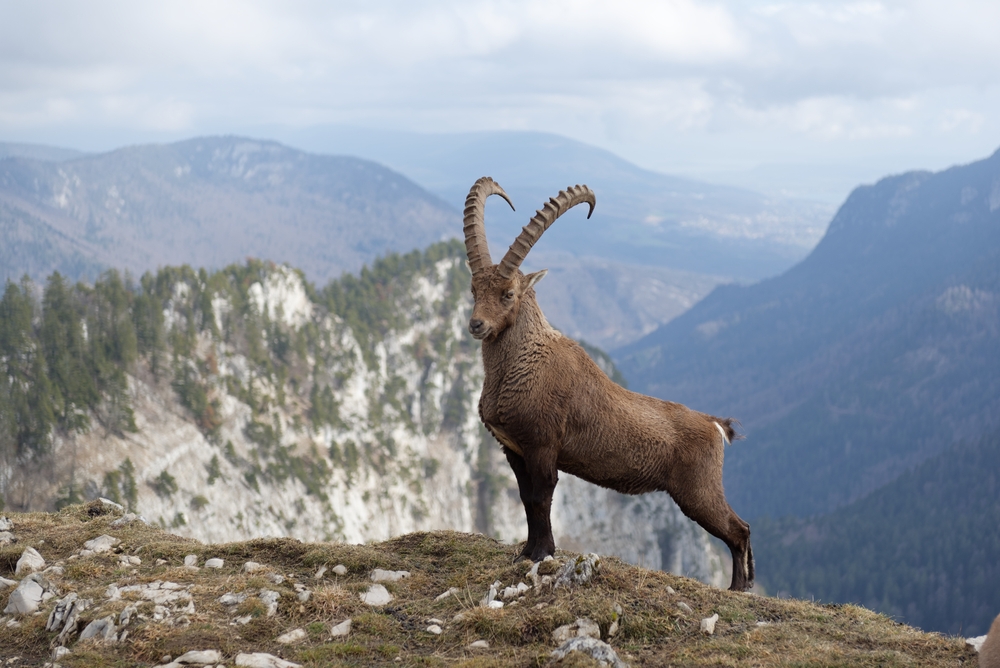
Wildlife within Swiss National Park thrives under strict protection. Large mammals include Alpine ibex, chamois, red deer, roe deer, and marmots, all of which are commonly observed throughout the park. Predators such as red foxes and occasional Eurasian lynx inhabit the region, while gray wolves have naturally returned to portions of the Swiss Alps in recent decades.
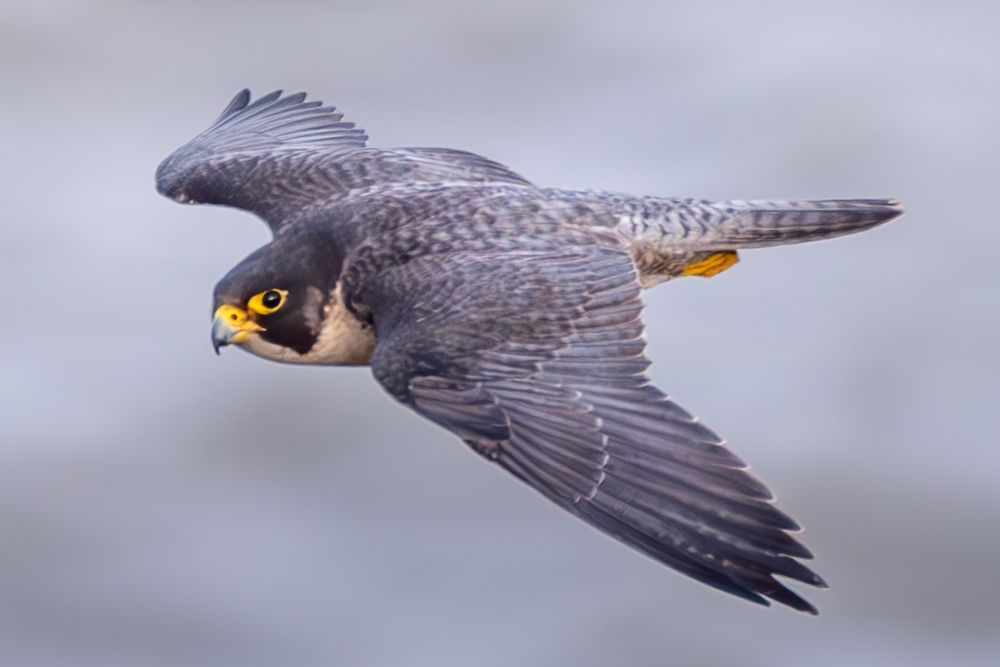
Birdlife is particularly notable, with golden eagles, bearded vultures, alpine choughs, nutcrackers, and numerous mountain species inhabiting the park. The recovery of wildlife populations over the last century demonstrates the effectiveness of long-term conservation and ecosystem protection.
Swiss National Park plays a critical role in preserving Alpine biodiversity and advancing ecological research. Because human impacts are kept to a minimum, scientists have been able to study natural ecological processes for more than one hundred years, making the park one of Europe’s most important outdoor research laboratories.
Its conservation significance is often compared to protected mountain landscapes such as Hohe Tauern National Park and Gran Paradiso National Park, both of which protect important Alpine ecosystems. However, Swiss National Park’s strict non-intervention management approach makes it unique among European protected areas. Today, it remains a cornerstone of Swiss conservation, safeguarding a pristine wilderness where nature is allowed to evolve according to its own rhythms.