About
Matsalu National Park is located on the western coast of Estonia along the shores of Matsalu Bay and covers approximately 188 square miles (487 sq km). Established in 2004, the park protects one of Europe’s most important wetland ecosystems and serves as a critical sanctuary for migratory birds.
The park lies southwest of Tallinn and encompasses extensive coastal meadows, reed beds, floodplains, islands, forests, and shallow marine waters. Matsalu is internationally recognized under the Ramsar Convention as a Wetland of International Importance and is considered one of the premier birdwatching destinations in Northern Europe. Its rich biodiversity and ecological significance make it one of Estonia’s most valuable protected areas.
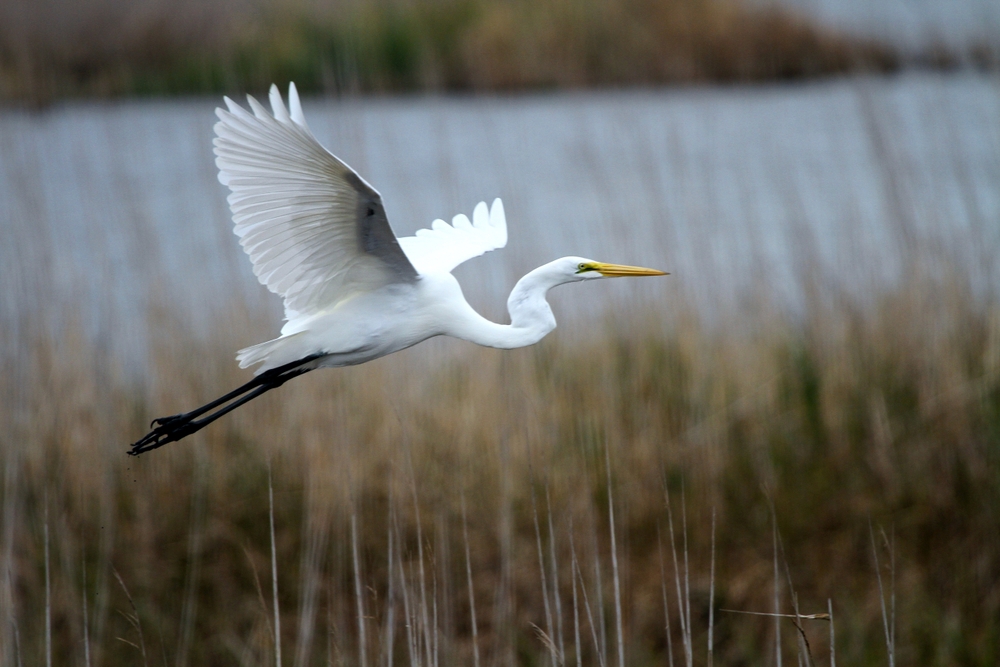
Matsalu National Park is best known for its extraordinary birdlife and seasonal migrations. Each spring and autumn, hundreds of thousands of birds pass through the park as they travel between breeding and wintering grounds across Europe, Asia, and Africa. Birdwatchers from around the world visit the park to observe large flocks of geese, swans, ducks, cranes, and wading birds.
Observation towers strategically located throughout the park provide excellent viewing opportunities across wetlands and coastal habitats. In addition to birdwatching, visitors enjoy hiking, cycling, canoeing, nature photography, and exploring traditional fishing villages that reflect the cultural heritage of the region.
The geography of Matsalu National Park is dominated by Matsalu Bay, one of the largest and shallowest bays in the Baltic Sea. The landscape consists of extensive reed beds, coastal grasslands, river deltas, marshes, floodplain meadows, wooded areas, and small islands. The Kasari River flows into Matsalu Bay, creating nutrient-rich wetlands that support abundant wildlife.
Seasonal flooding helps maintain productive habitats that have sustained wildlife for centuries. Traditional grazing practices continue to shape many of the coastal meadows, preserving open habitats that are important for nesting birds and plant diversity. The interaction between freshwater and marine environments contributes significantly to the park’s ecological richness.
Wildlife within Matsalu National Park is exceptionally diverse. The park supports more than 280 recorded bird species and serves as one of the most important migratory stopover sites along the East Atlantic Flyway. Notable species include whooper swans, barnacle geese, common cranes, white-tailed eagles, black storks, and numerous species of ducks and shorebirds.
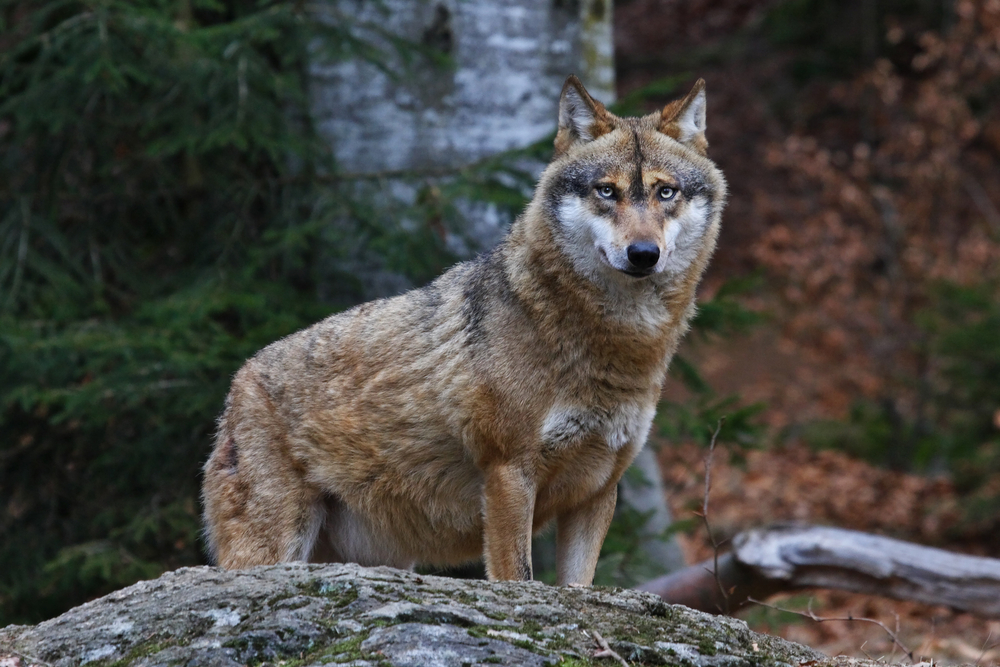
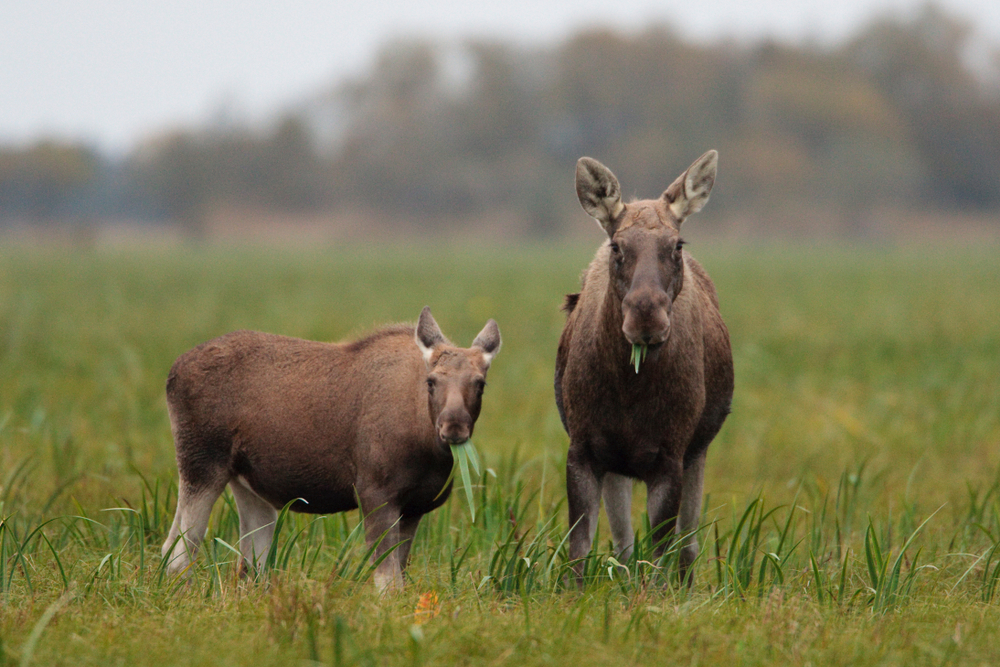
Mammals inhabiting the park include moose, roe deer, wild boar, foxes, beavers, otters, and raccoon dogs. The wetlands and coastal waters support a variety of fish, amphibians, and invertebrates that form the foundation of the ecosystem. The abundance of wildlife makes Matsalu one of the most biologically important landscapes in the Baltic region.
Matsalu National Park plays a vital role in protecting Europe’s migratory bird populations and preserving critical wetland habitats. Conservation efforts focus on maintaining traditional coastal meadows, restoring wetlands, and protecting breeding and feeding areas for wildlife. The park is often compared to Wadden Sea National Park and The Broads National Park because of its importance for bird migration and wetland conservation.
However, Matsalu’s combination of Baltic coastal habitats, extensive reed beds, and internationally significant bird populations gives it a unique identity. Today, Matsalu National Park stands as one of Northern Europe’s most important conservation areas, preserving a landscape where wetlands, wildlife, and traditional cultural practices continue to thrive together.