About
Bruit Island National Park (often referred to as Pulau Bruit National Park) is located on Bruit Island (Pulau Bruit) in the Rajang Delta of Sarawak, on the island of Borneo in Malaysia.
The protected area lies within one of the largest delta systems in Southeast Asia, where the mighty Rajang River empties into the South China Sea. The park protects a unique network of mangrove forests, peat swamps, tidal waterways, and coastal habitats that support a rich diversity of wildlife and provide critical ecological services to the surrounding region.
The park is best known for its extensive mangrove ecosystems and its role in conserving coastal habitats within the Rajang Delta. Visitors experience a landscape shaped by tides, rivers, and sediment deposits, creating a maze of channels and wetlands. Unlike mountain parks or rainforest reserves, Bruit Island’s appeal lies in its quiet waterways, abundant birdlife, and opportunities to explore one of Borneo’s most productive coastal environments. Traditional fishing communities also inhabit portions of the island, reflecting a long history of human interaction with the delta ecosystem.
Geographically, the park consists primarily of low-lying coastal terrain influenced by daily tidal cycles. Mangrove forests dominate much of the landscape, while peat swamp forests occur in less saline interior areas. Numerous rivers, estuaries, and tidal creeks weave through the island, creating ideal habitat for aquatic species and migratory birds.
The warm tropical climate and abundant rainfall support dense vegetation throughout the year. These wetlands play an important role in stabilizing shorelines, filtering water, storing carbon, and protecting coastal communities from storms and erosion.
Wildlife within Bruit Island National Park is typical of Borneo’s coastal and wetland ecosystems. Mammals may include long-tailed macaques, silvered langurs, otters, civets, and flying foxes. The mangrove habitats support a rich diversity of fish, crustaceans, and mollusks that form the foundation of the food web.
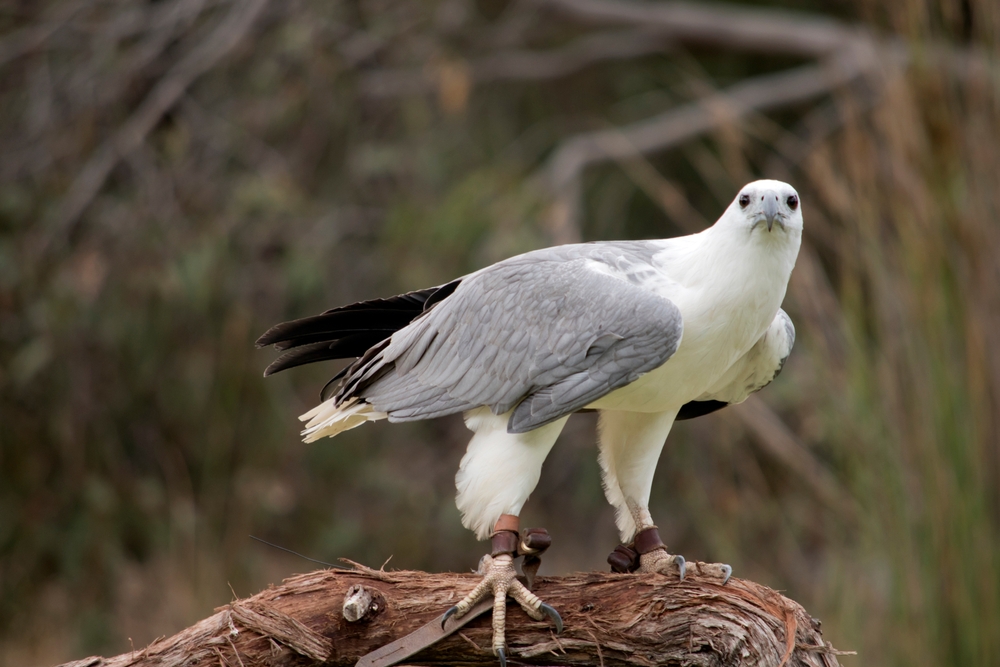
Birdlife is particularly important, with herons, egrets, kingfishers, brahminy kites, white-bellied sea eagles, and numerous migratory shorebirds utilizing the wetlands. Reptiles such as monitor lizards, crocodiles, and various snake species may also be found throughout the park’s waterways and forests.
Bruit Island National Park plays a critical role in protecting Sarawak’s coastal ecosystems and maintaining the ecological health of the Rajang Delta. The park safeguards important nursery grounds for marine life, preserves habitat for resident and migratory birds, and helps protect one of Southeast Asia’s most productive wetland environments.
Its conservation value is often compared to protected mangrove reserves such as Kuching Wetlands National Park and Sundarbans National Park, where mangrove ecosystems support exceptional biodiversity and provide vital environmental services. Through its wetlands, mangrove forests, wildlife habitats, and role in coastal conservation, Bruit Island National Park stands as an important component of Malaysia’s natural heritage and a valuable refuge for the biodiversity of Borneo’s coastline.