About

Lam Nam Nan National Park (Thai: อุทยานแห่งชาติลำน้ำน่าน) is located in northern Thailand within Uttaradit and Phrae provinces. Established in 1998, the park covers approximately 390 square miles (999 sq km) and protects an important section of the Nan River watershed in the mountains of northern Thailand.

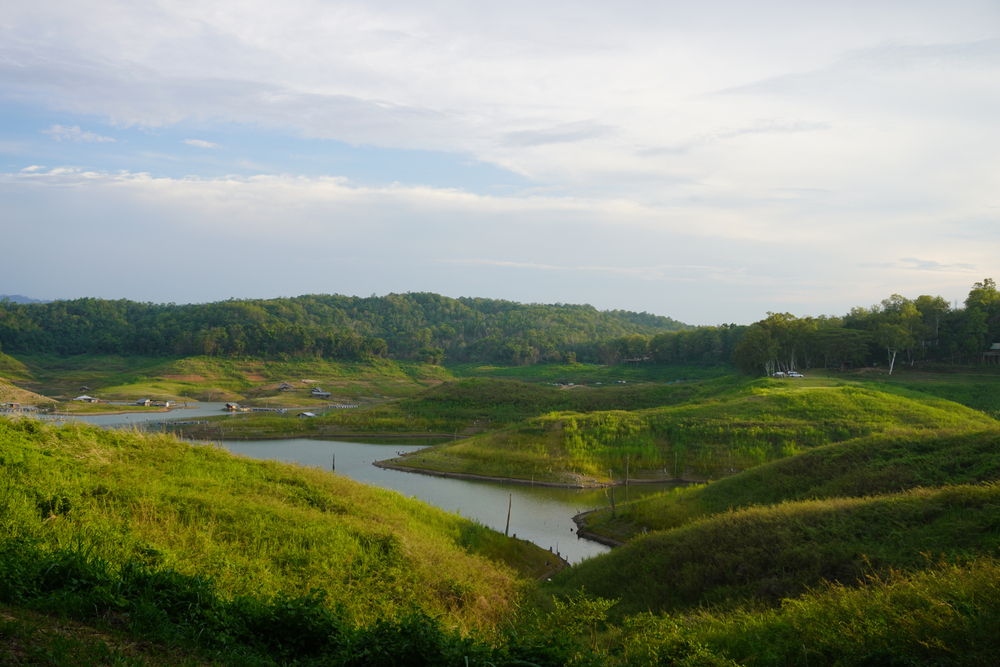
The park is centered around the Sirikit Reservoir, one of Thailand’s largest artificial lakes, and encompasses a diverse landscape of forested mountains, river valleys, waterfalls, caves, and lakeshore habitats. Its scenic beauty and ecological importance make it one of the most significant protected areas in the upper Nan River basin.

The park is best known for its combination of mountain scenery and expansive freshwater environments. Visitors are drawn to the park’s forested hills, peaceful lakeshores, waterfalls, and opportunities for boating and wildlife observation. The Sirikit Reservoir creates spectacular views where forested mountains rise above the water, providing a setting that differs from many of Thailand’s more mountainous national parks.

Popular recreational activities include hiking, camping, fishing, birdwatching, and exploring caves and waterfalls hidden within the park’s forests. The park’s tranquil atmosphere makes it a favorite destination for visitors seeking a less crowded nature experience.

Geographically, Lam Nam Nan National Park consists of rolling mountains, river valleys, forested ridges, and extensive shoreline surrounding the Sirikit Reservoir. Elevations vary throughout the park, creating a range of habitats and microclimates. The landscape is dominated by mixed deciduous forests, dry evergreen forests, and bamboo groves.

Numerous streams and waterfalls flow into the reservoir, supporting rich ecosystems and helping maintain water quality throughout the watershed. Seasonal changes bring dramatic shifts in scenery, with lush green forests during the rainy season and colorful foliage in some areas during the dry season.

Wildlife within Lam Nam Nan National Park reflects the diversity of northern Thailand’s forest ecosystems. Mammals include barking deer, wild boar, civets, porcupines, macaques, and several species of squirrels. Larger mammals such as Asiatic black bears and clouded leopards have historically occurred within the broader region.

Birdlife is particularly diverse, with hornbills, kingfishers, barbets, woodpeckers, drongos, and numerous migratory species recorded throughout the park. Reptiles, amphibians, and freshwater fish thrive within the park’s forests, streams, and reservoir habitats, contributing to its ecological richness.

Lam Nam Nan National Park plays a critical role in protecting the headwaters and forests of the Nan River watershed, one of northern Thailand’s most important water systems. The park safeguards habitat for wildlife, helps prevent soil erosion, and preserves forests that support biodiversity throughout the region.

Its conservation significance is often compared to Doi Inthanon National Park and Mae Wong National Park because of its forest ecosystems, wildlife habitats, and watershed protection functions. Through its mountain landscapes, reservoir scenery, waterfalls, and diverse wildlife, Lam Nam Nan National Park stands as one of northern Thailand’s most valuable protected areas and an important sanctuary for the natural heritage of the Nan River basin.
Things to See

Popular

Popular

Lam Nam Nan National Park, located in northern Thailand, is a sanctuary of lush forests, scenic mountains, and vibrant wildlife. Its diverse ecosystems are home to a variety of mammals, reptiles, amphibians, and insects, making it a treasure trove for wildlife enthusiasts. Below are some of the more popular species found in the park:

Asiatic Black Bear
This medium-sized bear is known for its distinctive white chest patch. It inhabits forested areas of the park and is mostly active at night, feeding on fruits, insects, and small mammals.

Leopard Cat
A small wild cat, the leopard cat has a spotted coat resembling that of a leopard. It is a skilled climber and hunter, often preying on birds and rodents.

Barking Deer (Muntjac)
This small deer species emits a barking sound when alarmed. It thrives in the dense forested areas of the park, feeding on leaves, fruits, and grass.

Malayan Porcupine
This nocturnal rodent is easily recognized by its sharp quills, which serve as a defense mechanism. It feeds on roots, tubers, and fallen fruits.

Asian Palm Civet
Known for its distinctive musky scent, the Asian palm civet is a small, nocturnal mammal that feeds on fruits, insects, and small vertebrates.

King Cobra
One of the world’s longest venomous snakes, the king cobra is a fascinating yet intimidating resident of the park. It primarily feeds on other snakes and is known for its impressive hood display.

Common Water Monitor
A large lizard species, the water monitor is often seen near water bodies within the park. It is a carnivore, feeding on fish, small mammals, and carrion.

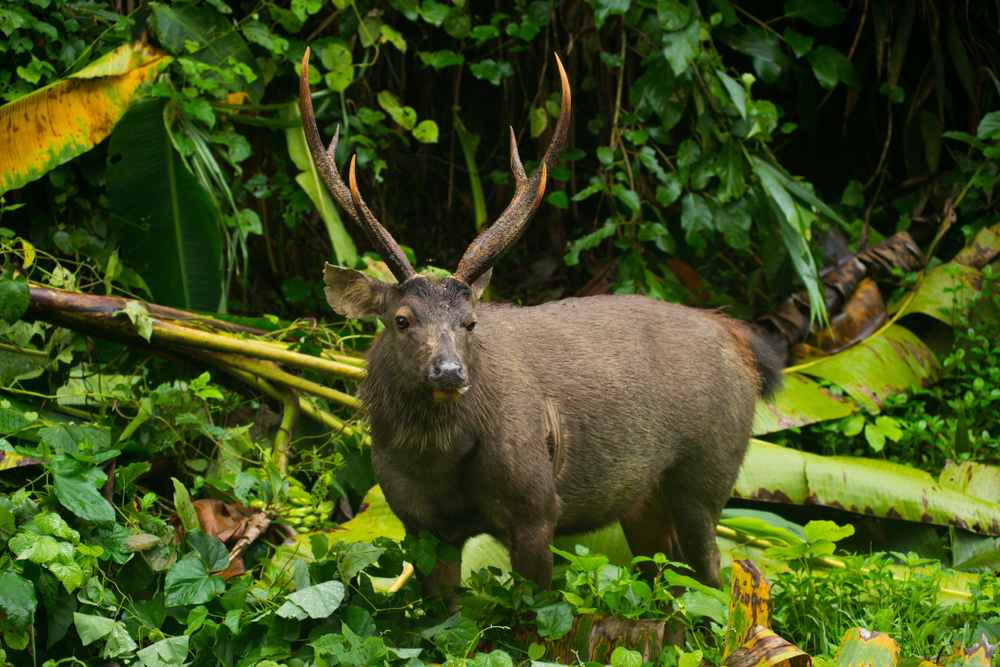
Sambar Deer
One of the largest deer species in Asia, the sambar deer is a frequent sight in the park’s grasslands. It is a herbivore and an important prey species for large predators.

Clouded Leopard
This elusive and beautifully patterned wild cat is an apex predator in the park’s ecosystem. It hunts arboreally and terrestrially, feeding on small mammals and birds.

Asian Giant Tortoise
This ancient reptile inhabits the forest floors of the park. It is primarily herbivorous, feeding on a diet of plants, fruits, and leaves.

Birds

Birds

The avian life in Lam Nam Nan National Park is equally captivating, drawing bird enthusiasts from around the world. The park’s varied habitats host a remarkable diversity of bird species, each adding its unique charm to the landscape. Below are some of the most popular bird species found in the park:

Great Hornbill
This iconic bird is recognized for its large casque and striking black-and-white plumage. It is often seen flying over the forest canopy or feeding on figs.

White-rumped Shama
A small, melodious bird, the white-rumped shama is known for its long tail and beautiful singing voice. It thrives in the dense undergrowth of the park.

Asian Emerald Dove
A stunning bird with iridescent green wings, the Asian emerald dove is a ground-dwelling species often seen foraging in the forest.

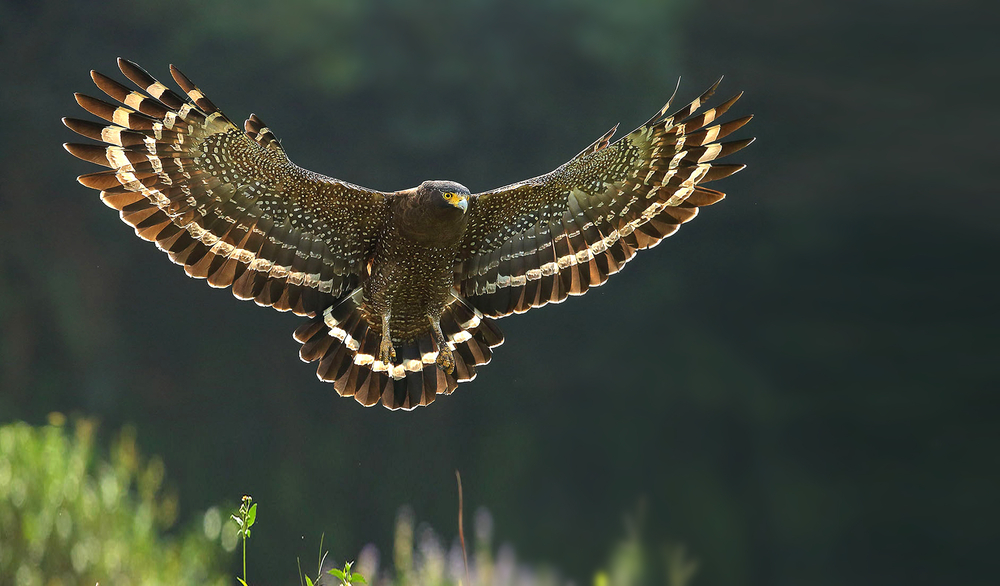
Crested Serpent Eagle
This bird of prey has striking yellow eyes and a loud, whistling call. It is often observed soaring above the treetops, hunting for snakes and small mammals.

Blue-throated Bee-eater
With its vibrant plumage and acrobatic flight, this bee-eater species adds a splash of color to the park. It feeds on flying insects, especially bees.

Scarlet Minivet
A brightly colored bird, the scarlet minivet is often seen in mixed-species flocks. Males have striking red and black plumage, while females are yellow and gray.

Oriental Pied Hornbill
This smaller hornbill species is known for its distinctive black-and-white plumage and its loud, laughing call. It feeds on fruits, insects, and small vertebrates.

Greater Flameback
A striking woodpecker species, the greater flameback has a golden back and a loud, sharp call. It is often spotted on tree trunks, searching for insects.

Asian Barred Owlet
This small owl is active during the day and night, often seen perched quietly on branches. It has a barred pattern on its plumage and a haunting call.

Black-naped Monarch
A graceful bird with a soft blue body and black nape, this monarch is a common sight in the park’s forests. It feeds on insects and builds neat cup-shaped nests.