
About

Pù Mát National Park (Vietnamese: Vườn Quốc gia Pù Mát) is located in Nghệ An Province in north-central Vietnam near the border with Laos. Established as a national park in 2001, the park covers approximately 351 square miles (911 sq km) and forms the core zone of the Western Nghệ An Biosphere Reserve, a UNESCO-recognized conservation area.

Nestled within the Annamite Mountains, Pù Mát protects one of the largest remaining tracts of tropical forest in Vietnam and serves as a critical refuge for many rare and endangered species. The park’s name derives from Pù Mát Mountain, whose peak rises to approximately 6,020 feet (1,837 m).

The park is best known for its pristine forests, exceptional biodiversity, and remote wilderness. Visitors are drawn to its rugged mountain scenery, waterfalls, caves, and opportunities to experience one of Vietnam’s most intact forest ecosystems. The scenic Giăng River flows through portions of the park, offering boat excursions that provide access to otherwise remote areas.

Popular attractions include Khe Kèm Waterfall, a spectacular cascade plunging nearly 500 feet (150 m) through the forest, and traditional villages inhabited by ethnic Thai communities who have lived alongside these forests for generations. The combination of natural beauty and cultural heritage makes Pù Mát one of Vietnam’s most rewarding ecotourism destinations.

Geographically, Pù Mát National Park is characterized by steep mountain ranges, deep valleys, rivers, waterfalls, and dense evergreen forests. Elevations range from approximately 330 feet (100 m) in river valleys to more than 6,000 feet (1,800 m) on mountain summits. The varied terrain creates a wide range of habitats and microclimates.

Evergreen broadleaf forests dominate much of the landscape, while higher elevations support montane forests and cloud forest environments. Numerous rivers and streams originate within the park, making it an important watershed for the region and supporting a rich diversity of plant and animal life.

Wildlife within Pù Mát National Park is among the most diverse in Vietnam. More than 130 mammal species have been recorded, including Asian elephants, gaur, sun bears, clouded leopards, Asiatic black bears, and several species of deer. The park is part of the globally significant Annamite biodiversity hotspot and provides habitat for rare species such as the saola, one of the world’s most elusive large mammals.

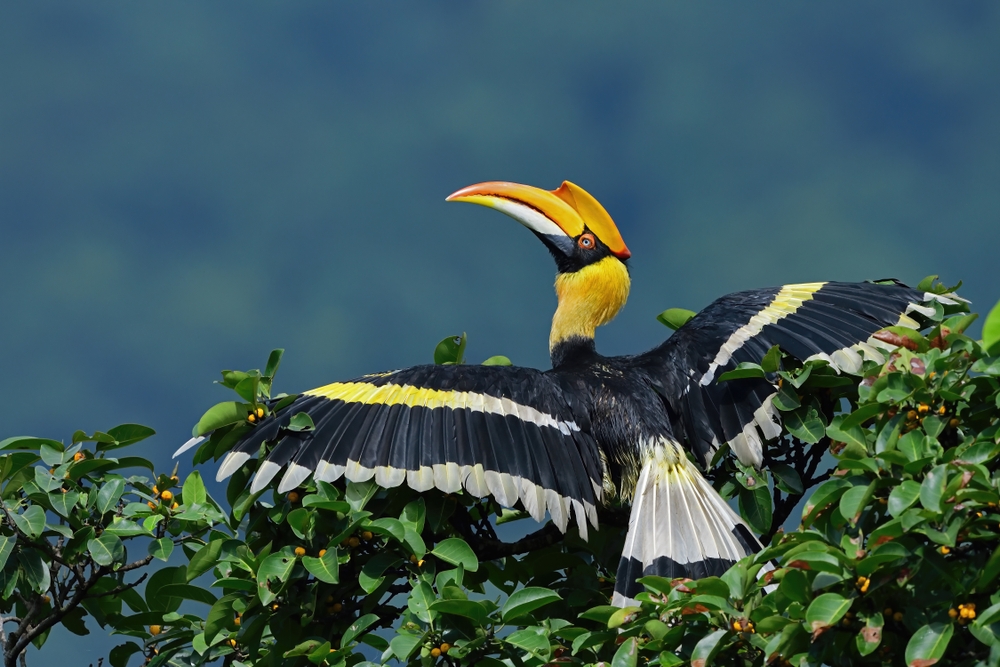
Primates include white-cheeked gibbons, langurs, and macaques. Birdlife is exceptionally rich, with more than 300 species recorded, including hornbills, pheasants, broadbills, kingfishers, and many endemic Annamite species. Reptiles, amphibians, butterflies, and thousands of plant species further contribute to the park’s remarkable biodiversity.

Pù Mát National Park plays a crucial role in conserving one of Southeast Asia’s most important forest ecosystems. The park protects critical habitat for endangered wildlife, preserves major watersheds, and helps maintain ecological connectivity across the Annamite Mountains between Vietnam and Laos.

Its conservation significance is often compared to Bach Ma National Park and Phong Nha-Ke Bang National Park because of its biodiversity, mountain landscapes, and conservation importance. Through its ancient forests, rare wildlife, dramatic waterfalls, and cultural heritage, Pù Mát National Park stands as one of Vietnam’s most valuable protected areas and a vital sanctuary for the natural heritage of the Annamite region.

Things to See

Popular

Popular

Pù Mát National Park, located in the Annamite Mountains of Vietnam, is home to a rich variety of wildlife, including some of the most remarkable and rare species in the region. Its diverse ecosystems support mammals, reptiles, and amphibians, making it a critical conservation area.

Asian Elephant
The Asian elephant, a majestic and highly intelligent species, roams the forests of Pù Mát. Known for its social behavior and ecological importance, this species is increasingly rare in the wild due to habitat loss.

Indochinese Tiger
Once abundant, the Indochinese tiger is now critically endangered, with Pù Mát providing one of its last remaining strongholds. These elusive predators play a vital role in maintaining the balance of the ecosystem.

Sunda Pangolin
This shy and nocturnal creature is recognized by its unique scales and its role in controlling insect populations. Unfortunately, it is also one of the most trafficked mammals in the world.

Giant Muntjac
A large deer species discovered relatively recently, the giant muntjac thrives in the dense forest undergrowth. Its discovery highlights the unexplored biodiversity of the region.

Saola
Known as the “Asian Unicorn,” the saola is an extremely rare and enigmatic antelope-like species found only in the Annamites. Its elusive nature makes it one of the most sought-after species for conservation efforts.

Annamite Striped Rabbit
This small and unique rabbit is distinguished by its striped fur and preference for remote forest habitats. It was only discovered in the late 20th century.

Clouded Leopard
An expert climber, the clouded leopard is a medium-sized feline with distinctive cloud-like markings. It plays a crucial role as a top predator in the ecosystem.

Siamese Crocodile
Once widespread, this freshwater crocodile is critically endangered and can occasionally be found in the wetlands of Pù Mát. It contributes to maintaining aquatic biodiversity.

King Cobra
As the world’s longest venomous snake, the king cobra is both revered and feared. It is an apex predator within the park’s reptilian fauna.

Green Sea Turtle
Although more commonly associated with coastal areas, green sea turtles may utilize river systems within the park during parts of their life cycle.

Birds

Birds

The diverse habitats of Pù Mát National Park make it a haven for bird species, many of which are rare and endemic to the Annamite region. These birds contribute to the park’s vibrant ecosystem.

Crested Argus
With its intricate plumage and impressive tail feathers, the crested argus is one of the most striking birds in the park. Its elaborate displays are a sight to behold.

Vietnamese Pheasant
Endemic to Vietnam, this pheasant is known for its vivid coloration and preference for dense forests. It is critically endangered due to habitat destruction.

Bar-bellied Pitta
This colorful bird with its bright green and blue plumage is often spotted on the forest floor, where it feeds on insects and small invertebrates.

Chestnut-necklaced Partridge
This medium-sized bird has a striking chestnut band around its neck and thrives in the understory of Pù Mát’s forests.

White-winged Duck
A rare species, the white-winged duck is often found in secluded wetlands and forested rivers, making it a highlight for birdwatchers.

Black-crowned Barwing
This beautiful bird with a black crown and rufous wings is endemic to the Annamites and prefers high-altitude forests.

Spoon-billed Sandpiper
Though migratory, this critically endangered bird occasionally passes through Pù Mát during its journey. Its unique spoon-shaped bill is unmistakable.

Collared Owlet
One of the smallest owls in the region, the collared owlet is often active during the day and has a distinctive two-tone call.

Rufous-throated Fulvetta
This small and sociable bird is often seen in mixed-species flocks. Its rufous throat and lively behavior make it a favorite among bird enthusiasts.

Great Hornbill
With its impressive size and colorful casque, the great hornbill is a charismatic species that plays a vital role in seed dispersal within the forest.