About
Umm Tais National Park is located on the northernmost tip of Qatar and encompasses the uninhabited island of Umm Tais along with surrounding sandbars, small islets, and coastal habitats. Established in 2006, the park protects one of Qatar’s most important coastal ecosystems and serves as a refuge for migratory birds, marine life, and mangrove habitats.
Situated near the town of Ar Ru’ays in the Ash Shamal municipality, the park lies within the Arabian Gulf and represents a unique natural landscape in a country dominated by desert environments. Despite its relatively small size, Umm Tais National Park plays a significant role in preserving Qatar’s coastal biodiversity and supporting wildlife that depends on fragile marine ecosystems.
Umm Tais National Park is best known for its pristine coastal scenery, mangrove habitats, and importance as a sanctuary for migratory birds. Visitors and nature enthusiasts are drawn to the park’s quiet beaches, shallow lagoons, and unspoiled island landscapes. The area provides excellent opportunities for birdwatching, wildlife photography, environmental education, and nature exploration.
The surrounding waters and tidal flats attract numerous bird species throughout the year, particularly during seasonal migrations. Because the island remains largely undeveloped, it offers a glimpse into the natural coastal environments that once characterized much of the Qatari shoreline.
The geography of Umm Tais National Park is shaped by marine processes and coastal dynamics. The park consists of sandy beaches, tidal flats, salt marshes, mangrove stands, and small offshore islands. Shallow coastal waters support seagrass beds and marine habitats that are important for fish, crustaceans, and other aquatic species.
Mangrove forests, which are relatively rare in Qatar, help stabilize shorelines, improve water quality, and provide critical nursery habitat for marine life. The interaction between land and sea creates a dynamic ecosystem that supports a diverse range of species despite the region’s arid climate.
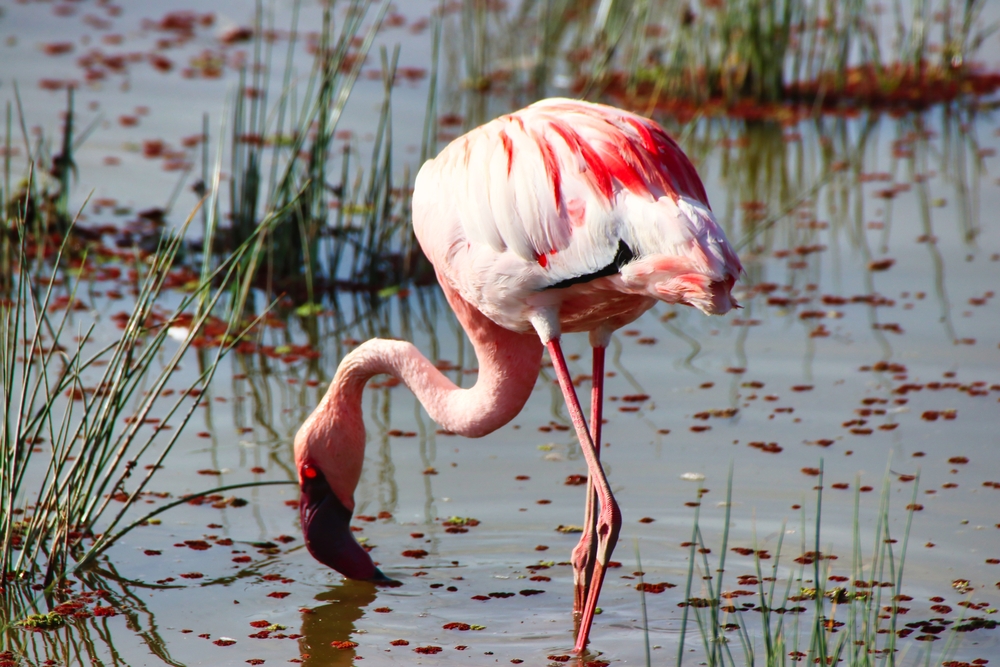
Wildlife within Umm Tais National Park is closely tied to its coastal and marine environments. The park is recognized as one of Qatar’s important habitats for migratory birds, including herons, egrets, gulls, terns, and numerous shorebirds that utilize the island during seasonal migrations.
The surrounding wetlands and mudflats provide feeding and resting areas for birds traveling along major migration routes between Europe, Asia, and Africa. The park is also one of Qatar’s significant nesting areas for the endangered hawksbill sea turtle, which returns to the beaches to lay eggs during the nesting season. Marine habitats support fish, crustaceans, and other aquatic species that contribute to the health of the coastal ecosystem.
Umm Tais National Park plays a vital role in protecting Qatar’s coastal biodiversity and preserving one of the country’s most valuable marine ecosystems. Conservation efforts focus on safeguarding mangrove habitats, protecting nesting sea turtles, maintaining bird migration stopovers, and preserving fragile coastal environments. The park is often compared to Al Thakhira Mangroves and Khor Al Adaid because of its ecological importance and coastal habitats.
However, its island setting, mangrove ecosystems, and significance for migratory birds and sea turtles give it a distinctive identity. Today, Umm Tais National Park stands as one of Qatar’s most important protected areas, preserving a rare environment where marine ecosystems, wildlife, and coastal landscapes continue to thrive.