About

Yarkon National Park (Hebrew: גן לאומי ירקון) is located in central Israel along the Yarkon River east of Tel Aviv. Established in 1974, the park covers approximately 15 square miles (39 sq km) and protects one of Israel’s most important river ecosystems, along with significant archaeological, historical, and cultural sites.

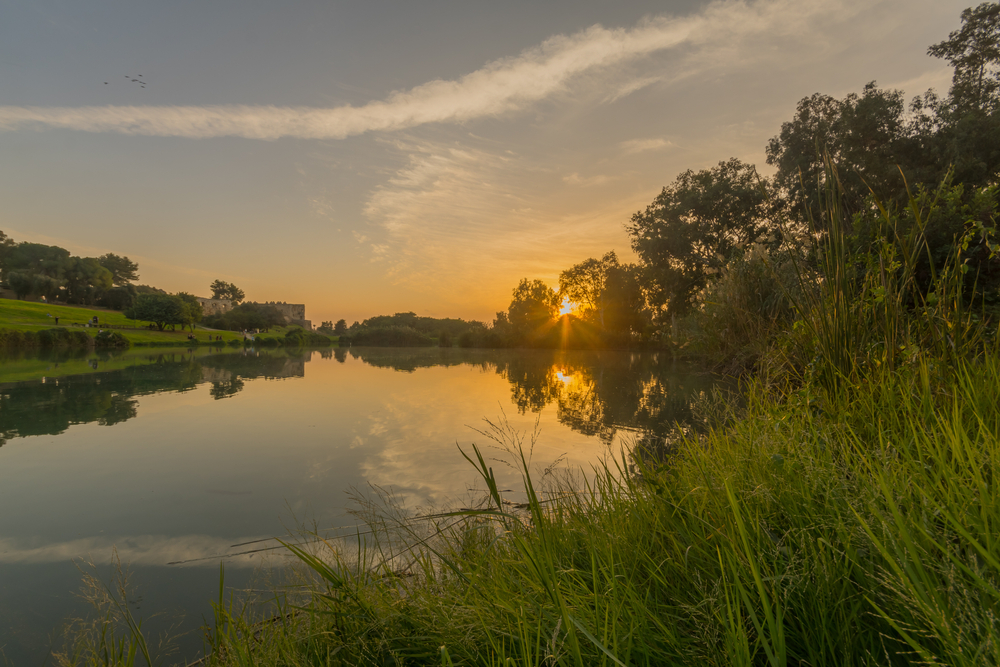
Stretching from the river’s headwaters near Rosh HaAyin toward the Mediterranean coastal plain, the park offers a unique blend of natural landscapes and human history within one of the country’s most densely populated regions.

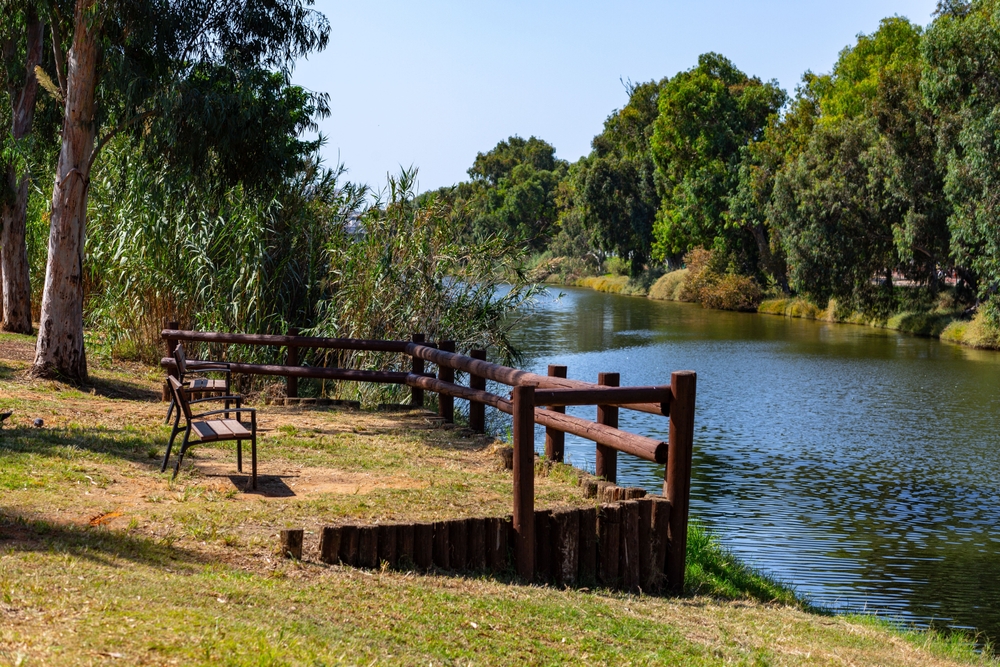
The park is best known for the Yarkon River, one of Israel’s largest coastal rivers, and its combination of wetlands, gardens, historical landmarks, and recreational opportunities. Visitors are drawn to scenic walking and cycling trails, boating activities, picnic areas, and archaeological sites.

Among the park’s most famous attractions is Antipatris Fortress, an ancient stronghold built on the site of a city established by Herod the Great. The park also contains restored Ottoman-era structures, historic watermills, and lush botanical gardens that showcase the region’s natural beauty.

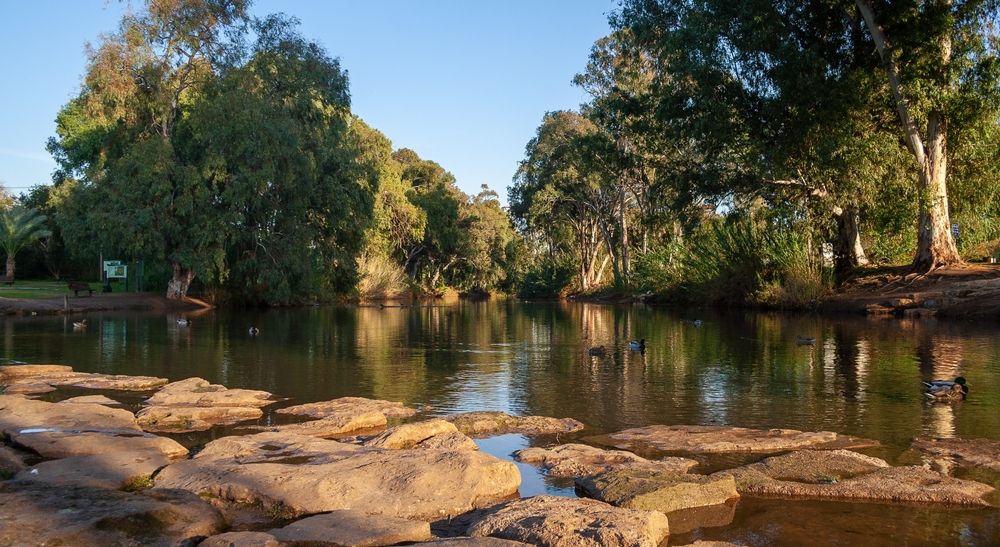
Geographically, Yarkon National Park follows the course of the Yarkon River through a landscape of wetlands, riparian habitats, springs, agricultural lands, and low hills. The park is divided into several sections, including the river’s source area and the historic Tel Afek region. The Mediterranean climate produces mild, rainy winters and warm, dry summers.

Springs feeding the Yarkon River create a rich aquatic environment that supports abundant vegetation, including reeds, aquatic plants, eucalyptus groves, and native Mediterranean flora. These habitats provide an important green corridor through central Israel.

Wildlife within Yarkon National Park is centered around its freshwater ecosystems. Mammals include jackals, foxes, hedgehogs, bats, and small rodents. Birdlife is especially diverse, with herons, kingfishers, cormorants, egrets, bee-eaters, and numerous migratory species frequently observed along the river.

The wetlands provide important habitat for amphibians, reptiles, and fish, including species that depend on healthy freshwater environments. The park’s role as a stopover site for migratory birds is particularly important because Israel lies along one of the world’s major migration routes connecting Europe, Asia, and Africa.

Yarkon National Park plays a vital role in protecting one of Israel’s most significant freshwater ecosystems while preserving thousands of years of cultural and historical heritage. The park safeguards wetlands, restores river habitats, supports biodiversity, and provides recreational opportunities for millions of residents and visitors.

Its conservation significance is often compared to Hula Nature Reserve and Donana National Park because of its importance for wetlands, migratory birds, and ecosystem restoration. Through its scenic river landscapes, abundant wildlife, archaeological treasures, and ecological value, Yarkon National Park stands as one of Israel’s most cherished protected areas and a remarkable example of balancing conservation with public enjoyment.

Things to See
Popular

Popular

Yarkon National Park, located in central Israel, is a diverse haven featuring scenic rivers, lush greenery, and archaeological treasures. It is home to a wide variety of plant and animal species, offering visitors a glimpse of the region’s natural beauty and ecological diversity. Below are some of the popular species found in the park.

Israeli Golden Jackal
A small, adaptable canine, the Israeli Golden Jackal thrives in various habitats, including the riverbanks and forests of Yarkon. It is known for its sharp instincts and scavenging behavior.

Common Green Toad
This amphibian is commonly seen around the park’s water bodies. Its distinctive greenish coloration and warty texture help it blend into its surroundings.

Persian Blind Snake
A unique, burrowing snake species, the Persian Blind Snake is small, resembling an earthworm, and is often found in the park’s sandy soil.

Mediterranean Gecko
This nocturnal lizard is easily spotted clinging to rocks and walls. Its sticky toes and translucent skin make it a fascinating sight.

Levant Water Frog
A native amphibian of the region, the Levant Water Frog thrives near the rivers and marshlands, known for its loud croaks and green body.

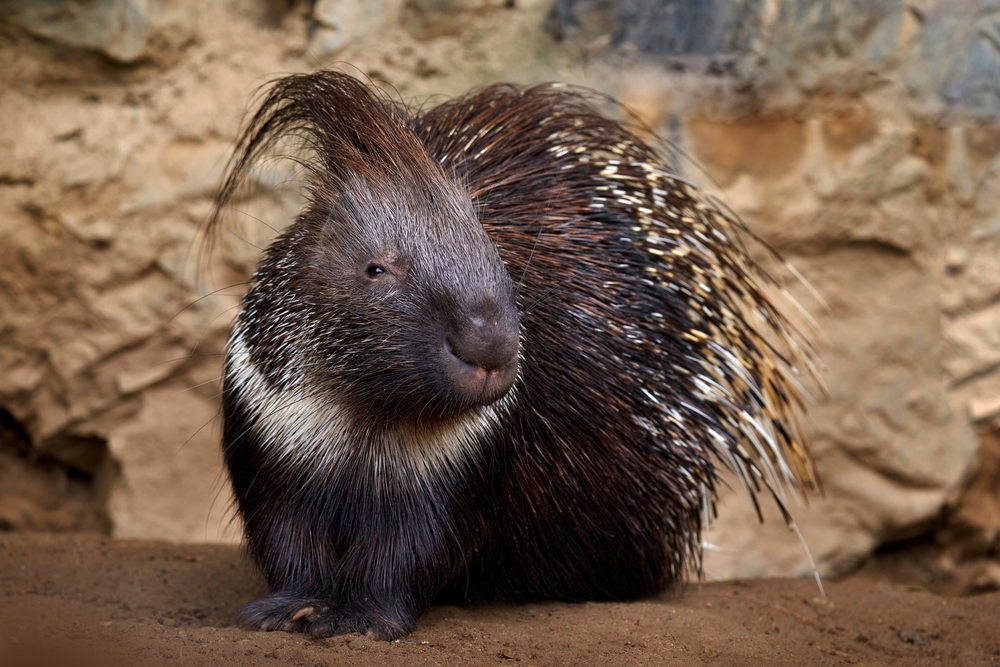
Indian Crested Porcupine
This large rodent with long quills is a common nocturnal visitor. It forages for roots and vegetation in the park’s forested areas.

Rock Hyrax
Despite its rodent-like appearance, the Rock Hyrax is more closely related to elephants. It can be seen basking on rocks and cliffs in the park.

Mediterranean Spur-thighed Tortoise
A slow-moving reptile, this tortoise is known for its domed shell and preference for dry grasslands and open areas within the park.

Striped Skink
A sleek, small lizard with distinctive stripes, the Striped Skink is commonly found darting across the park’s open terrain.

Nile Softshell Turtle
This large freshwater turtle is found in the Yarkon River, with its smooth shell and long neck distinguishing it from other turtle species.

Birds

Birds

Yarkon National Park is also a sanctuary for many bird species, attracting birdwatchers from around the region. Its diverse habitats provide a perfect environment for a variety of avian life.

Eurasian Hoopoe
The national bird of Israel, the Eurasian Hoopoe, is easily recognized by its striking crest and black-tipped wings. It is often seen foraging for insects on the ground.

White-throated Kingfisher
This colorful bird, with its bright blue plumage and sharp red beak, can be found near the riverbanks and wetlands, hunting for fish and small prey.

Graceful Prinia
A small warbler with a long tail, the Graceful Prinia is known for its melodic calls and is commonly seen in the park’s shrublands.

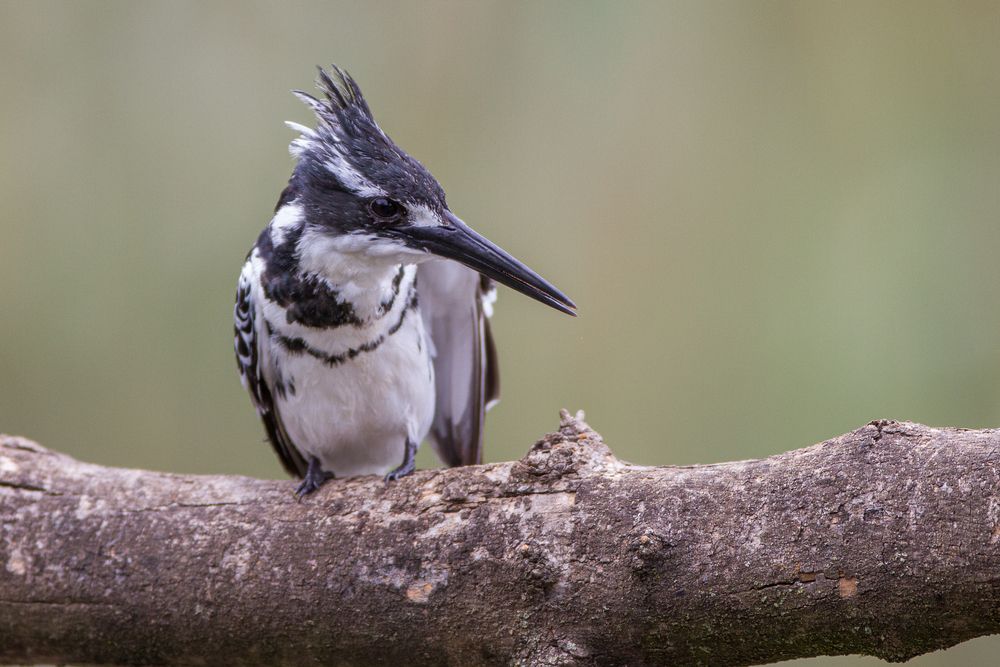
Pied Kingfisher
With its black-and-white plumage and remarkable hovering ability, this kingfisher is often seen diving into the water to catch fish.

Eurasian Sparrowhawk
A medium-sized bird of prey, the Eurasian Sparrowhawk soars over the park’s open areas, hunting for small birds and rodents.

Black-crowned Night Heron
This heron is active during the twilight hours, with its black crown and white body making it an elegant sight near the water.

Barn Owl
A silent hunter of the night, the Barn Owl is often seen perched in tree cavities or gliding through the park’s open fields.

Common Kestrel
This small falcon hovers over grasslands, scanning the ground for insects and small mammals, making it a fascinating bird to observe.

Eurasian Jay
A striking bird with blue, black, and white feathers, the Eurasian Jay is known for its intelligence and ability to mimic other bird calls.

Great Cormorant
This large waterbird is commonly found along the Yarkon River, diving underwater to catch fish with remarkable agility.

Things To Do

Engaging Yarkon National Park
Hiking

Yarkon National Park offers a diverse range of hiking and walking trails that weave through its rich landscapes and historical sites. The park is divided into two main sections: the Tel Afek area, home to the ruins of the ancient city of Antipatris, and the Yarkon River area, which showcases lush wetlands.

Visitors can stroll along well-maintained paths that highlight the area’s biodiversity, including eucalyptus groves, reeds, and blooming wildflowers during spring. The Tel Afek trail leads to historical remnants such as a Roman-era fortress and a Turkish-period flour mill, blending scenic beauty with a journey through time.

Wildlife enthusiasts may spot turtles basking along the riverbanks, or flocks of herons and kingfishers diving into the water. With paths suitable for families and seasoned hikers alike, Yarkon’s trails provide an enriching outdoor experience for all.

Cycling

Cycling is a popular way to explore Yarkon National Park’s expansive grounds. The park features dedicated cycling paths that meander through shaded eucalyptus trees, along the serene Yarkon River, and across open meadows.

Cyclists can enjoy views of the tranquil waterway teeming with fish and waterfowl, such as cormorants and egrets. The cycling routes also connect visitors to various historical landmarks, including the ancient Antipatris Fortress.

For families or casual riders, the park offers bike rentals and easy trails, while seasoned cyclists can challenge themselves with longer routes that loop through different sections of the park. The combination of flat terrain, natural beauty, and historical intrigue makes cycling a delightful way to immerse oneself in the park’s charm.

Family Recreation

Yarkon National Park is an ideal destination for a relaxing picnic amidst stunning scenery. The park provides numerous designated picnic areas equipped with tables and shaded spots under tall trees. Visitors can unwind by the Yarkon River, where the gentle sound of flowing water creates a tranquil ambiance.

Wildlife spotting enhances the experience, as the park is a haven for various species, including river turtles, hedgehogs, and birds such as hoopoes and green bee-eaters. During the springtime, the park comes alive with vibrant wildflowers, adding bursts of color to the picturesque surroundings.

Whether enjoying a meal with family or observing the local fauna, picnicking at Yarkon National Park offers a peaceful retreat from the hustle and bustle of urban life