About
Beit She’an National Park is located in the Jordan Valley of northern Israel near the modern city of Beit She’an. Situated at the crossroads of major trade routes linking the Mediterranean, the Jordan Valley, and the Arabian Peninsula, the park preserves one of the oldest continuously inhabited sites in the world.
Covering approximately 4 square miles (10 sq km), the park protects the ruins of the ancient city of Beit She’an, a settlement with a history spanning more than 6,000 years. Today, it is regarded as one of Israel’s most impressive archaeological parks and one of the best-preserved Roman cities in the Middle East.
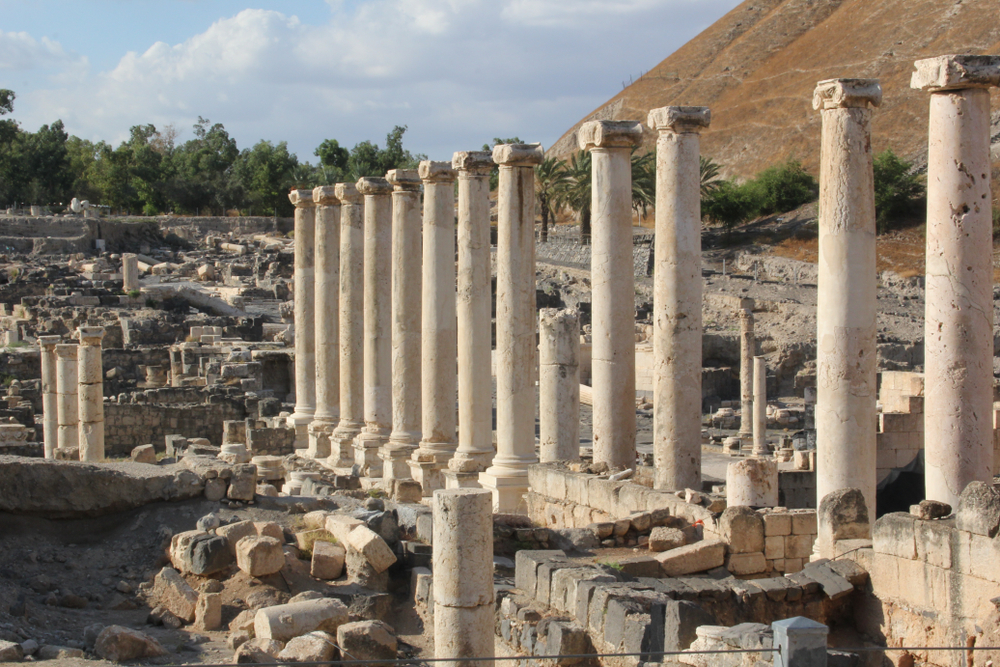
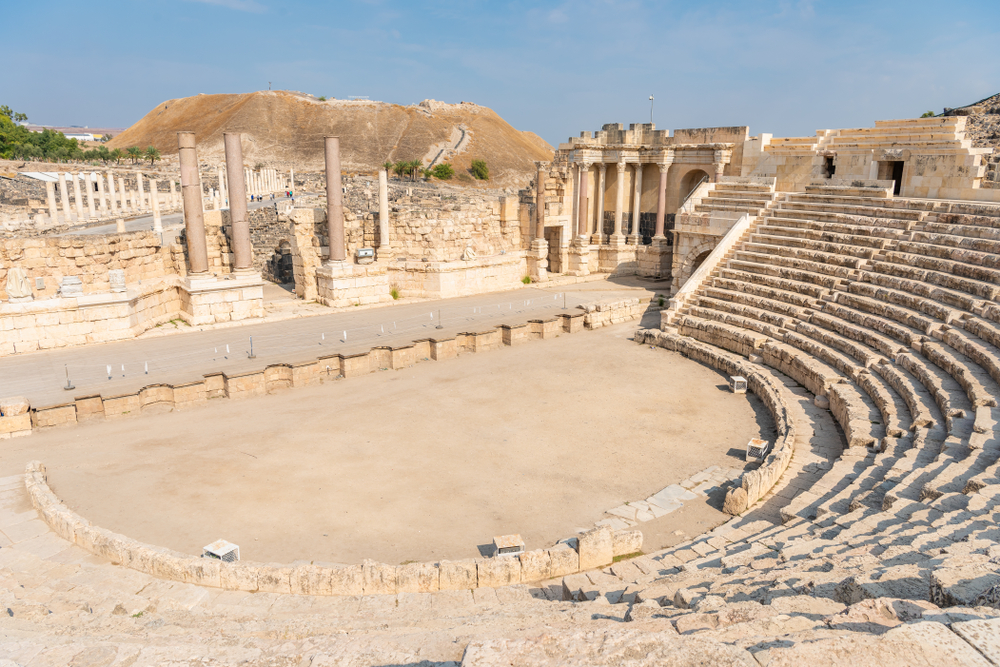
The park is best known for its spectacular Roman and Byzantine ruins. Visitors are drawn to the remarkably preserved city streets, temples, bathhouses, theaters, and public buildings that reveal the grandeur of ancient Scythopolis, the city’s Roman name. One of the park’s highlights is the magnificent Roman theater, which once seated approximately 7,000 spectators and remains one of the finest examples of Roman architecture in Israel.
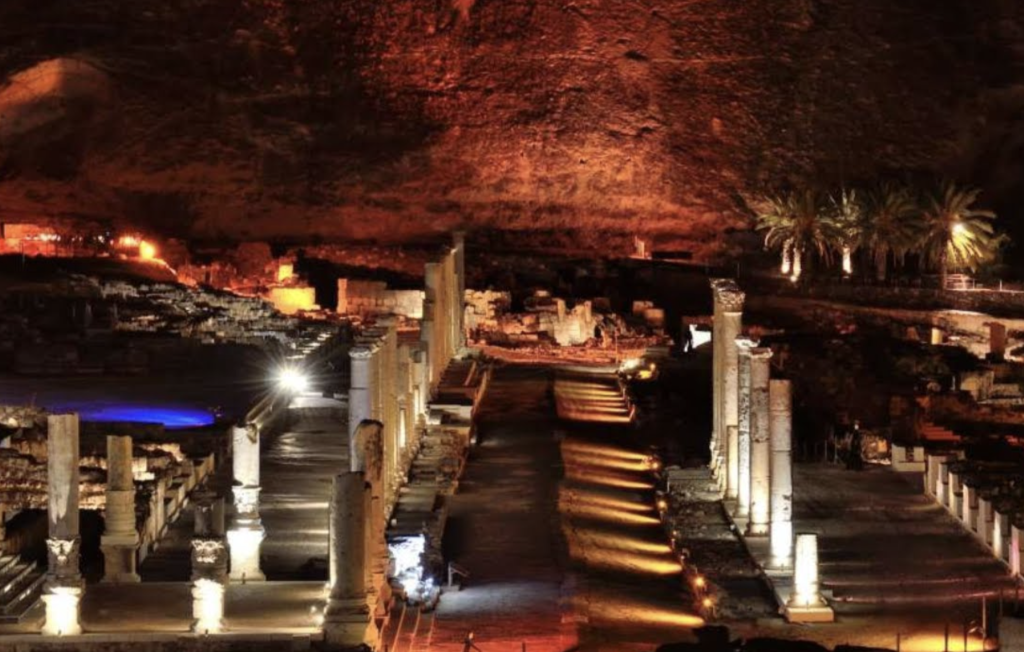
Other notable attractions include the colonnaded Palladius Street, ancient bath complexes, marketplaces, and extensive mosaics that showcase the wealth and importance of the city during antiquity.
Geographically, Beit She’an National Park lies in the fertile Beit She’an Valley, where the Harod Valley meets the Jordan Rift Valley. The region sits below sea level and experiences a warm Mediterranean-to-semi-arid climate. The archaeological site is centered around Tel Beit She’an, a large mound containing layers of settlements dating back thousands of years. Surrounding the tel are the extensive remains of the Roman and Byzantine city, framed by fertile agricultural lands and nearby springs that helped sustain human settlement for millennia.
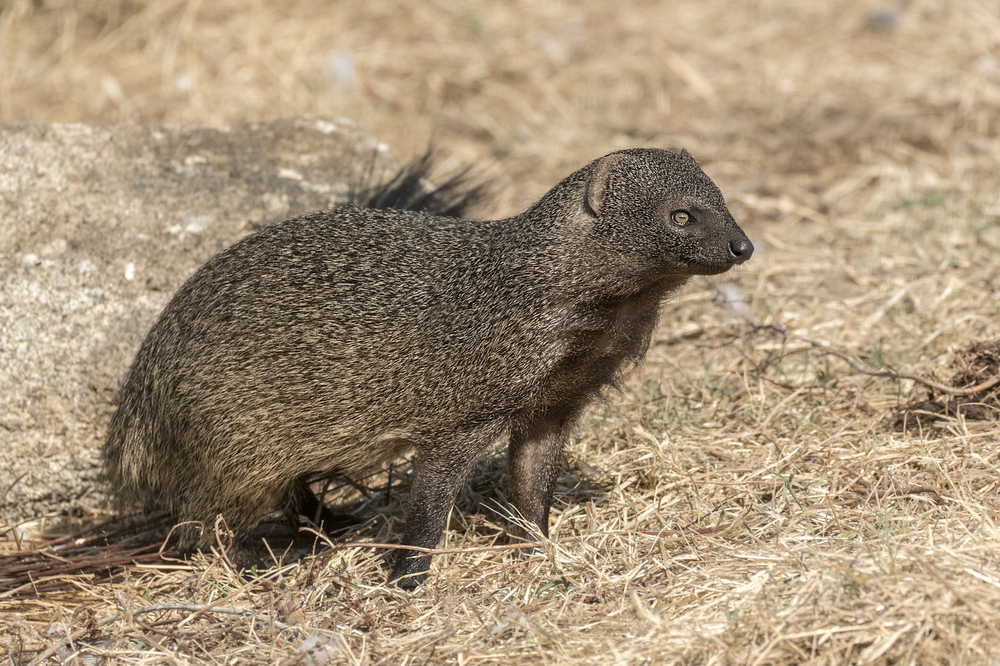
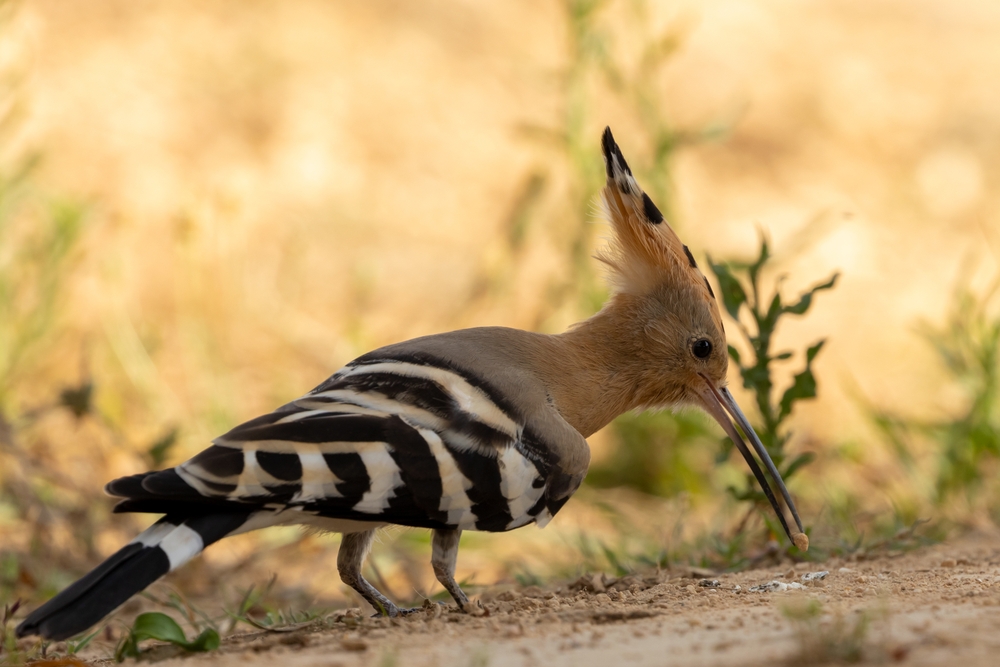
Wildlife within Beit She’an National Park is typical of the Jordan Valley region. Mammals include foxes, jackals, hedgehogs, hares, and several species of bats that inhabit ancient structures and nearby habitats. Birdlife is particularly significant because the Jordan Valley lies along one of the world’s major migratory flyways.
Storks, pelicans, cranes, bee-eaters, herons, and numerous raptors pass through the area during seasonal migrations. Reptiles such as geckos, skinks, and lizards are commonly observed among the archaeological remains, while native vegetation supports a variety of pollinators and insects.
Beit She’an National Park plays a vital role in preserving one of the most important archaeological landscapes in the Levant. The park safeguards evidence of Egyptian, Canaanite, Greek, Roman, Byzantine, Islamic, and Crusader civilizations, providing a unique record of human history across thousands of years.
Its significance is often compared to Jerash and Ephesus because of its exceptionally preserved Roman urban design and monumental architecture. Through its ancient streets, grand theater, archaeological treasures, and rich historical legacy, Beit She’an National Park stands as one of Israel’s most remarkable cultural sites and a fascinating window into the civilizations that shaped the ancient Near East.
Things to See
Things To Do
Engaging Beit She’an National Park