About
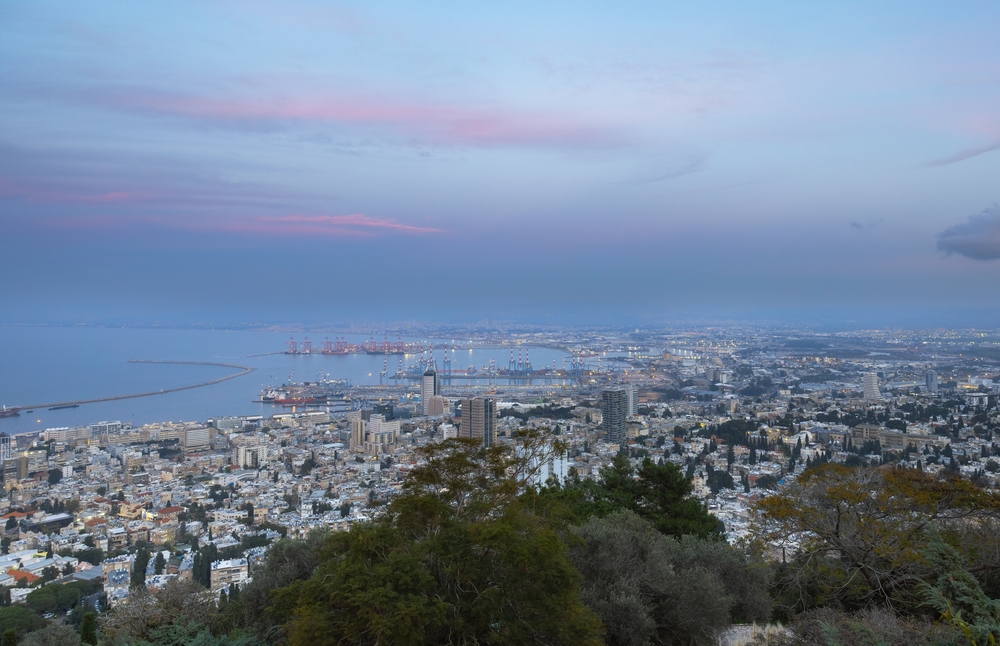
Mount Carmel National Park is located along the Carmel Mountain Range in northern Israel, extending south and east of Haifa. Established in 1963, the park covers approximately 33 square miles (85 sq km), making it one of Israel’s largest national parks.
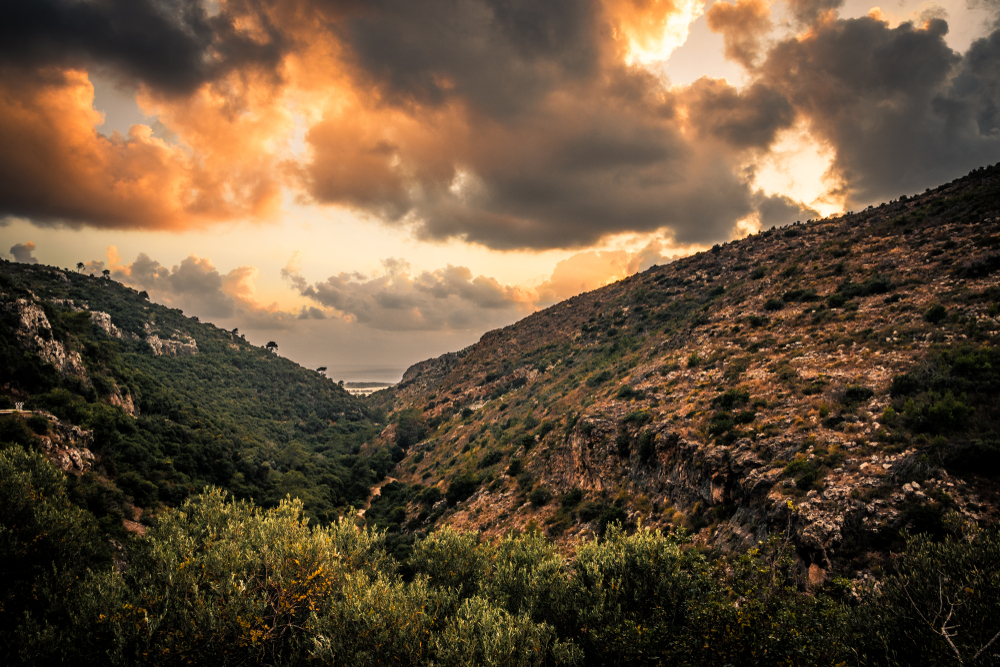
The park protects a diverse Mediterranean landscape of forested hills, limestone cliffs, caves, valleys, and coastal viewpoints overlooking the Mediterranean Sea. Mount Carmel has held ecological, historical, and religious significance for thousands of years and remains one of the most iconic natural landmarks in Israel.
The park is best known for its scenic mountain landscapes, rich biodiversity, and biblical associations. Visitors are drawn to panoramic viewpoints offering spectacular vistas of the Mediterranean coastline, Galilee, and the Jezreel Valley. One of the park’s most famous sites is Muhraka, traditionally associated with the biblical account of the prophet Elijah and the prophets of Baal.
Hiking trails weave through forests, rocky ridges, and nature reserves, providing opportunities to experience one of the most beautiful and ecologically important regions in the country. The park is also popular for cycling, birdwatching, and nature photography.
Geographically, Mount Carmel National Park encompasses a limestone mountain range rising to approximately 1,800 feet (546 m) above sea level. The terrain consists of forested slopes, deep valleys, karst formations, caves, and rugged cliffs. The Mediterranean climate brings mild, rainy winters and warm, dry summers, supporting dense vegetation uncommon in much of Israel.
Forests of Aleppo pine, oak, carob, pistachio, and terebinth cover much of the landscape, while spring wildflowers transform the hillsides into colorful displays. Numerous caves within the Carmel Range contain evidence of prehistoric human habitation dating back hundreds of thousands of years.
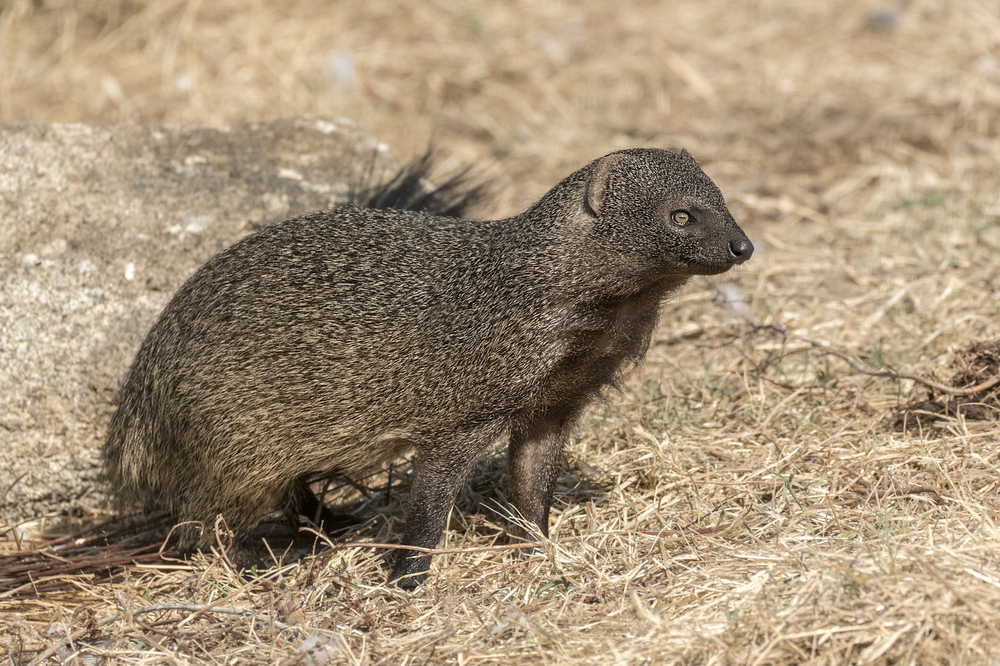
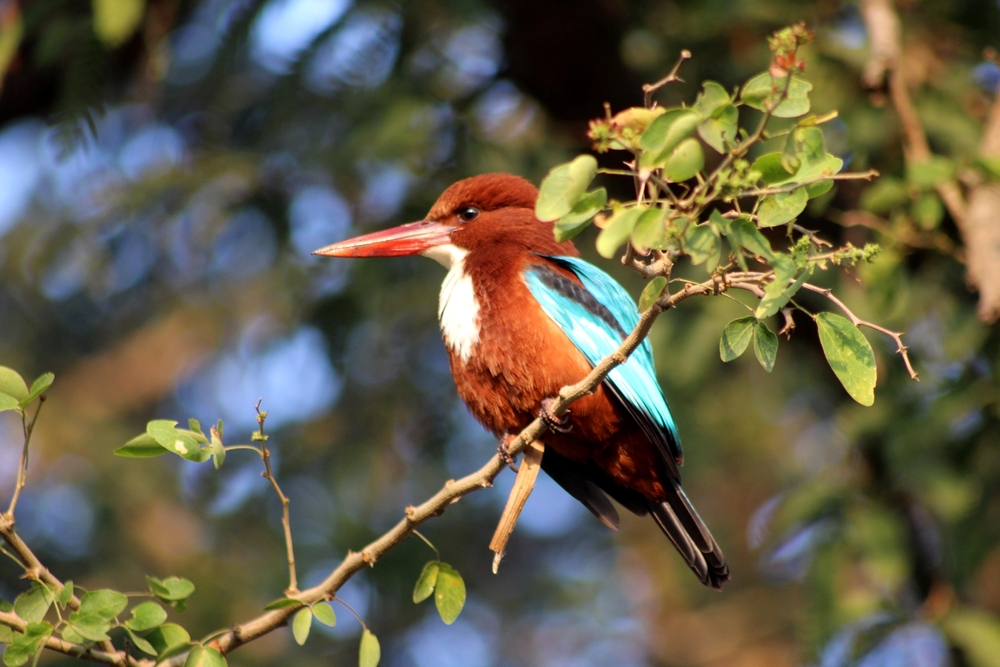
Wildlife within Mount Carmel National Park reflects the biodiversity of the eastern Mediterranean. Mammals include golden jackals, red foxes, wild boar, mountain gazelles, hyraxes, hedgehogs, and several species of bats. Birdlife is particularly impressive because Mount Carmel lies along one of the world’s most important migratory bird routes.
Eagles, vultures, hawks, storks, bee-eaters, and numerous songbirds pass through the area during migration seasons. Reptiles such as chameleons, geckos, tortoises, and snakes inhabit the park, while native plant communities support a rich diversity of insects and pollinators.
Mount Carmel National Park plays a vital role in conserving Israel’s Mediterranean ecosystems and protecting significant archaeological and cultural resources. The park safeguards important habitats, preserves watersheds, and provides critical stopover sites for migratory birds traveling between Europe, Asia, and Africa.
Its conservation significance is often compared to Montseny Natural Park and Cilento National Park because of its Mediterranean forests, biodiversity, and cultural heritage. Through its ancient woodlands, dramatic coastal views, rich wildlife, and biblical history, Mount Carmel National Park stands as one of Israel’s most treasured protected areas and a remarkable showcase of the natural heritage of the eastern Mediterranean.
Things to See
Things To Do
Engaging Mount Carmel National Park