About
Beit Guvrin National Park is located in the Judean Lowlands of southern Israel, approximately 35 miles (56 km) southwest of Jerusalem. Covering roughly 19 square miles (49 sq km), the park protects one of the most important archaeological and cultural landscapes in the country.
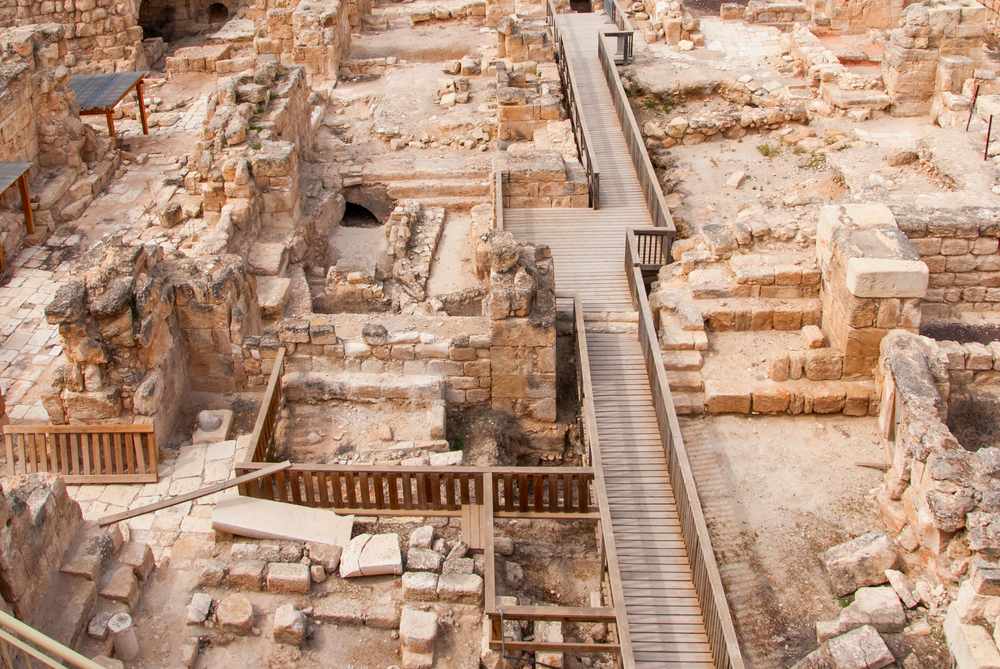
Together with nearby Maresha, the site is recognized as the Maresha and Bet-Guvrin Caves National Park, a UNESCO World Heritage Site designated in 2014 for its extraordinary network of man-made caves and underground chambers. The park preserves thousands of years of history, from the Iron Age through the Roman, Byzantine, Crusader, and Islamic periods.
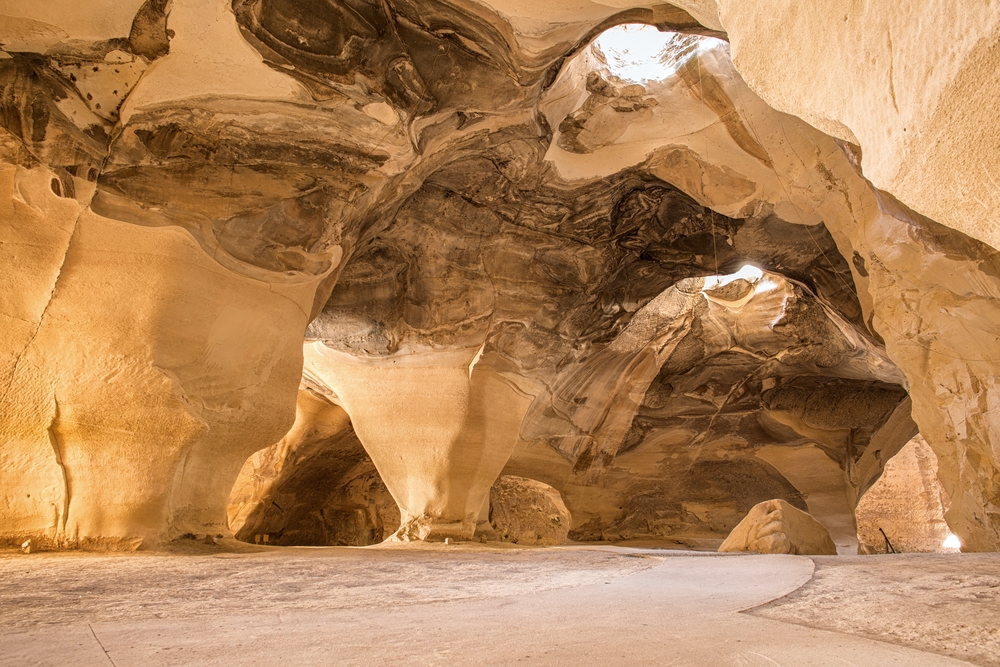
The park is best known for its vast underground cave systems, which have earned it the nickname “the Land of a Thousand Caves.” Visitors are drawn to a remarkable collection of bell caves, columbaria, cisterns, burial chambers, olive presses, and subterranean passageways carved into the region’s soft chalk bedrock.
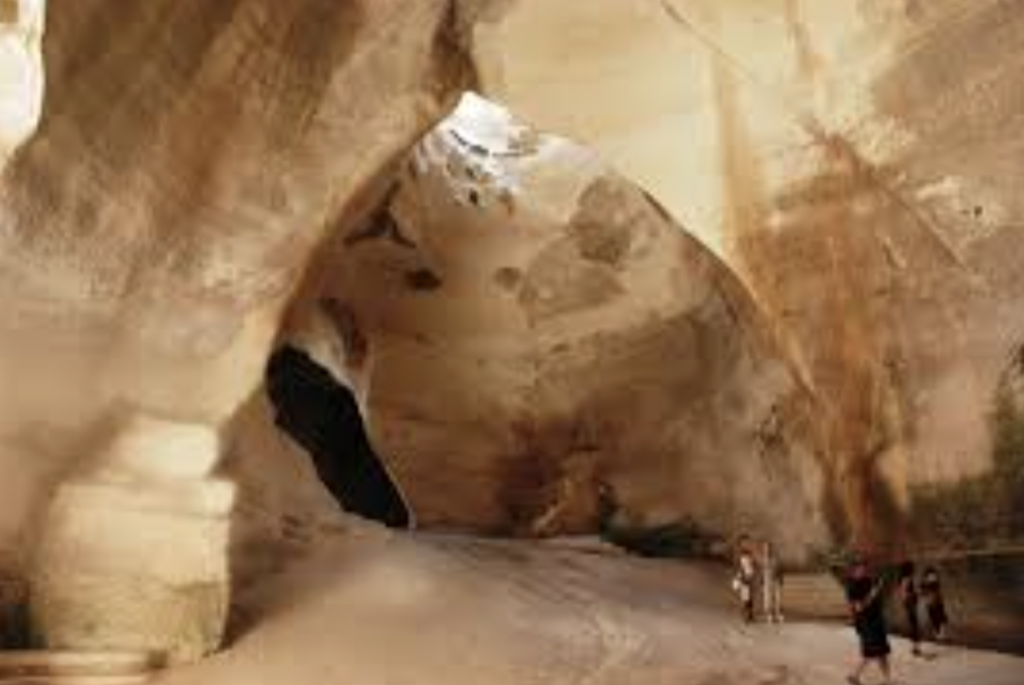
Among the most famous attractions are the Bell Caves, a spectacular complex of soaring chambers excavated centuries ago for building stone. The ancient city of Maresha, one of the region’s most important archaeological sites, allows visitors to explore a unique underground world where daily life once flourished beneath the surface.
Geographically, Beit Guvrin National Park lies within a landscape of rolling hills composed primarily of soft chalk and limestone. Over centuries, inhabitants carved extensive underground systems into these formations, creating one of the world’s largest concentrations of man-made caves.
The Mediterranean climate supports grasslands, shrublands, and scattered woodlands that blanket the hills above the archaeological remains. Seasonal wildflowers add vibrant color to the landscape during spring, while elevated viewpoints provide sweeping vistas across the Judean Lowlands.
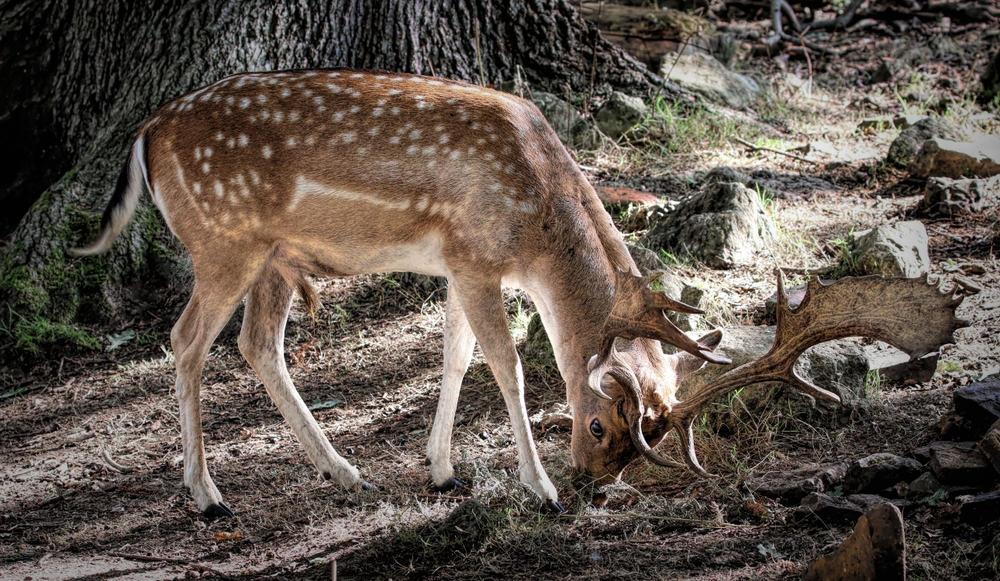
Wildlife within Beit Guvrin National Park reflects the ecology of Israel’s Mediterranean region. Mammals include foxes, jackals, hedgehogs, hares, and several species of bats that inhabit the park’s caves. The underground chambers provide important roosting habitat for bat populations throughout the region.
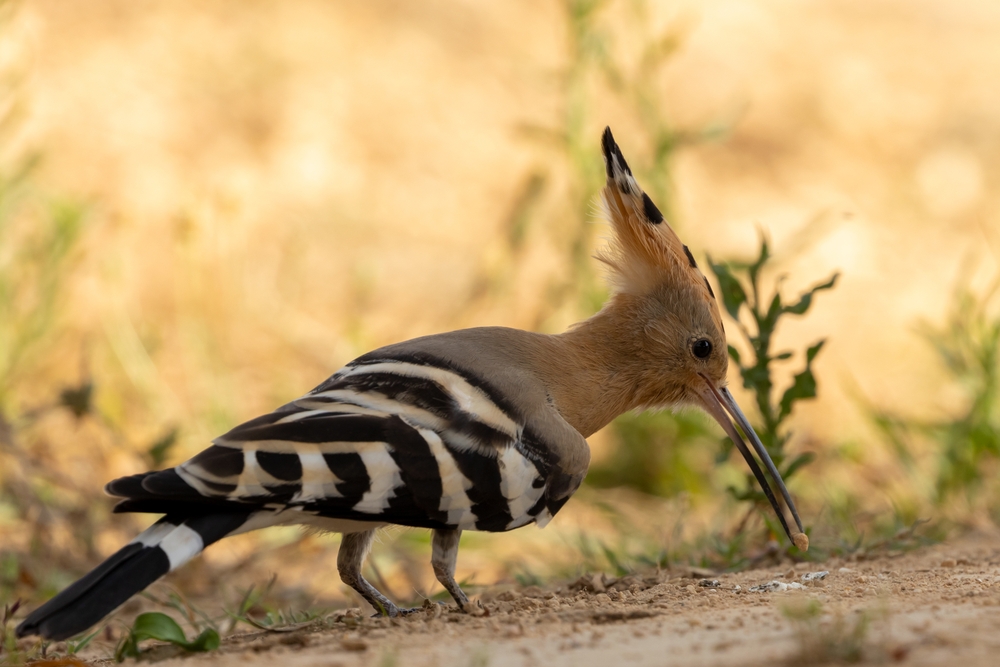
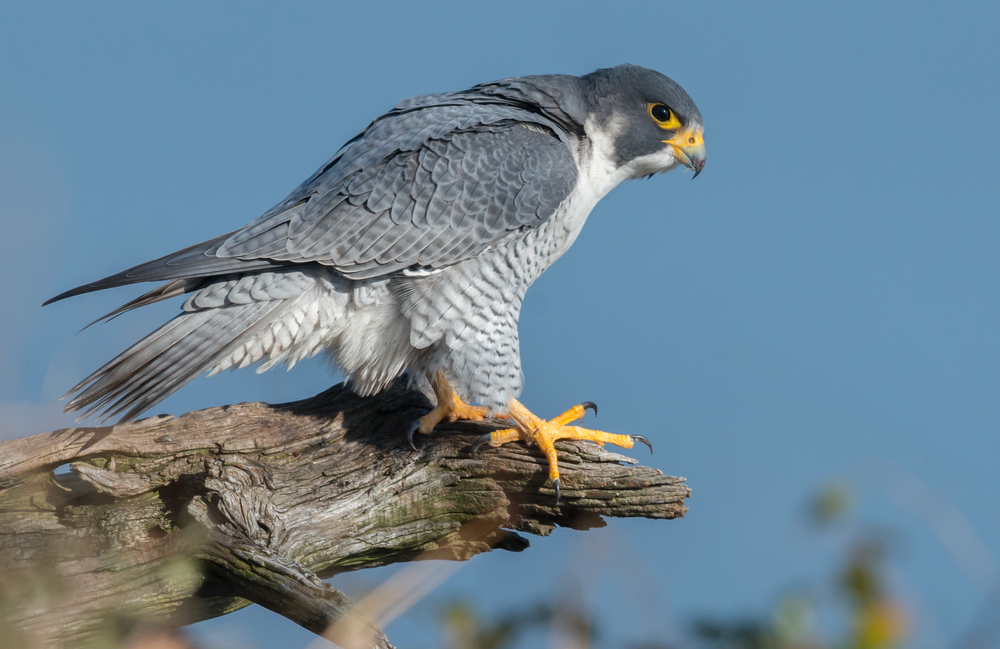
Birdlife includes kestrels, owls, bee-eaters, larks, hoopoes, and numerous migratory birds that pass through Israel along one of the world’s major migration routes. Reptiles such as geckos, skinks, and tortoises are commonly found throughout the park, while native plants support a variety of pollinators and insects.
Beit Guvrin National Park plays a vital role in preserving both the natural and cultural heritage of the Judean Lowlands. The park safeguards an unparalleled archaeological landscape that reveals how successive civilizations adapted to and utilized the region’s geology.
Its significance is often compared to Petra and Cappadocia because of its extensive rock-cut architecture and underground complexes. Through its ancient cities, remarkable cave systems, rich archaeological treasures, and scenic landscapes, Beit Guvrin National Park stands as one of Israel’s most fascinating protected areas and a unique window into more than two millennia of human history.
Things to See
Things To Do
Engaging Beit Guvrin National Park