About
Vashlovani National Park (Georgian: ვაშლოვანის ეროვნული პარკი) is located in the Kakheti region of eastern Georgia near the border with Azerbaijan. Established as a national park in 2003 from the earlier Vashlovani State Reserve, the park covers approximately 97 square miles (251 sq km) and forms part of the larger Vashlovani Protected Areas complex.
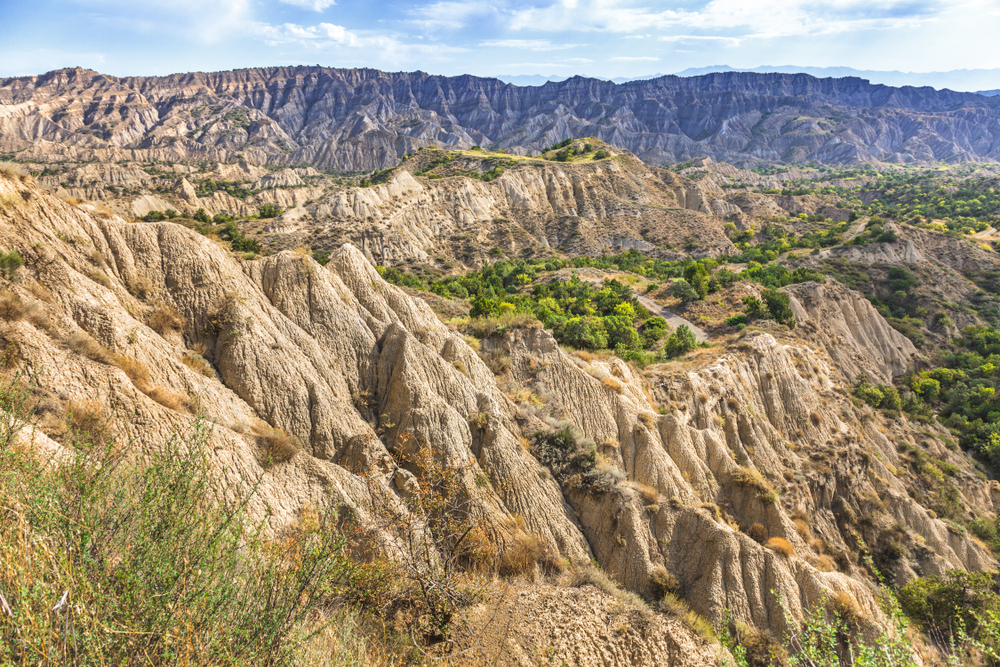
Unlike the forested and mountainous landscapes commonly associated with Georgia, Vashlovani protects a striking semi-arid wilderness of canyons, badlands, grasslands, and desert-like ecosystems. Its unique scenery has often been compared to landscapes found in Central Asia and the American Southwest.
The park is best known for its dramatic badlands, colorful cliffs, and unusual desert-like terrain. Visitors are drawn to landscapes unlike anywhere else in Georgia, where eroded sandstone formations, deep ravines, and open steppe stretch across the horizon. One of the park’s most famous features is the Vashlovani Canyon system, where wind and water have sculpted striking geological formations over thousands of years.
The park also offers opportunities for wildlife observation, off-road exploration, hiking, camping, and photography. Its remote location and distinctive scenery make it a favorite destination for adventurous travelers seeking a different side of the Caucasus.
Geographically, Vashlovani National Park lies within the Alazani River basin and is characterized by semi-desert plains, steppe grasslands, pistachio woodlands, river valleys, and rugged canyons. Elevations generally range between 500 and 2,000 feet (150–600 m), creating a landscape markedly different from Georgia’s alpine regions.
The climate is dry and continental, with hot summers and relatively mild winters. Sparse vegetation dominates much of the park, although unique forests of Georgian pistachio and juniper occur in certain areas. The Alazani River and its tributaries provide critical water resources that sustain wildlife throughout the park.
Wildlife within Vashlovani National Park is remarkably diverse and includes many species adapted to arid environments. Mammals include wolves, golden jackals, red foxes, striped hyenas, wildcats, badgers, hares, and gazelles. The park is particularly important for the conservation of the striped hyena, one of the rarest large carnivores in the Caucasus.
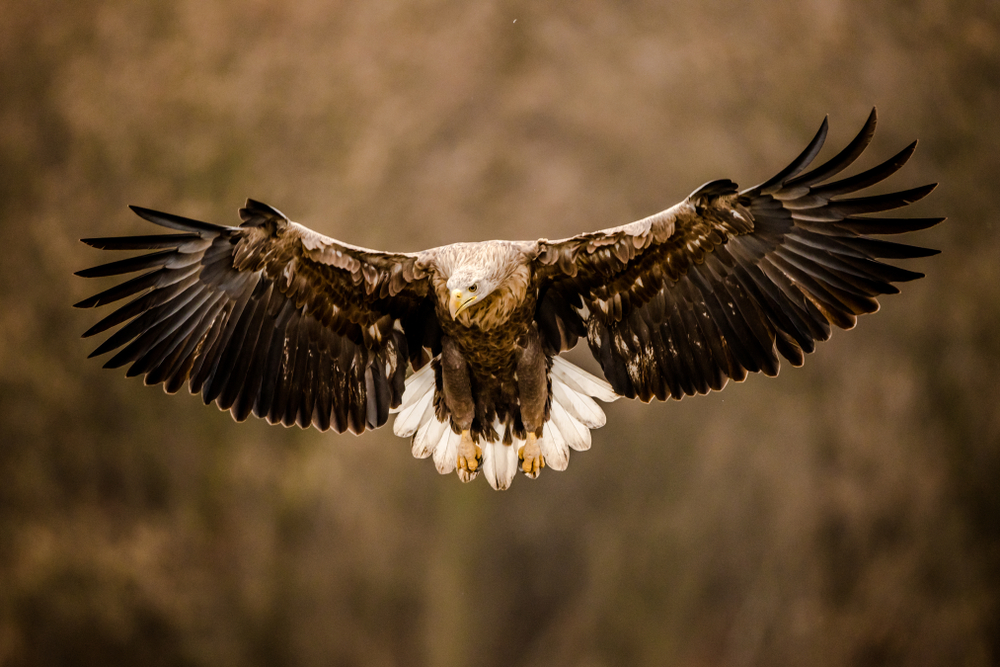
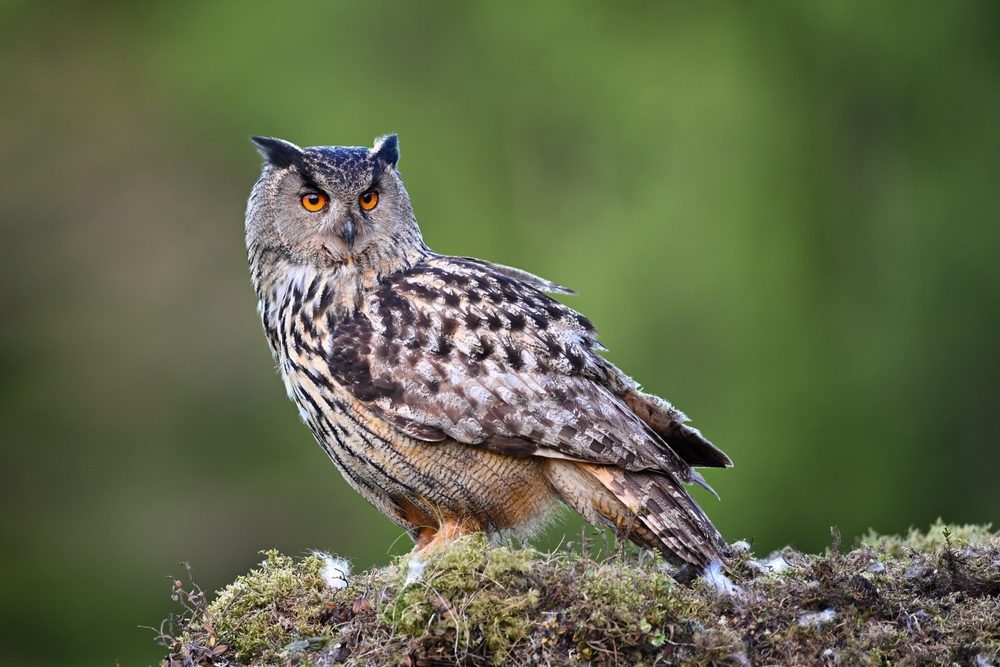
Birdlife is abundant, with golden eagles, imperial eagles, vultures, falcons, bee-eaters, and numerous migratory species recorded throughout the area. Reptiles are especially diverse, including tortoises, lizards, and several snake species that thrive in the warm, dry climate. The park’s unusual ecosystems support a variety of rare plants and invertebrates found nowhere else in Georgia.
Vashlovani National Park plays a critical role in conserving Georgia’s semi-desert and steppe ecosystems, habitats that are relatively rare within the Caucasus region. The park protects important wildlife corridors, preserves unique geological formations, and safeguards biodiversity adapted to arid conditions.
Its conservation significance is often compared to Altyn-Emel National Park and Gobustan National Historical and Cultural Reserve because of its desert landscapes, distinctive geology, and wildlife. Through its dramatic canyons, open steppes, rare species, and unique natural beauty, Vashlovani National Park stands as one of Georgia’s most distinctive protected areas and a remarkable showcase of the Caucasus’ lesser-known landscapes.
Things to See
Things To Do
Engaging Vashlovani National Park