About

Dorob National Park is located along the coastline of Namibia, near the central part of the country. The park alone covers an area of 3,011.6 square miles (7,800 sq km).  It was the first national park in the country to establish zones for separate purposes that are reflective of the needs of the continent as a whole.

The park neighbors up to Namib-Naukluft National Park and Skeleton Coast National Park, creating a combined 41,520 square miles (107,540 sq km) protected shoreline.  Dorob extends 990 miles (1,600 km) along the coastline, creating a protected area from the Kuiseb Delta north to the Ugab River.

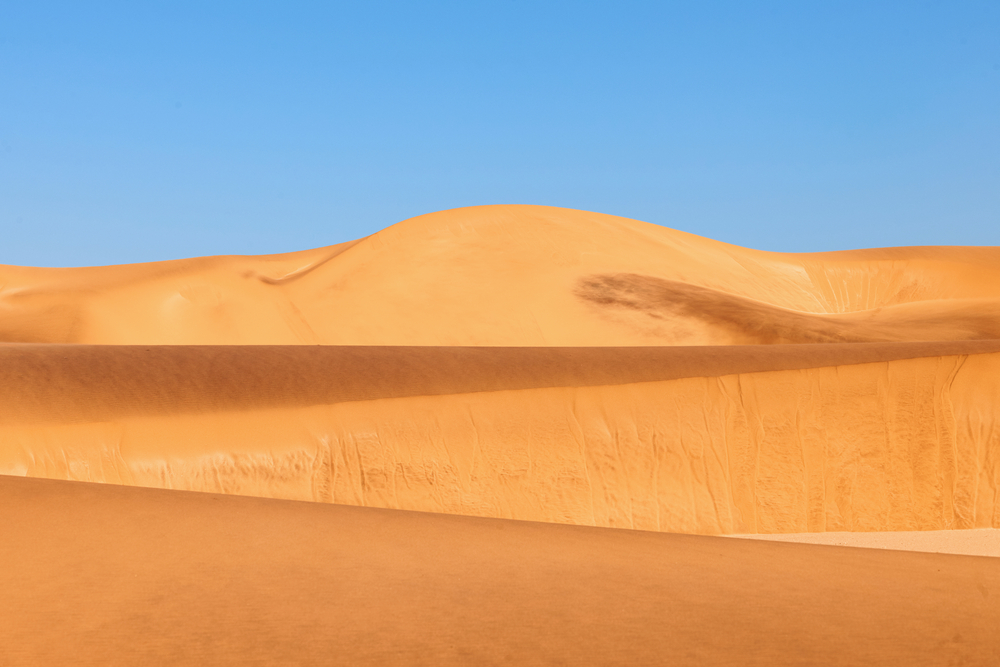
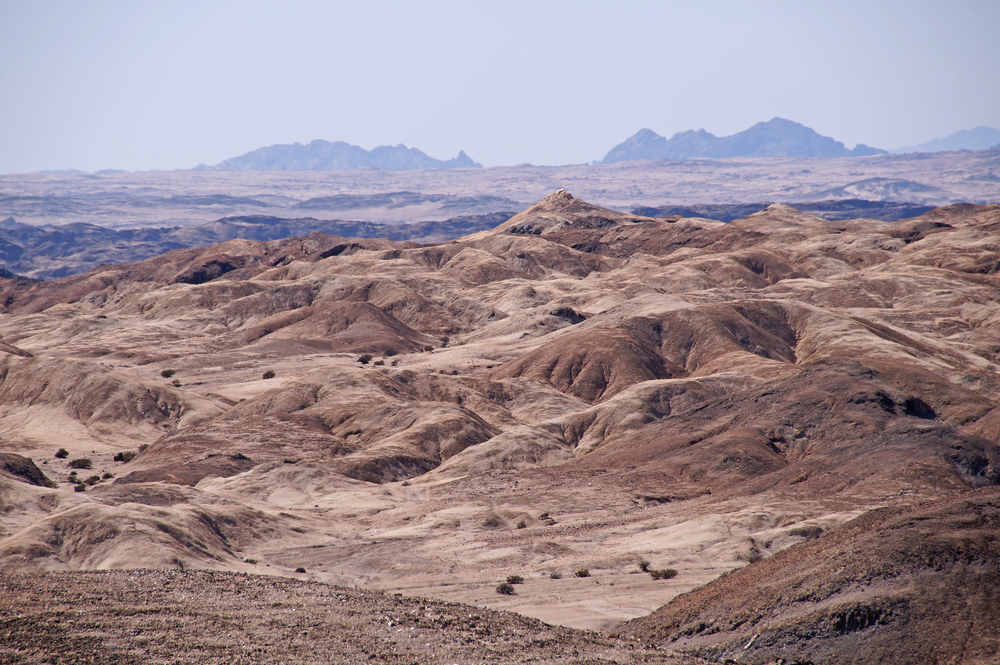
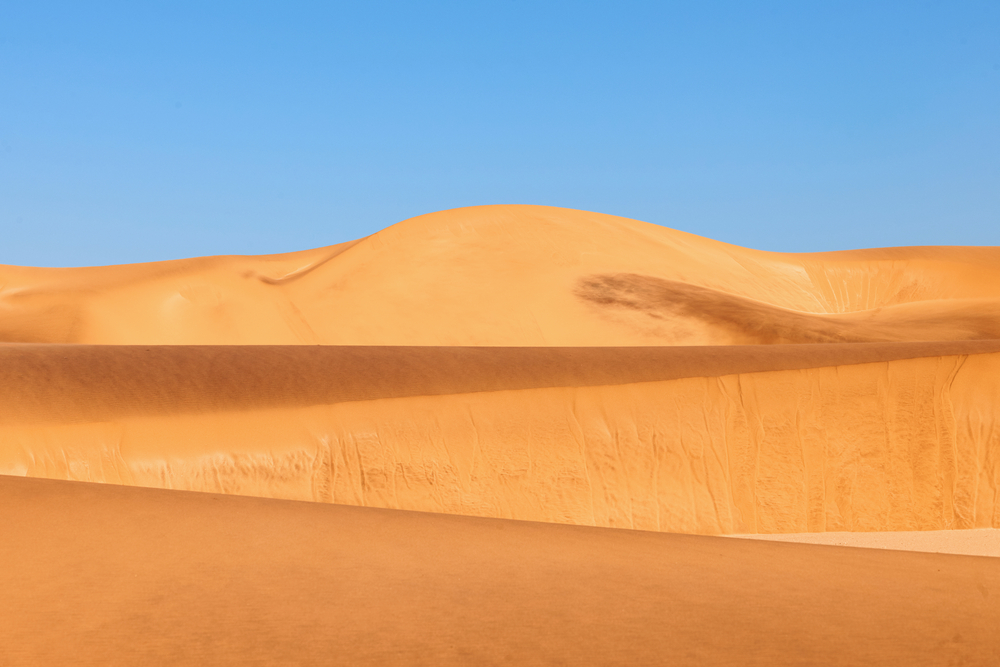
The coastline of Namibia is at the heart of the national park.  It is characterized by sandy beaches, high coastal dunes, dune hummocks, and gravel plains.  Ironically, the desert terrain is home to the most extensive network of ephemeral rivers in the country.

Walvis Bay Lagoon is recognized as a Ramsar Site reflecting its wetland value to the birds and wildlife species.  The park is renowned for its population and diversity of bird species.

The vegetation of the dune hummocks, pencil bush, dollar bush, and shepherd’s tree, along with the lichens, support the wildlife residing in the national park borders.  The lichen field is one of the largest in the world.

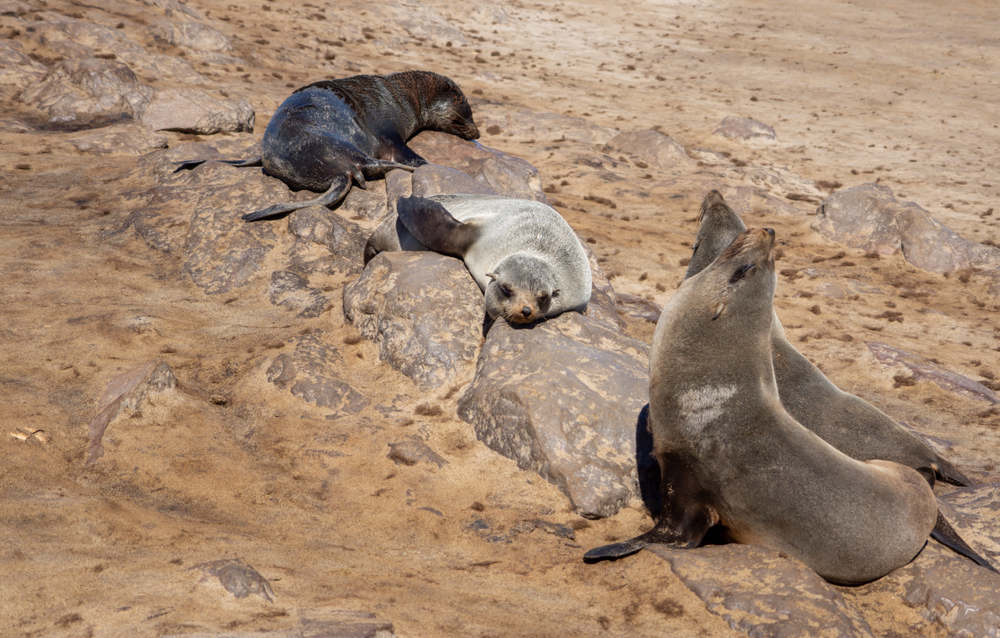
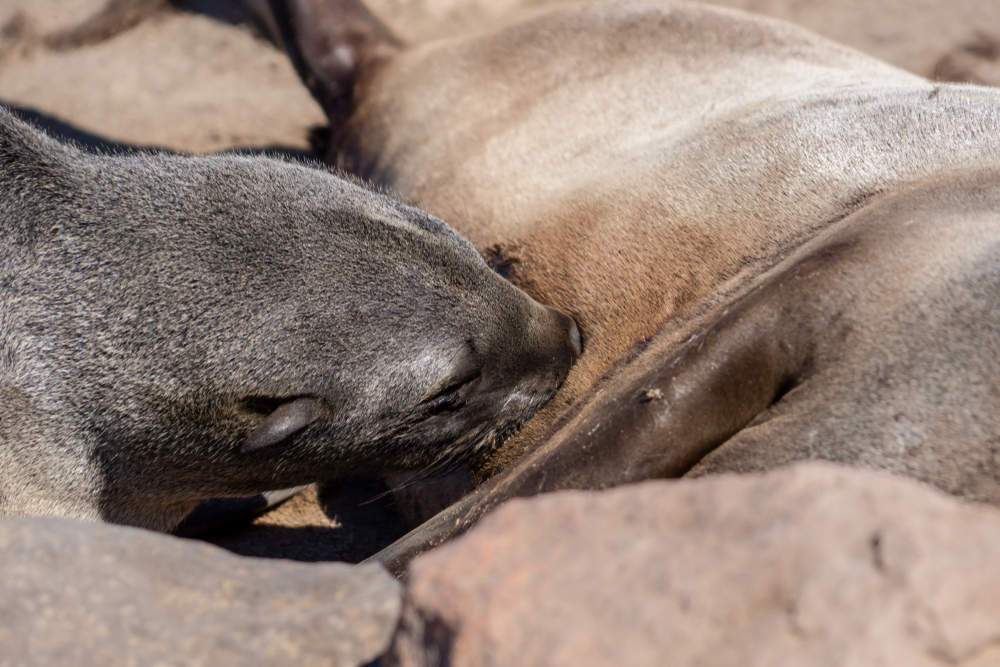
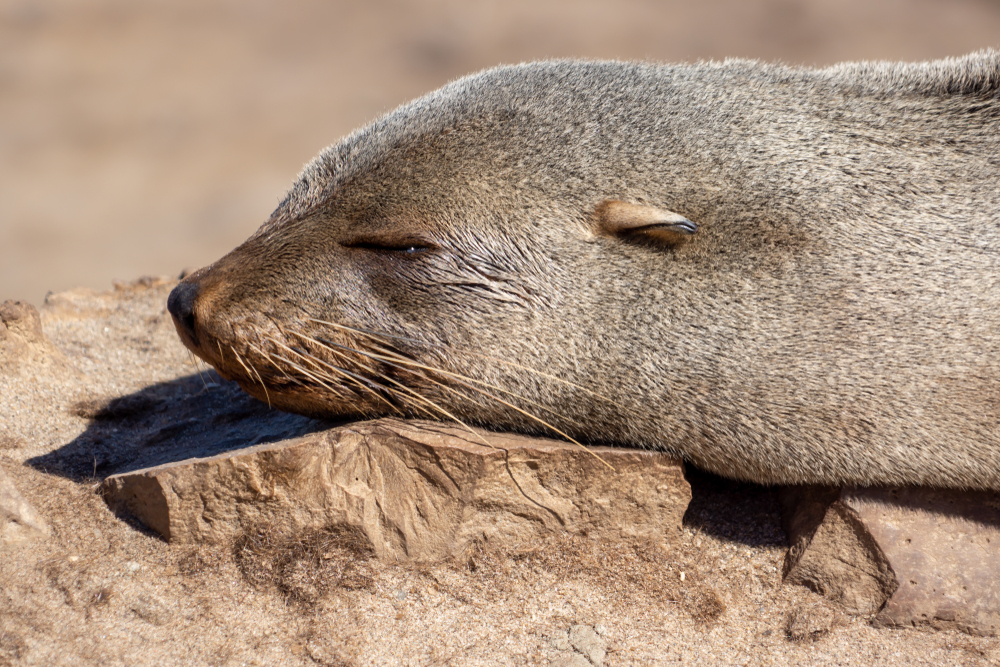
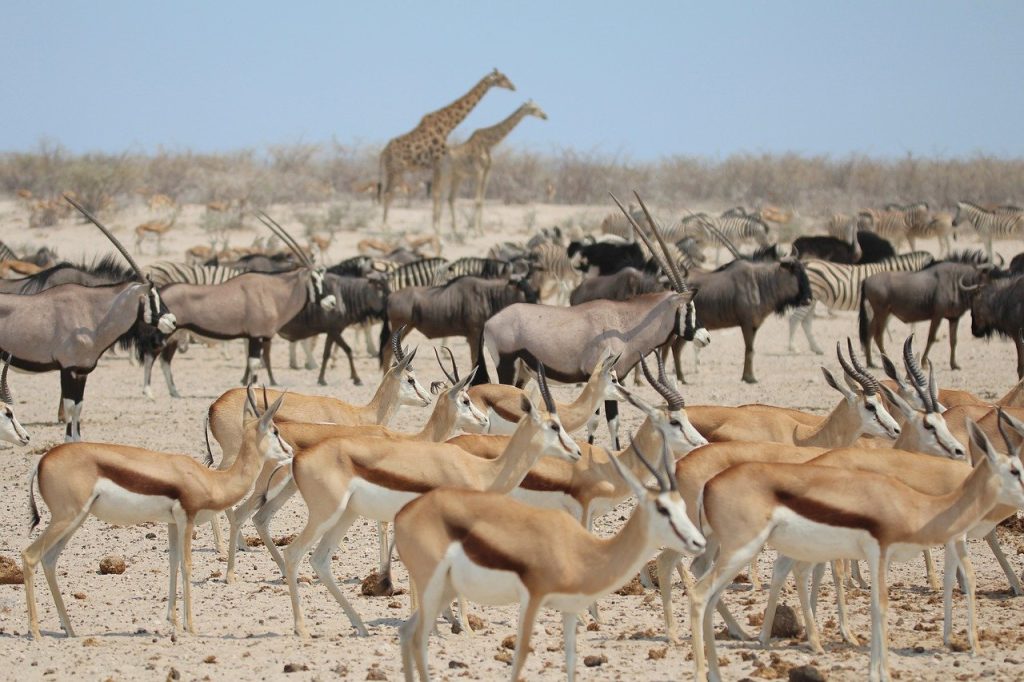
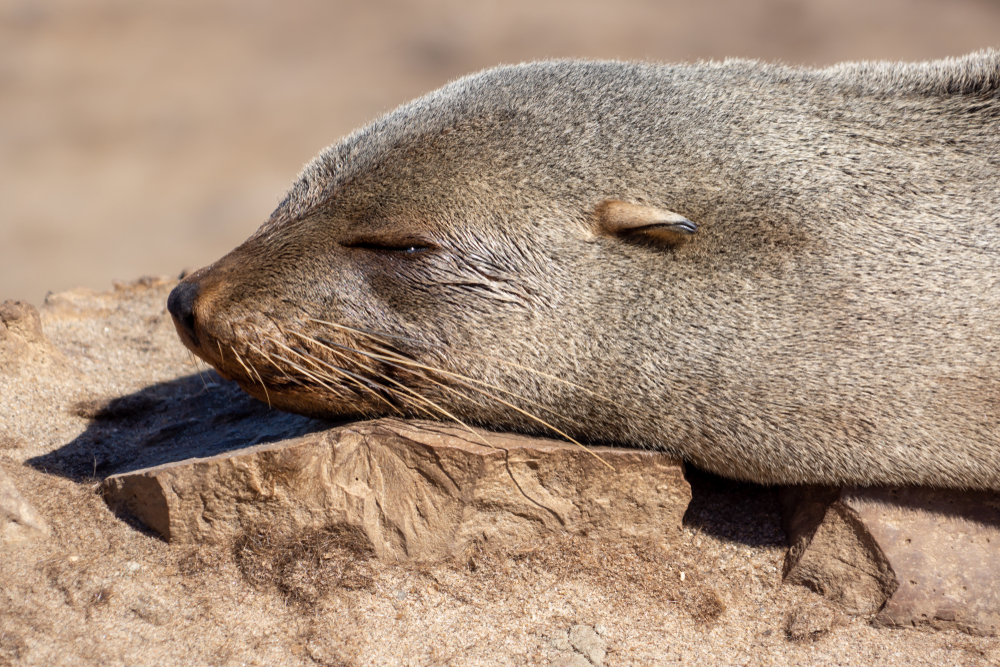
Some of the popular wildlife species include springbok, oryx, and zebra along with some of the predators, including hyena and jackal.  The shorelines are also home to cape fur seal, while dolphins can be seen swimming offshore at times.  Birdwatchers appreciate exploring Dorob with over 270 species of birds nesting and migrating through the park area.

Things to See

The shoreline and coastal landscapes are characterized by sand dunes, sandy beaches, and gravel plains, and truly amazing.  The vegetation scattered around the coastline and inland from the beach is supportive to over 270 species of birds, making this a bird lover’s haven.

Messum Crater

Messum Crater is situated in the north part of the park.  It adds a cultural and historical highlight for anybody who explores the area.  Visitors can witness San rock paintings and other historical, archaeological sites that are from the Damara nomads.

Shipwrecks

There are many ships that have run aground and been shipwrecked along the coast.  They add a different type of mystique and character to the park.  Some would even argue that they create mysterious, picturesque landscapes.  These wrecked and abandoned ships have become perches for birds and, in some cases, nesting areas as well.

Predators

Predators

Dorob National Park is home to a variety of predator species, essential for maintaining the park’s ecological balance. These predators play a crucial role in regulating prey populations and ensuring ecosystem health.

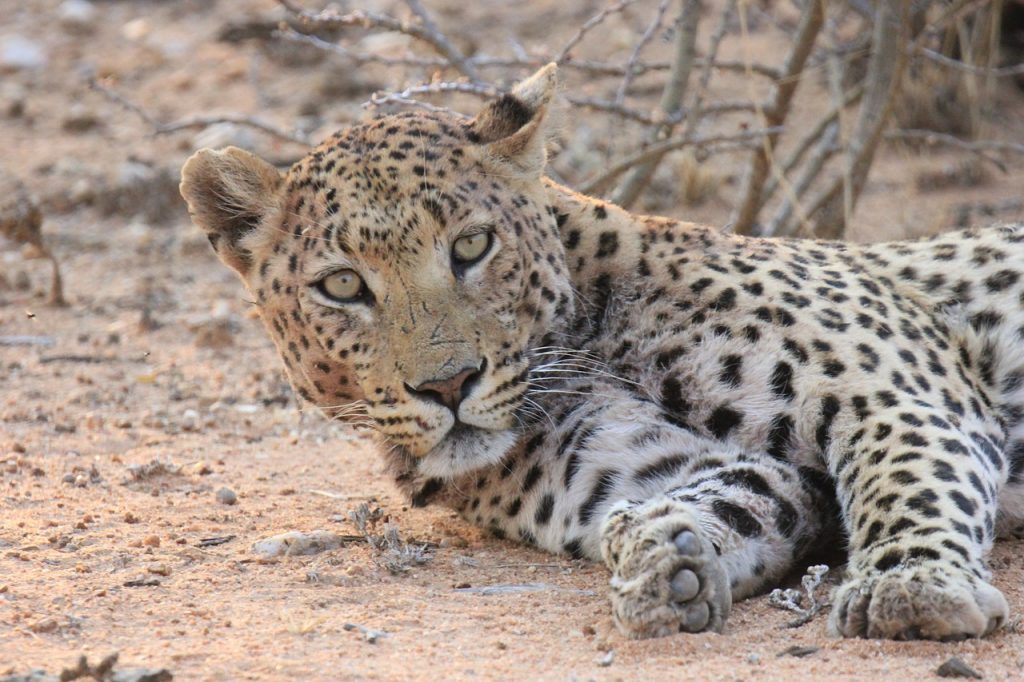
African Leopard: Stealthy and elusive, the African leopard is a skilled hunter, capable of taking down prey much larger than itself. Its spotted coat provides excellent camouflage in Dorob’s varied landscapes.

Brown Hyaena: Solitary and nocturnal, the brown hyaena is a scavenger and opportunist, feeding on carrion and small prey. Its shaggy coat and distinctive sloping back make it easily recognizable.

Cape Fox: Small and agile, the Cape fox is a skilled hunter, preying on rodents, birds, and insects. Its bushy tail and large ears help dissipate heat in Dorob’s arid environment.

Popular

Popular

Dorob National Park boasts a diverse array of wildlife beyond its predators, captivating visitors with unique sightings and experiences.

Oryx: Iconic desert antelope with long, straight horns adapted to harsh environments. Their resilience and striking appearance make them a symbol of Namibia’s wilderness.

Springbok: Agile and graceful antelope known for their distinctive jumping behavior, a display of territoriality and vitality. They thrive in Dorob’s arid landscapes, often forming large herds.

Meerkat: Small, social mongoose species characterized by their upright posture and keen lookout duties. Meerkats inhabit arid regions, forming close-knit family groups for protection and foraging.

Ostrich: Earth’s largest and fastest bird, with long legs and neck adapted for running. Ostriches inhabit open plains, where they feed on vegetation and evade predators with remarkable speed.

Cape Ground Squirrel: Diurnal rodent species with bushy tails and distinctive stripes. Ground squirrels are vital prey for predators and contribute to the park’s ecosystem dynamics.

Klipspringer: Small antelope with specialized hooves for rocky terrain, enabling agile movement along cliffs and rocky outcrops. Klipspringers are elusive and well adapted to Dorob’s rugged landscapes.

Hartmann’s Mountain Zebra: Endemic to Namibia, these zebras have unique stripe patterns and inhabit mountainous terrain. They are resilient grazers, adapted to harsh conditions, and play a vital ecological role.

Rock Hyrax: Small, furry mammals with stout bodies and short legs, well adapted to climbing rocky slopes. Despite their rodent-like appearance, hyraxes are more closely related to elephants.

African Elephant: Largest terrestrial mammal, vital to Dorob’s ecosystem dynamics as seed dispersers and ecosystem engineers. Elephants traverse vast distances in search of water and food, shaping the landscape.

Gemsbok: Sturdy antelope with long, straight horns and striking facial markings. Gemsbok are well adapted to arid conditions, capable of surviving without water for extended periods.

Birds

Birds

Dorob National Park is a haven for avian diversity, hosting a wide range of bird species adapted to its diverse habitats and unique ecosystems.

Lappet-faced Vulture: Majestic scavenger with a massive wingspan, often seen soaring high above the park’s expansive landscapes. Lappet-faced vultures play a crucial role in cleaning up carcasses.

Namaqua Sandgrouse: Desert-dwelling bird with intricate plumage patterns, perfectly camouflaged against sandy surroundings. Sandgrouse rely on waterholes for survival, exhibiting remarkable flying abilities.

Tractrac Chat: Small, insectivorous bird with a distinctive black-and-white plumage, often found foraging among coastal dunes. Tractrac chats are adapted to desert life, capable of surviving in harsh conditions.

Cape Cormorant: Colonial seabird species with glossy black plumage and bright orange facial skin. Cormorants are skilled divers, hunting fish in coastal waters and nesting on offshore islands.

Burchell’s Courser: Ground-dwelling bird with cryptic plumage, blending seamlessly into sandy habitats. Courser’s well-camouflaged appearance helps them evade predators while foraging for insects and seeds.

Gray’s Lark: Small, cryptically colored lark species adapted to arid environments, often seen perched atop shrubs or on the ground. Gray’s larks are known for their melodious songs during breeding season.

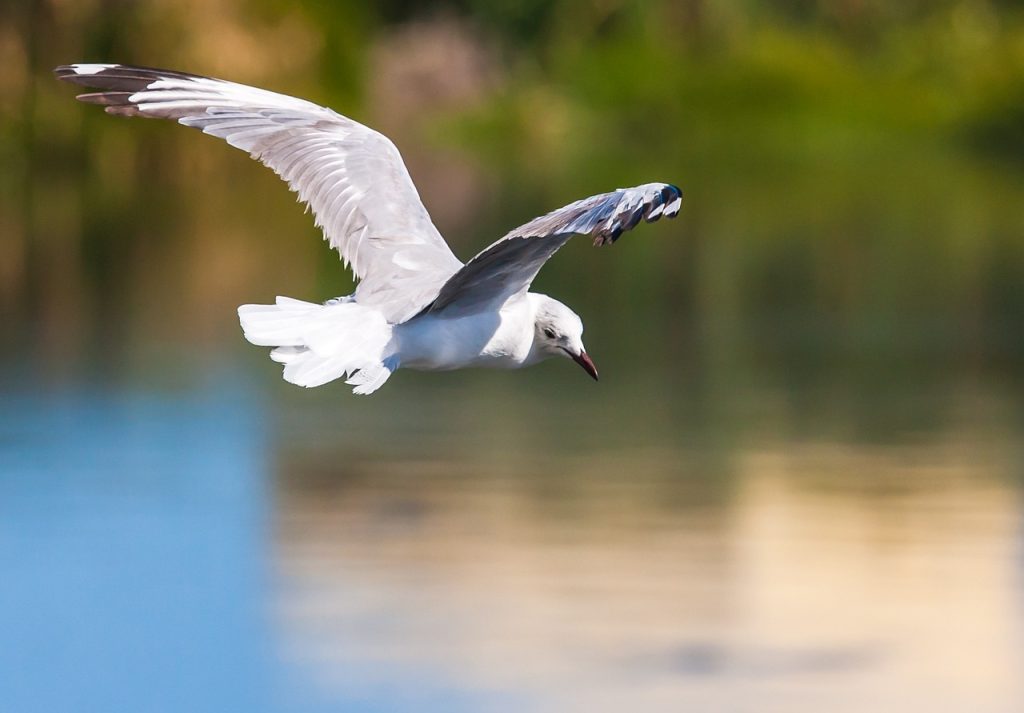
Hartlaub’s Gull: Coastal gull species with distinctive black hood and red bill, commonly observed along the shores of Dorob’s coastline. Hartlaub’s gulls feed on fish, crustaceans, and scavenged carrion.

Rüppell’s Korhaan: Elusive bird of prey with mottled plumage, blending into rocky habitats. Korhaans are masters of camouflage, relying on stealth and agility to hunt insects and small vertebrates.

Crowned Cormorant: Seabird species with striking black-and-white plumage and ornate crests during the breeding season. Crowned cormorants are skilled divers, foraging for fish in coastal waters.

White-backed Mousebird: Arboreal bird species with long tails and distinctive red eyes, often found in acacia woodlands and scrub habitats. Mousebirds feed on fruits, leaves, and insects, moving in family groups.

Things To Do

Engaging Dorob

Coastal Scenic Drive

Embark on a breathtaking coastal scenic drive along Dorob National Park’s rugged coastline. Marvel at the dramatic landscapes, pristine beaches, and diverse marine life while enjoying the serenity of the Atlantic Ocean.

This is an opportunity to see seals and other beach going wildlife.

Sandboarding & Dune Exploration:

Experience the thrill of sandboarding down towering sand dunes or explore the expansive desert landscape on foot. Dorob National Park offers ample opportunities for adrenaline-fueled adventures amidst its stunning dunes and desert scenery.

Game Drive

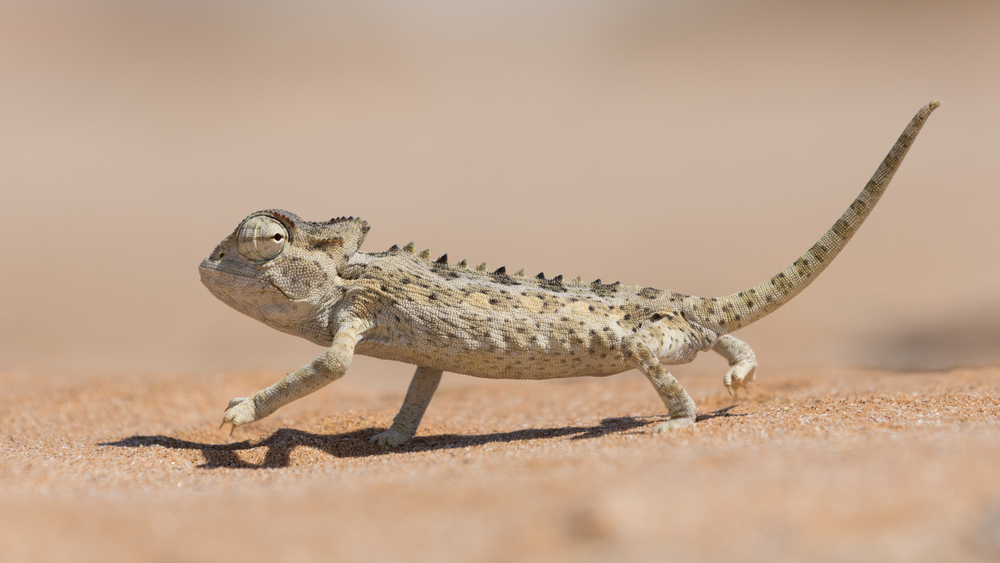
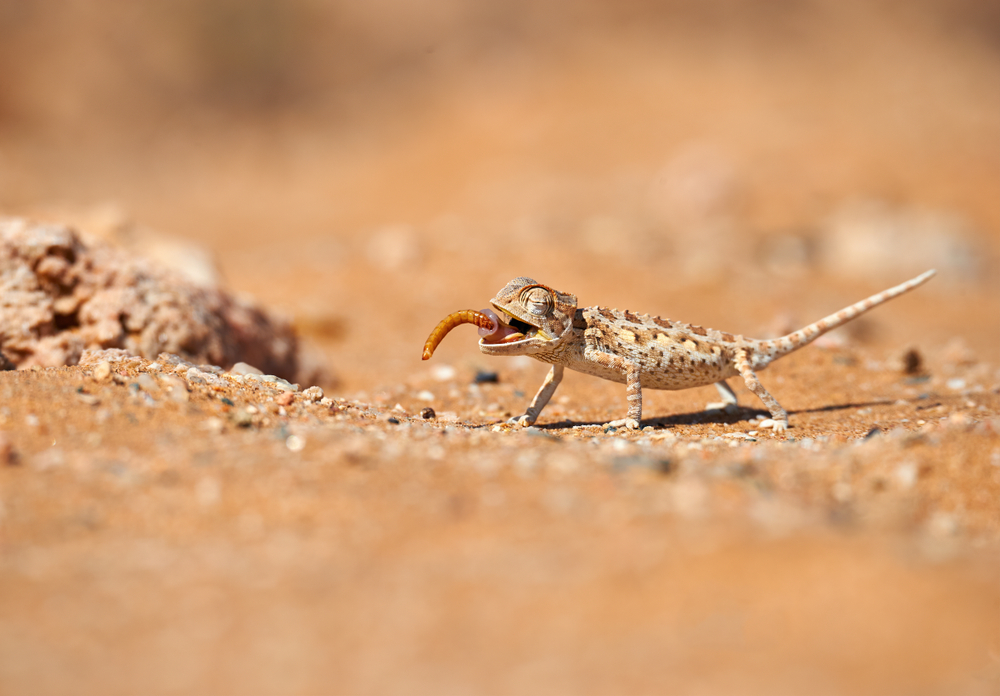
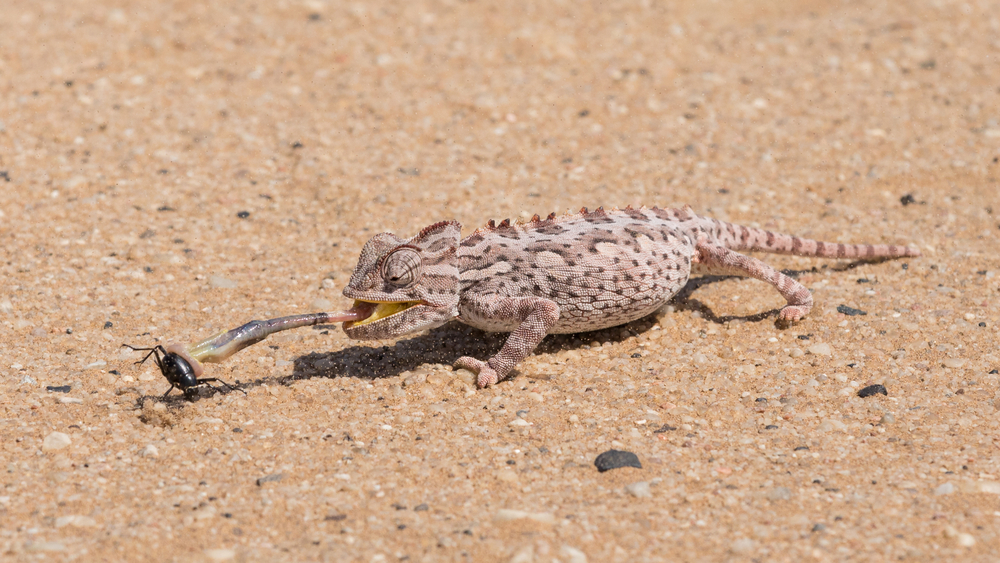
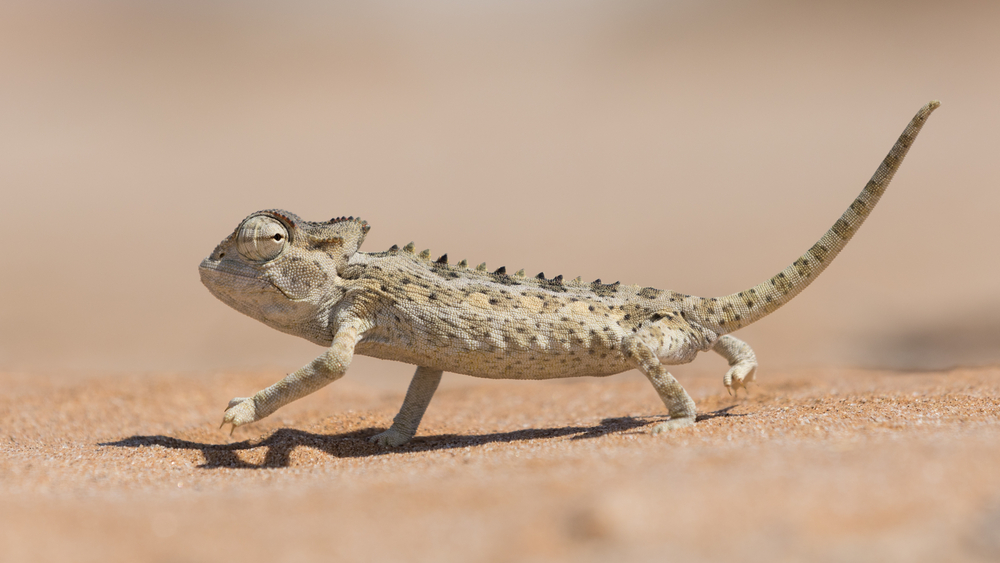
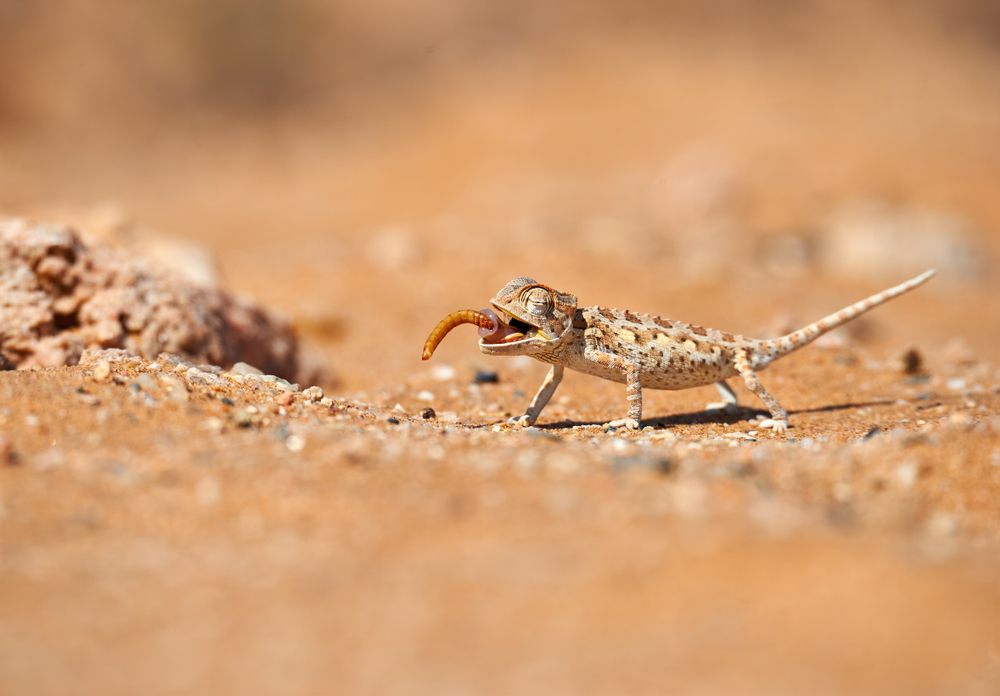
Discover an array of bird species and wildlife that inhabit Dorob National Park’s diverse habitats, including desert-adapted mammals, reptiles, and avian species. From flamingos and pelicans to ostriches and jackals, the park is a haven for wildlife enthusiasts and birdwatchers.

Leveraging a guided game drives provides visitors with the opportunity to see more of the park as well as witness more of the diversity of wildlife found within the borders of Dorob.

placeholder

Night Sky Photography & Stargazing

Experience the magic of Dorob National Park’s pristine night skies, away from light pollution. Witness a mesmerizing celestial display as you gaze at the stars, planets, and constellations, making it a perfect destination for stargazing and night sky photography enthusiasts.

placeholder

Cultural Tours and Interaction

Immerse yourself in the rich cultural heritage of the local communities surrounding Dorob National Park. Engage in cultural tours, visit traditional villages, and interact with indigenous people to gain insight into their way of life and customs.

Dorob National Park Trails

Although Dorob National Park is more renowned for its coastal wildlife and shoreline landscapes, there are hiking trails available to trek and enjoy the outdoor adventures of the area.  The majority of hiking opportunities are connected to the four campsites strategically placed in the park.

placeholder

Jakkalsputz Trail

This is 11.18 miles (18 km) loop trek that meanders inland from the Jakkalsputz Campsite and out to Hanties Bay.  This is a scenic hike that provides views of the coastal dunes and landscapes.

placeholder

Omaruru River Trail

This is a 12.43-mile (20 km) trek that travels along the coast and portions of the Omaruru River.  You can extend the trail along the river up to the Omdel Dam, which makes the entire journey 43.50 miles (70 km) long.

Dorob National Park

No Traditional Trails

Dorob National Park, located along the Skeleton Coast of Namibia, is primarily known for its desert landscapes and coastal scenery.

While there are no designated hiking trails within the park, visitors can explore the area on foot, guided by park rangers or local tour operators.

Walking excursions may lead hikers through coastal dunes, rocky outcrops, and barren plains, offering opportunities to observe unique desert-adapted flora and fauna, as well as breathtaking views of the Atlantic coastline.

Park Protection

Dorob National Park was created to protect the astounding coastline of Namibia and the ecosystem that supports over 270 species of birds.  Dorob National Park collaborates with Skeletal Coast National Park and Namib-Naukluft National Park, creating one extensive megapark that protects almost the entire coastline of Namibia.  This larger protected area is the largest in Africa and the sixth-largest in the world.

The park also protects one of the largest lichen fields in the world, which has also been recognized as an Important Bird Area.  Protecting the lichen fields is a priority because the damage is permanent.  While investing in the lichen, the park is also protecting the Damara Tern, which is an endemic bird, and this coastal ecosystem serves as its breeding grounds.

The government works carefully to establish well-protected areas invested in the ecosystem while also creating areas that allow for adventure tourism. 

Sources