

About
Tbilisi National Park (Georgian: თბილისის ეროვნული პარკი) is located just north and northeast of Tbilisi, making it the closest national park to Georgia’s capital city. Established in 1973 as a protected area and expanded as a national park in 2007, it covers approximately 95 square miles (246 sq km).
As one of the oldest protected areas in Georgia, the park serves as an important natural refuge for both wildlife and the residents of Tbilisi. Its accessibility, scenic landscapes, and ecological importance make it one of the most frequently visited national parks in the country.
The park is best known for providing a natural escape from urban life while protecting a diverse range of ecosystems. Visitors are attracted by hiking and cycling trails, scenic viewpoints, picnic areas, and opportunities to observe wildlife within a short distance of the capital.
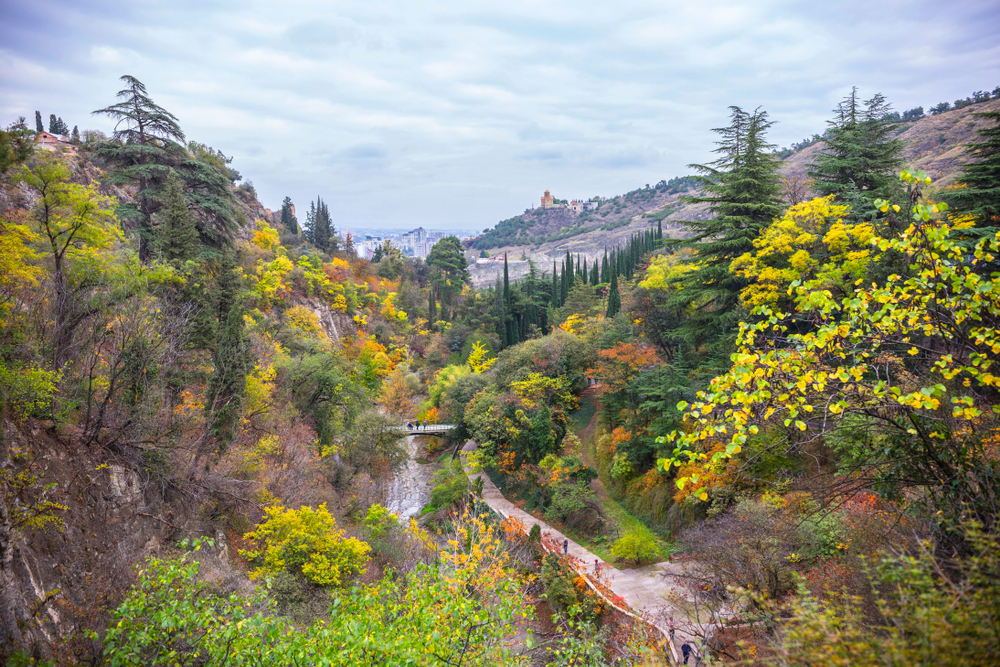
The park’s rolling hills and forested landscapes offer panoramic views of the surrounding Caucasus foothills and the Tbilisi metropolitan area. Because of its proximity to the city, Tbilisi National Park plays a major role in recreation, environmental education, and conservation awareness for both residents and visitors.
Geographically, Tbilisi National Park occupies part of the Iori Plateau and the southern foothills of the Greater Caucasus. Elevations range from approximately 2,000 to 5,700 feet (600 to 1,750 m), creating a variety of habitats across the park. The landscape consists of mixed forests, shrublands, grasslands, river valleys, and rolling mountain ridges.
Eastern portions of the park exhibit drier conditions with open woodlands and steppe-like vegetation, while higher elevations support denser forests of oak, hornbeam, beech, pine, and maple. Numerous streams and small watersheds contribute to the ecological health of the region.
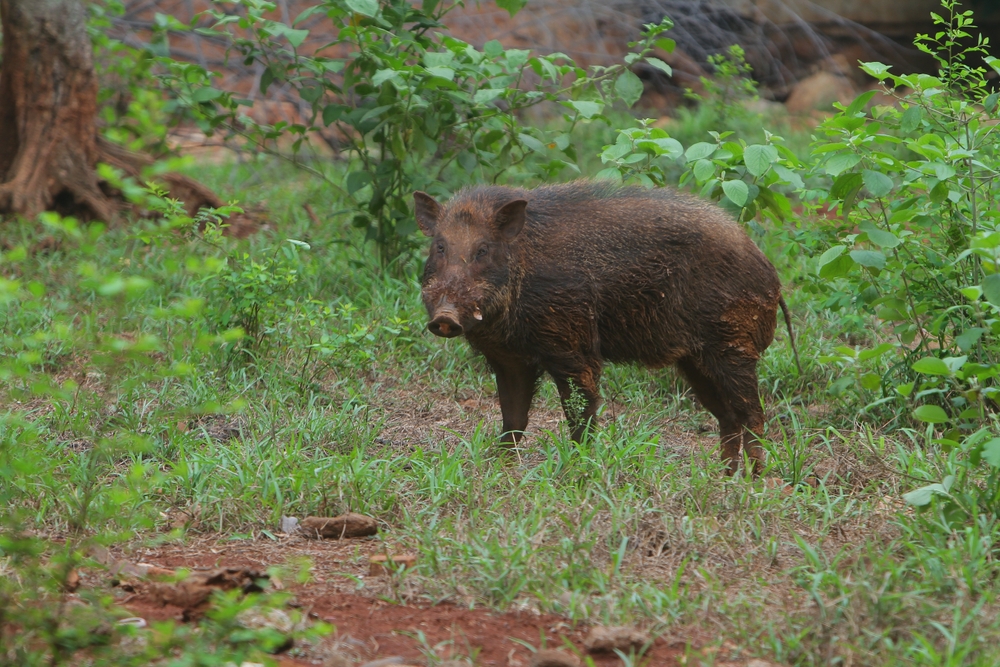
Wildlife within Tbilisi National Park reflects the diversity of its habitats. Mammals include roe deer, wild boar, wolves, foxes, jackals, badgers, hares, and several species of bats. The park serves as an important refuge for wildlife living near Georgia’s largest urban center.
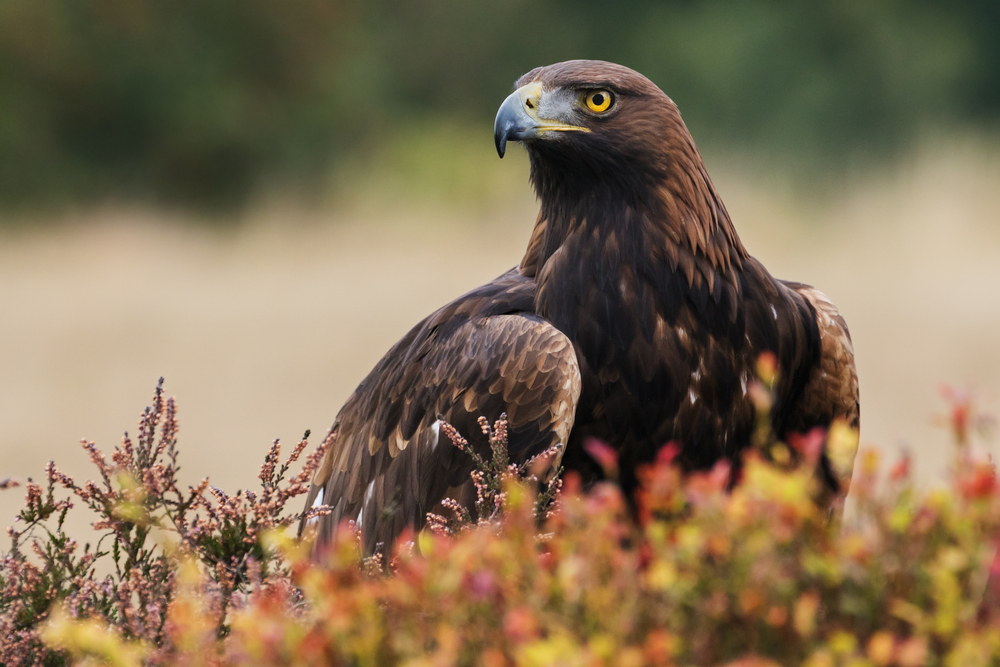
Birdlife is abundant, with eagles, hawks, owls, woodpeckers, bee-eaters, and numerous migratory species recorded throughout the park. Reptiles and amphibians thrive in the park’s varied environments, while diverse plant communities support a rich assortment of insects and pollinators.
Tbilisi National Park plays a vital role in protecting biodiversity near Georgia’s capital while preserving important watersheds and natural landscapes. The park helps maintain ecological connectivity between the urban environment and larger wilderness areas of the Caucasus region.
Its conservation significance is often compared to Algeti National Park and Borjomi-Kharagauli National Park because of its role in protecting forests, wildlife, and recreational opportunities. Through its scenic trails, diverse ecosystems, rich wildlife, and accessibility, Tbilisi National Park stands as one of Georgia’s most important protected areas and a valuable natural sanctuary for both conservation and outdoor recreation.
Things to See


Things To Do
Engaging Tbilisi National Park

