About

Ream National Park (Khmer: ឧទ្យានជាតិរាម), officially known as Preah Sihanouk Ream National Park, is located on the Gulf of Thailand in southwestern Cambodia approximately 11 miles (18 km) east of the city of Sihanoukville. Established in 1993, the park covers approximately 81 square miles (210 sq km), including both terrestrial and marine environments.

Ream National Park was one of the first national parks established in Cambodia and protects a diverse landscape of tropical forests, mangrove ecosystems, beaches, estuaries, rivers, islands, and coral-rich coastal waters. Its location along the Gulf of Thailand makes it one of Cambodia’s most important coastal conservation areas.

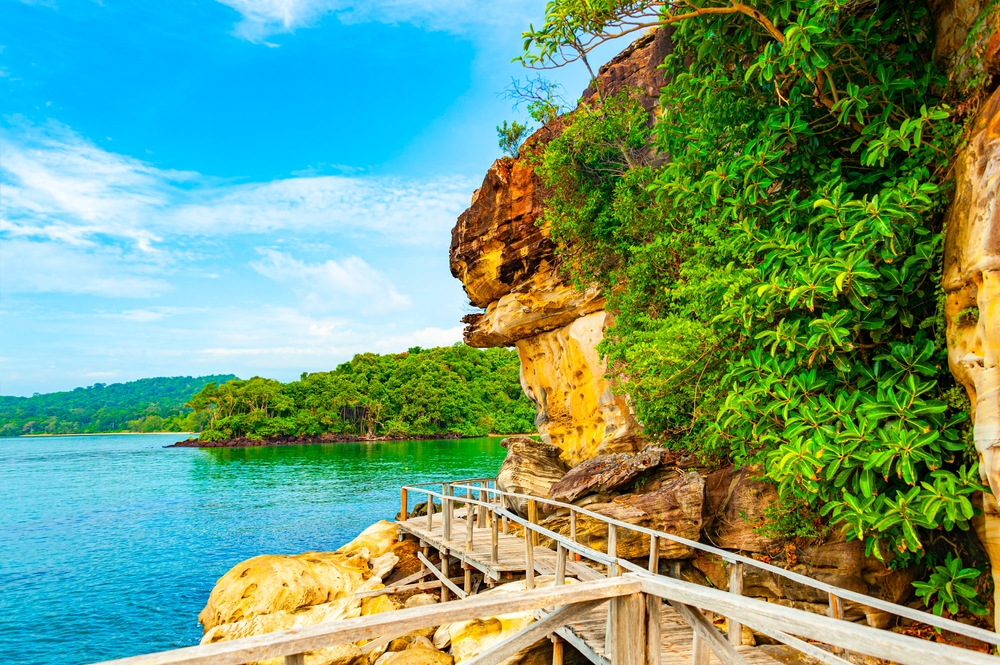
The park is best known for its beautiful blend of tropical rainforest and marine habitats. Visitors are drawn to its quiet beaches, winding mangrove waterways, offshore islands, and opportunities to observe wildlife in a relatively accessible setting. Boat tours through the mangrove forests provide a popular way to explore the park, offering close views of birds, monkeys, and coastal scenery.

The park also serves as a gateway to several picturesque islands where visitors can enjoy snorkeling, kayaking, and nature exploration. Unlike Cambodia’s more heavily visited cultural destinations, Ream offers a tranquil experience focused on natural beauty and biodiversity.

Geographically, Ream National Park encompasses a remarkable variety of ecosystems. Dense evergreen forests cover portions of the mainland, while extensive mangrove forests line rivers and estuaries. The Prek Teuk Sap River and its tributaries flow through the park before reaching the Gulf of Thailand, creating productive wetlands and aquatic habitats.

Offshore islands, sandy beaches, seagrass beds, and coral communities further enhance the park’s ecological diversity. The tropical climate, abundant rainfall, and coastal location support lush vegetation and highly productive ecosystems that sustain a wide range of plant and animal life.

Wildlife within Ream National Park is exceptionally diverse. Mammals found in the park include long-tailed macaques, silvered langurs, civets, otters, and several species of bats. The mangrove forests and estuarine habitats provide important nursery areas for fish and crustaceans. Birdlife is particularly impressive, with more than 150 species recorded.

Kingfishers, herons, egrets, brahminy kites, hornbills, and migratory shorebirds are frequently observed throughout the park. Marine environments support dolphins, sea turtles, reef fish, and numerous aquatic species. The combination of terrestrial and marine habitats creates one of the richest biodiversity areas along Cambodia’s coastline.

Ream National Park plays a critical role in protecting Cambodia’s coastal ecosystems. The park safeguards mangrove forests that help stabilize shorelines, reduce erosion, and provide habitat for countless species. Its marine environments support fisheries and protect important breeding grounds for aquatic wildlife. The park also serves as an important stopover site for migratory birds traveling along regional flyways.

Ecologically, Ream is often compared to protected coastal reserves such as Mu Ko Ang Thong National Marine Park and Bako National Park because of its combination of rainforest, mangroves, beaches, and marine biodiversity. Through its coastal forests, thriving wildlife, scenic waterways, and conservation importance, Ream National Park stands as one of Cambodia’s most valuable natural treasures and a vital sanctuary for the ecosystems of the Gulf of Thailand.

Things to See
Popular

Popular

Ream National Park, located in Cambodia, is known for its stunning coastal ecosystems, lush mangroves, and diverse wildlife. The park is home to a variety of unique plant and animal species, making it a haven for nature enthusiasts. Here are some of the popular non-avian species found in the park:

Indochinese Leopard
This elusive big cat roams the dense forests of Ream, playing a vital role in the ecosystem as a top predator. Its striking spotted coat provides excellent camouflage in the tropical foliage.

Sunda Pangolin
A rare and shy mammal, the Sunda Pangolin is known for its distinctive armored scales. It feeds primarily on ants and termites, using its long tongue to extract them from nests.

Irrawaddy Dolphin
These dolphins are commonly spotted in the waters near Ream National Park. Unlike most dolphins, Irrawaddy Dolphins have a rounded head and no distinct beak, giving them a unique appearance.

Fishing Cat
This medium-sized wild cat is adapted to wetland habitats. It is an excellent swimmer and preys on fish and other aquatic animals in the park’s mangroves and waterways.

Clouded Monitor Lizard
A large and adaptable reptile, the Clouded Monitor is often seen basking in the sun or foraging for food. It thrives in both terrestrial and aquatic environments.

Smooth-coated Otter
These social mammals are often found in the park’s mangrove forests and rivers. They are known for their sleek fur and playful behavior.

Asian Water Monitor
One of the largest lizards in Asia, the Asian Water Monitor is a common sight in the park. It is an excellent swimmer and feeds on a variety of prey, including fish, birds, and small mammals.

Golden Tree Snake
A stunningly colored snake, this species is arboreal and often seen gliding between trees. Despite its appearance, it is non-venomous and feeds on small reptiles and amphibians.

Malayan Porcupine
This nocturnal rodent is covered in sharp quills for protection. It feeds on roots, tubers, and fruits, contributing to seed dispersal in the ecosystem.

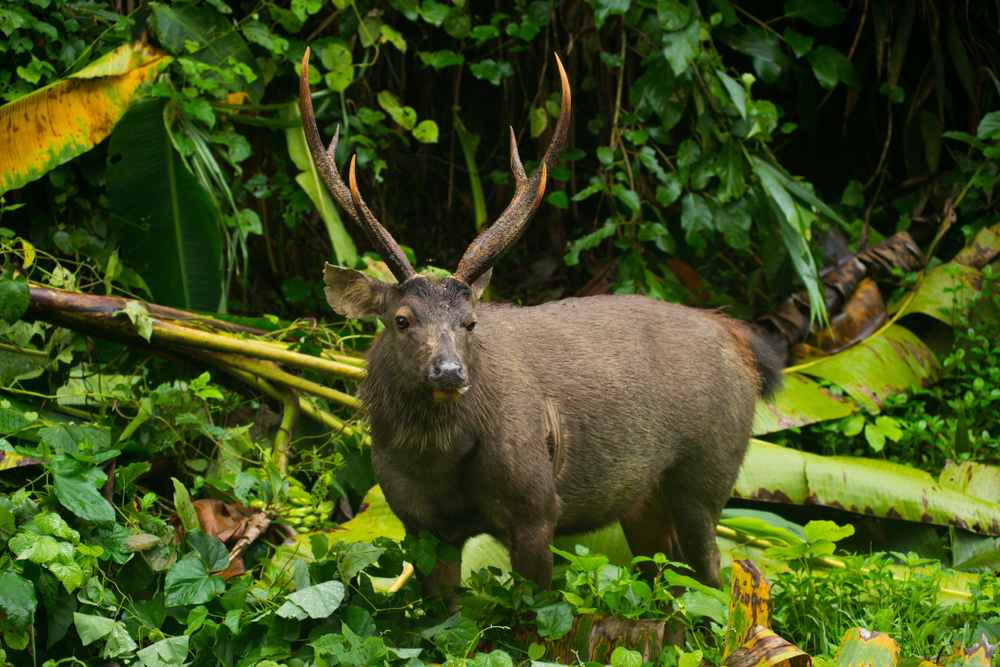
Sambar Deer
This large deer species is often spotted grazing in forest clearings. Its majestic antlers and calm demeanor make it a highlight for wildlife enthusiasts.

Birds

Birds

Ream National Park is also a paradise for birdwatchers, with its diverse habitats attracting a wide array of avian species. Below are some of the most notable birds found in the park:

Greater Adjutant
This large stork is a rare and endangered species, recognized by its impressive size and unique bare neck. It is often found near wetlands within the park.

Oriental Darter
Commonly referred to as the snakebird due to its long, slender neck, this bird is often seen gliding gracefully over water or perched drying its wings.

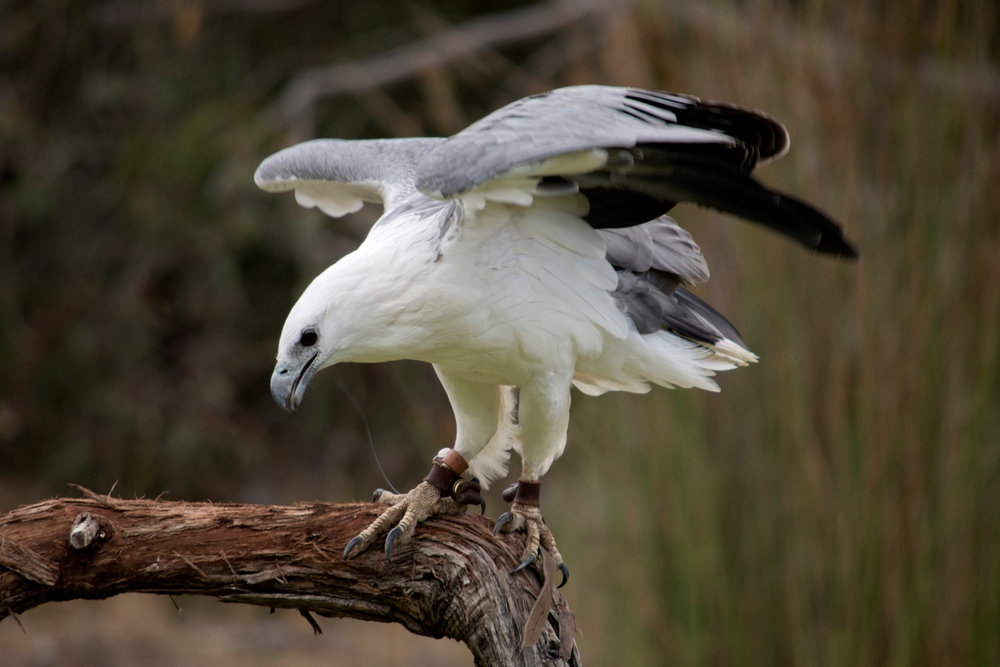
White-bellied Sea Eagle
A majestic raptor, the White-bellied Sea Eagle soars over the coastlines of Ream, hunting for fish and small mammals. Its striking white and gray plumage makes it easy to identify.

Black-headed Ibis
This wading bird is known for its glossy black head and white body. It frequents wetlands, feeding on small aquatic creatures and insects.

Asian Openbill Stork
A large wading bird, the Asian Openbill is named for the gap in its bill, which is used to catch snails. It thrives in the park’s wetlands and rice paddies.

Stork-billed Kingfisher
One of the largest kingfishers, this colorful bird has a vibrant blue body, red beak, and orange underparts. It is often seen near water, hunting for fish and small amphibians.

Crested Serpent Eagle
This medium-sized raptor is known for its piercing call and keen hunting skills. It is commonly seen gliding over the forest canopy.

Green Imperial Pigeon
A large, elegant pigeon with a green back and wings, this bird can often be found feeding on fruits in the forest.

Blue-tailed Bee-eater
With its vivid green plumage and blue tail, this bird is a favorite among birdwatchers. It is often seen catching insects mid-flight.

Black Baza
A small, striking raptor with bold black and white patterns, the Black Baza is often spotted in mixed flocks, adding drama to the skies over Ream.

Things To Do

Engaging Ream National Park
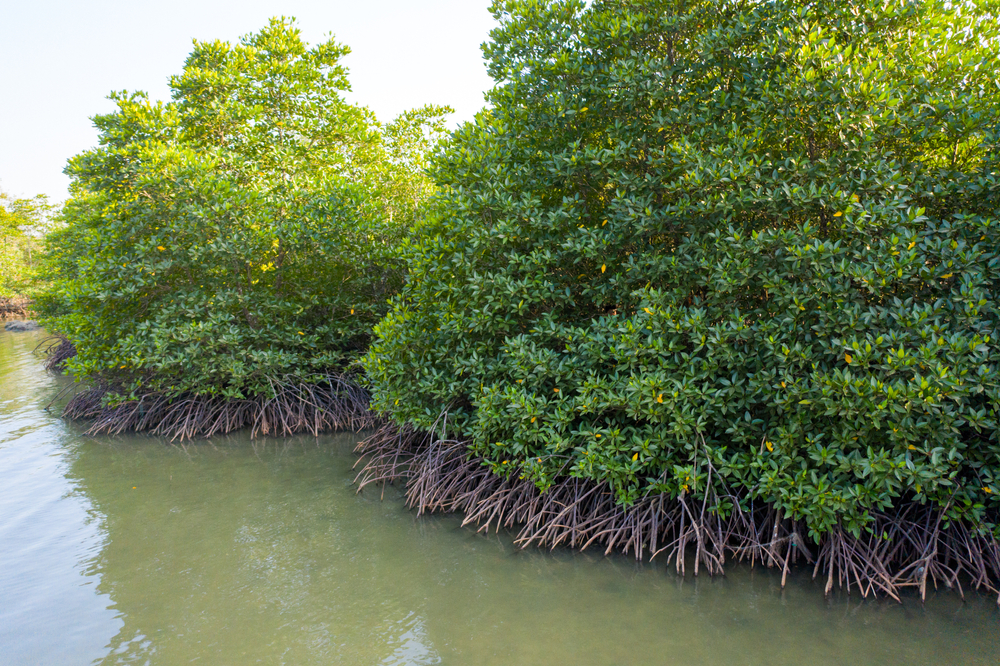
Mangrove Boating

Ream National Park is renowned for its extensive mangrove forests, which can be explored through guided boat tours. These tours navigate serene waterways lined with mangroves, offering visitors a chance to observe the park’s unique ecosystem.

The mangroves are a critical habitat for wildlife, including mudskippers, crabs, and kingfishers. Visitors may also spot larger animals such as monitor lizards and otters.

The tours often include stops at key points where guides explain the ecological importance of mangroves in coastal protection and as nurseries for marine life. The tranquil experience of gliding through the mangroves combines natural beauty with an educational understanding of this vital ecosystem.

Snorkeling

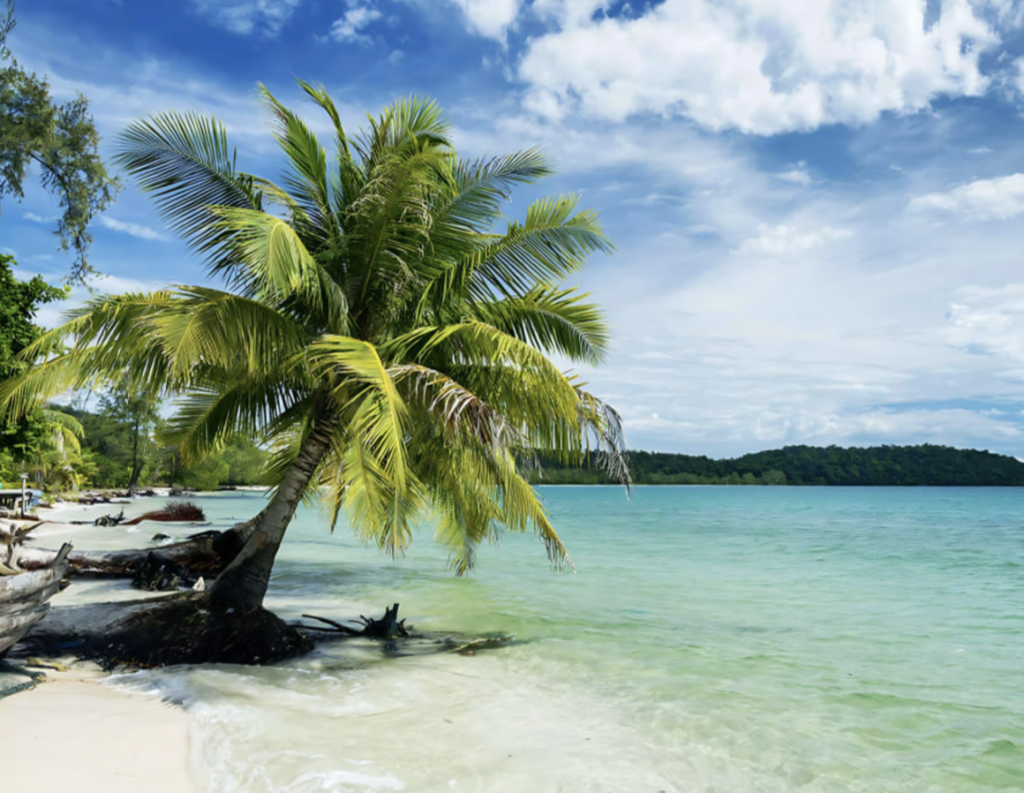
Koh Thmei, an island within Ream National Park, is a hotspot for snorkeling and beach activities. The island’s coral reefs are teeming with marine life, including vibrant fish, sea urchins, and starfish, making it an ideal destination for underwater exploration.

Snorkeling tours provide equipment and guidance, ensuring visitors can safely enjoy the reefs. After snorkeling, visitors can relax on Koh Thmei’s pristine beaches, characterized by soft sands and crystal-clear waters.

The island’s remote location ensures a peaceful and unspoiled experience, offering a perfect escape for nature lovers. Visiting Koh Thmei highlights Ream’s commitment to preserving its marine biodiversity.

Hiking

Ream National Park features hiking trails that lead to stunning waterfalls and panoramic viewpoints. One popular trail takes visitors through tropical forests to Kbal Chhay waterfall, a picturesque spot for swimming and photography.

Other trails ascend hills, providing sweeping views of the coastline, mangroves, and surrounding islands. Along the way, hikers encounter diverse flora and fauna, including orchids, butterflies, and monkeys.

Guided hikes enhance the experience with insights into the park’s ecosystems and conservation efforts. Hiking in Ream National Park offers a combination of adventure, natural beauty, and opportunities to connect with Cambodia’s vibrant landscapes.