About

Wuyi Mountains National Park (Chinese: 武夷山国家公园, Wǔyíshān Guójiā Gōngyuán) is located in southeastern China along the border of Fujian and Jiangxi provinces. Officially established as China’s first national park in 2021, the park encompasses approximately 495 square miles (1,280 sq km) of protected mountains, forests, rivers, and biodiversity-rich ecosystems.

The park incorporates portions of the renowned Wuyi Mountains UNESCO World Heritage Site, an area recognized for both its exceptional natural beauty and cultural significance. Neighboring protected forests and reserves further expand the conservation landscape, creating one of East Asia’s most important strongholds for biodiversity.

The park is best known for its spectacular sandstone peaks, mist-covered mountains, deep river gorges, and centuries-old cultural heritage. Visitors are drawn to the famous Nine Bend River, where traditional bamboo raft excursions glide through narrow valleys framed by towering cliffs and lush forests.

The region has inspired Chinese poets, artists, and philosophers for more than a thousand years and is closely associated with Neo-Confucianism. Ancient temples, academies, and archaeological sites are scattered throughout the landscape, adding cultural depth to an already remarkable natural setting. The combination of dramatic scenery and historical significance has made the Wuyi Mountains one of China’s most treasured destinations.

Geographically, Wuyi Mountains National Park is characterized by rugged mountain ranges, steep sandstone formations, winding rivers, waterfalls, and dense subtropical forests. Elevations vary significantly, creating a diversity of habitats and microclimates.

The park receives abundant rainfall, which supports lush vegetation ranging from evergreen broadleaf forests at lower elevations to mixed mountain forests higher in the mountains. The Nine Bend River cuts through the heart of the park, creating dramatic cliffs and valleys that rank among China’s most iconic landscapes. These varied ecosystems contribute to the park’s extraordinary biological diversity.

Wildlife within the park is exceptionally rich. Wuyi Mountains National Park protects thousands of plant and animal species, many of which are endemic or rare. Mammals include clouded leopards, leopard cats, Chinese muntjac, macaques, and small forest-dwelling carnivores.

The park is internationally recognized as a birdwatching destination, supporting species such as Cabot’s tragopan, silver pheasants, owls, kingfishers, and numerous migratory birds. Amphibian diversity is particularly notable, with many species found only in southeastern China. The forests also harbor a remarkable variety of insects, reptiles, orchids, and ancient plant lineages that have survived in these mountains for thousands of years.

Wuyi Mountains National Park plays a vital role in preserving one of China’s most important biodiversity hotspots. The park protects old-growth subtropical forests, critical watersheds, and habitats for numerous threatened species while safeguarding landscapes of immense cultural and historical significance.

Its ecological value is often compared to world-renowned mountain reserves such as Jiuzhaigou Valley Scenic and Historic Interest Area and Great Smoky Mountains National Park because of its biodiversity, scenic beauty, and conservation importance. Through its misty peaks, ancient forests, cultural heritage, and extraordinary wildlife, Wuyi Mountains National Park stands as one of Asia’s most remarkable protected areas and a symbol of China’s commitment to preserving its natural treasures.

Things to See
Popular

Popular

The Wuyi Mountains National Park, located in China, is a UNESCO World Heritage Site known for its stunning landscapes, diverse ecosystems, and cultural significance. The park is home to a rich variety of species, from plants to mammals, making it a haven for nature enthusiasts and researchers alike.

Golden Snub-Nosed Monkey
This rare primate is known for its distinctive golden-orange fur and blue face. Found in the higher altitudes of the Wuyi Mountains, these monkeys live in social groups and feed on leaves, fruits, and seeds.

Chinese Giant Salamander
The world’s largest amphibian, the Chinese giant salamander thrives in the clean streams of the park. This critically endangered species is nocturnal and primarily feeds on fish and insects.

Chinese Pangolin
Known for its armor-like scales, the Chinese pangolin is a shy and solitary mammal that burrows and feeds on ants and termites. It plays an essential role in maintaining ecological balance.

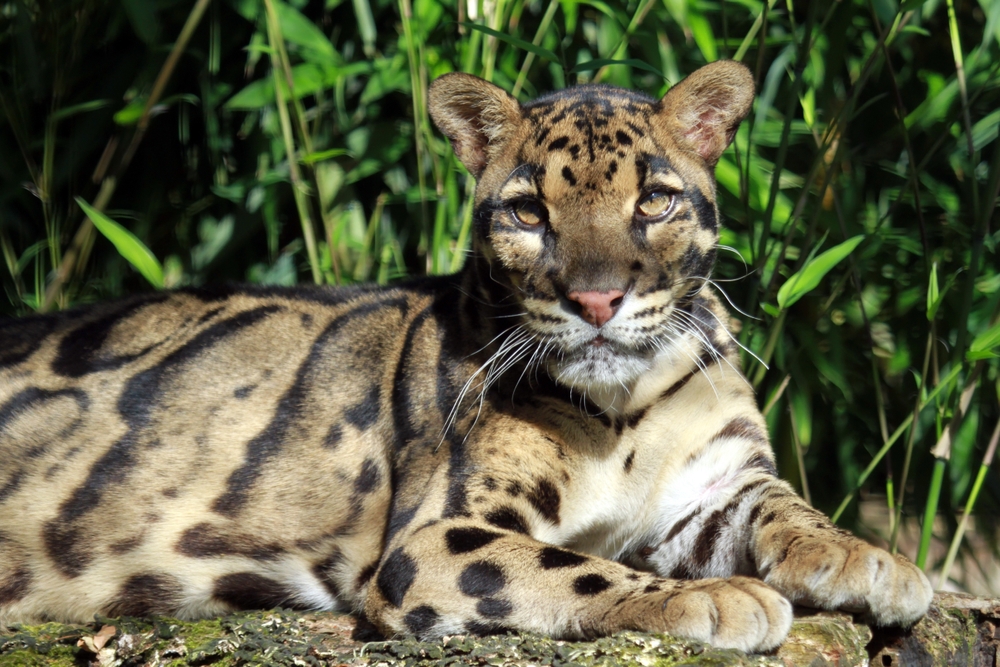
Clouded Leopard
This elusive and beautifully patterned big cat is a skilled climber found in the dense forests of Wuyi. It preys on a variety of animals, including deer and monkeys.

Asian Small-Clawed Otter
These playful otters inhabit the freshwater streams and rivers of the park. They are social animals, often seen in small groups, and primarily feed on fish and crustaceans.

Chinese Cobra
This venomous snake is commonly found in the Wuyi Mountains. Recognizable by its hood, the cobra plays a crucial role in controlling rodent populations.

Chinese Muntjac
Also known as the barking deer, this small and timid deer is often found in the forests of the park. It is named for its dog-like bark, which it uses as an alarm call.

Wuyi Pit Viper
A venomous snake unique to the Wuyi region, the Wuyi pit viper is recognized by its vibrant green color and is primarily nocturnal.

Black Giant Squirrel
This large squirrel species, with its long bushy tail and striking black fur, is a frequent sight in the park’s forests. It feeds on fruits, nuts, and seeds.

South China Tiger (Presumed Extinct in the Wild)
The South China tiger, once native to this region, is now functionally extinct in the wild. However, the park remains a historical habitat for this majestic predator.

Birds

Birds

The Wuyi Mountains National Park is also renowned for its vibrant avian population, which draws birdwatchers from around the world. Below are some of the most popular bird species in the park:

Mandarin Duck
Known for its brilliant plumage, the Mandarin duck is often seen in the park’s rivers and ponds. It symbolizes beauty and fidelity in Chinese culture.

Elliot’s Pheasant
This endemic species is characterized by its colorful feathers and long tail. It prefers dense forests and is highly sought after by bird enthusiasts.

Black Baza
A small raptor with striking black-and-white plumage, the black baza is known for its aerial acrobatics and feeds on insects and small animals.

White-necked Laughingthrush
A sociable bird found in the park’s forests, this species is known for its loud and melodious calls, often heard in groups.

Chestnut Bulbul
Recognizable by its chestnut-colored head and contrasting body, this bird is commonly seen in forested areas and feeds on fruits and insects.

Red-billed Leiothrix
With its vivid yellow and red plumage, the red-billed leiothrix is a striking sight. It is often found in pairs or small flocks in the park’s understory.

Fairy Pitta
Dubbed the “eight-colored bird” for its vibrant plumage, the fairy pitta is a migratory species that nests in the park during the breeding season.

Swinhoe’s Pheasant
Endemic to China, this pheasant has a striking combination of blue, white, and red plumage. It inhabits the dense forests of the Wuyi Mountains.

Grey-chinned Minivet
This bird, with its bright orange and grey coloration, is often seen in mixed-species flocks. It feeds on insects and small invertebrates.

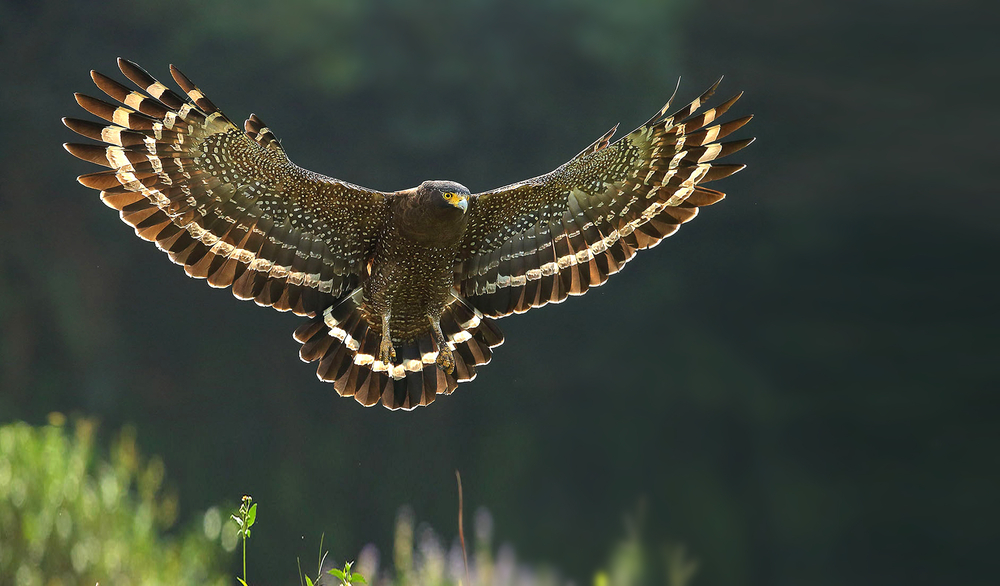
Crested Serpent Eagle
A majestic raptor with a distinctive crest, this eagle is often seen soaring above the park’s forests, searching for snakes and small mammals.

Things To Do

Engaging Wuyi Mountains National Park

Bamboo Rafting

Bamboo Rafting

Hiking

Hiking

Tea Plantations

Tea Plantations