About

Phrumsengla National Park (formerly known as Thrumshingla National Park) is located in central-eastern Bhutan and spans portions of Bumthang, Mongar, Lhuentse, and Zhemgang districts. Established in 1998, the park covers approximately 350 square miles (905 sq km) and protects a remarkable section of the eastern Himalayas.

The park is centered around Phrumsengla Pass, one of Bhutan’s highest road passes, which rises to approximately 12,500 feet (3,800 m). Its position between western and eastern Bhutan makes it a crucial biological corridor connecting several of the country’s protected areas and supporting exceptional biodiversity.

The park is best known for its stunning mountain scenery, dense forests, and extraordinary variety of habitats. Visitors traveling along Bhutan’s scenic East–West Highway pass through the heart of the park, where dramatic mountain views, mist-covered forests, and colorful rhododendron blooms create some of the country’s most beautiful landscapes.

The region is especially famous for its spring wildflower displays, when hillsides burst into vibrant colors. Unlike many national parks that focus on a single ecosystem, Phrumsengla encompasses an extraordinary range of habitats, making it one of Bhutan’s most biologically diverse protected areas.

Geographically, Phrumsengla National Park stretches across a broad elevation range from approximately 2,300 feet (700 m) to over 14,000 feet (4,300 m). This variation creates a remarkable diversity of ecosystems, including subtropical forests, temperate broadleaf forests, conifer forests, alpine meadows, and high mountain shrublands.

The park’s steep valleys and rugged ridges are crossed by numerous rivers and streams that contribute to important watersheds throughout Bhutan. Extensive forests of fir, spruce, hemlock, oak, maple, and rhododendron dominate much of the landscape, while alpine areas support hardy vegetation adapted to harsh mountain conditions.

Wildlife within Phrumsengla National Park is exceptionally rich. Mammals include Bengal tigers, clouded leopards, snow leopards, Himalayan black bears, red pandas, musk deer, and serow. One of the park’s most remarkable features is that it supports Bengal tigers at unusually high elevations, demonstrating the adaptability of the species within Bhutan’s protected landscapes.

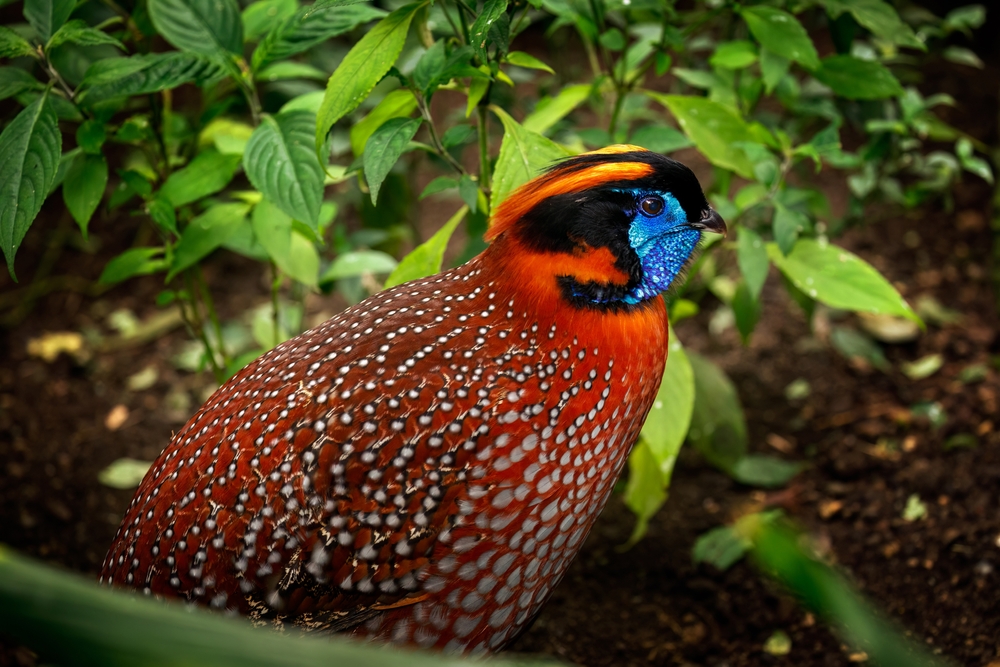
Birdlife is equally impressive, with more than 360 species recorded. The park is particularly renowned for rare Himalayan birds such as the satyr tragopan, ward’s trogon, blood pheasant, and various species of laughing thrushes and flycatchers. Reptiles, amphibians, butterflies, and countless plant species further contribute to the park’s extraordinary biodiversity.

Phrumsengla National Park plays a vital role in Bhutan’s conservation strategy by protecting critical wildlife habitat and maintaining ecological connectivity between major protected areas. The park preserves watersheds, forests, and migration corridors that allow species to move freely across the landscape.

Its conservation importance is often compared to renowned Himalayan reserves such as Jigme Dorji National Park and Sagarmatha National Park because of its mountain ecosystems, rare wildlife, and exceptional biodiversity. Through its forested mountains, alpine meadows, rare species, and spectacular scenery, Phrumsengla National Park stands as one of Bhutan’s most important protected areas and a shining example of Himalayan conservation.

Things to See
Popular

Popular

Phrumsengla National Park, located in the heart of Bhutan, is renowned for its diverse landscapes, from lush broadleaf forests to alpine meadows, and its rich array of flora and fauna. The park is a haven for many iconic species, making it a treasured site for nature enthusiasts and conservationists alike. Below are some of the popular species found in the park:

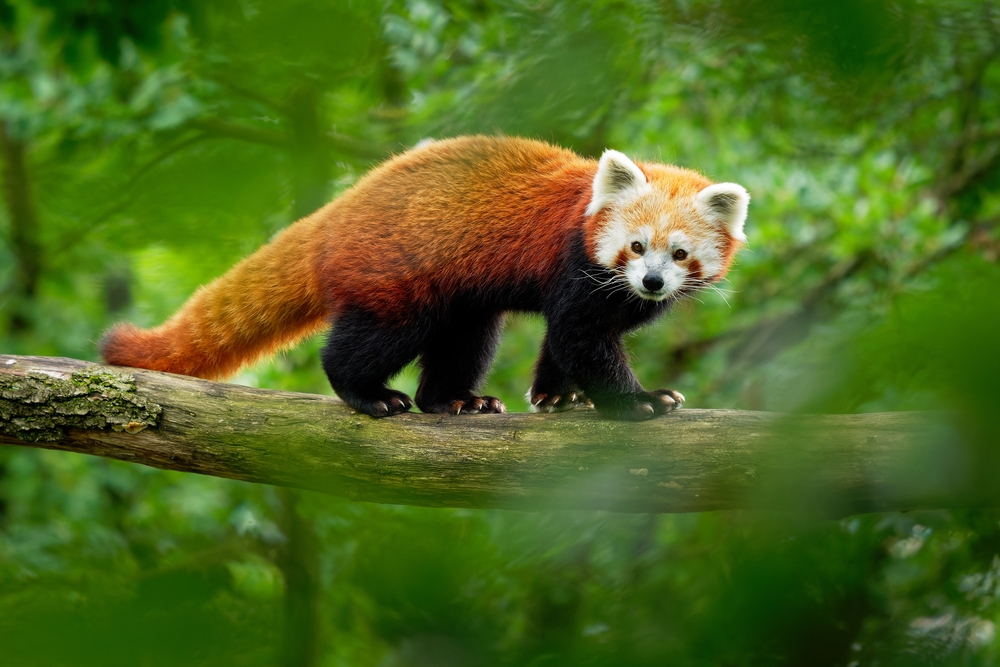
Red Panda
The elusive and adorable red panda inhabits the temperate forests of Phrumsengla, where bamboo thickets provide its primary food source. Known for its reddish-brown fur and bushy tail, this species is a favorite among wildlife enthusiasts.

Himalayan Musk Deer
This small, shy deer is famous for the musk gland in males, a highly prized feature in perfumery. Found in the park’s alpine and subalpine regions, it is well-adapted to cold climates.

Snow Leopard
This magnificent predator roams the high-altitude zones of Phrumsengla National Park. With its thick fur and long tail, the snow leopard thrives in the rugged, snowy terrain of the park.

Golden Langur
A primate species revered in Bhutan, the golden langur is easily recognizable by its bright golden-yellow coat and graceful movements. It is often seen in the park’s broadleaf forests.

Clouded Leopard
The clouded leopard is a stealthy and secretive predator known for its strikingly patterned coat. It inhabits the dense forests of Phrumsengla and is a critical species in the park’s ecosystem.

Yellow-Throated Marten
This agile carnivore is noted for its vibrant yellow throat and chest. A skilled climber, it is often seen darting through trees in search of food.

Bengal Tiger
Though rare, the Bengal tiger occasionally traverses the park’s dense forests. As a top predator, its presence signifies the health of the ecosystem.

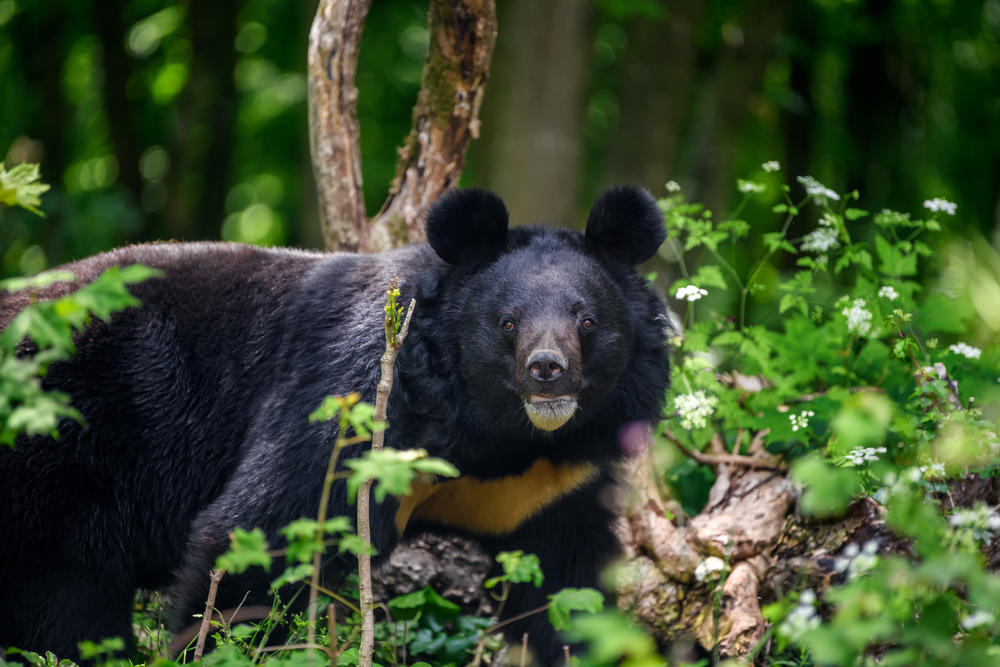
Himalayan Black Bear
With its characteristic white chest mark, the Himalayan black bear is a frequent inhabitant of the park’s mid-altitude forests. It is omnivorous, feeding on fruits, insects, and small mammals.

Sambar Deer
This large deer species is commonly found grazing in the park’s meadows and forest edges. Its imposing antlers make it a standout among Bhutan’s wildlife.

Asiatic Golden Cat
A medium-sized wild cat with a wide variety of coat colors, from golden to reddish-brown. It is elusive but known to inhabit the dense forests of the park.

Birds

Birds

Phrumsengla National Park is also a paradise for bird lovers, hosting a plethora of colorful and rare avian species. Here are some of the most popular bird species found in the park:

Satyr Tragopan
This brightly colored pheasant is a prized sighting in the park. The males are especially stunning, with their red plumage and intricate patterns.

Himalayan Monal
Known as Bhutan’s national bird, the Himalayan monal dazzles with its iridescent, multicolored feathers. It inhabits the park’s higher altitudes.

Blood Pheasant
A striking bird named for the red streaks on its feathers, the blood pheasant is commonly seen in the park’s subalpine areas.

Ward’s Trogon
A rare and vibrant bird, the male Ward’s trogon boasts crimson plumage and striking green upperparts. It is one of Bhutan’s most sought-after species.

Rufous-Necked Hornbill
This large, striking bird with its curved beak and rufous neck is frequently found in the park’s forests, playing a crucial role in seed dispersal.

Black-Throated Parrotbill
A small, gregarious bird with distinctive black and yellow markings, often seen foraging in flocks among bamboo thickets.

White-Browed Fulvetta
A charming songbird with a subtle white brow and buff-colored plumage, commonly found in mixed-species flocks in the park’s forests.

Spotted Laughingthrush
A melodious bird with spotted plumage and a cheerful call, often seen darting between shrubs and trees.

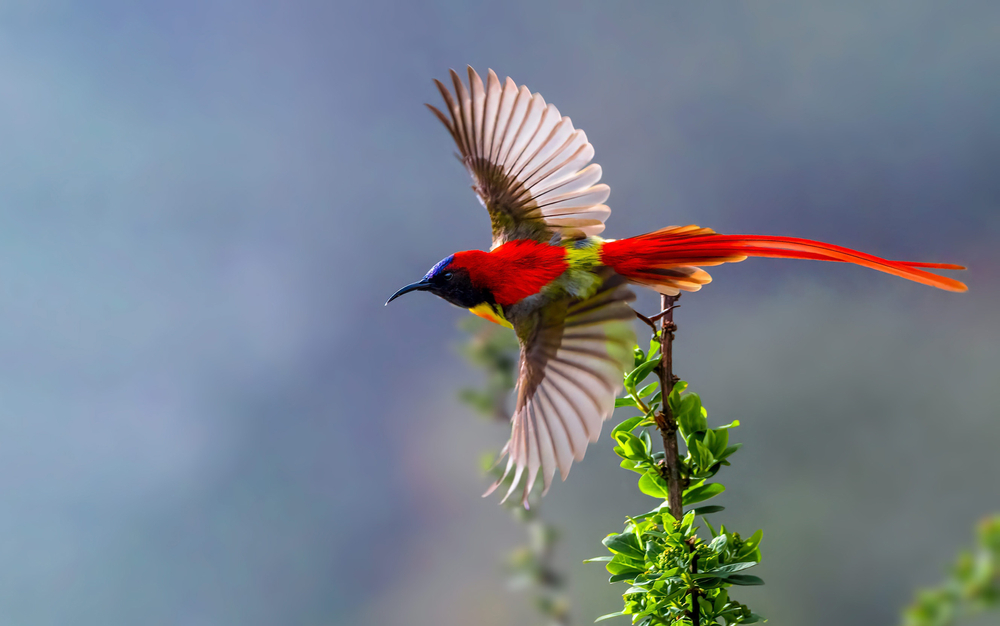
Fire-Tailed Myzornis
A jewel-like bird with green plumage and a fiery red tail, it thrives in the rhododendron forests of Phrumsengla.

Collared Owlet
A tiny owl species with bold, striking eyespots on the back of its head, it is an active and vocal predator in the park’s forests.

Things To Do

Engaging Phrumsengla National Park
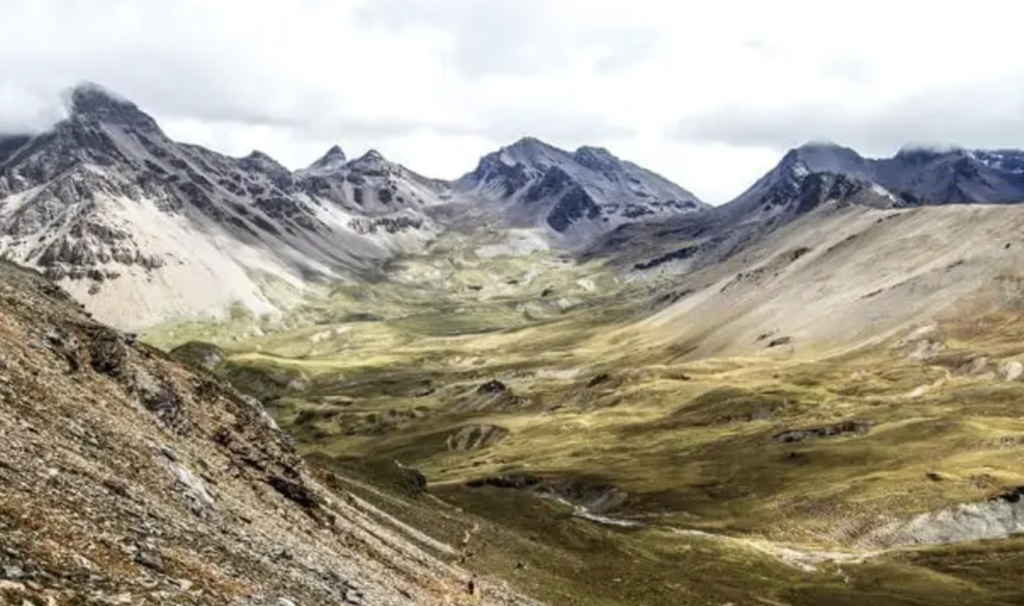
Trekking

Phrumsengla National Park is renowned for its scenic trekking opportunities, particularly the Rodung La Trail, which offers a journey through Bhutan’s rich biodiversity and cultural heritage. This multi-day trek passes through dense forests, picturesque valleys, and traditional villages, providing trekkers with a comprehensive experience of the park’s natural and cultural landscapes.

Along the trail, visitors encounter a variety of flora, including rhododendrons and rare medicinal plants, as well as wildlife such as Himalayan black bears and red pandas. The trail also connects ancient trade routes, allowing trekkers to immerse themselves in the history of Bhutanese communities.

Guided treks enhance the experience by offering detailed insights into the park’s ecosystems and cultural landmarks. Trekking the Rodung La Trail is both an adventure and a journey into Bhutan’s harmonious balance between nature and tradition.

Birdwatching

Phrumsengla National Park’s dense forests and high-altitude habitats make it a haven for birdwatchers. The park is home to over 300 bird species, including the beautiful satyr tragopan, fire-tailed sunbird, and blood pheasant.

Guided birdwatching tours take visitors to key birding hotspots, where they can observe these species in their natural habitats. Early morning tours are particularly rewarding, with guides sharing knowledge about bird behavior, migratory patterns, and the ecological significance of the park as a refuge for endangered species.

Birdwatching in Phrumsengla is a serene and educational activity that highlights the park’s role in preserving Bhutan’s rich avian biodiversity.

placeholder

Cultural Heritage

The traditional villages within Phrumsengla National Park offer visitors a unique opportunity to experience Bhutanese culture firsthand. Guided tours to villages such as Ura and Lingmethang allow visitors to engage with local communities, participate in traditional farming practices, and learn about Bhutan’s unique cultural heritage.

Visitors can also witness traditional architecture, weaving techniques, and festivals that reflect the deep connection between the people and their environment. These cultural experiences provide a meaningful complement to the park’s natural attractions, showcasing how Bhutanese traditions are intrinsically linked to the preservation of their surrounding landscapes.

Exploring these villages offers a deeper understanding of the park’s cultural significance and Bhutan’s sustainable way of life.