About

Absheron National Park (Azerbaijani: Abşeron Milli Parkı) is located on the Absheron Peninsula along the western shore of the Caspian Sea in Azerbaijan. Established in 2005, the park covers approximately 30 square miles (78 sq km) and protects a unique coastal ecosystem characterized by semi-desert landscapes, sand dunes, wetlands, and Caspian shoreline habitats.

Situated about 40 miles (65 km) southeast of Baku, the national park was created from the former Absheron State Nature Reserve, which had protected wildlife in the area since 1969. Despite its relatively small size, the park plays a critical role in conserving biodiversity along the Caspian coast.

The park is best known for its populations of Caspian seals and migratory birds. Visitors are attracted by opportunities to observe wildlife in one of Azerbaijan’s most accessible protected areas. The coastal setting provides scenic views of the Caspian Sea, while wetlands and lagoons support a variety of bird species throughout the year.

Nature observation, photography, and birdwatching are among the park’s most popular activities. The combination of marine and terrestrial ecosystems makes Absheron National Park a unique destination where visitors can experience the diverse natural heritage of the Caspian region.

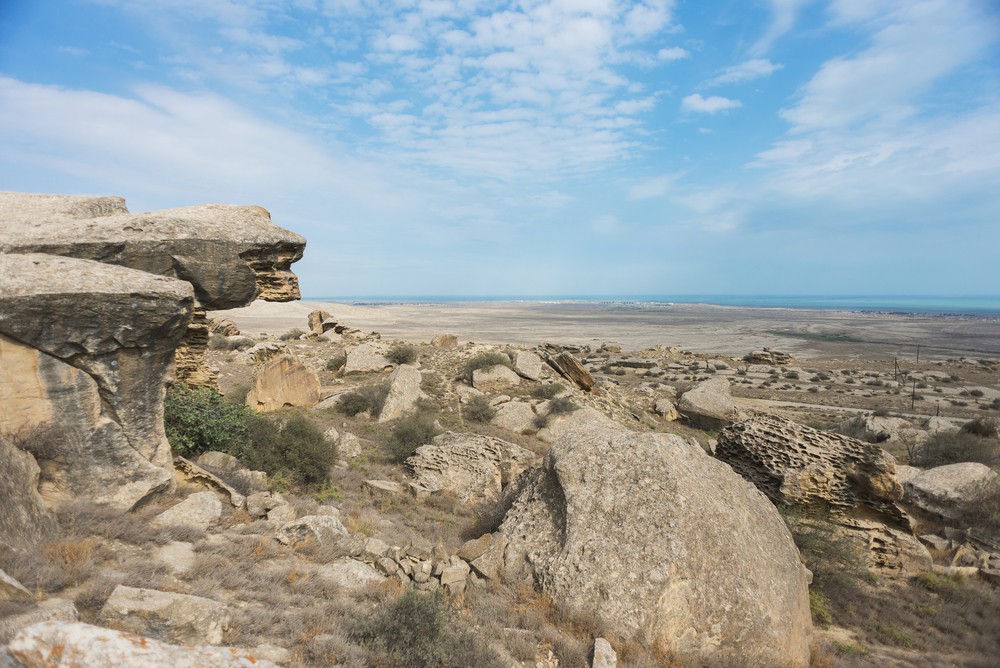
Geographically, Absheron National Park occupies the southeastern tip of the Absheron Peninsula. The landscape is dominated by sandy beaches, coastal dunes, saline wetlands, semi-desert plains, and shallow marine waters. The region experiences a dry climate with hot summers, mild winters, and relatively low annual rainfall. Vegetation consists primarily of salt-tolerant shrubs, grasses, and other plants adapted to arid coastal conditions. These habitats provide essential refuge for wildlife while helping stabilize fragile coastal ecosystems along the Caspian shoreline.

Wildlife is the primary conservation focus of Absheron National Park. The endangered Caspian seal, the only marine mammal native to the Caspian Sea, is one of the park’s most iconic species. The park also supports populations of goitered gazelles, foxes, jackals, hares, and numerous small mammals.

Birdlife is particularly rich, especially during migration seasons. Flamingos, swans, ducks, herons, egrets, cormorants, gulls, and various shorebirds utilize the park’s wetlands and coastal habitats. The surrounding marine environment supports diverse fish populations and contributes to the ecological importance of the area.

Absheron National Park plays a vital role in protecting one of the most important coastal ecosystems along the Caspian Sea. The park safeguards habitat for endangered Caspian seals, preserves critical stopover sites for migratory birds, and helps maintain ecological balance in a region facing increasing development pressures.

Its conservation significance is often compared to coastal reserves such as Kızıl Ağaç National Park and Donana National Park because of its importance for migratory birds and wetland conservation. Through its coastal habitats, marine wildlife, bird populations, and conservation value, Absheron National Park stands as one of Azerbaijan’s most important protected areas and a vital sanctuary for the biodiversity of the Caspian Sea region.

Things to See
Popular

Popular

Absheron National Park, located on the Absheron Peninsula in Azerbaijan, is renowned for its unique ecosystems, particularly its semi-arid landscape and coastal habitats. Although limited wildlife encounters, the park is home to a variety of species that visit this distinctive environment.

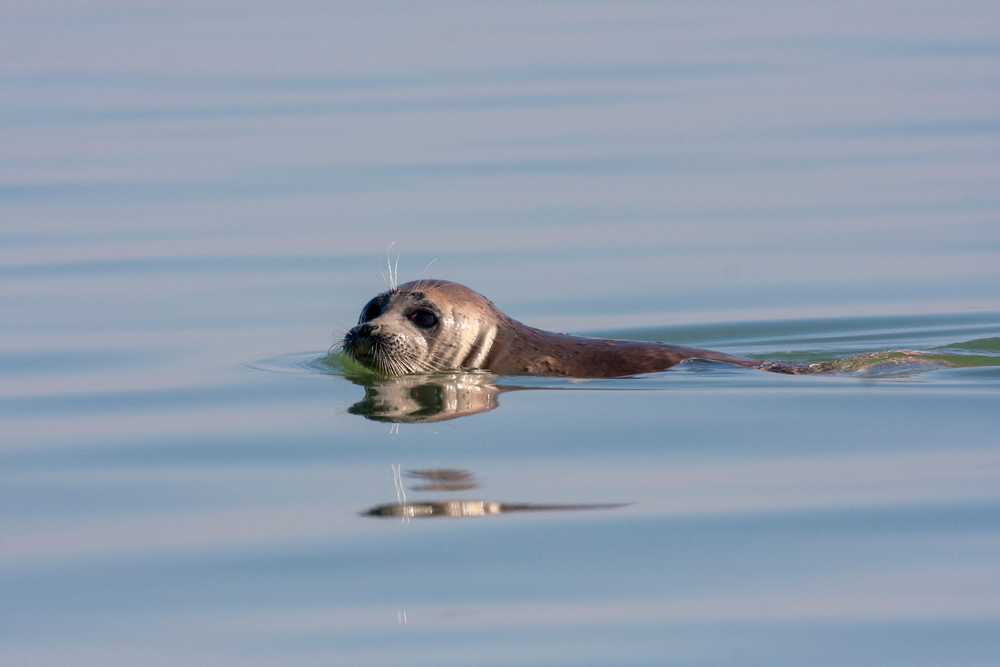
Caspian Seal
The Caspian Seal, one of the smallest seal species in the world, is endemic to the Caspian Sea. It is a marine mammal known for its silvery-grey coat and preference for resting on sandy shores and rocky coastlines.

Caspian Turtle
This semi-aquatic turtle is often found in the park’s coastal wetlands. Its distinctive shell and ability to adapt to both marine and freshwater environments make it a vital part of the local ecosystem.

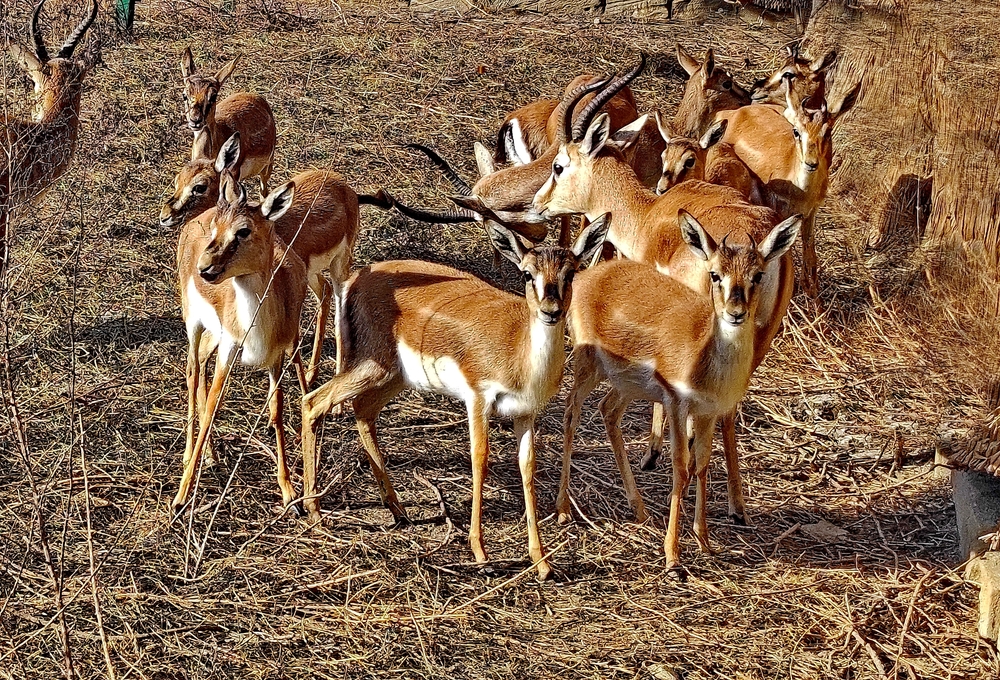
Goitered Gazelle
An emblematic species of the park, the Goitered Gazelle, is a graceful antelope known for its slender build and remarkable speed, adapted to the arid desert and steppe conditions of the region.

Wild Boar
Wild Boars are robust mammals that roam the park’s rugged terrain. They play a crucial role in maintaining the ecosystem by foraging and aerating the soil.

Caspian Desert Monitor
This large lizard species, characterized by its long body and robust tail, is a master of camouflage and a key predator in the park’s arid habitat.

Steppe Viper
This venomous snake, often seen in the park’s grasslands and rocky areas, is notable for its striking patterns and ability to regulate rodent populations.

Marbled Polecat
A small, carnivorous mammal, the Marbled Polecat is recognized for its unique fur pattern and its role as a predator of insects and small rodents.

Sand Cat
The Sand Cat, a rare and secretive feline, is perfectly adapted to the arid conditions of the park with its sandy-colored fur and excellent hunting skills.

Caspian Shrew
This small insectivorous mammal plays a crucial role in controlling insect populations in the park. Its fast metabolism and high activity levels make it a vital part of the ecosystem.

Birds

Birds

Absheron National Park is also a haven for bird enthusiasts, with its wetlands and coastal areas attracting an array of remarkable avian species. The park serves as an essential stopover for migratory birds and provides habitat for many native species.

Flamingo
These striking birds are known for their bright pink plumage and long legs, often seen wading in shallow waters in search of food.

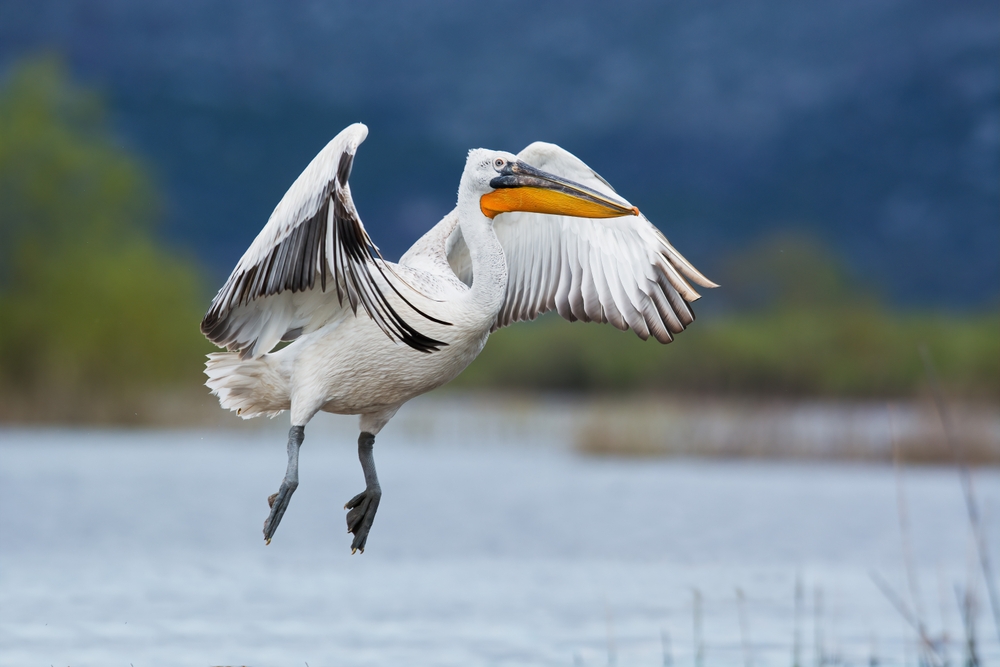
Dalmatian Pelican
One of the largest flying birds, the Dalmatian Pelican is distinguished by its massive wingspan and characteristic white plumage.

Eurasian Spoonbill
This elegant bird, with its unique spoon-shaped bill, is commonly found in the wetlands of the park, where it feeds on small aquatic creatures.

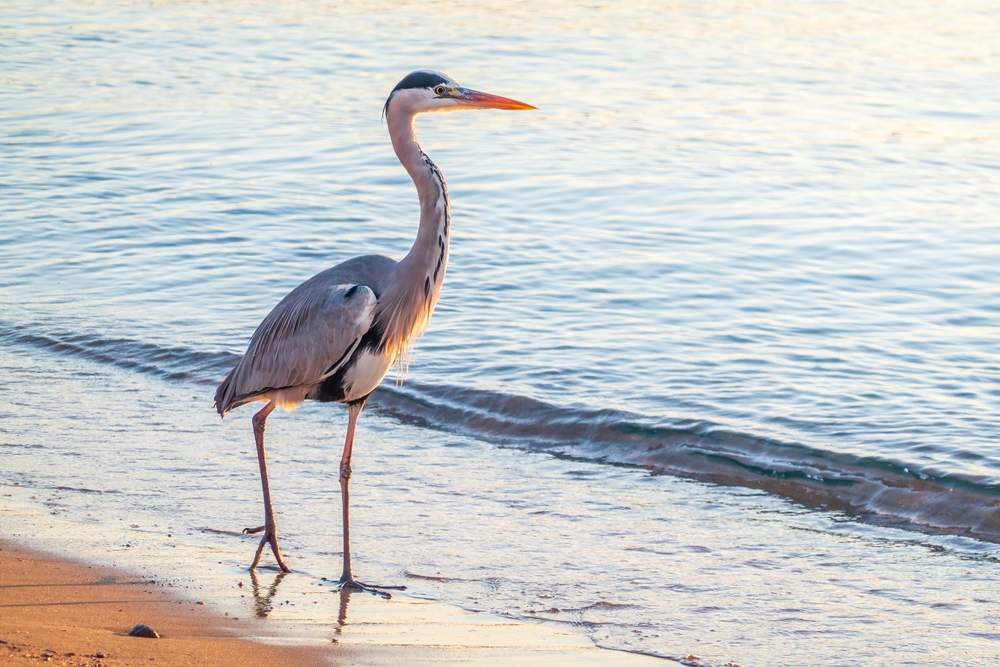
Grey Heron
The Grey Heron is a tall, wading bird with a long neck and sharp beak, often seen patiently stalking its prey in the park’s water bodies.

Pied Avocet
Recognized by its black-and-white plumage and upturned bill, the Pied Avocet thrives in the shallow waters of the park’s wetlands.

Greater Flamingo
The Greater Flamingo, the largest of its kind, graces the park with its pale pink feathers and graceful movements while foraging in saline lagoons.

Black-winged Stilt
This slender bird, with long pink legs and contrasting black-and-white plumage, frequents the park’s coastal marshes.

Little Egret
The Little Egret is a small, white heron known for its elegant appearance and active foraging behavior in the park’s wetlands.

White-tailed Eagle
This majestic bird of prey, with its impressive wingspan and distinctive white tail feathers, often patrols the park’s coastal areas.

Common Crane
A large migratory bird, the Common Crane is notable for its elegant flight and trumpet-like calls, often seen in the park during seasonal migrations.

Things To Do

Engaging Absheron National Park
Hiking

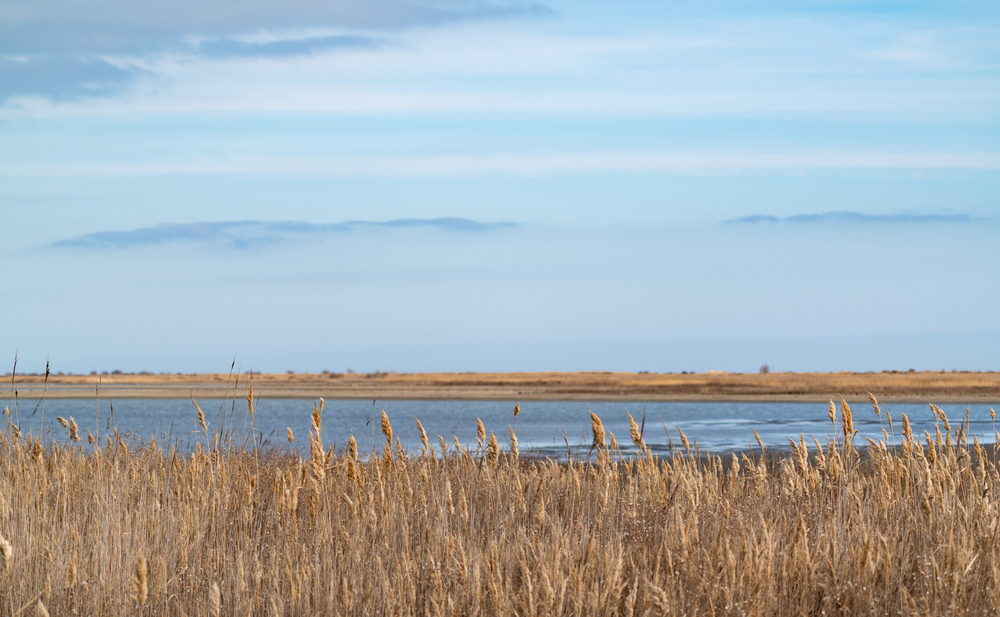
The diverse landscapes of Absheron National Park, from rolling sand dunes to open plains, make it an excellent destination for hiking and nature photography. Guided hikes take visitors through the park’s most scenic routes, offering opportunities to observe wildlife, unique flora, and striking geological features.

The park’s semi-desert terrain provides dramatic backdrops for photography, particularly during sunrise and sunset, when the lighting enhances the natural beauty. Nature photography tours are often combined with educational elements, allowing participants to learn about the region’s ecology while capturing its stunning landscapes.

Hiking and photography in Absheron offer a blend of adventure and creativity, providing visitors with lasting memories and a deeper appreciation for the park’s natural heritage.

Coastal Exploration

The coastal zones of Absheron National Park offer visitors a chance to explore unique ecosystems, including sandy beaches and salt marshes. These areas are vital habitats for migratory and resident bird species, making the park a paradise for birdwatching enthusiasts.

Guided birdwatching tours focus on spotting species such as flamingos, herons, and plovers, which thrive in the wetlands and along the Caspian Sea shoreline.

Visitors learn about the ecological importance of these coastal habitats and the role they play in supporting avian biodiversity. Birdwatching tours are often conducted during early mornings and late afternoons, offering optimal conditions for sightings and a serene connection to nature.

Wildlife Observation

Absheron National Park is renowned for its thriving population of gazelles, making wildlife observation a primary attraction for visitors. The park’s semi-arid landscapes provide an ideal habitat for these elegant creatures, which can often be spotted grazing in open areas or moving gracefully across the terrain.

Guided tours offer the best opportunities to observe gazelles up close while learning about their behavior, diet, and role in the park’s ecosystem. Alongside gazelles, visitors may encounter other wildlife such as jackals, foxes, and hares, adding to the richness of the experience.

Guides provide valuable insights into the park’s conservation efforts to protect these species and maintain the ecological balance. Wildlife observation in Absheron is a peaceful and rewarding activity that highlights the park’s biodiversity and its significance as a protected area.