About

Pongara National Park, locally known as “Parc National de Pongara”, is one of Gabon’s most accessible and ecologically diverse national parks. Situated near the capital city of Libreville, it spans approximately 870 square kilometers (336 square miles) and encompasses a remarkable variety of landscapes, including mangroves, savannas, coastal forests, and pristine beaches. This proximity to urban centers makes Pongara a popular destination for both residents and tourists seeking to explore Gabon’s natural beauty.

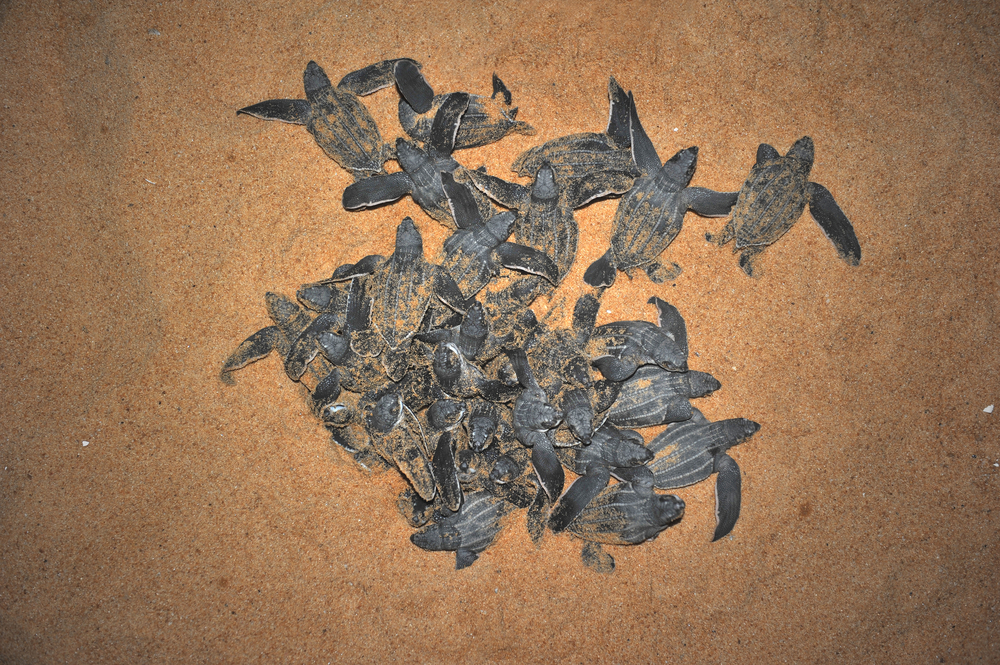
The terrain of Pongara National Park is a unique blend of coastal and terrestrial ecosystems. Its sandy beaches along the Atlantic Ocean are fringed by mangrove forests, which transition into grassy savannas and dense tropical rainforests further inland. This mosaic of habitats supports a wide range of plant and animal species, making the park a hotspot for biodiversity. The coastal areas are particularly important for their role as nesting grounds for sea turtles, including the critically endangered leatherback turtle.

Pongara is a haven for wildlife, offering opportunities to observe species that are iconic to Gabon and the wider Central African region. Forest elephants and buffalo roam the park’s savannas, while primates such as monkeys and chimpanzees inhabit its forests. Birdlife is abundant, with species such as African grey parrots, kingfishers, and flamingos commonly seen. The coastal waters are home to dolphins and occasionally migrating whales, adding a marine dimension to the park’s wildlife offerings.

Visitors to Pongara National Park can engage with its natural wonders through a variety of eco-tourism activities. Guided nature walks and safaris provide opportunities to explore the park’s diverse habitats and observe its wildlife. Turtle-watching tours during the nesting season are a highlight, offering a rare chance to witness these majestic creatures in their natural environment. The park’s proximity to Libreville also makes it an ideal location for day trips, offering a peaceful escape from the bustling city.

Conservation efforts in Pongara face challenges such as habitat degradation, poaching, and the impact of human activities. Coastal erosion and pollution, particularly from nearby urban areas, pose significant threats to the park’s ecosystems. Gabon’s National Parks Agency, along with international conservation organizations, is actively working to mitigate these challenges. Initiatives include anti-poaching patrols, habitat restoration projects, and community outreach programs aimed at promoting sustainable practices and eco-tourism.

Pongara National Park is a vital part of Gabon’s natural heritage, blending accessibility with ecological importance. Its diverse landscapes and abundant wildlife make it a valuable resource for conservation and a rewarding destination for eco-tourism. Continued efforts to address conservation challenges and engage local communities will ensure that Pongara remains a sanctuary for its remarkable biodiversity and a source of inspiration for visitors.

Things to See
Popular

Popular

Pongara National Park, situated along Gabon’s coast, is a diverse ecosystem of mangroves, savannahs, and rainforests, offering sanctuary to an extraordinary array of terrestrial and marine wildlife.

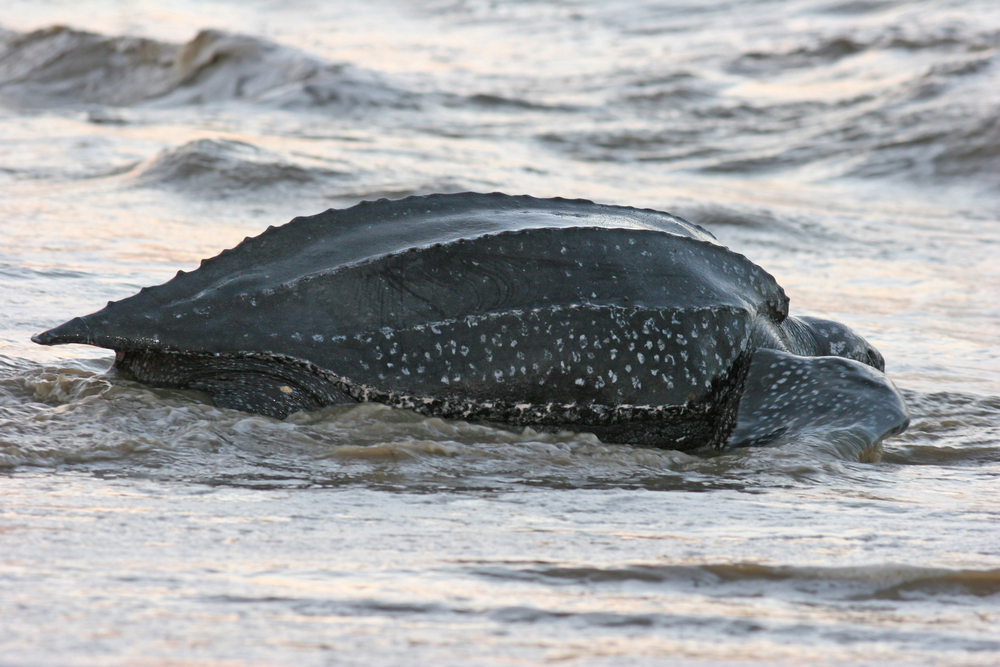
Leatherback Turtle (Dermochelys coriacea)
This critically endangered marine turtle uses Pongara’s beaches as nesting sites, playing a vital role in the park’s ecological importance for marine conservation.

Forest Elephant (Loxodonta cyclotis)
Roaming the park’s rainforests and savannahs, these elephants contribute to the ecosystem by shaping vegetation and dispersing seeds.

Central Chimpanzee (Pan troglodytes troglodytes)
Highly intelligent and social, chimpanzees inhabit Pongara’s forests, where they play a key role in seed dispersal and ecosystem balance.

Red River Hog (Potamochoerus porcus)
With its vibrant red coat, this foraging mammal aerates the soil and aids in nutrient cycling by consuming a wide variety of fruits and roots.

Atlantic Humpback Dolphin (Sousa teuszii)
This rare dolphin species is occasionally seen along Pongara’s coastline, emphasizing the park’s importance for marine biodiversity.

Giant Pangolin (Smutsia gigantea)
A rare and elusive mammal, the giant pangolin contributes to pest control by feeding on ants and termites, while its burrowing aids soil health.

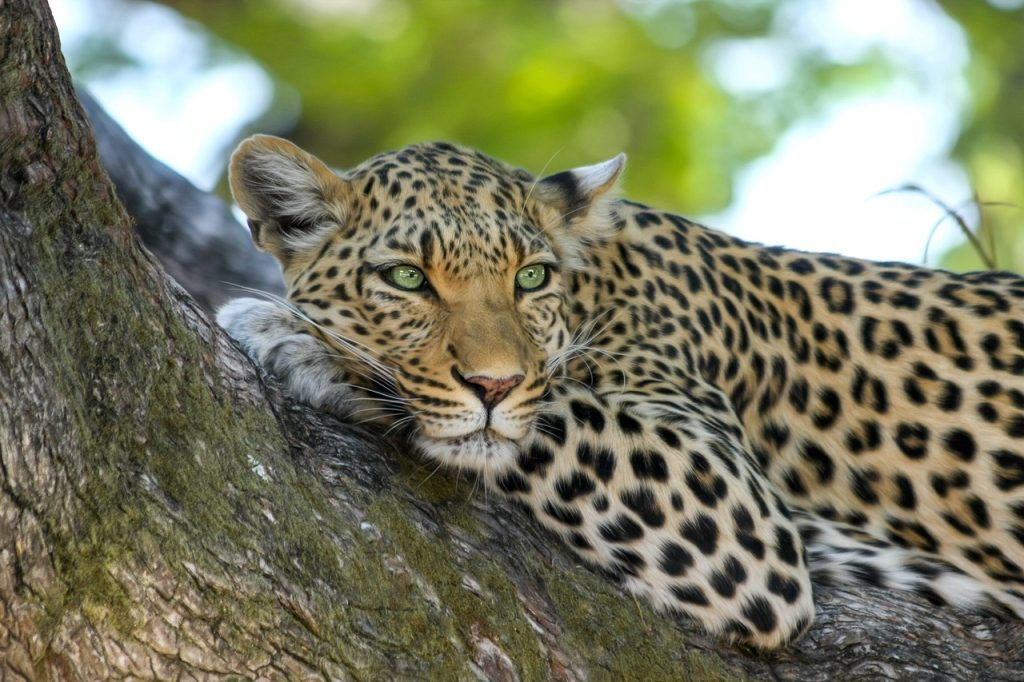
Leopard (Panthera pardus)
A stealthy predator, the leopard helps maintain the park’s ecological balance by regulating populations of herbivores.

Blue Duiker (Philantomba monticola)
A small, forest-dwelling antelope, the blue duiker feeds on fallen fruits, playing an essential role in seed dispersal.

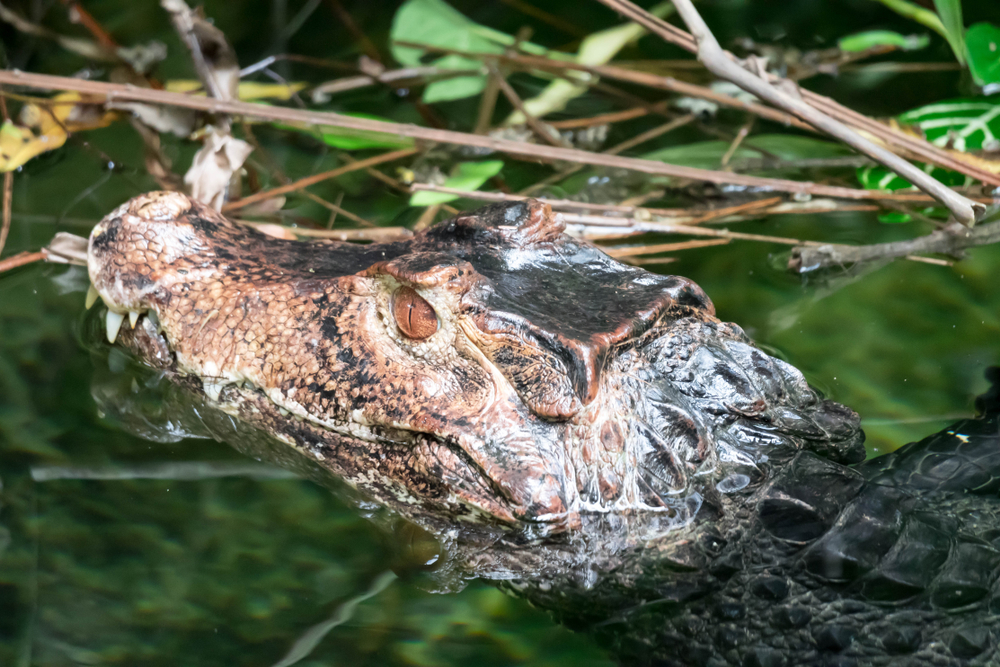
Dwarf Crocodile (Osteolaemus tetraspis)
This small crocodile inhabits the park’s rivers and wetlands, preying on fish and small mammals while supporting aquatic ecosystem health.

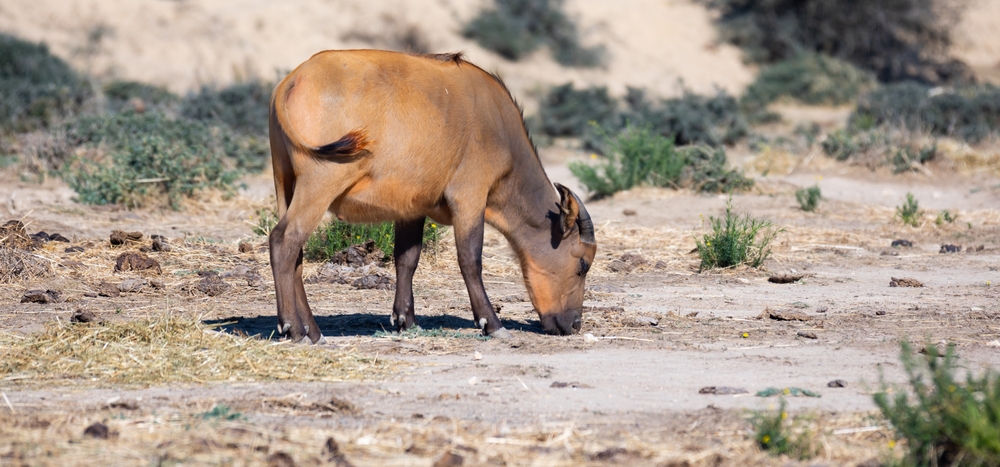
Forest Buffalo (Syncerus caffer nanus)
This smaller buffalo species grazes in the park’s open savannahs, aiding in vegetation control and serving as prey for predators like leopards.

Birds

Birds

Pongara National Park is renowned for its avian diversity, with its combination of coastal and forested habitats offering refuge to numerous bird species, both migratory and resident.

African Fish Eagle (Haliaeetus vocifer)
A majestic bird often seen along Pongara’s waterways, it hunts fish and contributes to the aquatic ecosystem’s balance.

Grey Parrot (Psittacus erithacus)
This intelligent and charismatic species thrives in the park’s forests, playing a critical role in seed dispersal and forest regeneration.

Yellow-Casqued Hornbill (Ceratogymna elata)
A key seed disperser, this large hornbill inhabits the park’s dense forest canopies.

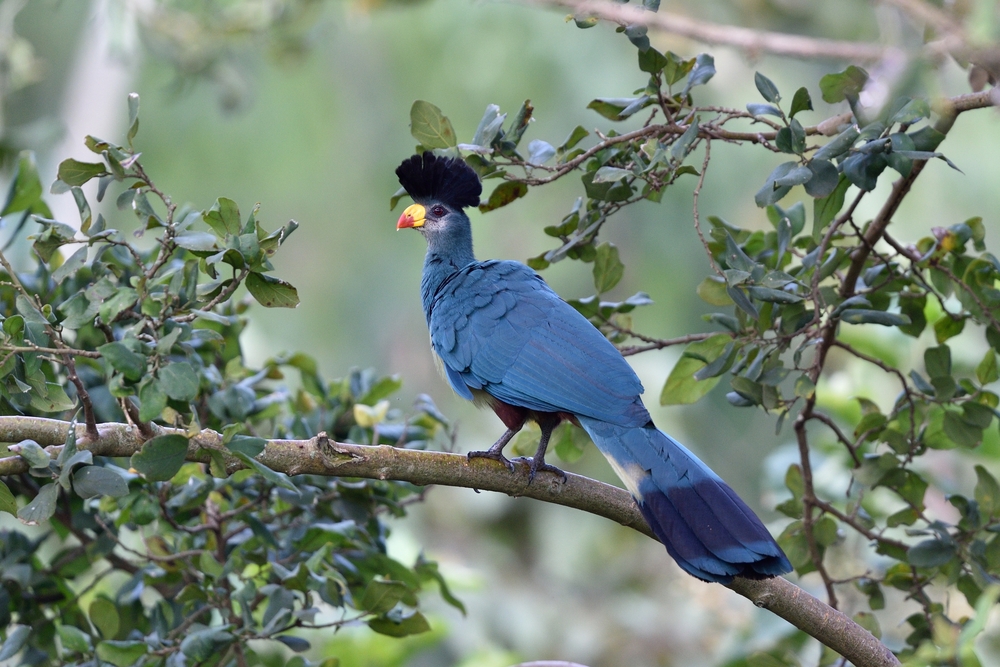
Great Blue Turaco (Corythaeola cristata)
This colorful bird is a highlight for birdwatchers and plays a significant role in seed dispersal within the park’s ecosystems.

Royal Tern (Thalasseus maximus)
Seen along the park’s coastline, this seabird dives for fish, contributing to the marine food web.

Western Reef Heron (Egretta gularis)
This adaptable heron thrives in Pongara’s tidal flats, feeding on small aquatic organisms and maintaining wetland health.

Osprey (Pandion haliaetus)
A migratory raptor, the osprey is commonly seen patrolling the park’s rivers, hunting for fish.

Black-Casqued Hornbill (Ceratogymna atrata)
This hornbill is essential for forest health, dispersing seeds across Pongara’s dense rainforest.

Blue-Breasted Kingfisher (Halcyon malimbica)
This vibrant bird inhabits Pongara’s waterways, preying on fish and small crustaceans while supporting aquatic ecosystems.

White-Backed Night Heron (Gorsachius leuconotus)
This nocturnal bird is often seen near the park’s mangroves, feeding on fish and amphibians, contributing to wetland balance.

Things To Do

Engaging Pongara National Park
Turtle Nesting

Turtle Nesting

Boat Tours

Boat Tours

Safaris

Safaris