About

Mbéré Valley National Park, locally known as “Parc National de la Vallée du Mbéré”, is a remarkable conservation area situated in the Adamawa Region of Cameroon. Established in 2004, the park spans approximately 876 square kilometers (338 square miles), encompassing a blend of savanna and wetland ecosystems. The park is a critical component of Cameroon’s biodiversity preservation strategy, providing refuge for a variety of flora and fauna while playing a role in maintaining ecological balance in the region.

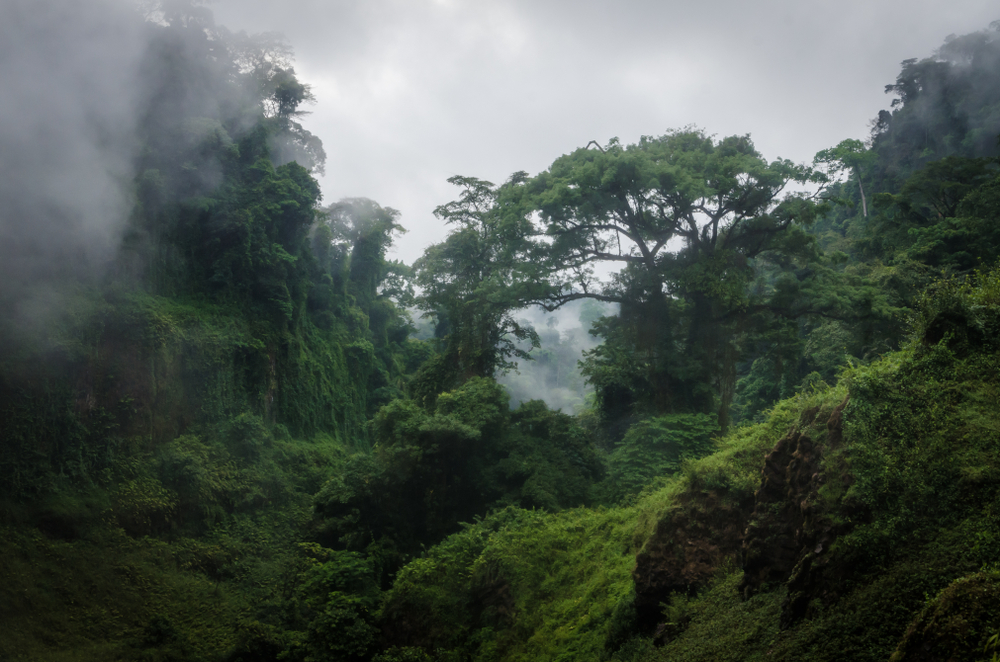
The park’s terrain is characterized by vast grasslands, rolling hills, and wetlands. Seasonal rivers and water bodies dominate the landscape, with the Mbéré River serving as a vital water source for the park’s ecosystems. The vegetation is primarily savanna, with scattered acacia trees, shrubs, and pockets of riparian forests lining the watercourses. The wetlands support lush vegetation, creating habitats for aquatic and semi-aquatic species.

Mbéré Valley National Park is home to diverse wildlife, showcasing the rich biodiversity of the region. Iconic large mammals such as elephants, buffalo, and roan antelopes inhabit the savannas, while primates like patas monkeys and baboons are commonly observed in forested areas. The park is also a birdwatcher’s paradise, with species such as marabou storks, vultures, and African fish eagles thriving in its varied habitats. The wetlands support reptiles like crocodiles and a range of amphibians, adding to the park’s ecological significance.

Visitors to Mbéré Valley National Park can explore its natural beauty through guided safaris, birdwatching tours, and hiking excursions. Game drives across the savannas offer opportunities to spot large mammals in their natural habitats, while the river and wetland areas provide serene settings for observation and photography. Educational programs and community-based tourism initiatives allow visitors to learn about the park’s conservation efforts and the sustainable practices of local communities.

Despite its ecological importance, Mbéré Valley National Park faces significant challenges. Poaching, primarily for bushmeat and ivory, threatens its wildlife populations. Agricultural expansion and overgrazing have led to habitat degradation, while climate change exacerbates the pressures by altering water availability. Human-wildlife conflict also poses an ongoing challenge as communities encroach on the park’s boundaries. Conservation efforts, led by the Cameroonian government and supported by international organizations, focus on anti-poaching patrols, habitat restoration, and community engagement. Promoting eco-tourism is a key strategy to generate income while raising awareness of the park’s value.

Mbéré Valley National Park is a vital part of Cameroon’s natural heritage, offering a haven for biodiversity and an opportunity for sustainable tourism. Its unique landscapes, diverse wildlife, and cultural significance make it an essential area for conservation. Protecting Mbéré Valley ensures the survival of its ecosystems and supports global efforts to preserve the planet’s biodiversity for future generations.

Things to See

Popular

Mbéré Valley National Park, located in Cameroon, is a sanctuary for a wide range of species, blending savannahs and forests to create a diverse and rich habitat for some of Africa’s most iconic wildlife.

African Lion (Panthera leo)
The African lion is a dominant predator in the park, maintaining ecological balance by regulating prey populations in the savannah.

Forest Elephant (Loxodonta cyclotis)
Smaller and more elusive than their savannah relatives, forest elephants contribute to seed dispersal and forest regeneration in the park’s dense woodlands.

Western Lowland Gorilla (Gorilla gorilla gorilla)
These critically endangered primates are integral to the park’s biodiversity, playing a crucial role in dispersing seeds and maintaining forest health.

Central Chimpanzee (Pan troglodytes troglodytes)
Known for their intelligence and complex social behaviors, chimpanzees are a highlight of the park’s rich biodiversity, often observed using tools to forage.

Leopard (Panthera pardus)
This stealthy predator is elusive but plays a significant role in controlling populations of smaller mammals, ensuring ecological balance.

Roan Antelope (Hippotragus equinus)
This robust grazer thrives in the open savannahs of the park, contributing to grassland maintenance and providing prey for large predators.

Blue Duiker (Philantomba monticola)
A small and agile antelope, the blue duiker inhabits the forest undergrowth, feeding on fruits and leaves, aiding in nutrient cycling.

Pangolin (Phataginus tricuspis)
This nocturnal mammal is essential for pest control, feeding on ants and termites and helping to regulate insect populations.

Aardvark (Orycteropus afer)
A solitary and nocturnal insectivore, the aardvark aerates the soil as it digs for ants and termites, benefiting the ecosystem.

Nile Crocodile (Crocodylus niloticus)
Found in the park’s rivers and wetlands, the Nile crocodile is an apex predator that plays a vital role in aquatic ecosystem dynamics.

Birds

Mbéré Valley National Park’s unique blend of savannah and forest habitats creates an ideal environment for an extraordinary variety of bird species, from raptors to waterfowl.

African Fish Eagle (Haliaeetus vocifer)
A majestic raptor, the African fish eagle hunts fish along the park’s rivers and is a symbol of the park’s wild beauty.

Saddle-Billed Stork (Ephippiorhynchus senegalensis)
Known for its striking coloration, this stork frequents the park’s wetlands, hunting fish and amphibians.

Great Blue Turaco (Corythaeola cristata)
A colorful and vocal species, this bird contributes to forest regeneration by dispersing seeds from the fruits it consumes.

Yellow-Casqued Hornbill (Ceratogymna elata)
A large and vibrant canopy dweller, this hornbill aids in seed dispersal and is commonly seen in forested areas.

Northern Carmine Bee-Eater (Merops nubicus)
This vividly colored bird nests along riverbanks and feeds on flying insects, adding dynamic activity to the park’s ecosystems.

Abyssinian Ground Hornbill (Bucorvus abyssinicus)
This large ground-dwelling bird is often seen foraging for small reptiles and insects, contributing to savannah ecosystem health.

Pied Kingfisher (Ceryle rudis)
A small but striking bird, the pied kingfisher is often seen hovering above water before diving to catch fish.

Helmeted Guineafowl (Numida meleagris)
This ground-dwelling bird thrives in the park’s savannahs, foraging for seeds and insects and helping control pest populations.

Palm-Nut Vulture (Gypohierax angolensis)
Often seen near wetlands and palm trees, this vulture feeds on palm fruits and small prey, contributing to ecosystem balance.

Black-Crowned Crane (Balearica pavonina)
A graceful bird found in wetlands, it feeds on seeds, insects, and small aquatic animals, adding elegance to the park’s avian diversity.

Things To Do

Engaging Mbéré Valley National Park

placeholder

Safaris

placeholder

Nature Walks

placeholder

Birdwatching