About

Tankwa Karoo National Park, the park is located in South Africa’s Northern Cape and Western Cape provinces within the vast Tankwa Karoo basin. The park covers approximately 560 square miles (1,450 sq km) and protects one of the country’s most remote and least disturbed semi-desert ecosystems.

Established in 1986, Tankwa Karoo National Park lies between the rugged Cederberg Mountains to the west and the Roggeveld Escarpment to the east. Situated north of Cederberg Wilderness Area and south of Namaqua National Park, the park preserves a landscape of stark beauty, dramatic mountain backdrops, and remarkable biodiversity. Its isolation and vast open spaces make it one of South Africa’s most distinctive wilderness destinations.

Tankwa Karoo National Park is best known for its expansive desert scenery, exceptional stargazing opportunities, and unique Karoo biodiversity. Visitors are drawn to the park’s sense of solitude and the opportunity to experience one of southern Africa’s most pristine arid landscapes.

Unlike traditional safari parks, Tankwa emphasizes scenic exploration, photography, hiking, birdwatching, and immersion in nature. The park’s clear skies and minimal light pollution make it one of the finest locations in South Africa for observing the night sky. Seasonal wildflower displays can also transform portions of the landscape following favorable rainfall, adding bursts of color to the otherwise muted desert environment.

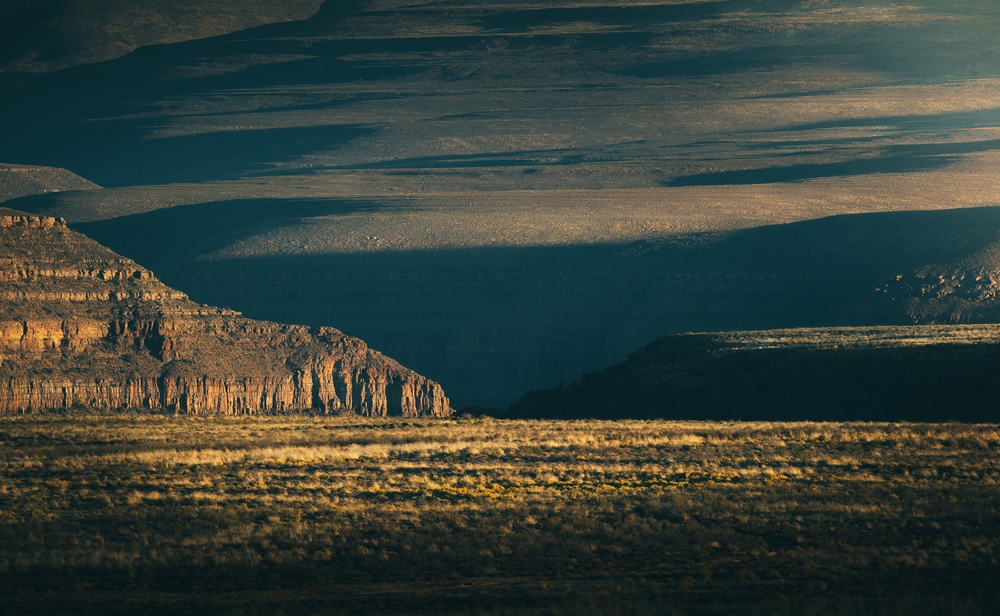
The geography of Tankwa Karoo National Park is characterized by broad gravel plains, dry riverbeds, rocky outcrops, and mountain ranges that frame the basin. The park lies within the Succulent Karoo Biome, one of the world’s richest arid ecosystems and a globally recognized biodiversity hotspot. Rainfall is scarce and highly unpredictable, shaping a landscape adapted to extreme environmental conditions.

Vegetation consists primarily of dwarf succulents, hardy shrubs, grasses, and drought-resistant plants that thrive in nutrient-poor soils. Seasonal rivers occasionally flow through the park after heavy rains, creating temporary wetlands that support wildlife and plant growth. The contrast between barren plains and dramatic mountain scenery gives the park its distinctive character.

Wildlife within Tankwa Karoo National Park is specially adapted to survive in arid conditions. Mammals include gemsbok, springbok, red hartebeest, kudu, steenbok, klipspringer, and Cape mountain zebra. Predators such as caracal, black-backed jackal, bat-eared fox, and aardwolf also inhabit the park, though they are often difficult to observe.

Birdlife is diverse and includes larks, chats, eagles, bustards, and numerous species adapted to semi-desert environments. The park’s rich plant diversity supports a wide variety of insects, reptiles, and pollinators that play essential ecological roles. While wildlife densities are lower than in many savanna parks, the species found here are uniquely suited to one of South Africa’s harshest environments.

Tankwa Karoo National Park plays a critical role in conserving the Succulent Karoo, one of the most biologically diverse arid regions on Earth. The park protects thousands of plant species, many of which occur nowhere else, while preserving ecological processes that sustain life in an environment of limited rainfall.

Its conservation significance is often compared to Namaqua National Park and other protected areas within the Succulent Karoo biome, where extraordinary biodiversity thrives despite challenging climatic conditions. As pressures from climate change and land-use development continue to increase, Tankwa Karoo National Park serves as a vital refuge for rare species and fragile ecosystems. Today, it remains one of South Africa’s most remarkable wilderness areas, offering visitors a rare opportunity to experience the beauty, silence, and resilience of the Karoo.

Things to See

Popular

Tankwa Karoo National Park, situated in the starkly beautiful semi-desert region of South Africa, is known for its unique flora and fauna adapted to survive in this arid landscape. Its open plains and rugged mountains provide sanctuary to a variety of species, many of which are specially evolved for this harsh environment.

Bat-eared Fox (Otocyon megalotis)
The bat-eared fox is well-suited to the arid conditions of the Tankwa Karoo. Its large ears help it detect insects underground, which make up the majority of its diet. It is most active during cooler hours, foraging in the scrublands.

Cape Fox (Vulpes chama)
This small, nocturnal fox has a sleek silver-gray coat and is frequently seen in the park’s open plains. It preys on small mammals, reptiles, and insects and is an agile and resourceful hunter.

Aardvark (Orycteropus afer)
Aardvarks are nocturnal mammals that feed almost exclusively on ants and termites. They use their powerful claws to dig into mounds and are an important part of the park’s ecosystem.

Springbok (Antidorcas marsupialis)
Springbok are one of the most iconic species of the Tankwa Karoo, known for their leaping displays. These antelopes graze on shrubs and grasses, thriving in the arid environment.

Gemsbok (Oryx gazella)
With their long, straight horns and striking facial markings, gemsbok are well-adapted to desert life. They feed on grasses, shrubs, and succulents, extracting moisture from their diet.

Cape Mountain Zebra (Equus zebra zebra)
This endangered zebra species roams the park’s rugged terrains. Its narrower stripes and lack of shadow stripes distinguish it from other zebras.

Black-backed Jackal (Canis mesomelas)
A common predator in the Tankwa Karoo, the black-backed jackal hunts small mammals and birds and scavenges carrion. It plays a crucial role in maintaining the park’s ecological balance.

Porcupine (Hystrix africaeaustralis)
Cape porcupines are nocturnal creatures often seen foraging for roots and tubers. Their sharp quills provide excellent defense against predators.

Klipspringer (Oreotragus oreotragus)
This small antelope is adapted to rocky terrains, using its specialized hooves to navigate steep and uneven surfaces. It feeds on shrubs and succulents found in the park.

Rock Hyrax (Procavia capensis)
The rock hyrax inhabits the rocky outcrops of Tankwa Karoo, feeding on grasses and leaves. Despite its small size, it is closely related to elephants.

Birds

Tankwa Karoo National Park is a birdwatcher’s paradise, known for its abundance of endemic and desert-adapted bird species. Its open plains, rocky outcrops, and water sources create diverse habitats that attract both resident and migratory birds.

Karoo Korhaan (Eupodotis vigorsii)
This ground-dwelling bird is well-adapted to the Tankwa’s arid conditions, feeding on seeds and insects and blending seamlessly with the scrubland.

Namaqua Sandgrouse (Pterocles namaqua)
Known for its ability to carry water in its feathers, this bird frequents the park’s waterholes and feeds on seeds.

Pale Chanting Goshawk (Melierax canorus)
This medium-sized raptor hunts small mammals, reptiles, and insects, often seen perched on low shrubs in the park’s open areas.

Lark-like Bunting (Emberiza impetuani)
A common sight in the Tankwa, this small bird forages for seeds and insects in the park’s open plains.

Black-headed Canary (Serinus alario)
This striking canary is a frequent resident of the park’s dry grasslands, feeding on seeds and small insects.

Verreaux’s Eagle (Aquila verreauxii)
Often seen soaring over the park’s rocky cliffs, this eagle preys on rock hyraxes and small mammals.

Cape Sparrow (Passer melanurus)
This social bird is often seen foraging in groups, feeding on seeds and small grains in the park’s open areas.

Namaqua Dove (Oena capensis)
This small, elegant dove is commonly found near water sources, feeding on seeds and insects.

Greater Kestrel (Falco rupicoloides)
A frequent sight in the park, this raptor hunts rodents, reptiles, and large insects in the open plains.

Double-banded Courser (Rhinoptilus africanus)
This ground-dwelling bird is well-camouflaged in the Tankwa’s arid scrublands, feeding on insects and small invertebrates.

Things To Do

Engaging Tankwa Karoo National Park

placeholder

Scenic Drives

One of the most popular ways to engage with Tankwa Karoo National Park is by embarking on scenic drives through its vast, rugged landscapes. The park’s well-maintained gravel roads meander through open plains, dramatic mountain ranges, and unique geological formations, offering visitors a chance to immerse themselves in the stark beauty of the Karoo.

Along the way, visitors can encounter iconic wildlife such as springbok, bat-eared foxes, and gemsbok, as well as smaller creatures like lizards and insects adapted to the arid conditions. The changing hues of the landscape, particularly during sunrise and sunset, create stunning photo opportunities.

Scenic drives also provide access to remote areas of the park, where the silence and solitude are unmatched, making them ideal for those seeking a peaceful retreat in nature.

placeholder

Hiking

For those who prefer a closer connection to the landscape, hiking and walking trails provide an excellent way to explore Tankwa Karoo National Park. These trails take visitors through a variety of terrains, from rolling plains to rocky outcrops, revealing the park’s hidden gems.

Hikers can observe unique desert flora, including hardy succulents and rare endemic plants, as well as wildlife such as klipspringers and rock hyraxes. Guided walks are available for those interested in learning more about the park’s ecosystems, geology, and cultural history.

Whether you’re spotting wildlife tracks, identifying desert plants, or simply soaking in the tranquil atmosphere, hiking offers an intimate and enriching way to experience the Tankwa Karoo’s diverse beauty.

placeholder

Stargazing

Tankwa Karoo National Park is renowned for its exceptional night skies, earning its designation as a prime stargazing destination. The park’s remote location and lack of light pollution provide unparalleled views of the stars, constellations, and even the Milky Way.

Visitors can enjoy stargazing sessions with telescopes or binoculars, or simply lie back and marvel at the vast celestial expanse. For astronomy enthusiasts, Tankwa is particularly rewarding during meteor showers or clear winter nights when visibility is at its peak.

Some areas in the park offer designated stargazing spots, enhancing the experience further. Stargazing at Tankwa Karoo offers a profound connection to the cosmos and is a must-do activity for visitors.