

About
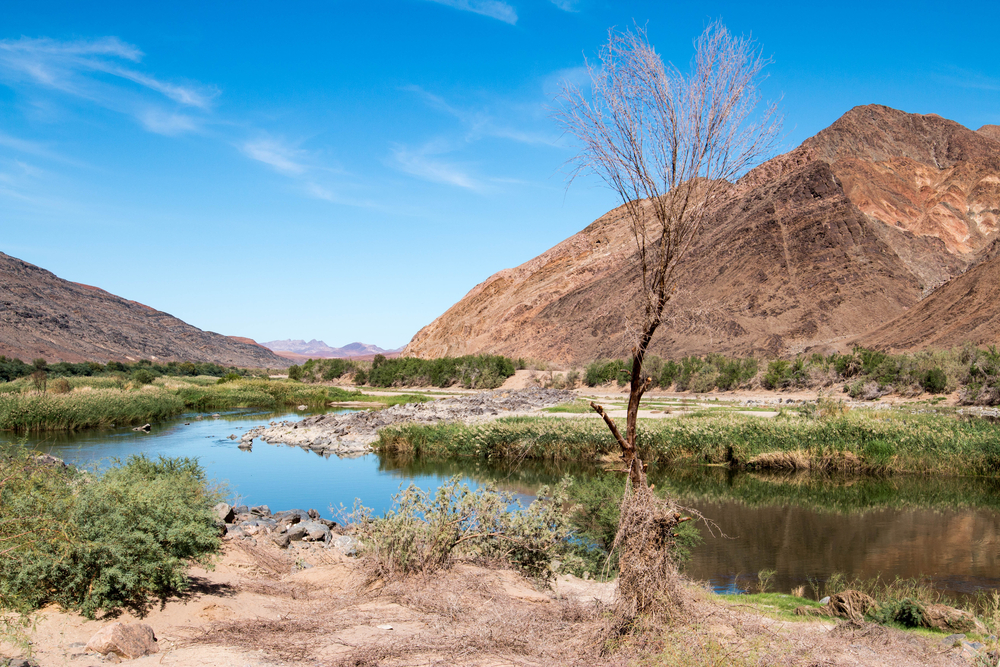
ǀAi-ǀAis/Richtersveld Transfrontier Park is located along the lower Orange River on the border between South Africa and Namibia. The protected area combines South Africa’s Richtersveld National Park with Namibia’s ǀAi-ǀAis Hot Springs Game Park, creating one of southern Africa’s most remarkable transboundary conservation landscapes.
The transfrontier park covers approximately 2,340 square miles (6,045 sq km) and was officially established in 2003 as the first peace park jointly managed by South Africa and Namibia. Situated north of Namaqua National Park and west of Augrabies Falls National Park, the park protects a rugged desert environment renowned for its dramatic scenery, unique biodiversity, and cultural significance.
ǀAi-ǀAis/Richtersveld Transfrontier Park is best known for its extraordinary desert landscapes and the rich cultural heritage of the Nama people. Visitors are drawn to a wilderness characterized by towering mountains, deep river canyons, vast gravel plains, and some of the most remote scenery in Africa.
The Orange River provides opportunities for canoeing and rafting through spectacular desert landscapes, while hiking and four-wheel-drive routes allow visitors to explore the park’s rugged terrain. The park is also famous for its exceptional night skies, geological formations, and traditional pastoral culture. Unlike many African parks centered on large wildlife concentrations, this park offers an experience focused on wilderness, solitude, geology, and desert ecology.
The geography of ǀAi-ǀAis/Richtersveld Transfrontier Park is among the most dramatic in southern Africa. The landscape is dominated by the Richtersveld Mountains, rugged volcanic formations, and the deep canyon carved by the Orange River. Elevations range from river valleys to mountain peaks exceeding 5,600 feet (1,700 meters).
The region experiences extremely low rainfall, with much of its moisture arriving through coastal fog drifting inland from the Atlantic Ocean. These unusual climatic conditions support one of the world’s richest desert plant communities. Rocky slopes, dry riverbeds, desert plains, and isolated valleys create a mosaic of habitats that contribute to the park’s remarkable ecological diversity.
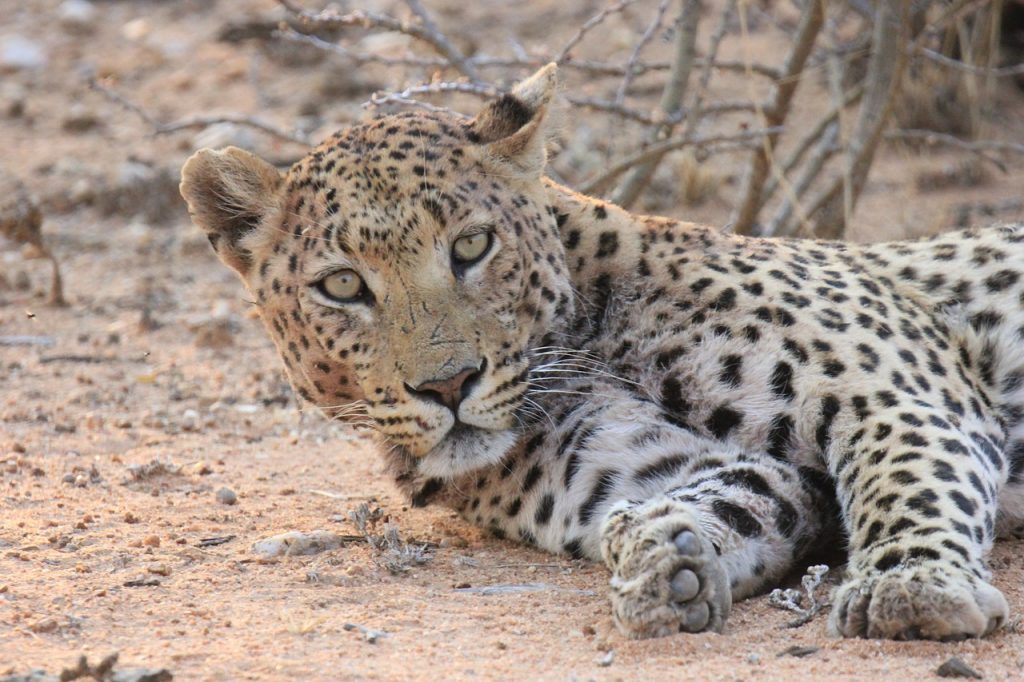
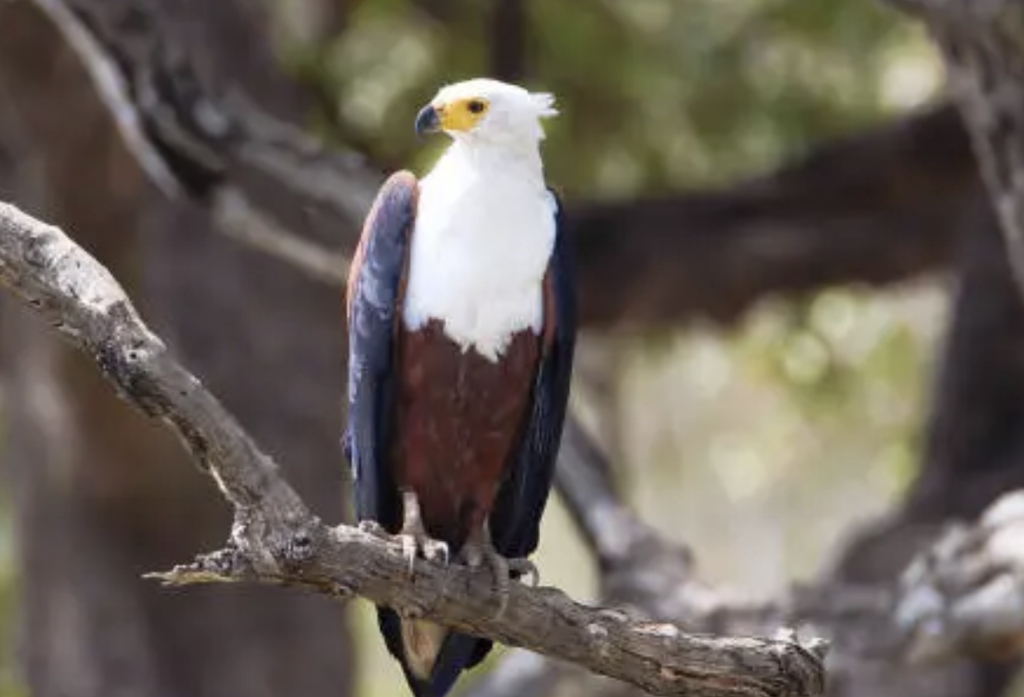
Wildlife within the park is specially adapted to survive in one of Africa’s harshest environments. Mammals include mountain zebra, klipspringer, kudu, steenbok, baboons, leopard, and several smaller desert-adapted species. Although large wildlife populations are less conspicuous than in savanna parks, the region supports a surprisingly rich variety of animals. Birdlife includes Verreaux’s eagles, lanner falcons, rock kestrels, and numerous desert specialists.
However, the park’s greatest biological treasure is its plant diversity. The region forms part of the Succulent Karoo, one of the world’s most important biodiversity hotspots, supporting hundreds of succulent species and many plants found nowhere else on Earth. Quiver trees, halfmens, and rare succulents are among the park’s most iconic botanical features.
ǀAi-ǀAis/Richtersveld Transfrontier Park plays a critical role in conserving one of the planet’s most unique desert ecosystems while promoting international cooperation in conservation. The park protects rare plant communities, fragile desert habitats, and important cultural landscapes maintained by the indigenous Nama people. Its conservation significance is often compared to other globally important desert reserves such as Namib-Naukluft National Park and Death Valley National Park because of its extraordinary geology and biodiversity.
As one of Africa’s pioneering transboundary parks, it also demonstrates how conservation can transcend political boundaries to protect shared natural heritage. Today, ǀAi-ǀAis/Richtersveld Transfrontier Park remains one of southern Africa’s most extraordinary wilderness areas, preserving a landscape of exceptional beauty, ecological importance, and cultural value.
Things to See
Things To Do
ǀAi-ǀAis/Richtersveld Transfrontier Park
