About

Tsimanampetsotse National Park, locally known as “Parc National de Tsimanampetsotse,” is a strikingly unique protected area located in southwestern Madagascar’s Atsimo-Andrefana region.

Established in 1927 and covering over 430 square kilometers (166 square miles), the park is named after Lake Tsimanampetsotse, a shallow, salty, and turquoise-colored lake at its center. This remarkable landscape is one of Madagascar’s oldest parks and showcases the country’s incredible biodiversity and distinct ecosystems.

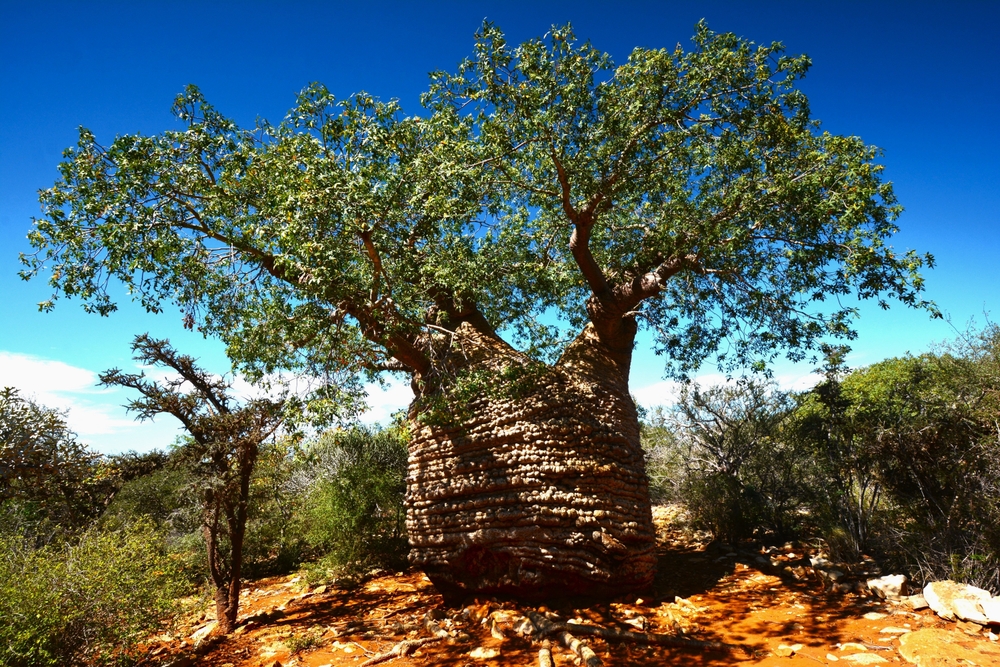
The terrain of Tsimanampetsotse National Park is a blend of arid limestone plateaus, dry spiny forests, and the saline lake that dominates the region. The spiny forests, unique to Madagascar, are filled with endemic succulents, including the iconic baobabs and octopus trees (Didierea). The limestone formations create caves and sinkholes, many of which contain underground rivers and freshwater springs. This arid and harsh environment is visually stunning and supports a range of flora and fauna adapted to survive in such conditions.

The park is home to an array of unique wildlife, much of which is endemic to Madagascar. Among its most notable inhabitants are the ring-tailed lemurs, Verreaux’s sifakas, and the nocturnal white-footed sportive lemurs. Birdwatchers will find the park particularly rewarding, as it hosts the critically endangered Madagascar plover, flamingos that flock to the lake, and a variety of other species like the Madagascar kestrel and hoopoe.

Reptiles are abundant, with species such as radiated tortoises, chameleons, and geckos thriving in the dry forests and limestone habitats. The lake itself supports aquatic life, including rare fish and crustaceans.

Visitors to Tsimanampetsotse National Park can engage with its natural wonders through guided hikes that traverse its spiny forests and limestone plateaus. The lake provides excellent birdwatching opportunities, especially during the flamingo migration season. The caves, particularly Mitoho Cave, are a fascinating feature, offering glimpses into Madagascar’s geological history and containing blind cave fish. Cultural tours with local Mahafaly communities provide insights into their traditions and the spiritual significance of the park, including sacred sites.

Despite its beauty and ecological significance, Tsimanampetsotse faces challenges such as habitat destruction due to deforestation, overgrazing by livestock, and pressures from human encroachment. Conservation efforts led by Madagascar National Parks, along with international and local organizations, focus on habitat restoration, sustainable tourism development, and community-based initiatives to promote environmental stewardship. Public education programs aim to raise awareness among local residents about the importance of preserving the park’s unique ecosystems.

Tsimanampetsotse National Park is a testament to Madagascar’s extraordinary natural heritage and the resilience of life in challenging environments. Its breathtaking landscapes, diverse wildlife, and cultural importance make it a must-visit destination for eco-tourists and researchers. Protecting this park ensures the survival of its rare species and reinforces Madagascar’s global commitment to conservation.

Things to See

Popular

Tsimanampetsotse National Park, located in the arid southwest region of Madagascar, is a sanctuary for a variety of unique predator species that have adapted to its harsh, dry environment.

Fossa (Cryptoprocta ferox)
The fossa is Madagascar’s largest carnivorous mammal and a key predator in Tsimanampetsotse. With its cat-like agility and powerful limbs, it preys on lemurs, small mammals, and reptiles, navigating both trees and ground with ease.

Ring-tailed Mongoose (Galidia elegans)
This agile predator is notable for its rust-red fur and banded tail. It thrives in the park’s scrublands, feeding on insects, small mammals, and reptiles. Its swift and stealthy movements make it a formidable hunter in the dry terrain.

Madagascar Ground Boa (Acrantophis madagascariensis)
This non-venomous constrictor is an ambush predator that preys on small mammals and reptiles. It blends seamlessly into its arid surroundings, waiting patiently to strike at unsuspecting prey.

Panther Chameleon (Furcifer pardalis)
Known for its dazzling colors, the panther chameleon is a precise insect hunter, using its long, sticky tongue to capture prey. Its camouflage abilities make it an efficient ambush predator in the park’s vegetation.

Sakalava Weasel (Bdeogale omnivora)
This elusive predator has a slender body suited for navigating dense scrub. It preys on small mammals, insects, and occasionally bird eggs, playing a critical role in controlling prey populations.

Madagascar Tree Boa (Sanzinia madagascariensis)
An arboreal snake, the Madagascar tree boa is a nocturnal predator feeding on small mammals and reptiles. Its stealth and constriction techniques make it a highly effective hunter.

Giant Leaf-tailed Gecko (Uroplatus fimbriatus)
A master of disguise, this gecko hunts insects and small invertebrates at night. Its leaf-like appearance helps it ambush prey in the sparse vegetation of the park.

Madagascar Hissing Cockroach (Gromphadorhina portentosa)
Though primarily a scavenger, this cockroach can also act as a predator by feeding on smaller insects. It plays an important role in the park’s ecosystem by recycling organic matter.

Madagascar Girdled Lizard (Zonosaurus madagascariensis)
This robust predator preys on insects, small reptiles, and occasionally small mammals. It thrives in the park’s rocky terrain, where its sturdy body helps it evade larger predators.

Radiated Tortoise (Astrochelys radiata)
Although primarily herbivorous, this tortoise exhibits opportunistic predatory behavior by consuming insects and other small invertebrates, showcasing its adaptability to the park’s environment.

Birds

The park is a critical habitat for bird enthusiasts, hosting an array of endemic and migratory bird species that thrive in its saline lake and dry forest ecosystems.

Greater Flamingo (Phoenicopterus roseus)
These elegant waders are a highlight of the park, feeding on algae and crustaceans in Lake Tsimanampetsotse. Their pink hue and synchronized movements make them a spectacular sight.

Madagascar Plover (Charadrius thoracicus)
This endemic bird is known for its striking plumage and foraging behavior along the lake’s shoreline, where it feeds on insects and small aquatic creatures.

Madagascar Sandgrouse (Pterocles personatus)
This ground-dwelling bird is well-adapted to the arid environment, feeding on seeds and using its camouflage to evade predators.

Madagascar Harrier-Hawk (Polyboroides radiatus)
A versatile raptor, the harrier-hawk preys on reptiles, small mammals, and insects, often extracting prey from crevices with its strong talons.

Madagascar Kestrel (Falco newtoni)
This small falcon is a skilled hunter of insects and small vertebrates, often seen hovering in search of prey.

Madagascar Buttonquail (Turnix nigricollis)
A ground-dwelling bird, it forages for seeds, insects, and other small prey in the park’s scrublands.

Red-fronted Coua (Coua reynaudii)
This terrestrial bird feeds on insects and small reptiles, using its strong legs to navigate the forest floor.

White-throated Rail (Dryolimnas cuvieri)
Commonly found near water, this bird preys on insects, mollusks, and other small aquatic animals, playing a vital role in the wetland ecosystem.

Madagascar Lark (Eremopterix hova)
Known for its melodious song, this bird forages for seeds and small insects in the dry savannas of the park.

Subdesert Mesite (Monias benschi)
An endemic species, the subdesert mesite is a ground-dwelling bird that feeds on insects and small fruits, contributing to seed dispersal in the park’s dry forests.

Things To Do

Engaging Tsimanampetsotse National Park

placeholder

Boabab Exploration

placeholder

Lake Visit

placeholder

Caves & Grottos