

About
Lokobe National Park, locally known as “Parc National de Lokobe,” is one of Madagascar’s smallest yet most biologically significant protected areas.
Located on the southeastern tip of Nosy Be Island, near the town of Hell-Ville, the park spans approximately 7.4 square kilometers (2.9 square miles). It serves as the last remaining primary rainforest on Nosy Be, making it a vital sanctuary for the island’s endemic species and a key conservation site in Madagascar.
The terrain of Lokobe National Park is a blend of dense lowland rainforest, rolling hills, and coastal mangroves. Its humid environment supports a thriving ecosystem, with towering trees forming a thick canopy that provides shade for a vibrant understory of shrubs, ferns, and vines. Streams and small water bodies crisscross the park, nourishing its flora and fauna. The coastal mangroves transition into pristine beaches, adding to the park’s ecological diversity.
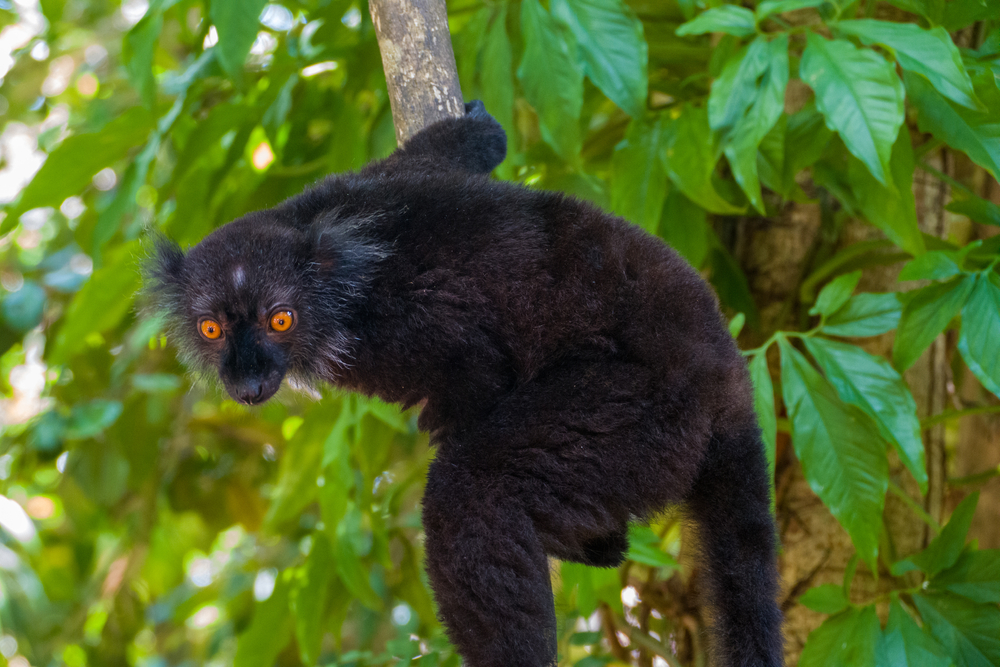
Lokobe is renowned for its extraordinary biodiversity, despite its small size. It is home to several endemic species, including the black lemur, which is one of its most famous residents. The park also shelters the Nosy Be panther chameleon, leaf-tailed geckos, and numerous frogs, making it a hotspot for herpetologists. Birdwatchers can spot species such as the Madagascar pygmy kingfisher and the blue coua. Insects, including colorful butterflies and unique beetles, are abundant, reflecting the park’s rich ecological web.
Visitors to Lokobe National Park can immerse themselves in its natural beauty through guided forest treks, which offer opportunities to observe lemurs, reptiles, and birds in their natural habitats. Canoe trips through the mangroves provide a serene experience and a chance to see aquatic life and coastal ecosystems up close. Cultural exchanges with local communities allow visitors to learn about the traditional uses of the forest’s resources and the importance of conservation in their daily lives.
Despite its ecological importance, Lokobe National Park faces challenges such as habitat degradation, agricultural encroachment, and the pressures of tourism. Conservation efforts, led by Madagascar National Parks and local organizations, focus on habitat restoration, sustainable tourism, and environmental education. Community involvement is a cornerstone of these initiatives, ensuring that locals benefit from the park’s resources while actively participating in its protection.
Lokobe National Park is a microcosm of Madagascar’s unparalleled natural heritage. Its dense rainforest, unique wildlife, and cultural significance make it a must-visit destination for eco-tourists and researchers alike. By preserving Lokobe, Madagascar safeguards not only an irreplaceable ecosystem but also the livelihoods of local communities and its reputation as a global conservation leader.
Things to See
Things To Do
Engaging Lokobe National Park
